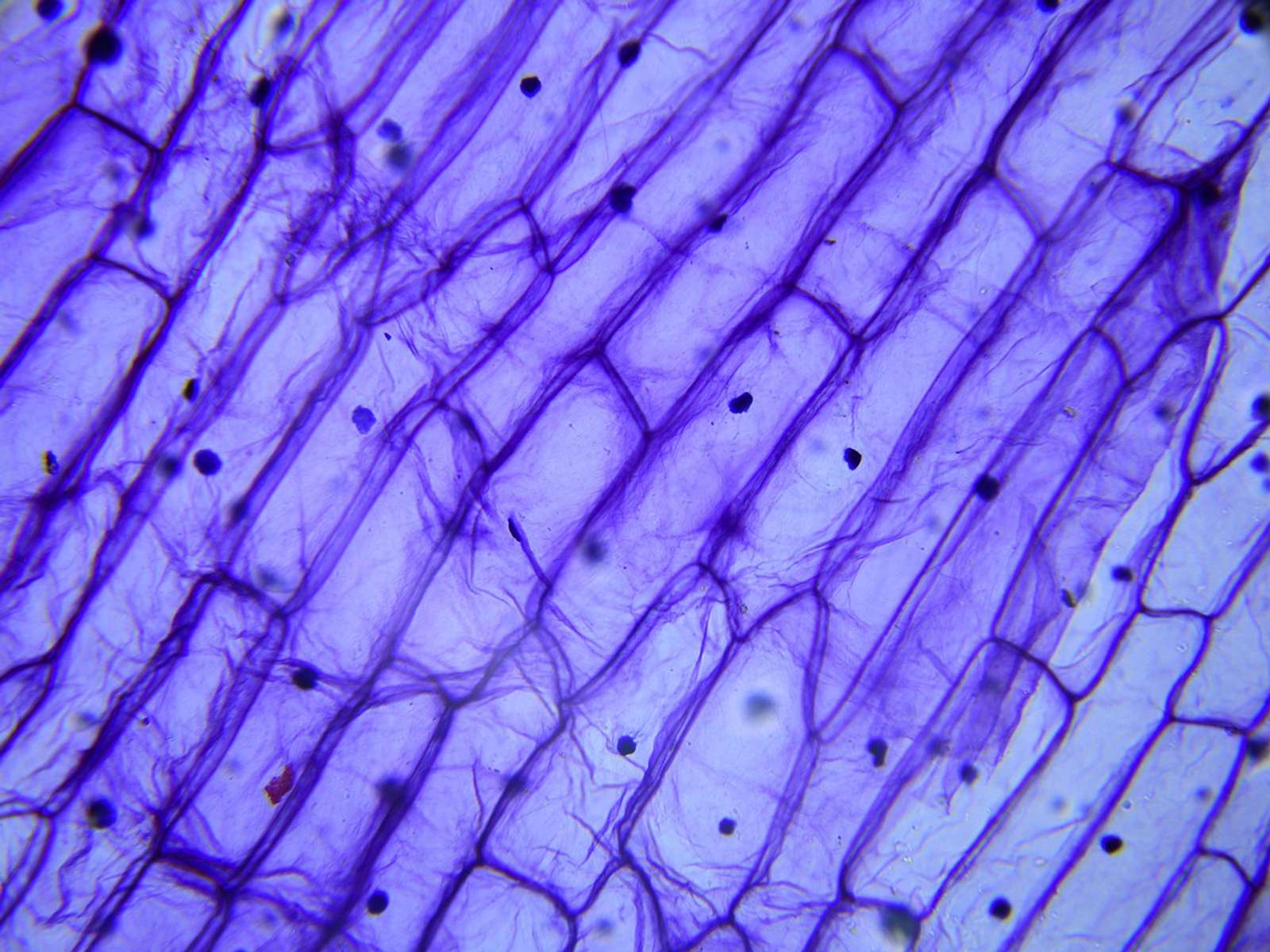
ETH Zurich researchers engineered human cells to archive RNA, the transcripts of active genes, in a protected film around their mitochondria, preserving several thousand molecules that show what the cell was doing days before.
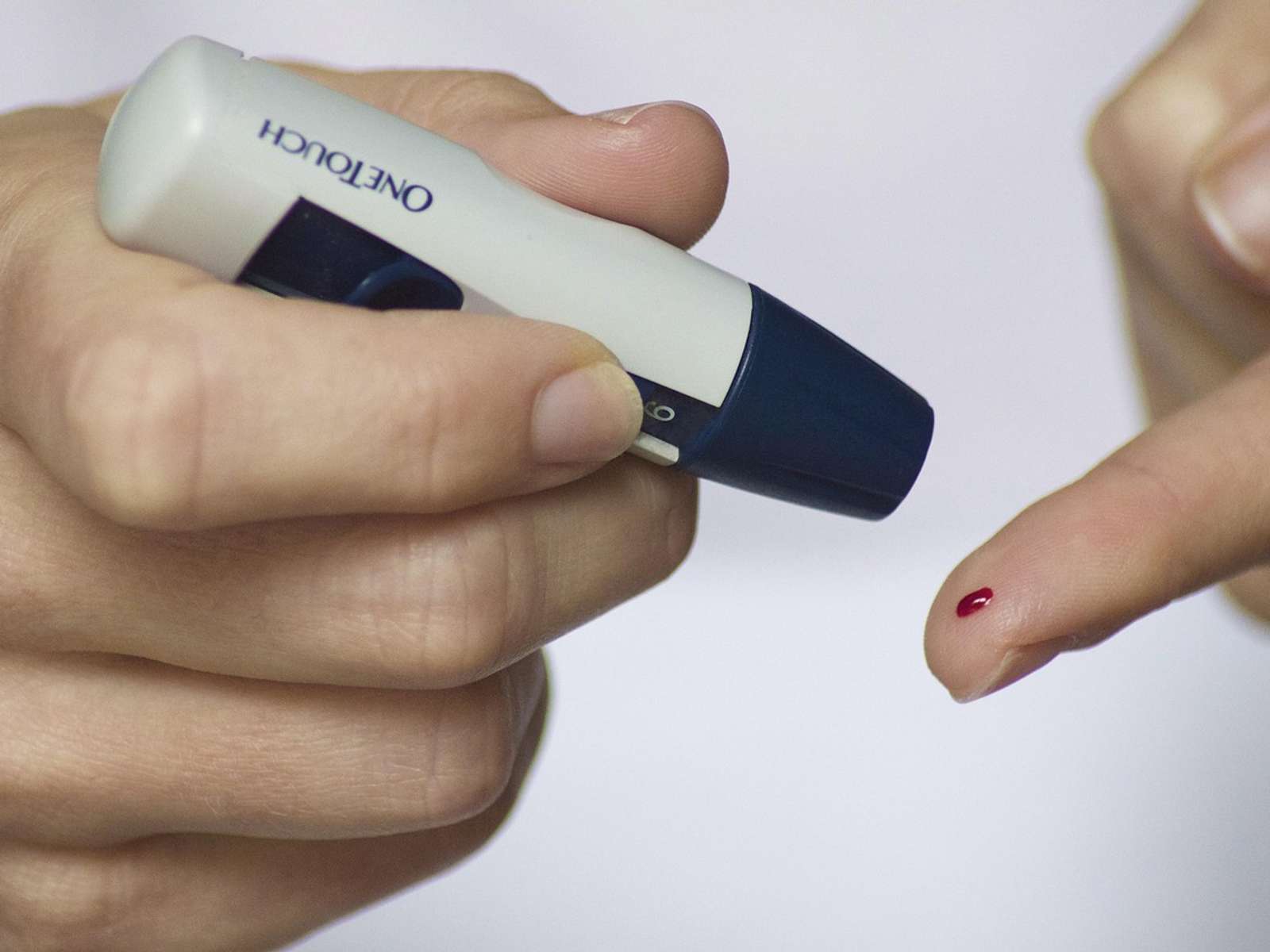
ETH Zurich researchers built an implant with a gold-and-platinum catalyst that converts excess blood glucose into gluconate, switched on wirelessly when a sensor detects high sugar. In diabetic mice it regulated blood sugar for six weeks.
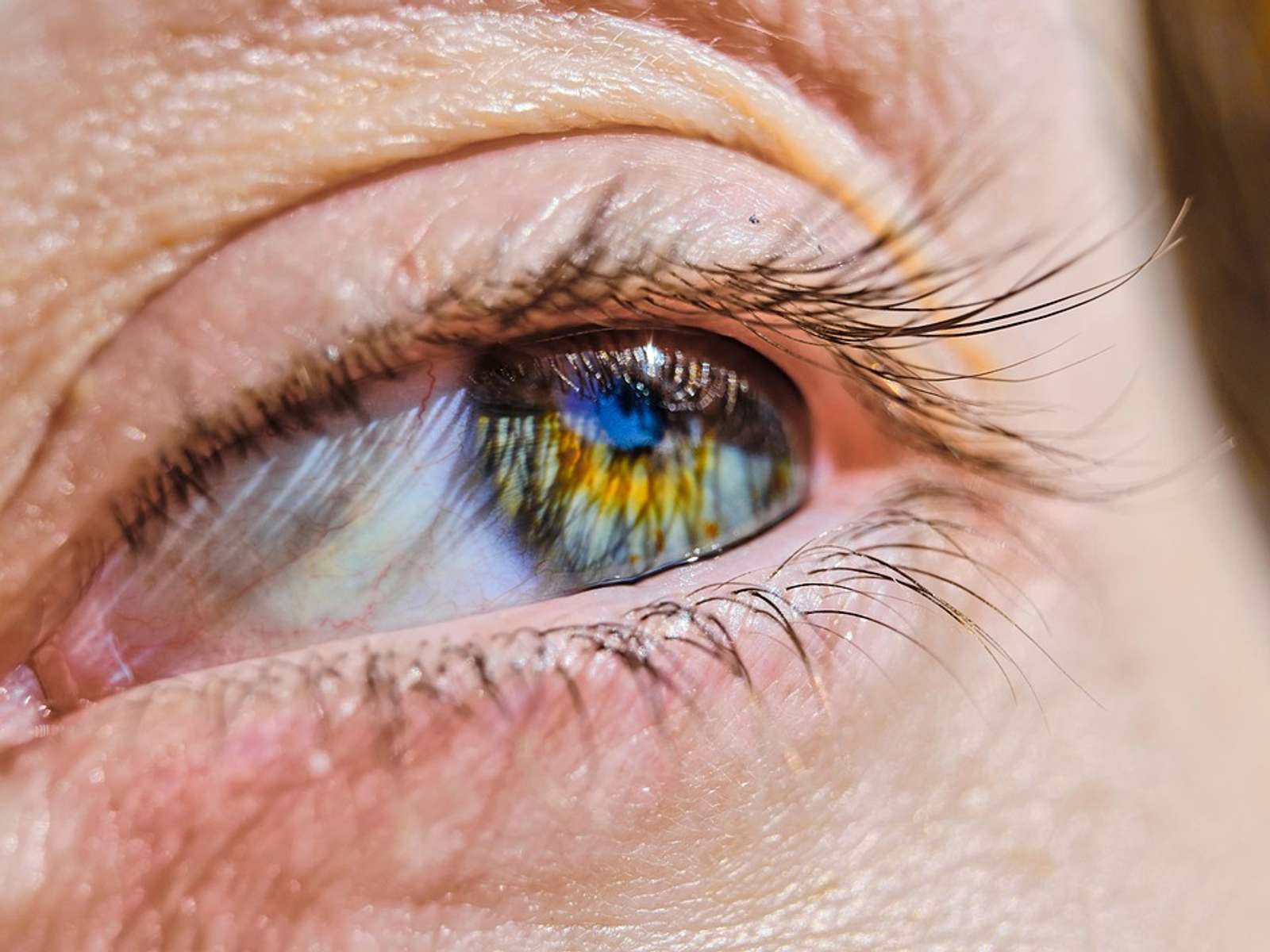
In the first group of blind patients treated with optogenetic therapy, the treatment was safe in all 10 and six gained clinically meaningful light sensitivity. It did not restore normal sight.
In a study of 204 patients having a cannula inserted before an MRI scan in Zurich, those who listened to their own favorite music reported the biggest reduction in pain.