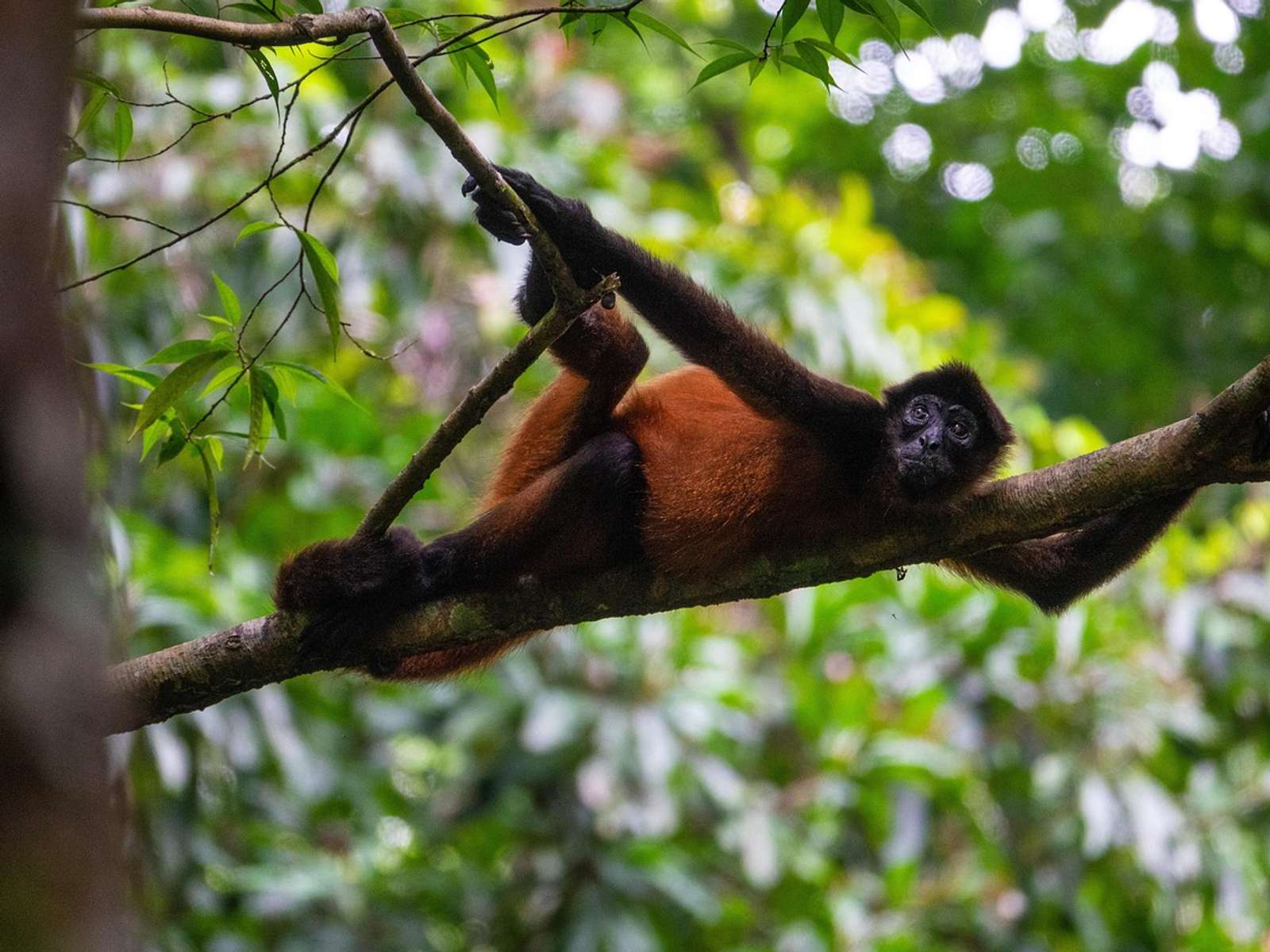
A University of Salford-led team has described Alouatta iroi and Alouatta matogrossensis in Communications Biology, the first new howler monkeys named in 84 years. Southern Amazonia, home to one of them, is among the fastest-deforesting regions on Earth.
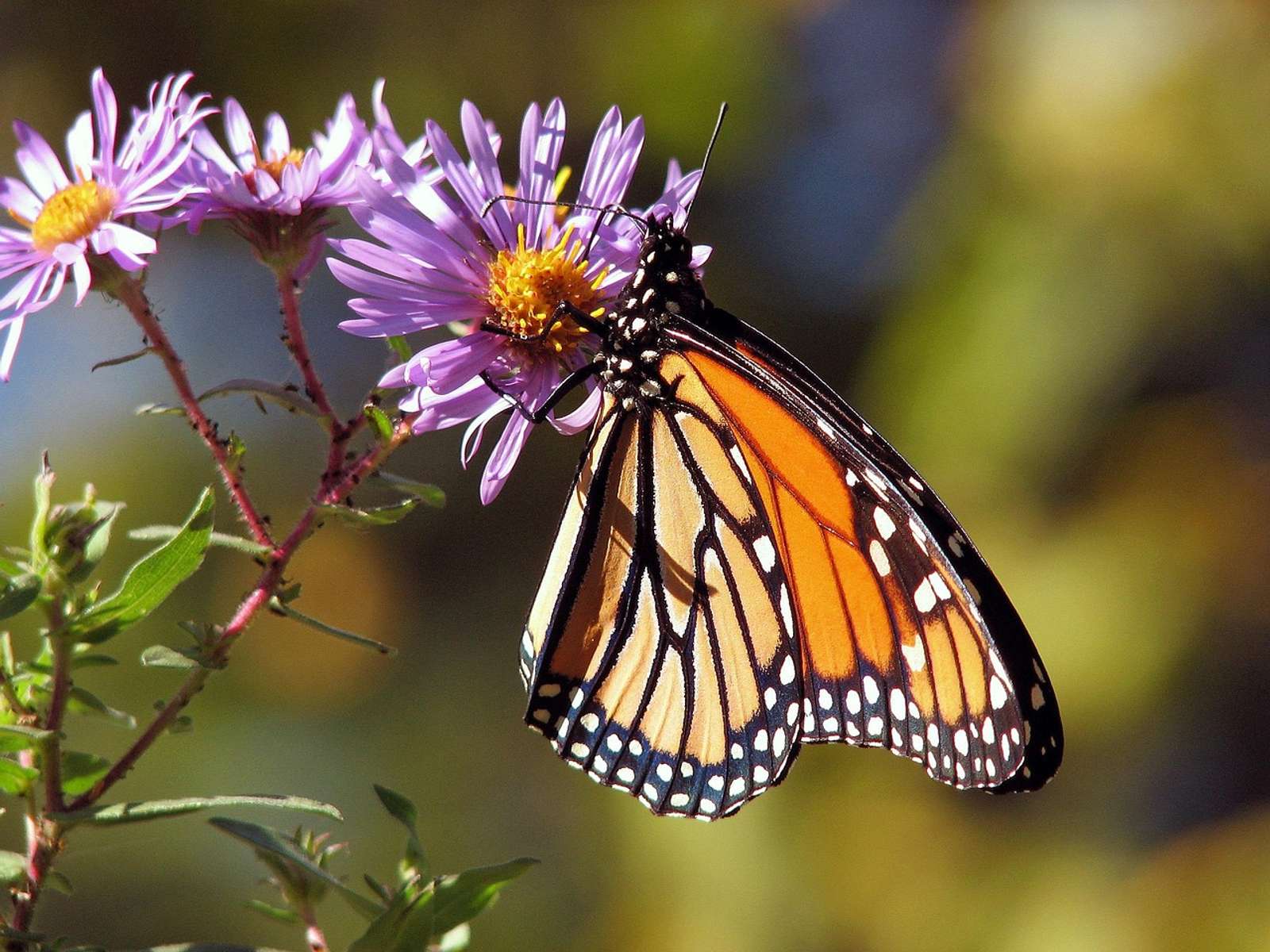
After DNA-barcoding more than 1 million specimens, researchers led by the Natural History Museum of Los Angeles County estimate California has over 60,000 insect species, about one-third undescribed. Nearly every site had its own distinct insect community.

Babies in England are now being screened for spinal muscular atrophy (SMA) through the heel-prick test, starting in October 2026. Treated before symptoms appear, many children with SMA develop like their peers, says UCL's Francesco Muntoni.
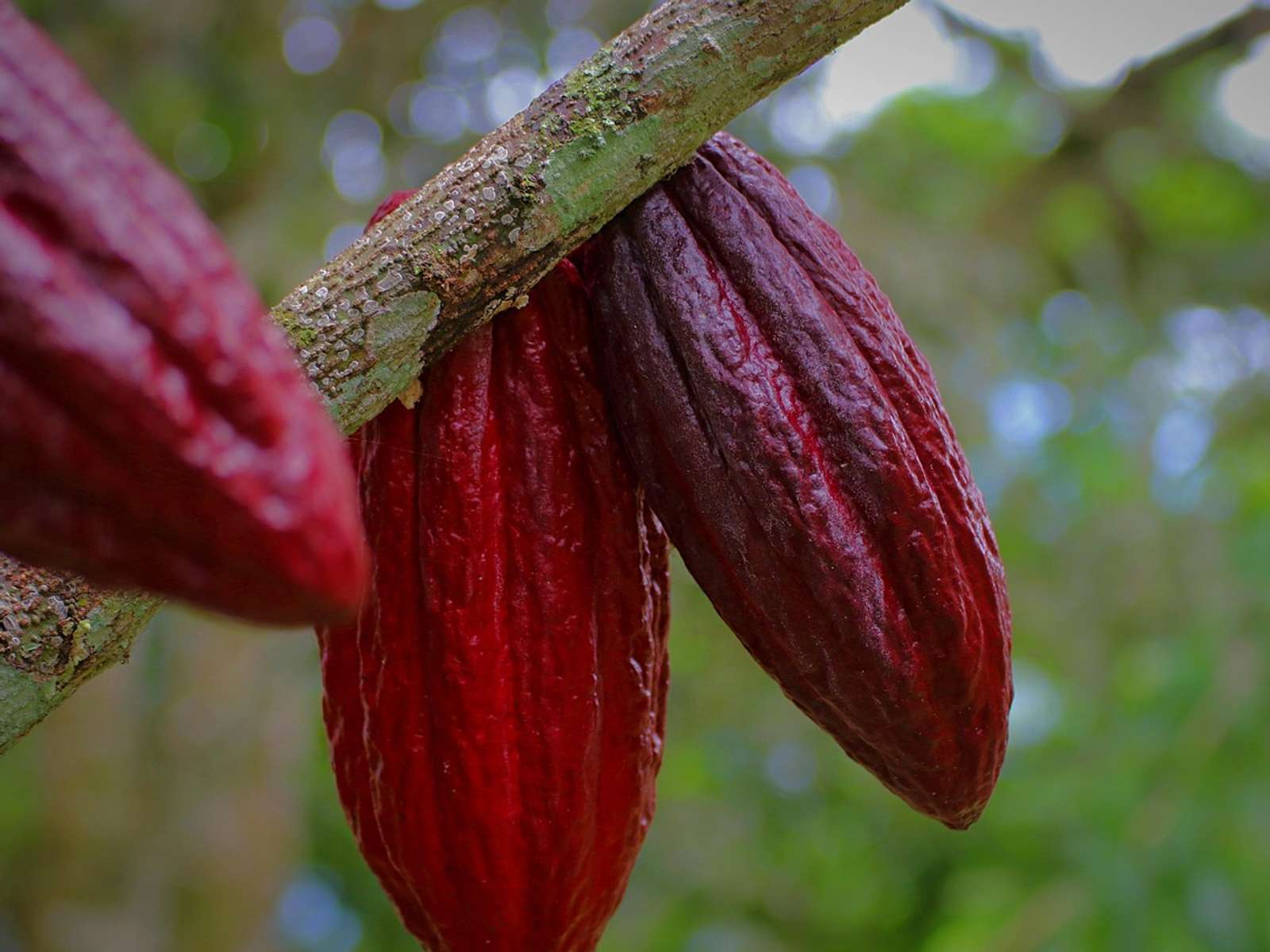
Penn State researchers edited two letters of a cacao immune gene, TcNPR3, and the plants showed about 42% less black pod disease in the lab. Breeding removed all foreign DNA, and field trials with the USDA are underway.
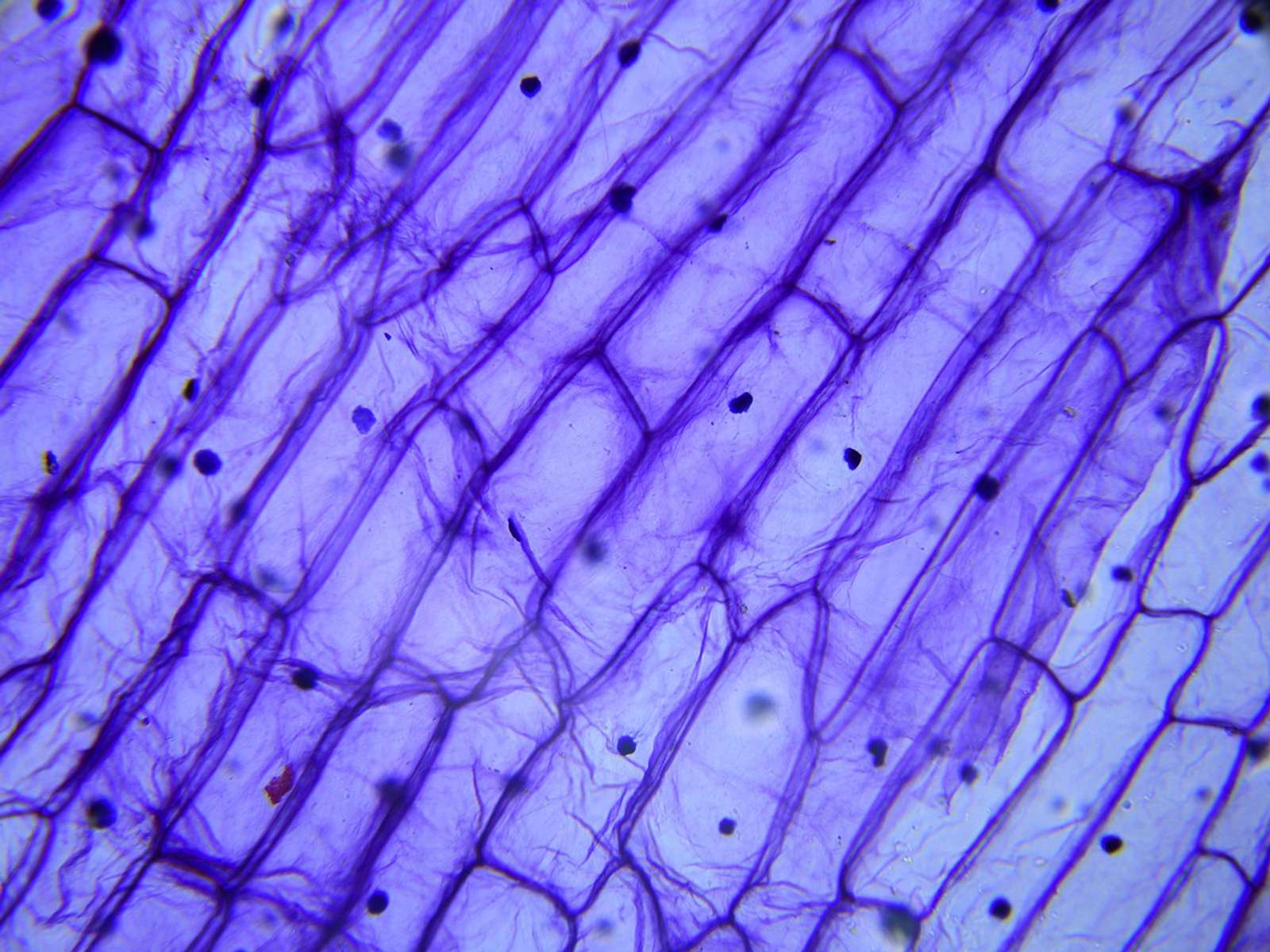
ETH Zurich researchers engineered human cells to archive RNA, the transcripts of active genes, in a protected film around their mitochondria, preserving several thousand molecules that show what the cell was doing days before.

The University of Queensland's BASE mRNA Facility will build quality-control technology for ARPA-H's GIVE program, which aims to let US hospitals produce personalized RNA medicines on demand. UQ's share is up to $57 million.

Students and staff at Curtin University's Perth, Singapore and Malaysia campuses sampled air, water and surfaces for environmental DNA and identified 572 species, from a small-clawed otter to an escaped pet iguana.

Charité in Berlin has given Germany's first routine CRISPR-based treatment to a 19-year-old with beta-thalassemia. Four months later his hemoglobin is normal and he no longer needs transfusions.
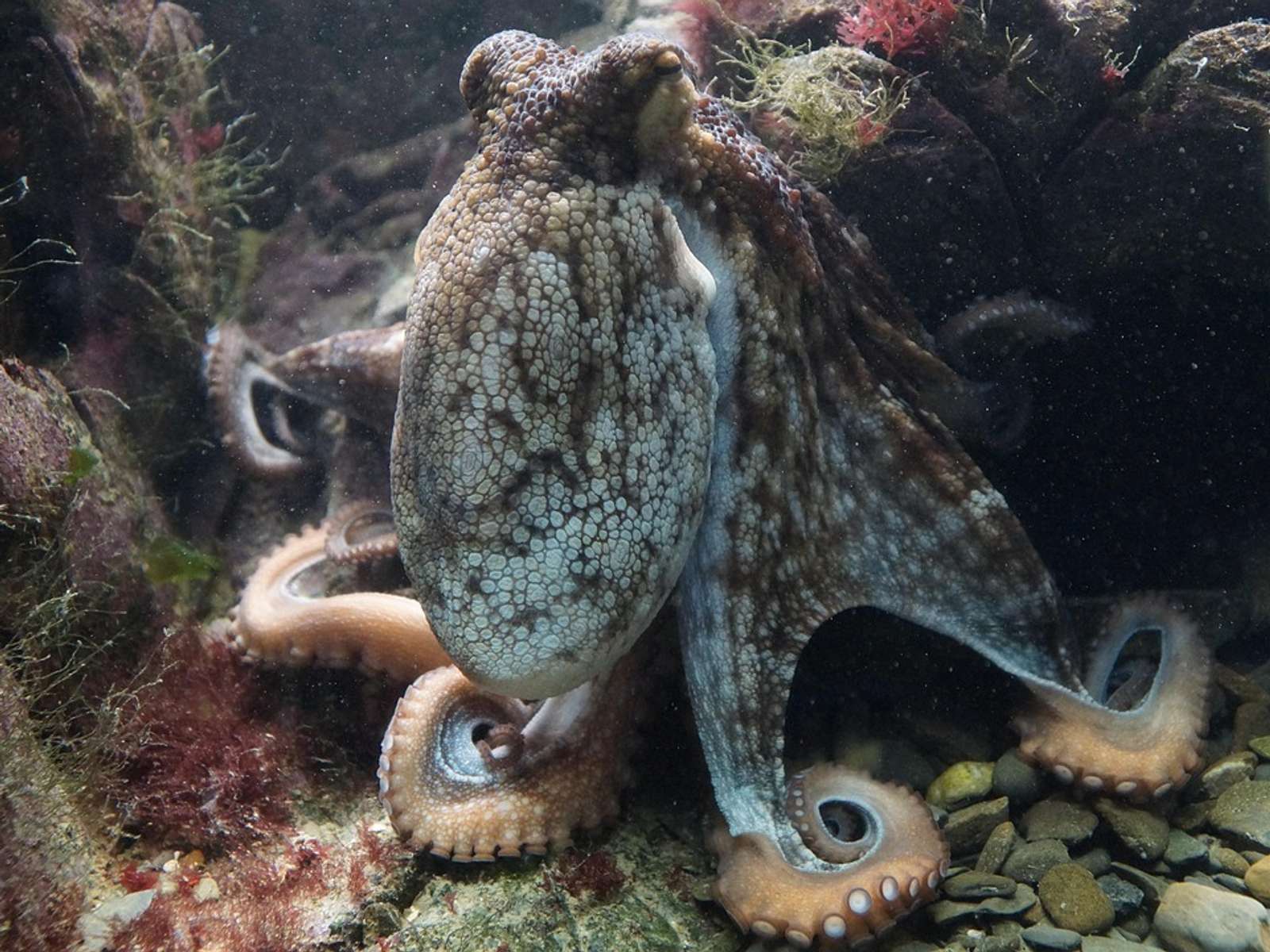
A University of Vienna team mapped how DNA is folded in octopus, squid and cuttlefish. An ancient genome reshuffle created new contacts between genes that may have helped their nervous systems evolve.
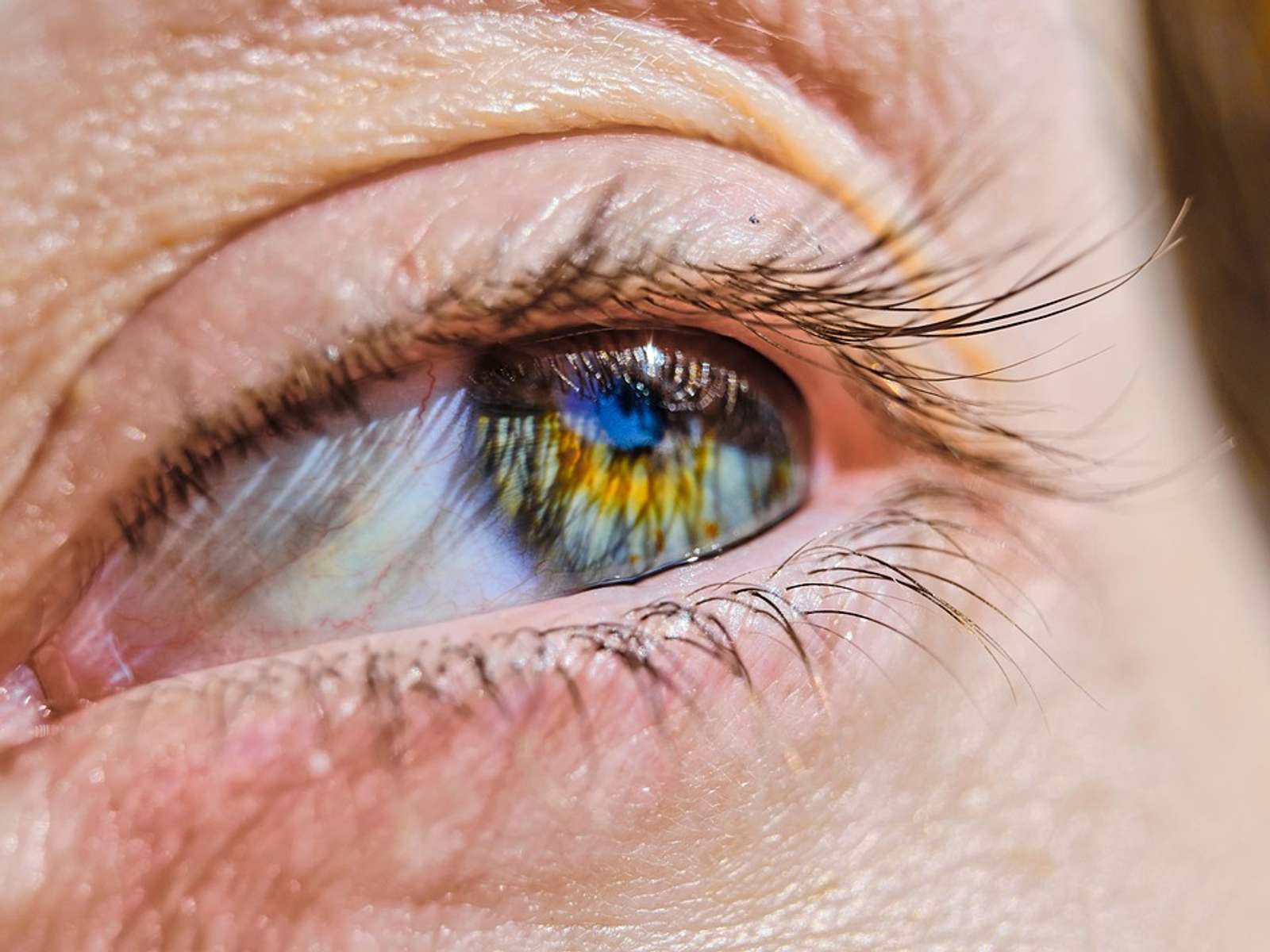
In the first group of blind patients treated with optogenetic therapy, the treatment was safe in all 10 and six gained clinically meaningful light sensitivity. It did not restore normal sight.
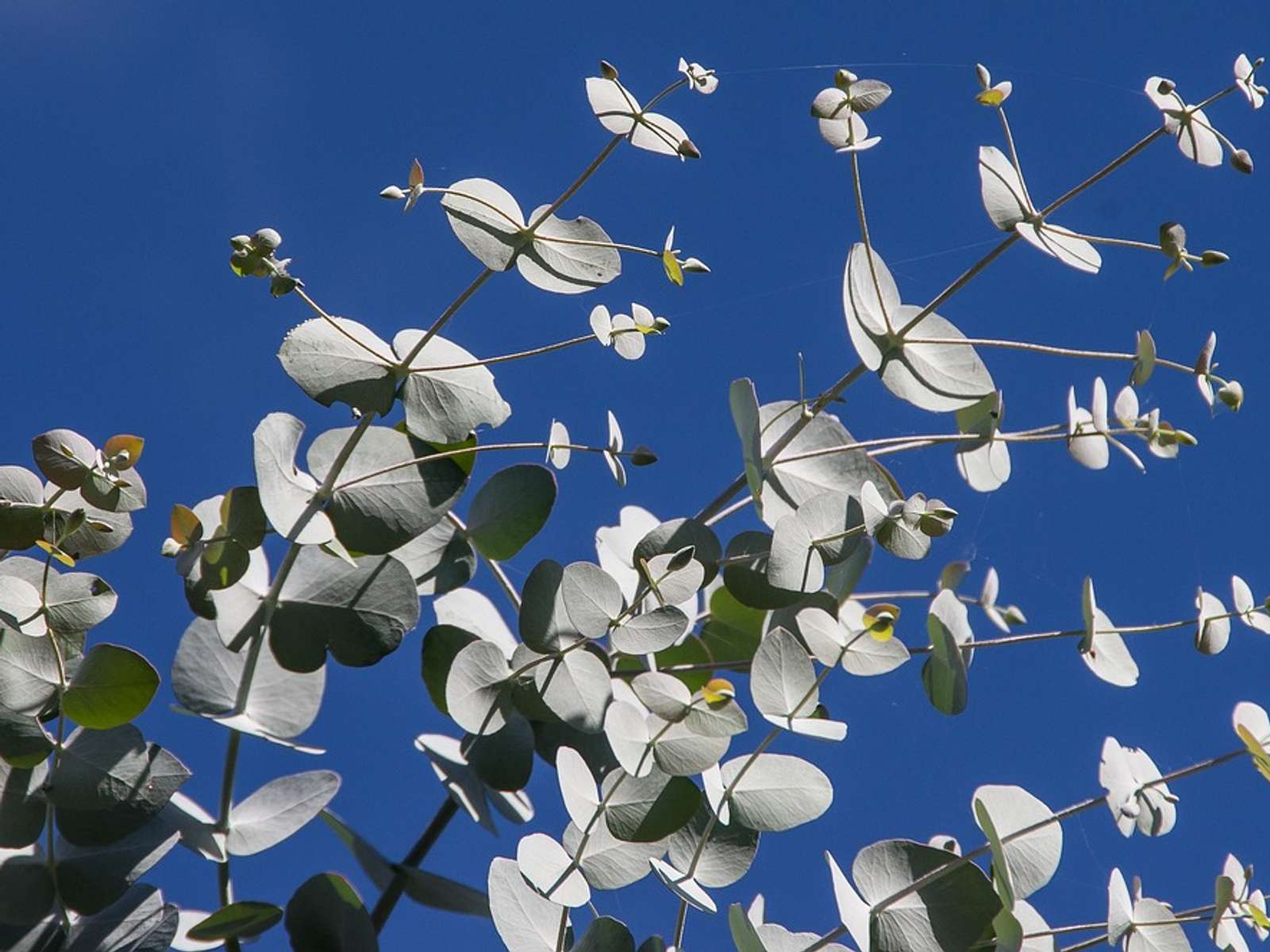
University of the Sunshine Coast researchers used DNA from greater glider droppings to identify 17 plant species in their diet, including non-eucalypts such as acacia and casuarina.
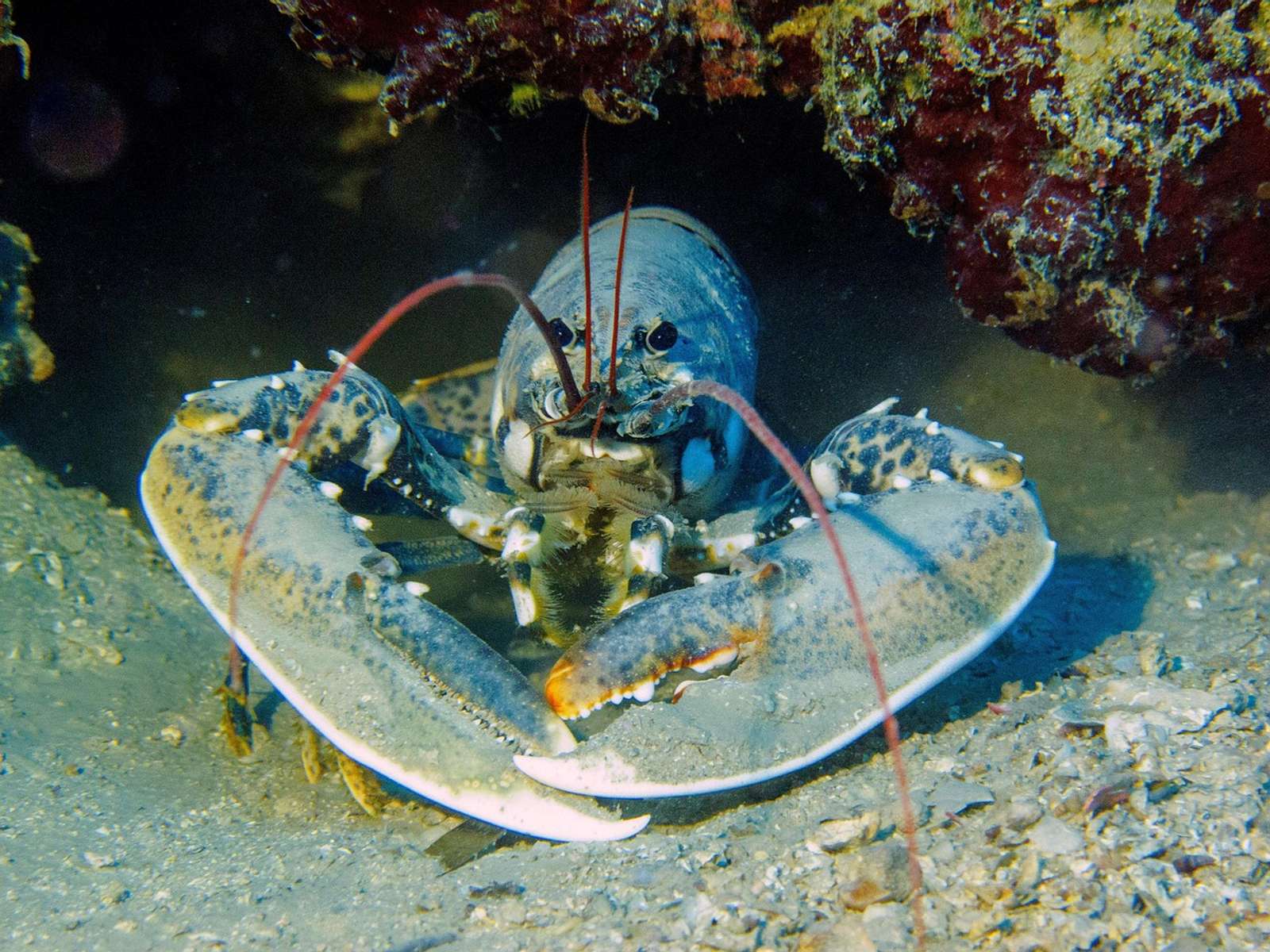
A rare white “ghost” lobster named Casper has moved from the Maine State Aquarium to the University of New England, where scientists are working out which genes give some lobsters unusual shell colors.
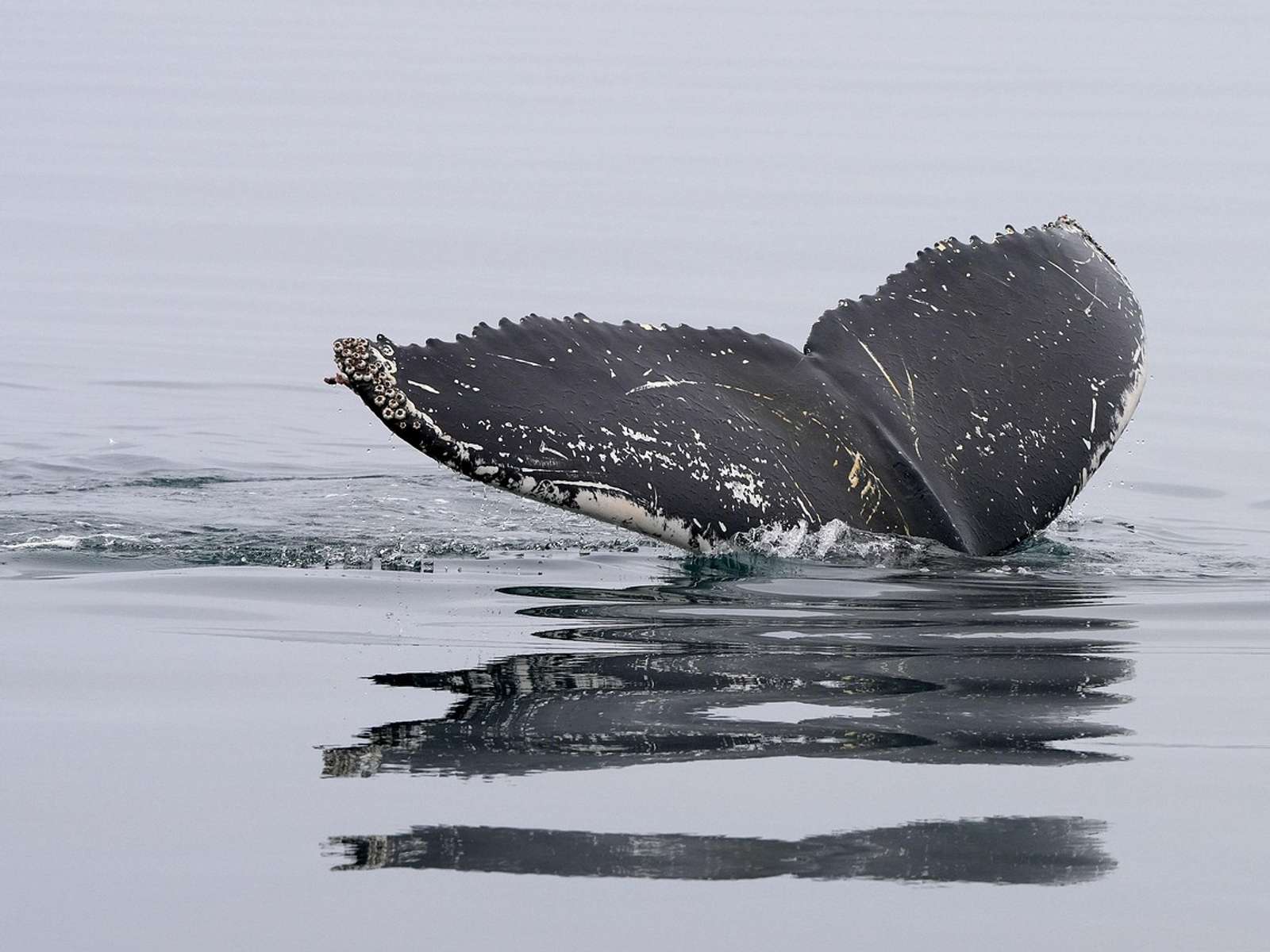
Mitochondrial DNA from 2,285 humpbacks shows the whales that live year-round off Oman split from other populations 43,000 to 113,000 years ago. A taxonomy committee still has to decide on the proposed subspecies.