A two-letter gene edit gives cacao plants about 42% less black pod disease in Penn State lab tests
Penn State researchers edited two letters of a cacao immune gene, TcNPR3, and the plants showed about 42% less black pod disease in the lab. Breeding removed all foreign DNA, and field trials with the USDA are underway.
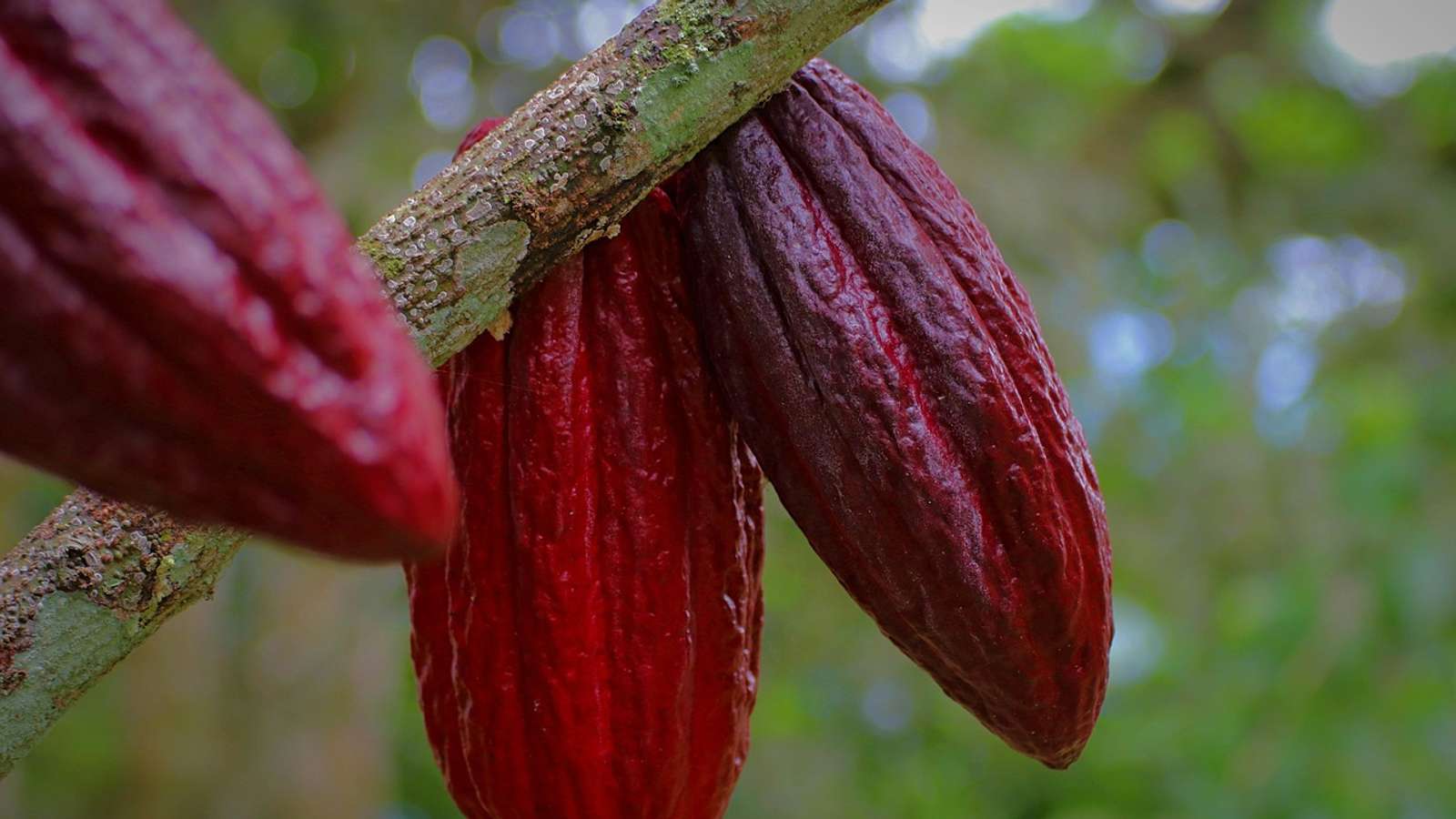
A tiny gene edit made cacao plants markedly more resistant to black pod disease, one of the main threats to the world's chocolate supply, Penn State said on 27 October. Plants with the edit showed about 42% less disease in laboratory tests, according to the study in Plant Biotechnology Journal.
Releasing a brake on the immune system
The researchers targeted TcNPR3, a cacao gene that works as a natural brake on the plant's immune system. Using CRISPR gene editing, they partly released that brake so the plant's own defenses switch on more strongly when a pathogen attacks. The change is very small. “We only changed two bases in the entire genome of the plant,” said Mark Guiltinan, professor of plant molecular biology, out of about 450 million.
The team then crossed the edited plants with unedited ones and used genome sequencing to select offspring that kept the beneficial change but carried none of the foreign DNA from the editing tools. That matters for regulation: the university said this is consistent with US and EU frameworks that treat some gene-edited traits like conventionally bred ones, so the plants are no longer considered genetically modified organisms. “That single change resulted in about a 42% reduction in disease under laboratory conditions,” Guiltinan said. The university did not describe the test in detail.
A disease that costs growers about 30% of yields
Black pod disease is caused by a mold-like pathogen that rots the pods in which cocoa beans grow. It causes yield losses of about 30% worldwide, according to Penn State. Pests and diseases together account for more than 40% of global cocoa crop losses, the International Cocoa Organization said in a 2013 statement, and five West African countries, Cameroon, Côte d'Ivoire, Ghana, Nigeria and Togo, grow about 70% of the world's cocoa.
“The next step is proving performance in field trials.” — Siela Maximova, research professor of plant biotechnology, Penn State
Years away from farmers
So far, the results come only from the laboratory, and the plants are not ready for commercial planting. Field tests with the US Department of Agriculture are underway in Hawaii and Puerto Rico to see how the plants perform in real growing conditions. “It takes millions of dollars and many years to bring a new crop variety to farmers,” Maximova said.
Penn State has licensed the commercial rights to AgroNetica, a cacao biotechnology company that plans to test, scale up and sell improved varieties. Its pipeline also includes heat and drought tolerance, lower cadmium uptake, smaller trees and caffeine-free varieties. Guiltinan and Maximova co-direct Penn State's Program in Molecular Biology of Cocoa, which began with an industry-supported endowment in the 1980s. More work on crops and food supply is collected under food security.
Sources
- Penn State University · psu.edu
- icco.org
How we choose and verify sources: editorial policy.