Simple machines cut rural women's farm workload by 76% in a Zimbabwe climate project reaching 229,000 women
In southern Zimbabwe, a UNDP and Green Climate Fund project has reached 229,414 women directly. Earth augers and threshers cut their farm workload by a reported 76%, and women now hold about half the seats on irrigation committees.
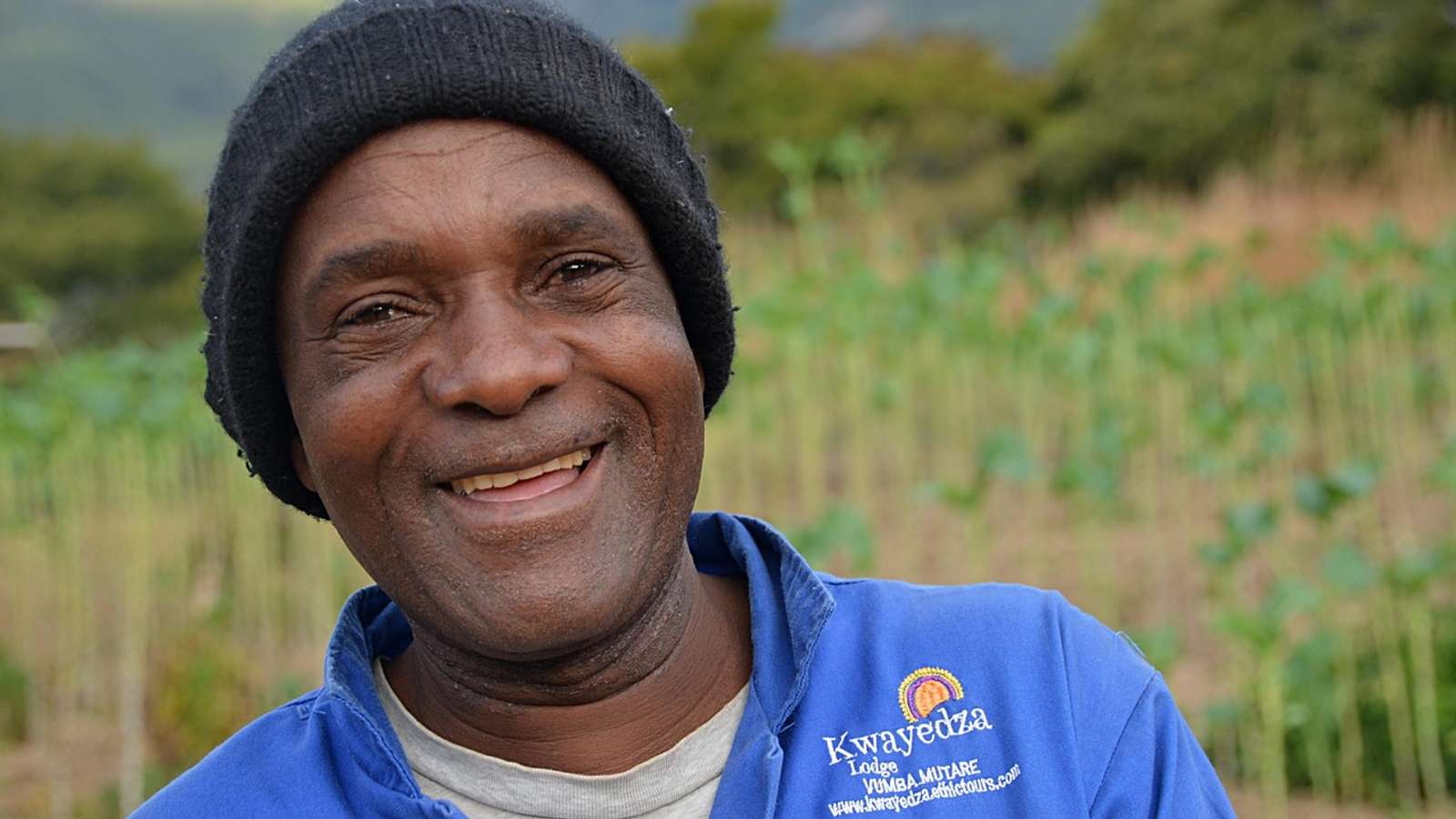
A climate adaptation project in southern Zimbabwe reports reaching more than 2.8 million people, 53% of them women, with 229,414 women benefiting directly, UNDP Zimbabwe said on 19 October, ahead of the International Day of Rural Women. Women head 65% of the households reached.
The Climate Resilient Livelihoods project runs in 15 districts of Manicaland, Masvingo and Matabeleland South provinces, with the government of Zimbabwe and funding from the Green Climate Fund.
Hours of work turned into minutes
The headline result is time. Earth augers, multi-crop threshers and grinder-choppers have cut women's overall workload by a reported 76%, UNDP said. Preparing Pfumvudza planting basins, a conservation farming method, now takes 6.3 hours instead of 39.4, and threshing cereals 5.2 hours instead of 58.2. In the project's survey, 83% of women reported significant or very significant reductions in workload.
Women use the freed-up time for paid work, farming, childcare and other household needs, according to UNDP. The figures are the project's own reported results, not an independent evaluation.
More women on the committees that run the water
Women now hold about 49% of the seats on the Irrigation Management Committees of the project's active irrigation schemes, up from less than 20% at the start. They serve as chairs, secretaries and treasurers, and lead the operations and maintenance funds in four of the 13 irrigation schemes the project built.
The project also set up 463 village savings and lending groups with 5,981 members, 77.7% of them women, which had saved US$329,374 by December 2025. Its 230 farmer field schools have reached 82,434 farmers, including 53,392 women, and 199,062 women have received weather and climate advice by radio, SMS, WhatsApp or community meetings.
“Rural women are not only among those most affected by climate change; they are also central to the solutions.” — Dr. Ayodele Odusola, UNDP Zimbabwe Resident Representative
A $47.8 million project that runs to 2027
The project, formally called Building Climate Resilience of Vulnerable Agricultural Livelihoods in Southern Zimbabwe, was approved by the Green Climate Fund in March 2020. The fund put in about $26.6 million and co-financing added $21.2 million, for a total of $47.8 million. It aims to make 2.3 million people more resilient to climate change and is scheduled to run until June 2027.
Similar efforts are putting women in charge of water elsewhere; in Kyrgyzstan's Batken region, women-led groups restored more than 22 km of irrigation. UNDP has not said what happens to the savings groups and committees after the project ends.
Sources
- UNDP Zimbabwe · undp.org
- greenclimate.fund
How we choose and verify sources: editorial policy.