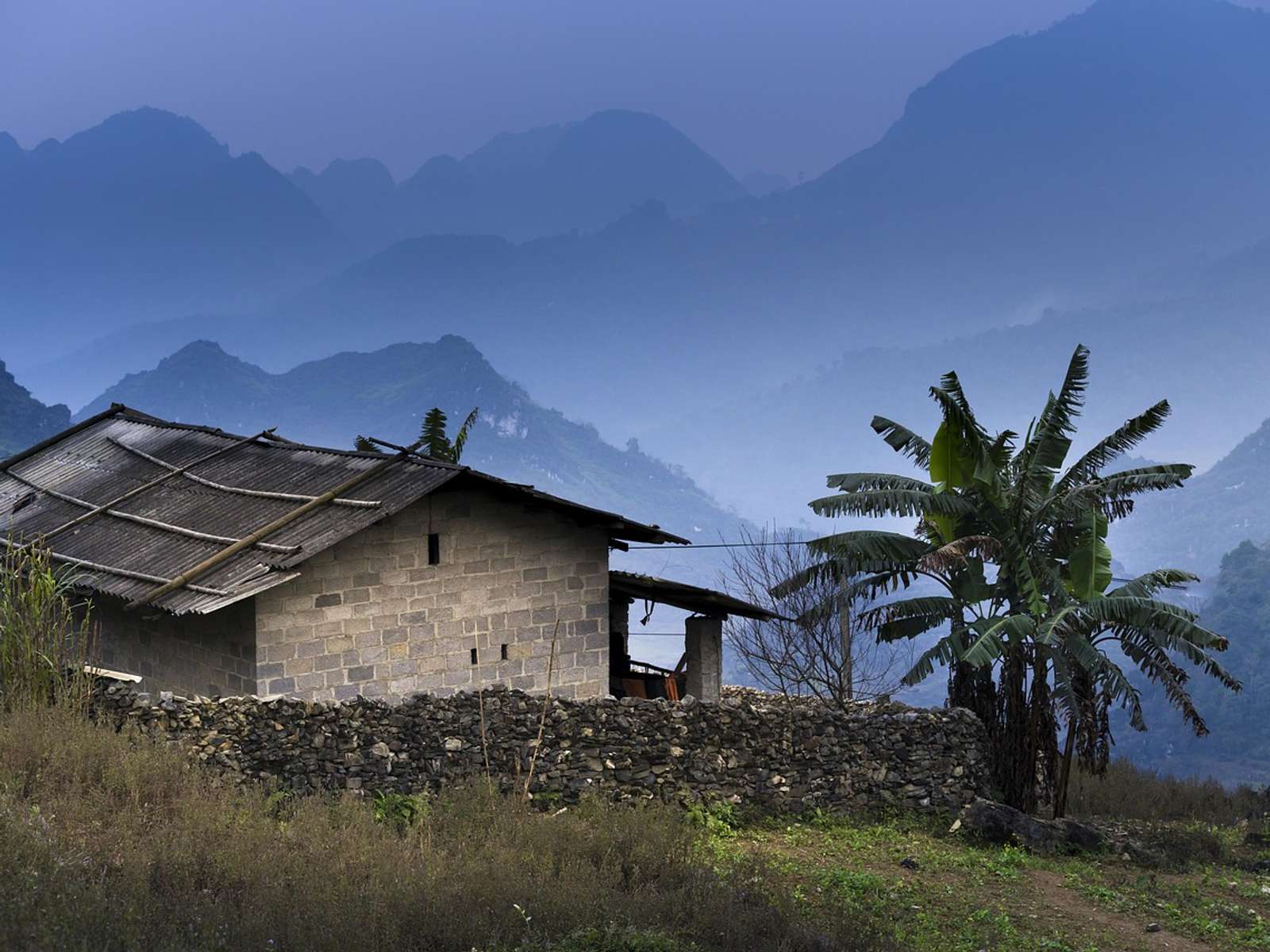
Women in Kyrgyzstan's Batken region restore 22 km of irrigation to ease disputes over scarce water
In Kyrgyzstan's Ferghana Valley, a UNDP project led by women has restored more than 22 km of irrigation and installed 204 drip systems, benefiting 3,980 people where 77% of residents had faced conflicts over water.
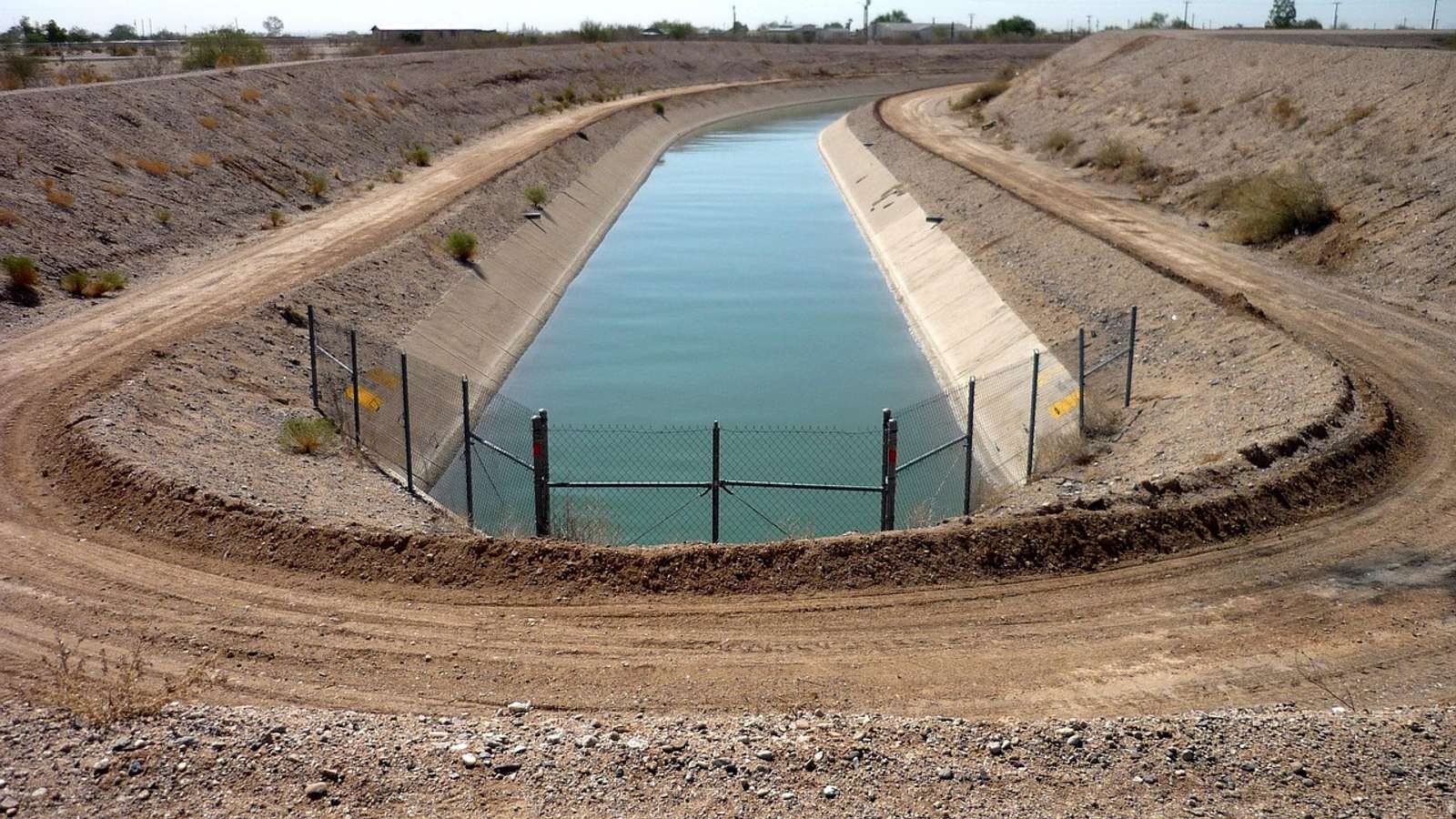
In southern Kyrgyzstan, a project that puts women at the center of decisions on water has restored more than 22 kilometers of irrigation and installed 204 drip irrigation systems across 20 pilot communities, UNDP Kyrgyzstan said on 15 October. Water supply has improved on 1,078 hectares of farmland, directly benefiting 3,980 people.
The project, “Women of the Ferghana Valley at the Forefront of Climate Resilience, Adaptation and Peace,” is run by UNDP with the Ecological Movement BIOM and funded by the UN Peacebuilding Fund. It covers communities in the Batken, Osh and Jalal-Abad regions.
Three in four people had faced disputes over water
In the Ferghana Valley, shortages of irrigation water have long caused tension between neighbors. In the project's baseline survey, 77.4% of respondents said they had experienced conflicts related to water distribution. Women work the land every day, UNDP said, but have traditionally had little say in how water is managed.
A network called Tynchtyk Bulagy now links 280 women leaders, including 39 women on local councils. Ninety-one of them have been trained in mediation and peaceful dispute resolution, and they help run dialogue between communities and local authorities.
Drip lines in Kuduk, a canal that lost 70% of its water in Maidan
Journalists visited three villages in Kadamjay District on a UNDP press tour for the International Day of Rural Women. In Umai-Ene, women worked with the local administration to choose 15 households for drip irrigation, based on need and their willingness to teach neighbors. In Kuduk, 15 women farmers now use drip irrigation on 3.75 hectares and take part in decisions on sharing water during shortages.
In Maidan, residents are rehabilitating the Bant-Suu canal, where water losses in some sections reached 70%. One hundred households are cleaning and lining a 1.5-kilometer stretch with concrete.
A small piece of a national irrigation problem
Leaky canals are a problem across the country. A World Bank program approved in June aims to raise Kyrgyzstan's irrigation water conveyance efficiency from 35% to at least 70% on about 82,000 hectares, benefiting more than 450,000 people, the World Bank said. Against that, the UNDP project is small, but it pairs repairs with local agreements on who gets water and when.
Women farmers are reshaping other mountain valleys too: in Nepal's Jumla district, a women's group has turned an old millet into a cash crop. UNDP said the Tynchtyk Bulagy network is now working directly with government institutions so rural women's priorities are reflected in policy. It did not say when the project ends.
Sources
- UNDP Kyrgyzstan · undp.org
- worldbank.org
How we choose and verify sources: editorial policy.