New Project Aims to Help 4,000 Mongolian Herding Families Withstand Harsher Winters
A $2 million Adaptation Fund project managed by IFAD will help at least 4,000 herding families in Mongolia's Bayankhongor and Dundgobi provinces cope with severe winters and droughts through water points, early warnings and processing centers.
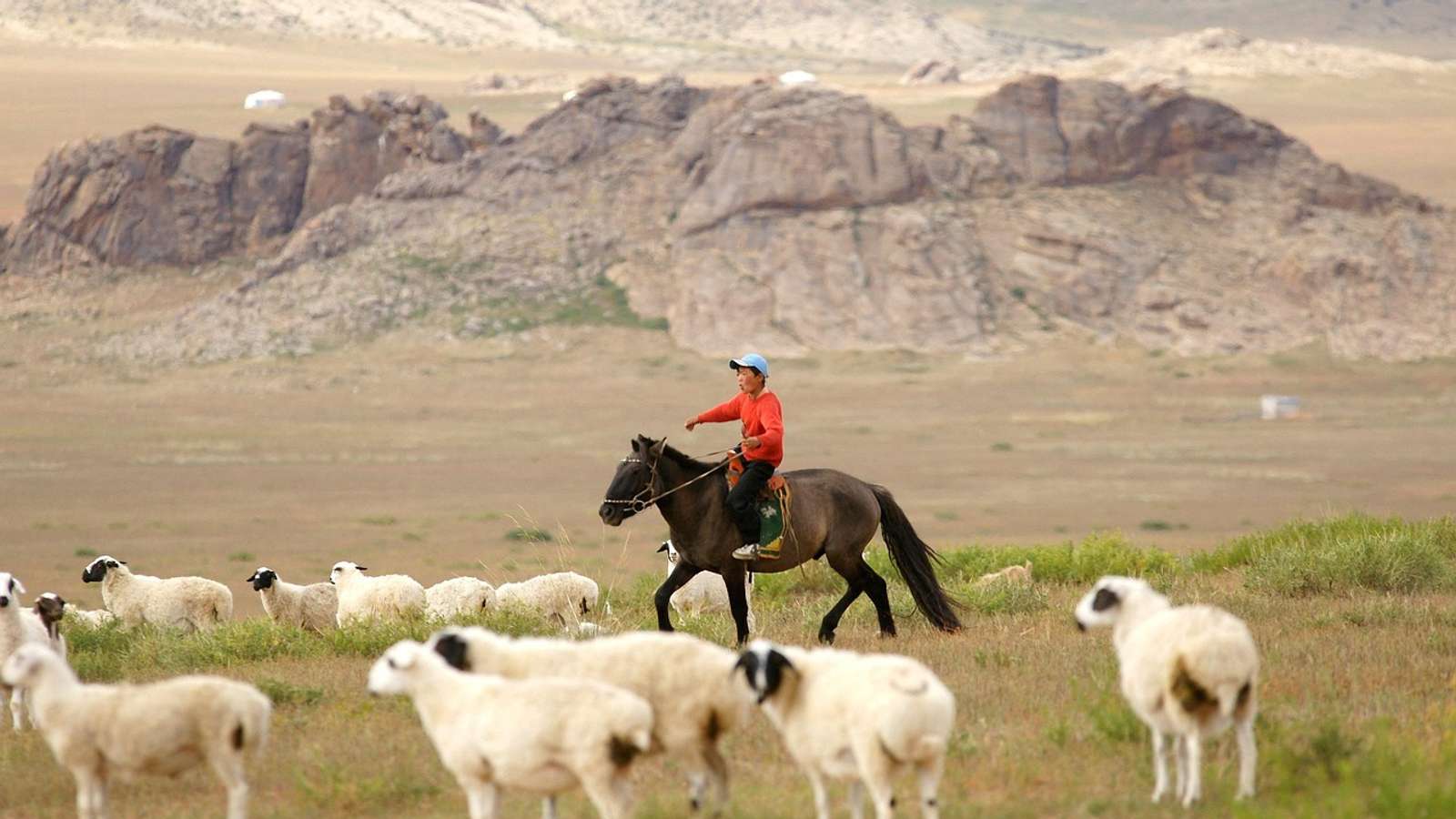
A new project will help at least 4,000 herding families in Mongolia cope with increasingly harsh winters and droughts, the International Fund for Agricultural Development (IFAD) said at its launch, as reported by Devdiscourse. The project, called SMART-Herders, is financed by a grant of $2,038,883 from the Adaptation Fund, according to the fund's project page.
SMART-Herders is short for Sustainable Pasture Management and Adaptation with Resilient Technologies for Herders in Mongolia. IFAD manages it with the Office of the President of Mongolia and the UN Industrial Development Organization (UNIDO).
Severe winters can cut herds off from grass
Mongolian herders face dzud, a severe winter in which extreme cold, heavy snow and thick ice stop livestock from reaching the grass they need. When animals die, families lose both food and income at once, because the herd is often a household's main asset.
The project will work in Bayankhongor and Dundgobi, identified as the two hardest-hit provinces. Both have long histories of dzud losses; in the 2010 disaster, hundreds of thousands of animals died in each province.
Water, warnings and places to sell
Plans include two solar-powered water stations, 40 small earth banks to hold rainwater, and four flood-safe centers where herders can store, process and sell wool, hides and dairy products. Selling processed goods instead of raw ones should give families more income from each animal.
A national database will be linked to early warning systems for drought and severe winters, so herders get more time to move animals or stock fodder. In addition, 144 field schools will teach pasture and livestock management, with at least 40% of participants women.
IFAD's country director for Mongolia, Nii Quaye-Kumah, described herders as people with a deep understanding of their land and climate who now face rapid changes in the weather they grew up with.
Timeline and what is still unclear
The Adaptation Fund approved the project in November 2025 and lists it as a four-year project, while the launch announcement describes three years. The start was pushed back earlier this year while the project management unit was set up. The fund had transferred $852,494 of the grant by the time of writing.
IFAD backs similar early-warning work on a larger scale elsewhere. In Bangladesh, $324 million will go into flood shelters, early warnings and rural finance for 2.5 million people.
The project documents do not yet give a figure for how many animals the measures are expected to protect, so results will only become clear after the first winters under the program.
Sources
- Adaptation Fund / IFAD · adaptation-fund.org
- devdiscourse.com
How we choose and verify sources: editorial policy.