Harvests, irrigation, food banks and nutrition programs that put more food on more tables, with figures from the people running them.
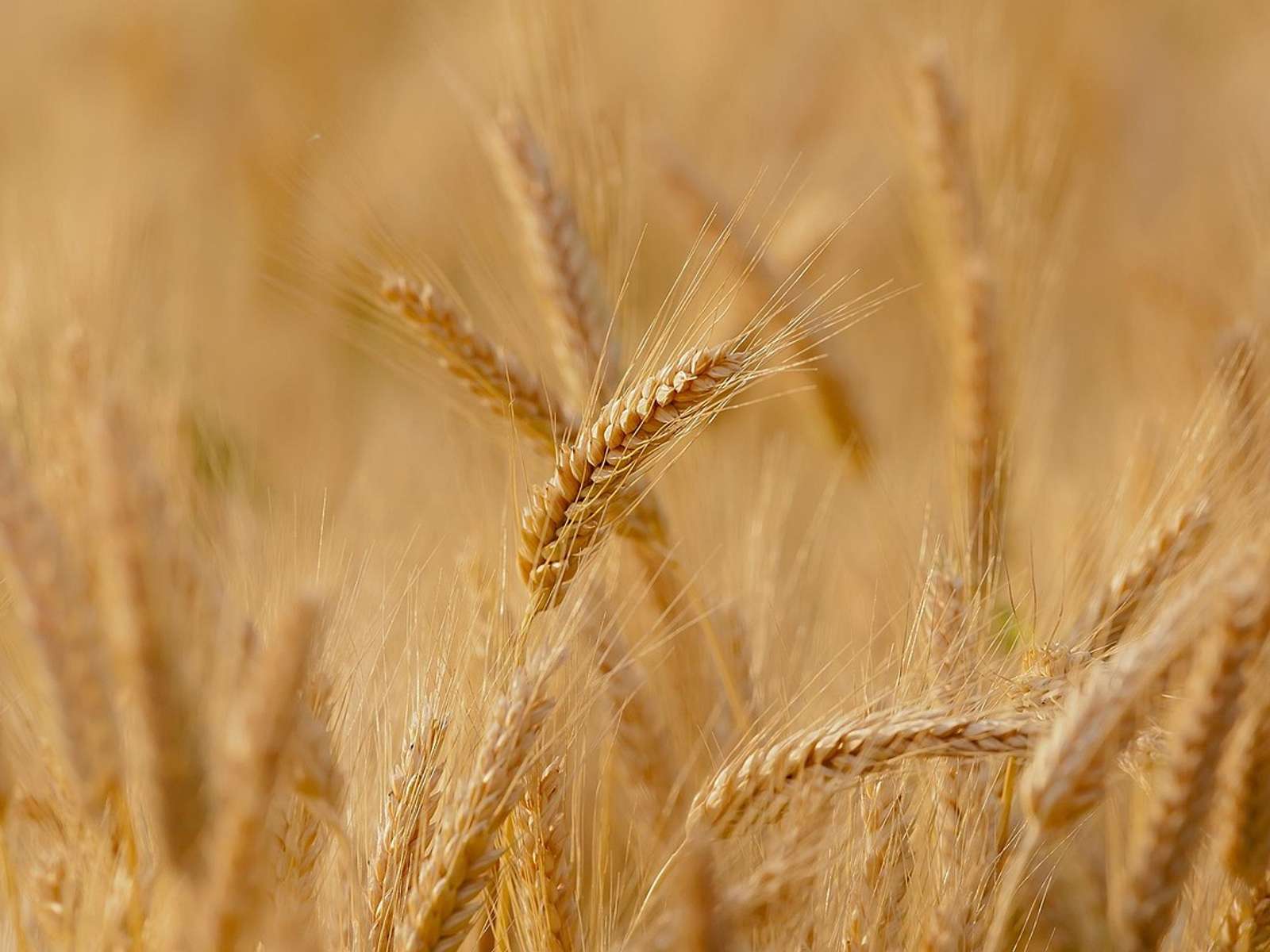
University of Queensland researchers used a robot called the RootBot and drones to track how 36 wheat varieties take up soil water at Gatton. Varieties differed in how much water they used, when, and from what depth, which could help breed drought-tolerant crops.
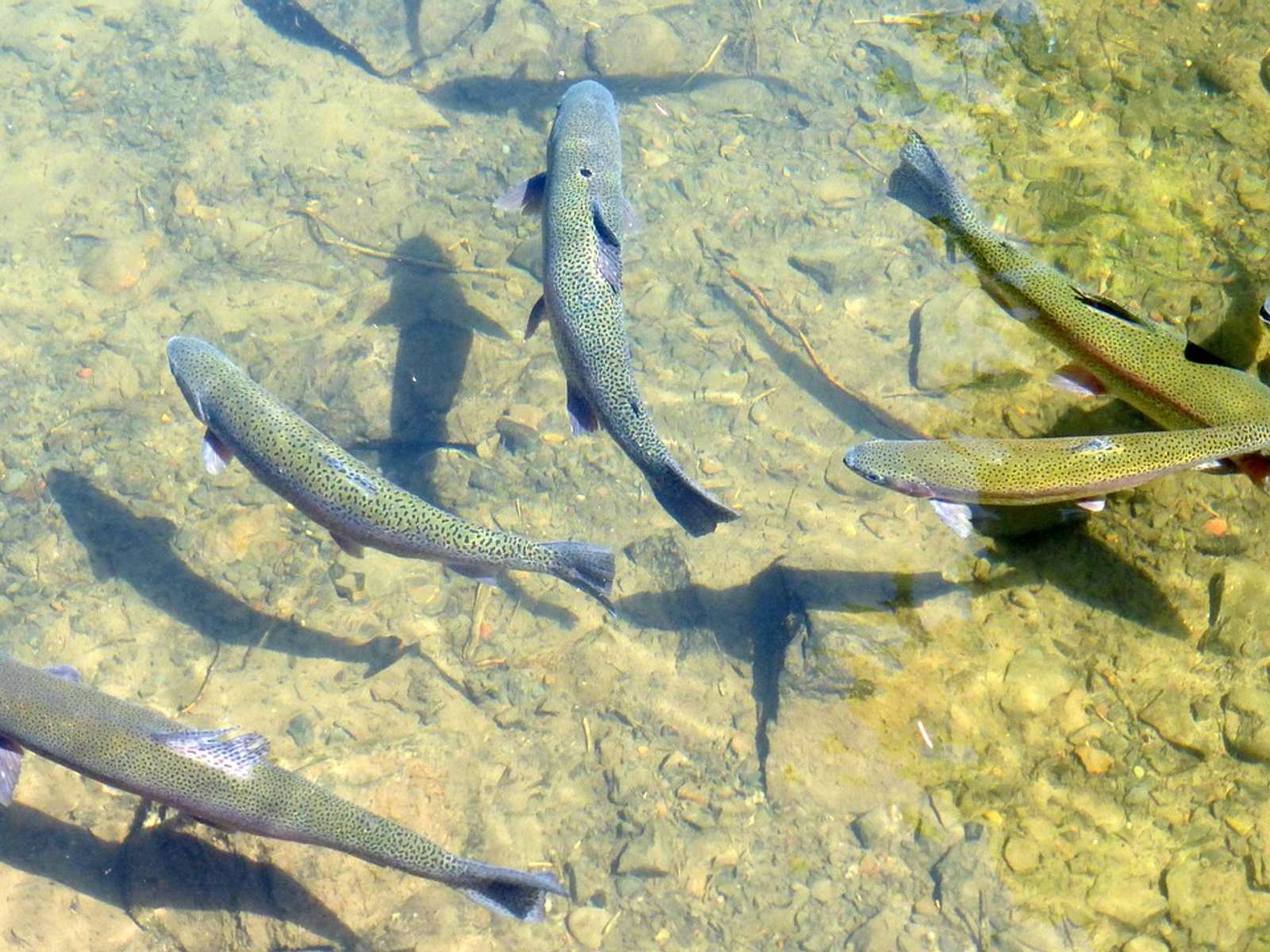
MIT and USDA researchers built food-grade silk microneedles coated in shellac that stick to fish skin underwater, release vaccines and then dissolve. In rainbow trout they worked on fish as small as 1 to 2 grams.
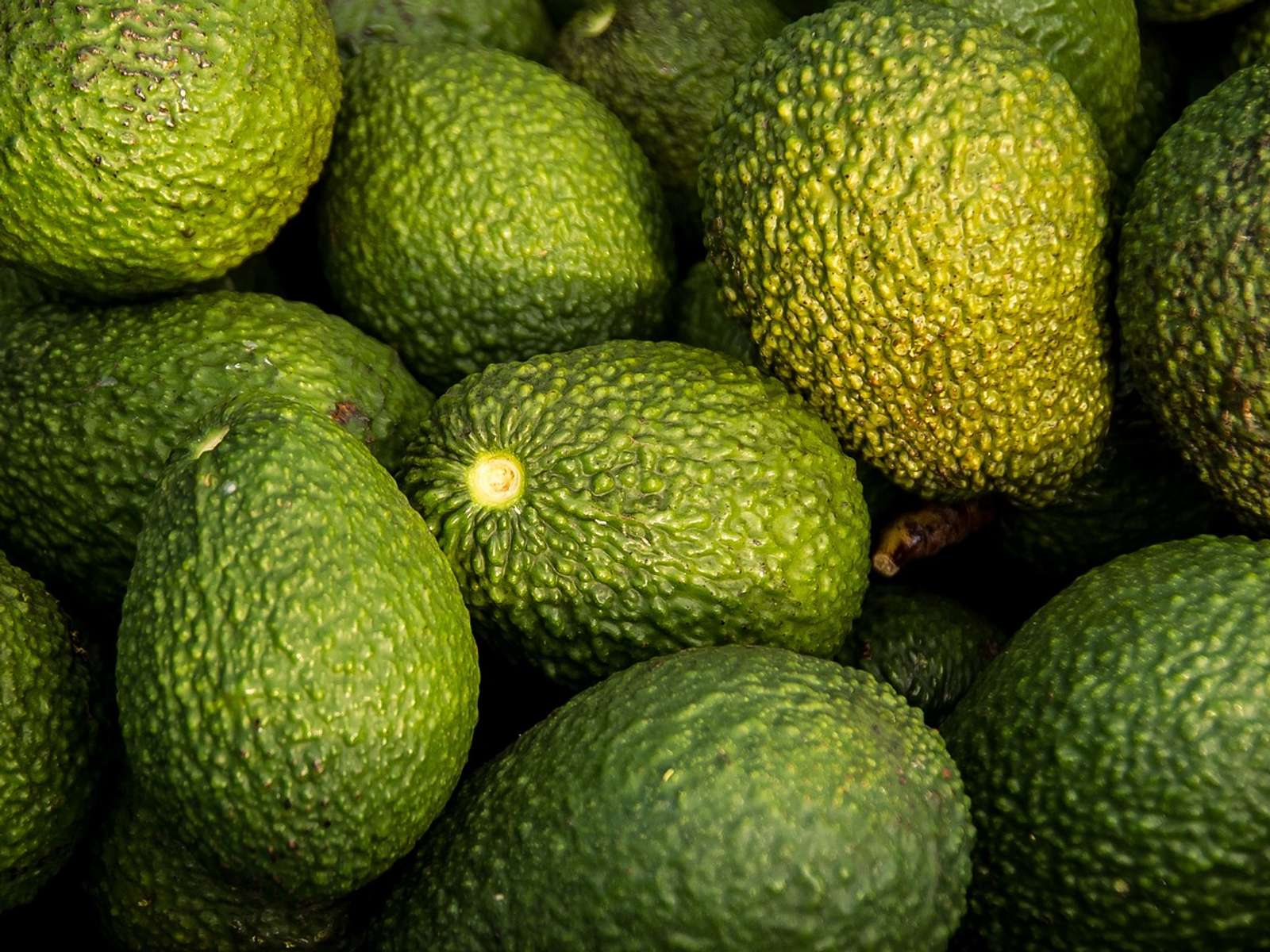
University of Maryland researchers used robots and machine learning to design a biodegradable, bio-based food wrap. Avocados in it stayed fresh for seven days at room temperature, and cucumbers spoiled less than in plastic wrap.
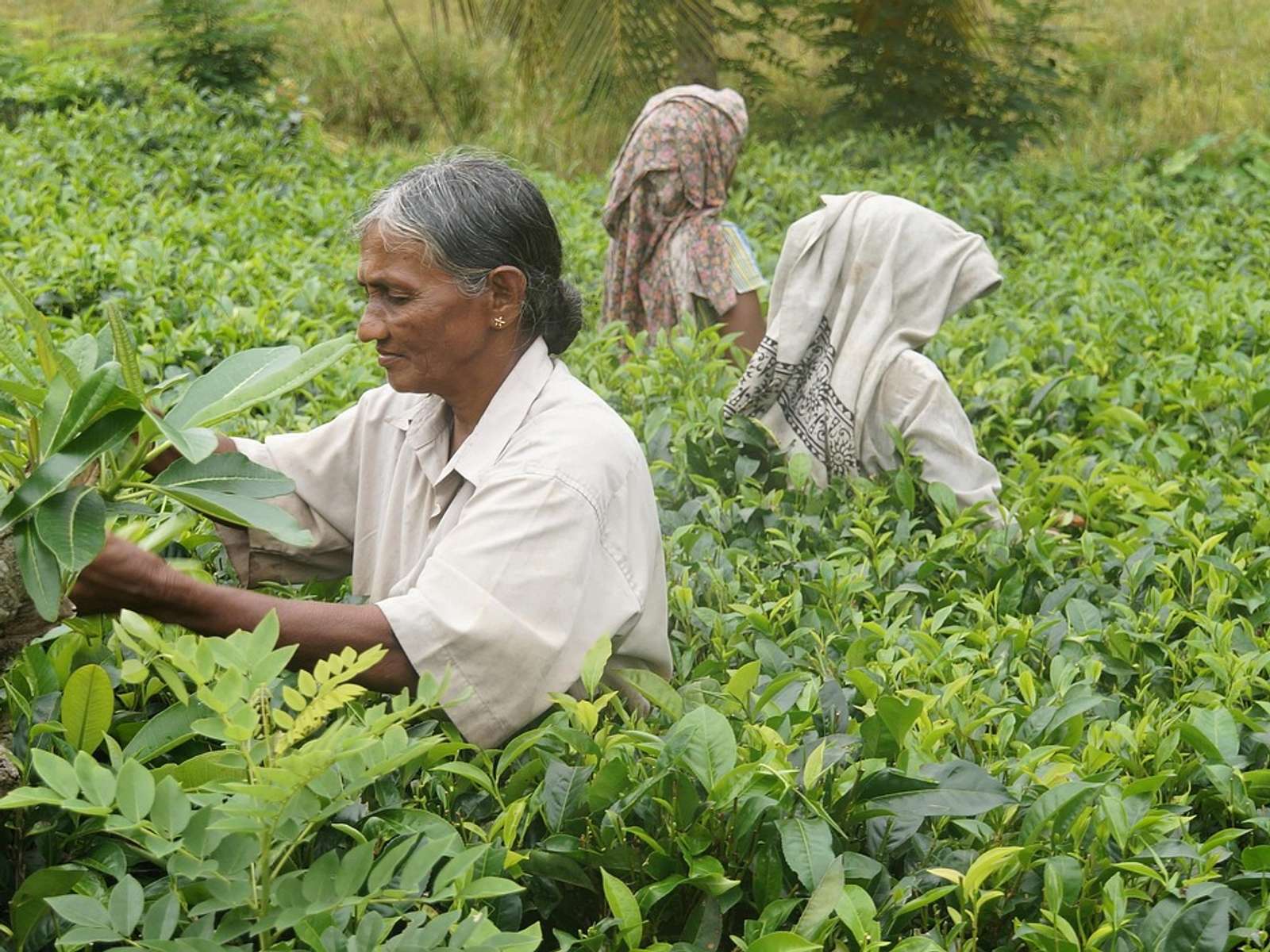
Sri Lanka, the World Bank Group and IFAD launched the AgriConnect joint plan, aiming to help 900,000 farmers reach better markets by 2030 with $550 million from the World Bank Group, $115 million from IFAD and up to $170 million in private capital.
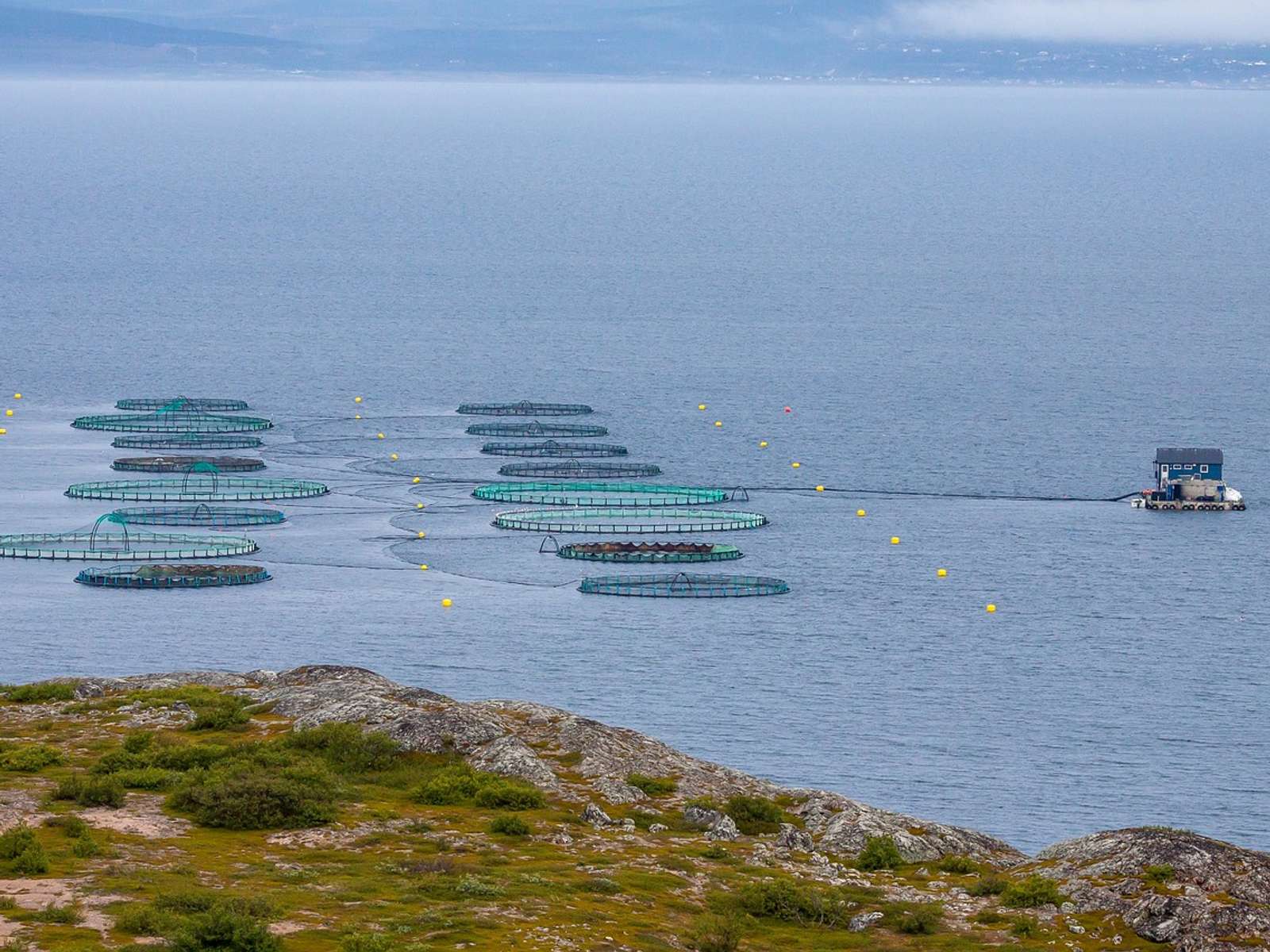
University of Queensland researchers are using methane and carbon dioxide from digested organic waste to grow protein-rich cells for fish feed, aiming to cut the use of wild-caught fish in aquaculture. The work is at lab stage, with pilot trials next.
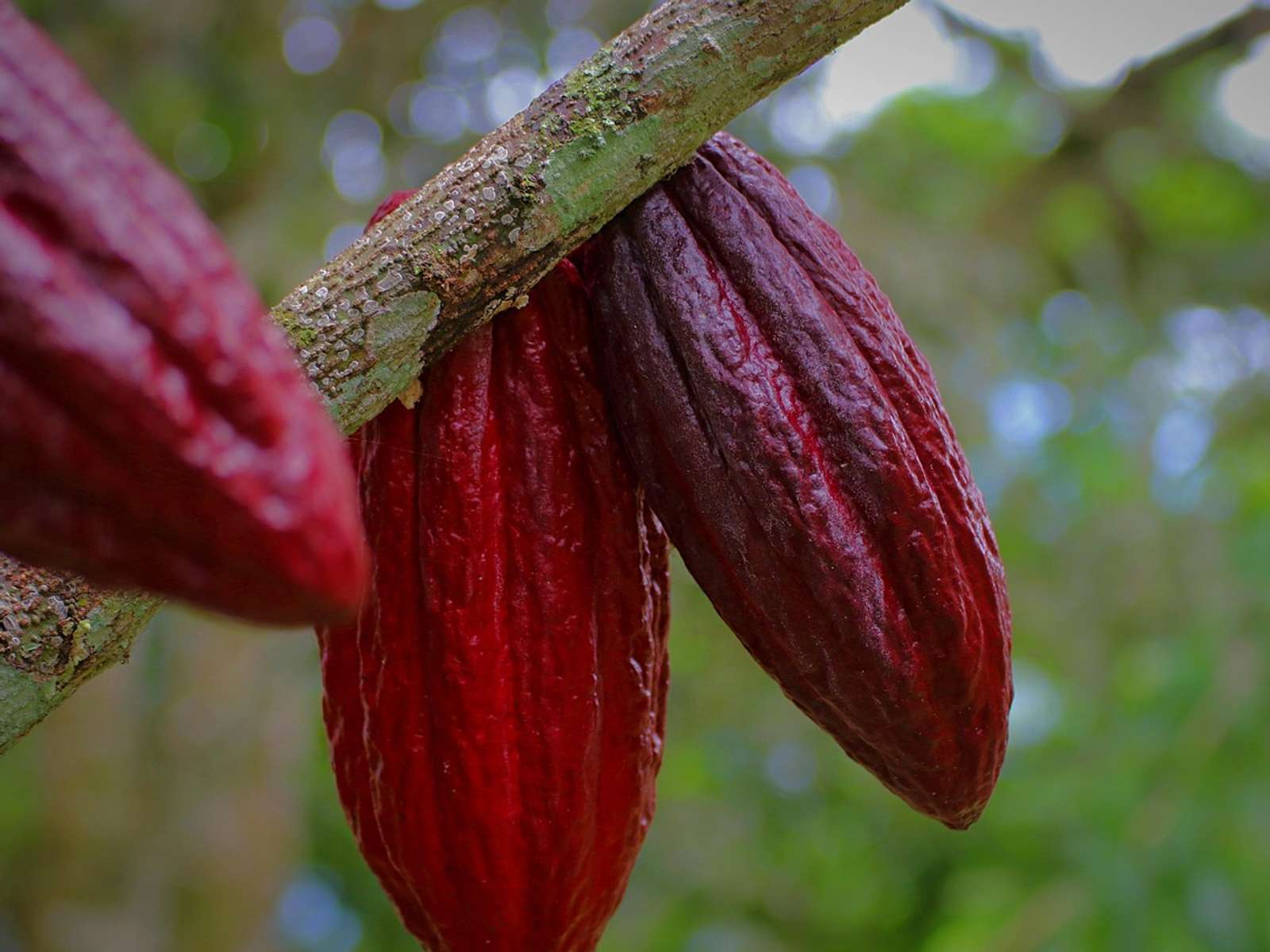
Penn State researchers edited two letters of a cacao immune gene, TcNPR3, and the plants showed about 42% less black pod disease in the lab. Breeding removed all foreign DNA, and field trials with the USDA are underway.
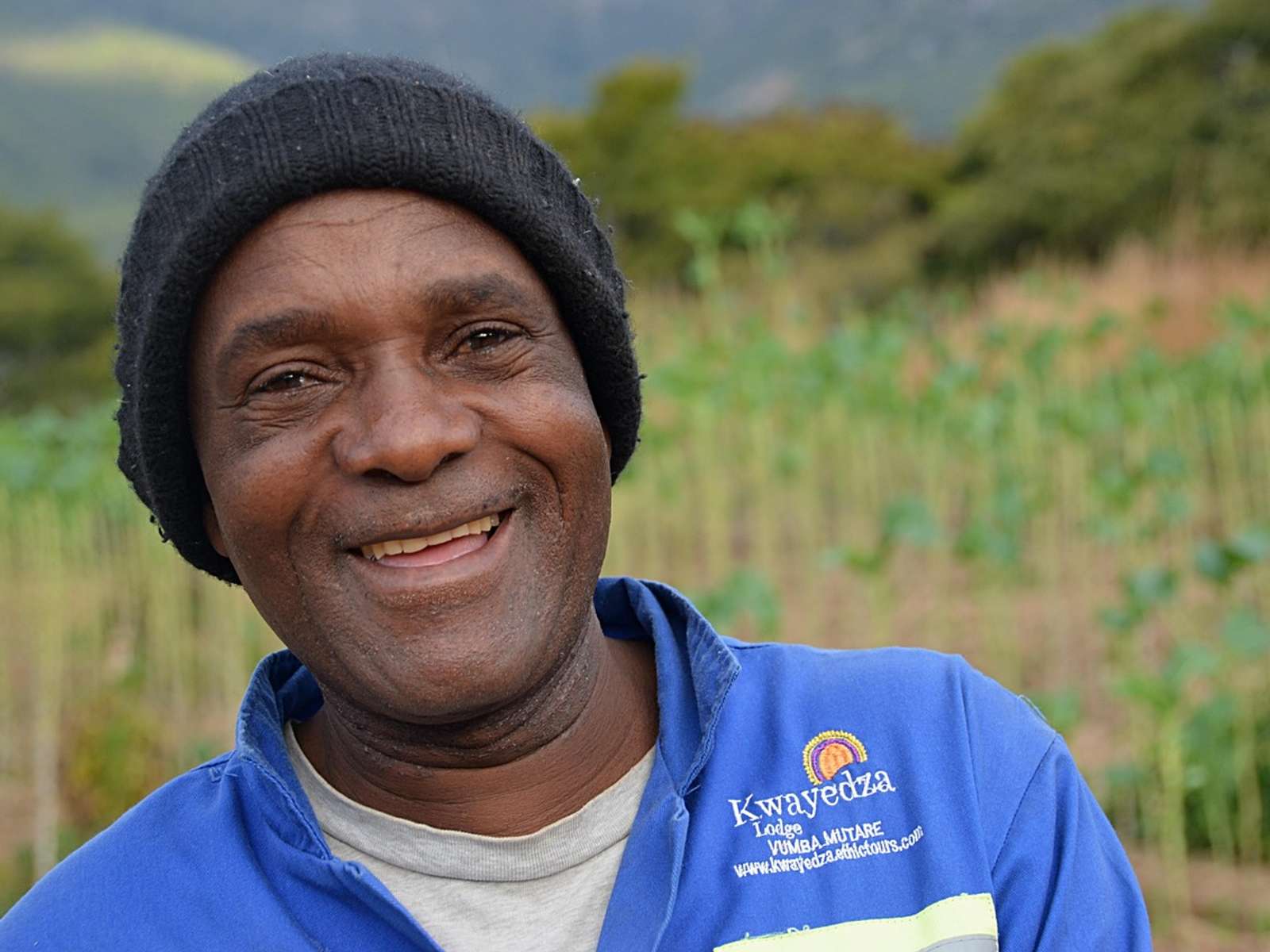
In southern Zimbabwe, a UNDP and Green Climate Fund project has reached 229,414 women directly. Earth augers and threshers cut their farm workload by a reported 76%, and women now hold about half the seats on irrigation committees.
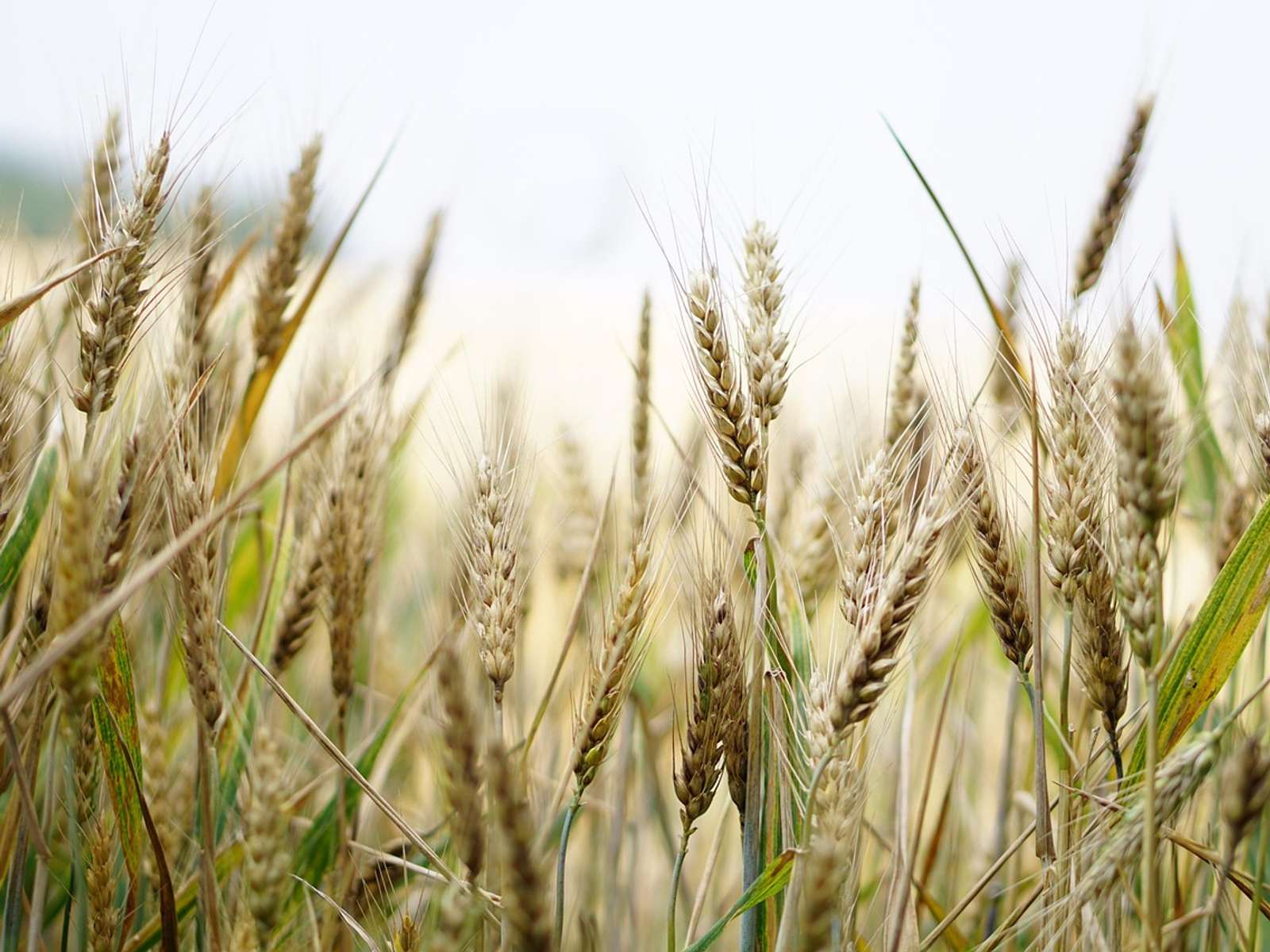
Scientists at Tanzania's TARI-Selian have been trained to use a low-cost LAMP test from the John Innes Centre that confirms wheat blast in 30 to 60 minutes. The disease, which can wipe out whole fields, is already in neighboring Zambia.
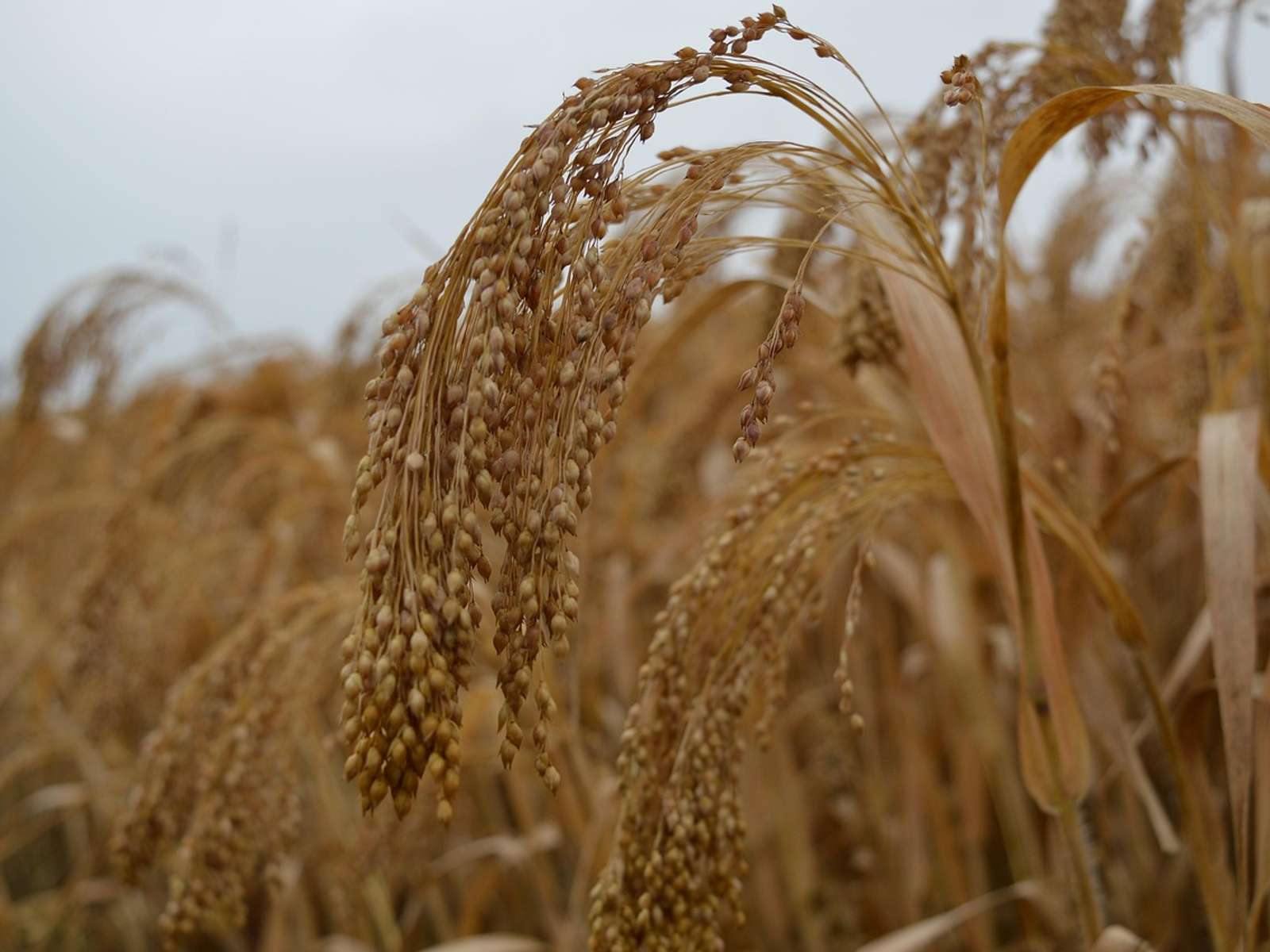
In Syalbada, Jumla, an all-women farmers' group of 27 has started growing proso millet, or Chino, together on about three hectares, with seeds, a thresher and market links from a UNDP project. Nearby, a cooperative now buys such crops at Rs. 100 per kg.
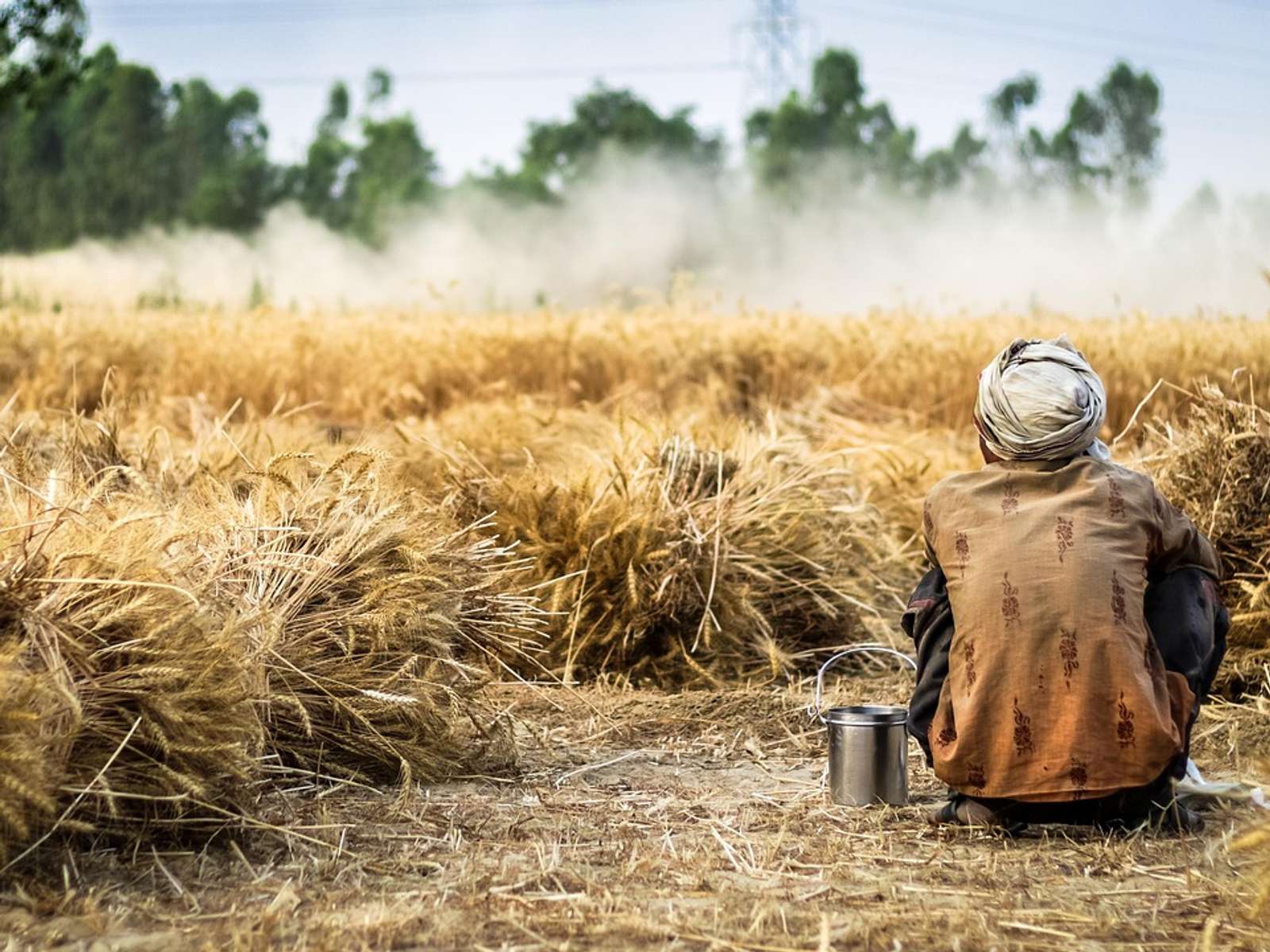
A new €10 million agreement between the EU, UNDP and FAO will spend 42 months helping Yemeni farmers, food businesses and local institutions build climate-resilient value chains and lasting jobs.
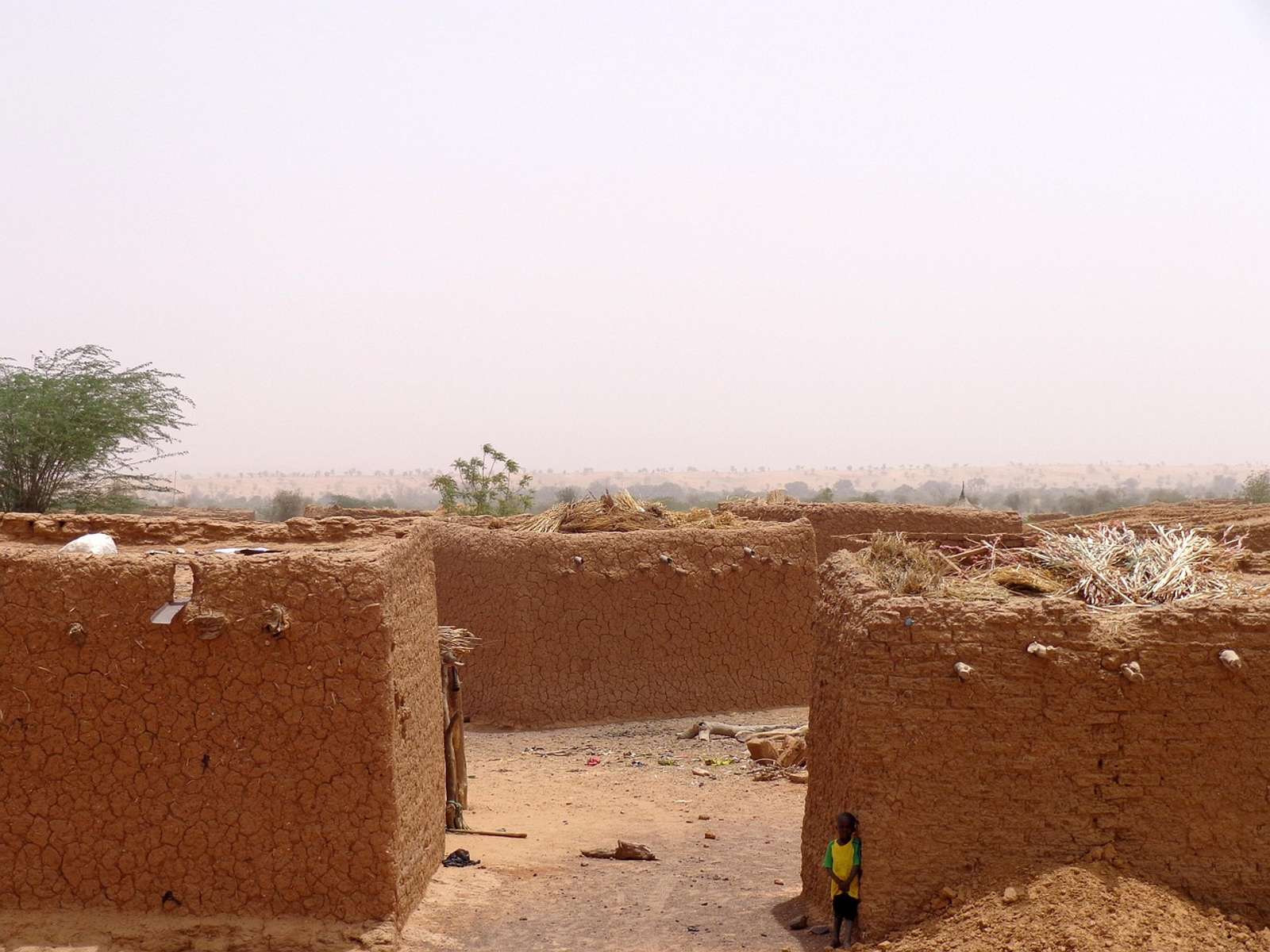
A new US$78 million GEF program, run with UNEP, aims to restore 270,000 hectares of degraded land and improve the livelihoods of 5 million people across nine Great Green Wall countries.
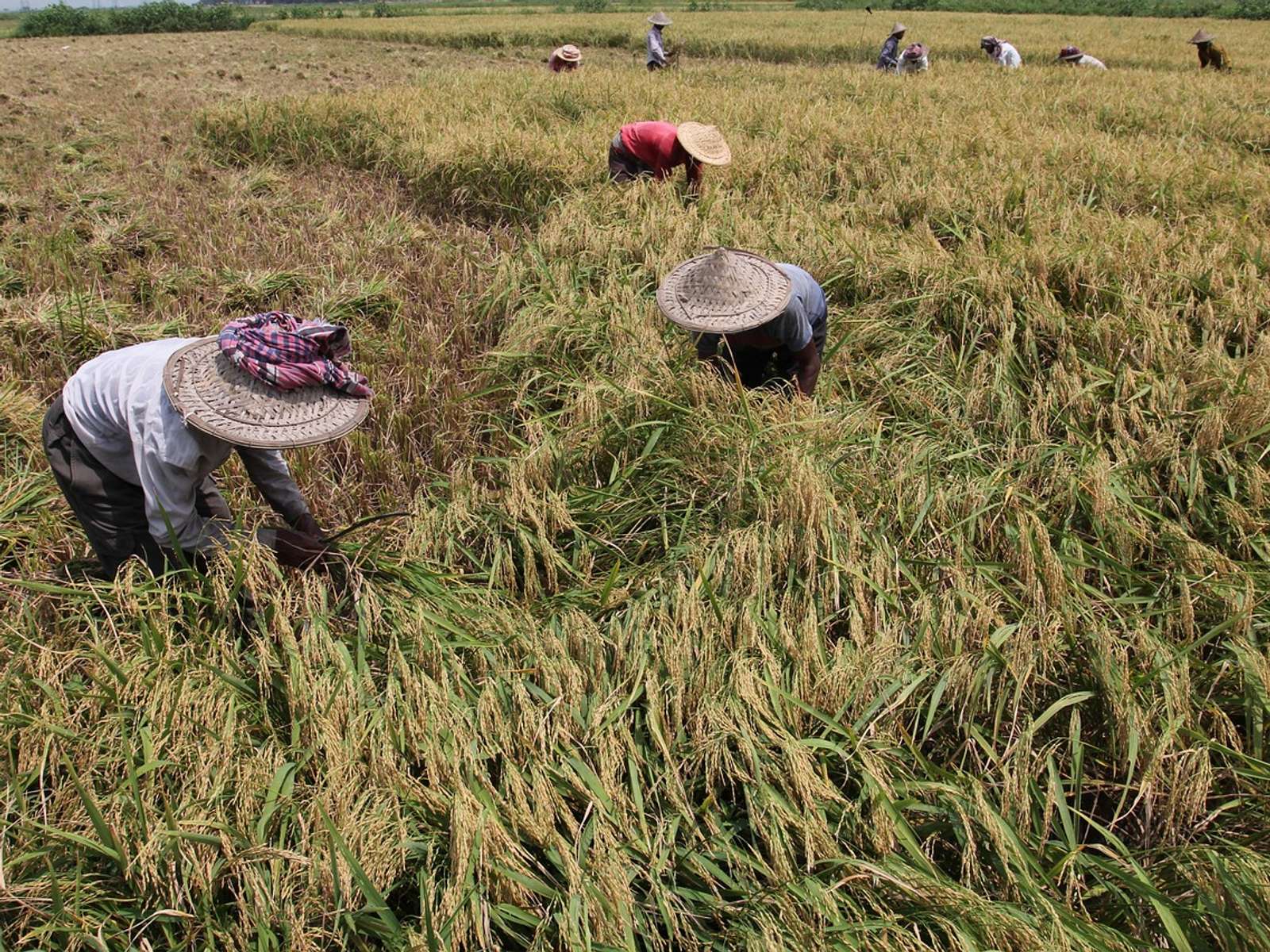
Two six-year projects backed by IFAD, Bangladesh and Denmark aim to reach 2.5 million rural people in flood- and drought-prone regions with raised shelters, flash-flood warnings, better roads, loans and training.
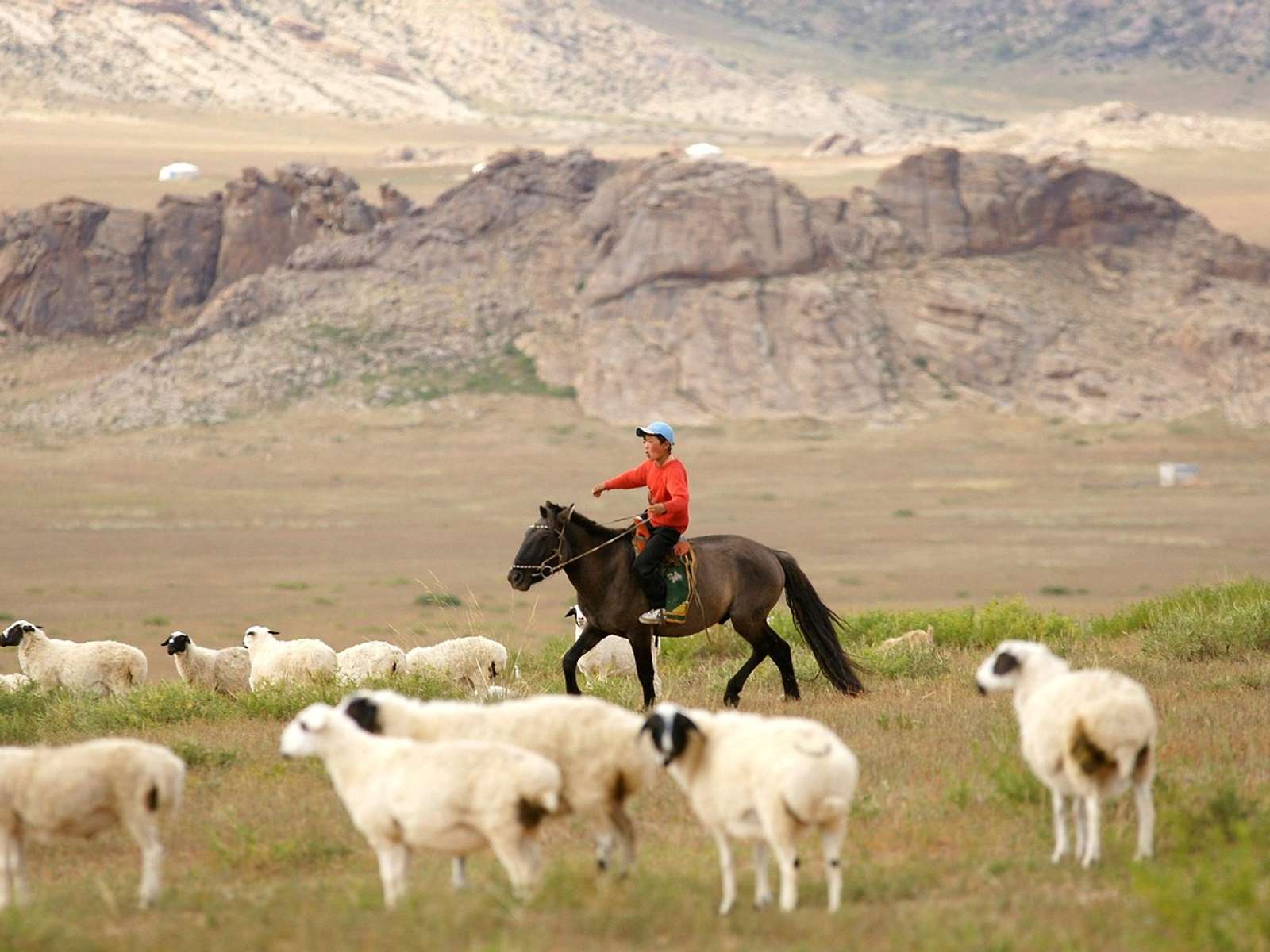
A $2 million Adaptation Fund project managed by IFAD will help at least 4,000 herding families in Mongolia's Bayankhongor and Dundgobi provinces cope with severe winters and droughts through water points, early warnings and processing centers.
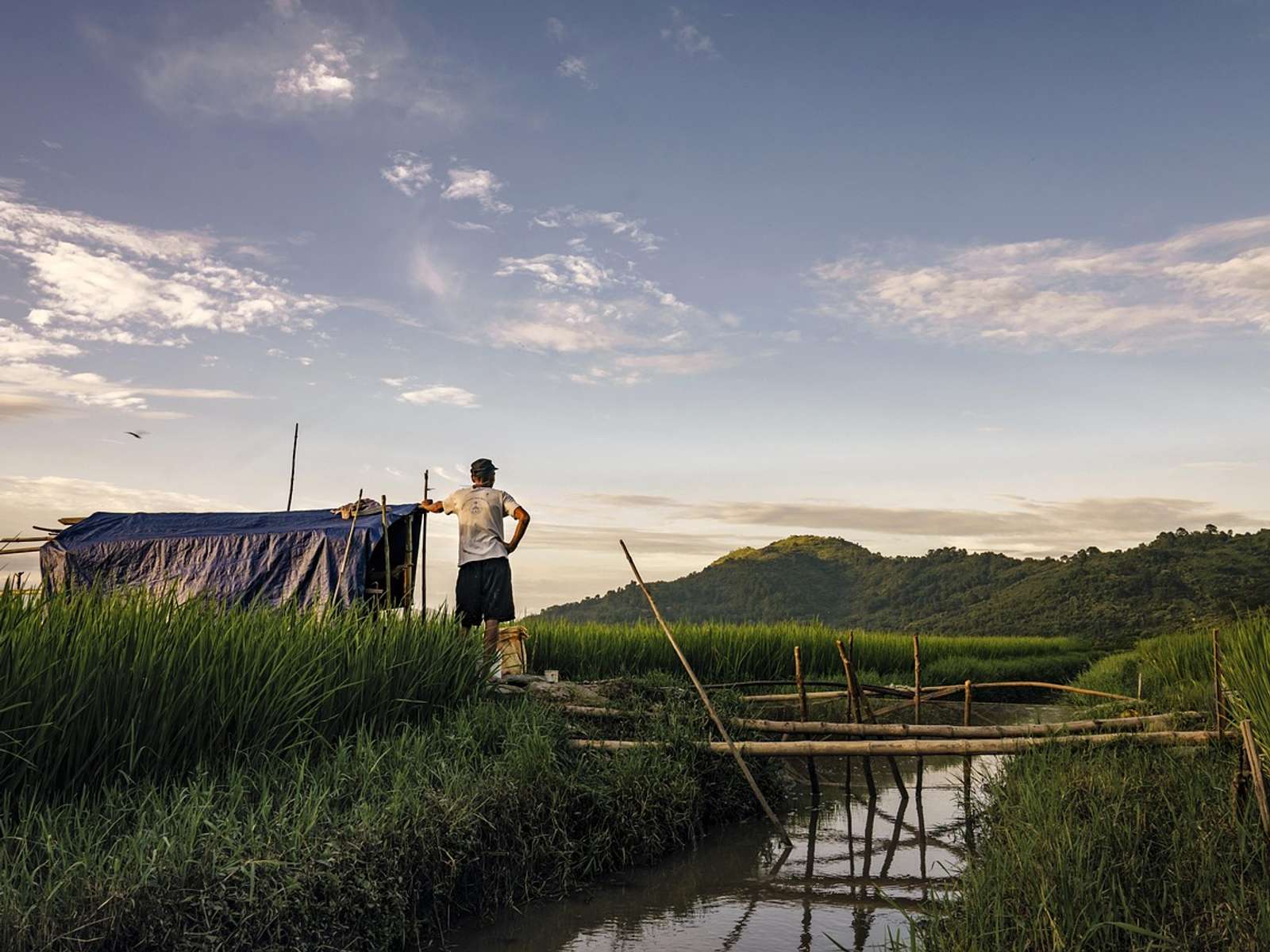
A $1.4 million Japanese grant, run by the FAO with Laos's agriculture ministry, has finished 31 small irrigation schemes and 17 road improvements in Luang Prabang and Oudomxay, and 1,150 households earned wages building them.
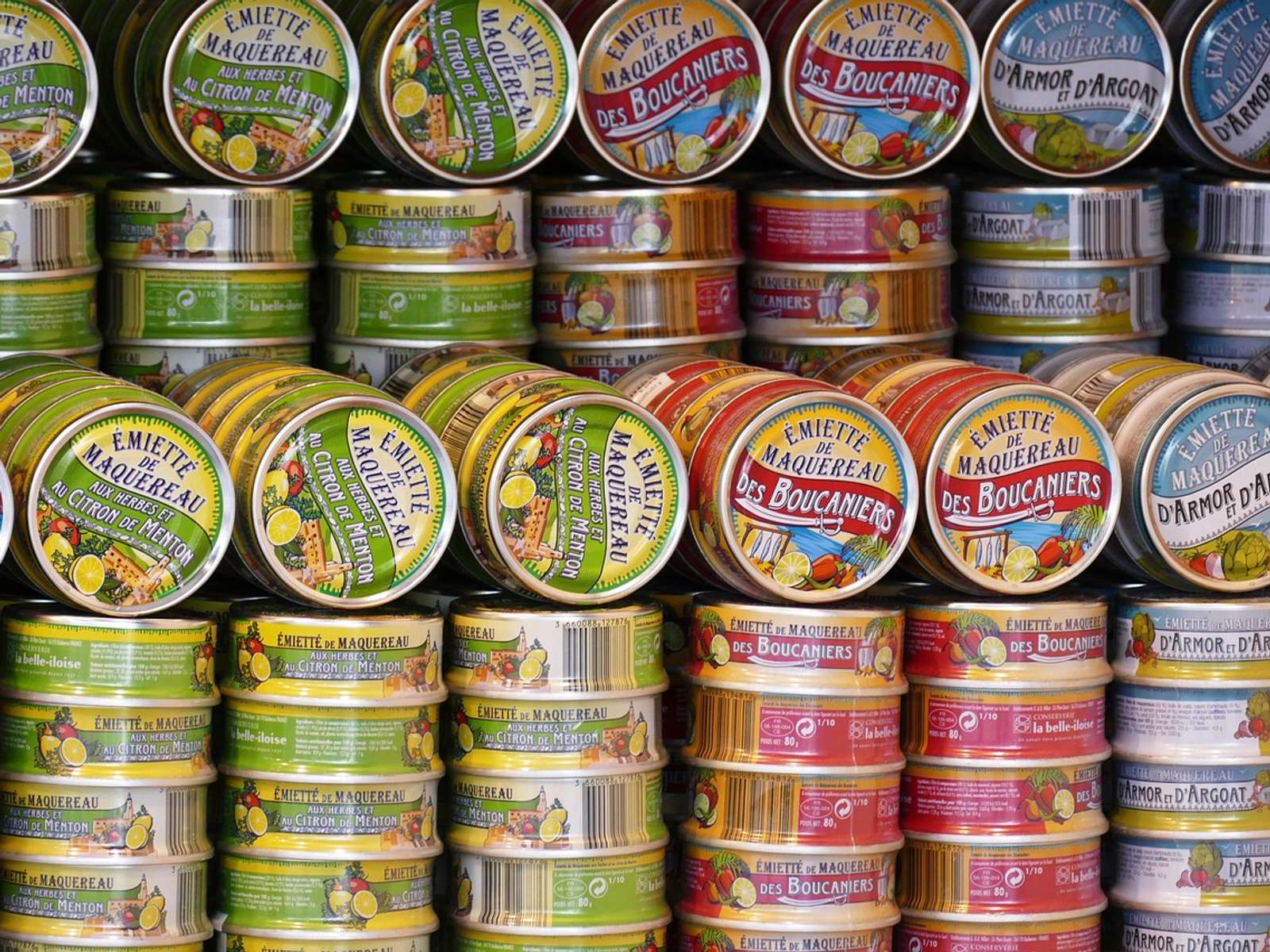
The Buffalo Bills Foundation and Wegmans collected 70,626 pounds of food during Huddle for Hunger week, beating last year's record, and will give $205,859 to 20 hunger-relief charities in Western New York.
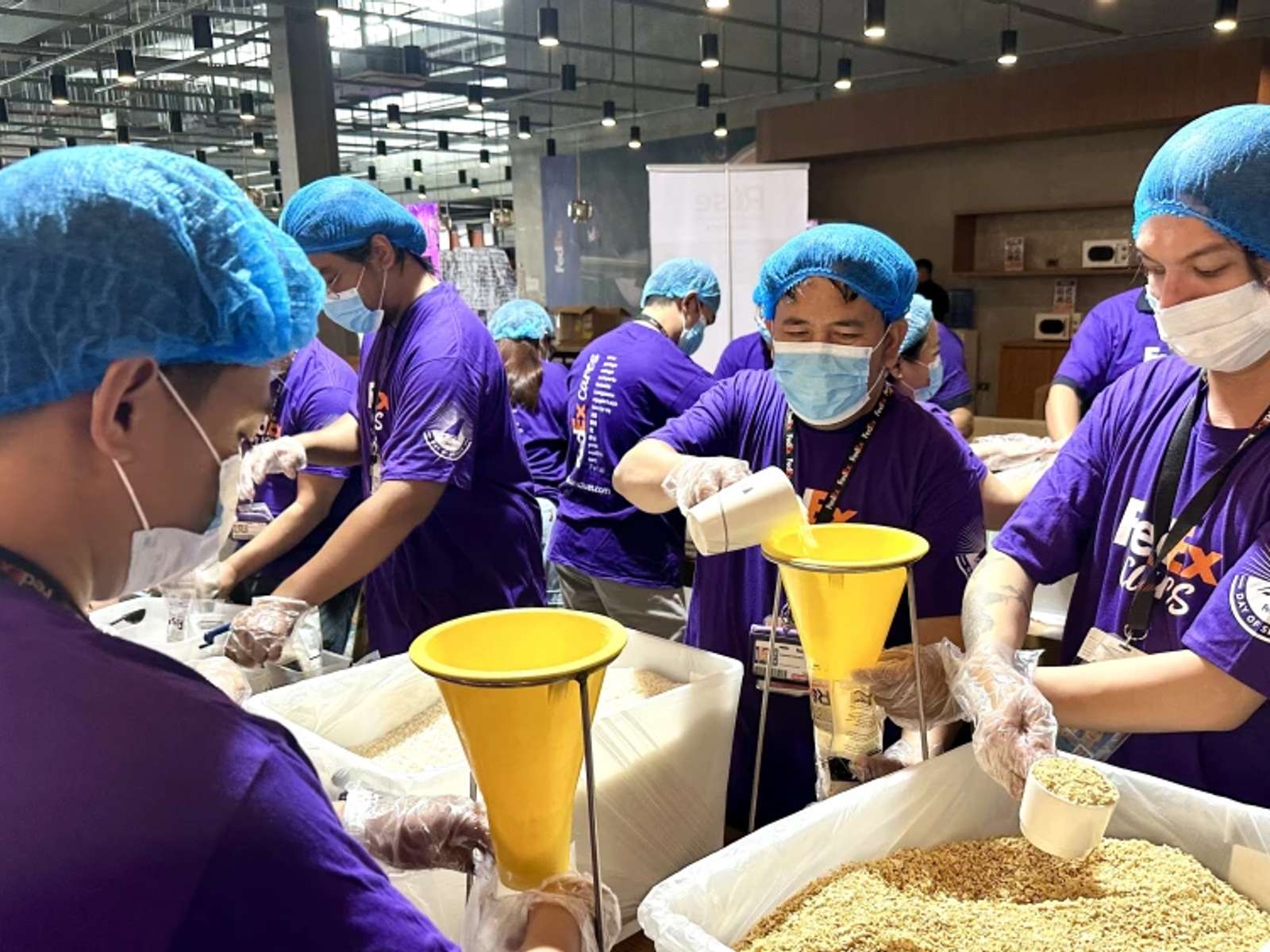
Sixty FedEx employees partnered with Rise Against Hunger Philippines to pack 10,000 fortified meal kits, enough to support 166 schoolchildren for four months, as the country faces its first rise in child stunting in a decade.
About this topic
The UN report The State of Food Security and Nutrition in the World 2026 estimates that 645 million people faced hunger in 2025, and that healthy diets were unaffordable for about 2.7 billion people. The previous edition estimated about 673 million for 2024.
The progress is uneven. In Africa, the share of people facing hunger passed 20% in 2024, affecting 307 million people, and the five UN agencies behind the report project that 512 million people could still be chronically undernourished in 2030.
The stories on this page follow the work that moves those numbers, from emergency meals to longer-term change: Laos completing 31 small irrigation schemes across 48 villages, a €10 million deal from the EU, UNDP and FAO to create farm jobs and steadier harvests in Yemen, FedEx volunteers packing 10,000 meals for schoolchildren in Cebu, and a Buffalo Bills food drive that collected a record 70,626 pounds of food.
We name the organization that runs each program and give its own figures for the people reached. We also separate one-off donations from lasting changes such as irrigation, better seeds or school meals, and when a number is a target rather than a result, we say so.