University of Queensland turns biogas from organic waste into protein that could replace fishmeal in fish feed
University of Queensland researchers are using methane and carbon dioxide from digested organic waste to grow protein-rich cells for fish feed, aiming to cut the use of wild-caught fish in aquaculture. The work is at lab stage, with pilot trials next.
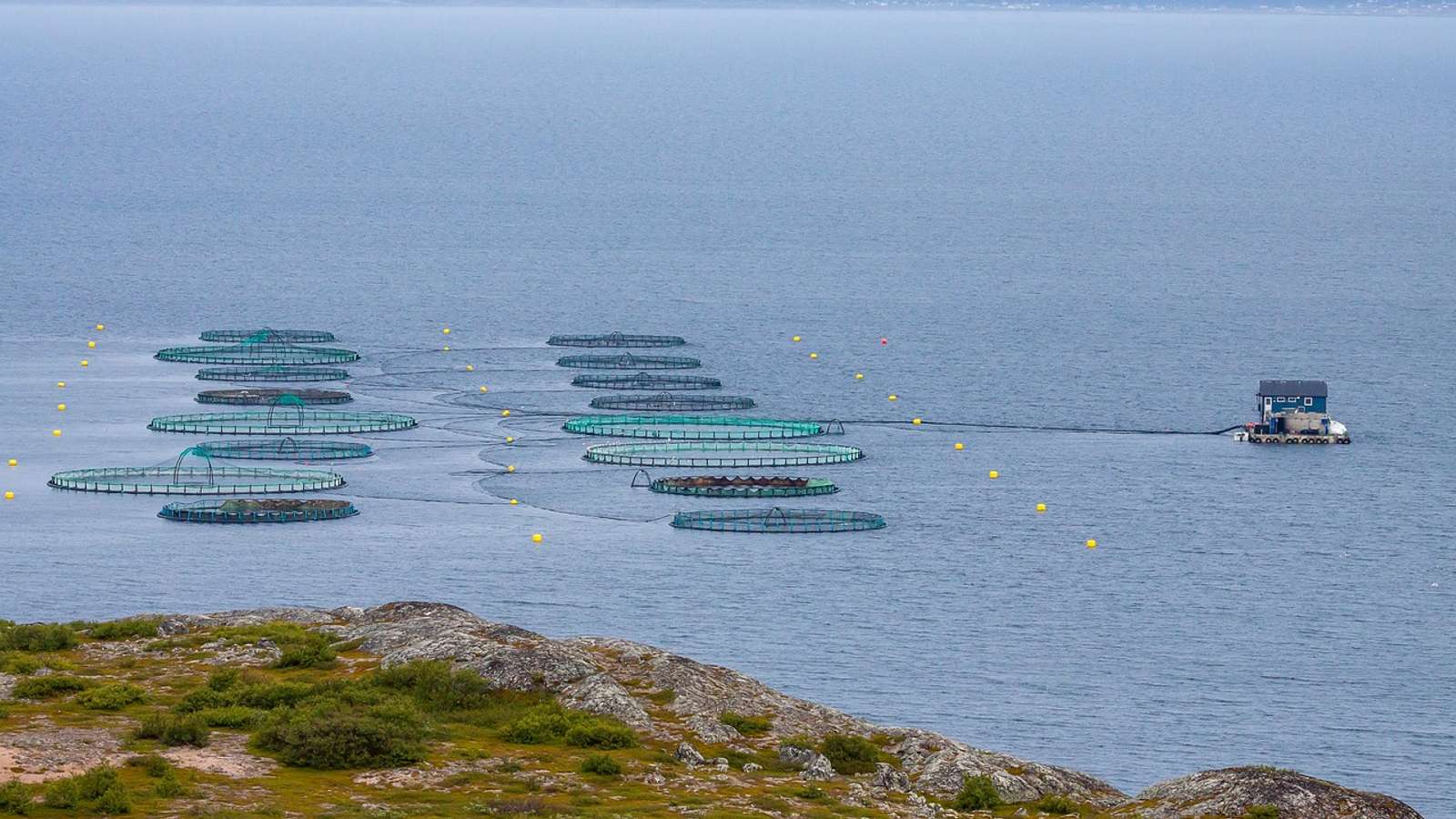
Researchers at the University of Queensland are developing a fish feed ingredient made from organic waste rather than wild fish, the university said on 28 October. The aim is to reduce how many small fish are caught at sea to feed farmed fish.
Farmed fish are often fed wild fish
Fishmeal, a common protein source in fish feed, is made from large quantities of small wild-caught fish such as anchovy. “This can lead to overfishing, depleting fish populations and draining the ocean's resources,” said Dr. Lars Puiman of UQ's Australian Institute for Bioengineering and Nanotechnology (AIBN).
Demand for fish feed is growing with fish farming, which UQ describes as one of the world's fastest-growing food production sectors. In 2022, aquaculture produced 94.4 million tonnes of aquatic animals, 51% of the total, overtaking wild capture fisheries, which landed 91.0 million tonnes, for the first time, according to the UN Food and Agriculture Organization. The FAO also found that 62.3% of monitored marine fish stocks were fished within biologically sustainable levels in 2021, down 2.3 points from 2019. Total fisheries and aquaculture output reached a record 223.2 million tonnes that year. UQ cites an estimate that farmed seafood will make up about 62% of all seafood produced worldwide by 2030.
From waste gas to protein
The UQ process starts with anaerobic digestion, in which microbes break down organic waste without oxygen and produce carbon dioxide and methane. Those gases are then used to grow protein-rich cells. “Once harvested, the cells are processed into a high-protein ingredient called 'single-cell protein,'” Puiman said. The team, based at the UQ Biosustainability Hub within the institute in Brisbane, has secured a patent for the biogas conversion process.
Using waste gas could also make the feed cheaper and more sustainable, since the raw material would otherwise go unused. The researchers say gases from agricultural waste could be another source, and that the protein could later be developed for other animal feeds and for soil fertilizers.
“Ultimately we are working towards developing a cost-effective solution.” — Dr. James Heffernan, AIBN, University of Queensland
Still in the lab
The work is at an early stage. UQ has not yet published results from feeding trials with fish, and the university did not name the microorganisms used. Other studies have found that microbial single-cell proteins can replace up to 75% of fishmeal in the diet of barramundi, UQ said, but those results come from other research groups.
The next step is to test the technology at pilot scale and then in actual aquaculture feeds. Replacing fishmeal completely is a long-term goal, the researchers said. Fishing affects more than fish stocks; in England, a trial found that kites and googly-eyed buoys cut seabird deaths in fishing nets.
Sources
- The University of Queensland · news.uq.edu.au
- fao.org
How we choose and verify sources: editorial policy.