England adds spinal muscular atrophy to the newborn heel-prick test, so babies can be treated before symptoms
Babies in England are now being screened for spinal muscular atrophy (SMA) through the heel-prick test, starting in October 2026. Treated before symptoms appear, many children with SMA develop like their peers, says UCL's Francesco Muntoni.

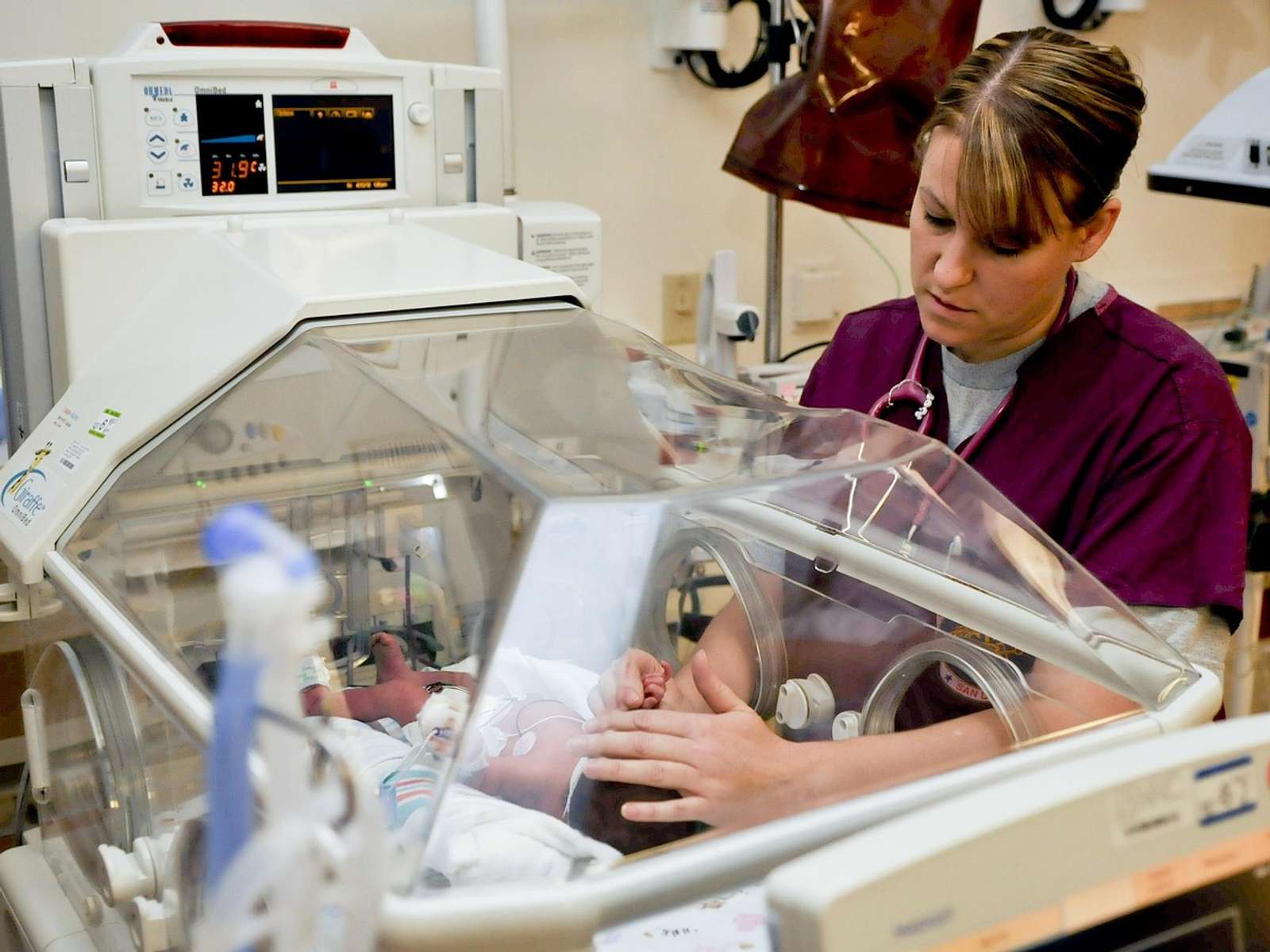
Babies in England are now being checked at birth for spinal muscular atrophy (SMA), a rare genetic disease that can leave children unable to sit, walk or breathe, University College London (UCL) said on 28 October. The test was added to the newborn “heel prick” screening in October 2026, after years of campaigning by doctors, researchers, charities and families.
A few drops of blood at five days old
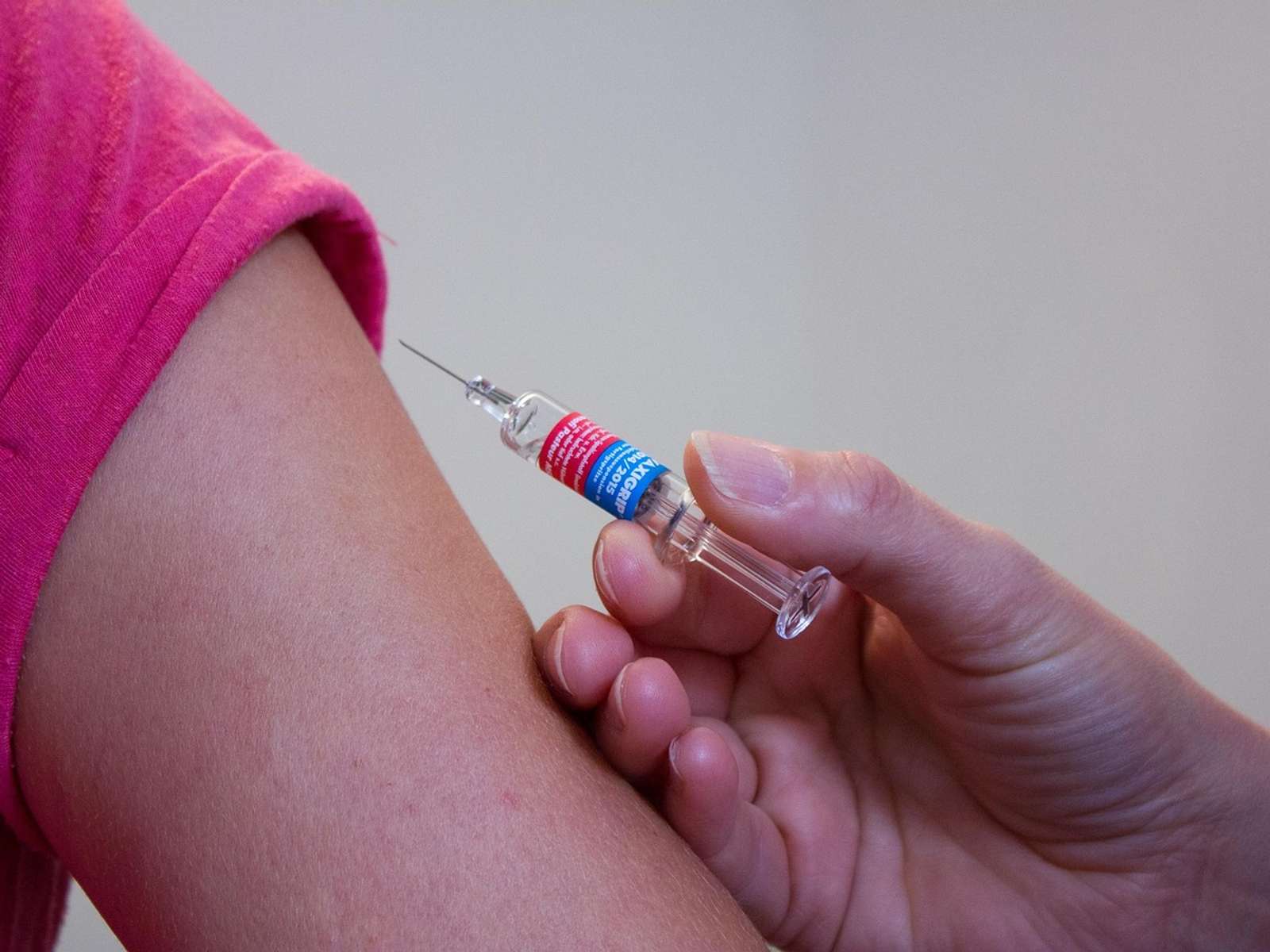
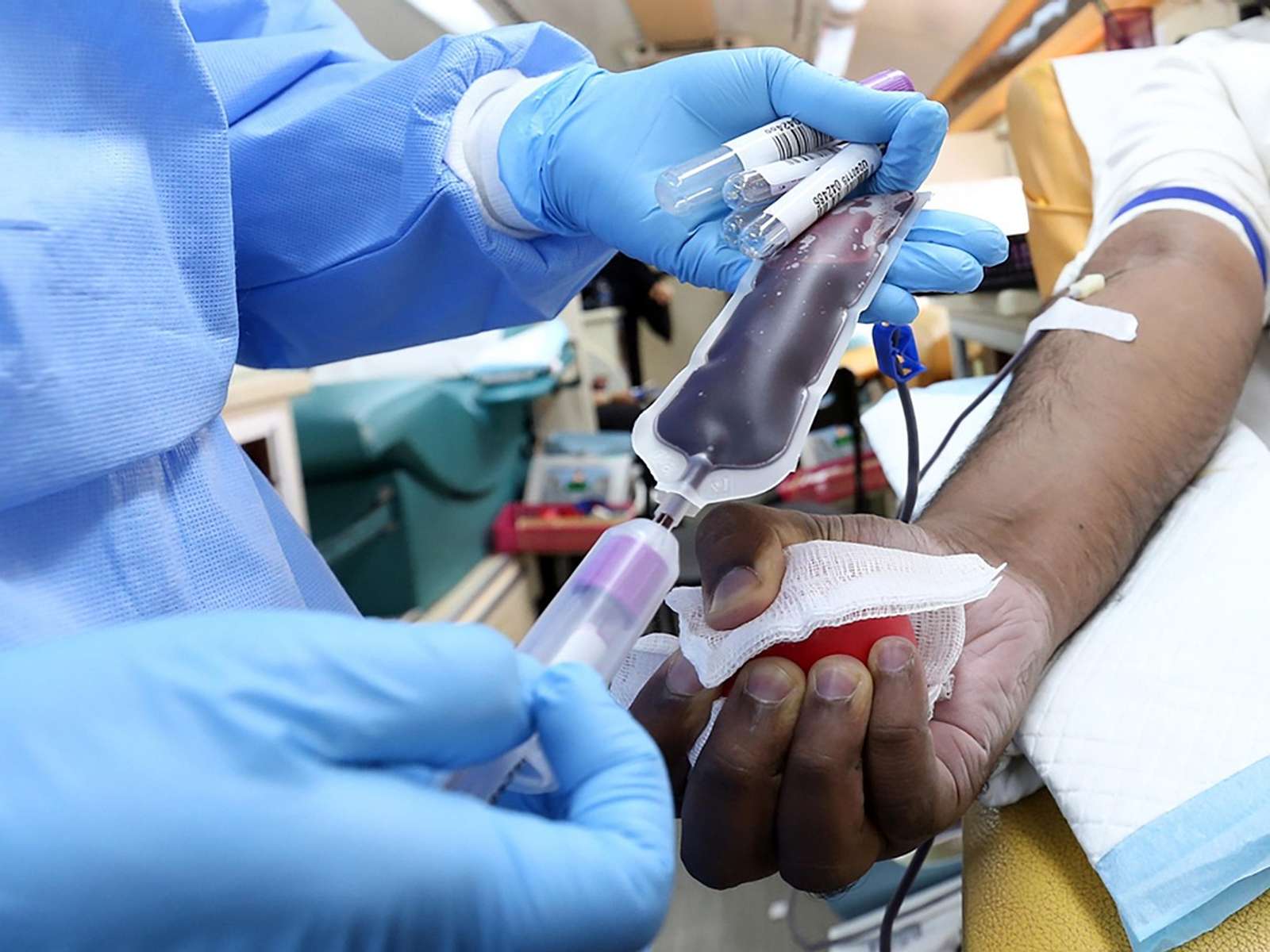
The newborn blood spot test is usually done when a baby is five days old, by pricking the heel and collecting a few drops of blood on filter paper. It already checks for 10 rare but serious conditions, including cystic fibrosis, sickle cell disease and congenital hypothyroidism. SMA is now part of it.
SMA affects about one in 10,000 births. It happens when the body does not make enough of a protein from the SMN1 gene, and it can start in the first three months of life, destroying the nerve cells in the spinal cord that control movement. The damage cannot be reversed, which is why timing matters so much.
Treated early, children can develop like their peers
Francesco Muntoni, director of the Dubowitz Neuromuscular Centre at the UCL Great Ormond Street Institute of Child Health, has worked on SMA since before the SMN1 gene was identified. He took part in the first trial of nusinersen, a drug that started in 2014 and showed for the first time clear improvement in severely affected infants, and in a later study that led to the approval of a gene therapy.
The trials showed that treatment works best before symptoms start. In a trial that treated babies before symptoms, Muntoni said that after six years “it would not be possible to recognise one of the babies treated for SMA from any of their friends” without a genetic test.
“This is a day that will be remembered forever by all neuromuscular physicians, geneticists and families with children born with SMA.” — Professor Francesco Muntoni, UCL
All of England by October 2027
The UK government announced the England-wide rollout on 16 July, after a parliamentary debate prompted by singer Jesy Nelson, whose twin daughters were diagnosed with SMA. A £4.1 million study funded by the National Institute for Health and Care Research and led by the University of Oxford will assess how well the screening works and inform the UK National Screening Committee, the Department of Health and Social Care said.
Screening started in some laboratories in October 2026, and the remaining six laboratories are due to follow in October 2027, according to the charity Spinal Muscular Atrophy UK. Scotland and 42 other countries already screened for SMA, Muntoni said. At Great Ormond Street, Dr. Mariacristina Scoto will link the screening results to the national SMA registry to follow the children's long-term outcomes.
For parents, nothing extra is needed: the SMA check is part of the routine heel-prick test, and an early diagnosis gives eligible families access to specialist care and treatment as early as possible, UCL said. Some children may still have mild weakness after early treatment, and researchers at Great Ormond Street are studying further therapies, Muntoni said. More stories on treatments in development are collected under medical research.
Not medical advice. This article reports on research and health programs for general information. Results from early studies often change in larger trials. Talk to a doctor before making decisions about your own health or treatment.
Sources
- University College London (UCL) · ucl.ac.uk
- gov.uk
How we choose and verify sources: editorial policy.