Two-year-old Margaretha recovers from severe malnutrition with treatment close to home in Papua
A two-year-old girl in South Papua, Indonesia, gained 2 kilograms and is walking and playing again after outpatient treatment for severe wasting with ready-to-use therapeutic food.
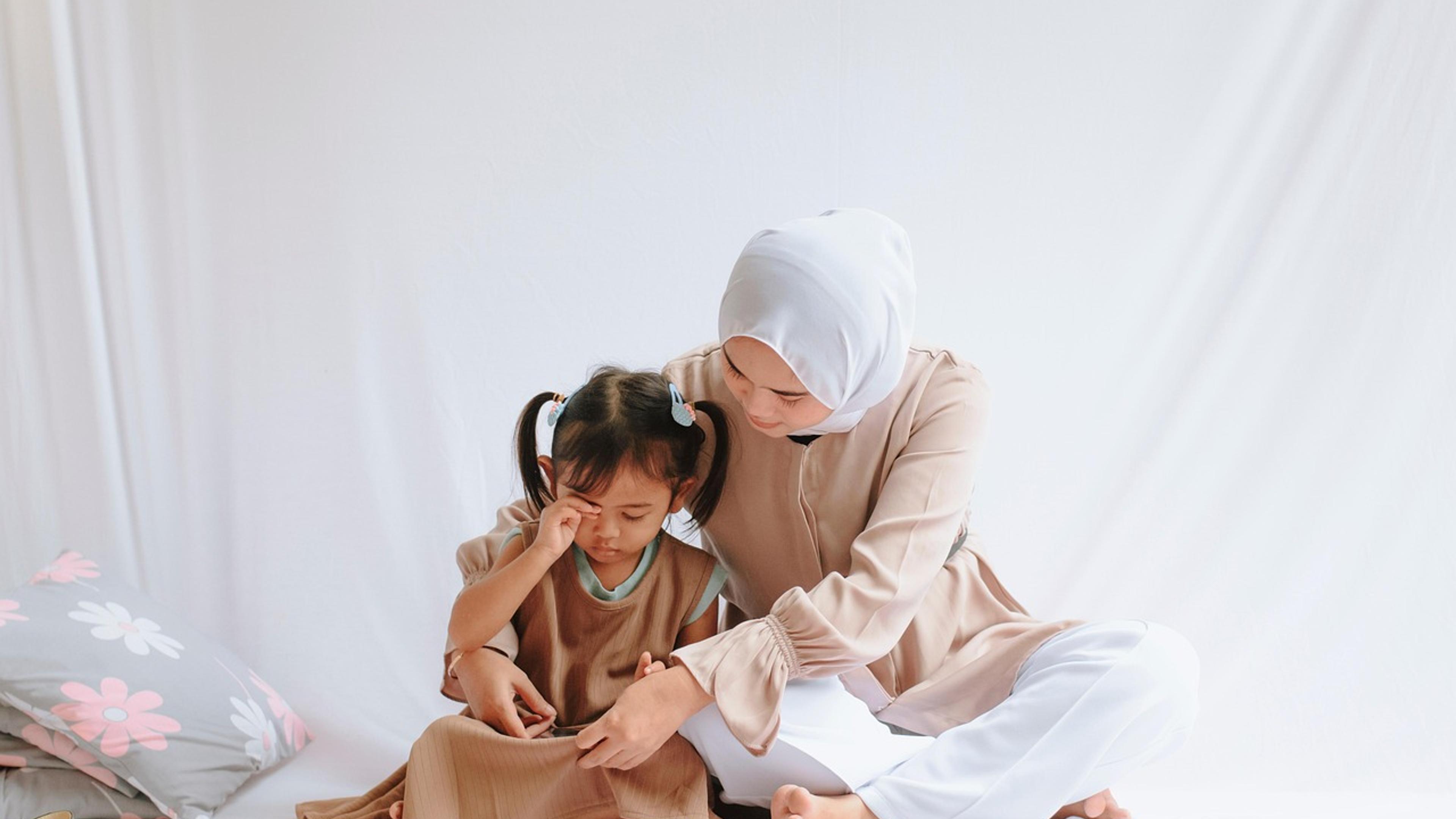
A two-year-old girl in Indonesia's South Papua province has recovered from severe wasting, a dangerous form of malnutrition, after treatment at a local health centre and at home, UNICEF Indonesia reported. Margaretha Theresia, from Kampung Sidomulyo in Merauke district, now runs around the yard and asks for food when she is hungry.
She weighed 5.5 kilograms at two years old
Health workers spotted the problem at a monthly check-up at the village health post. Margaretha weighed just 5.5 kilograms, and her mid-upper arm measured 10 centimetres, a sign of severe wasting. She was referred to the Kuprik community health centre, where the diagnosis was confirmed.
Because she qualified for outpatient care, she did not need to go to hospital. She was given ready-to-use therapeutic food (RUTF), an energy-dense paste that needs no cooking or mixing, along with essential medicines. Health workers and community volunteers visited every one to two weeks.
“At first she was weak and did not want to eat. But after receiving RUTF, she started to eat again and her condition slowly improved.” — Maria Baraka, Margaretha's mother
Two kilograms gained in a few weeks
Within a few weeks, Margaretha's weight rose to about 7.5 kilograms and her arm measurement to 13 centimetres. She began walking and playing. Sukma, the nutritionist at the health centre, credits early detection, referral and steady support from volunteers, who she says are "our front line" because communities trust them.
More than 1.7 million Indonesian children are wasted
About one in fourteen children under five in Indonesia is wasted, more than 1.7 million children, including over 260,000 with severe wasting. Since 2025, UNICEF and the Child Nutrition Fund have supported the government, including in South Papua, to make RUTF available and train health workers and volunteers to find and treat these children. Margaretha's story is one case; UNICEF notes that some children are still lost to follow-up when families move or miss appointments.
Like what you're reading?
Related stories
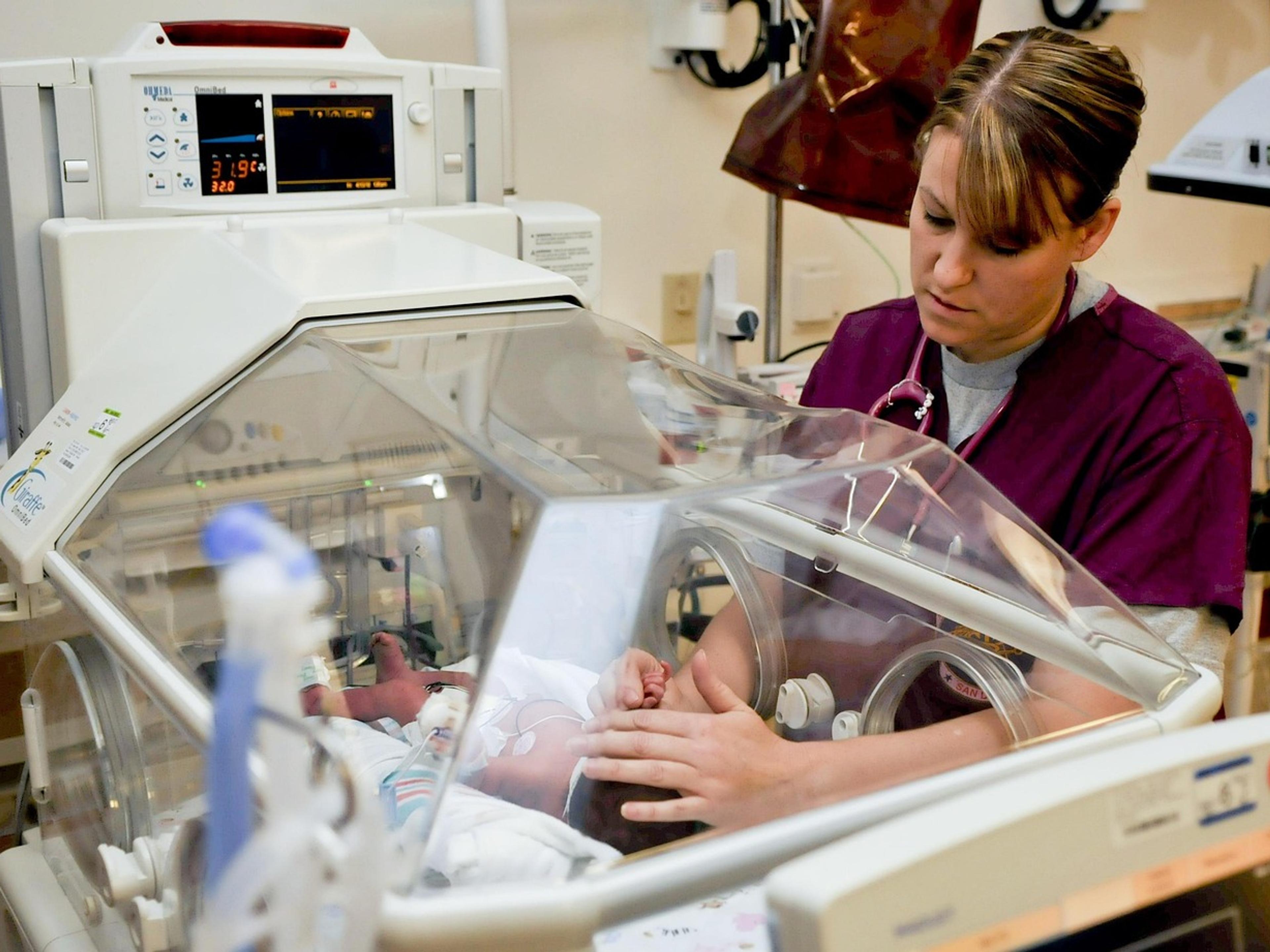
Mobile X-Ray Lets Doctors Scan Premature Babies in Serbia Without Moving Them
The neonatology centre in Kragujevac, Serbia, has received a mobile X-ray machine, funded by UNICEF donors and OTP Bank, that images preterm and sick babies beside their incubators so they do not have to be moved.
WHO publishes its first global guidelines for treating obesity in children and teens
The World Health Organization has issued its first guidelines on treating obesity in children and adolescents, putting diet, activity and behaviour support first and limiting medicines and surgery to teenagers.
Twenty Asian Countries Push to Add Essential Dental Care to National Health Coverage
Oral health leaders from 20 Asian countries met in Malaysia at the midpoint of a WHO "100-Day Sprint" to build essential dental care into their universal health coverage plans.