Clinics, nurses and treatments brought closer to the people who need them, from malnutrition care near home to dental care in national health plans.
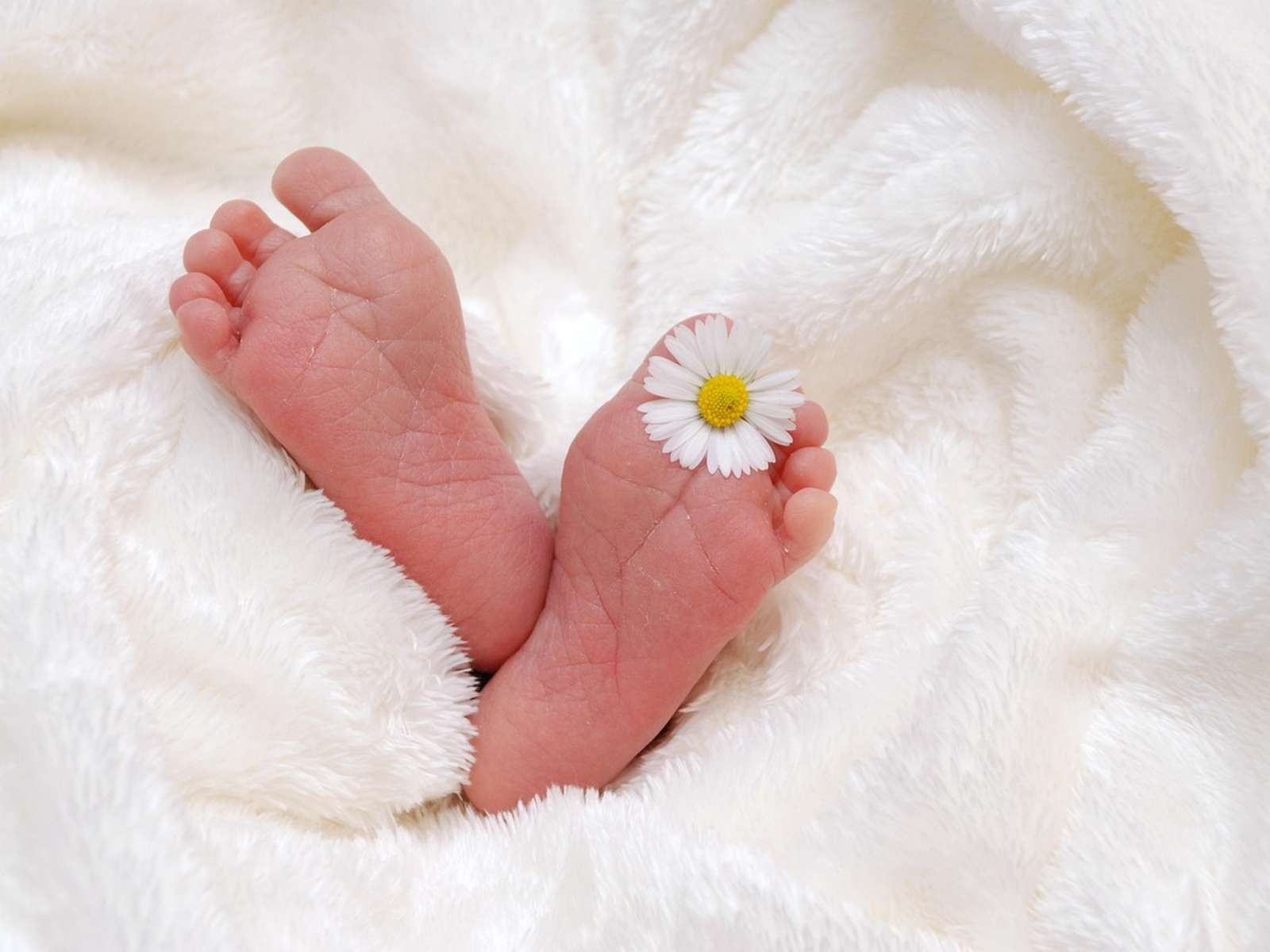
Babies in England are now being screened for spinal muscular atrophy (SMA) through the heel-prick test, starting in October 2026. Treated before symptoms appear, many children with SMA develop like their peers, says UCL's Francesco Muntoni.
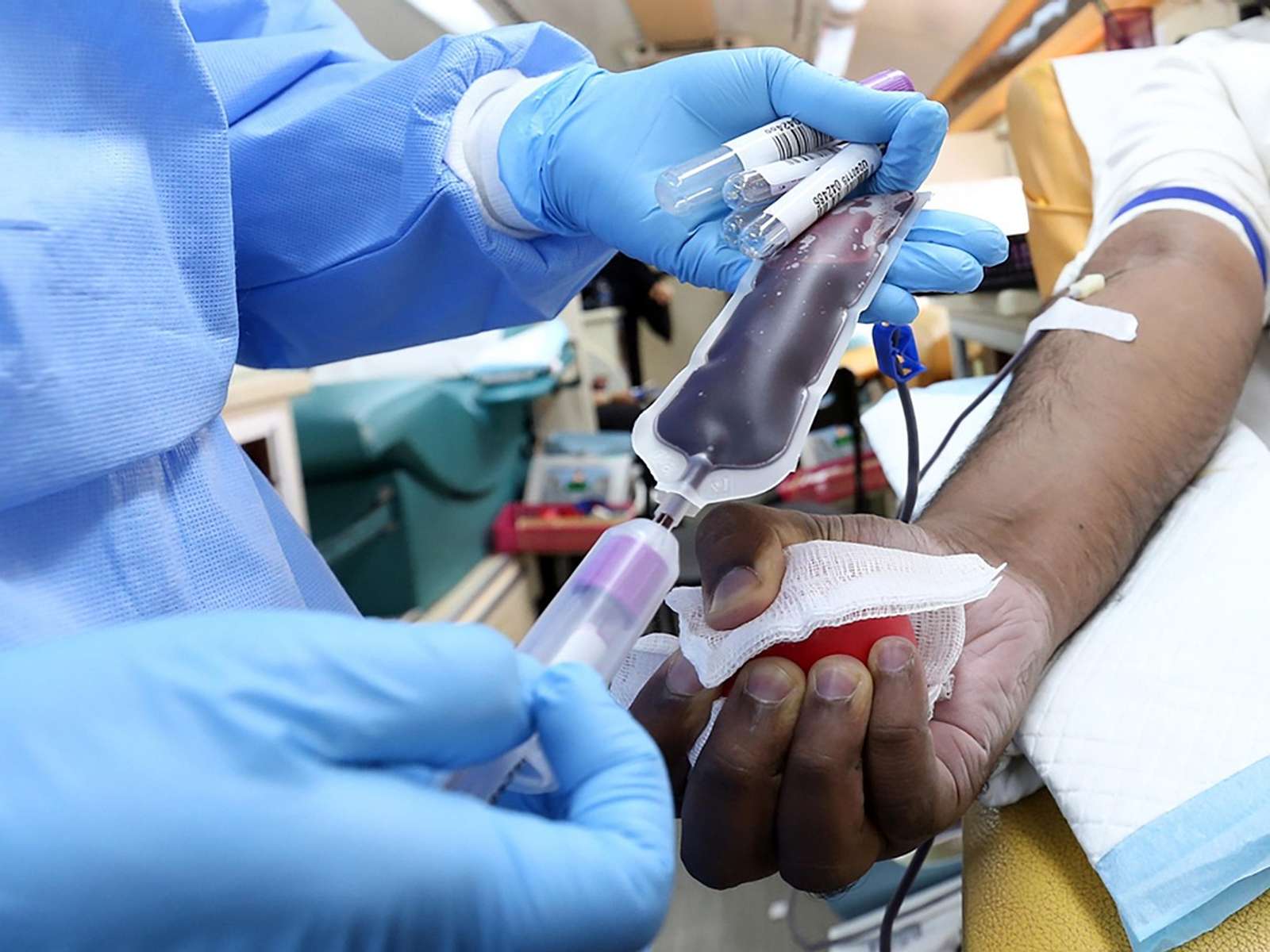
A report in the journal Transfusion describes how Ukraine met a roughly 40% rise in demand for blood products during the war without importing them, through mobile donation centers, an online donor platform and a central command.
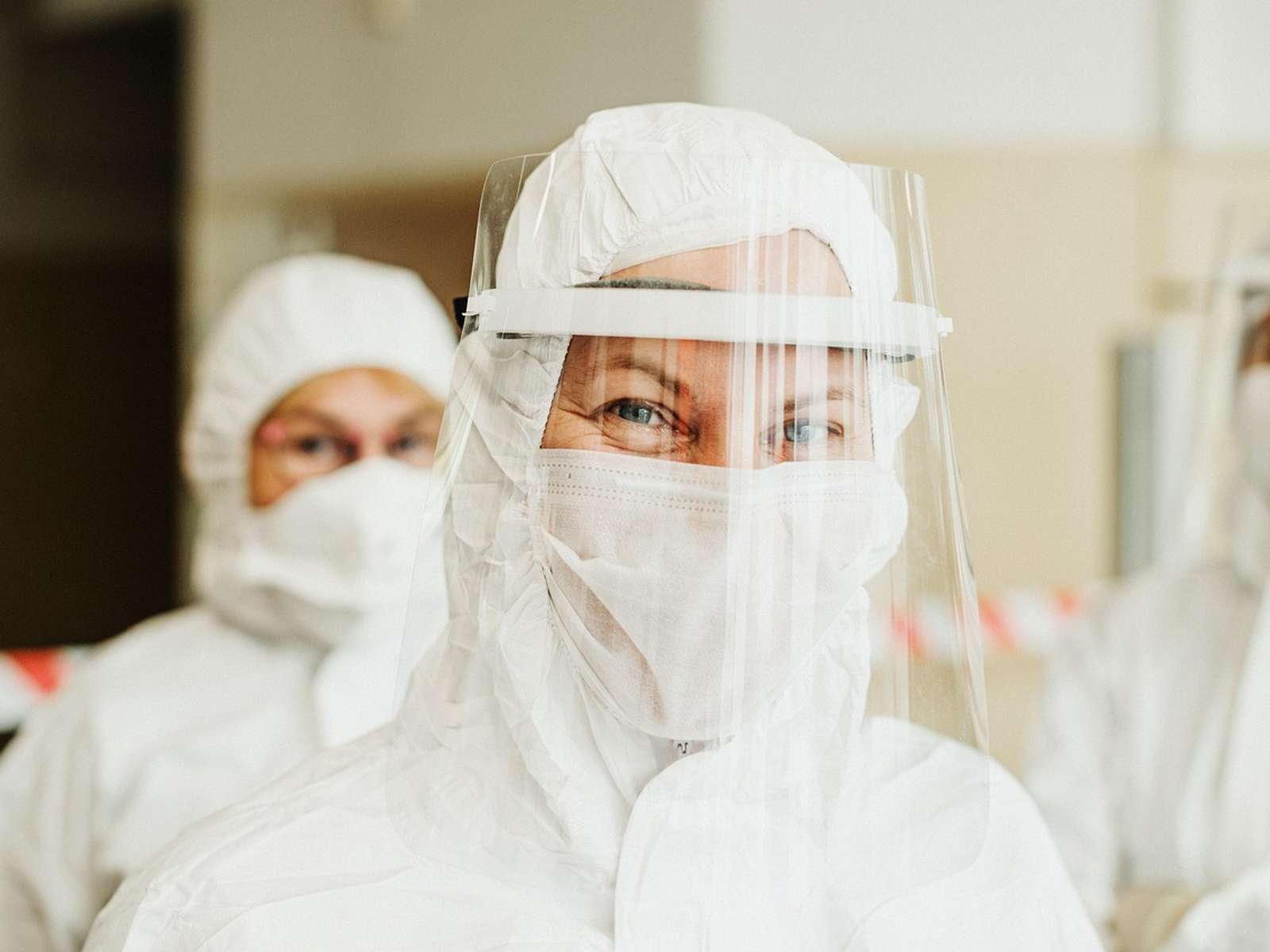
In Isiro, DR Congo, the Ebola treatment center has grown from 40 to 50 beds with MSF, WHO has delivered more than a tonne of supplies, and patients are returning to the general hospital. A doctor who survived Ebola is back at work.
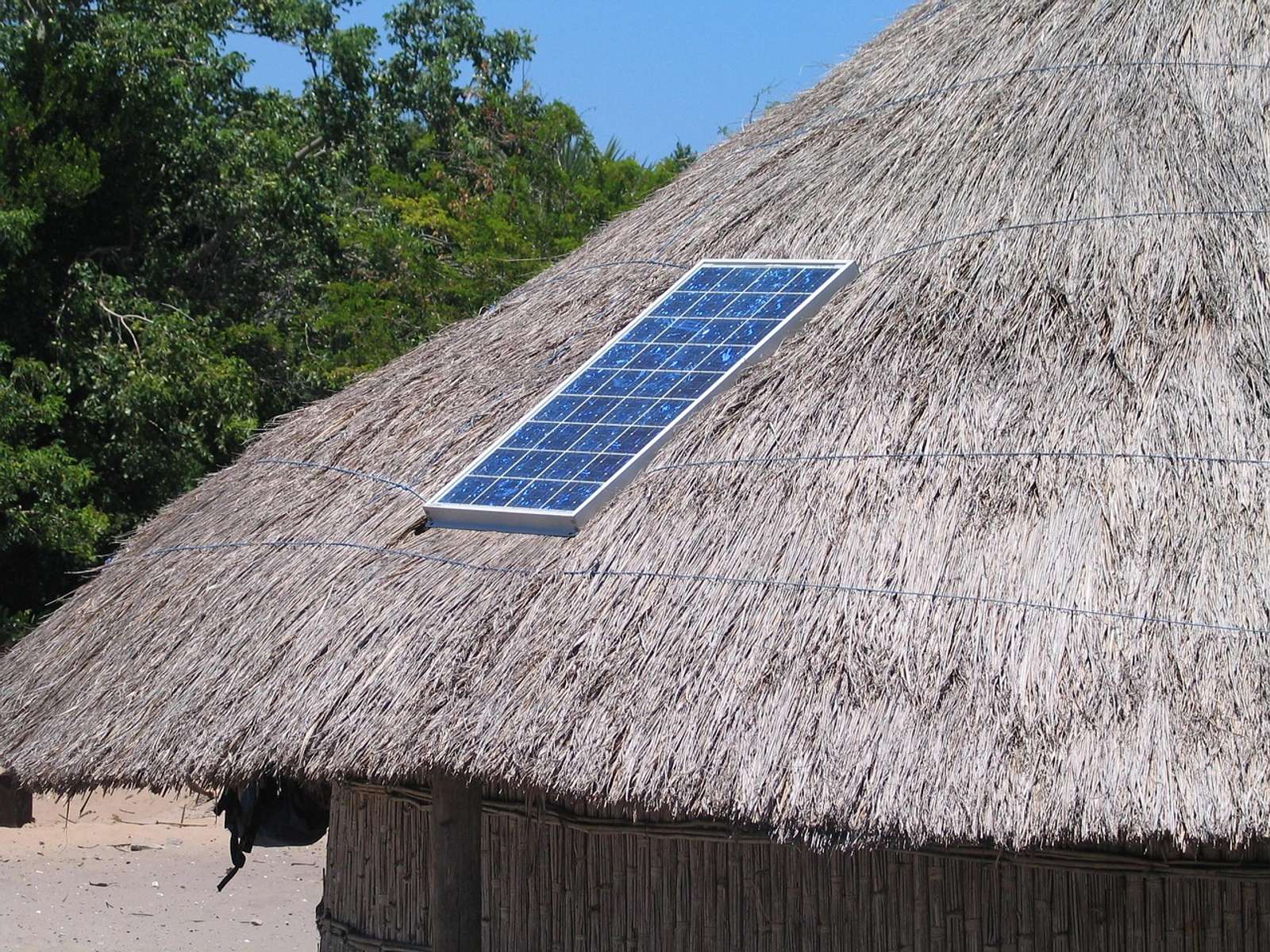
A solar system handed over by UNICEF with KOICA funding now powers the health center, a school and the community center in Vila Maumeta on Atauro, serving 2,155 residents. Vaccine fridges and emergency care no longer stop at midnight.
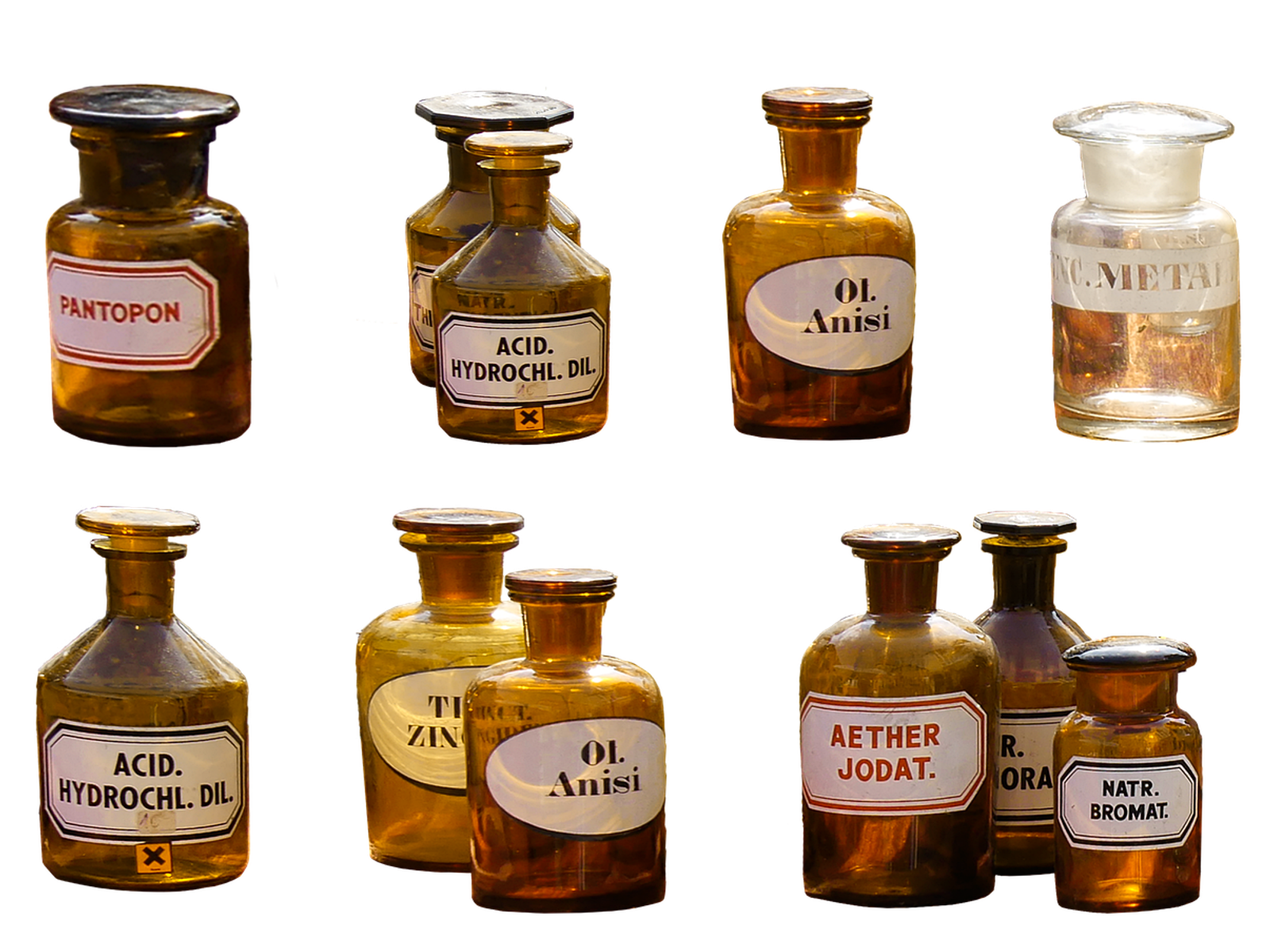
UNICEF has handed 75,000 vials of medicine to health authorities in Khyber Pakhtunkhwa, where more than 10,500 leishmaniasis cases have been reported this year, over 4,400 of them in children under 16.
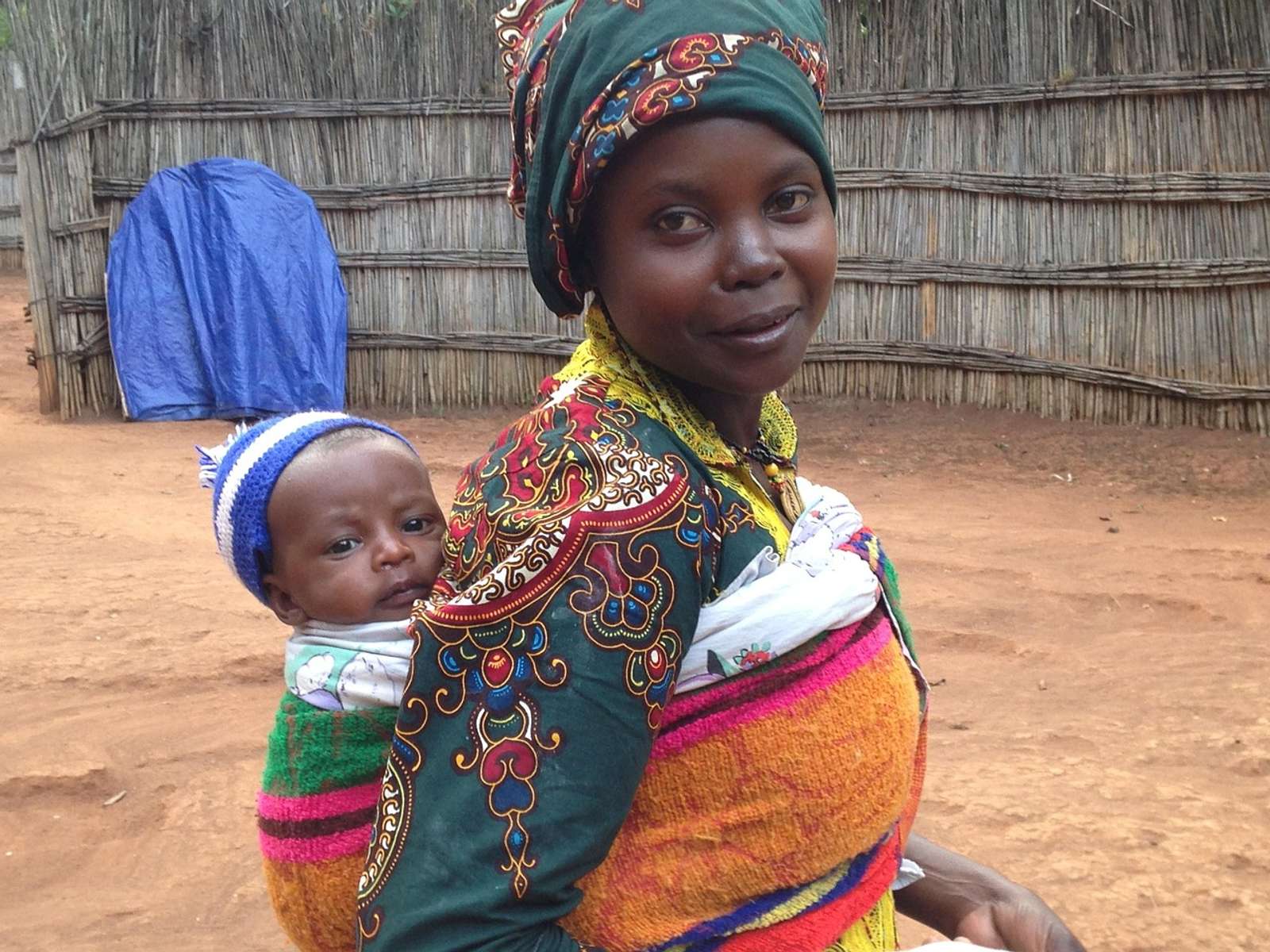
In Jowhar, Somalia, community health worker Nafiso Ibrahim Ali visits homes every day to screen children for malnutrition and refer those who need it to treatment, UNICEF reports.
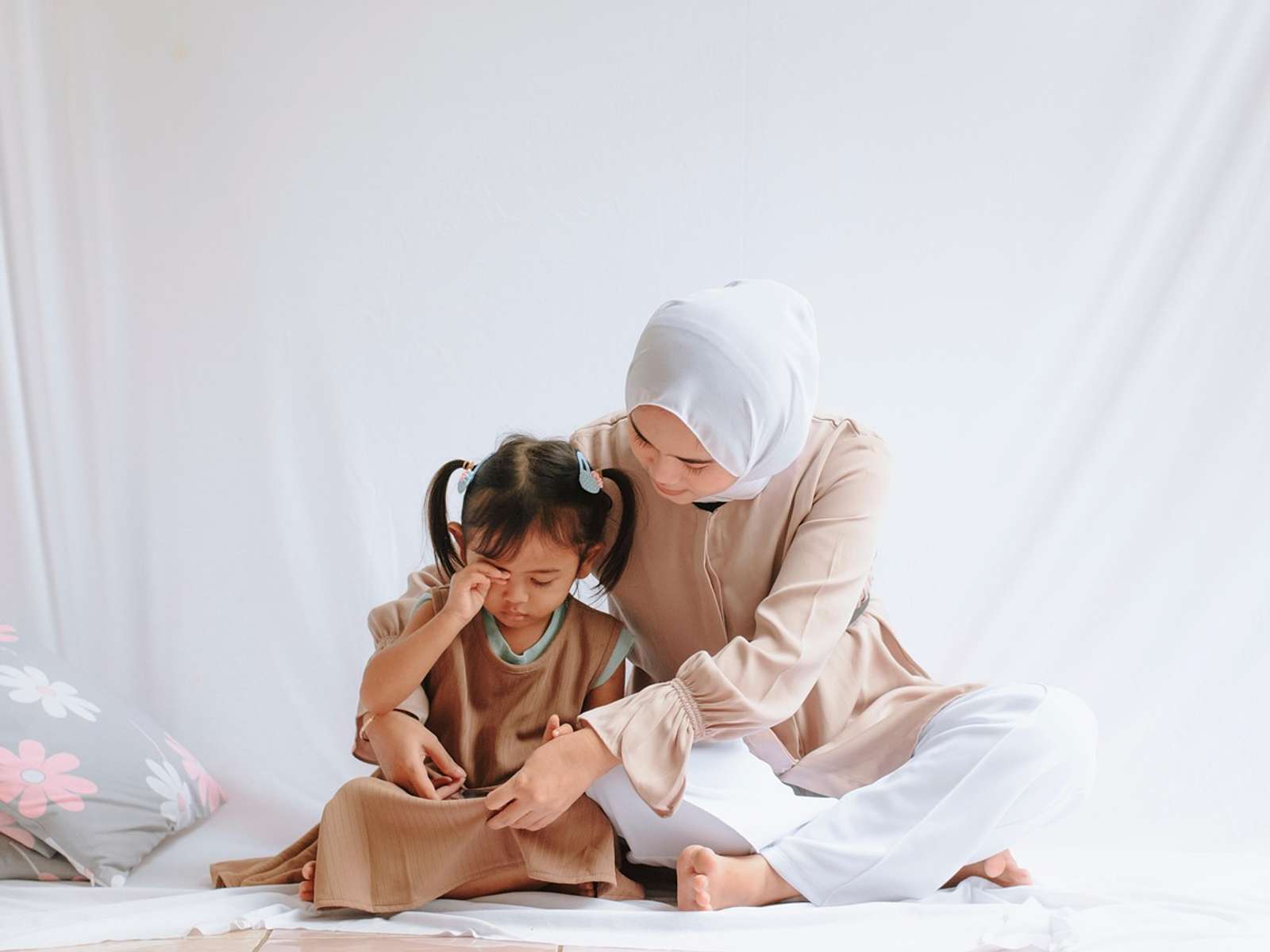
A two-year-old girl in South Papua, Indonesia, gained 2 kilograms and is walking and playing again after outpatient treatment for severe wasting with ready-to-use therapeutic food.
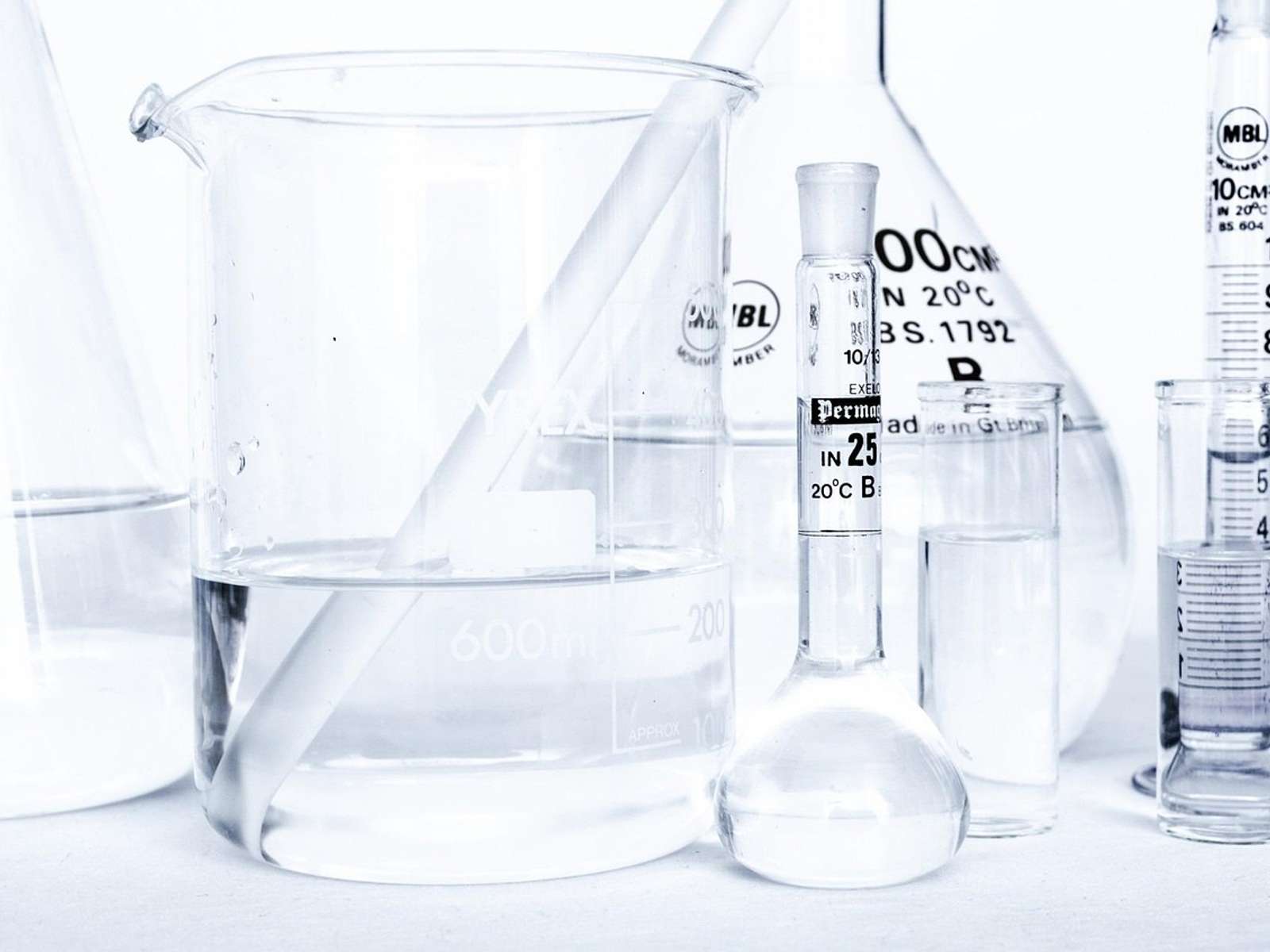
President Cyril Ramaphosa opened the CSIR's FuturePharma facility in Pretoria on 7 October. The open-access site helps researchers and young companies scale up medicine ingredients, part of a push to cut South Africa's reliance on imported drugs.
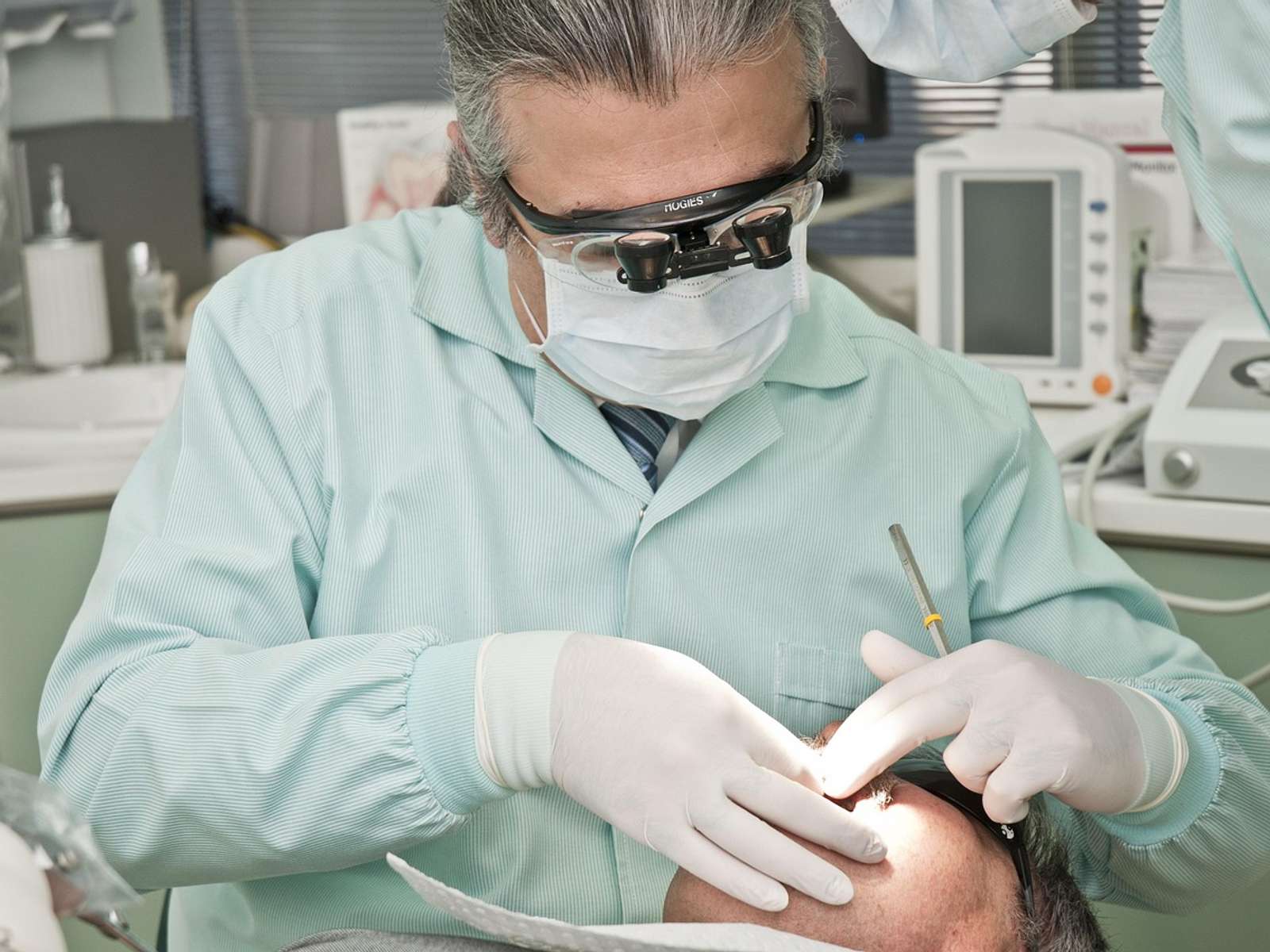
Oral health leaders from 20 Asian countries met in Malaysia at the midpoint of a WHO "100-Day Sprint" to build essential dental care into their universal health coverage plans.
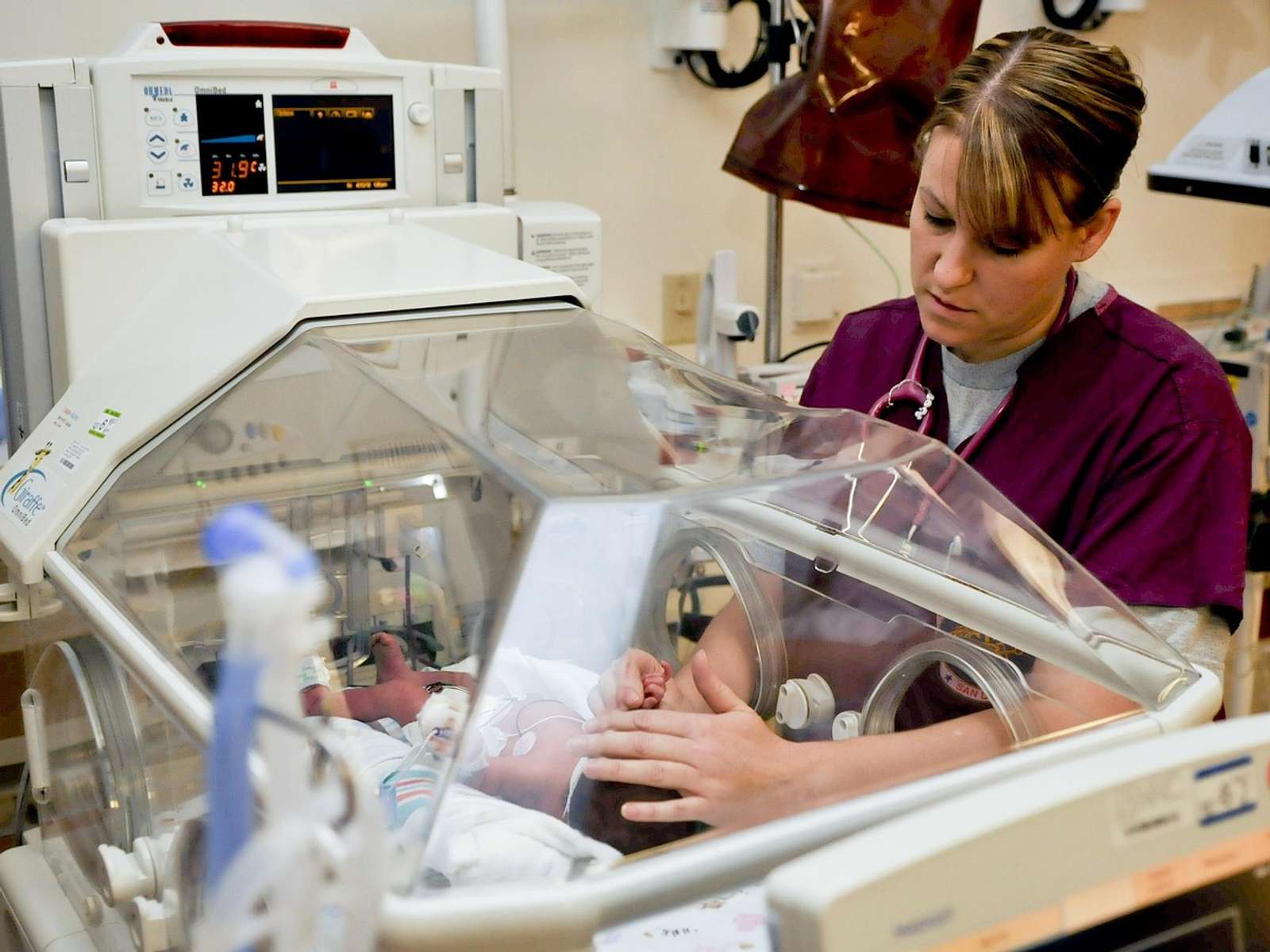
The neonatology center in Kragujevac, Serbia, has received a mobile X-ray machine, funded by UNICEF donors and OTP Bank, that images preterm and sick babies beside their incubators so they do not have to be moved.
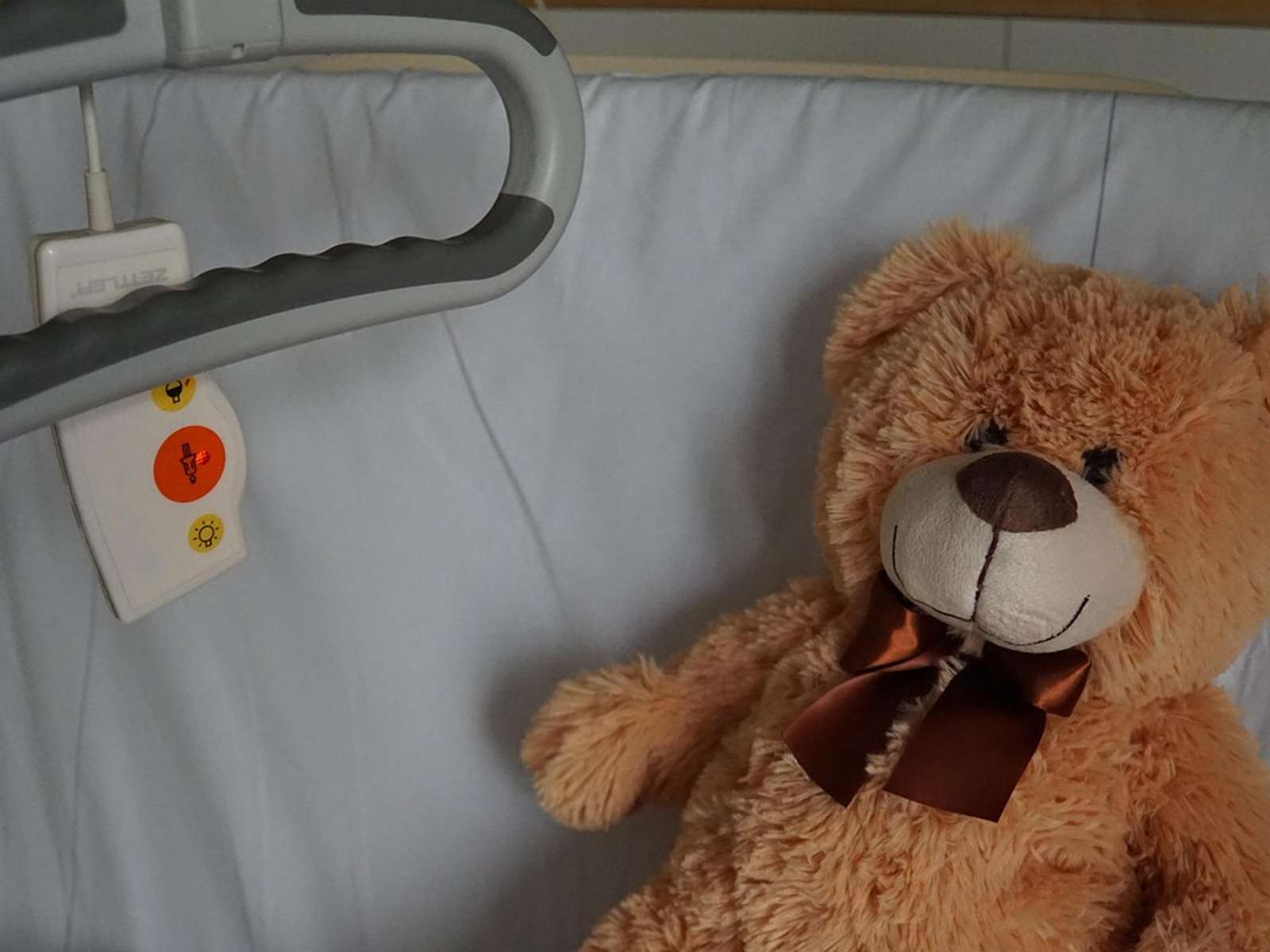
Today FM's first Power Hour campaign raised €500,000 for the Jack and Jill Children's Foundation, enough for 25,000 hours of in-home nursing care and respite for families of children with complex medical needs across Ireland.
Dusty Langby, 12, walked 540 km in 16 days from Warren, NSW, to Parliament House to raise money for Little Wings, which flies sick children to specialist care. The government matched his total and added A$1 million.
About this topic
About 4.6 billion people were not fully covered by essential health services in 2023, and 2.1 billion faced financial hardship from health costs in 2022, according to the World Health Organization. Closing that gap usually means bringing care physically closer to people and making it affordable.
The stories on this page follow those steps. In Jowhar, Somalia, a community health worker goes door to door to catch child malnutrition early, and in South Papua, Indonesia, a two-year-old recovered from severe wasting with outpatient treatment near home. A neonatal center in Kragujevac, Serbia, got a mobile X-ray machine so premature babies can be scanned without being moved, and oral health leaders from 20 Asian countries are working to add essential dental care to universal health coverage.
Access is about more than a new building or machine. Where the source says how many people are reached, who pays and what happens when the funding ends, we report it, and we keep research news on the medical research page.
Each story links to the health ministry, agency or charity behind it.