Solar power keeps vaccines cold and a clinic open around the clock on Timor-Leste's Atauro island
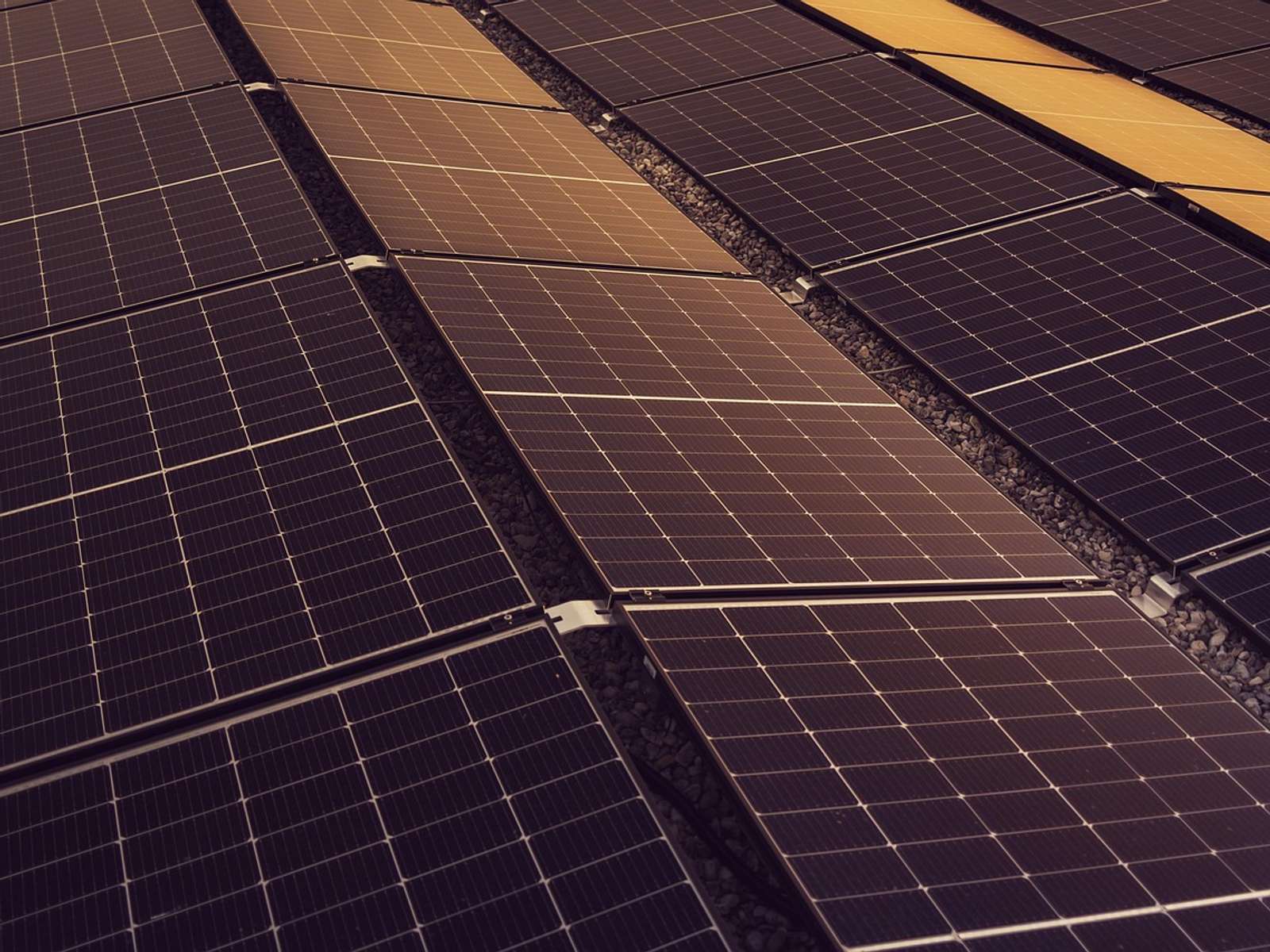
A solar system handed over by UNICEF with KOICA funding now powers the health center, a school and the community center in Vila Maumeta on Atauro, serving 2,155 residents. Vaccine fridges and emergency care no longer stop at midnight.
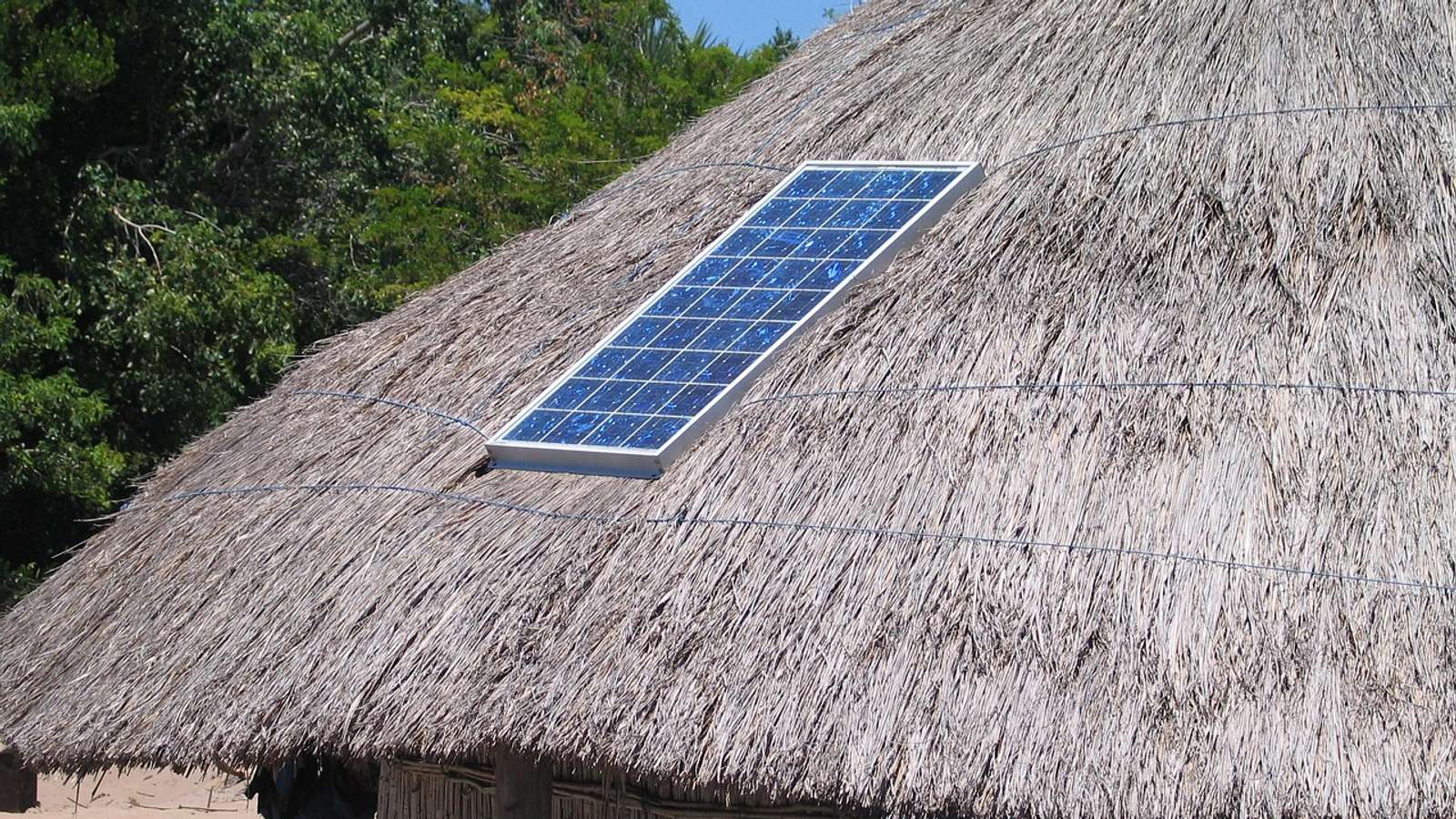
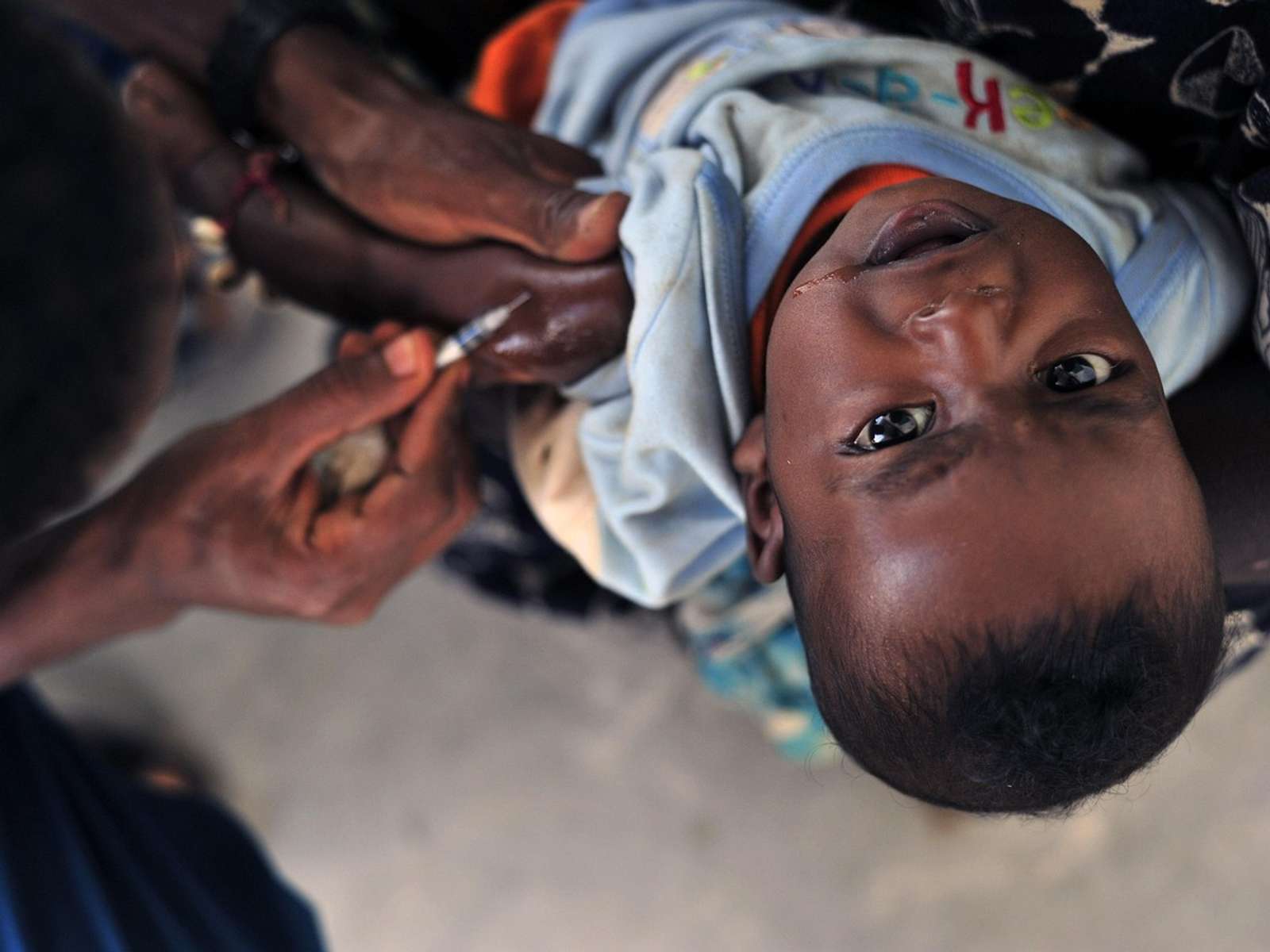
A solar power system on Atauro, an island off Timor-Leste's capital Dili, now keeps vaccines cold and the local health center running around the clock, UNICEF Timor-Leste said on 20 October. The system, handed over in July and funded by the Korea International Cooperation Agency (KOICA), serves the health center, the primary school and the community center of Vila Maumeta, home to 2,155 people in 516 households.
Emergency care no longer stops at midnight
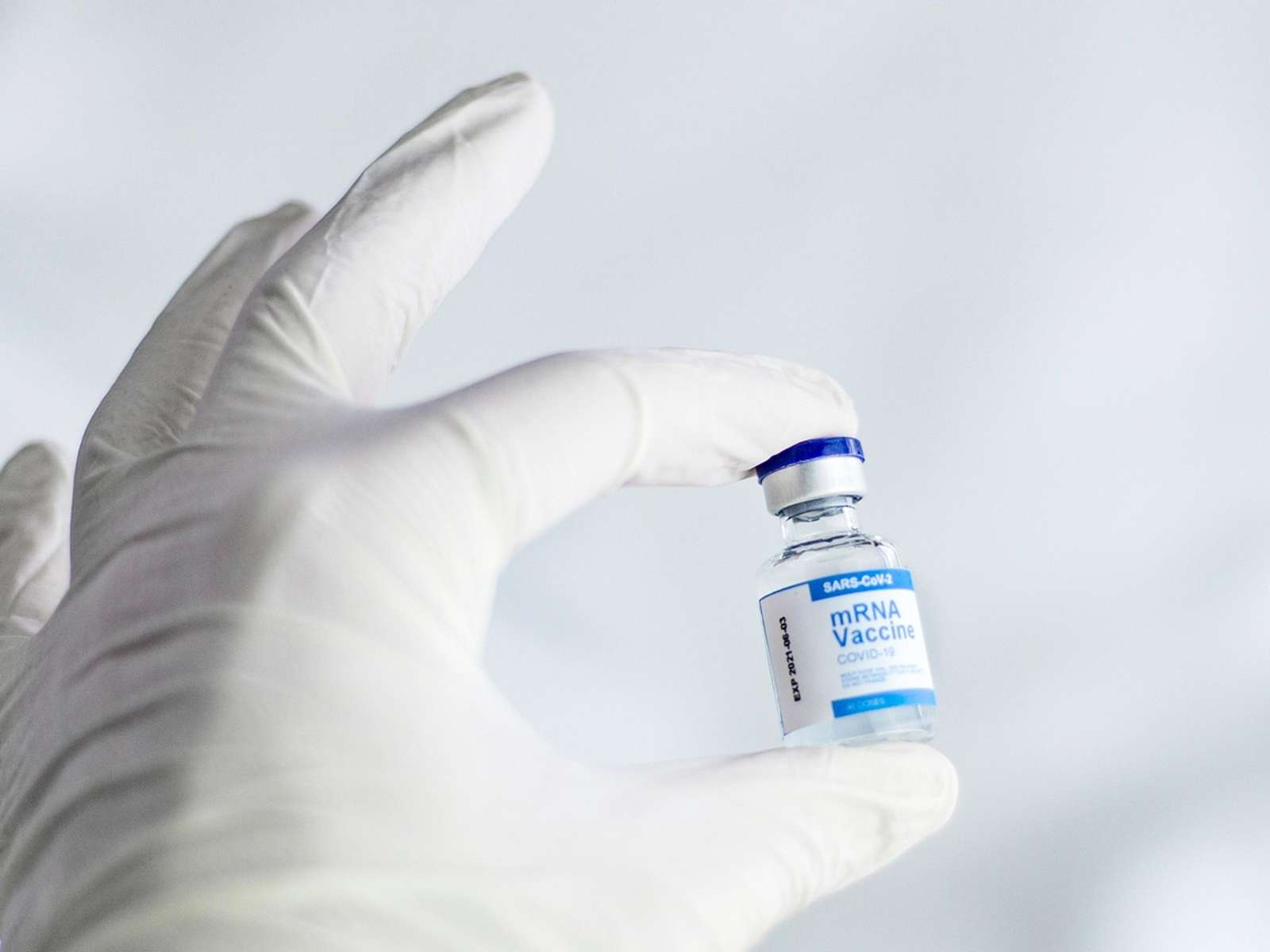
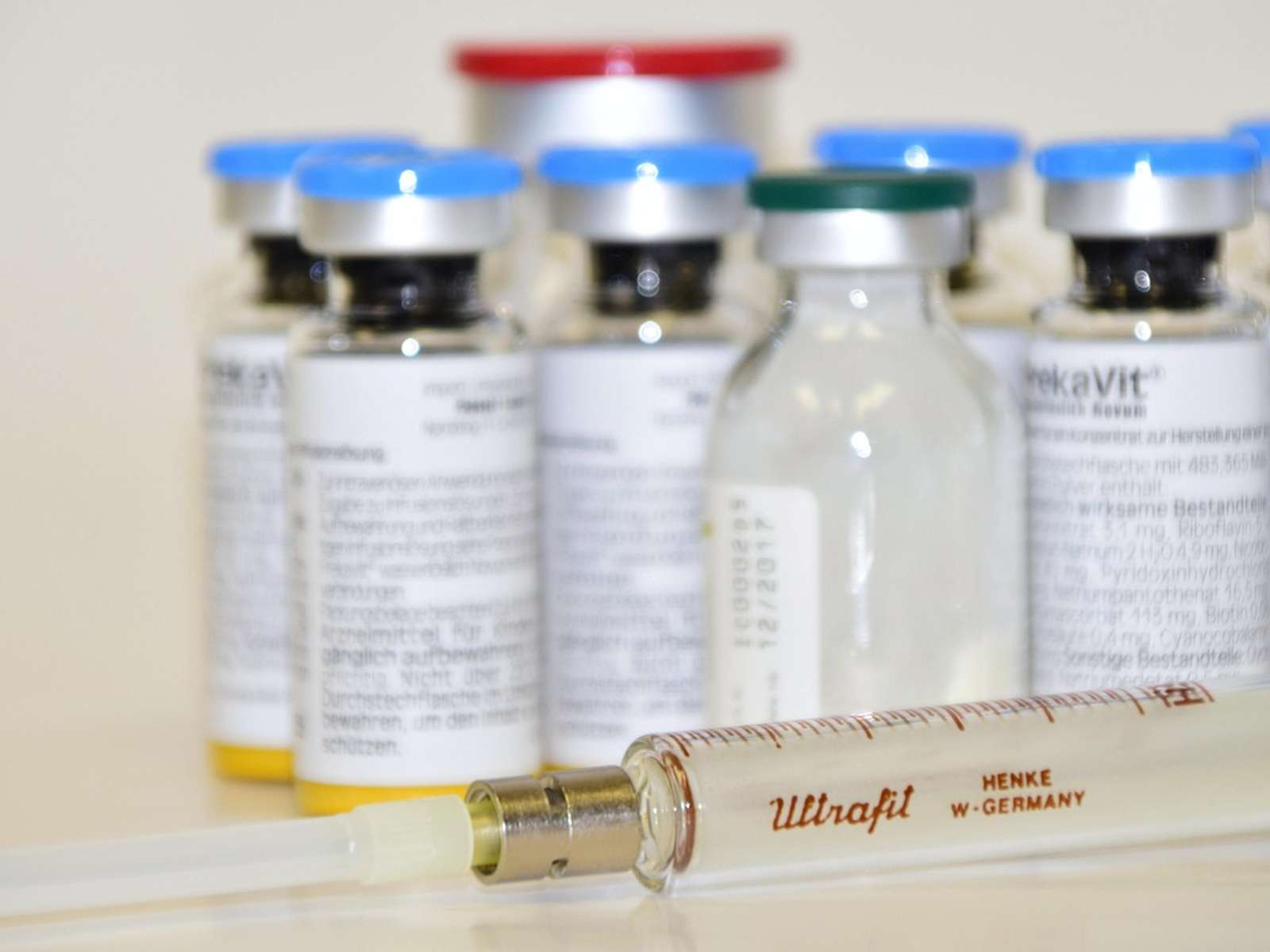
Before the system, electricity from the grid ran only from 6 a.m. to midnight. Now the health center has power 24 hours a day for its vaccine refrigerators and can respond to emergencies at night. Three health staff, including the head of the center, were trained to operate and maintain the system.
“The cleaning is very important, and we learned how to do it properly.” — Manuel Pereira, head of Vila Maumeta Health Centre
The community center uses the power for lighting, sockets and services such as birth registration and certificates of good conduct. At the Escola Café primary school, it runs projectors, computers, printers, fans and lights in more than 20 classrooms and offices. Jonedito Araújo, the school's coordinator, said it also helps the school spend less on prepaid electricity.
A global gap in clinic power
Unreliable power in clinics is a worldwide problem. Close to 1 billion people in low- and lower-middle-income countries are served by health facilities with unreliable electricity or none at all, and in South Asia and sub-Saharan Africa more than one in ten facilities have no electricity, according to a 2023 report by the World Health Organization and partners. Without power, clinics cannot keep vaccines in the cold chain or run basic equipment.
Solar is one of the quickest fixes. In Zambia, 296 health facilities now run on solar power, serving about 1.5 million people.
Part of a wider climate program for children
The installation is part of UNICEF's Climate Action for the Last Mile: Reaching the Most Vulnerable Children program. UNICEF did not give the system's capacity in kilowatts or say how many other sites in Timor-Leste the program will cover. Other efforts to bring care closer to people are collected under healthcare access.
Not medical advice. This article reports on research and health programs for general information. Results from early studies often change in larger trials. Talk to a doctor before making decisions about your own health or treatment.
Sources
- UNICEF Timor-Leste · unicef.org
- who.int
How we choose and verify sources: editorial policy.