Guatemala gets its first endemic bird species as the Guatemalan motmot is recognized
The American Ornithological Society has split the Guatemalan motmot from the russet-crowned motmot. Found only in the dry Motagua valley, it becomes Guatemala's first endemic bird species.
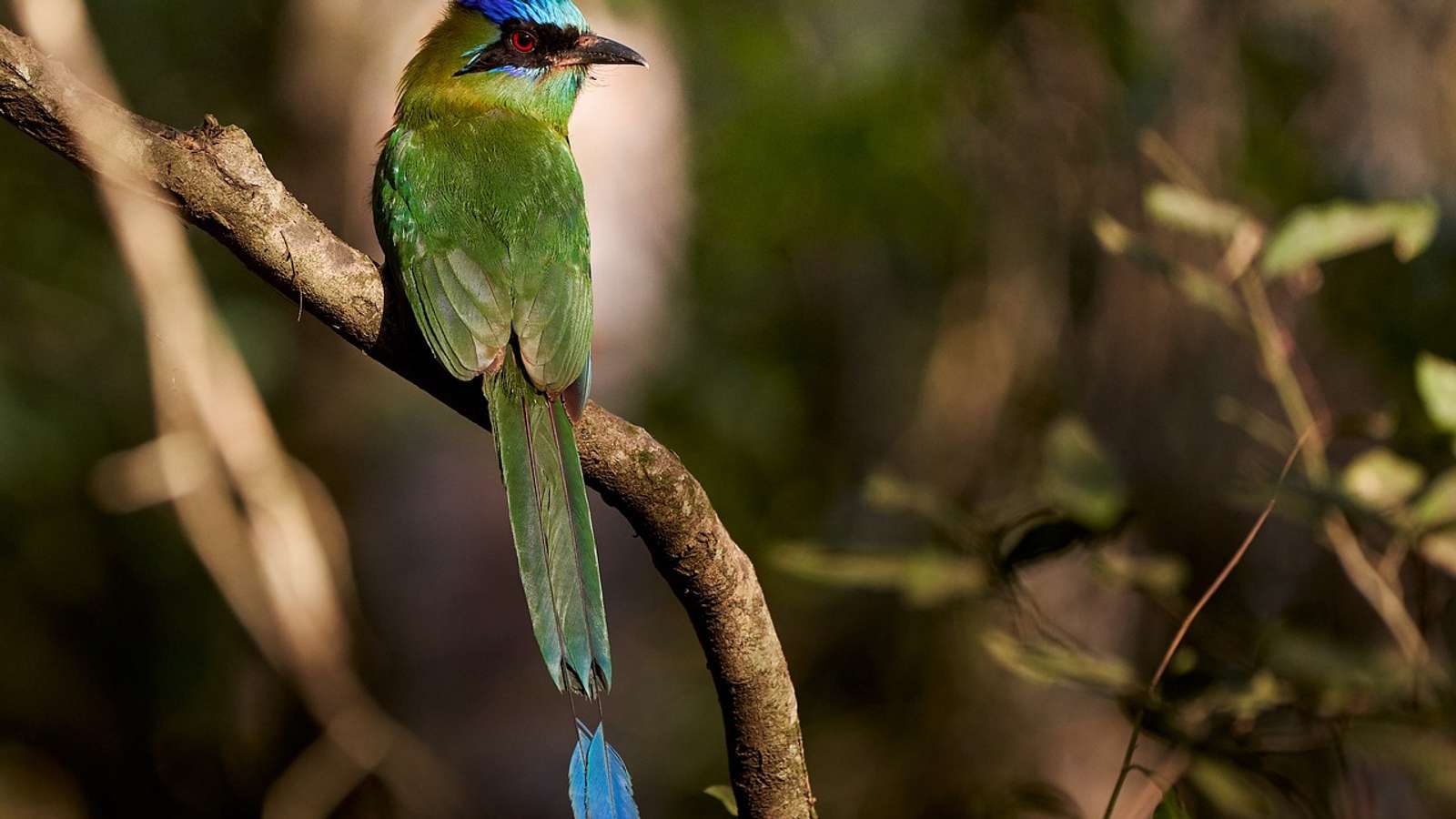
Guatemala has its first bird species found nowhere else. The Guatemalan motmot (Momotus castaneiceps) is now recognized as a species in its own right, split from the russet-crowned motmot, the American Ornithological Society (AOS) said on 20 October. It lives only in the dry valley of the Río Motagua.
The change is part of the 67th supplement to the society's Check-list of North American Birds, the reference list that sets the official species and names for the region. Its North American Classification Committee publishes a supplement every year.
Plumage, voice and genes set it apart
Until now, the Guatemalan birds were treated as one population of the russet-crowned motmot (Momotus mexicanus), which also lives in Mexico. The committee accepted the split based on differences in the plumage of the crown, nape and forehead, in vocalizations and in genetics. The proposal was made by Roselvy Juárez and Pam Rasmussen.
Willets, egrets and horned owls also split
The supplement, published in the journal Ornithology, reshapes several familiar North American birds. The willet is split into the prairie willet and the saltmarsh willet, the marsh wren into eastern and western marsh-wrens, and the great horned owl into four species, three of them endemic to South America. The American population of the great egret becomes the American egret, and the North American whimbrel becomes the Hudsonian whimbrel, after that split failed in 2022.
The pearly-eyed thrasher was added to the US list after a spring 2024 record from Key West, Florida. For the marsh wren, “there's apparently strong selection against hybrids,” said committee chair Terry Chesser.
Splits like these change bird lists, field guides and conservation priorities, and birders who saw a motmot in the Motagua valley now have a new species on their list. More bird research is collected under birds. The AOS supplement does not include a population estimate or a Red List assessment for the new species; that will need its own study.
Sources
- American Ornithological Society · americanornithology.org
- doi.org
How we choose and verify sources: editorial policy.