Birds fertilize forests and coral reefs as they move nutrients across the planet, a review of nearly 400 studies finds
A Cornell-led review of nearly 400 studies in Current Biology finds birds move nitrogen and phosphorus between sea, lakes and land through their waste and bodies, feeding coral reefs and forests. Where seabird colonies vanish, reefs suffer.
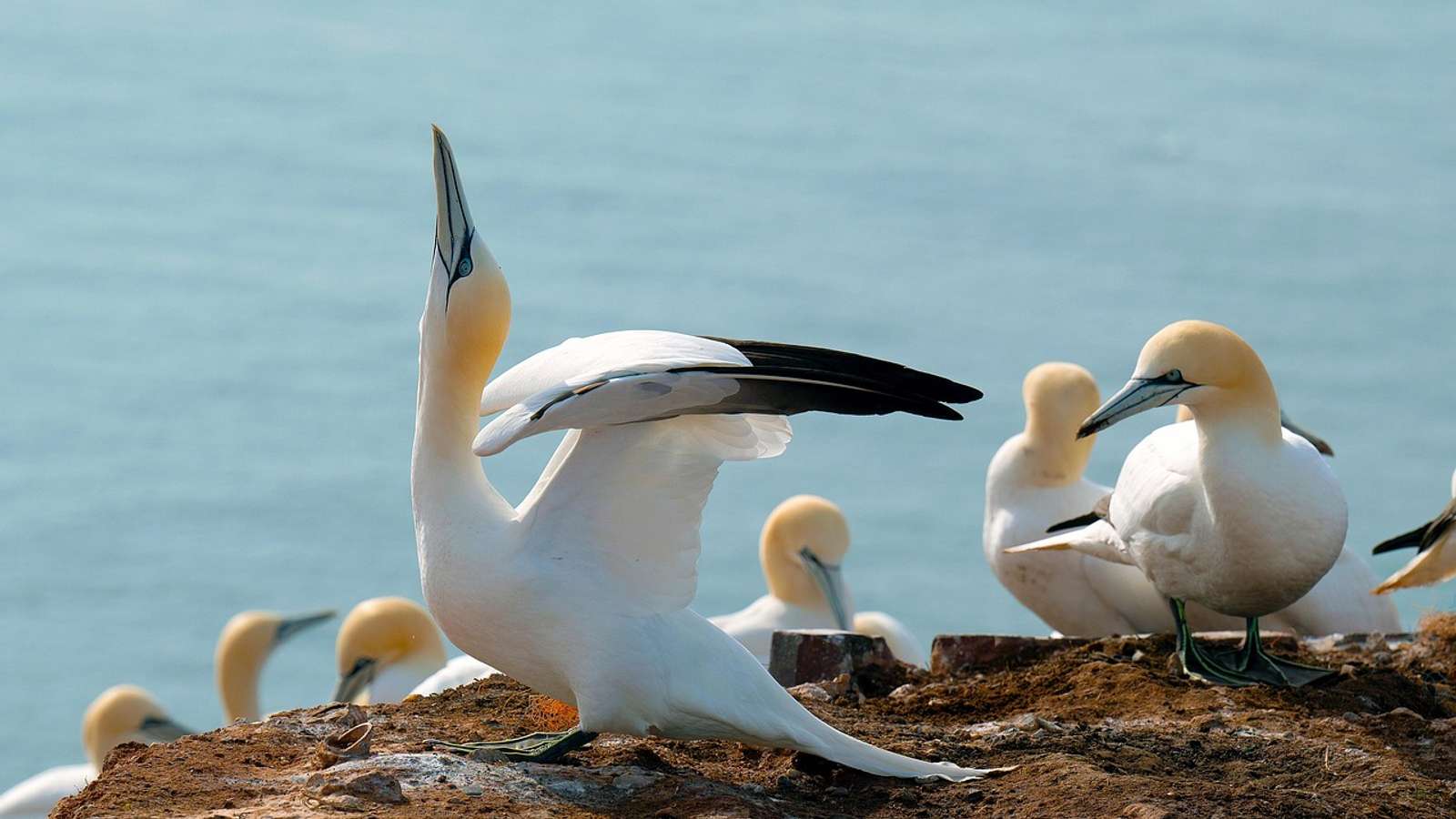
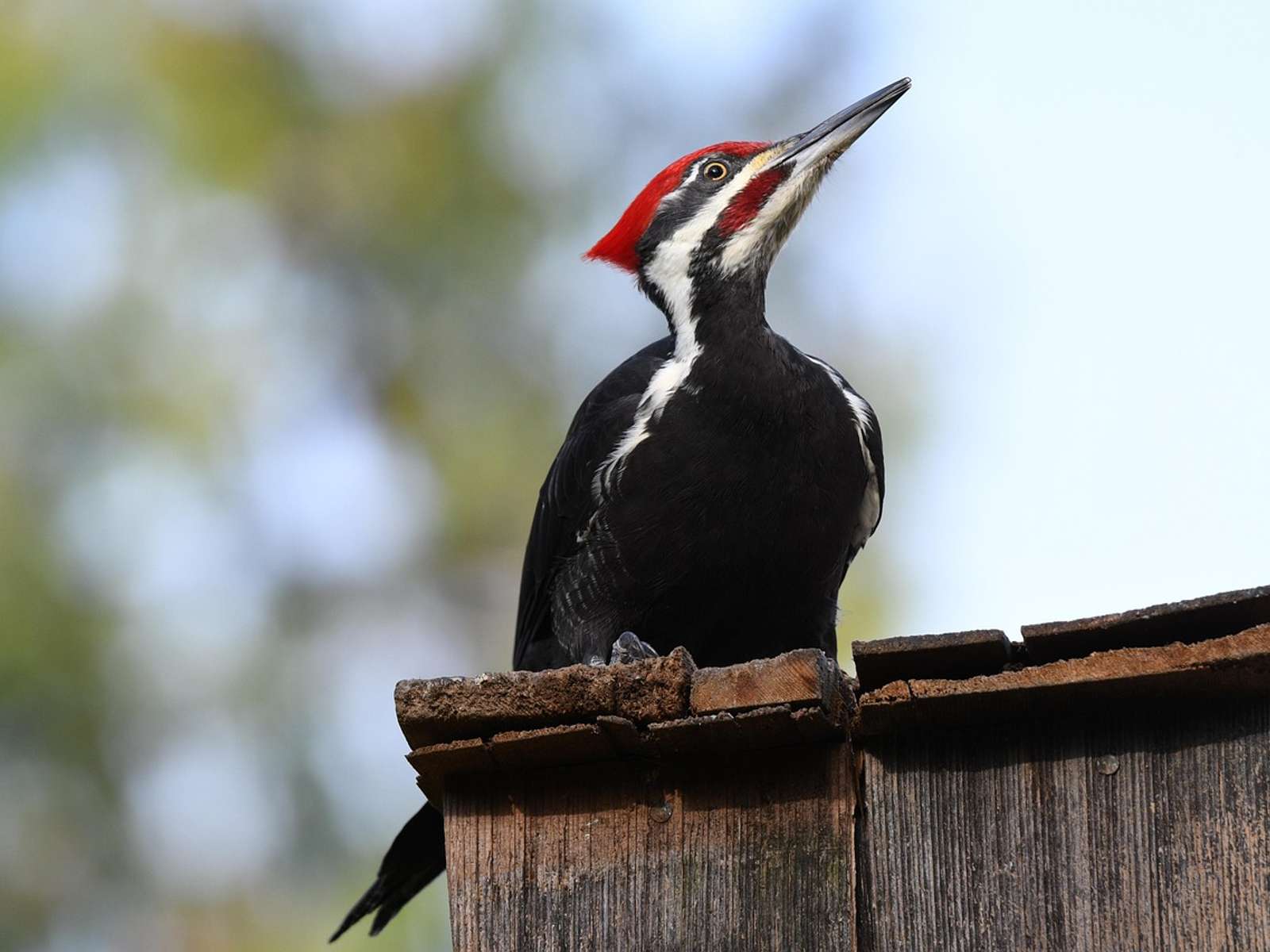
Birds act as one of Earth's main nutrient delivery systems, carrying nitrogen and phosphorus between sea, lakes and land and feeding coral reefs and forests along the way, according to a review of nearly 400 scientific papers published on 19 October in Current Biology, Cornell University said. The review was led by researchers at Cornell and five other institutions.
Birds are “highly efficient and important nutrient transporters or nutrient processing machines.” — Ethan Duvall, lead author, who completed his PhD at Cornell in 2026
Flight and big appetites make birds efficient carriers
Flight lets birds cross oceans and mountains that block other animals, and they process food fast. Their food consumption rates are about 30% higher than those of mammals of similar size, Duvall said, so they eat seeds, insects and fruit rich in nitrogen and phosphorus and release those nutrients at high rates.
Birds that gather in colonies or roosts, such as seabirds, concentrate their waste in small areas. That can drive more plant and algae growth and give the insects and other animals that eat those plants a richer diet, creating what Duvall called “islands of fertility.”
Coral reefs suffer where seabirds disappear
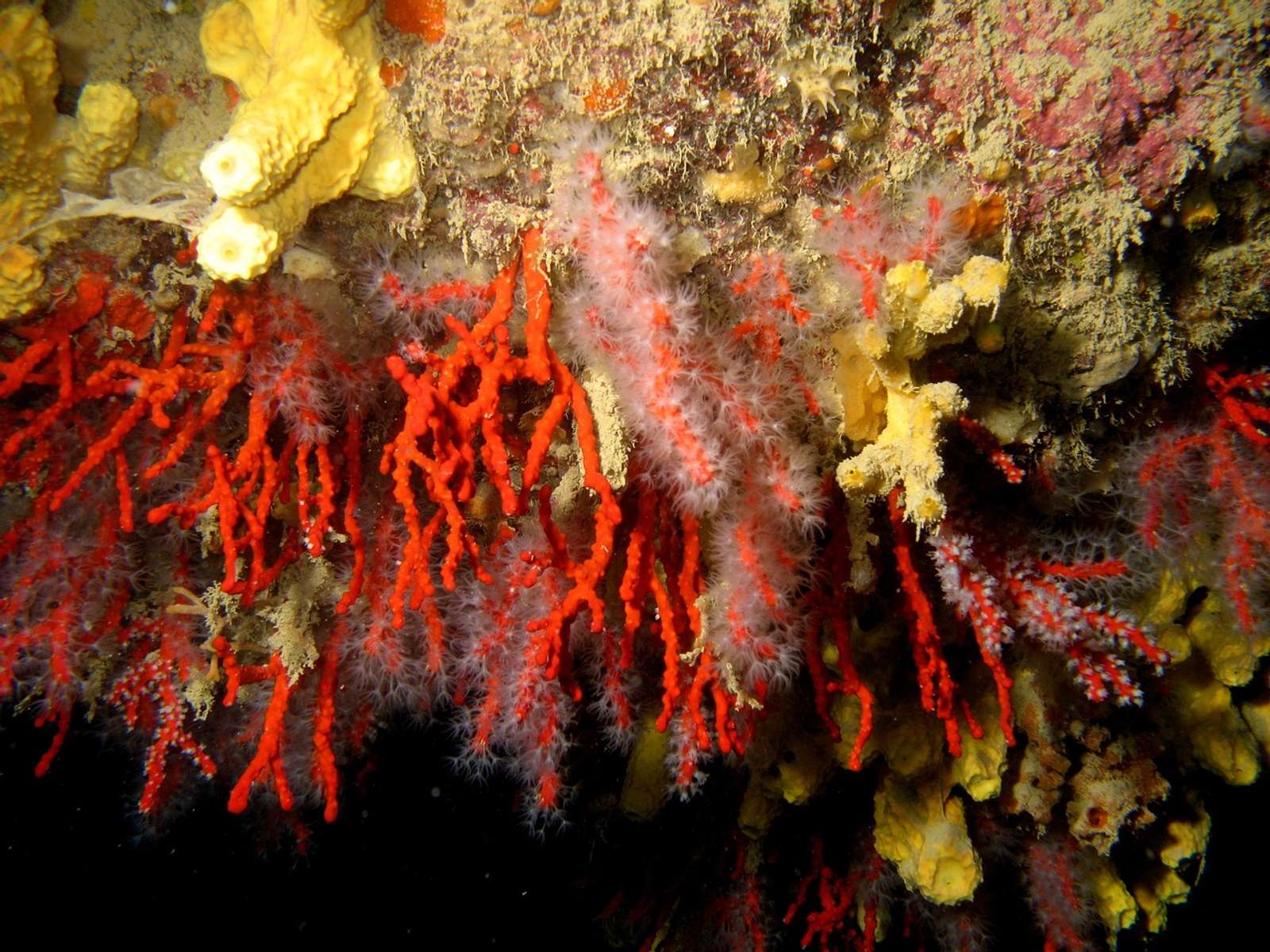
Nutrients from seabird colonies also wash into coastal waters, where the studies show they support coral reefs and their fish. Where seabird colonies have disappeared, nutrient levels decline, with less plant and algae growth, lower reef fish biomass and reefs that cope worse with environmental stress.
The effect can be put to work. One study in the review found that installing seabird perches in seagrass restoration sites attracted birds that deposited large amounts of phosphorus, helping the seagrass recover.
“While ecologists have long known that birds transport nutrients, our review establishes the magnitude and geographic scale of that role,” said co-author Amanda Rodewald of the Cornell Lab of Ornithology.
Fewer birds could mean less fertile ecosystems
That role is shrinking as bird numbers fall. Duvall pointed to the State of the World's Birds report, which finds 45% of global migratory bird species declining. A separate UN report on migratory species, prepared for the Convention on Migratory Species in 2024, found that 48% of the bird species listed under the convention have declining trends, according to a BirdLife summary. Many ecosystems may become less fertile and less productive as a result, Duvall said, which can also affect how much carbon they store.
In a follow-up study published in March in Functional Ecology, Duvall and colleagues measured songbird waste at the Braddock Bay Bird Observatory on Lake Ontario and found it richer in nitrogen in spring, when birds eat insects, and richer in carbon in fall, when they eat fruit and seeds. The team says such data can help predict how bird declines ripple through ecosystems. More bird research is collected under birds.
Sources
- Cornell University (Cornell Lab of Ornithology) · news.cornell.edu
- datazone.birdlife.org
How we choose and verify sources: editorial policy.