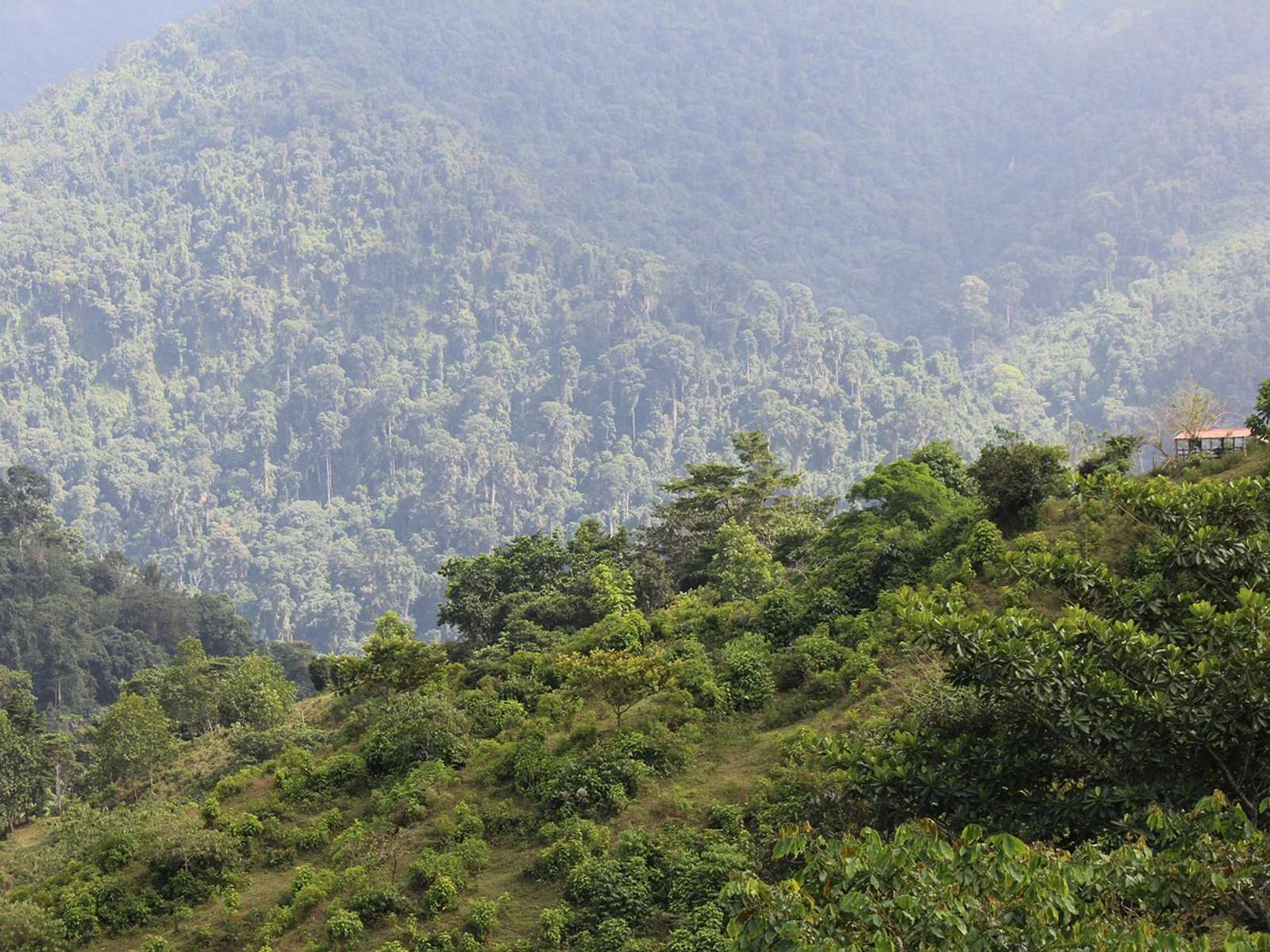
Vietnam's Lam Dong province creates the 8,408-hectare Ta Kou Nature Reserve
Lam Dong province has established the Ta Kou Nature Reserve, 8,408 hectares of mostly natural forest where surveys recorded about 287 animal species, including black-shanked douc langurs. A plan worth about $3 million runs to 2030.

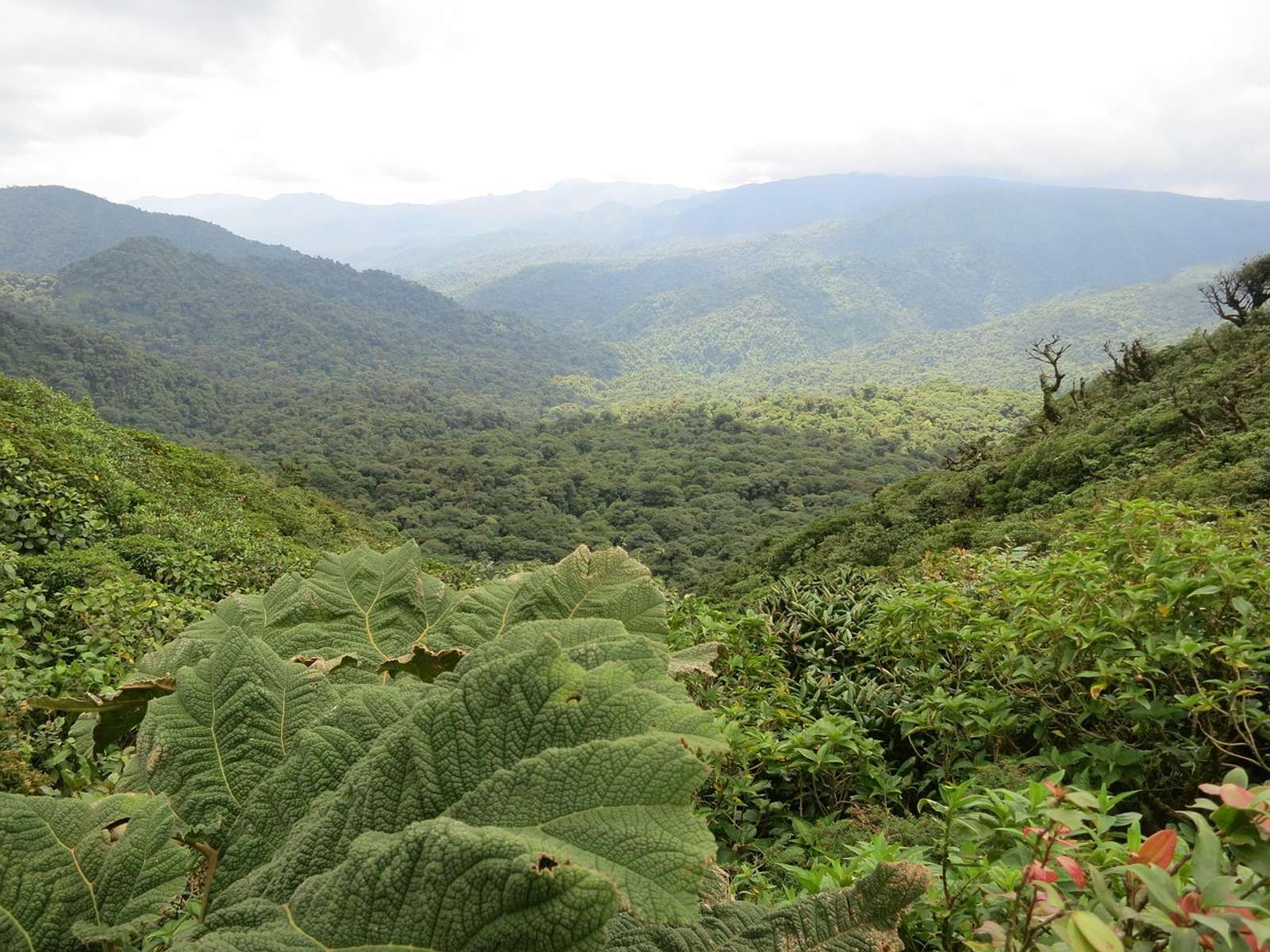
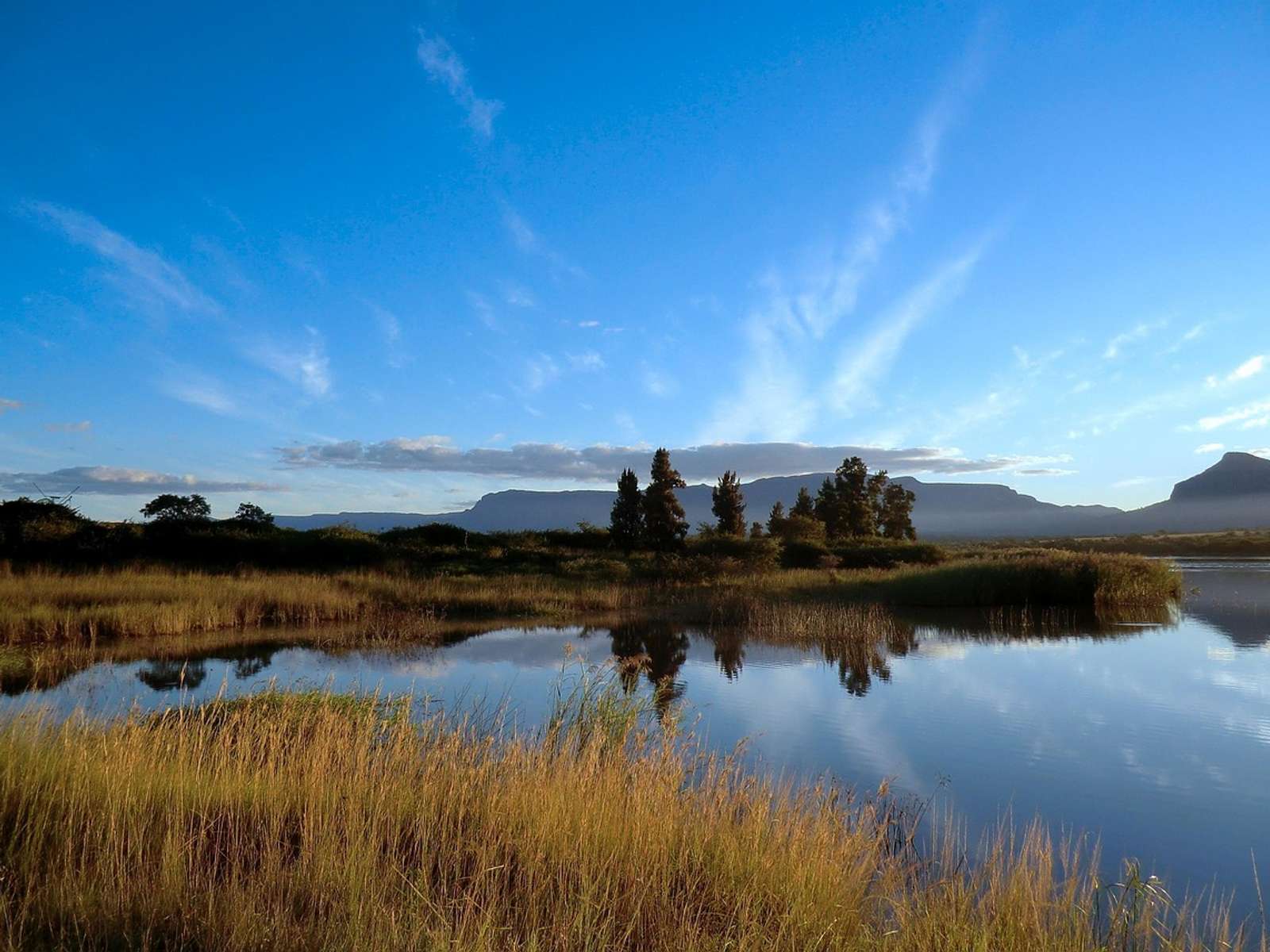
The People's Committee of Lam Dong province in southern Vietnam has established the Ta Kou Nature Reserve, an 8,408-hectare area in Ham Thuan Nam and Tan Thanh communes, the state news agency's VietnamPlus reported on 17 October. Most of it, 7,342 hectares, is natural forest.
287 animal species, 32 of them rare or endangered
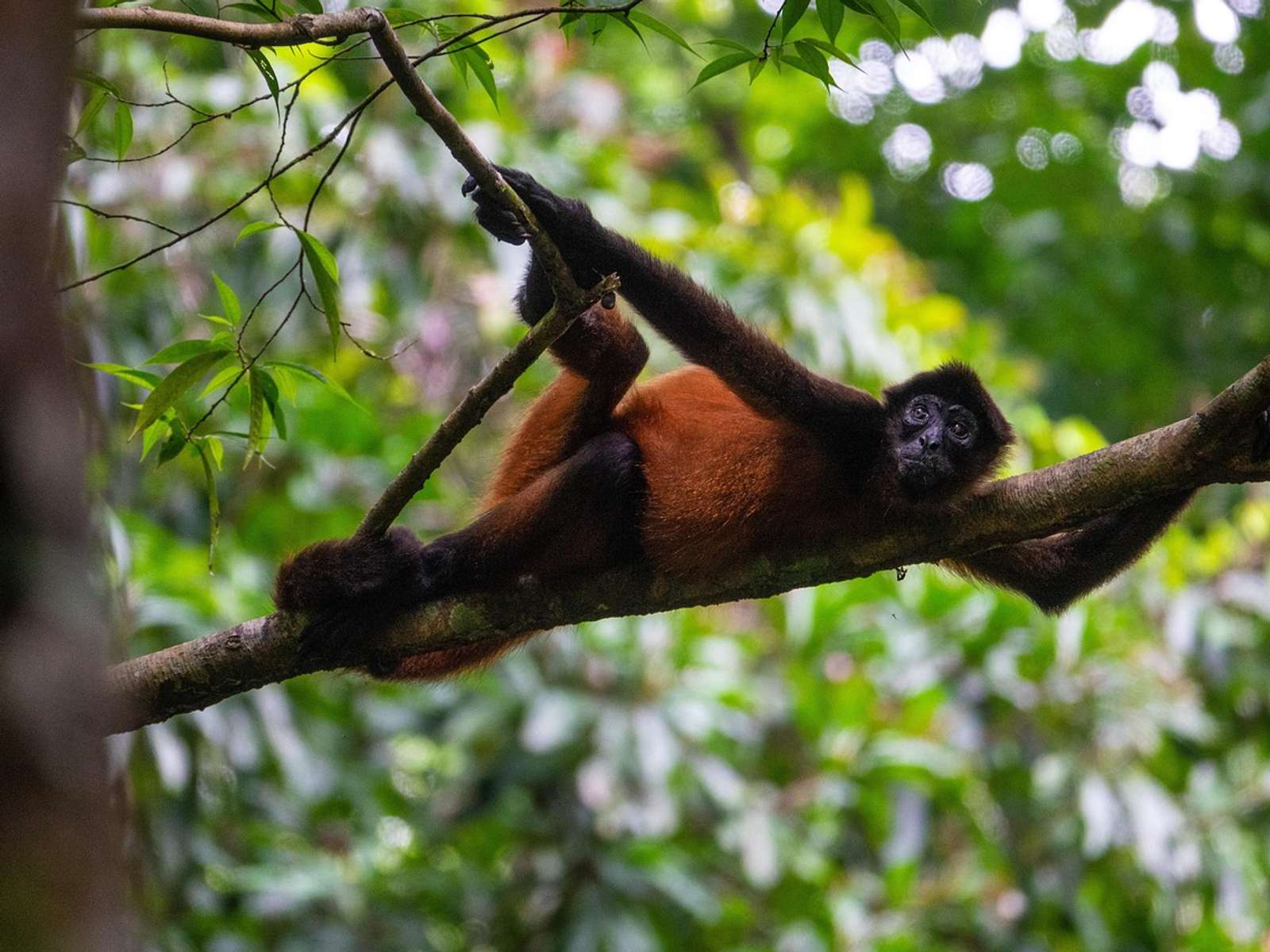
Preliminary surveys recorded about 287 animal species in the area: 62 mammals, 135 birds, 65 reptiles and 25 amphibians. At least 32 are endangered or rare, including black-shanked douc langurs, a primate found only in southern Vietnam and Cambodia, and water monitors.
The black-shanked douc is listed as Critically Endangered on the IUCN Red List and occurs only in Cambodia and Vietnam, according to the Mammal Diversity Database of the American Society of Mammalogists. A reserve with legal protection and its own management board gives one more patch of its small range formal status.
The rest of the reserve is 281 hectares of planted forest and 785 hectares without forest cover, which gives room for restoration. The reserve will be divided into three zones: a strictly protected core, an ecological restoration zone, and an area for services and administration.
A management board and a $3 million plan
A management board will run the reserve and coordinate research, training, environmental education, payments for forest environmental services and livelihood programs in the buffer zone around it. The development plan for 2026 to 2030 is worth about 76 billion dong, or roughly $3 million, from public investment, regular budget spending and other sources.
Payments for forest environmental services, a system in which users of forest benefits such as water and hydropower companies pay toward protection, give local households income for patrolling and caring for the forest. Livelihood programs in the buffer zone aim to reduce pressure from hunting and clearing, the main threats to primates such as the doucs.
Vietnam's neighbor Laos took a similar step this year, creating a national park to protect the saola. More new parks and reserves are collected in our protected areas stories.
Boundaries now, management to follow
The report does not give the date or number of the provincial decision, name the board, or say how many rangers will patrol the reserve. Those details, and whether the budget is fully funded, will decide how well Ta Kou's forest and wildlife are protected in practice.
Sources
- VietnamPlus (Vietnam News Agency) · en.vietnamplus.vn
- mammaldiversity.org
How we choose and verify sources: editorial policy.