Twenty-five protected areas in seven countries join or renew their place on the IUCN Green List
IUCN recognized 25 protected and conserved areas in Brazil, China, Colombia, Costa Rica, Egypt, France and Saudi Arabia for meeting its Green List standard, including Monteverde, Malpelo and Wadi Al-Hitan.
Twenty-five protected and conserved areas in seven countries have been recognized for meeting the IUCN Green List standard, IUCN said on 23 October at the Green List Awards during the UN biodiversity conference COP17 in Yerevan, Armenia. The sites are in Brazil, China, Colombia, Costa Rica, Egypt, France and Saudi Arabia.
From a cloud forest to a valley of whale fossils
China had the most new listings, with 11 sites, including Beijing Yeyahu Nature Reserve, Fujian Liangyeshan National Nature Reserve and Zhejiang Qingliangfeng National Nature Reserve. France had seven sites reaffirmed, among them the Tour du Valat estate in the Camargue and Écrins National Park.
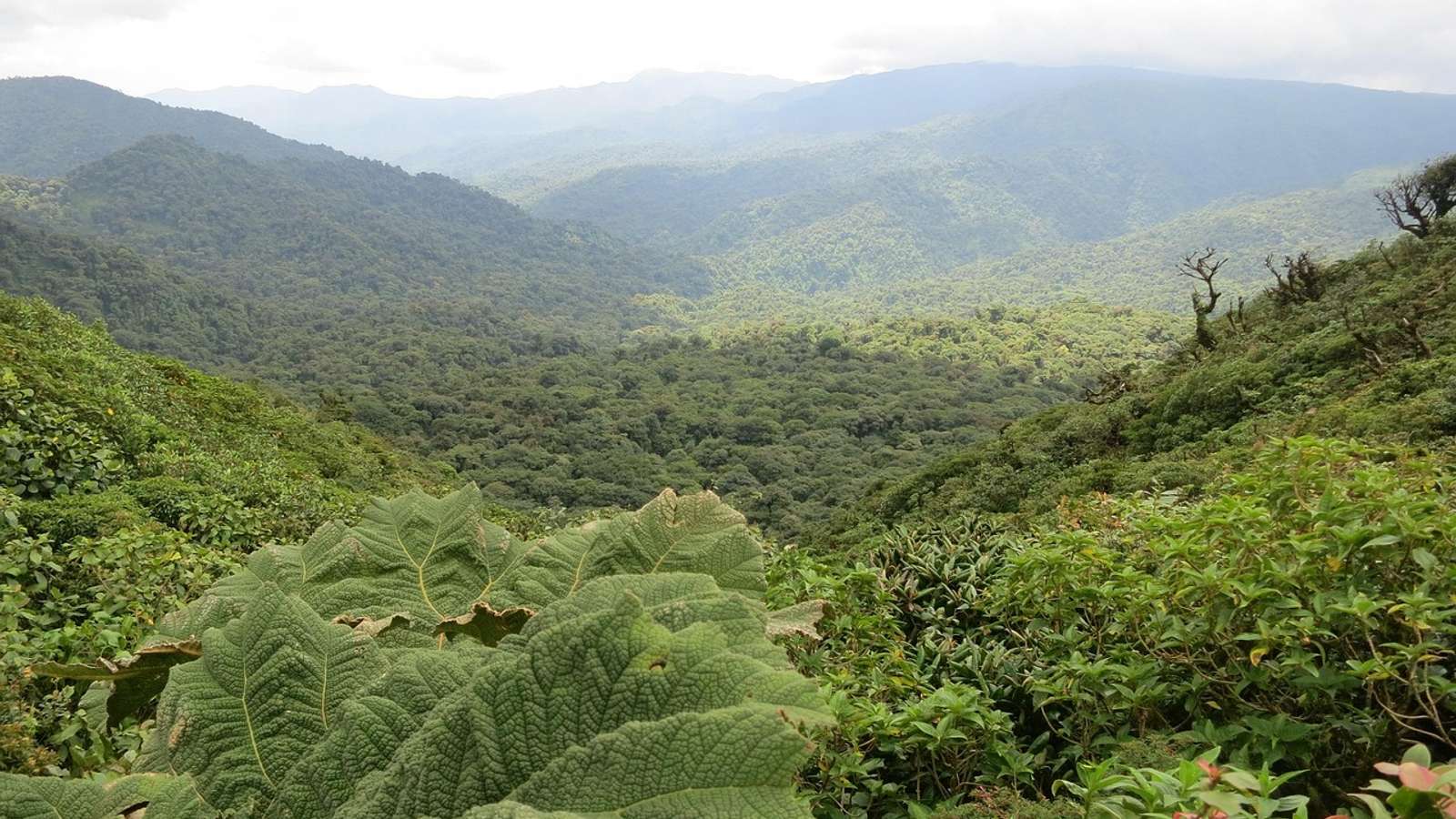
The other new and renewed sites include Malpelo Fauna and Flora Sanctuary in Colombia, Monteverde Cloud Forest Preserve in Costa Rica, Wadi Al-Hitan in Egypt, the Farasan Islands in Saudi Arabia and the Iratapuru River Sustainable Development Reserve in Brazil.
A standard for how well an area is run
Being on a map as a protected area does not guarantee results. The Green List checks whether a site is fairly governed, well designed, effectively managed and achieving conservation results for nature and people. Independent experts assess each site, reviewers check the assessment and a global panel validates it.
“Every site recognised today has been independently assessed.” — Dr Grethel Aguilar, IUCN Director General
That quality question is central to the global goal of conserving 30% of land and sea by 2030. In 2024, management effectiveness had been assessed for less than 5% of protected land, as our explainer on 30x30 shows.
112 listings, and a stricter standard ahead
As of October 2026, the Green List has 112 listings covering 240 sites in 23 countries. These 25 sites were assessed under version 1.1 of the standard; future assessments will use version 2.0, which strengthens requirements on governance, the rights of Indigenous Peoples and local communities, gender equity, climate change and threat reduction. More new parks and reserves are collected under protected areas.
Sources
- IUCN · iucn.org
How we choose and verify sources: editorial policy.