Two young kākāpō and 122 giant wētā move to Sanctuary Mountain Maungatautari as it marks 25 years
Two juvenile male kākāpō have joined a mainland habitat trial at Sanctuary Mountain Maungatautari, and 122 Mahoenui giant wētā were released there. The kākāpō population reached 325 after a record breeding season.
Two young male kākāpō and 122 Mahoenui giant wētā have arrived at Sanctuary Mountain Maungatautari in New Zealand's Waikato region, the sanctuary said on 23 October, as it marks 25 years of ecological restoration. The kākāpō join three birds already living on the mountain.
Room for a growing parrot population
Kākāpō, flightless and nocturnal parrots found only in New Zealand, now number 325 birds after a record breeding season that produced 90 chicks. That success creates a new problem: finding enough predator-free habitat. Maungatautari has hosted a fenced mainland habitat trial since 2023, run with the Department of Conservation's Kākāpō Recovery Programme, Te Rūnanga o Ngāi Tahu and mana whenua.
Finding “suitable predator-free habitat for a growing population” is a major challenge, said Annie Wallace, the department's acting operations manager for kākāpō. Among the young birds the sanctuary profiled are Awarua, the last chick to fledge on Whenua Hou island, and Tiwhiri, who was treated at Dunedin Wildlife Hospital for a leg injury.
“With the urgent need to find new homes for the manu, it is important that we continue to try new things.” — Tāne Davis, Ngāi Tahu representative, Kākāpō Recovery Group
Giant wētā reinforce an existing population
The 122 Mahoenui giant wētā came from the department's recovery program and the breeding program at Ōtorohanga Kiwi House. They strengthen a population established on the mountain, 14 months after 192 were released in August 2025. A related giant wētā, the wētāpunga, has also been returned to predator-free sites in New Zealand.
The largest pest-proof fenced sanctuary
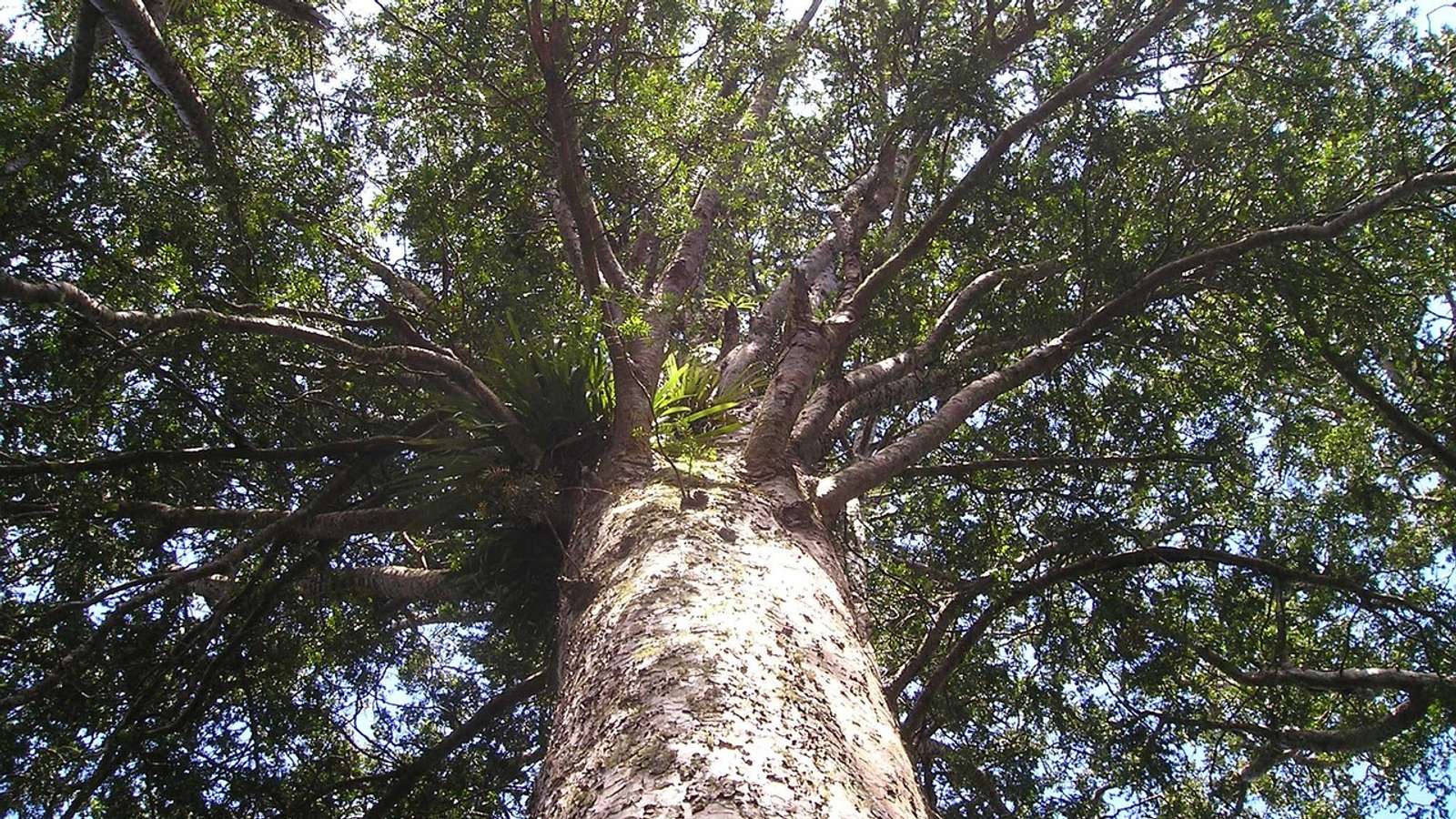
Maungatautari describes itself as the world's largest pest-proof fenced ecosanctuary. Its 47 kilometers of predator-proof fence protect 3,363 hectares of native forest and more than 730 native species. “Today, they are here because thousands of people chose to back an ambitious vision and never gave up on it,” said chief executive Helen Hughes.
The kākāpō trial will test whether a fenced mainland forest can take more of the growing population. The sanctuary did not say how many more birds could move there. More bird recovery stories are collected under species recovery.
Sources
- Sanctuary Mountain Maungatautari · sanctuarymountain.co.nz
How we choose and verify sources: editorial policy.