India Begins Releasing Captive-Bred Great Indian Bustards After a Decade of Conservation Breeding
Two captive-bred Great Indian Bustards entered a soft-release enclosure at Rajasthan's Desert National Park this weekend, the first step in returning birds from a 97-strong captive flock to a wild population of roughly 130.
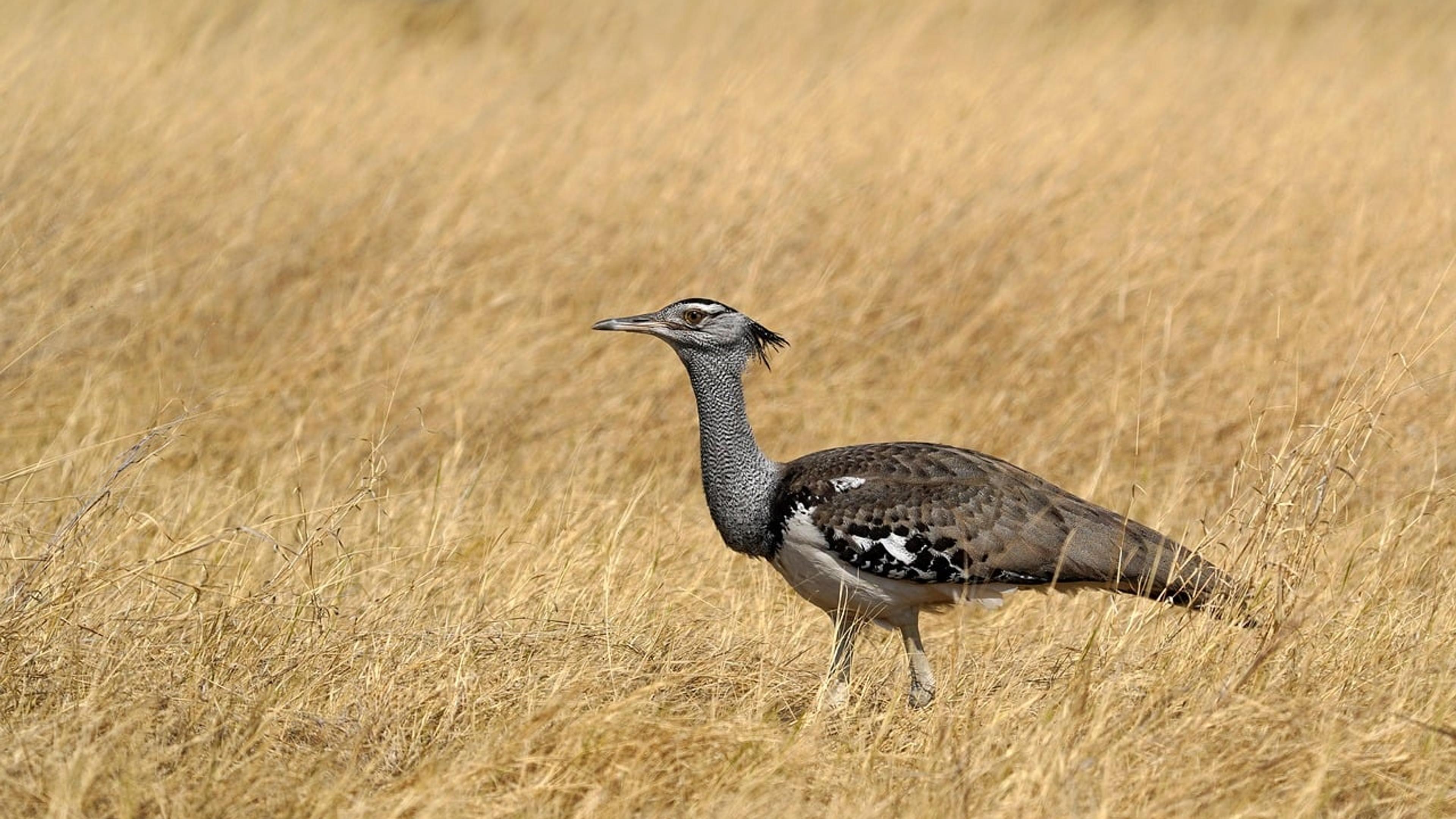
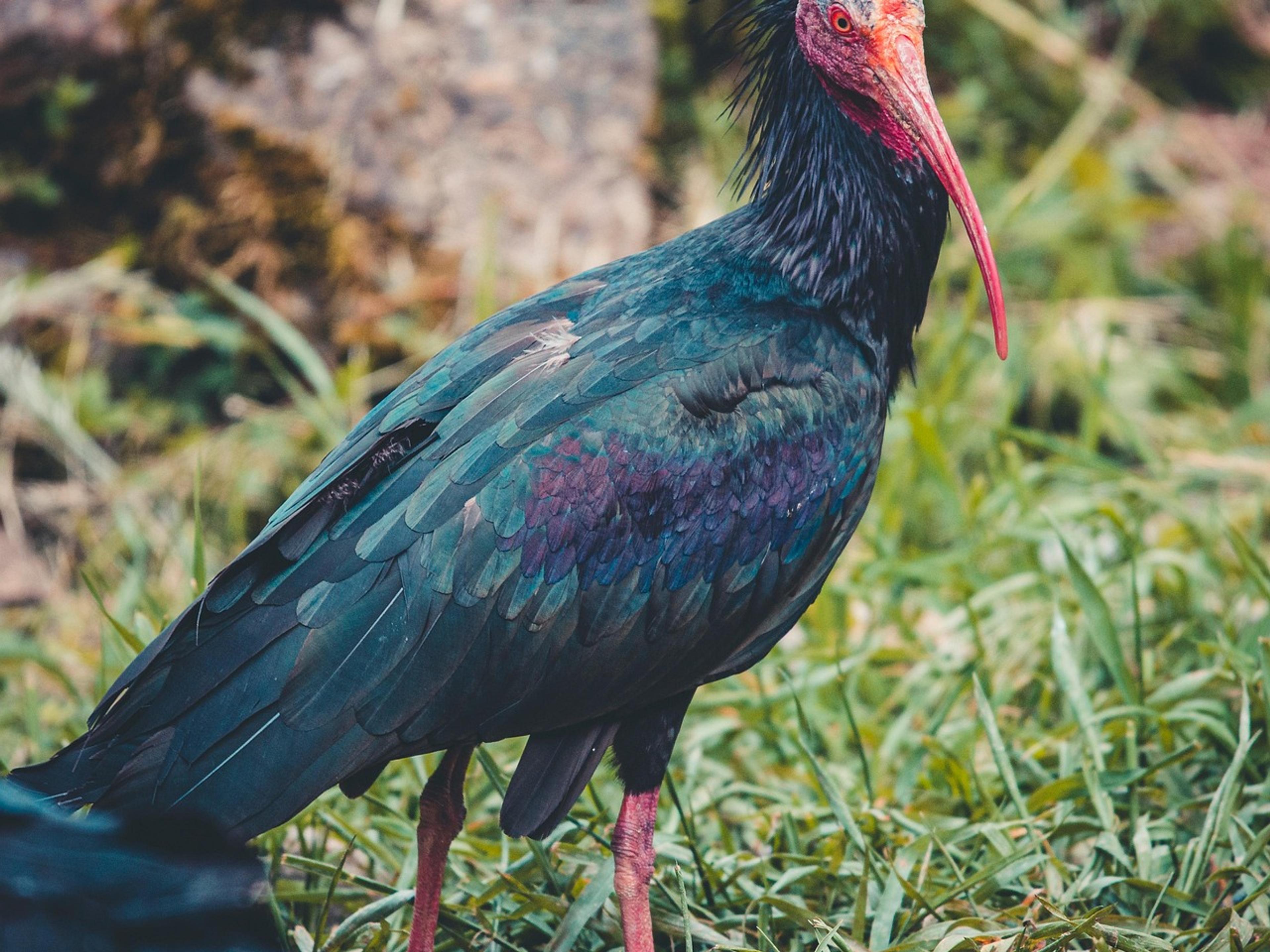
India has begun releasing captive-bred Great Indian Bustards into the wild at Desert National Park in Rajasthan's Jaisalmer district, the culmination of 10 years of conservation work, according to a government announcement carried by Tripura Star News. Union Environment Minister Bhupender Yadav and Rajasthan Chief Minister Bhajan Lal Sharma, who joined by video, started the process on October 3, and two birds went into a soft-release enclosure on October 4.
A captive flock of 97, with 11 earmarked for release
The birds are held at breeding centers in Sam and Ramdevra. Of the 97 now in captivity, 40 hatched from eggs laid in the wild and 57 were bred in captivity. Eighty-six are kept for breeding, and 11 are earmarked for release. The program produced 24 live chicks in 2025 and 29 so far in 2026. A new rewilding aviary at Ramdevra, measuring 160 by 64 meters and 14 meters high, cost ₹9.25 crore.
The Wildlife Institute of India, the Rajasthan Forest Department and the International Fund for Houbara Conservation are the partners, and the bird is both critically endangered and Rajasthan's state bird.
About 130 birds remain in the wild around Jaisalmer
The wild population in Jaisalmer is estimated at about 130, give or take 21, according to The Better India. It lists hunting and egg collection, habitat loss, collisions with power lines and slow natural breeding as the main threats.
Chicks are raised to feed themselves
Chicks stay with their mothers for four to five months, and birds chosen for release get less human contact and are trained to find their own food. Lead veterinarian Dr. Tushna Karkaria said the team releases them only “when we are satisfied with their growth and muscle development,” after radio-tagging each bird.
Survival after release is expected to be low. The Better India reports an estimated 20% to 30% survival rate, with most losses to predators and food scarcity, which is why the first release involves only two birds, held first in an enclosure.
Like what you're reading?