39 Darwin's rheas released this year into Patagonia National Park in Chile
Rewilding Chile and its partners released 39 young Darwin's rheas into Patagonia National Park in March and April, part of a recovery programme that began in 2014 for this endangered flightless bird.
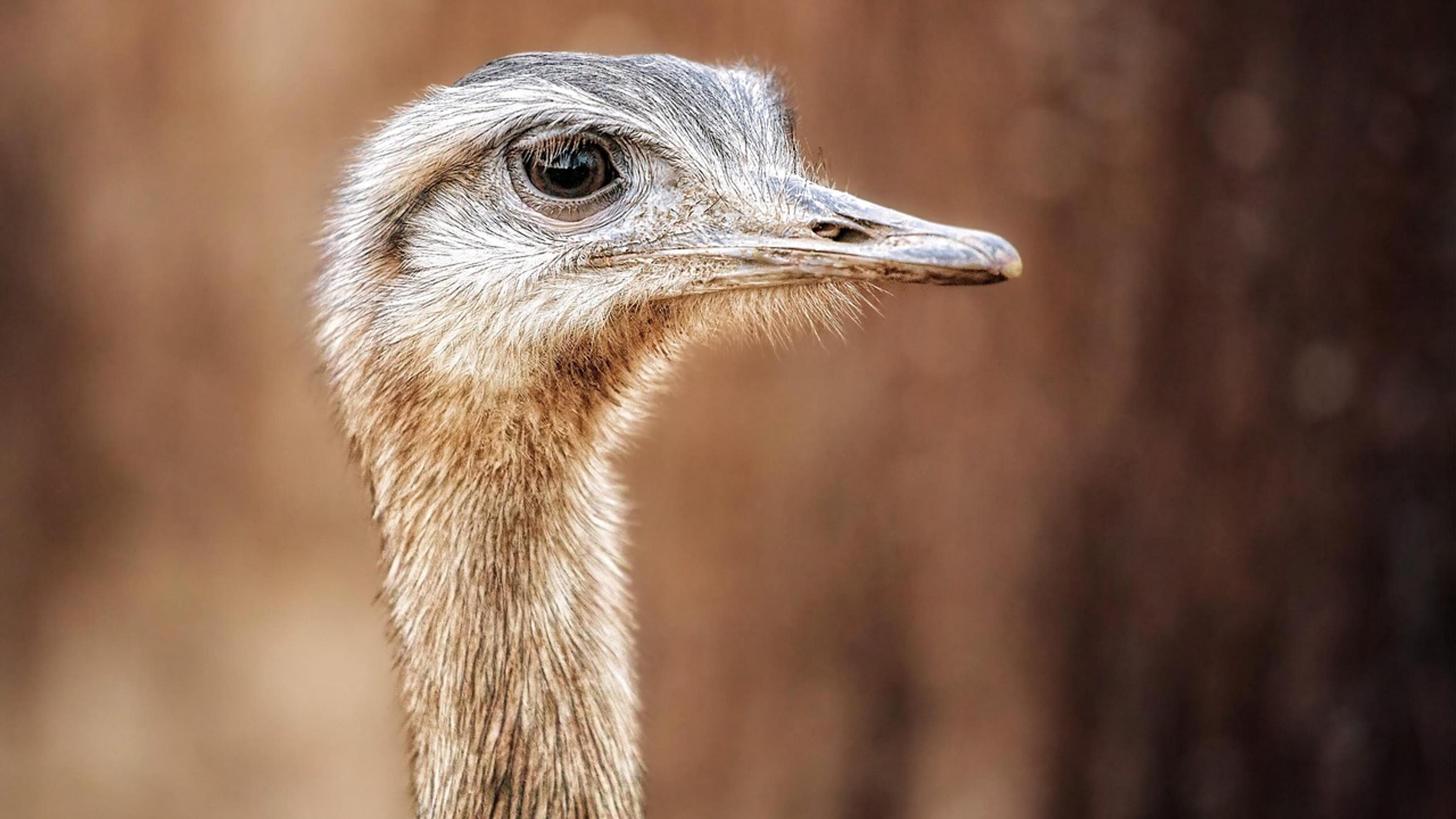
Conservationists released 39 young Darwin's rheas into the steppes of Patagonia National Park in Chile's Aysén Region in March and April this year, Rewilding Chile reported. Darwin's rhea, known locally as choique, is the largest bird in Chile and is endangered in the region.
Flown in from a breeding centre
The chicks were flown in February from the Quimán Reserve breeding centre in Futrono, in the Los Ríos Region, to the Chacabuco Valley in the national park. They spent time in acclimatisation pens before being released in three groups.
The work is part of Rewilding Chile's Darwin's Rhea Conservation and Recovery Program, run with the national forestry agency CONAF, the agriculture service SAG and Quimán Reserve, with help from the national police and army. After release, field teams track how the birds settle in.
“The rhea in this region is endangered, and as long as that remains the case, efforts to strengthen the species and increase its population will continue.” — Cristián Saucedo, director of Rewilding Chile's Wildlife Program
A GPS-tagged female roamed into Argentina
The programme began in 2014, as the Chacabuco Valley was being turned from a sheep ranch into a national park. In 2025 it carried out its first translocation of birds from Argentina, and this year experts from Peru took part to learn methods for protecting the critically endangered northern subspecies, the suri.
One female released last year and fitted with a GPS collar, nicknamed "The Argentine", has travelled between the Chacabuco Valley and Argentina, revealing seasonal movements between altitudes that had not been documented before.
Seed spreaders of the steppe
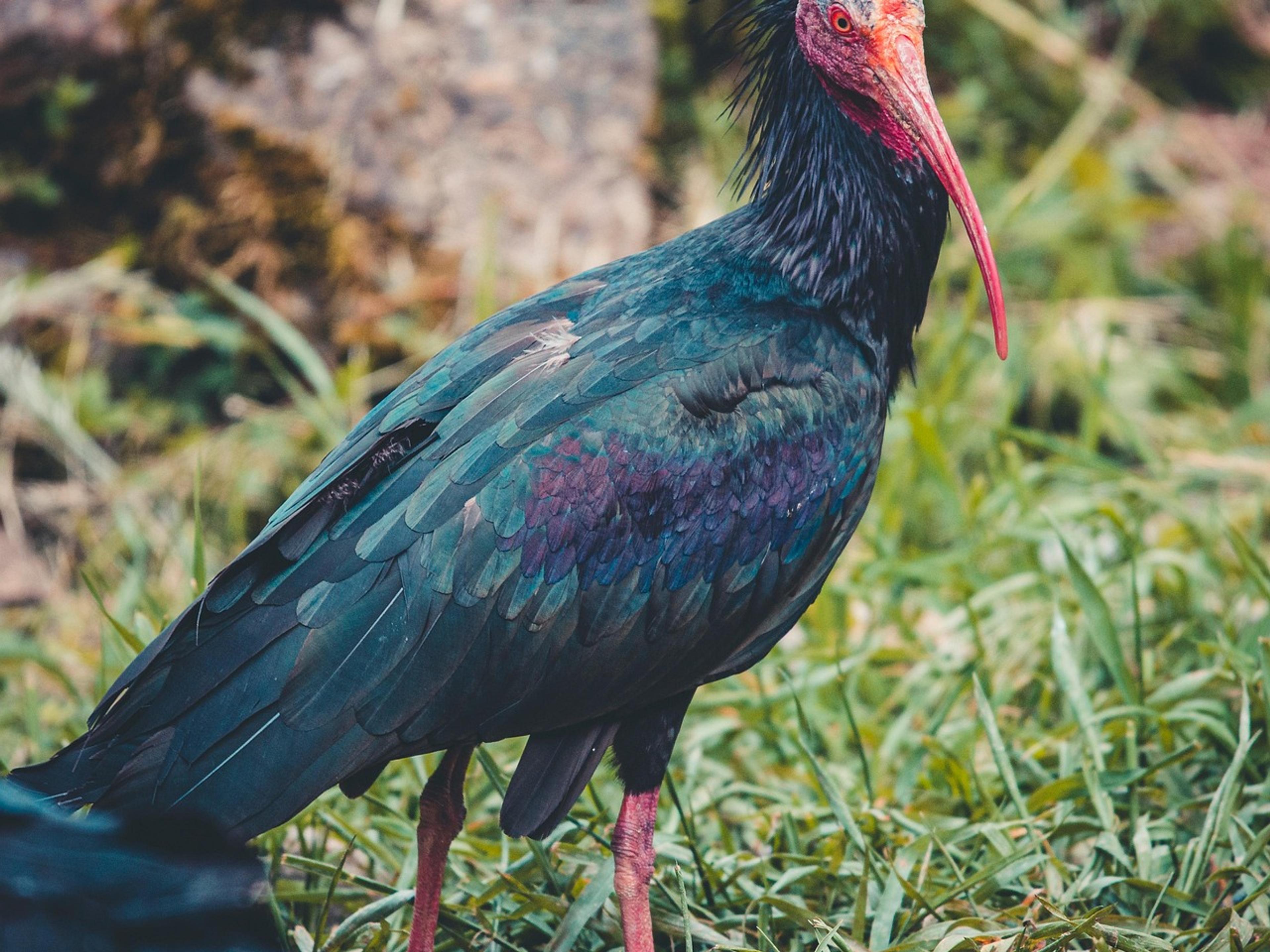
Rheas eat insects, leaves and fruit and spread seeds in their droppings over long distances, helping the steppe regenerate. The main threats include harassment and attacks by dogs. Other birds are getting help to return to former ranges too, such as northern bald ibises guided on migration by ultralight aircraft.
Sources
- Fundación Rewilding Chile · rewildingchile.org
How we choose and verify sources: editorial policy.
Like what you're reading?
Related stories
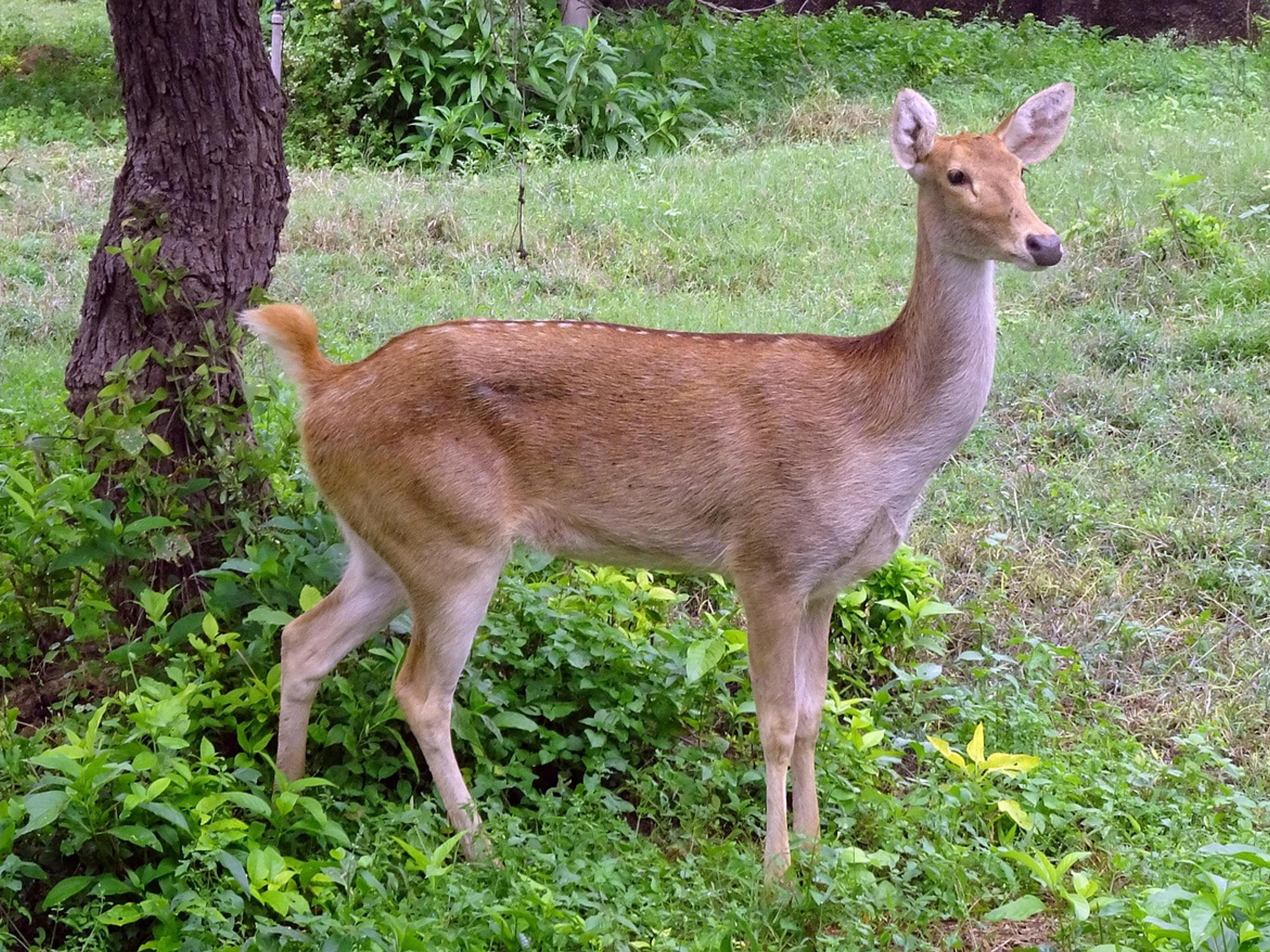
Endangered barasingha deer pass 300 in India's Satpura reserve a decade after their return
Ten years after Madhya Pradesh began moving hard-ground barasingha from Kanha to Satpura Tiger Reserve, where the deer had died out, the population has grown to about 303, with corridors now planned.
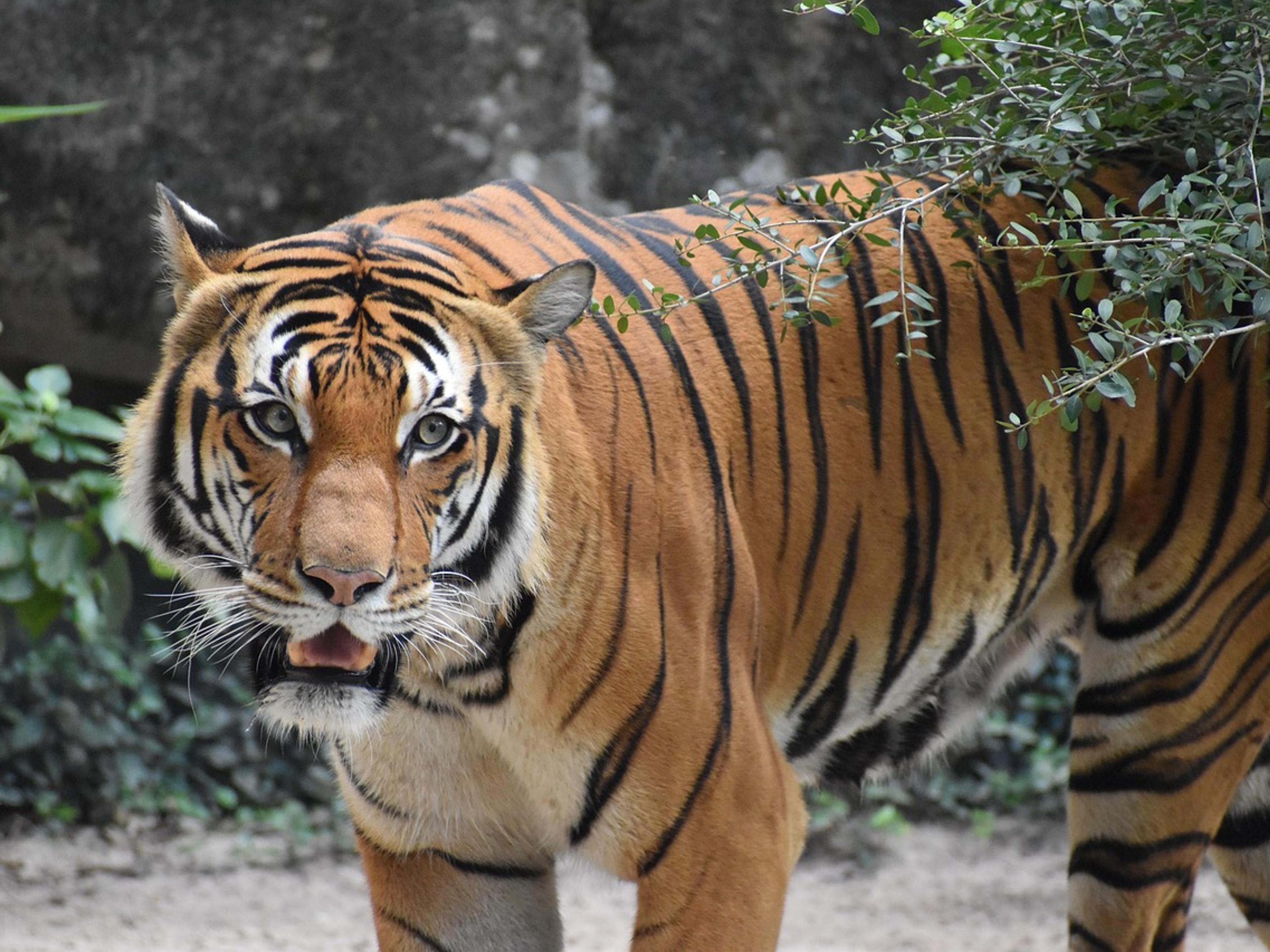
Thai tigress Mae Kaew has raised nine cubs, and now her daughter is a mother too
Camera traps in Thailand's Western Forest Complex show a wild tigress named Mae Kaew has raised three litters, nine cubs in all, and one of her daughters has now had two cubs of her own.
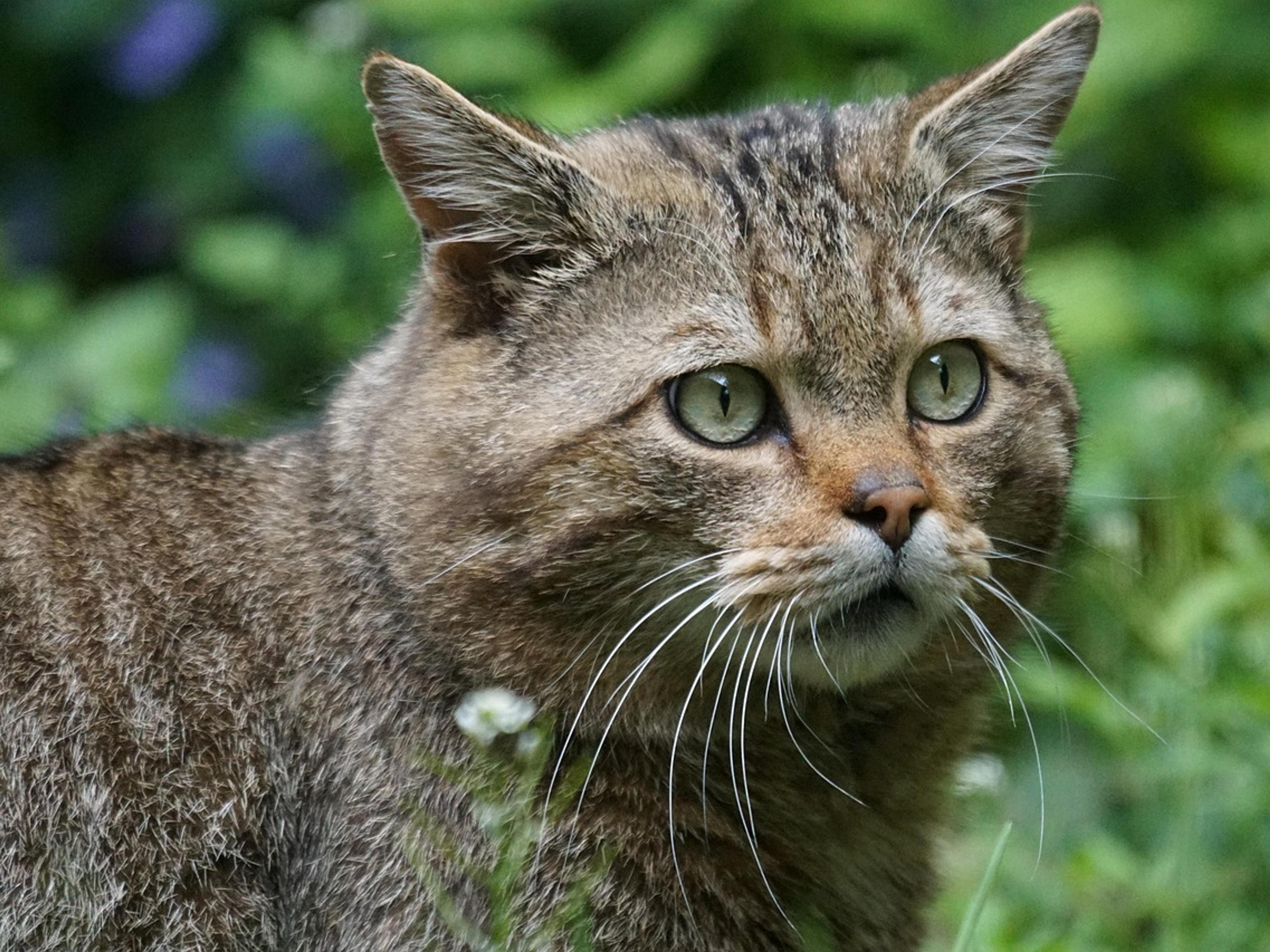
Scotland Reaches 50 Wildcat Releases, With Kittens Born in the Wild Three Years Running
The Saving Wildcats project has now released 50 critically endangered wildcats into Scotland’s Cairngorms National Park since 2023, and released females have given birth in the wild for three years in a row.