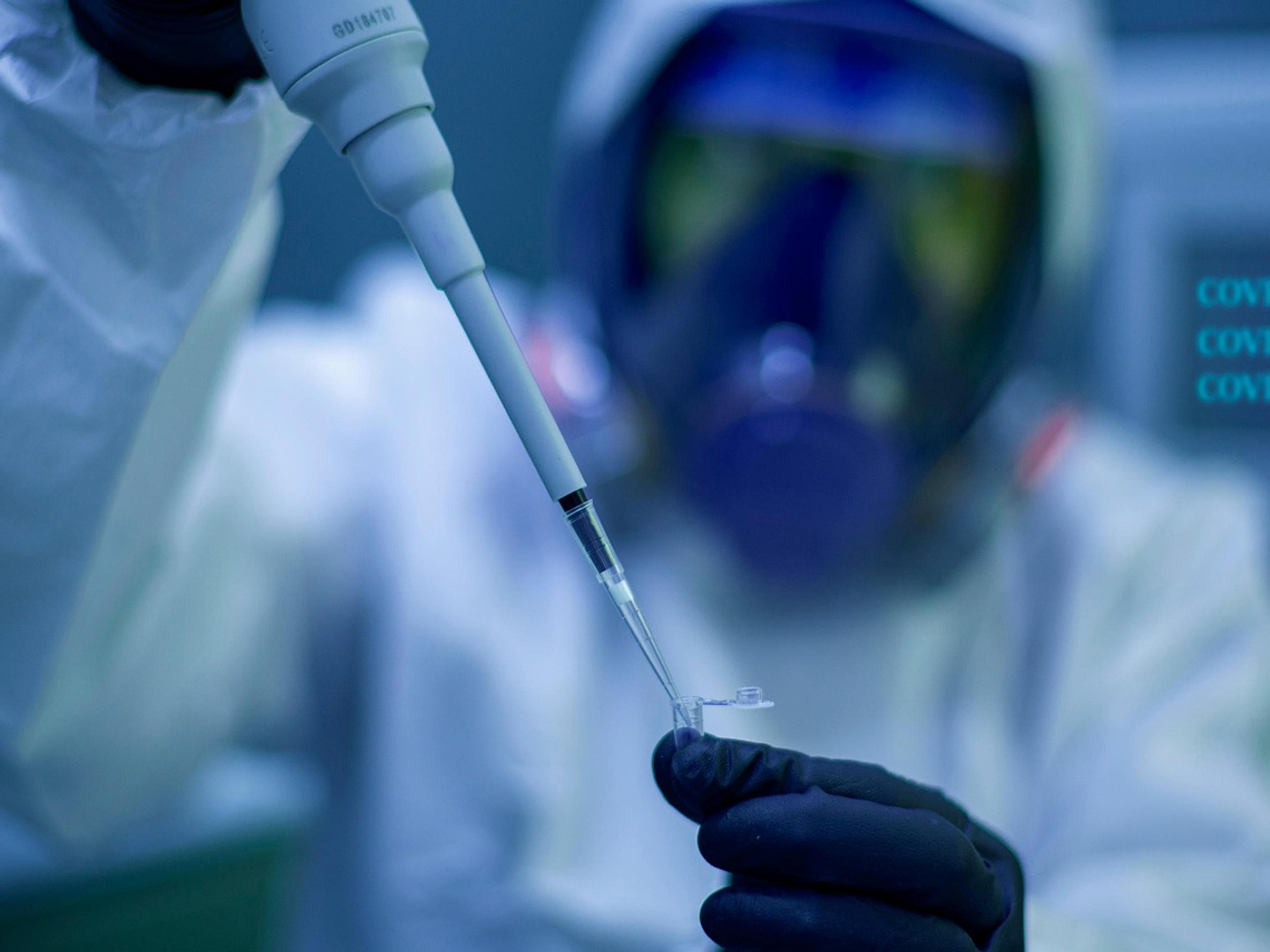
Blood cells from an 80-year-old became neural stem cells with a molecular age under 20
University of Bonn researchers converted blood cells directly into neural stem cells and found their epigenetic clocks reset, so cells from an 80-year-old ended up with a molecular age below 20.
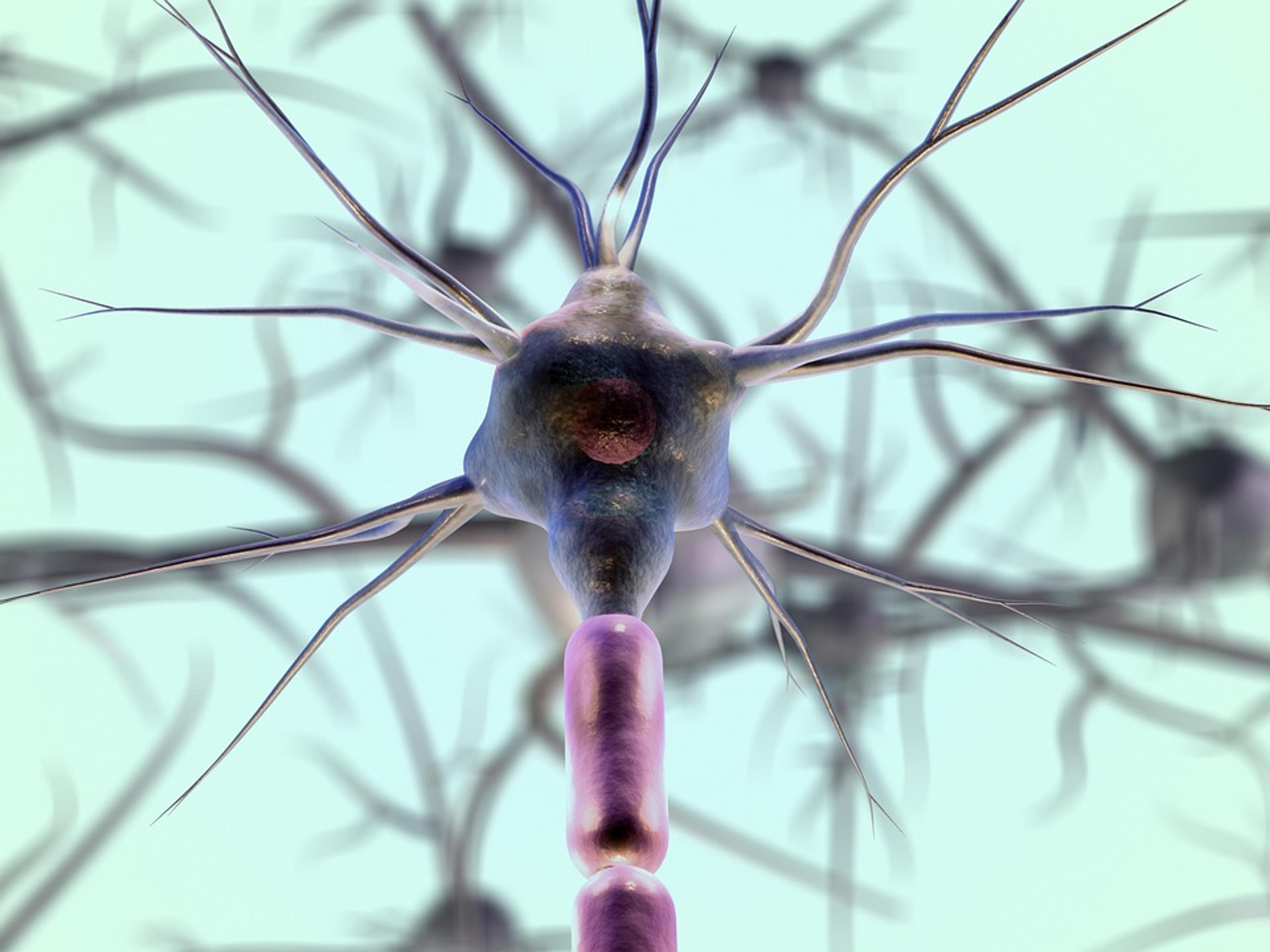
Researchers at the University of Bonn have converted human blood cells directly into neural stem cells and found that the cells became dramatically younger in molecular terms: cells from an 80-year-old ended up with a molecular age of less than 20, the university said. The study was published in the journal Aging Cell.
Skipping the usual stem cell stage
Scientists can reprogram cells in the lab using a cocktail of transcription factors, proteins that switch on different genetic instructions. Rejuvenation during reprogramming was already known, but mainly in a two-step method in which cells are first turned into pluripotent stem cells, which can become almost any cell type, and then into neural stem cells.
The Bonn team, led by Professor Oliver Brüstle, instead turned red blood cell precursors directly into neural stem cells. They measured age using epigenetic clocks, which track chemical marks on DNA that change as people get older.
“In our approach, rejuvenation occurred gradually and could be tracked for over 100 days.” — Prof. Oliver Brüstle, Institute of Reconstructive Neurobiology, University Hospital Bonn
A slow reset that scientists can study
Because the clocks reset over several weeks rather than suddenly, the researchers say the method is a useful model for finding out which factors and drugs speed up or slow down cellular rejuvenation. Brüstle said that matters for brain research, since age is the biggest risk factor for neurodegenerative diseases such as Alzheimer's.
Lab research, not a treatment
The work involved cells in the lab, not people, and does not reverse ageing in the body. In earlier studies, nerve cells made this way connected with existing neurons when transplanted into mice. The research involved the University Hospital of Bonn, the University of Bonn and RWTH Aachen University. Brain cells are also the focus of other recent work, such as a single-neuron study of resilience in Parkinson's.
Sources
- University of Bonn · uni-bonn.de
How we choose and verify sources: editorial policy.
Like what you're reading?
Related stories

An MIT class project became an FDA-cleared wristband that eases essential tremor
A vibrating wristband that started as a student project in MIT's product-design class has been cleared by the FDA to help adults with essential tremor, after trials in which most patients improved.

New once-daily Parkinson's pill cuts "off" time in phase 3 trial of 341 patients
Cerevance's experimental drug solengepras reduced the daily time people with Parkinson's spend with poorly controlled symptoms in a 341-person phase 3 trial, without adding troublesome involuntary movements.
Single-neuron study finds signs of resilience in brain cells vulnerable to Parkinson's
Scientists sequenced mitochondrial DNA in individual brainstem neurons from people with Parkinson's for the first time, finding heavy damage but also a protective response that was stronger in people who lived longer.