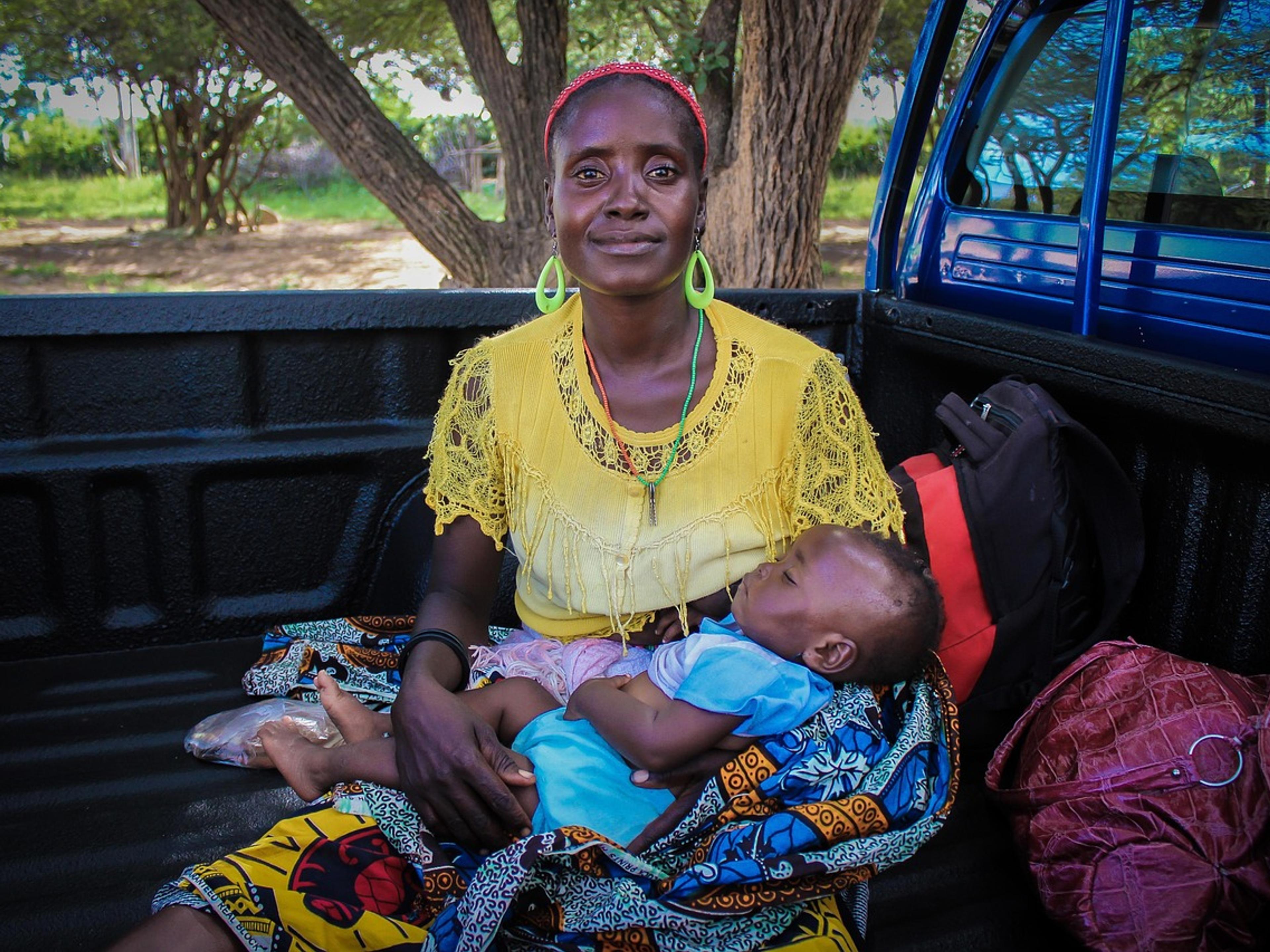
Six solar-powered water points ease shortages for villages in Kenya's Garissa County
Six of eight planned solar-powered community water points are complete in Garissa County, Kenya, bringing water closer to homes and livestock in Yumbis, Labisigale, Hagadera and Welher.
Residents of four villages in Kenya's Garissa County have better access to water after six of eight planned solar-powered community water points were completed, Water News Kenya reported on 9 October. The villages are Yumbis, Labisigale, Hagadera and Welher.
Droughts have hit families and their livestock
Water has long been scarce in the area, and during prolonged droughts inadequate supplies have threatened livestock, a main source of income for many households. The new water points are expected to supply both households and animals and to help communities cope with recurring shortages.
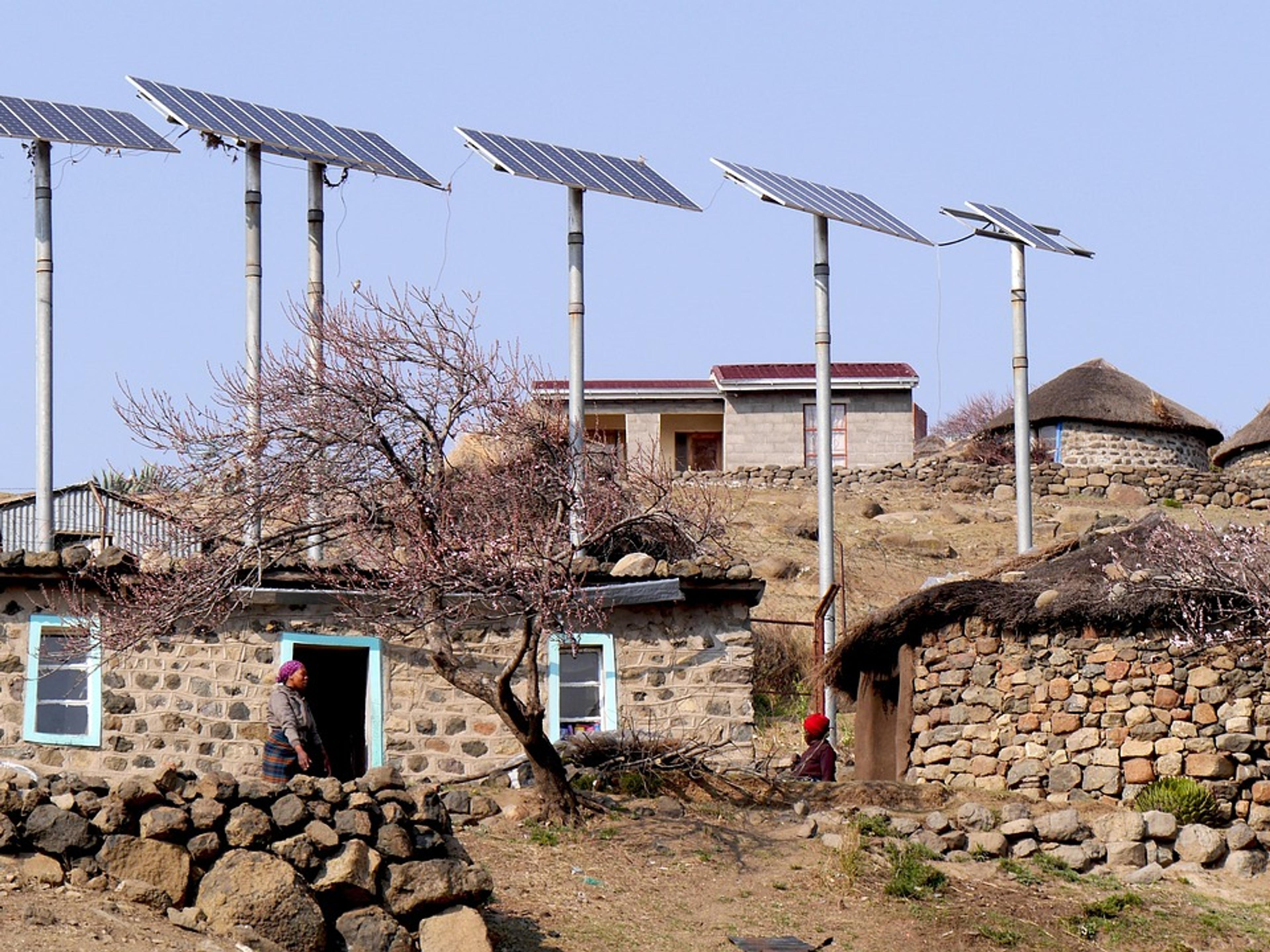
The pumps run on solar power, which reduces dependence on grid electricity and fuel in an area where reliable energy is limited.
Part of a World Bank-funded programme
The water points are being built under the Water and Sanitation Development Project, which is funded by the World Bank. An earlier Kenya News Agency report described plans under the same programme for 15 solar-powered boreholes in Dadaab and Fafi sub-counties, which host the Dadaab refugee camps, to benefit about 120,000 residents.
Residents are being trained to run the systems
The Garissa Water and Sewerage Company is training residents to manage and maintain the water points once they are handed over, so that they keep working after construction ends. Two of the eight planned points have yet to be completed.
Elsewhere in Kenya, coastal communities are tackling a different water problem: on Pate Island, residents are turning plastic waste into income.
Sources
- Water News Kenya · waternewskenya.com
- kenyanews.go.ke
How we choose and verify sources: editorial policy.
Like what you're reading?
Related stories
A solar-powered water system means Salome no longer walks to a ravine for water
In Mzogole, Tanzania, a solar-powered water treatment system now supplies community taps, the health clinic and the local school, so Salome no longer walks a kilometre each day to collect water.
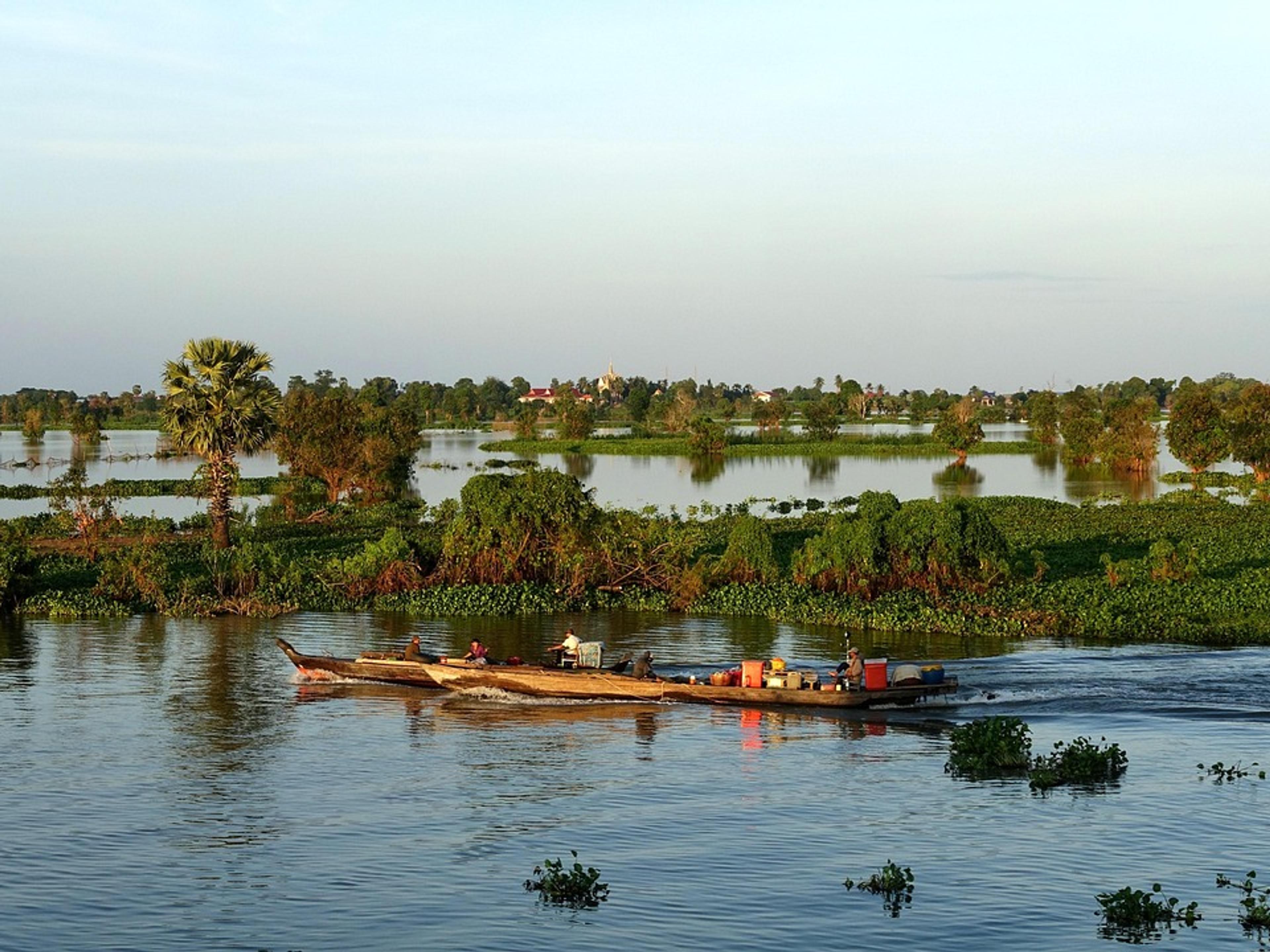
Landfills, sewers and flood defences improve life for 114,000 people near Cambodia's Tonle Sap
An ADB-backed project built landfills, wastewater plants, drains and latrines in two Cambodian towns on the Tonle Sap, improving services for more than 114,000 residents of Southeast Asia's largest lake basin.
New borehole brings water closer to more than 500 people in a Nigerian village
UK charity Hope Spring Water has completed a borehole in Angwan Kyauta, Nasarawa State, so more than 500 residents no longer need to walk to distant streams, and children can get to school on time.