Landfills, sewers and flood defences improve life for 114,000 people near Cambodia's Tonle Sap
An ADB-backed project built landfills, wastewater plants, drains and latrines in two Cambodian towns on the Tonle Sap, improving services for more than 114,000 residents of Southeast Asia's largest lake basin.
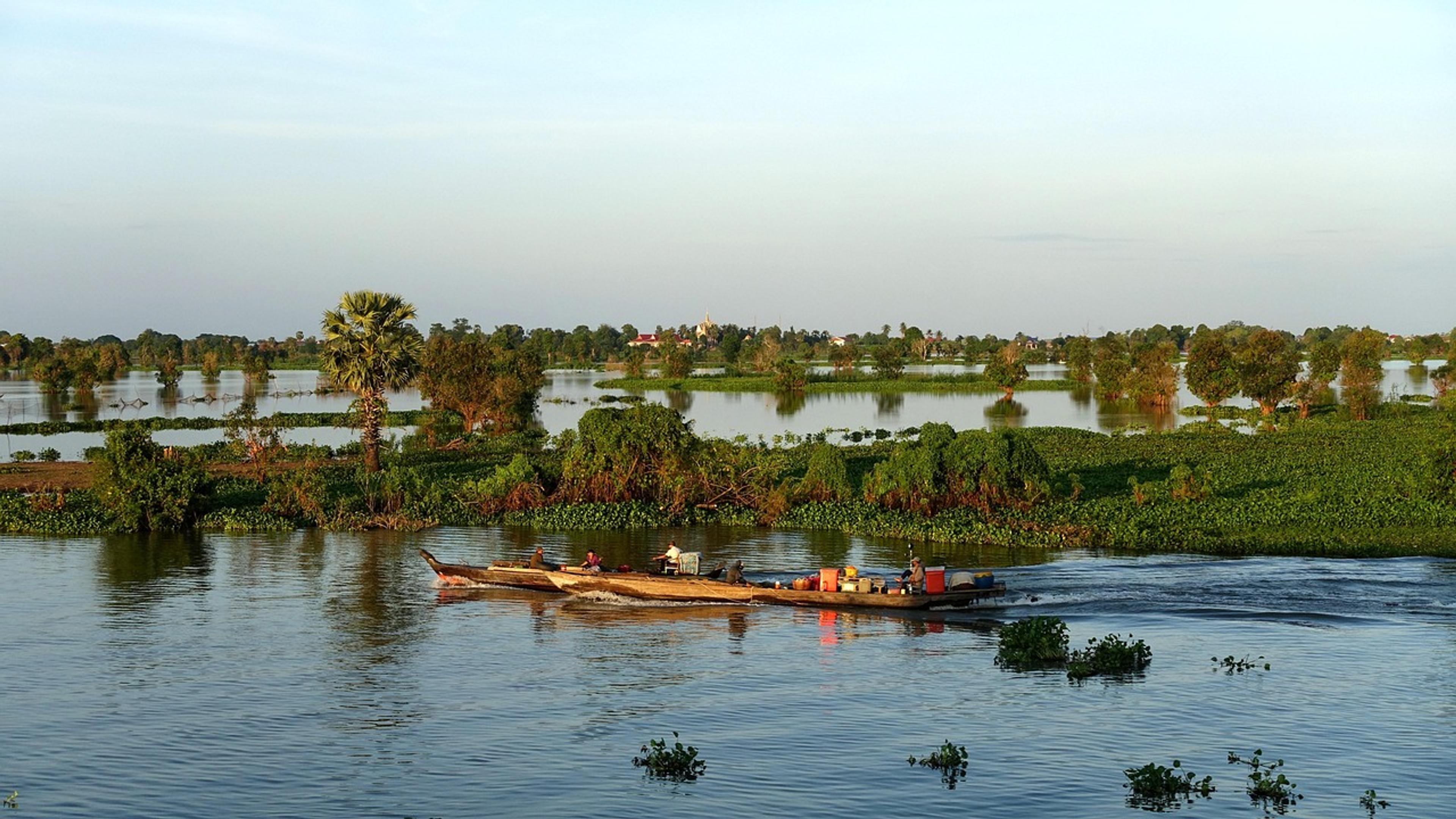
New landfills, wastewater treatment plants, drains and flood defences in the Cambodian towns of Kampong Chhnang and Pursat have improved services for more than 114,000 residents living by the Tonle Sap, Southeast Asia's largest freshwater lake, the Asian Development Bank said in a 7 October project review.
The lake feeds 1.7 million people and much of the country's fish
More than 1.7 million Cambodians depend on the Tonle Sap for food, water and income, and the lake provides about 60% of the country's freshwater fish catch. Fast, unplanned growth in the surrounding towns has outpaced basic services. Uncollected rubbish clogged canals that drain into the lake, and floods spread wastewater into it.
Both towns flooded often and lacked proper drainage, sanitation and waste systems. In Kampong Chhnang, heavier rains worsened seasonal flooding and cut poor households off from markets, while residents near the lake in Pursat had few latrines.
Two landfills and two treatment plants now serve the towns
The project built two controlled landfills, two wastewater treatment plants, stormwater drains, sewers and free latrines for poor households, and closed open dump sites. In Pursat alone, the landfill holds 140,000 cubic metres, the treatment plant handles 2,100 cubic metres a day and 45 kilometres of sewer and drainage lines were laid, according to an earlier ADB update.
Climate risks shaped the design. The Kampong Chhnang treatment plant was raised to 13 metres to stay above floods and fitted with a 225-kilowatt solar system, and a new dike protects households in Pursat's Kosh village. Mandatory landfill disposal and paying collectors by the amount of waste they gather have improved collection and reduced open burning.
New rules and a second phase extend the work
Based on the project's recommendations, the government adopted stricter standards for wastewater discharge and sludge disposal. Both towns set up dedicated sanitation and waste units, where more than 20% of staff are women, and combined water and wastewater billing is due to roll out in 2029.
The project was financed mainly by a $37.9 million ADB loan, with support from the Strategic Climate Fund and the Cambodian government. A second phase is now developing similar facilities in Battambang, Serei Saophoan and Stueng Saen.
Like what you're reading?
Related stories
Chinese Researchers Turn an Invasive Plant Into a Filter for Fluoride-Contaminated Water
A team at Northeast Normal University made a magnesium-coated carbon material from staghorn sumac, an invasive plant in China, that captured fluoride from water at high capacity across a wide pH range in lab tests.

UNDP and Generali Central offer grants for insurance that protects India's small businesses
A new UNDP and Generali Central challenge will give up to three insurance solutions grants of up to $40,000 each to help protect India's more than 73 million small businesses from climate, health and financial shocks.

New Project Aims to Help 4,000 Mongolian Herding Families Withstand Harsher Winters
A $2 million Adaptation Fund project managed by IFAD will help at least 4,000 herding families in Mongolia’s Bayankhongor and Dundgobi provinces cope with severe winters and droughts through water points, early warnings and processing centres.