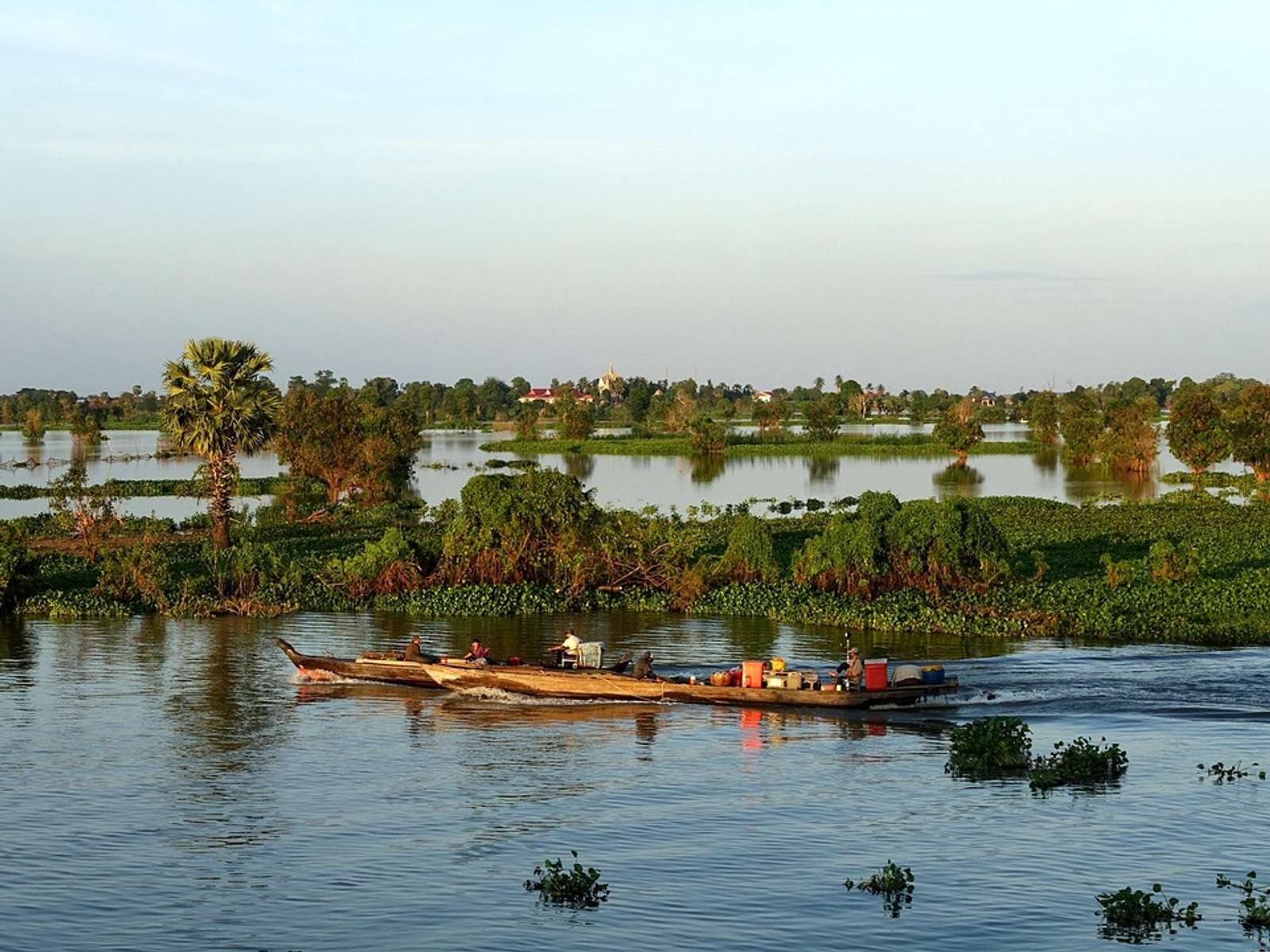
A Philippine fishing village fends off floods with bamboo, oyster shells and coconut husks
Pamarawan, a village on Manila Bay, has not flooded for almost two years since bamboo cribs, oyster-shell breakwaters in coconut husk nets and sediment traps went in, residents told Mongabay. It is the Philippines' first nature-based coastal protection pilot.

A fishing village on the northern shore of Manila Bay is holding back floods with bamboo, discarded oyster shells and coconut husks instead of more concrete, Mongabay reported on 30 October. Pamarawan, in the City of Malolos, Bulacan province, can only be reached by boat, and its old 3- to 4-meter concrete breakwater had not stopped recurring floods.
A barrier that slows waves and traps mud
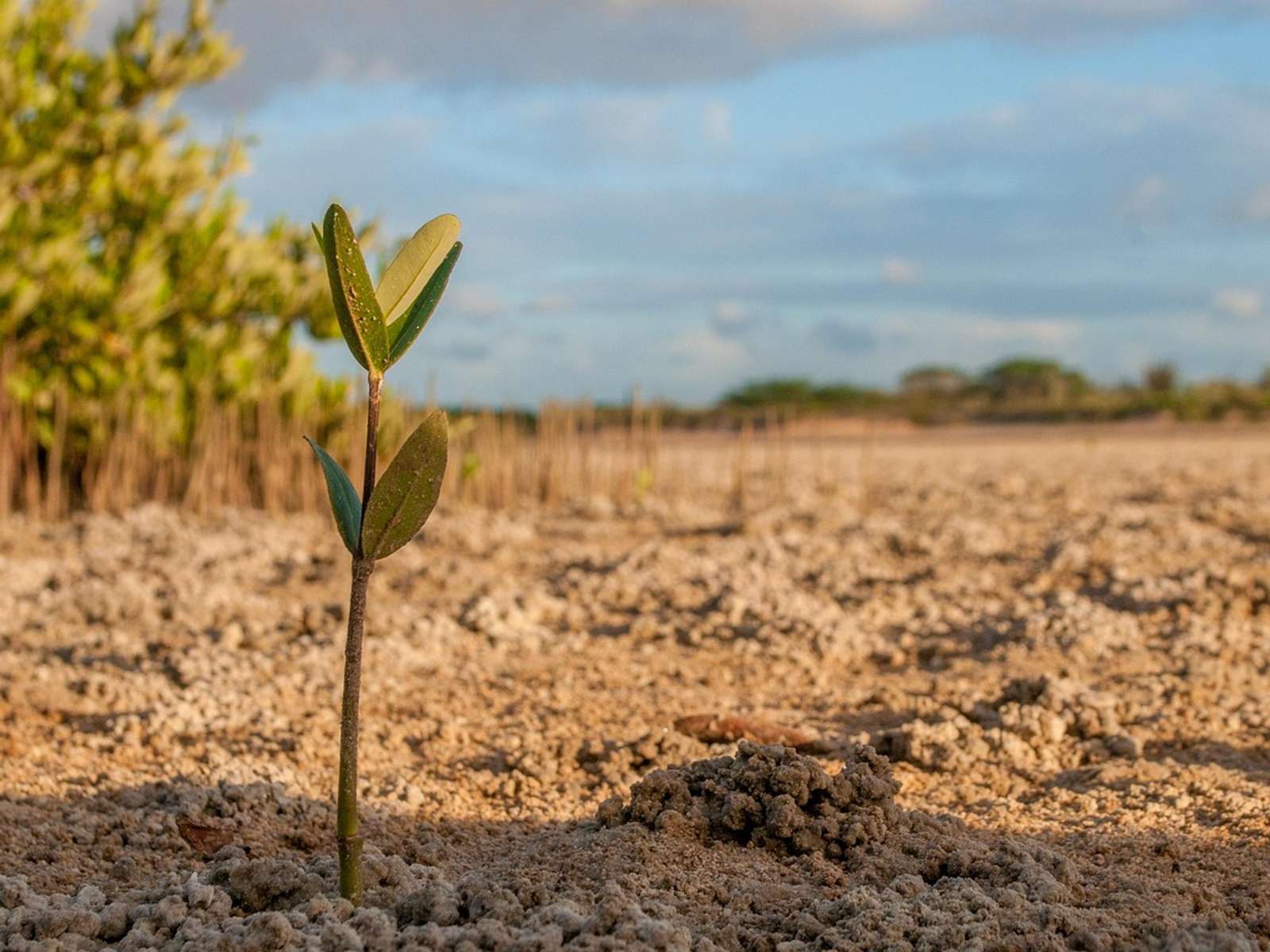
Since 2024, interlinked bamboo cribs covering about 14 hectares offshore have been built to take the energy out of waves. Oyster shells packed into nets of coconut husk act as breakwaters and help oyster reefs return, while sediment traps catch mud to raise the seabed. The plan leaves space for mangroves, which will be planted once the seabed is high enough, expected within about two years. Sediment has already built up by about 0.3 meters in places. Mangroves matter here: Bulacan lost 52.9% of its mangroves between 1990 and 2002, largely to fishponds and land reclamation, Mongabay reported.
The design was developed by the Dutch engineering firm Haskoning, with the Netherlands Enterprise Agency as client and local government units and residents involved in the design, according to Haskoning's project page. It describes the pilot as the Philippines' first implemented nature-based coastal protection project. Haskoning says 80% to 90% of the construction workers came from Pamarawan.
“It has been almost two years now that we have not been flooded.” — Roldan Dayao, secretary of Pamarawan
Dry while neighboring towns flooded
In August 2026, floods in Bulacan killed 15 people and led to a state of calamity, but Pamarawan avoided them, barangay councilor Ferdinand Cruz told Mongabay. “You don’t need to build a huge wall to stop big waves,” Dayao said. Residents also report less floating waste from Manila Bay and more shrimp, crabs and oysters near the structures. These accounts come from residents and officials; no measured flood-reduction data has been published.
The project cost 130 million Philippine pesos, about $2 million, according to Mongabay, and was reportedly cheaper than conventional options. It also had costs for some residents: more than 50 people lost income from fish corrals and oyster farms in the project area, and only some received compensation, Dayao said.
Officials want to copy it
The project is due to be completed in late 2026. Public works secretary Vince Dizon has suggested using the approach in other flood-prone towns, including Hagonoy, Macabebe, Masantol and Sasmuan, and similar nature-based projects are under way in Borongan, Ormoc and Camarines Sur. In July 2026, the Department of Environment and Natural Resources formally adopted the IUCN Global Standard for Nature-based Solutions. Trevor Morrish-Hale, president of Haskoning Philippines, cautioned that each coastline differs, so Pamarawan should be seen less as a blueprint than as a demonstration. More stories of communities preparing for climate risks are collected under climate adaptation.
Sources
- Mongabay; Haskoning · news.mongabay.com
- haskoning.com
How we choose and verify sources: editorial policy.