Four new frog species described from the mountain forests of northern Peru
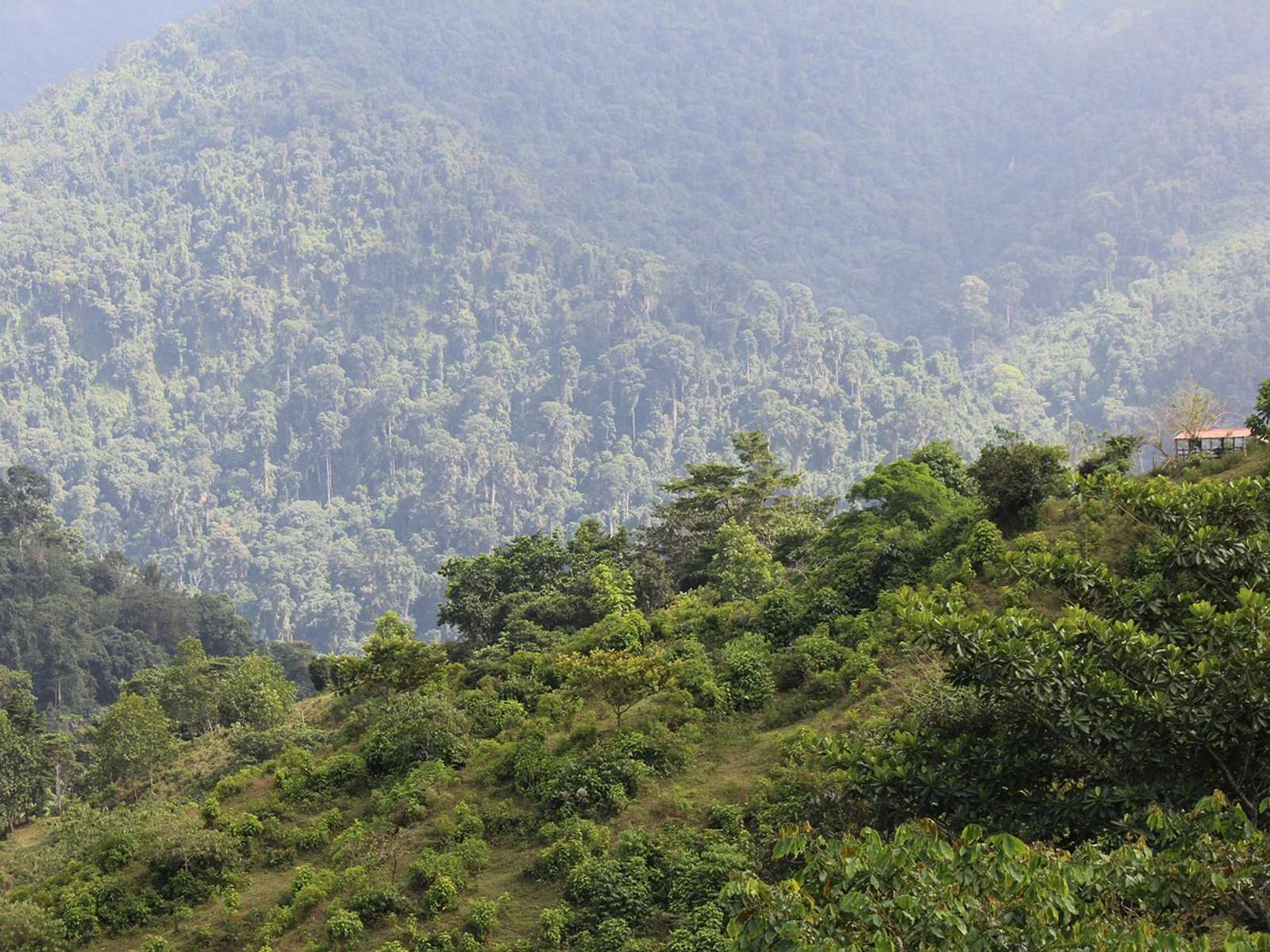
Biologists have described four new species of Oreobates frogs from northern Peru, including one near Cordillera Azul National Park, raising the genus to 31 known species. They told the frogs apart by body features, calls and DNA.
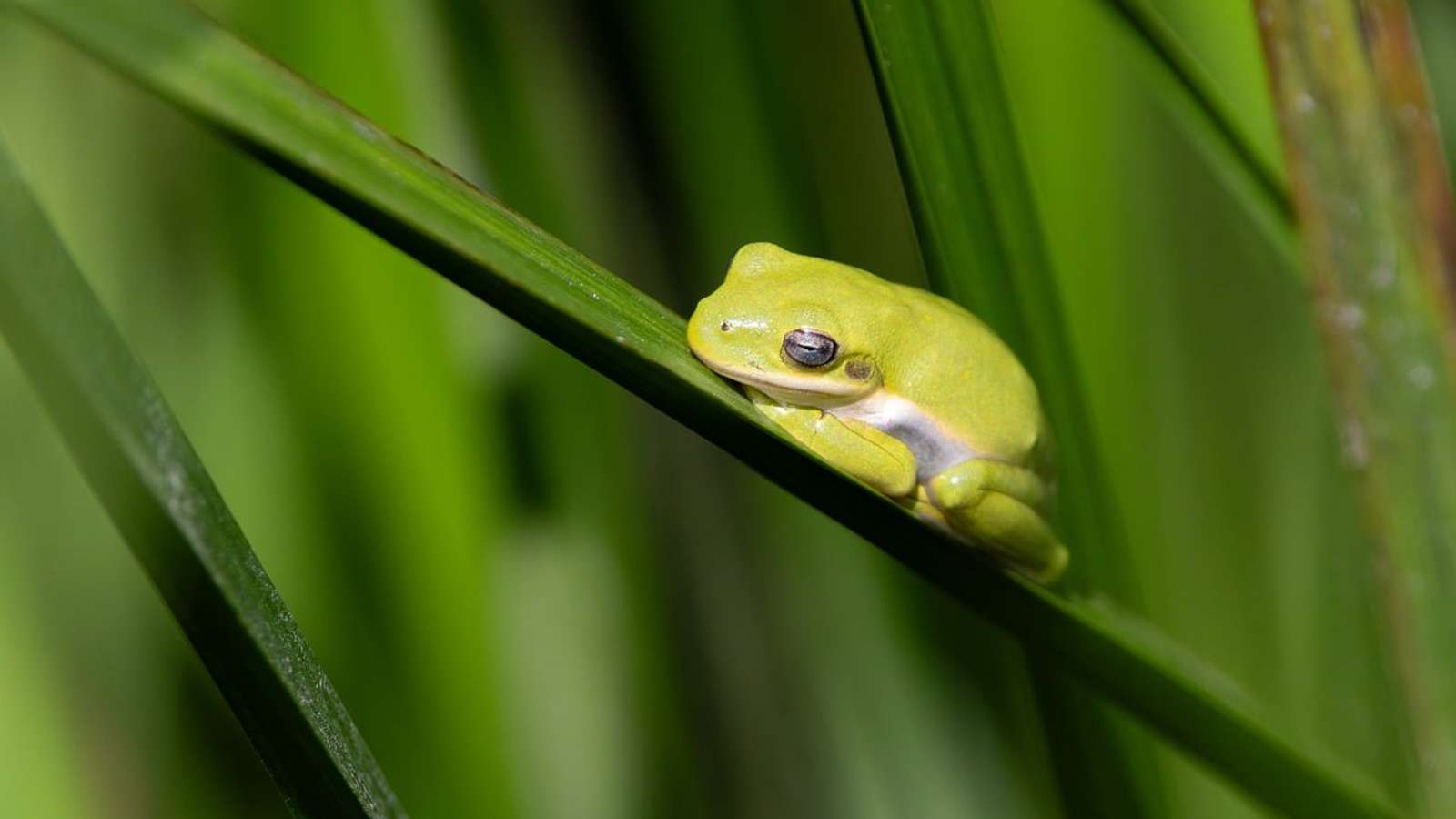
Biologists have described four new species of small, ground-dwelling frogs from the forests of northern Peru, Florida International University (FIU) said on 30 October. The frogs belong to the genus Oreobates, which now has 31 known species instead of 27, and were published in the journal Diversity.
Four names: azulensis, chirimoto, foliaspectrum, nigrumcompletum
The new species are Oreobates azulensis, O. chirimoto, O. foliaspectrum and O. nigrumcompletum, from the regions of Amazonas, Huánuco and San Martín. The paper, “Four New Species of Direct-Developing Frogs, Genus Oreobates, from Peru,” is by Venegas, Ttito, García-Ayachi, Gulman, Valencia and Catenazzi. Its authors include Alessandro Catenazzi of FIU's Institute of Environment and the Peruvian Institute of Herpetology, who has helped describe more than 55 frog species.
Oreobates azulensis is named after the Cordillera Azul. It was recorded at two localities in the Huallaga River basin, 1,450 to 1,770 meters above sea level, including the buffer zone of Cordillera Azul National Park, according to the American Museum of Natural History's Amphibian Species of the World. Its type locality is the Azpusana–Alto Consuelo valley in Huánuco, and its closest known relative is Oreobates shunkusacha. Whether it also lives inside the park has yet to be confirmed in future expeditions, according to Peruvian reports on the find.
Calls, skin and DNA
Telling similar frogs apart takes several lines of evidence. The team compared body features such as color, the small bumps called tubercles and skin texture, recorded and compared the frogs' mating calls, and analyzed selected stretches of DNA, already sequenced for other frogs, to place them in the family tree rather than reading whole genomes. “Each species is its own world,” Catenazzi said.
“Females are not going to be attracted to a call that does not come from their own species.” — Alessandro Catenazzi, FIU
The paper describes Oreobates as direct-developing frogs: they hatch from eggs as tiny frogs instead of going through a tadpole stage.
Naming comes before protecting
“The first step of anything you want to do in biology is to name the organism,” Catenazzi said. He argues that newly described frogs can help justify protected areas and slow habitat destruction. FIU did not say whether any of the four species is threatened.
Catenazzi's lab is also studying two other frog species whose skin peptides show antimicrobial, wound-healing and antifungal properties. Another frog recently made news for a first in captivity: London Zoo bred Afia Birago's puddle frog for the first time.
Sources
How we choose and verify sources: editorial policy.