Two chained coconut-picking macaques, one with a collar grown into his neck, are rescued in Thailand
Wildlife Friends Foundation Thailand rescued Bang and Nui Nui, two pig-tailed macaques kept on chains to pick coconuts on Koh Samui. Bang, about 10, needed urgent care for a metal collar embedded in his neck.
By Diego Callegari, Editor
· Thailand · 2 min read
Source: Wildlife Friends Foundation Thailand (WFFT) ↗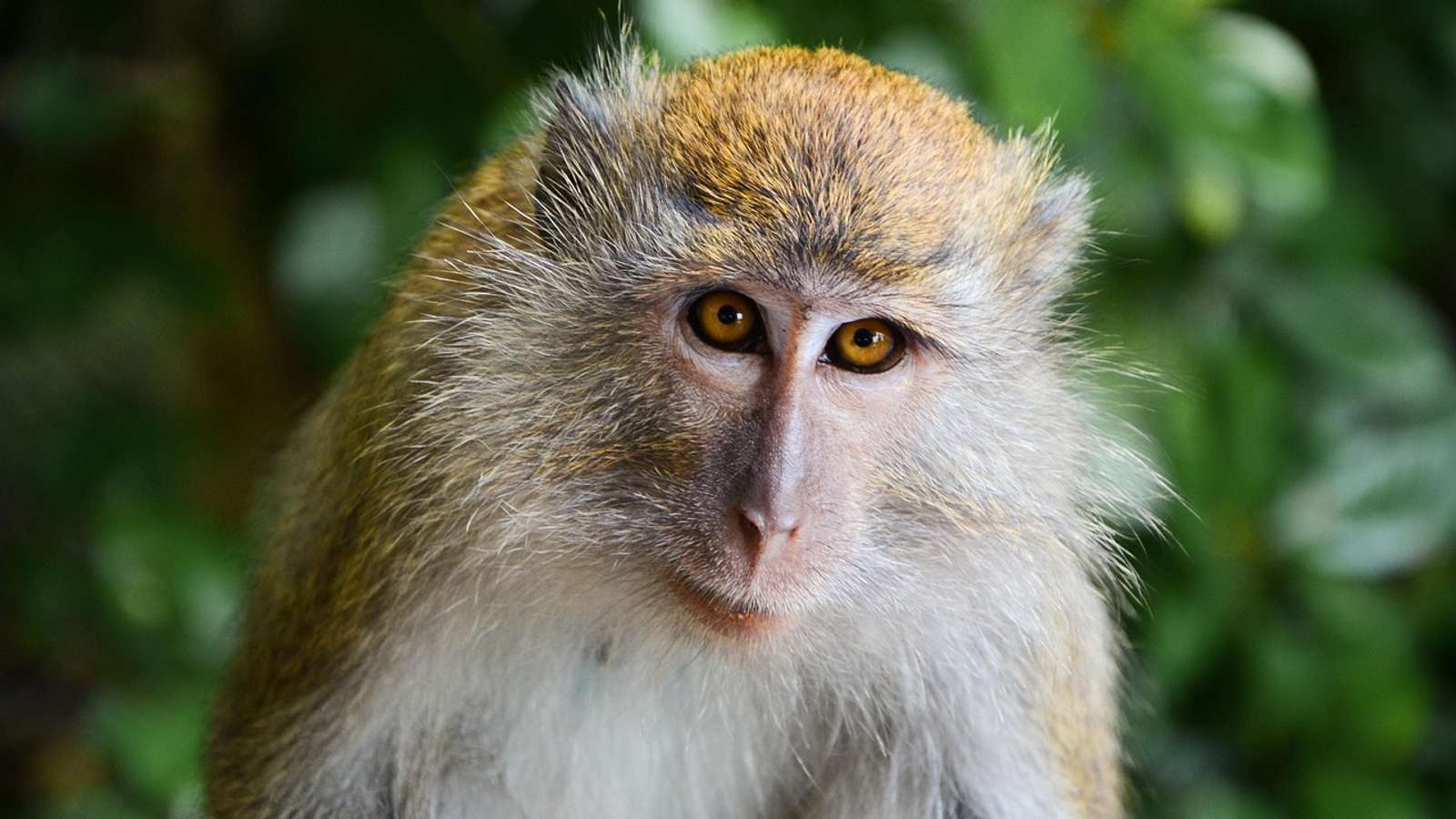
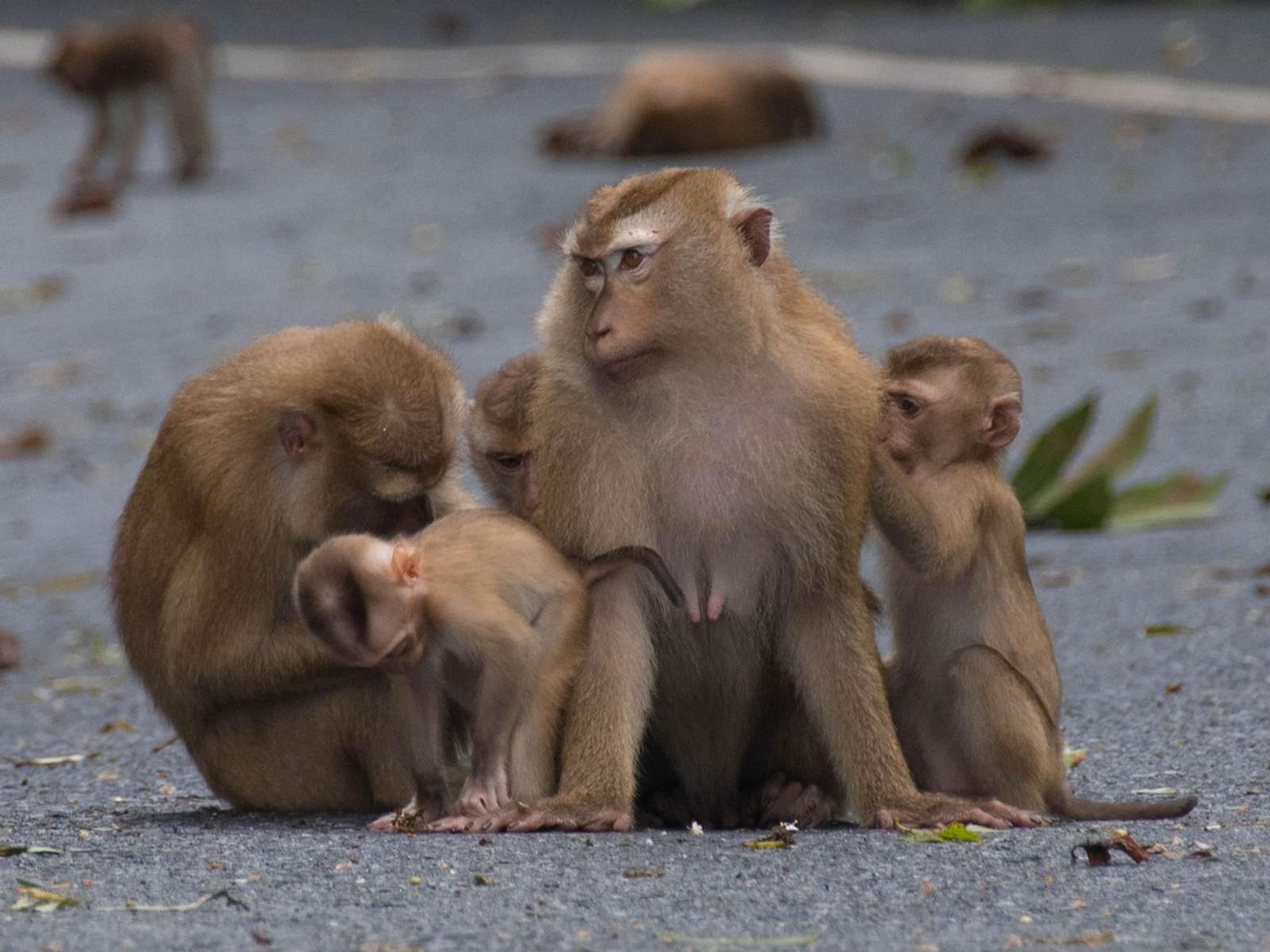
Two pig-tailed macaques that were kept on chains and used to pick coconuts on the Thai island of Koh Samui have been rescued, Wildlife Friends Foundation Thailand (WFFT) said on 28 October. The monkeys, Bang and Nui Nui, were surrendered by their former owners and are now receiving veterinary care at the foundation.
A collar grown into his neck
Bang is about 10 years old. A metal collar had become embedded in his neck, and WFFT described his condition as particularly bad; he needed urgent treatment to remove it. Nui Nui's age is uncertain: his previous owner said he was about seven, but WFFT suspects he may be considerably older. Both are northern pig-tailed macaques.
Photos published by WFFT show Bang before the rescue, the collar, its removal, and both monkeys at the foundation. Both are having health checks.
“Each individual needs time, patience and appropriate care to adjust to a new life.” — Wildlife Friends Foundation Thailand
Monkeys still used to harvest coconuts
Pig-tailed macaques are still used in Thailand to harvest coconuts. They are often taken from the wild, put through harsh training and kept chained or restrained for years, WFFT said. In 2021, National Geographic reported that up to 3,000 monkeys were working on coconut farms, down from as many as 15,000 about 15 years earlier, according to an estimate by WFFT founder Edwin Wiek, an animal welfare adviser to Thailand's parliament. Wiek believed about half of them had been captured from the wild and were kept illegally. Thailand is the world's third-largest coconut exporter, after Indonesia and the Philippines.
Investigations by the animal rights group PETA in 2019 and 2020 found monkeys chained when not working and moved in small cages. After that, some Western retailers said they would stop selling products from companies found to use monkey labor, and the coconut milk maker Chaokoh said it did not support the practice and made supplier inspections mandatory, National Geographic reported. Pig-tailed macaques are protected under Thai law, and owning them is illegal unless they were bred in captivity.
A long adjustment ahead
Monkeys kept alone on chains for years can struggle to form relationships with other macaques. Rescued macaques need safe enclosures to adjust, veterinary treatment, good food and time to develop natural behavior and, where possible, bonds with other monkeys, according to WFFT. The foundation did not say when Bang and Nui Nui might join a group.
WFFT says it is working to end the use of monkeys in coconut harvesting, and a related post mentions nine monkeys moved to a coconut monkey sanctuary the foundation is developing. In 2021, it was caring for nearly 300 macaques, including more than 40 rescued from coconut farms, National Geographic reported. More animals given a second chance are collected under wildlife rescue.
Sources
How we choose and verify sources: editorial policy.