Animals pulled from fires, fishing nets, traffickers and tight spots, cared for by vets and rangers, and returned to the wild when they are ready.
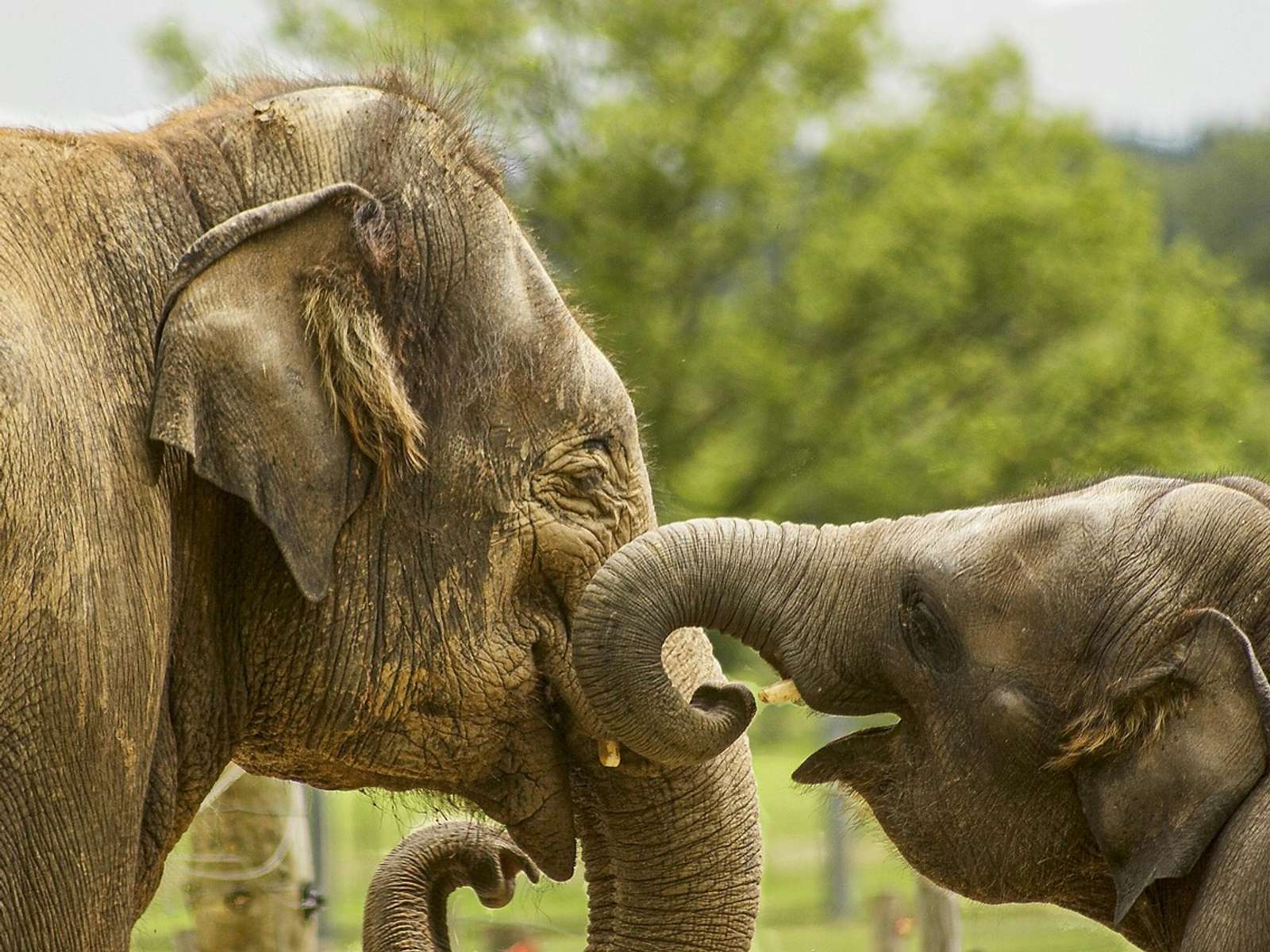
Rescued in 2012 with a ravaged leg and a dislocated hip, the orphan elephant Murera gave birth to a second daughter on 29 October in Kenya's Kibwezi Forest, the Sheldrick Wildlife Trust said. The calf is named Mwezi, Swahili for moon.
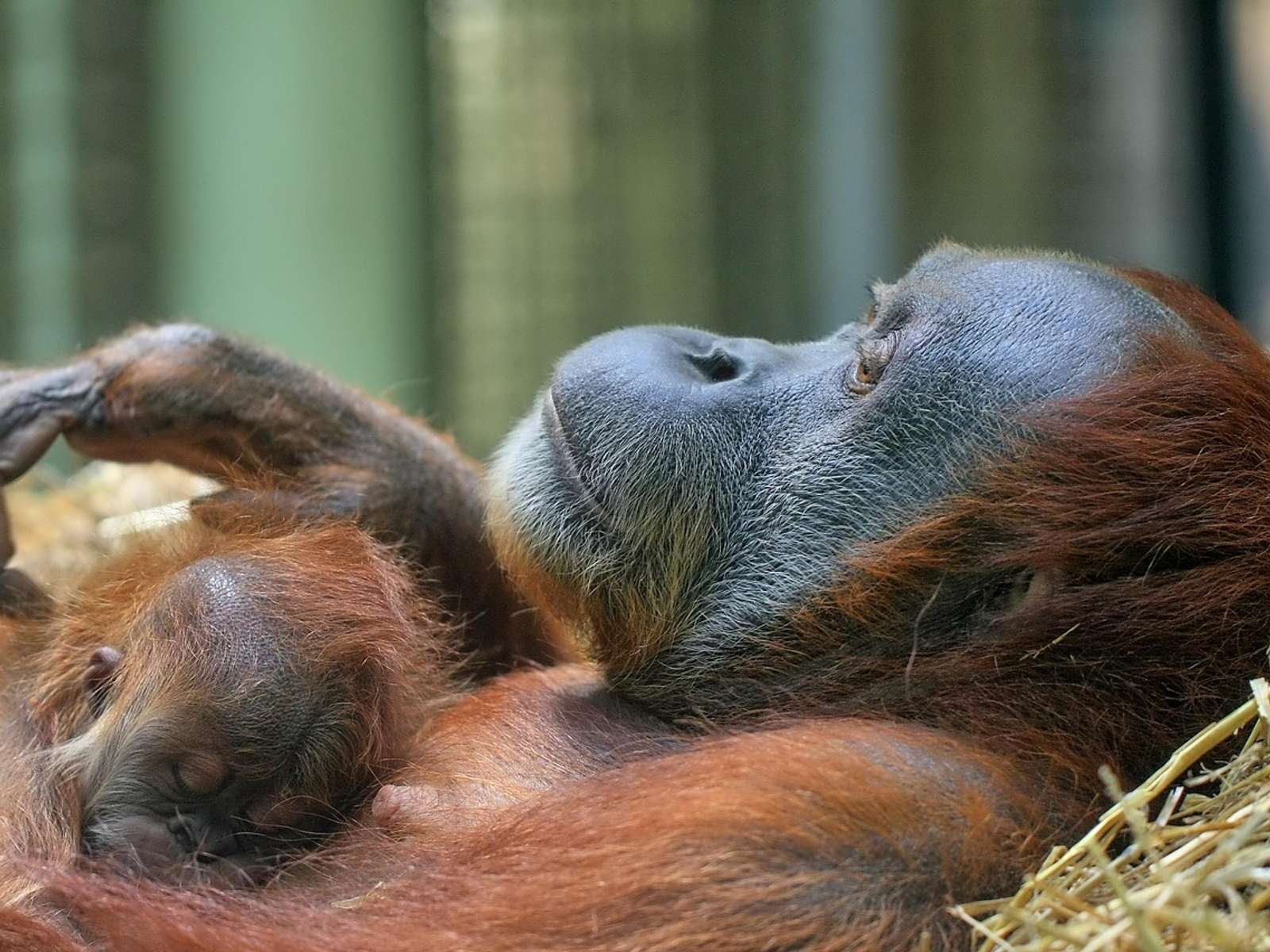
Nine orangutans, including four mothers with their young, were released into the Batu Nyambu protected forest in West Kalimantan after being rescued from wildfires in August and September and rehabilitated by YIARI.
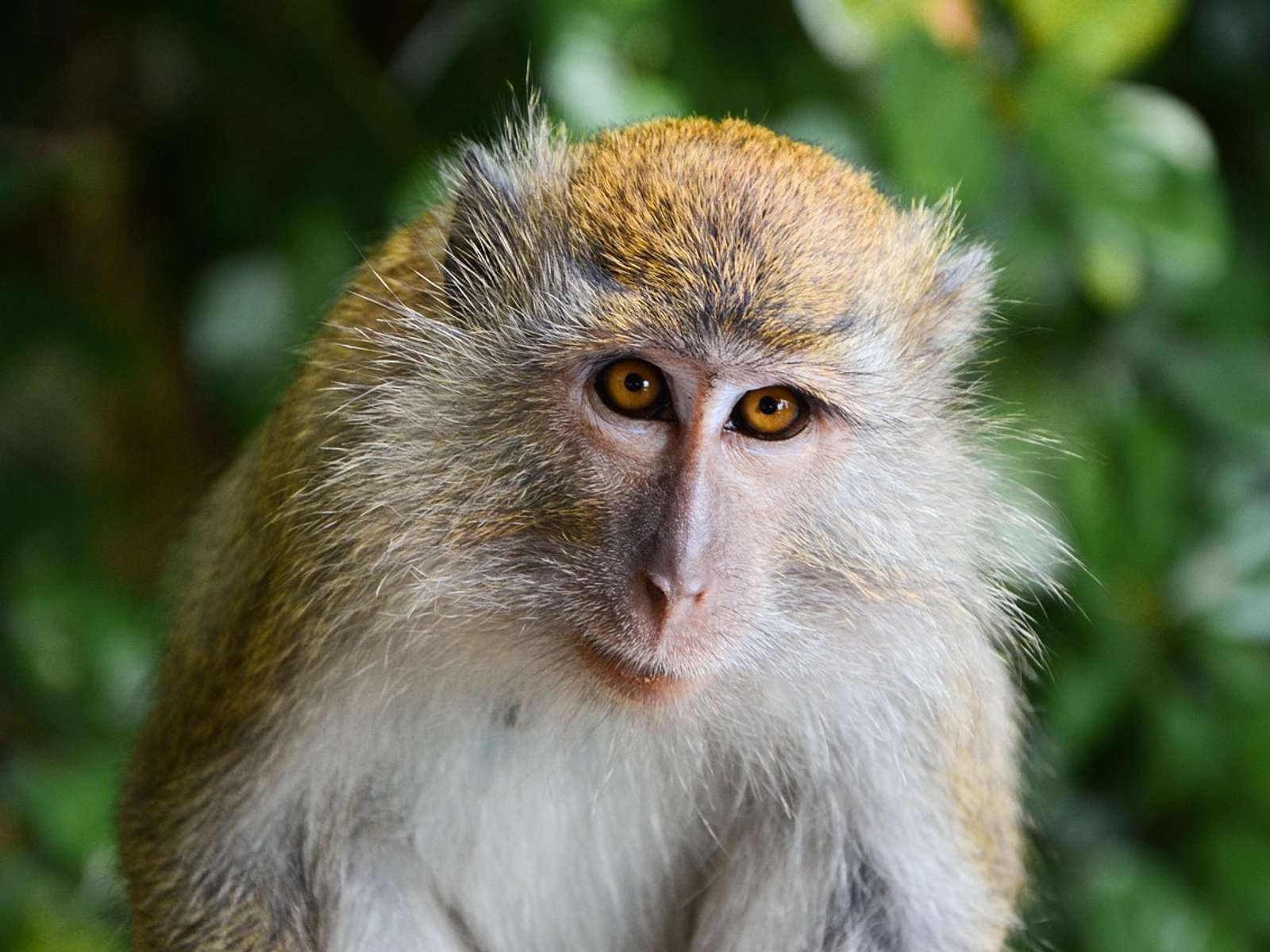
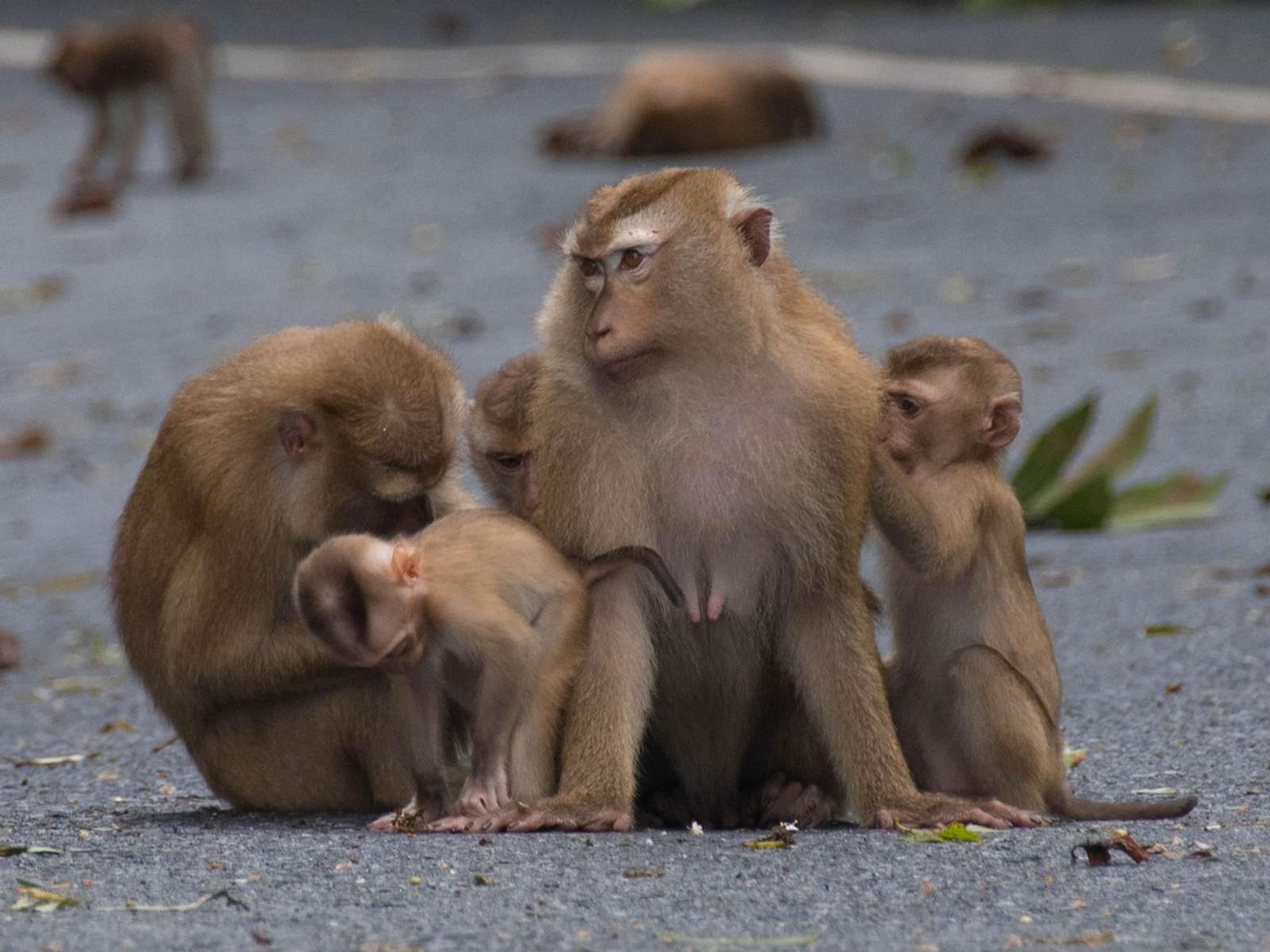
Wildlife Friends Foundation Thailand rescued Bang and Nui Nui, two pig-tailed macaques kept on chains to pick coconuts on Koh Samui. Bang, about 10, needed urgent care for a metal collar embedded in his neck.
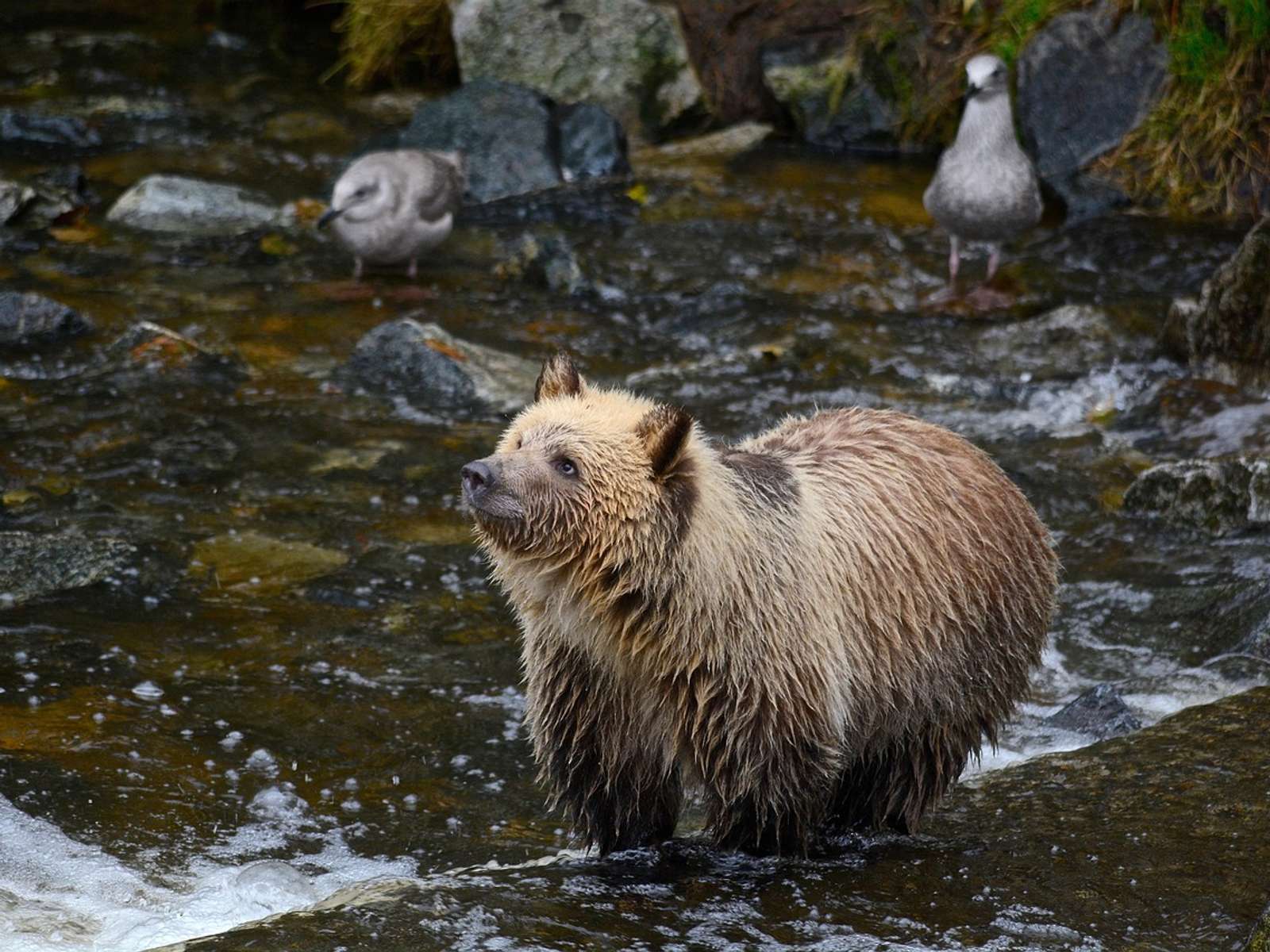
Three brown bear cubs found without their mother near King Salmon, Alaska, have moved to the Minnesota Zoo after rescue by the Alaska Department of Fish and Game. Brooks, Dillingham and Bristol will make their public debut next spring.
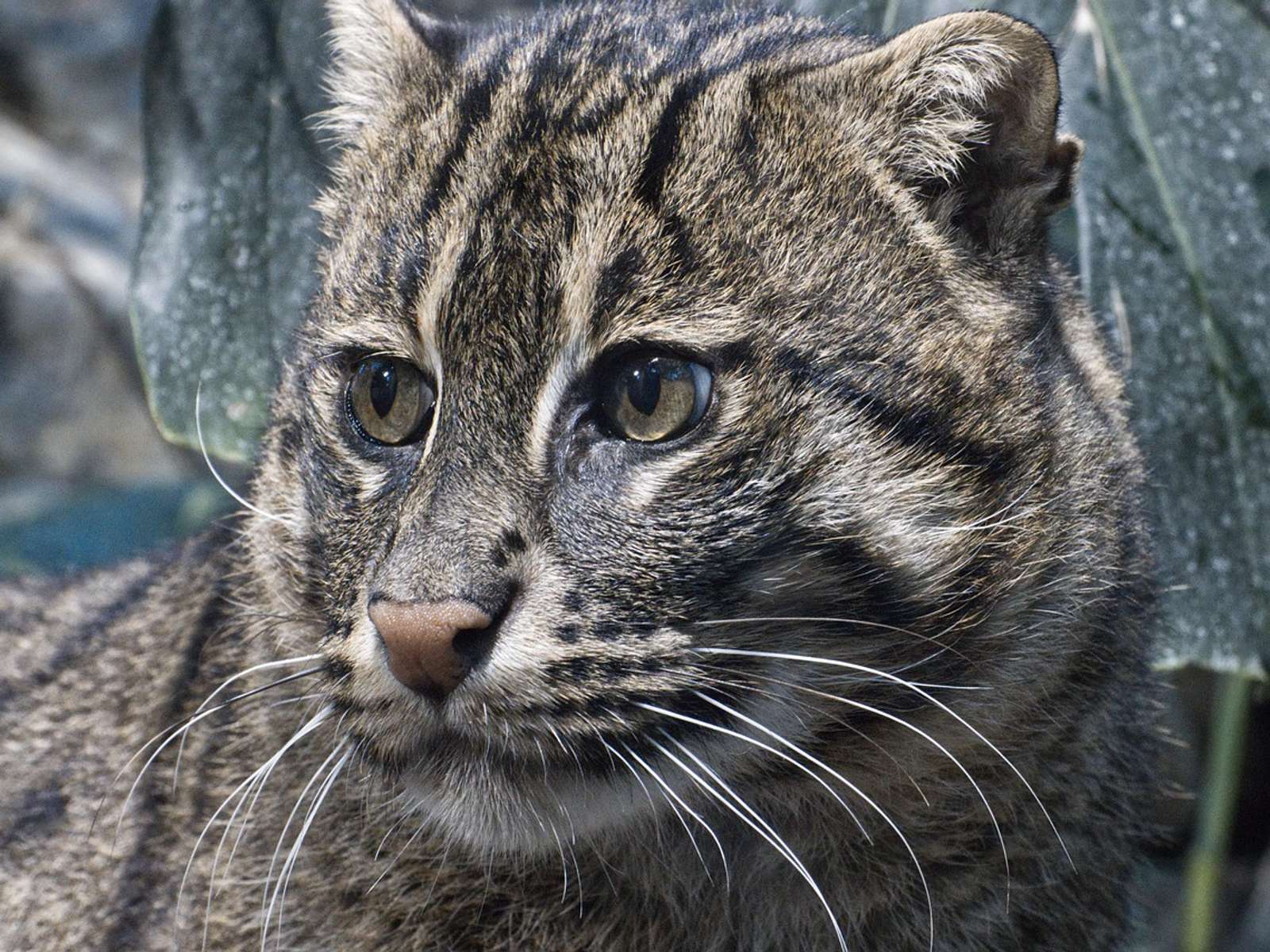
A male fishing cat rescued in northern Bangladesh with a jaw injury that stopped him eating has been released after rehabilitation, wearing a satellite collar. He went from 5 kg to more than 12 kg in care.
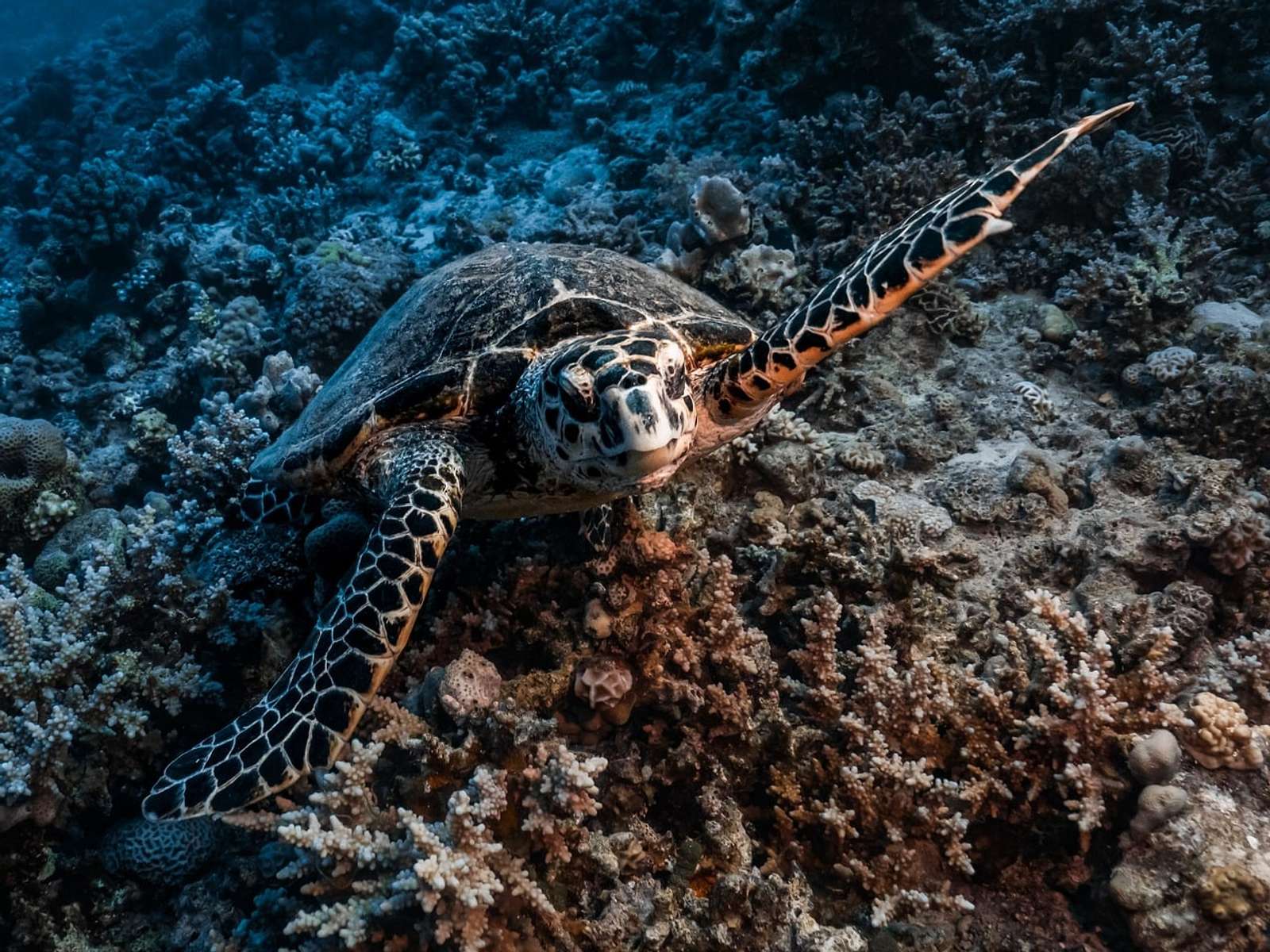
The National Aquarium Abu Dhabi and the Environment Agency – Abu Dhabi released 43 rehabilitated sea turtles at Saadiyat Beach: 28 green turtles and 15 hawksbills, among them 10 hatchlings. Their program has now released more than 1,800.

A young male Sumatran orangutan rescued from an apartment near Mumbai in 2024 has been flown home to Indonesia. Renamed Heera, he will go through quarantine and rehabilitation at the Sumatran Rescue Alliance in North Sumatra.
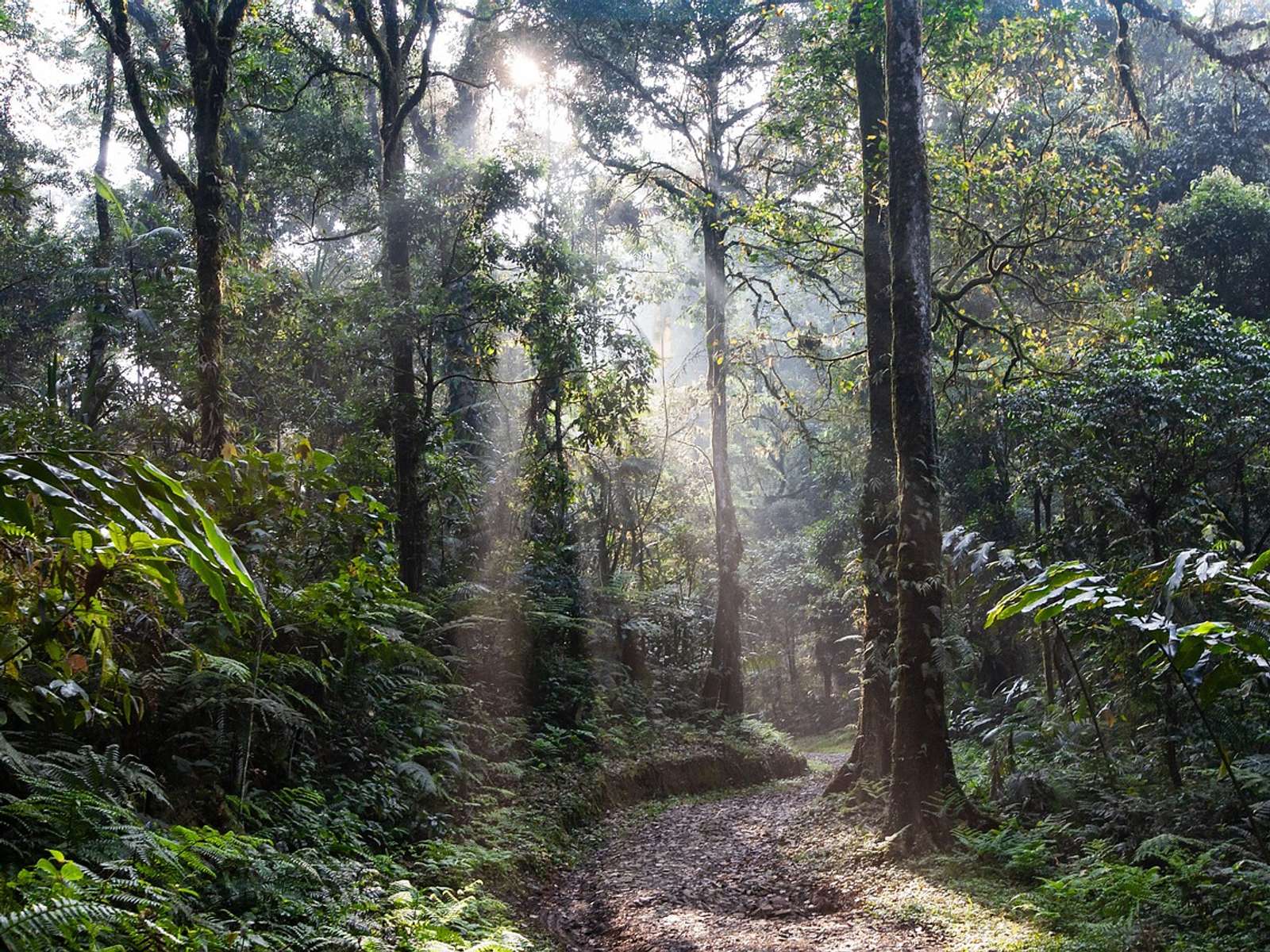
Rescue records from Alobi Wildlife Rescue Center show more than 90 Bangka slow lorises were rescued on Indonesia's Bangka Island between 2015 and 2025, proving a species missing from the scientific record since the 1930s survives.
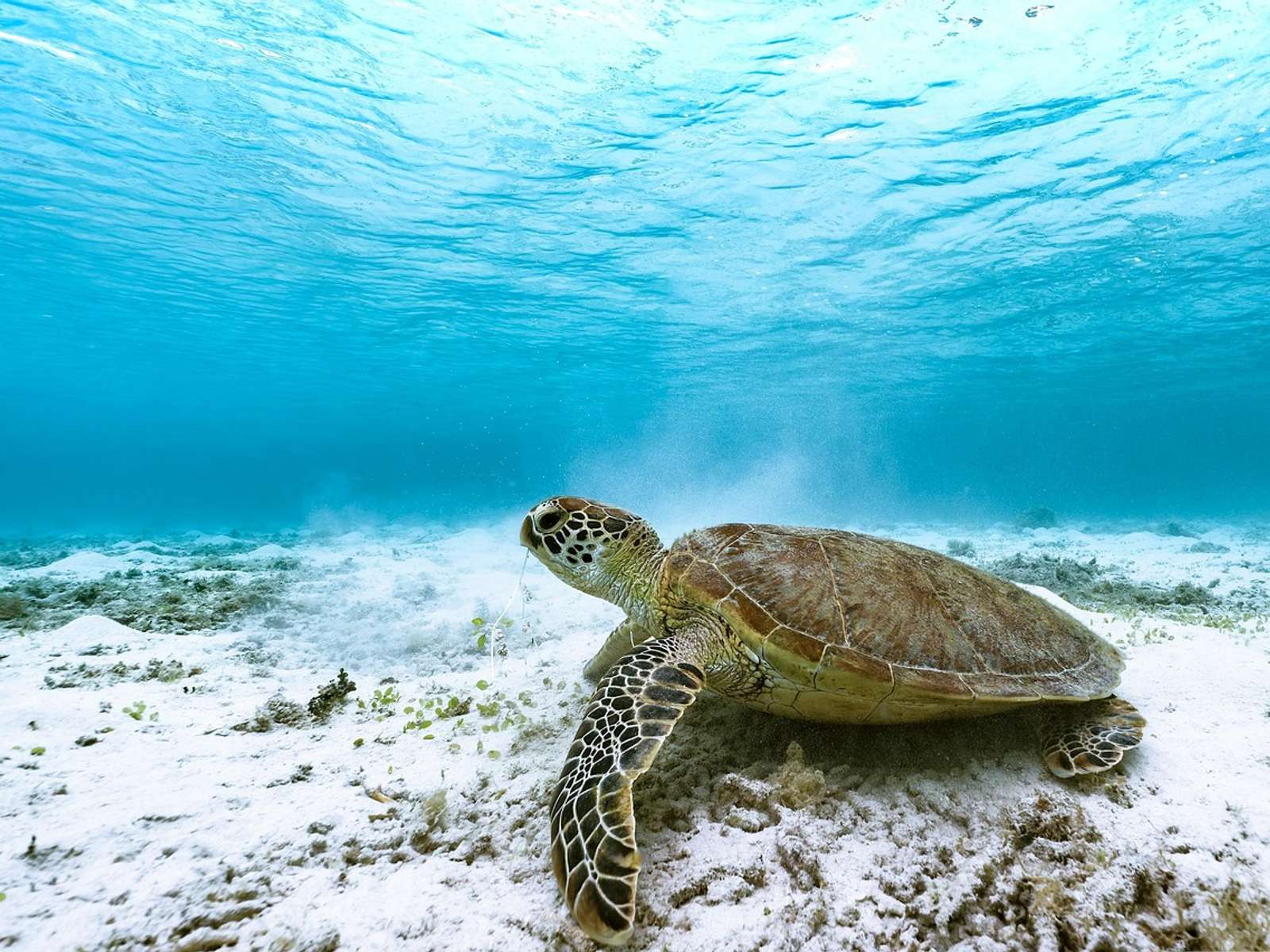
Fishermen reported an unmanned boat off Serangan Beach in Bali carrying 22 live green turtles. After vet checks, Indonesia's marine ministry released 20 of them on 13 October; two are still being treated.
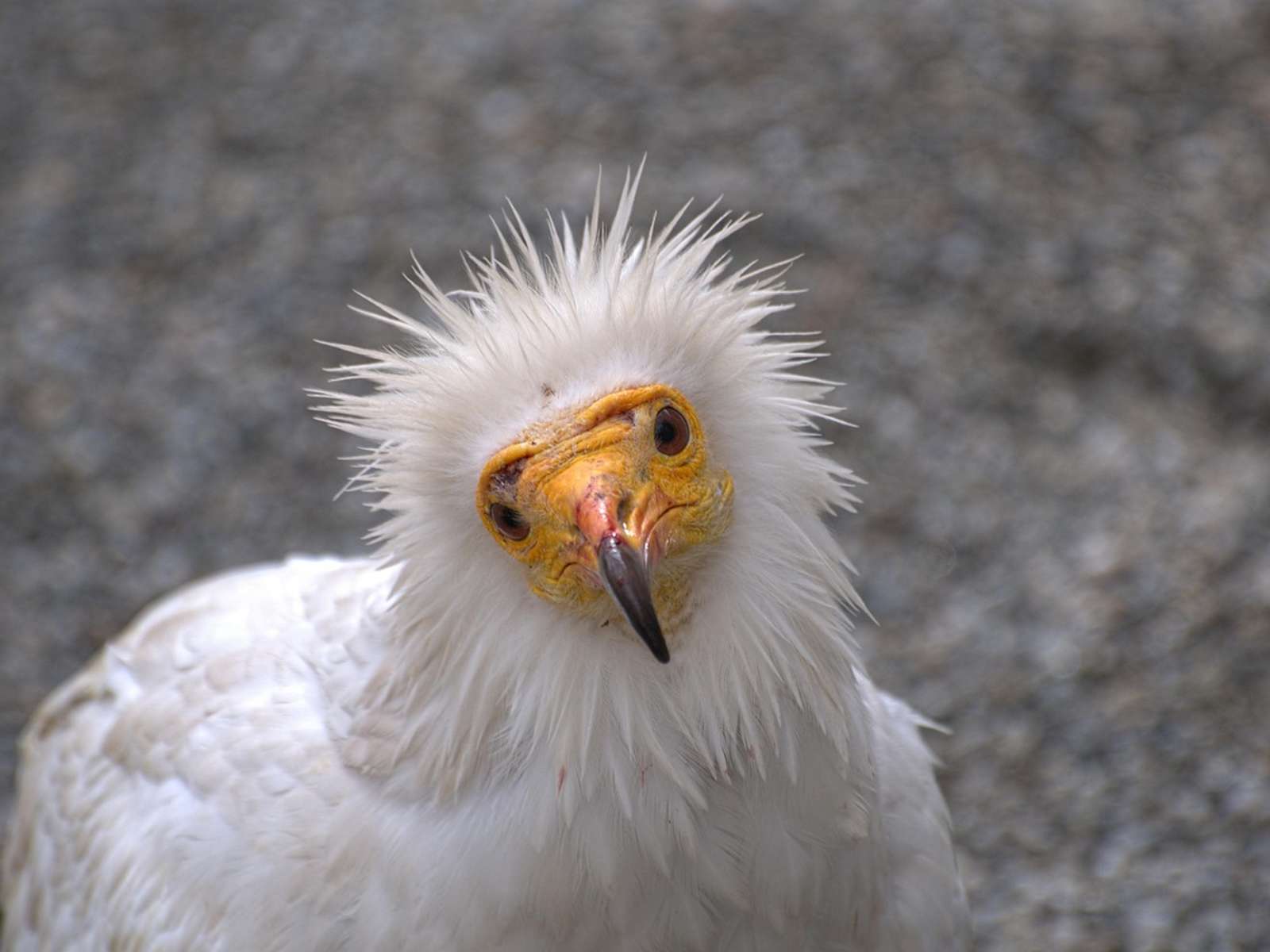
Brok, rescued from a Lebanese farm in 2021, and Qalamoon, found at an illegal wildlife facility, became parents at Prague Zoo when their chick Kali hatched on 12 July. Neither parent can return to the wild, but Kali joins Europe's breeding program.
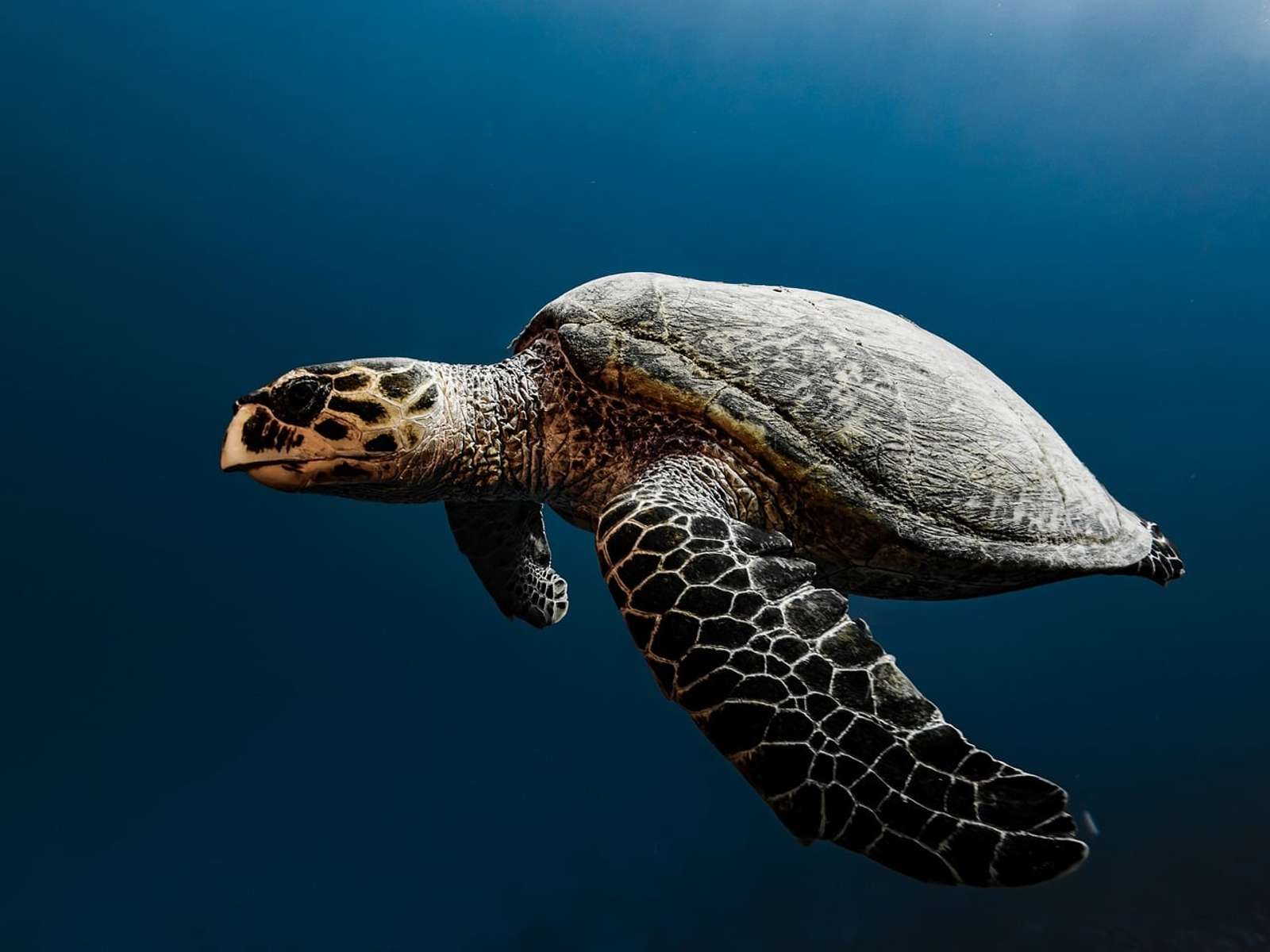
Habanero, an adult male loggerhead rescued in South Africa in February 2025, lost a front flipper to a bone infection. Scans now show him free of infection, and he is training at the Two Oceans Aquarium for his return to the sea.
Phong Nha-Ke Bang National Park released 17 rescued animals from seven species, including a Sunda pangolin and three pygmy slow lorises, on 8 October. It was the park's fifth release of 2026, bringing the year's total to 220.
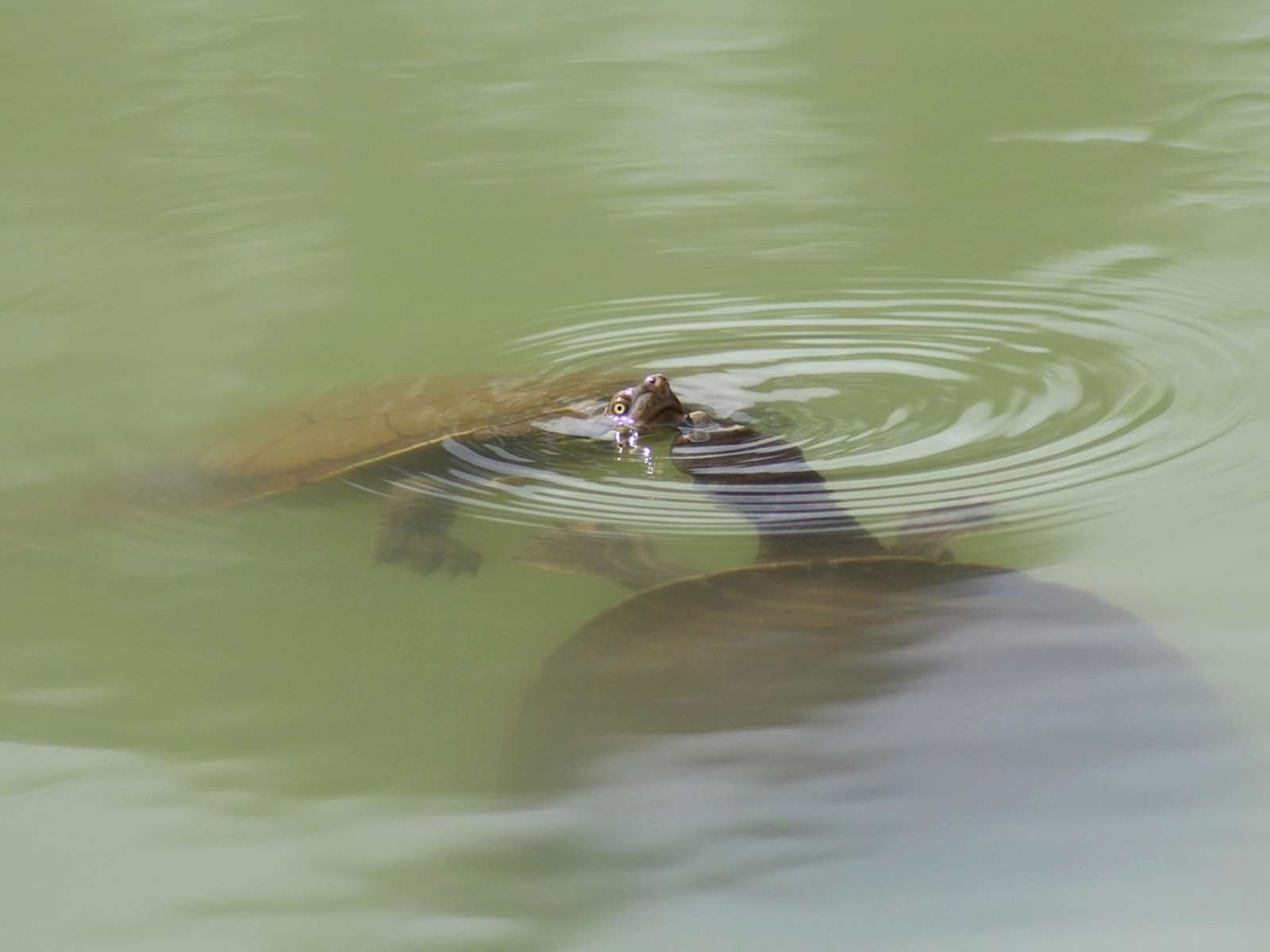
Thirty-nine freshwater turtles pulled from a drying waterhole in the Gwydir wetlands laid more than 250 eggs at Taronga Western Plains Zoo. Thirteen adults are already back in the wild.

Rescue teams in Indonesia have saved dozens of orangutans from wildfires in Borneo and Sumatra in recent months, including a burned young female named Novita now in intensive care.

A five-year-old Philippine eagle rescued in Magpet, Cotabato, was carrying three airgun pellets. Vets removed two, and the critically endangered bird is under close care. The rescue also shows eagles still use a nesting territory last confirmed active in 1990.

Nigeria Customs seized the baby gorilla Bili at Lagos airport in August 2023. After three years of care in Calabar and a DNA test that traced her to the Republic of Congo, she was flown to a sanctuary near Pointe-Noire in September.
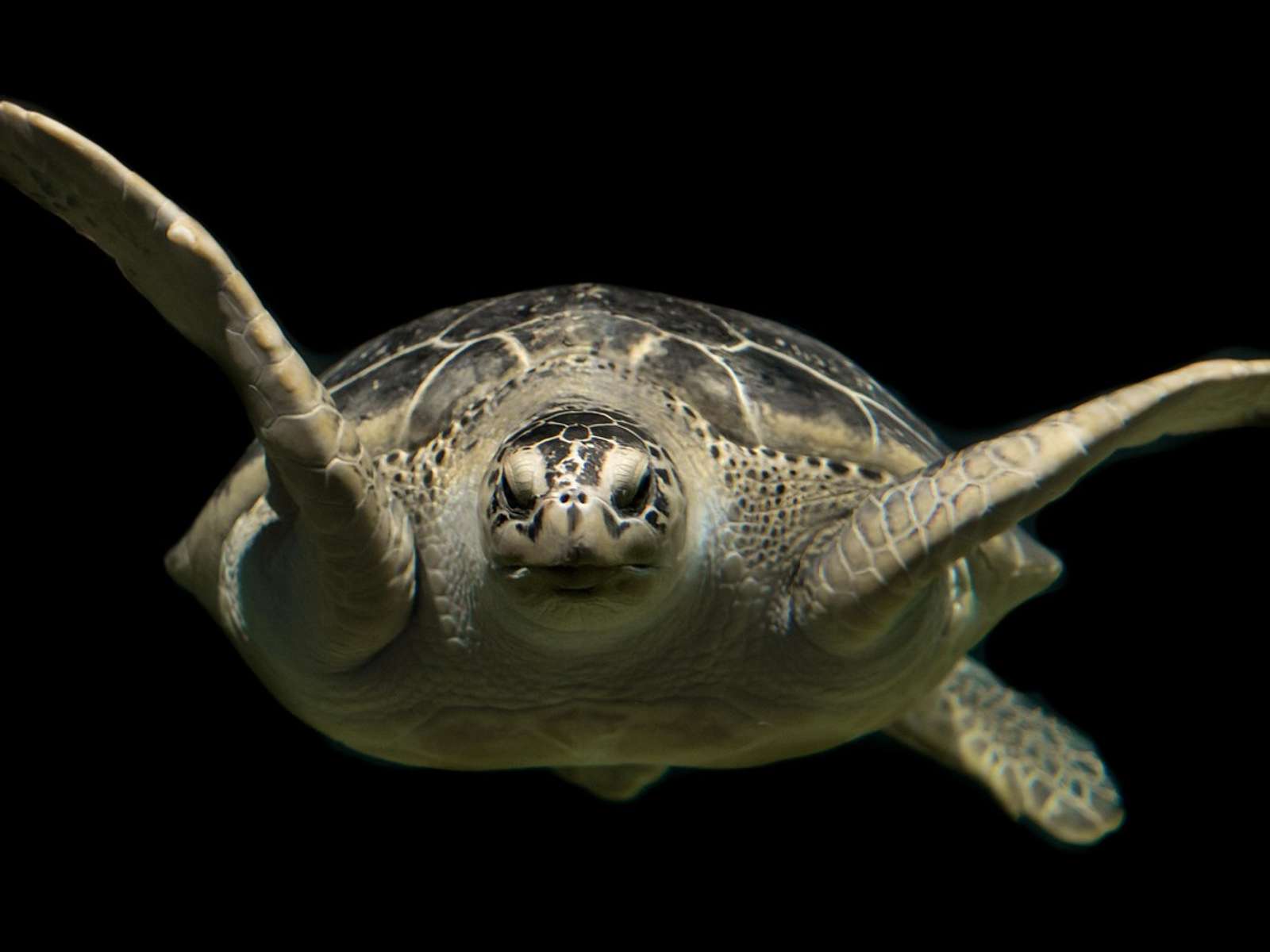
A fisherman in Vietnam's Ca Mau province found a green turtle of about 70 kg tangled in his net, cared for it overnight and called the border guards, who released it into the sea the next morning.
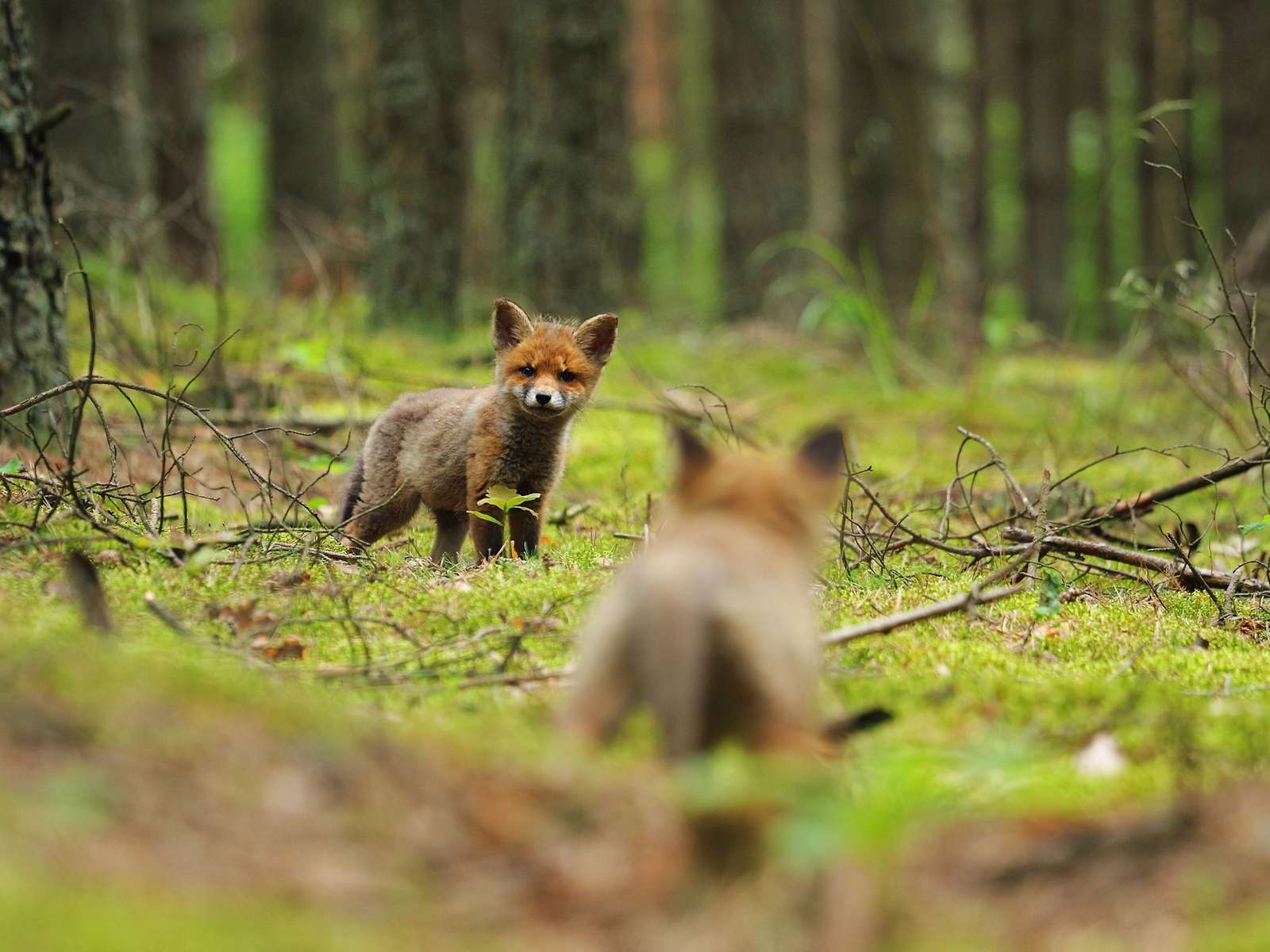
Three fox cubs pulled from a narrow gap between two Leicester houses by firefighters have been released into the countryside after four months of rehabilitation, following a rescue that initially left one cub's survival in doubt.

Ho Chi Minh City forest rangers released 84 rescued animals from 13 species into the Dong Nai Nature and Culture Reserve, part of an ongoing program that has returned over 1,400 animals to protected habitats since 2022.
About this topic
Wildlife trafficking alone touches thousands of species. Seizures recorded between 2015 and 2021 documented illegal trade in 162 countries and territories, affecting around 4,000 plant and animal species, according to the UN Office on Drugs and Crime's World Wildlife Crime Report 2024. Many rescued animals also come from fires, fishing gear, collisions and drought.
The stories on this page follow animals through rescue and recovery. Bili, a baby gorilla seized from traffickers at Lagos airport in 2023, was flown home to Congo after three years of care. Habanero, a loggerhead turtle who lost a flipper to infection, is training for release in Cape Town, and Vietnam's Phong Nha-Ke Bang National Park had released 220 rescued animals by October 2026. Thirty-nine turtles pulled from a drying wetland in New South Wales laid more than 250 eggs in care.
Not every rescued animal can go back. When an injury rules out release, we say so, and where a source reports how released animals are tracked or how many survive, we include it.
Each story links to the rescue center, park or organization that did the work.