Bustards bred and released, vultures raising chicks, penguins vaccinated against bird flu and wind turbines made safer: verified stories about birds.
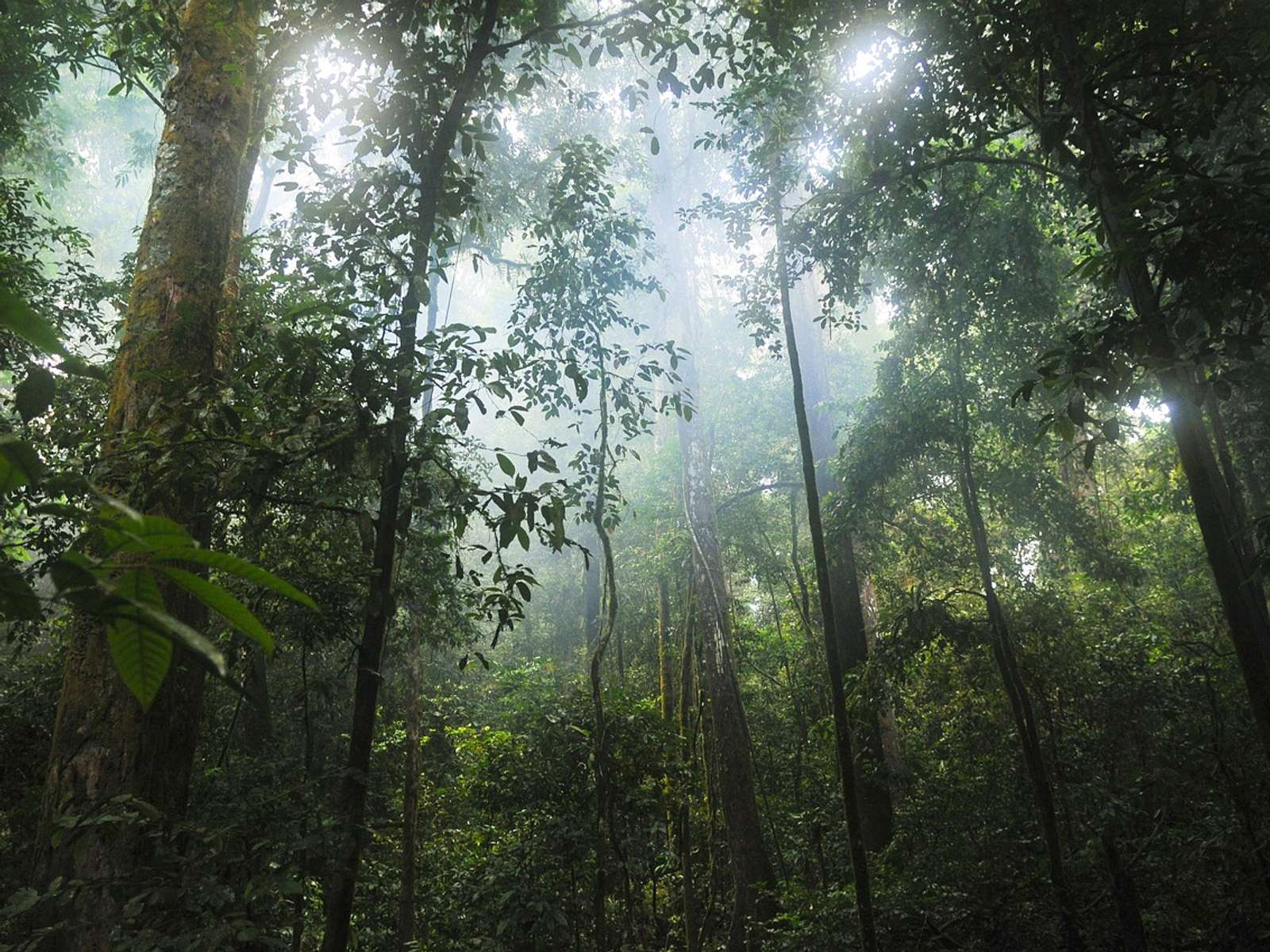
A field team photographed the Ghana cuckooshrike in Taï National Park in June 2026, the first verified record of the West African bird since 2013. The species is on the Search for Lost Birds list, and its forest habitat is fragmented.
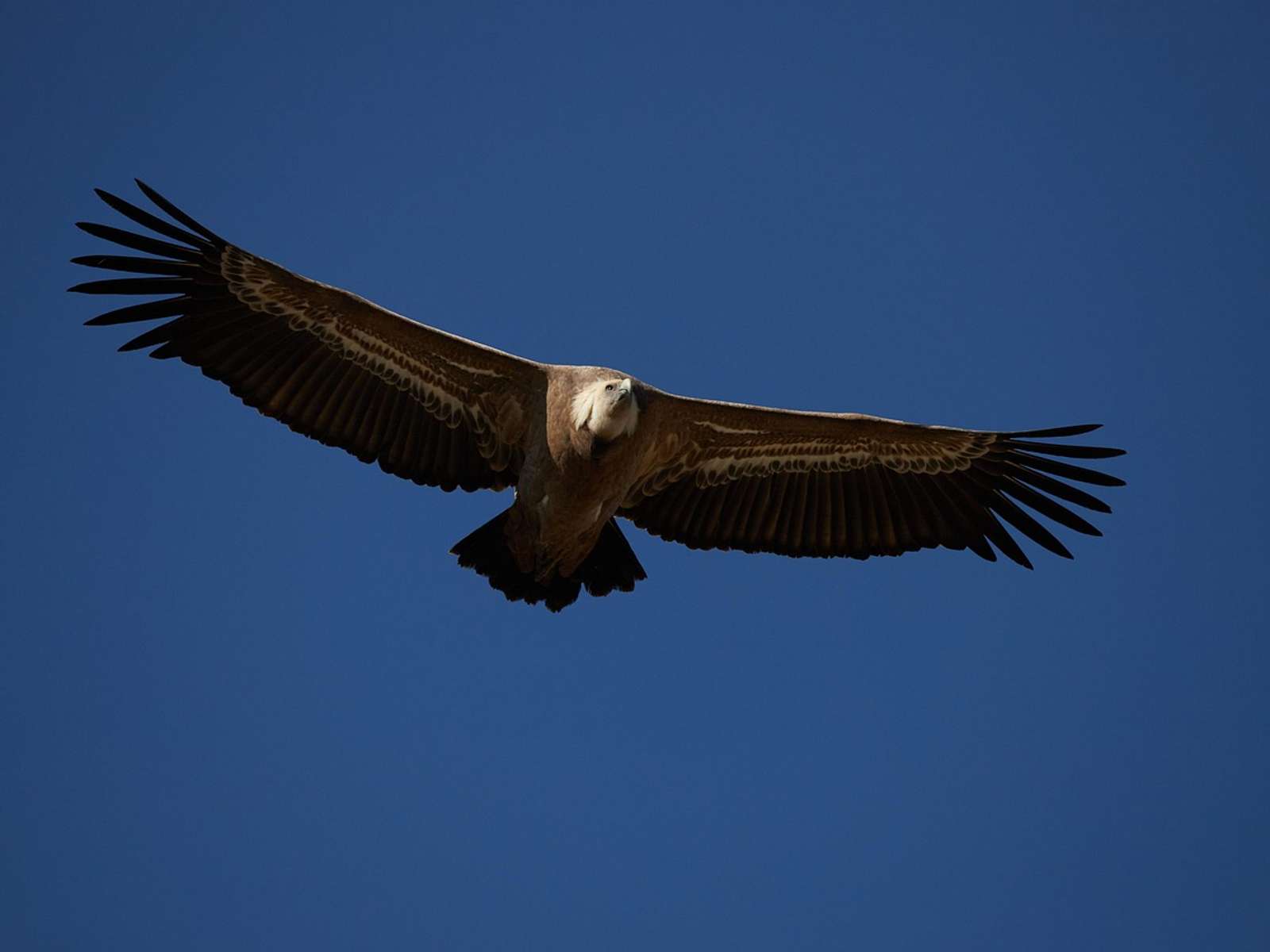
Portugal recorded 127 to 131 breeding pairs of cinereous vultures in 2026, up from 119 to 126, and found a new colony at Monfortinho, the Vulture Conservation Foundation said. The species stopped breeding in Portugal in the 1970s.

Ten scarlet macaws were released in the Cangrejal River basin near La Ceiba, Honduras, on 26 October, bringing this year's total to 26. Wild scarlet macaws had not been recorded in the area since the 1960s.
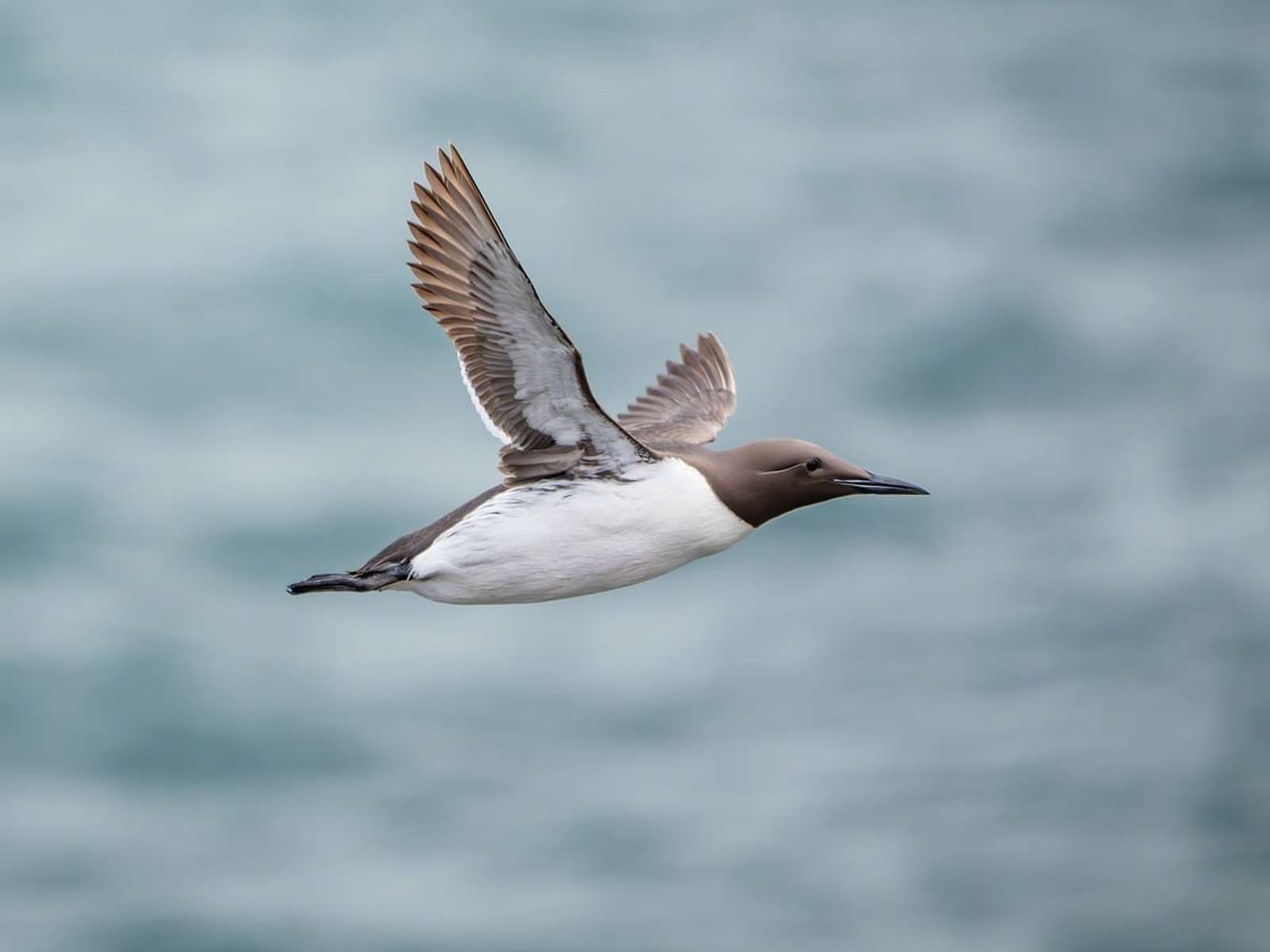
In a trial with 10 Cornish fishers, nets with bird-of-prey kites had 71% lower odds of catching guillemots and razorbills, and nets with spinning 'looming-eye' buoys 59% lower, a study in Conservation Letters found.

Camera traps in DR Congo's Luki Biosphere Reserve photographed grey-necked picathartes, a near-threatened bird never recorded in the country, nearly 400 km beyond its known southern limit. The find adds weight to a stalled cross-border park.
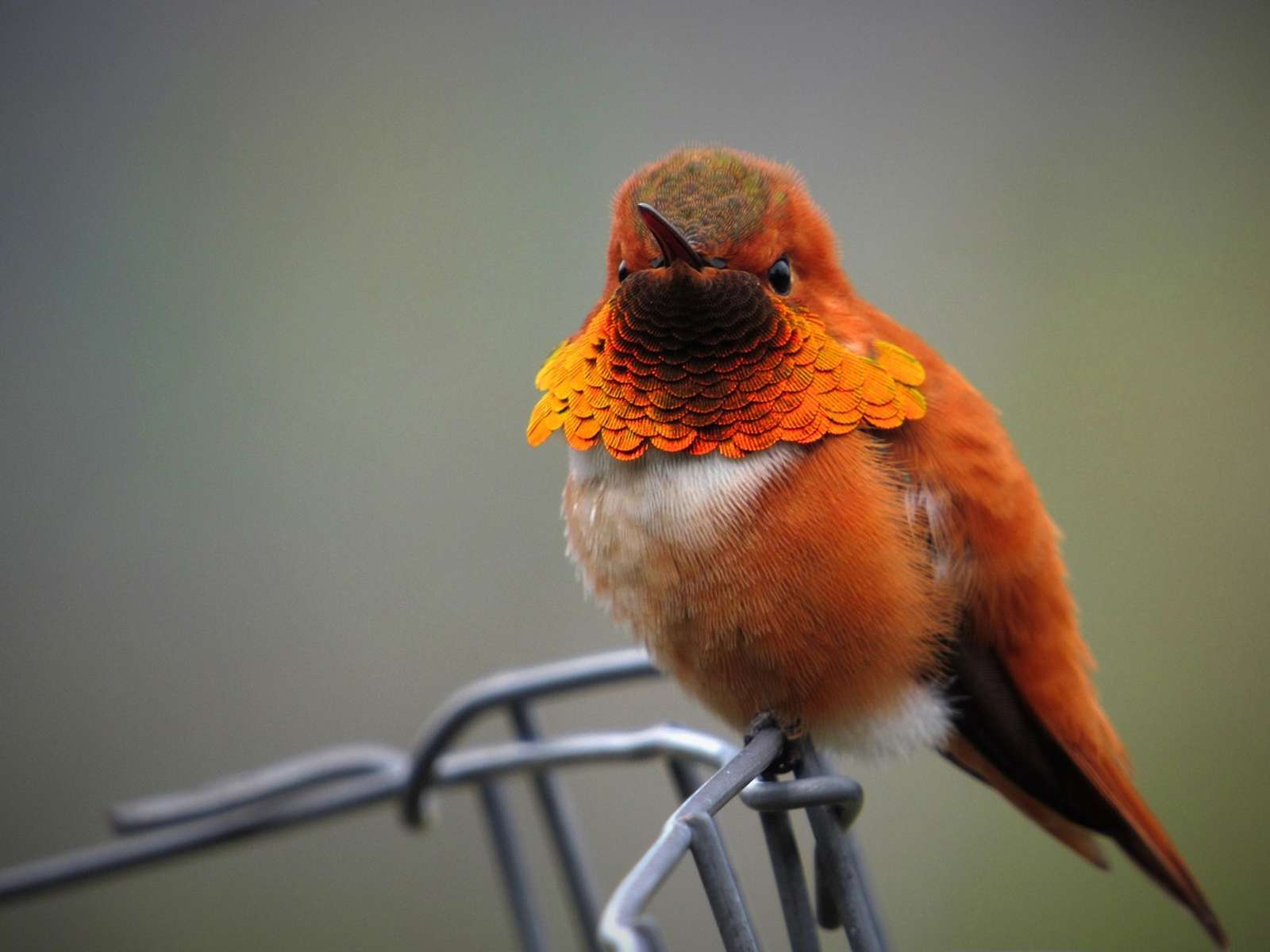
Three rufous hummingbirds fitted with tiny tracking devices at the Alaska Wildlife Conservation Center flew more than 5,500 km south, one reaching Guadalajara, Mexico. The longest flight, 5,821 km, beats a record set in 2010.
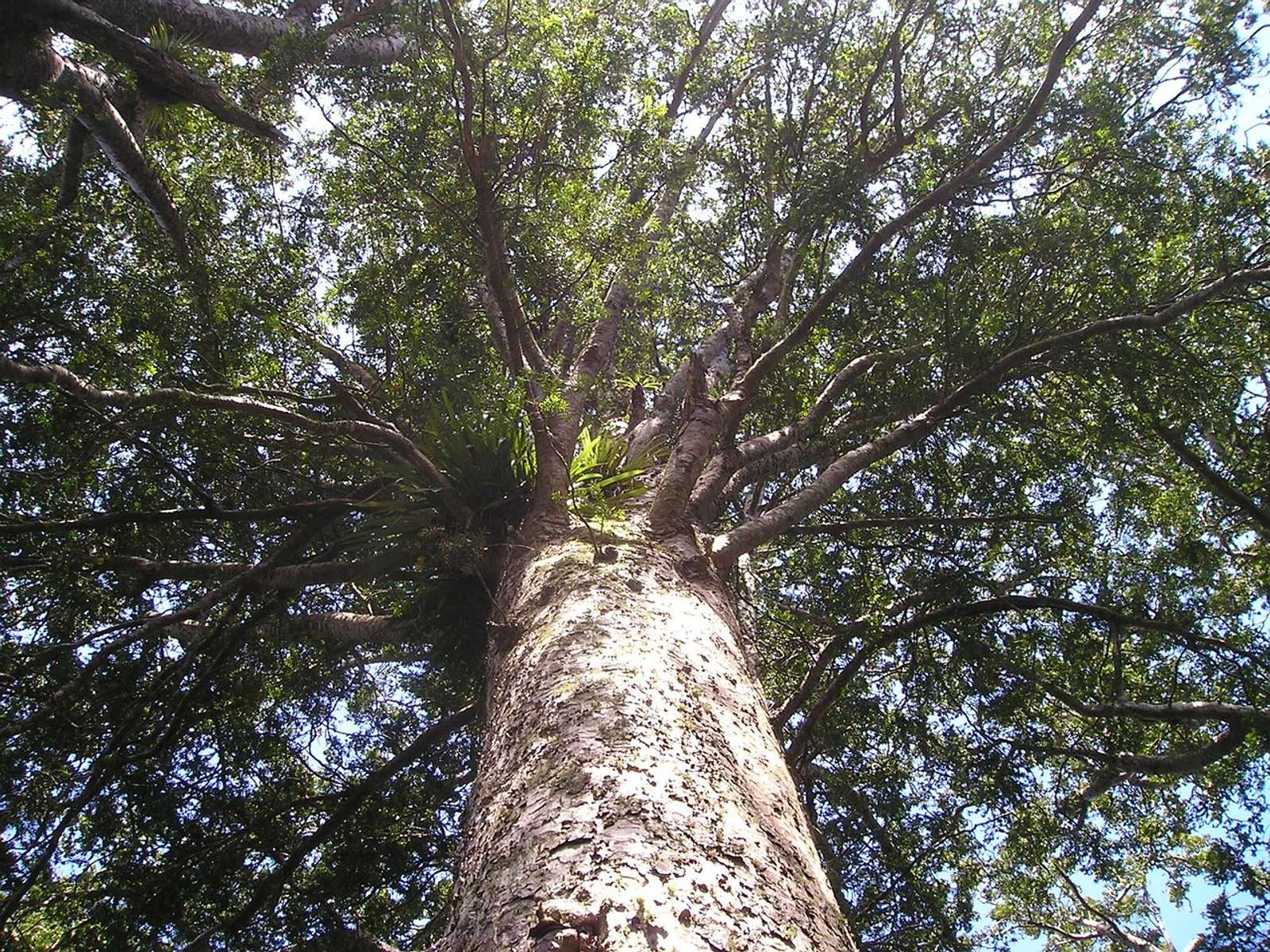
Two juvenile male kākāpō have joined a mainland habitat trial at Sanctuary Mountain Maungatautari, and 122 Mahoenui giant wētā were released there. The kākāpō population reached 325 after a record breeding season.
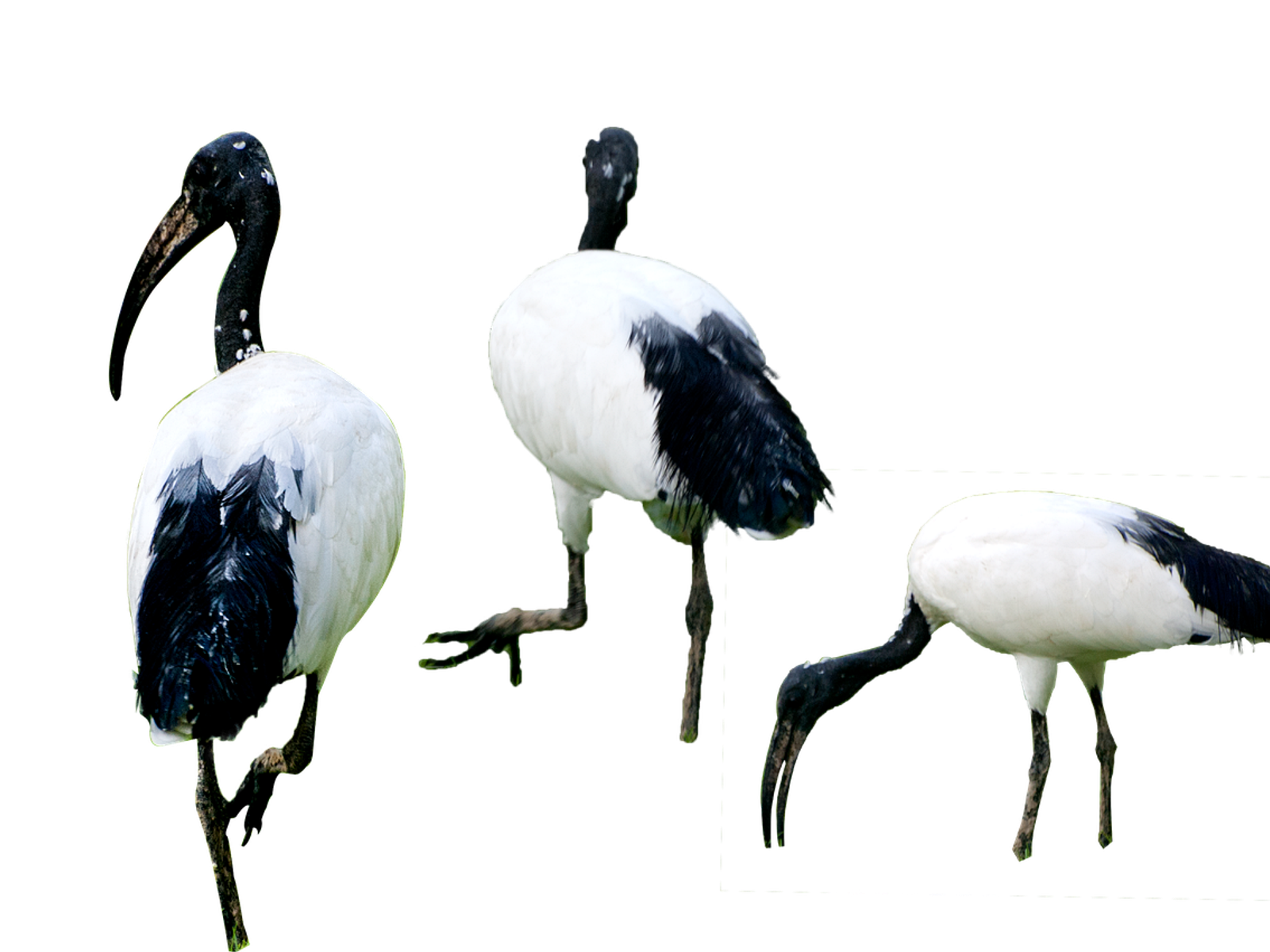
For the first time, all three breeding pairs of endangered Madagascar sacred ibises at Houston Zoo raised their own chicks. The four chicks outnumber all those produced in previous years combined by the AZA population.

One year after Samoa's environment ministry and partners cleared invasive rats and feral pigs from Nu'utele Island, sea turtles are nesting there again after decades, native seedlings carpet the forest floor and rare ground-doves are breeding.
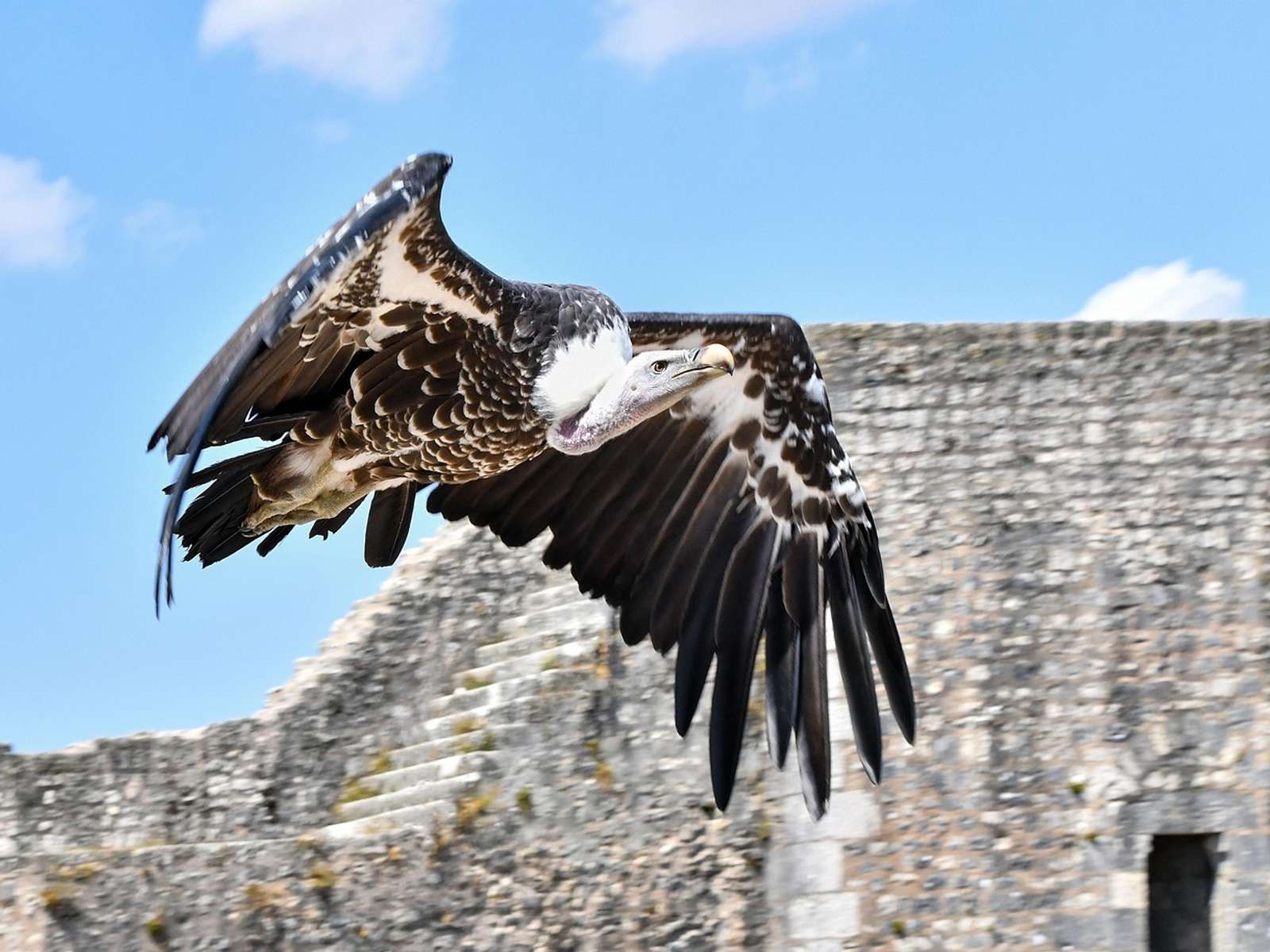
A Vulture Conservation Foundation study under BalkanDetox LIFE found the average number of vultures recorded as poisoned each year fell from 22 to about 8. But poisoning rose again in 2025, and offenders are rarely punished.

A Lancaster University-led study of 28 atoll islands found reefs around rat-free, seabird-rich islands grow 1.8 to 2.5 times faster, fast enough to keep pace with sea-level rise under 2°C of warming, the authors project.

Researchers from Utrecht University recorded 2,500 calls from Critically Endangered Rüppell's vultures at two Dutch zoos and found 16 call types. Chicks start calling inside the egg about two days before hatching.
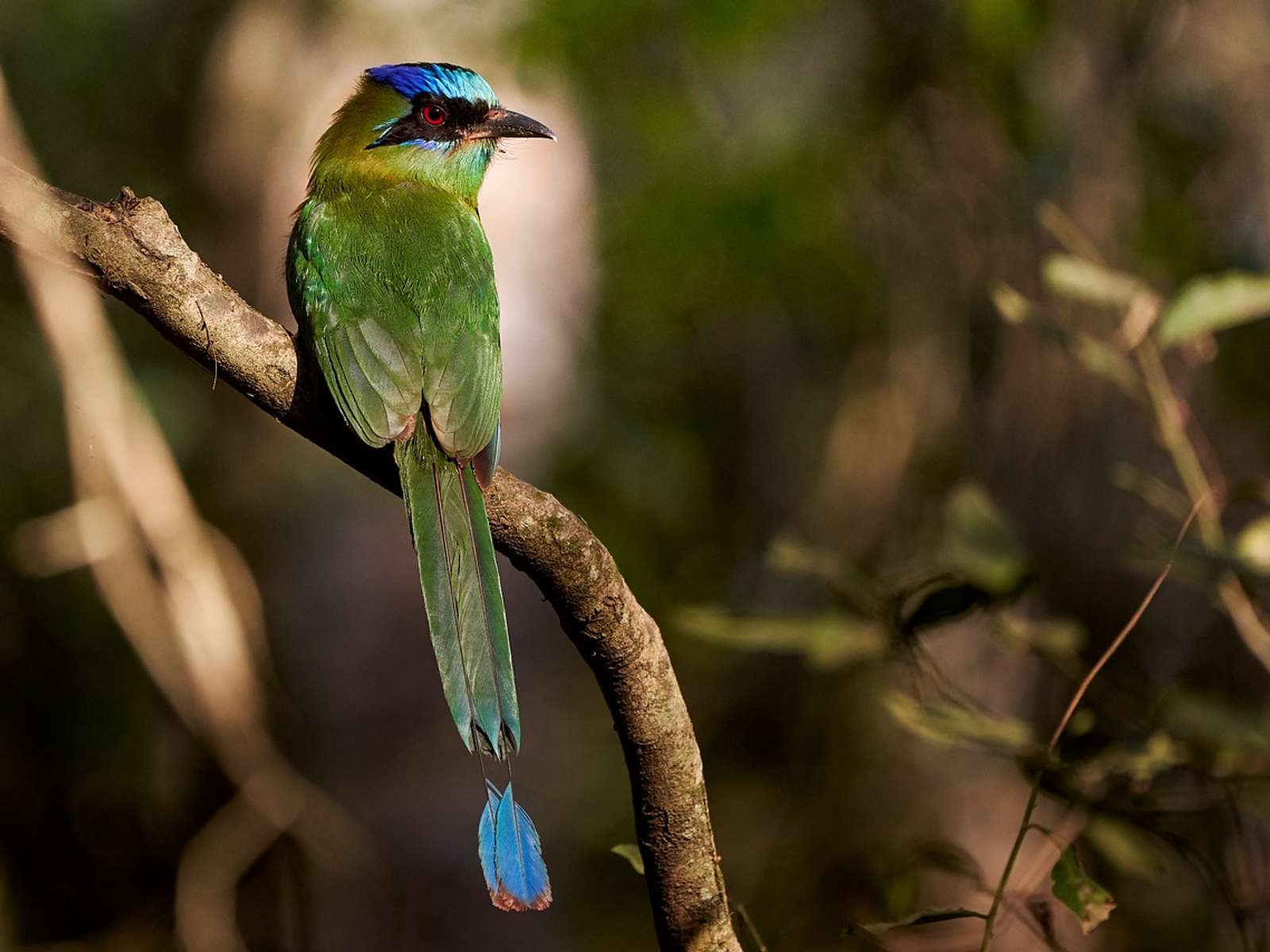
The American Ornithological Society has split the Guatemalan motmot from the russet-crowned motmot. Found only in the dry Motagua valley, it becomes Guatemala's first endemic bird species.

A Cornell-led review of nearly 400 studies in Current Biology finds birds move nitrogen and phosphorus between sea, lakes and land through their waste and bodies, feeding coral reefs and forests. Where seabird colonies vanish, reefs suffer.
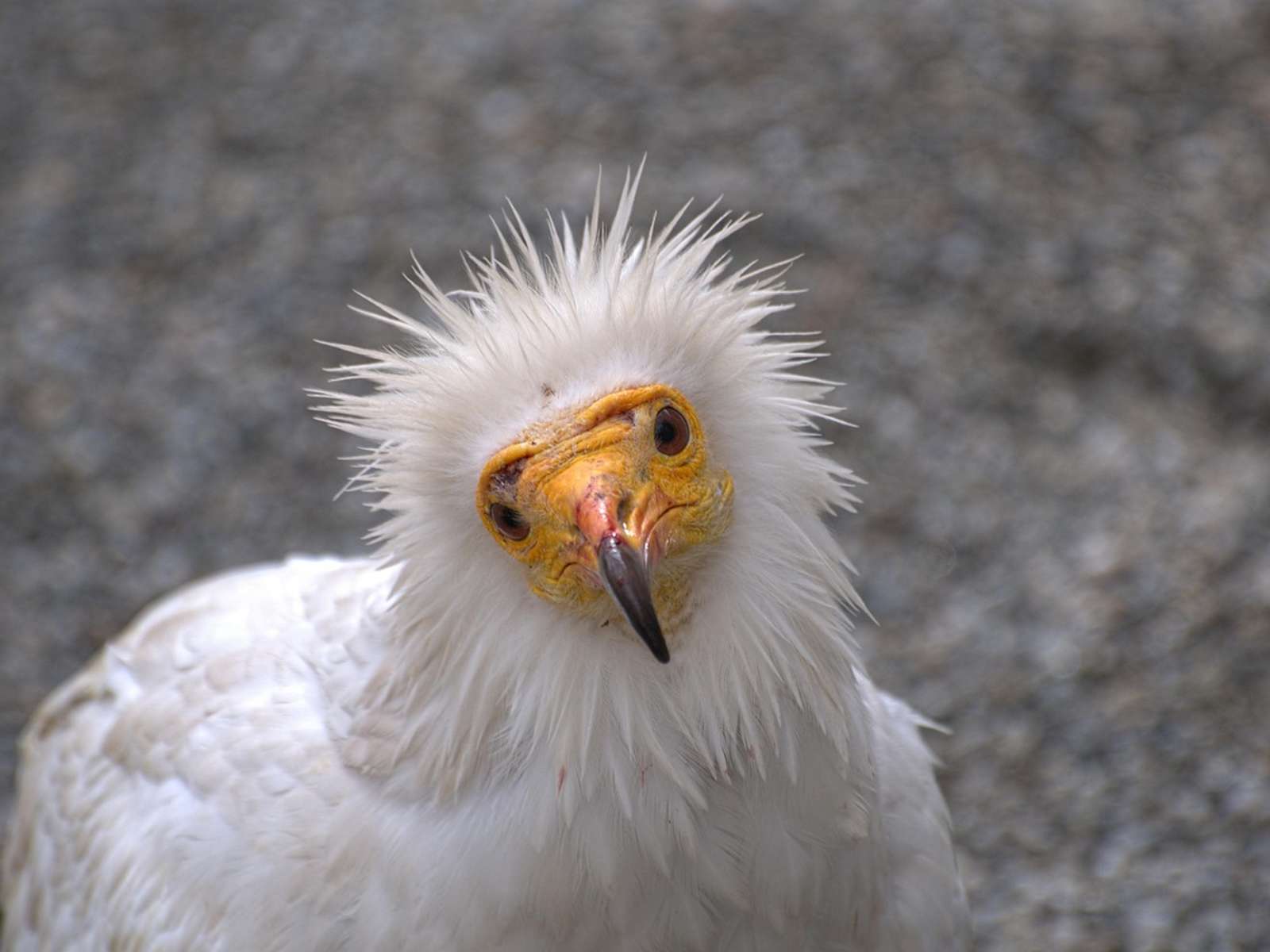
Brok, rescued from a Lebanese farm in 2021, and Qalamoon, found at an illegal wildlife facility, became parents at Prague Zoo when their chick Kali hatched on 12 July. Neither parent can return to the wild, but Kali joins Europe's breeding program.
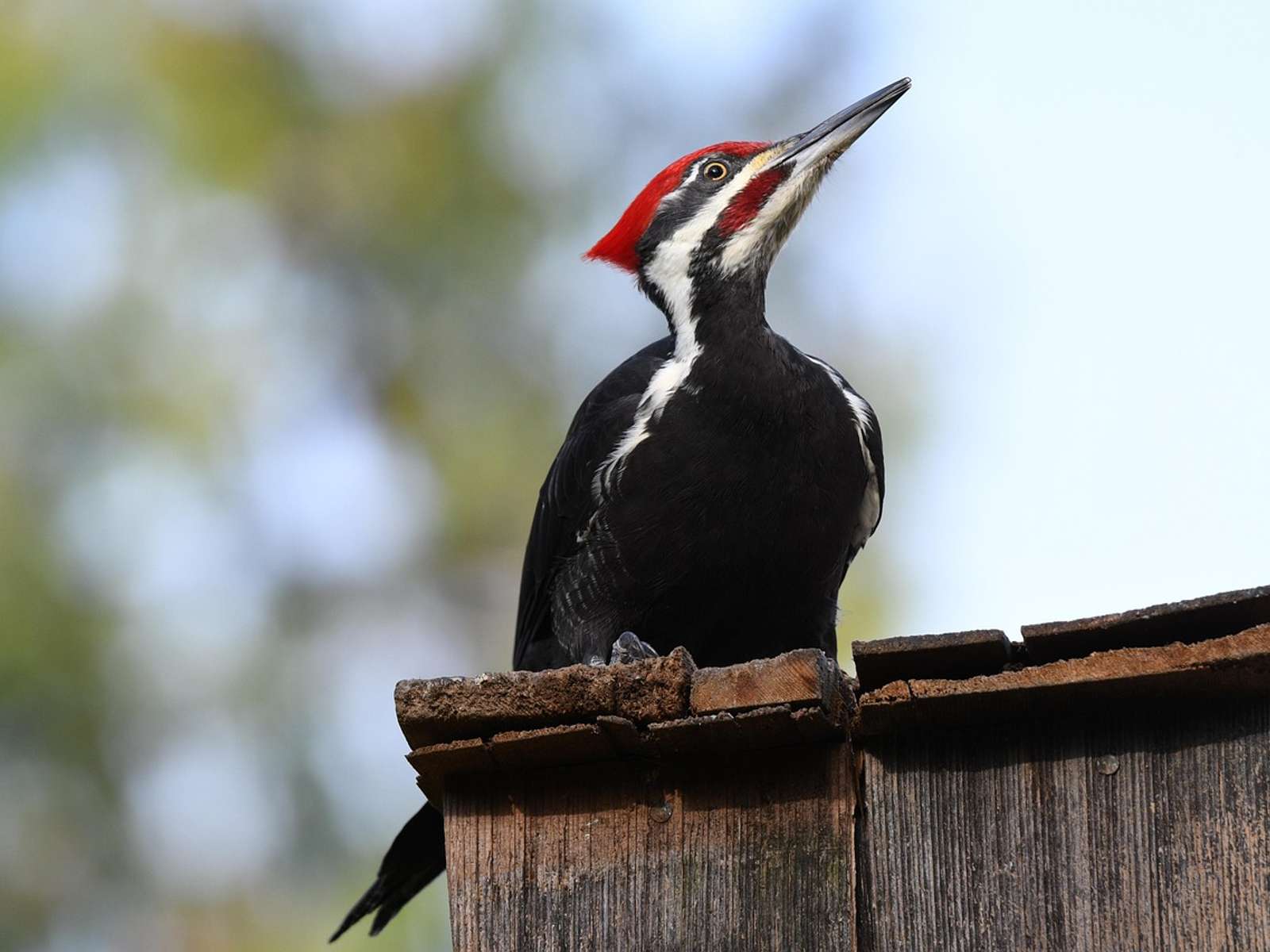
Researchers built an open 3D model of the imperial woodpecker, the largest woodpecker on record, unseen in the wild since 1956. It is based on a museum specimen photographed 288 times and the only film of the living bird, and anyone can download it.
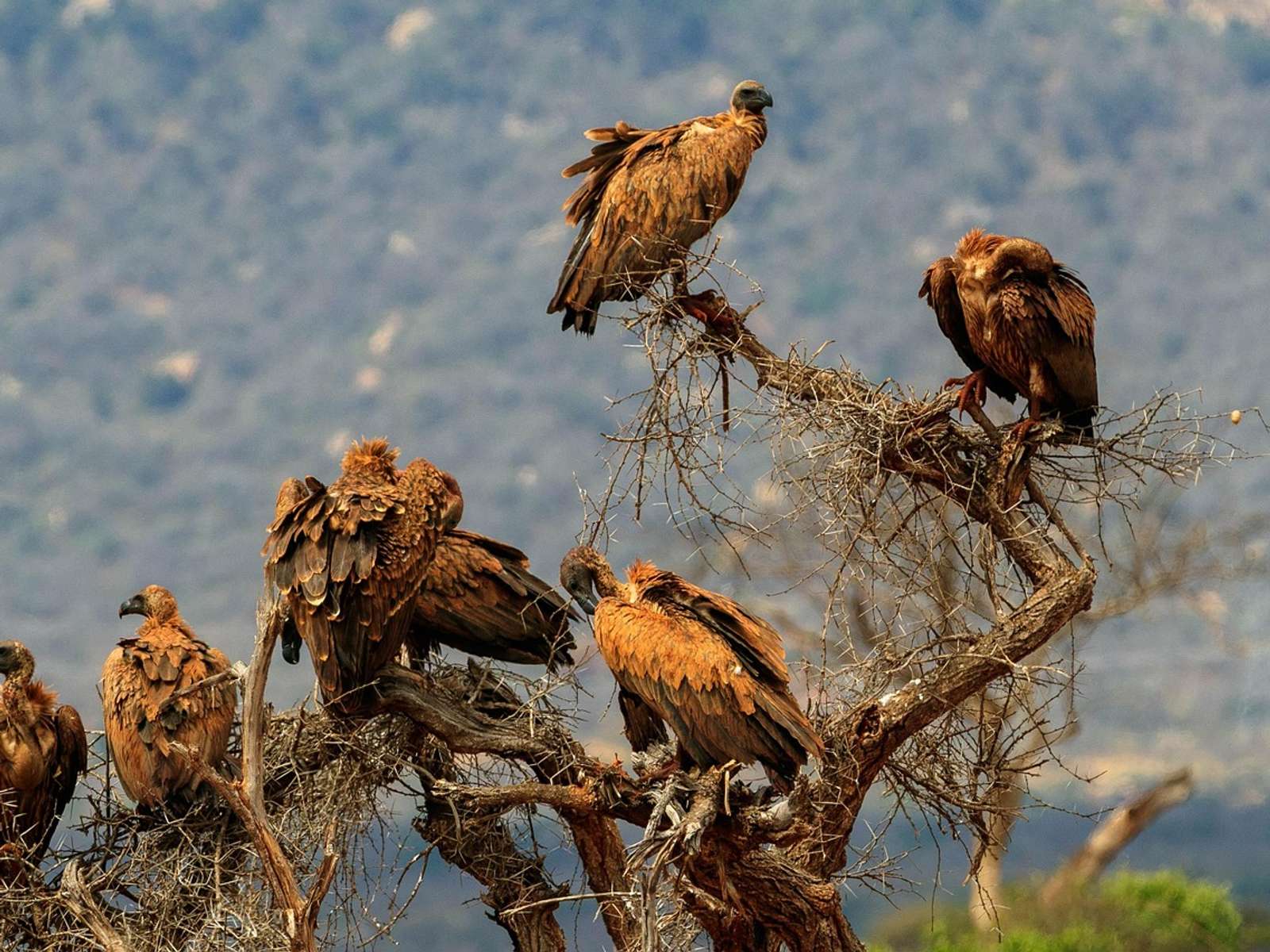
Since 1996, the African Bird Club has given £755,241 in small grants to 383 bird conservation projects in 53 countries and territories, from protecting coastal forest in Kenya to surveying waterbird colonies in Zambia.
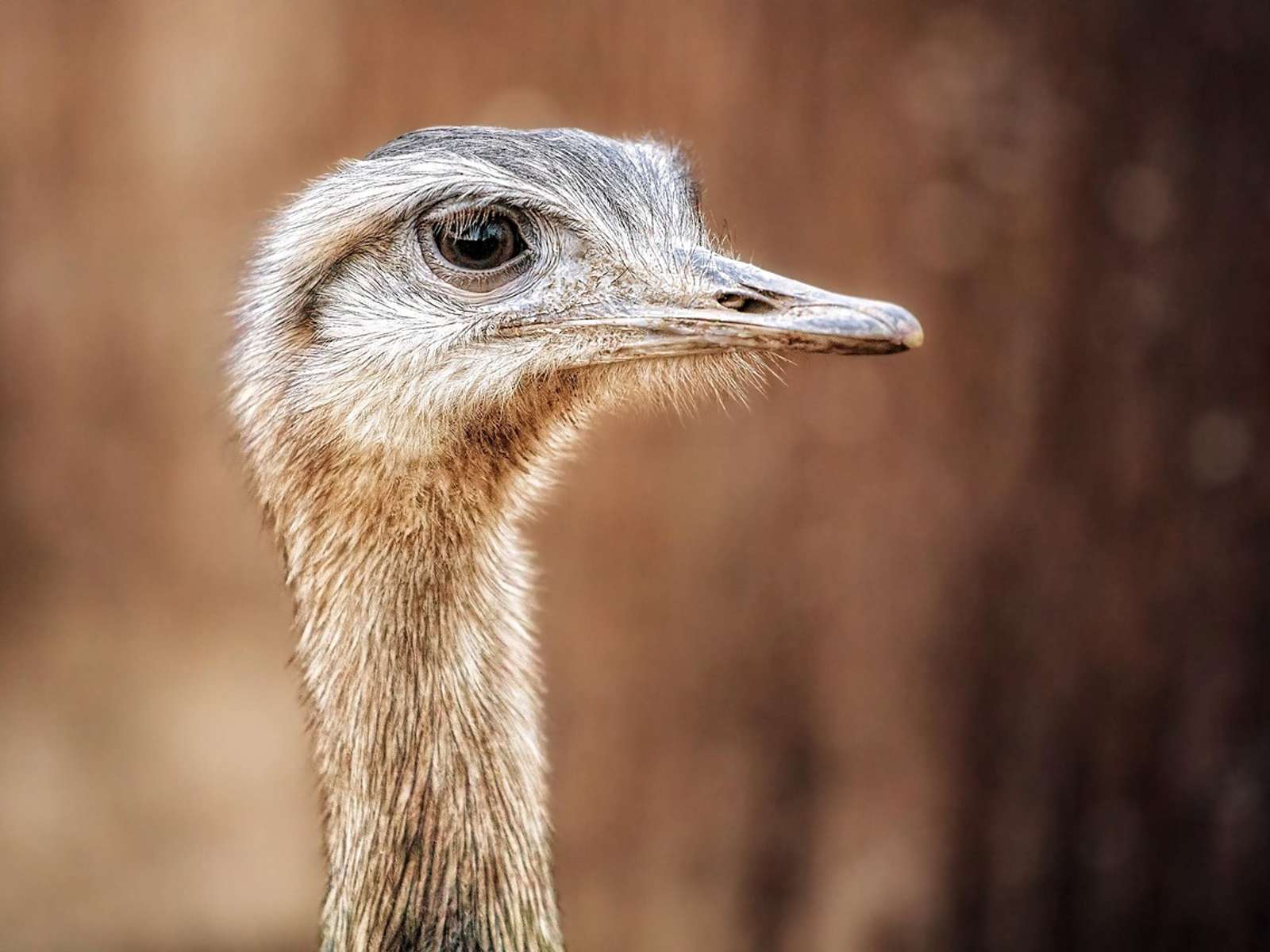
Rewilding Chile and its partners released 39 young Darwin's rheas into Patagonia National Park in March and April, part of a recovery program that began in 2014 for this endangered flightless bird.

A 13-year experiment at the El Ruedo wind farm in Cádiz, Spain, found that painting one of three blades black reduced bird deaths at those turbines by 74% compared with unpainted turbines.
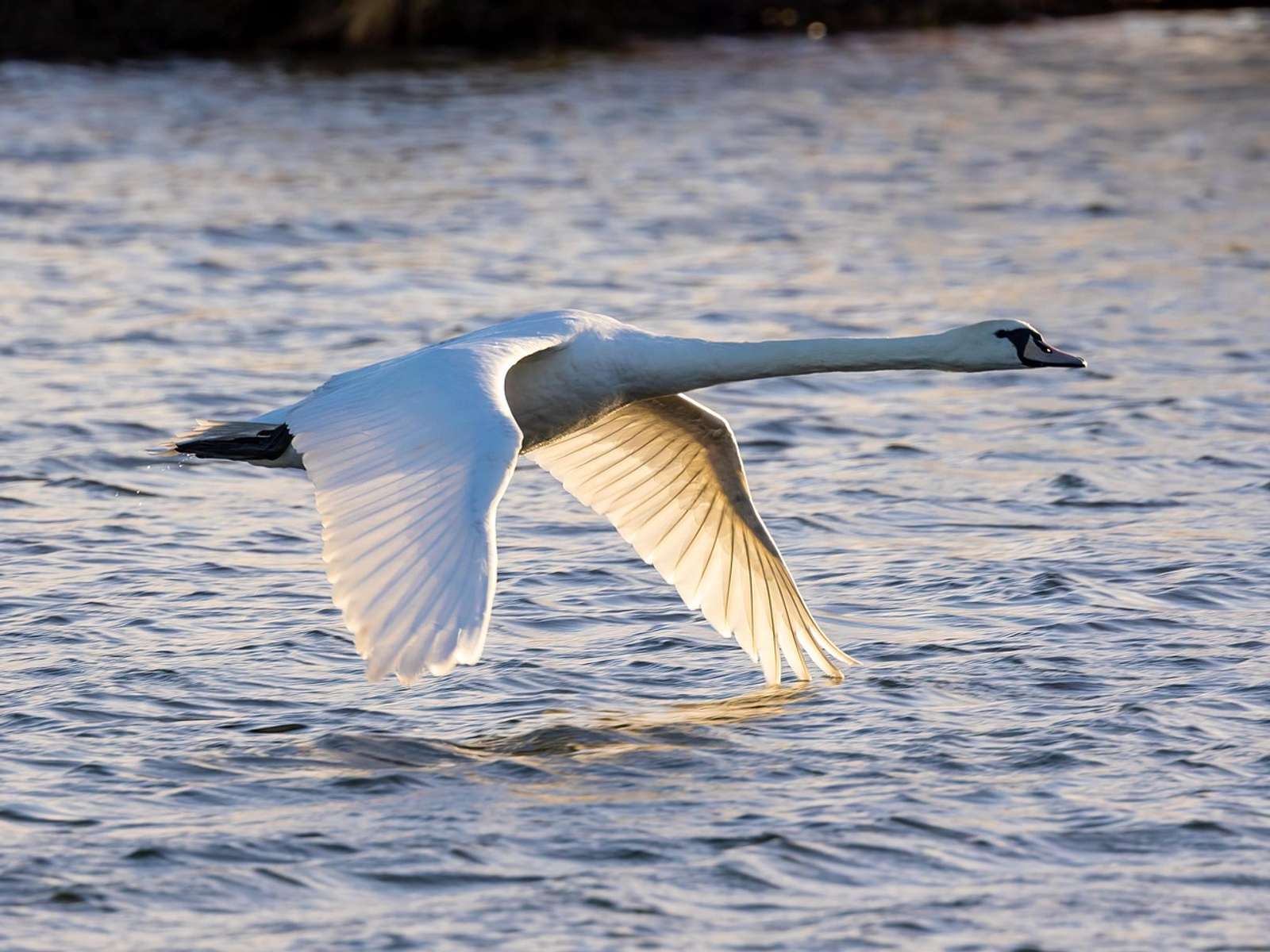
The European Parliament has rejected two attempts to block an EU-wide ban on lead gunshot, clearing the way for a rule that conservationists say will protect around 135 million birds at risk of lead poisoning.
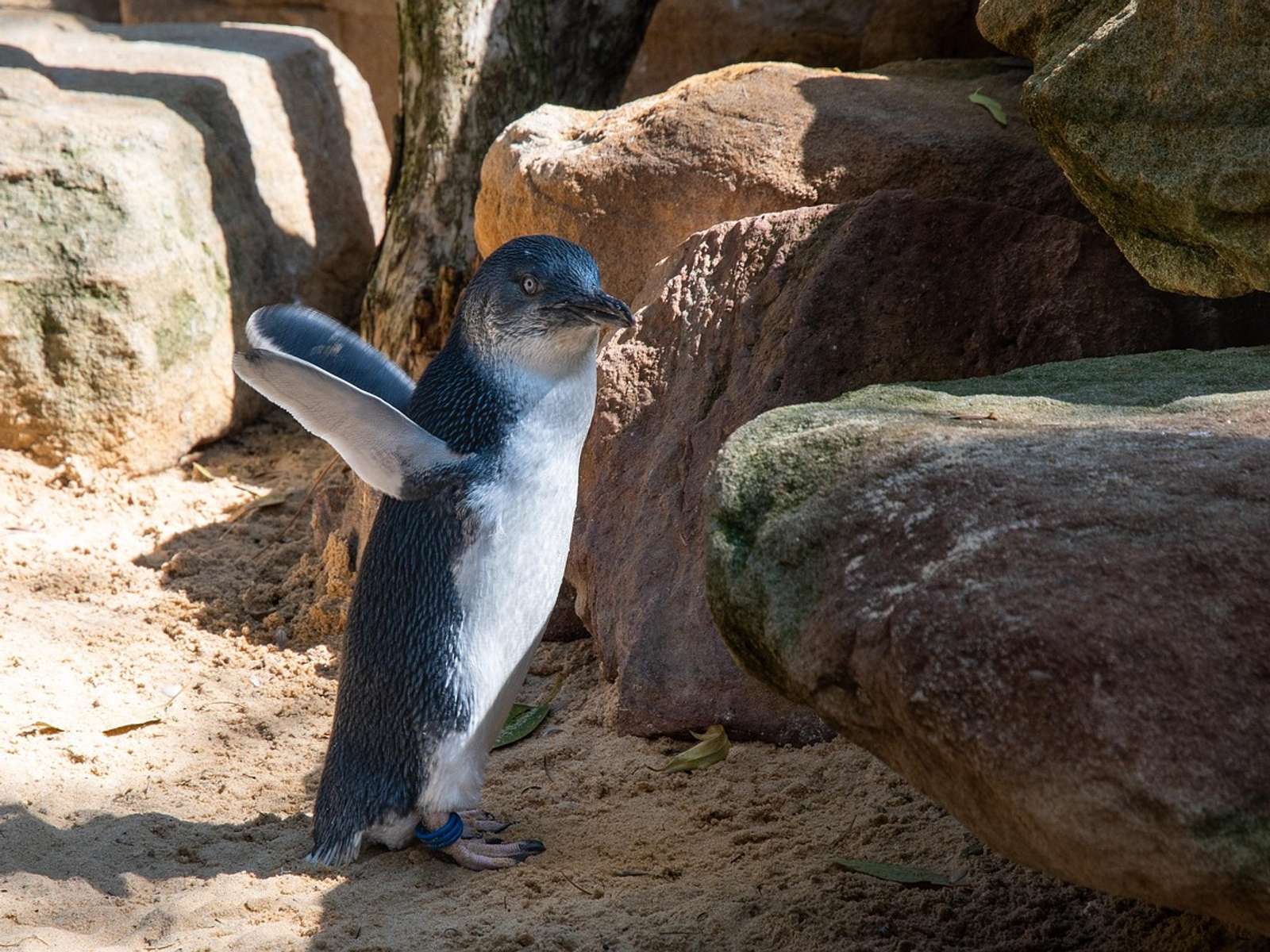
After almost 60 little penguins on Barunguba Montague Island got their first dose, NSW teams have started vaccinating birds on Big Island and Bowen Island against H5 bird flu, with two more islands to follow.

A five-year-old Philippine eagle rescued in Magpet, Cotabato, was carrying three airgun pellets. Vets removed two, and the critically endangered bird is under close care. The rescue also shows eagles still use a nesting territory last confirmed active in 1990.
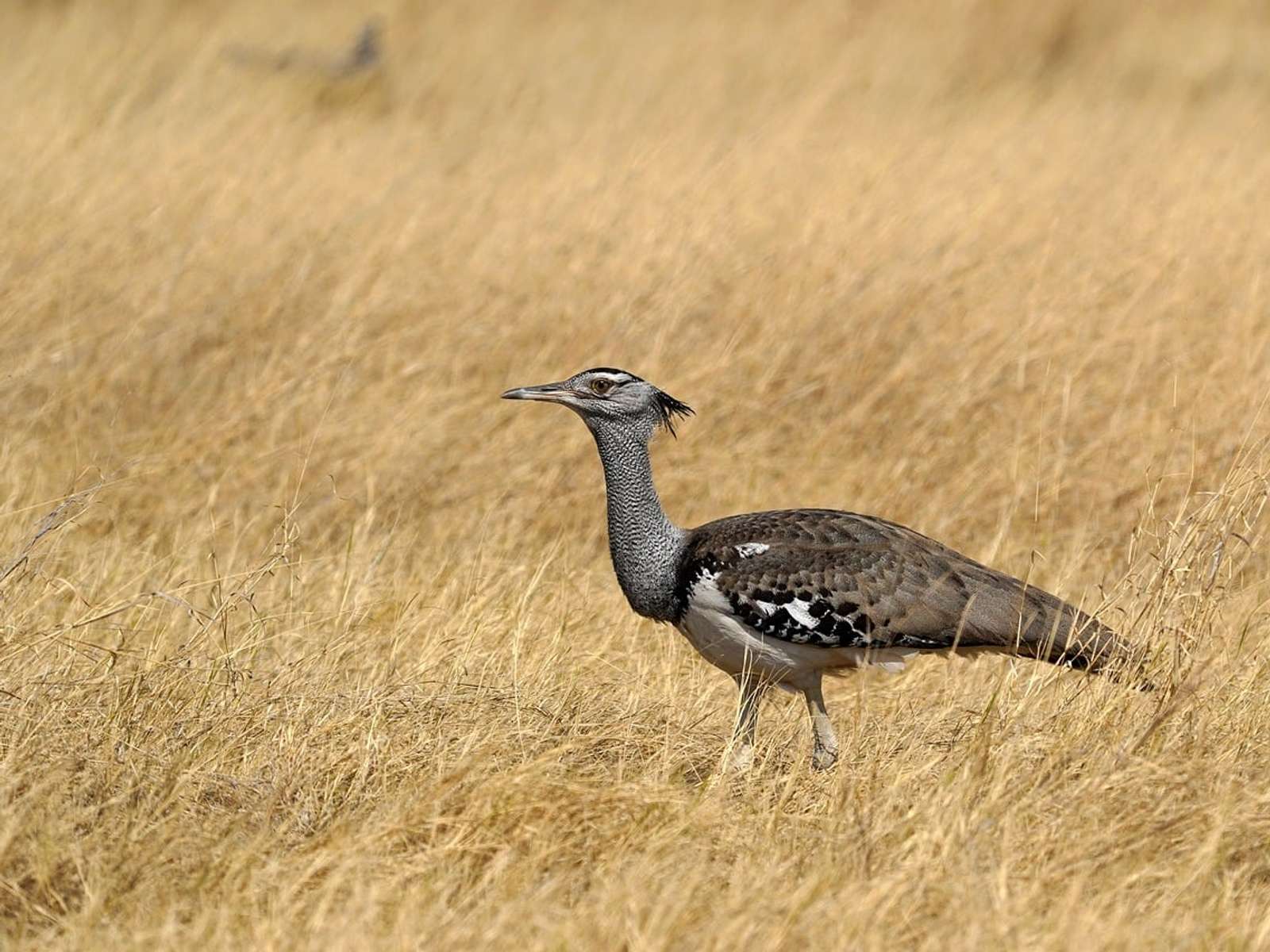
Two male Great Indian Bustards bred in captivity were released at Desert National Park in Rajasthan on 4 October, the first step from breeding the critically endangered bird to returning it to the wild.
About this topic
Nearly half of the world's bird species are in decline and more than one in eight are at risk of extinction, according to BirdLife International's State of the World's Birds 2022. The organization says the vast majority of these declines are driven by human actions, which also means people can reverse many of them.
The stories on this page show how. India released its first captive-bred Great Indian Bustards in October 2026 after a decade of breeding, and Rewilding Chile released 39 young Darwin's rheas into Patagonia National Park. In Spain, a 13-year experiment found that painting one wind turbine blade black cut bird deaths by 74%, and in New South Wales almost 60 little penguins got a bird flu vaccine. More than 23,000 volunteers counted 4.8 million migrating birds during EuroBirdwatch 2026.
Bird recoveries take years, and one release or one good breeding season is not a trend. We report the numbers the responsible organization gives and say how far a project has come.
Each story links to the conservation group, government or research team behind it.