Almost 60 little penguins get a bird flu vaccine as NSW takes its rollout to more islands
After almost 60 little penguins on Barunguba Montague Island got their first dose, NSW teams have started vaccinating birds on Big Island and Bowen Island against H5 bird flu, with two more islands to follow.
By Diego Callegari, Editor
· Australia · 3 min read
Source: NSW Department of Climate Change, Energy, the Environment and Water ↗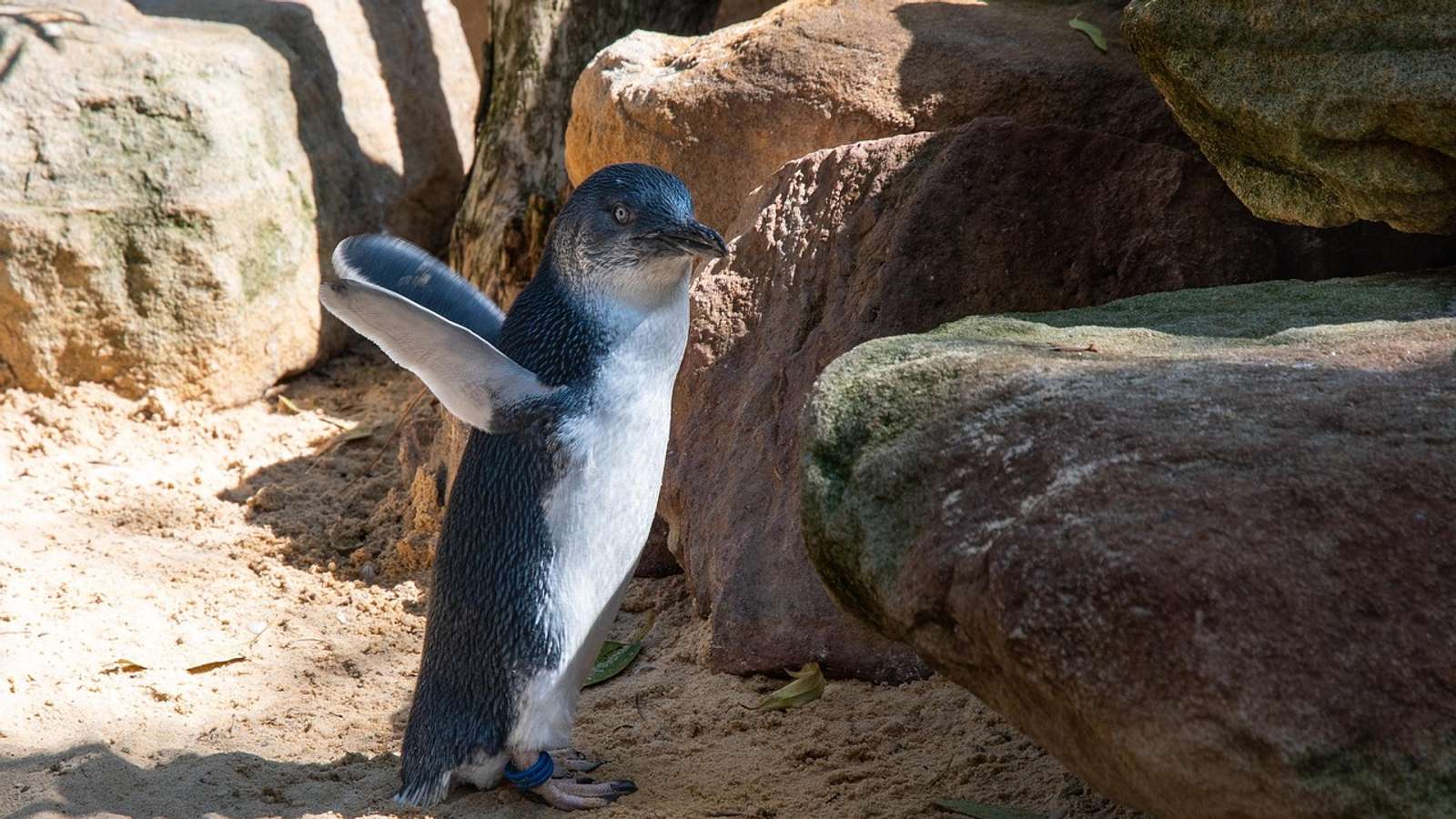
Wildlife teams in New South Wales have started vaccinating little penguins on Big Island and Bowen Island against H5 bird flu, after almost 60 penguins on Barunguba Montague Island received their first dose, the NSW government said on 1 October. Colonies on the Tollgate Islands and Snapper Island are next.
Each bird needs two doses, three to four weeks apart, which means every penguin has to be found and caught twice.
The virus reached the South Coast in August
The first native birds in NSW to test positive for H5 bird flu were two dead greater crested terns, one near Narooma on the South Coast and one near Wentworth in the far west, the state government announced on 8 August. Two migratory petrels found near Port Stephens in early July had been the state's first cases. At that point Australia had 215 confirmed detections, many of them in South Australia.
Montague Island lies off Narooma. The government had already flagged it in its outbreak planning as a high-risk site, because of the bird and fur seal colonies there and the migratory seabirds that arrive to breed each spring.
A penguin case followed a week later. On 15 August, authorities announced that a dead little penguin from Phillip Island in Victoria had tested positive for H5N1, AAP FactCheck reported. Phillip Island holds the world's largest little penguin colony, with around 40,000 birds.
Teams weigh and microchip every bird they catch
The work is slow. Teams first survey each island to pick safe operating areas, then locate and capture penguins on steep, rocky and often remote terrain. Each bird is weighed and microchipped so it can be identified when the team returns with the second dose.
At some sites, GPS mapping and motion-sensor cameras track nests and penguin activity after vaccination. The government said veterinarians and wildlife specialists helped plan how to keep disturbance low and how to respect the cultural significance of each site.
“These vaccination operations are a major logistical undertaking. Our teams are navigating difficult terrain and challenging conditions because protecting our Little Penguins is too important to ignore.” — Penny Sharpe, NSW Minister for the Environment
NSW announced its vaccination program on 28 August, beginning with trial groups of little penguins and two species of black cockatoo at Taronga Conservation Society Australia, and with plans to vaccinate wild penguins at Manly in Sydney. Captive wildlife facilities are now moving through the approval process to vaccinate their own birds.
Victoria is aiming for more than 5,000 birds
The NSW islands are a small part of a national effort. Victoria said in August it would vaccinate more than 5,000 wild little penguins at Phillip Island and St Kilda, what Phillip Island Nature Parks chief executive Catherine Basterfield said "is believed to be the world's largest vaccination program involving wild birds." Federal Agriculture Minister Julie Collins said Canberra has put more than A$113 million into H5 preparedness, including almost A$2 million for vaccines and trials.
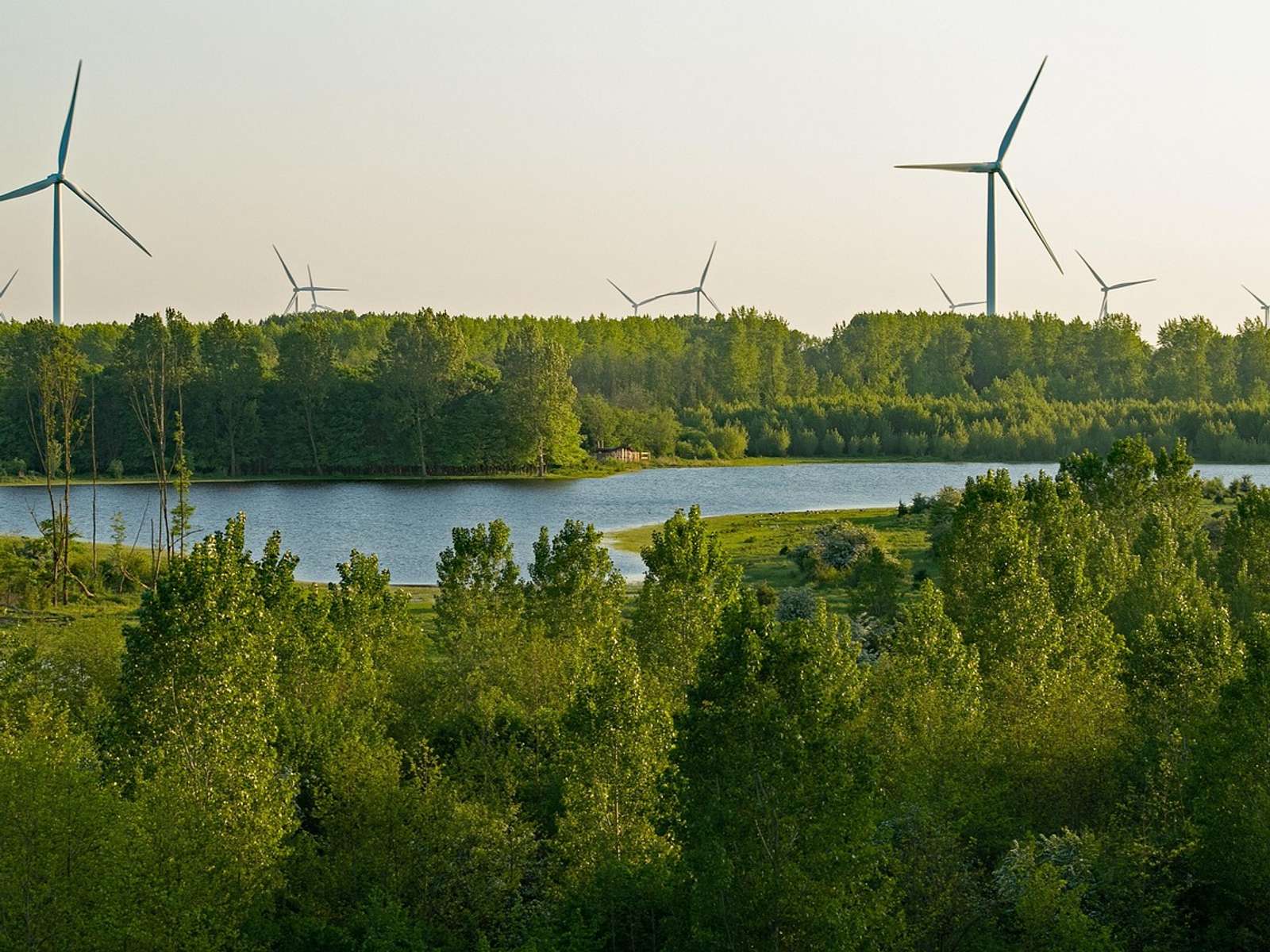
Neither state claims the shots will stop the virus. NSW called vaccination "not a standalone solution or a silver bullet," one tool alongside surveillance, biosecurity and conservation work. The South Coast program is also meant to show how vaccination can support wildlife in future outbreaks, Sharpe said. Simple measures can protect wild birds from other threats as well: at a Spanish wind farm, painting one turbine blade black cut bird deaths by 74%.
NSW Agriculture Minister Tara Moriarty said the public continues to play "a critical role" in surveillance. People who find sick or dead wildlife are asked not to touch it and to report it to the Emergency Animal Disease Hotline on 1800 675 888.
Sources
- NSW Department of Climate Change, Energy, the Environment and Water · environment.nsw.gov.au
- nsw.gov.au
- aap.com.au
How we choose and verify sources: editorial policy.