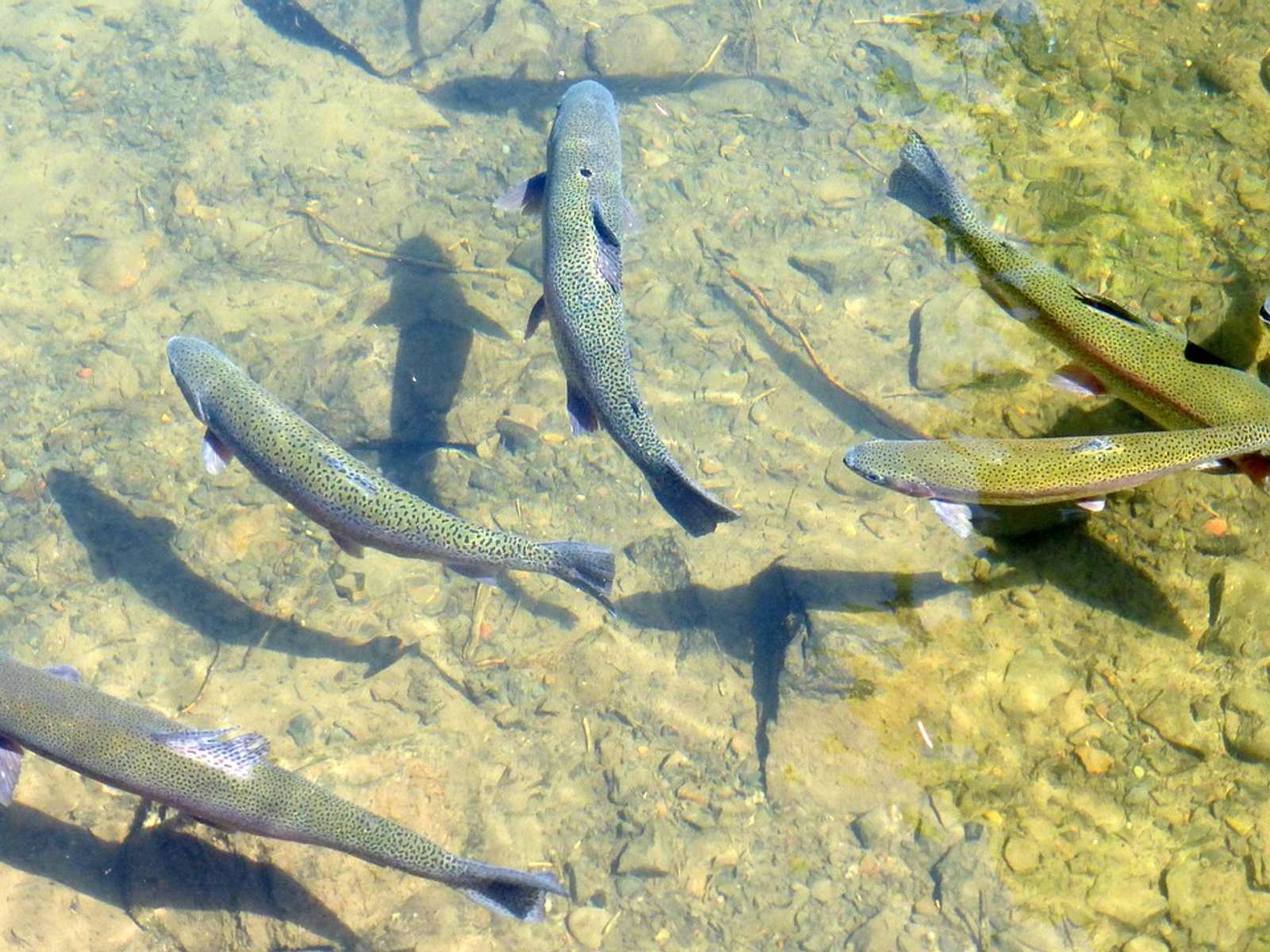
MIT and USDA researchers built food-grade silk microneedles coated in shellac that stick to fish skin underwater, release vaccines and then dissolve. In rainbow trout they worked on fish as small as 1 to 2 grams.
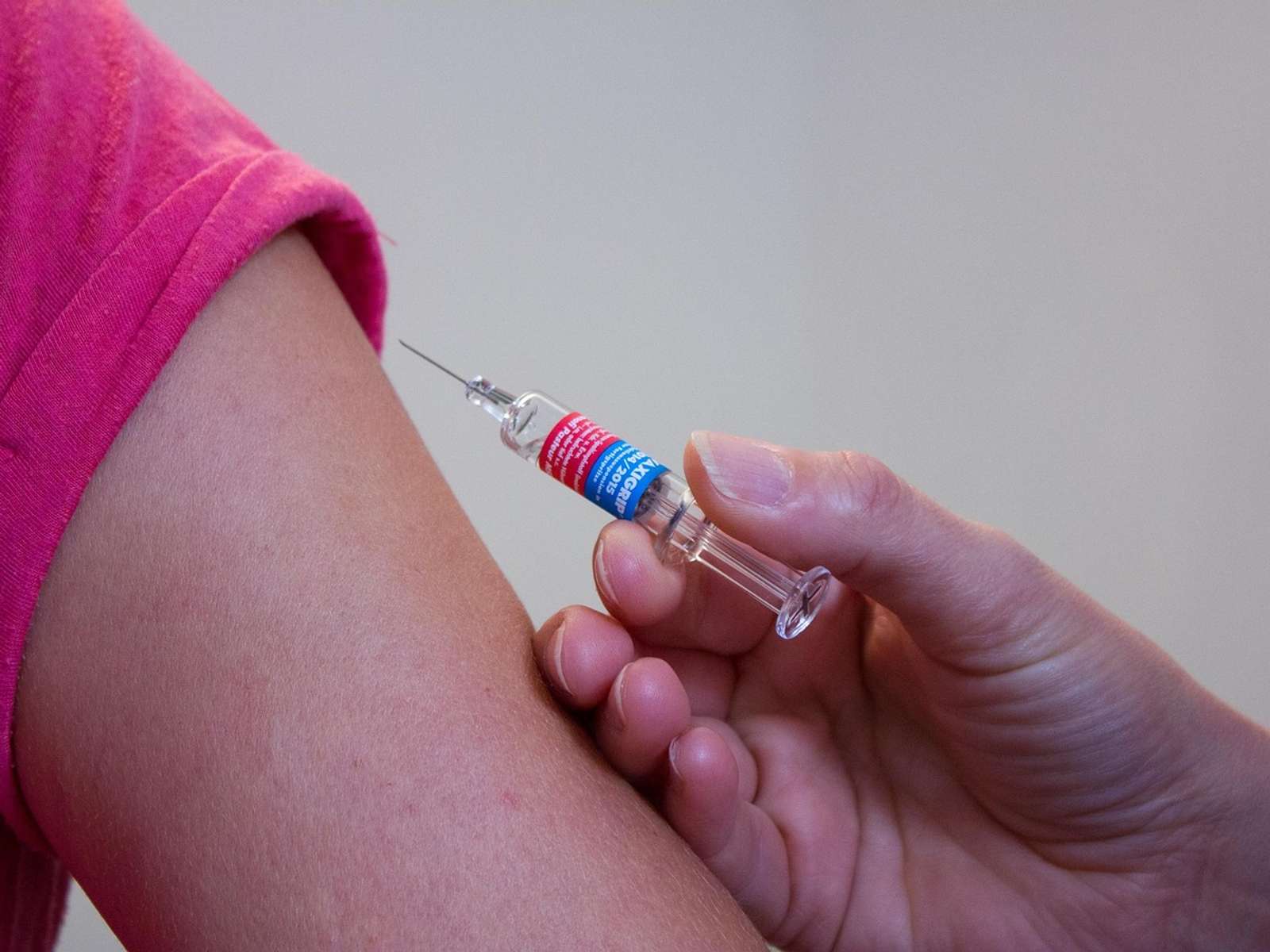
Tajikistan's health ministry, with UNICEF and Gavi, is vaccinating about 836,000 children aged 6 months to 5 years against measles and rubella in 53 cities and districts, after 570 confirmed measles cases this year.
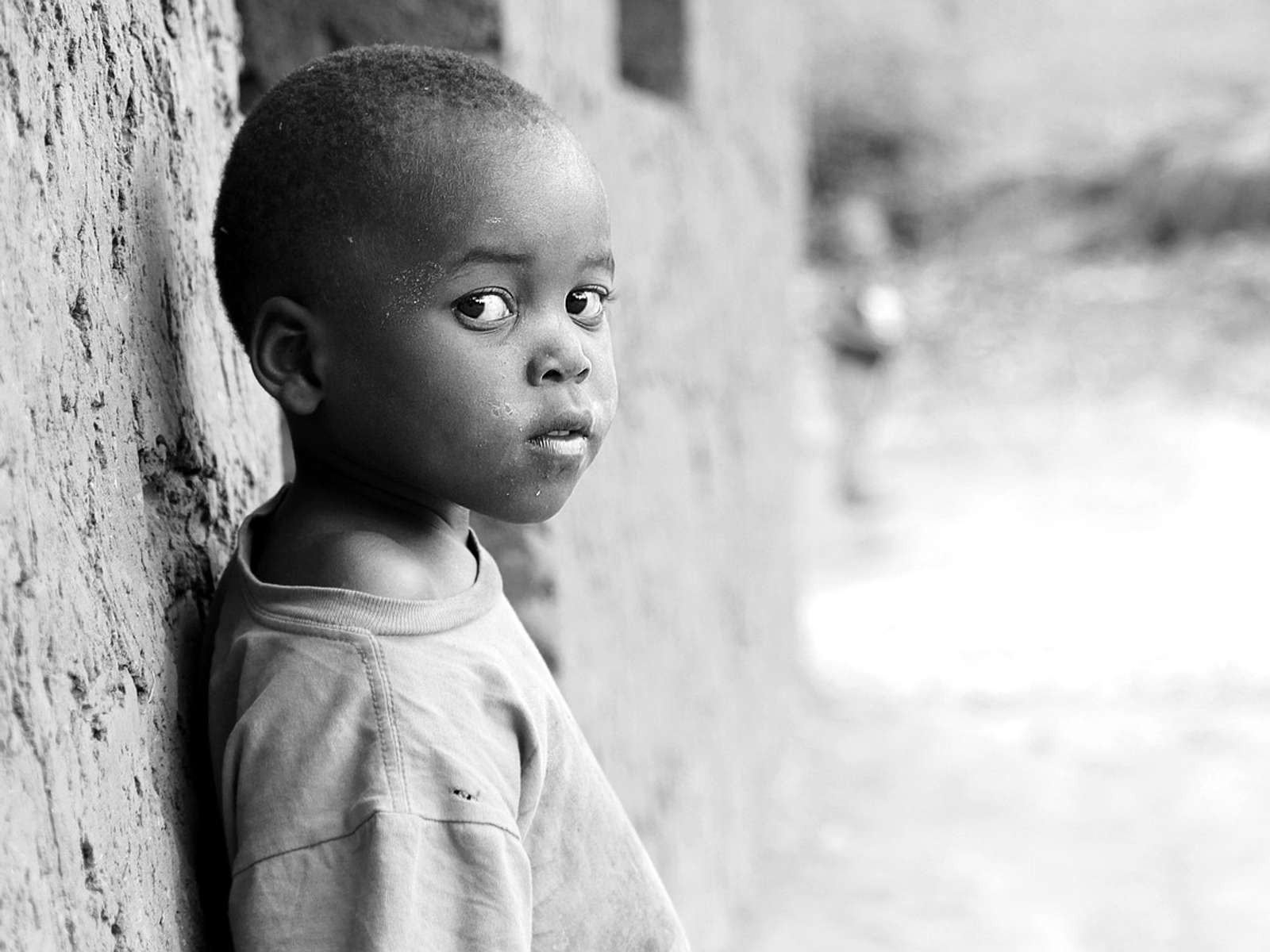
Gavi and UNICEF have secured a price of €5.50 a dose for the RTS,S malaria vaccine, about 40% lower, saving roughly US$50 million in 2027 to 2029. That could fund the full course for up to one million more children.
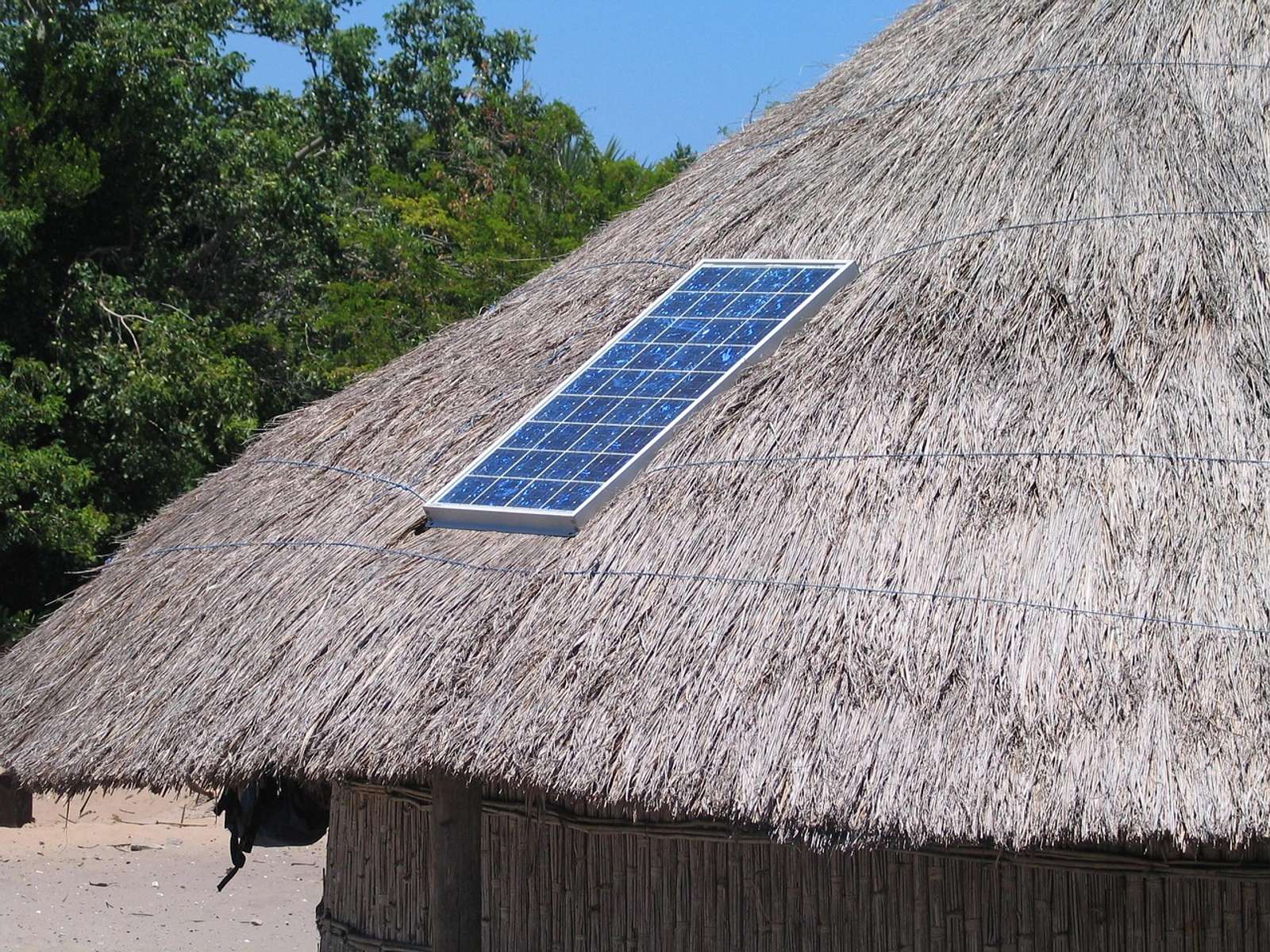
A solar system handed over by UNICEF with KOICA funding now powers the health center, a school and the community center in Vila Maumeta on Atauro, serving 2,155 residents. Vaccine fridges and emergency care no longer stop at midnight.
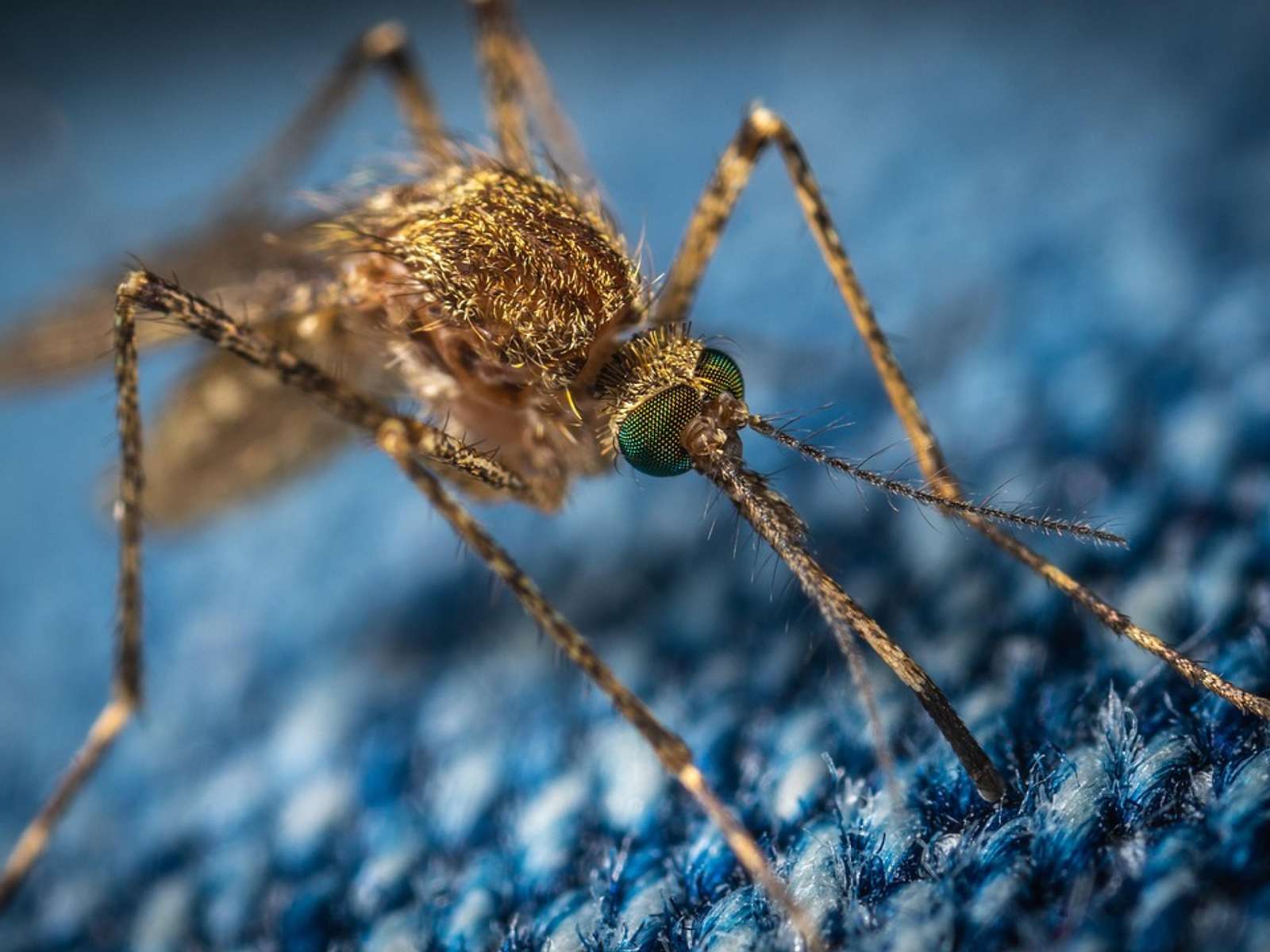
Brazil's health regulator Anvisa has approved a phase 1 trial of Vivaxin, a vaccine against Plasmodium vivax malaria developed by USP and UFMG. Recruitment of 48 healthy adults is due to start in January 2027.
Solar systems installed at 296 health facilities in Zambia now power maternity wards, labs and 200 vaccine fridges for about 1.5 million people, UNICEF said. At one rural health post, nurses no longer deliver babies by phone light.
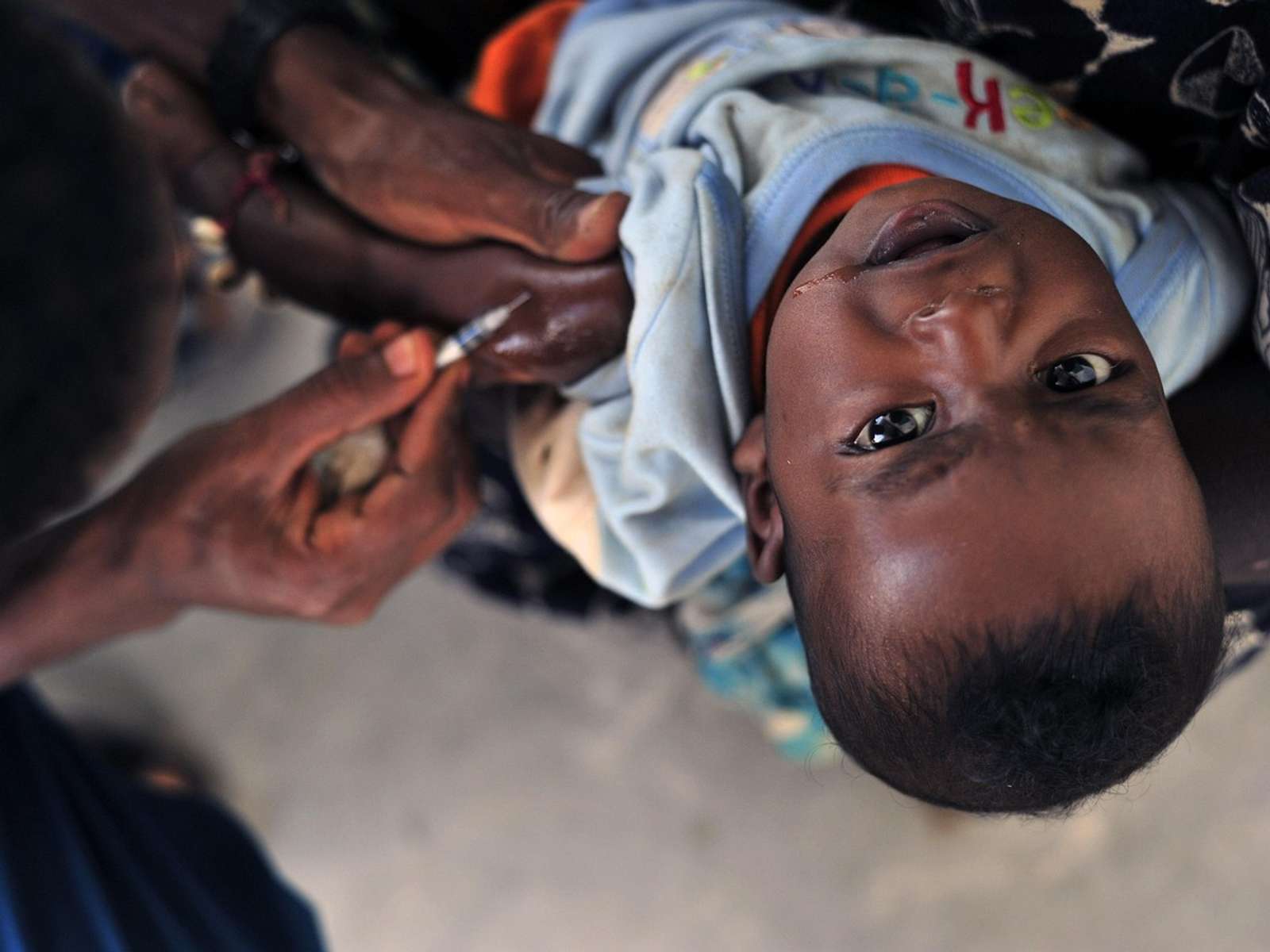
WHO's European experts have validated Albania and Armenia as having reached the region's hepatitis B control targets. Surveys found no infections among children aged 6 to 8 after more than 20 years of vaccination.
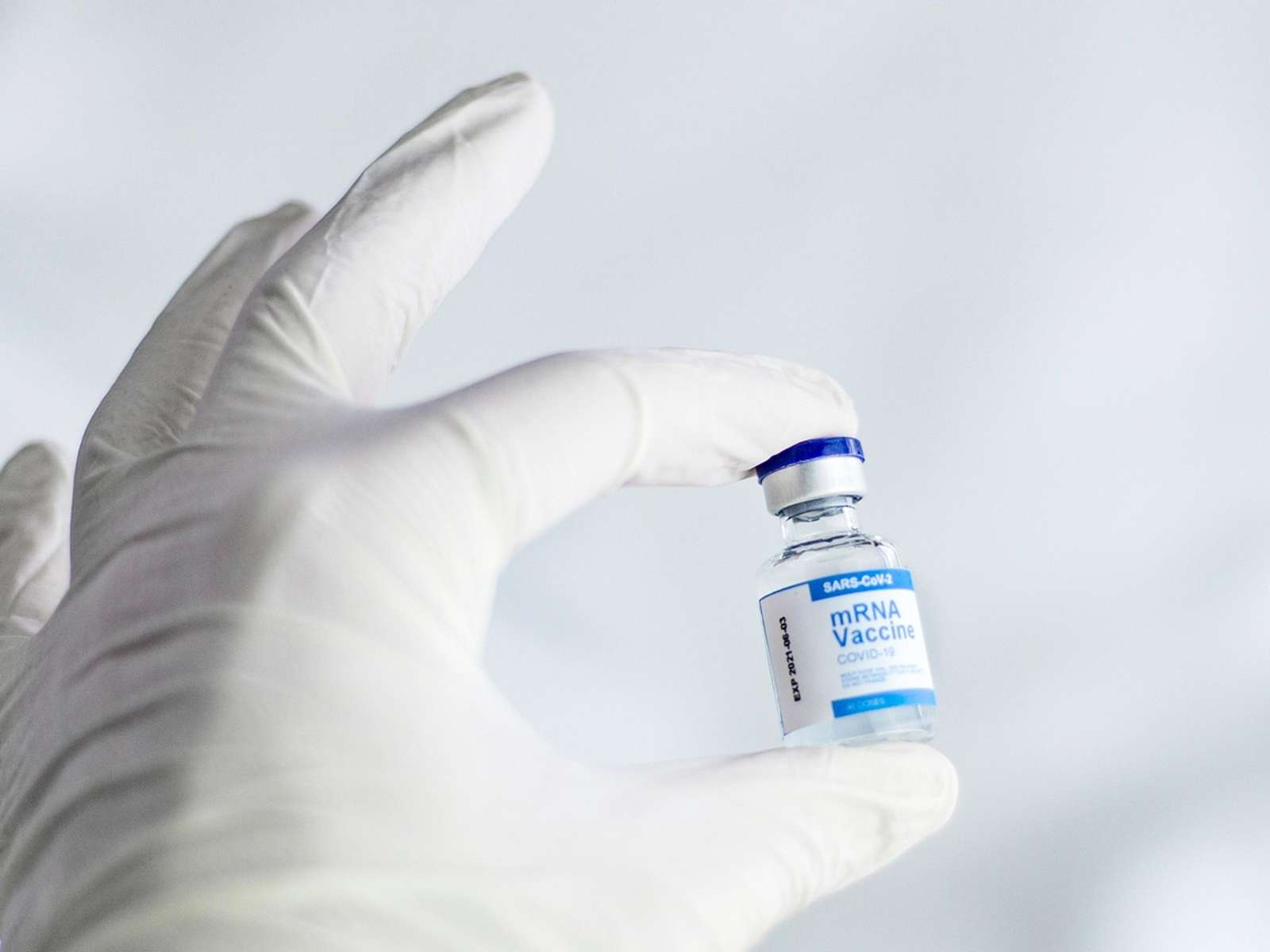
An AI-guided recipe kept mRNA vaccine particles stable for up to a year at room temperature and two months near body heat. The results so far come from cell and mouse studies.
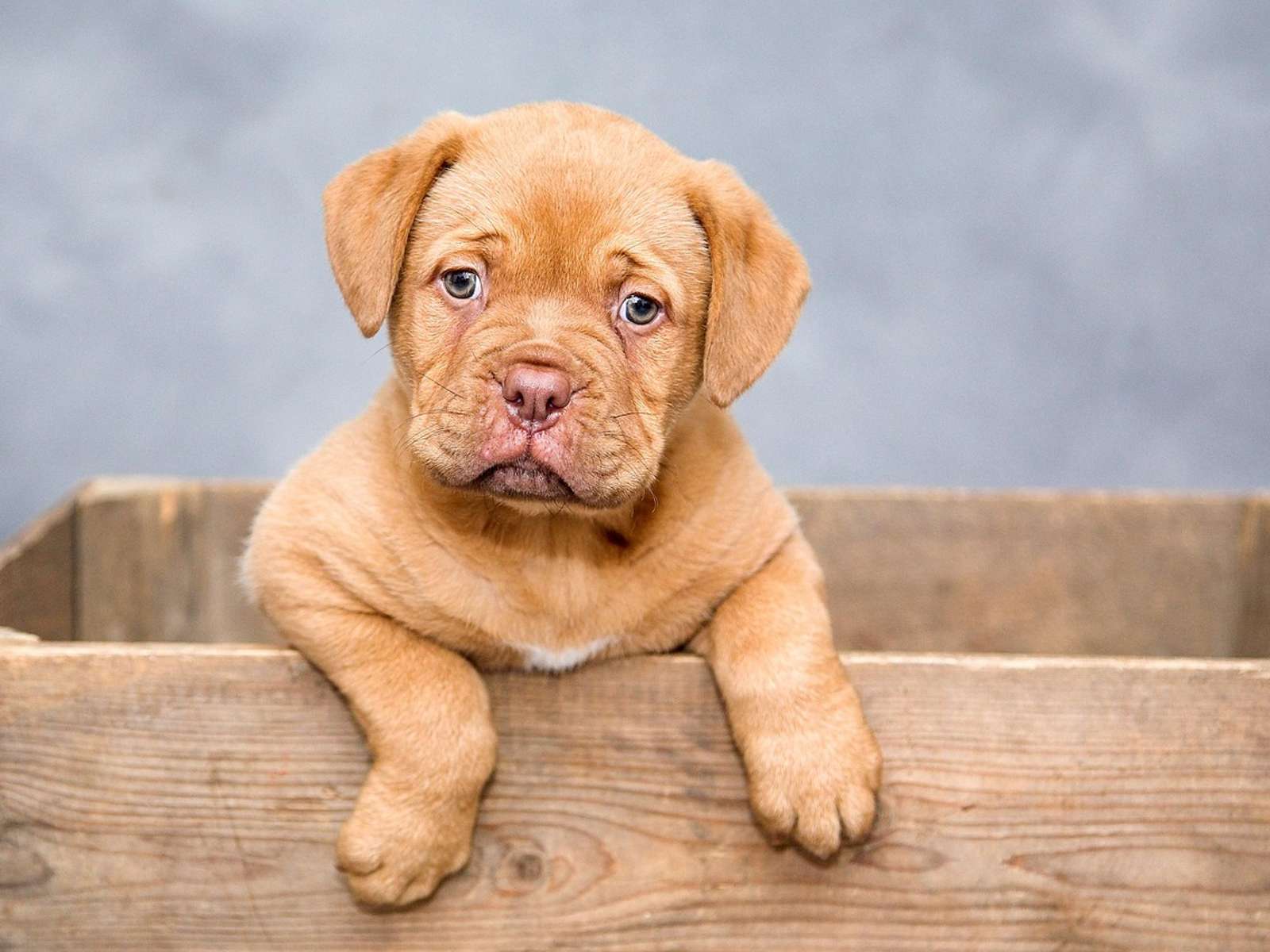
Lao health and agriculture ministries marked World Rabies Day in Vientiane with free pet vaccinations and a renewed goal of ending human deaths from dog-transmitted rabies by 2030.
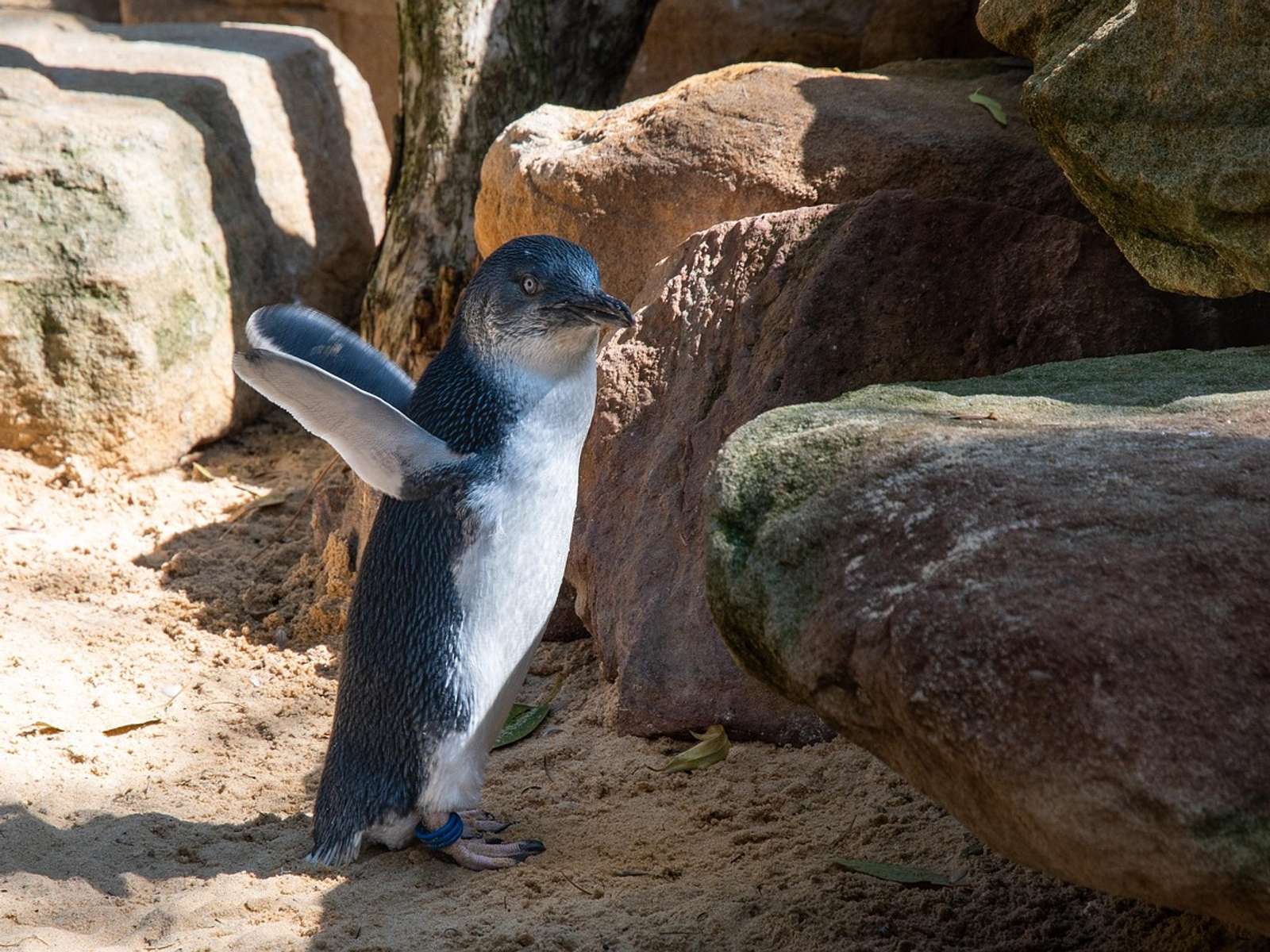
After almost 60 little penguins on Barunguba Montague Island got their first dose, NSW teams have started vaccinating birds on Big Island and Bowen Island against H5 bird flu, with two more islands to follow.
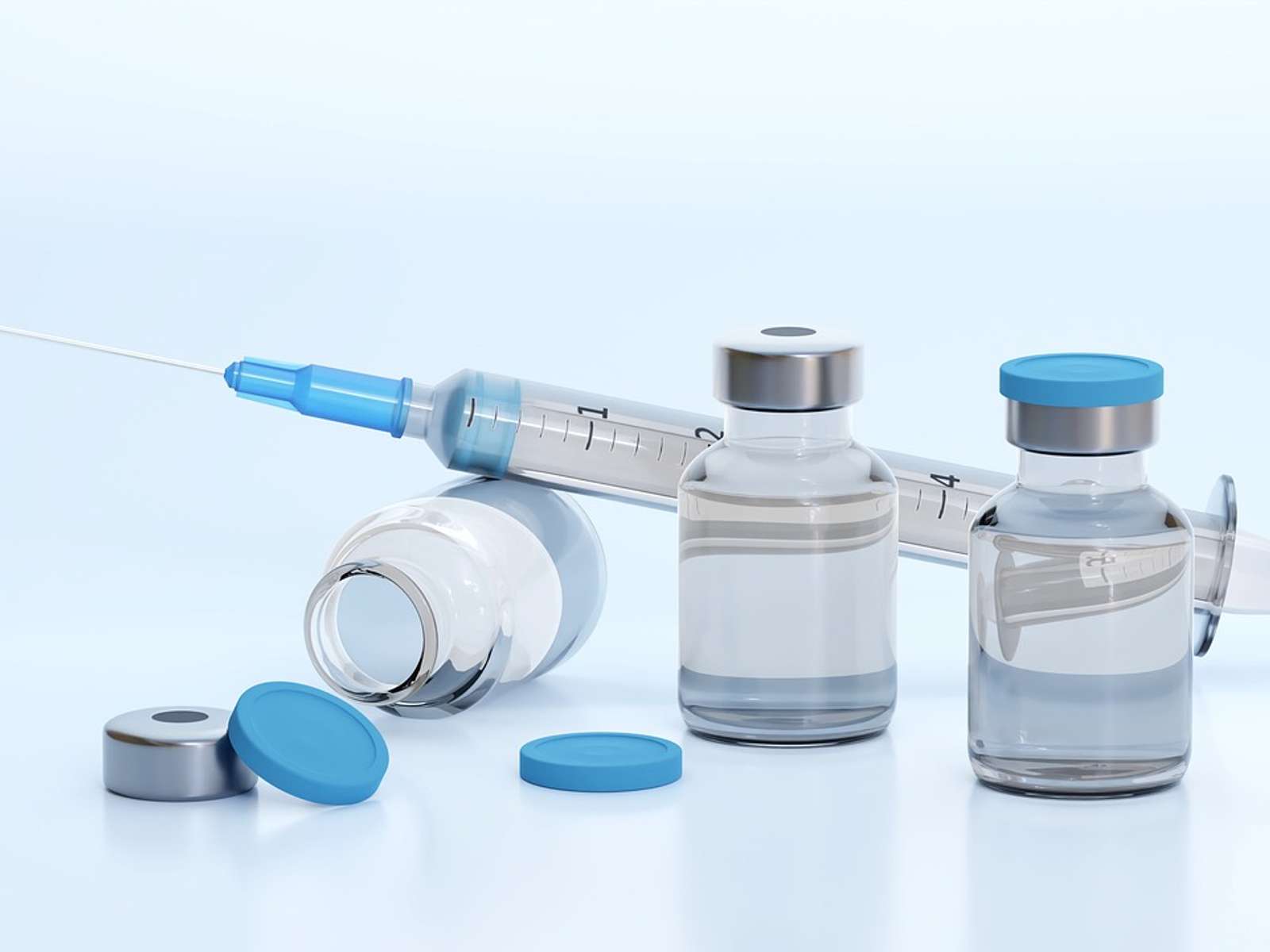
Volunteers in Masaka, Uganda, have received the first doses of ChAdOx1 BDBV, an Oxford-developed vaccine against Bundibugyo virus disease, a severe form of Ebola that has no licensed vaccine. The phase I trial will test safety and immune response.