MIT designs dissolving silk microneedles to vaccinate fish as small as 1 gram, underwater
MIT and USDA researchers built food-grade silk microneedles coated in shellac that stick to fish skin underwater, release vaccines and then dissolve. In rainbow trout they worked on fish as small as 1 to 2 grams.
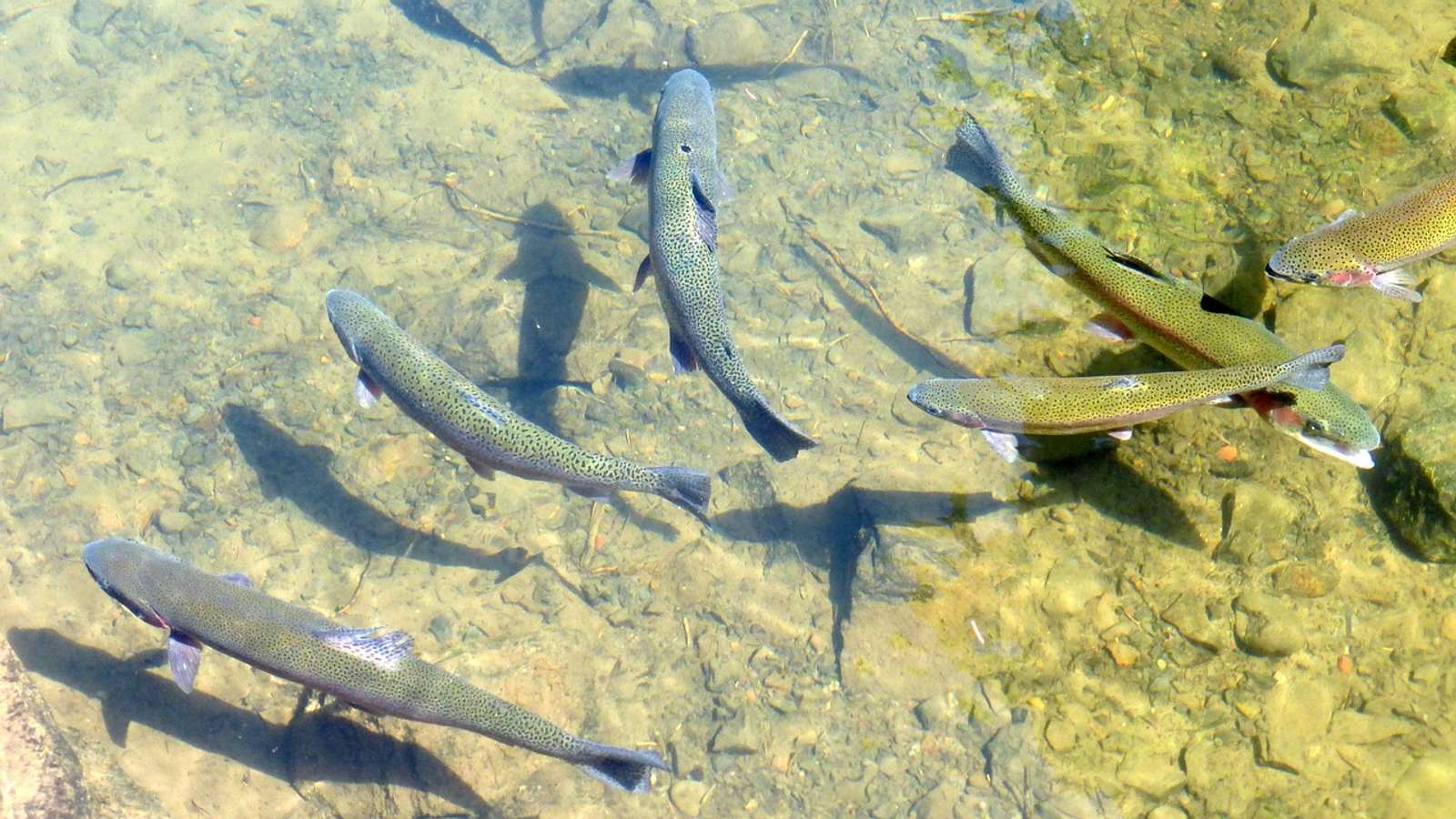
Engineers at MIT have designed tiny dissolving needles that could vaccinate farmed fish underwater, without lifting them from the water one by one, MIT News reported on 2 November. The study, with the US Department of Agriculture (USDA), was published in ACS Nano.
Why vaccinating fish is so hard
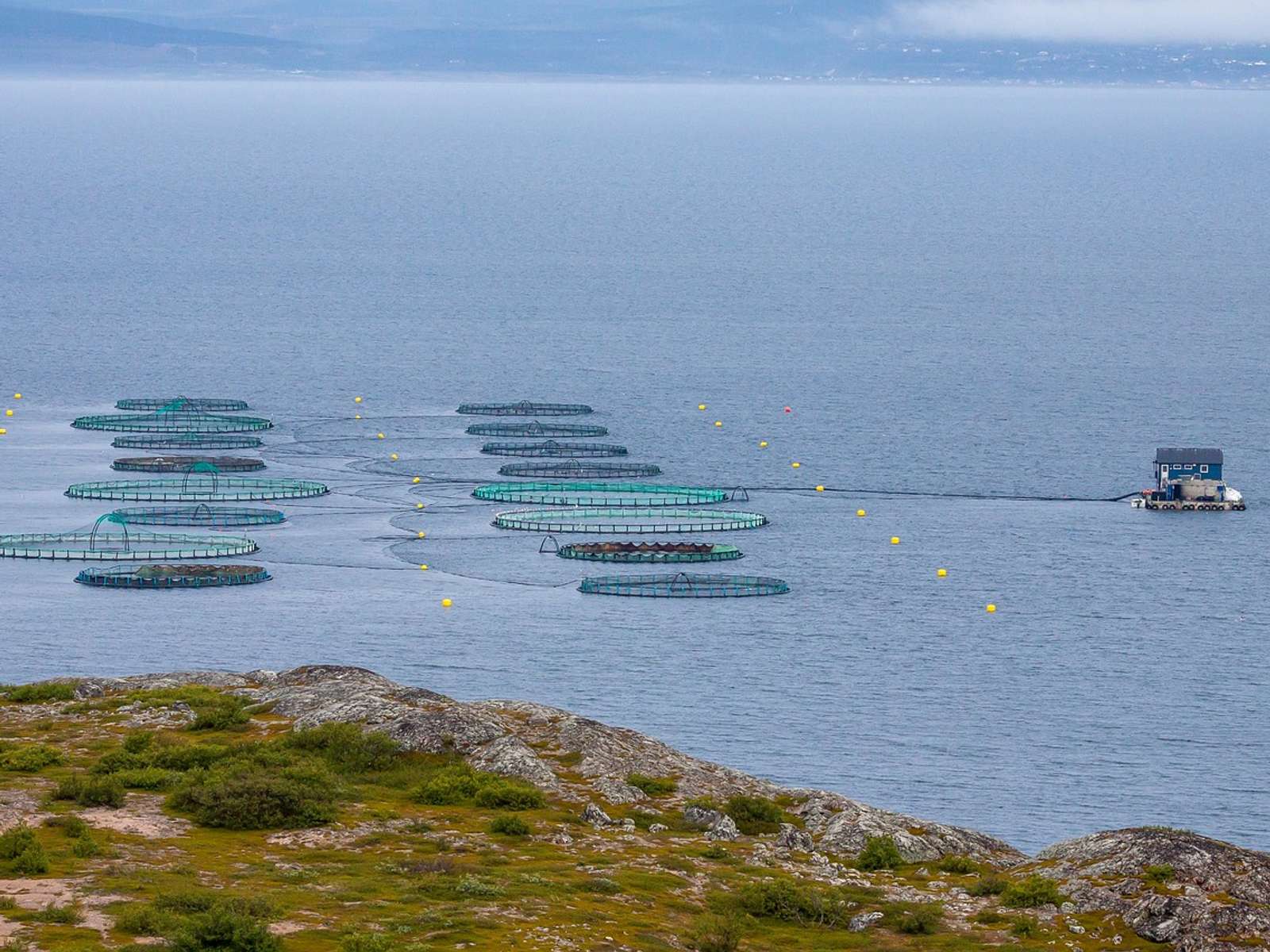
Disease outbreaks cause major losses on fish farms. Vaccines in feed may not reach every fish, and immersion baths need far more vaccine and are not fully effective. Injection with metal needles works best, but the fish must be sedated, lifted onto a conveyor, injected one at a time and returned quickly to the water. That is stressful for the fish, labor-intensive, risks spreading blood-borne disease and can injure workers. It also usually is not practical until fish weigh about 30 grams, although vaccines work best early in life.
“Our approach could give farmers a more precise tool to maintain fish health.” — Benedetto Marelli, MIT
Silk, shellac and a hollow tip
The microneedles are made from silk fibroin, a food-grade protein, with a hollow tip. Early versions dissolved too quickly in water, so the team added a thin coat of shellac, a food-grade resin, as a water-resistant barrier. The needles lightly pierce the skin, stay attached, release the vaccine and then break down. Some designs release within about 15 minutes, others over 10 to 24 hours, and they can carry different vaccine types, including DNA vaccines.
In tests with rainbow trout, the needles delivered vaccines underwater to fish as small as 1 to 2 grams. After four weeks of dry storage, about half of a DNA vaccine's structure was preserved, which matters on rural farms without cold storage. The work was led by Professor Benedetto Marelli, with first author Meng Li and Gregory Wiens of the USDA's National Center for Cool and Cold Water Aquaculture.
Not on fish farms yet
The researchers call the study an important first step; more work is needed before the needles can be used at scale on farms. Fish farming matters for food supply: in 2021, farmed aquatic animals overtook wild-caught ones by weight for the first time, the article notes. Researchers in Australia are also working on fish feed made from waste gas.
Sources
- MIT News · news.mit.edu
How we choose and verify sources: editorial policy.