Traces of red blood cells may survive in a 115-million-year-old dinosaur bone, a study suggests
A Curtin University-led team found heme, part of hemoglobin, inside tiny structures in the leg bones of Aratasaurus, a feathered dinosaur from Brazil, and interprets them as mineralized red blood cells. Some experts remain unconvinced.
Scientists have found chemical traces of blood inside the bones of a 115-million-year-old dinosaur from Brazil, and interpret tiny structures there as mineralized red blood cells, ABC News reported on 3 November. The study, led by Professor Kliti Grice of Curtin University in Western Australia, was published in PNAS.
A young feathered dinosaur from a Brazilian mine
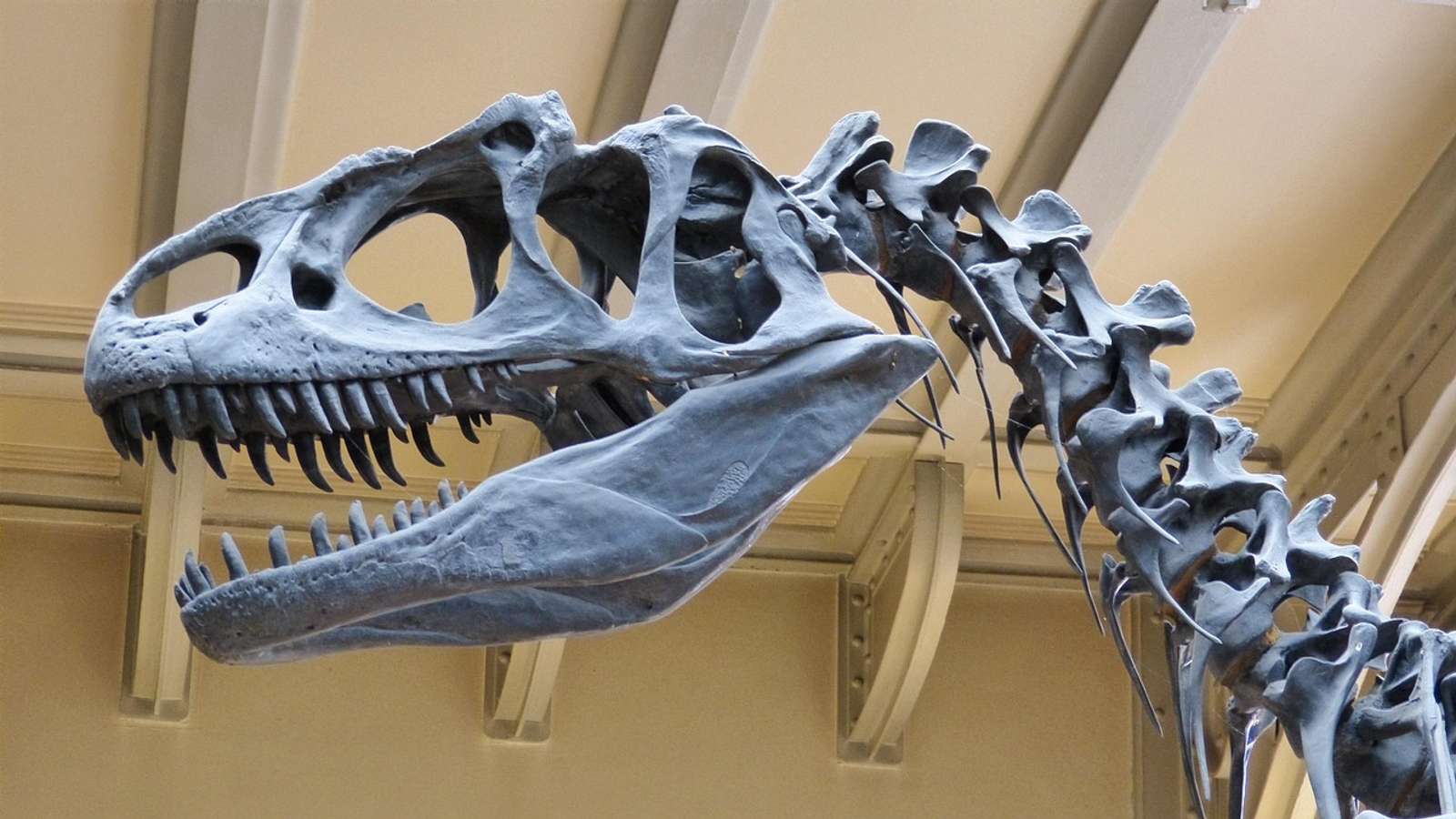
The bones belong to Aratasaurus museunacionali, a feathered dinosaur found in a mine in north-east Brazil in 2008. The animal was about four years old when it died, weighed around 34 kg and measured 3.1 m from head to tail. It died on a microbial mat, a carpet of bacteria and archaea common in coastal areas, and Grice suggests that being covered by the mat helped preserve its tissues.
Heme inside the blood channels
The team analyzed small pieces of the hind-limb bones with scanning electron microscopy, pyrolysis and mass spectrometry. They found heme, a molecule that is part of hemoglobin, inside oval structures in the vascular canals, the tiny channels that once carried blood. They interpret these structures as mineralized red blood cells. The samples tested negative for ancient DNA.
The evidence still “involves some interpretation.” — Mauricio Barbi, University of Regina, who was not involved in the study
Not everyone is convinced
Independent experts are divided. Barbi found the evidence convincing but stressed that the findings are chemical remnants and mineralized structures, not intact cells or preserved hemoglobin. Mary Schweitzer, professor emerita at North Carolina State University and a pioneer of research on soft tissue in dinosaur fossils, accepted that heme and collagen are present but was not convinced by the red blood cell data, noting that the structures, about 15 microns across, seem smaller than most red blood cells of non-mammals.
Next, the Curtin team is testing whether human blood can be mineralized using samples of microbial mats from Shark Bay in Western Australia, to see if the process can be reproduced. Other recent fossil finds include a fruit-eating ‘hell chicken’ dinosaur.
Sources
- ABC News (Australia), on a study in PNAS · abc.net.au
How we choose and verify sources: editorial policy.