Botswana approves a roadmap that could return Central Kalahari land rights to the San
Botswana's government has approved a four-phase roadmap that could let Indigenous San communities return to the Central Kalahari Game Reserve with legally recognized rights, Mongabay reports. Key questions remain open.
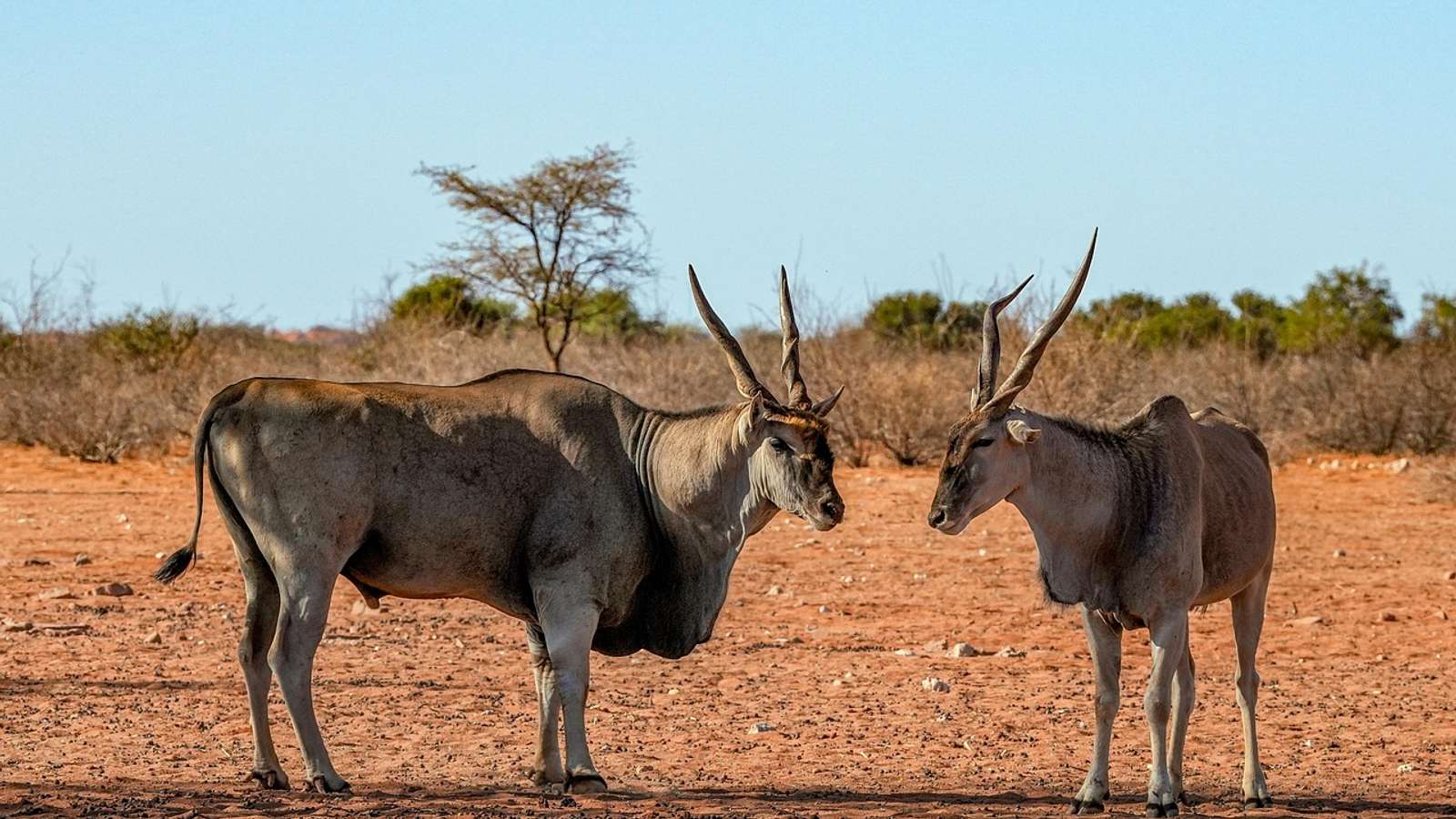
Botswana's government has approved a roadmap that could allow Indigenous San communities to return to the Central Kalahari Game Reserve with legally recognized rights, Mongabay reported on 30 October. The process is described as historic, but it is not complete, and important details remain open.
Decades of evictions and court battles
The reserve was created in 1961 for wildlife and as a space for San traditional life. From the 1990s, San residents were relocated out of it, and basic services were withdrawn in 2002, followed by more forced relocations. In December 2006, the High Court ruled that the San applicants, among them the leader Roy Sesana, had been unlawfully deprived of their land, but the ruling covered only the litigants, not their wider families and descendants.
“There is no need to relocate people hundreds of kilometers away from their ancestral lands.” — Nelson Ramaotwana, Minister of Justice and Correctional Services
Four phases toward legal rights
The roadmap, approved by the administration of President Duma Boko, a former human rights lawyer who once represented San communities, proposes four phases: community representation, negotiations on land rights, legal reform and co-management of conservation, according to the NGO Anthropos Africa. The reserve would keep its protected status, and communities would gain legally recognized rights and a role in managing it.
Some steps are due within six months, others within 18 months, and the rest over three years, with the aim of a legal framework before the 2029 elections. Options include recognition in a planned constitutional review, changes to the Tribal Land Act or a dedicated land claims law. Community-based natural resource committees and a national Indigenous body are planned. Justice minister Ramaotwana said past policies “have failed thus far.”
Questions still open
It is not yet decided whether land will be held individually or collectively, which laws must change, or how co-management will work, and no enforceable benefit-sharing arrangement for tourism revenue has been confirmed. The UN Special Rapporteur and Indigenous rights groups have raised concerns about representation, constitutional protection and security of tenure. More stories on Indigenous rights are collected under Indigenous peoples.
Sources
- Mongabay · news.mongabay.com
How we choose and verify sources: editorial policy.