Volunteers flown in by helicopter cut 5,334 invasive pines in three days to protect a South African mountain
Between 23 and 25 October, 23 volunteers flown into the Boosmansbos Wilderness Area cut 5,334 invasive pines across 904 hectares, in a HeliHack operation with CapeNature ahead of a fire season forecast to be risky.
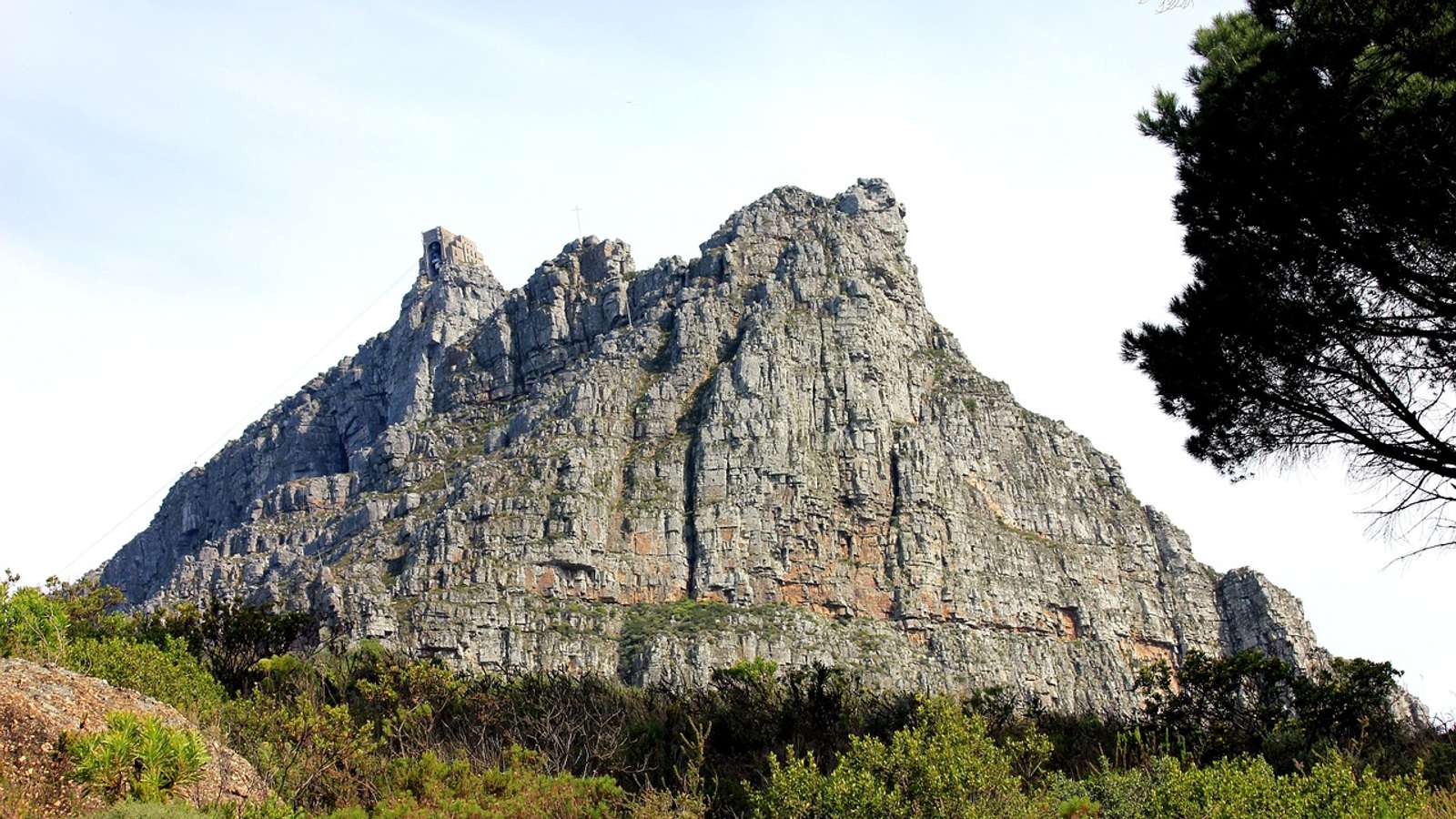
Twenty-three volunteers were flown by helicopter onto the steep upper slopes of the Boosmansbos Wilderness Area in South Africa's Western Cape, and in three days they cut down 5,334 invasive pine trees across 904 hectares, Good Things Guy reported on 30 October. The work, from 23 to 25 October, was led by the HeliHack Initiative together with CapeNature, the provincial conservation authority.
A mountain that waters a town
Boosmansbos lies in the Langeberg, north of Heidelberg, between Swellendam and Riversdale, and is part of the Cape Floral Region Protected Areas World Heritage Site. Its kloofs hold some of the last intact Afromontane forest in the region and species found nowhere else, including the Boosmansbos long-tailed forest shrew.
It is also a Strategic Water Source Area, one of the small parts of South Africa that supply a large share of its water. The mountain feeds the Duiwenhoks River and Dam, which supply around 15,000 people in the towns downstream and the farmers who depend on a steady flow.
Why pines make fires worse
Fynbos, the region's native shrubland, is adapted to fire, but not to the fires a dense stand of pines produces. Pines carry far more fuel, so fires in invaded areas burn hotter, spread faster and are harder to put out. After a fire, pinecones release large amounts of seed, so the invasion spreads further. The pines also use much more water than fynbos, so every cleared slope means more water reaching the rivers and dam.
The area is still recovering from wildfires in 2025, and the South African Weather Service is forecasting a strong El Niño, which brings a higher fire risk in the months ahead. This operation targeted big, mature pines, some more than 40 years old, growing on the slopes around the main indigenous forest, because they produce the most seed.
“Clearing these pines now is fire prevention in the most practical sense.” — Mbulelo Jacobs, Acting CEO, CapeNature
Six operations, 48,523 trees
The slopes are steep and have no roads, so ground teams cannot reach them on foot in any practical time, which is why the volunteers are flown in. Across six HeliHack operations in the wilderness area, volunteers have now cleared 48,523 invasive pines over 7,284 hectares. “Every tree our partners and volunteers remove is fuel that will not be there when the next fire comes through,” Jacobs said. More volunteer stories are collected under volunteering.
Sources
- Good Things Guy (CapeNature) · goodthingsguy.com
How we choose and verify sources: editorial policy.