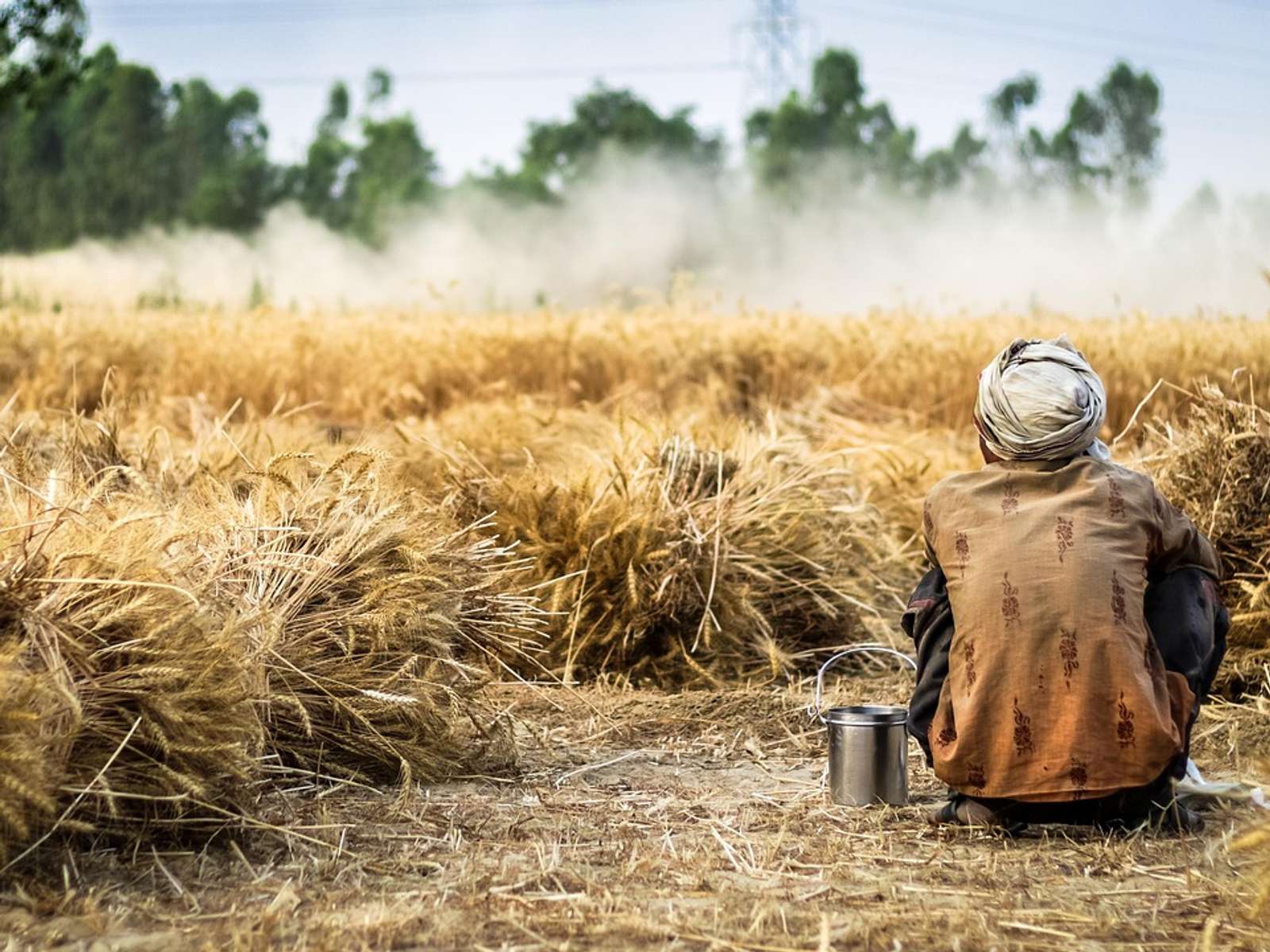
A women-led wool spinning business near Chitwan supports about 900 women and eases pressure on the forest
A wool spinning enterprise started by Bin Maya Gurung in Naya Padampur, outside Chitwan National Park, now supports about 600 women locally and 300 elsewhere in Nepal, giving families income that doesn't depend on the forest, Mongabay reports.
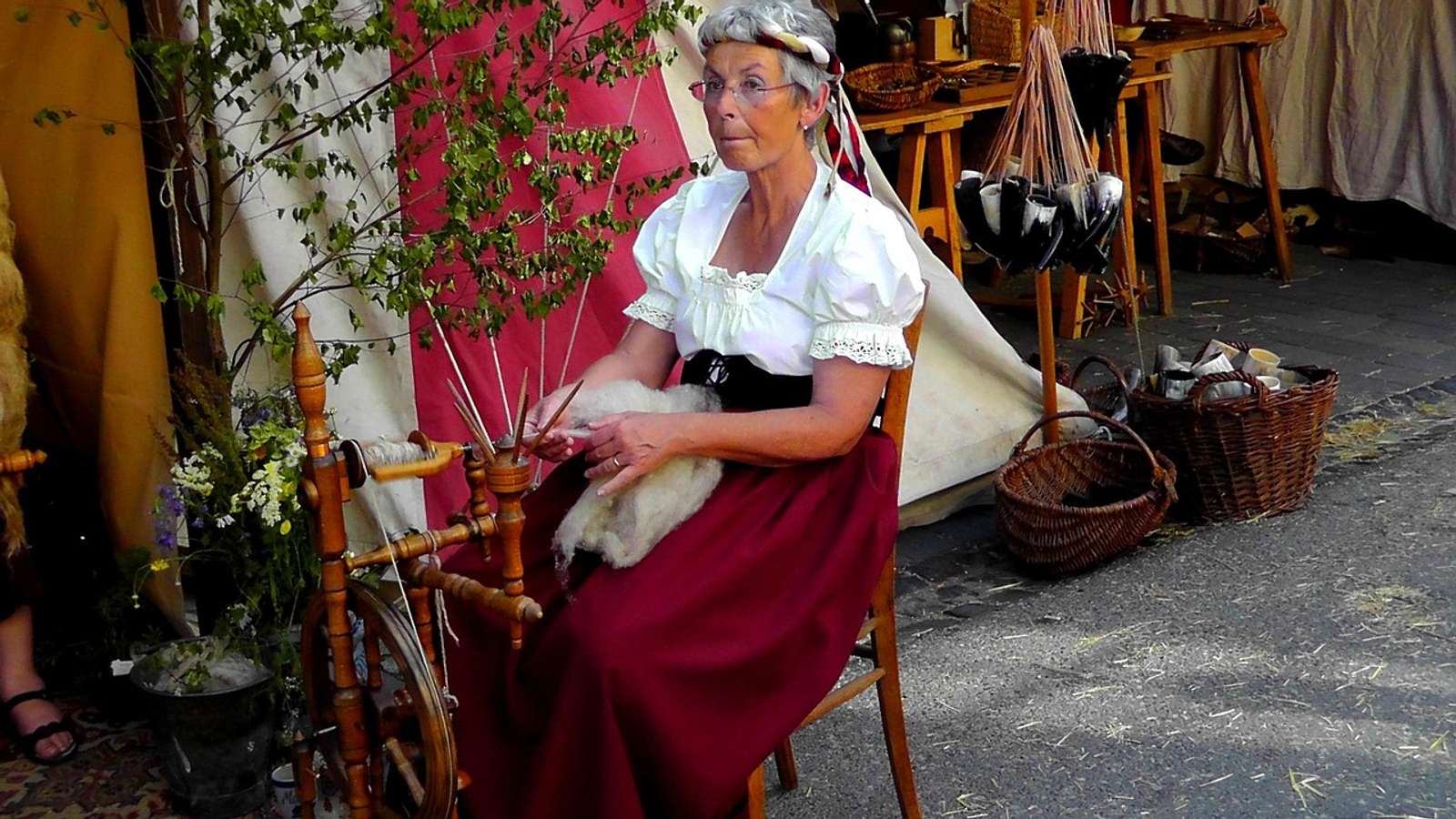
In a village outside Chitwan National Park in south-central Nepal, a wool spinning business run by women now supports about 900 women and gives families an income that does not depend on the forest, Mongabay reported on 30 October. About 600 of the women live around Naya Padampur, a settlement moved out of the park in the 1990s, and about 300 elsewhere in Nepal.
From one workshop to two decades of business
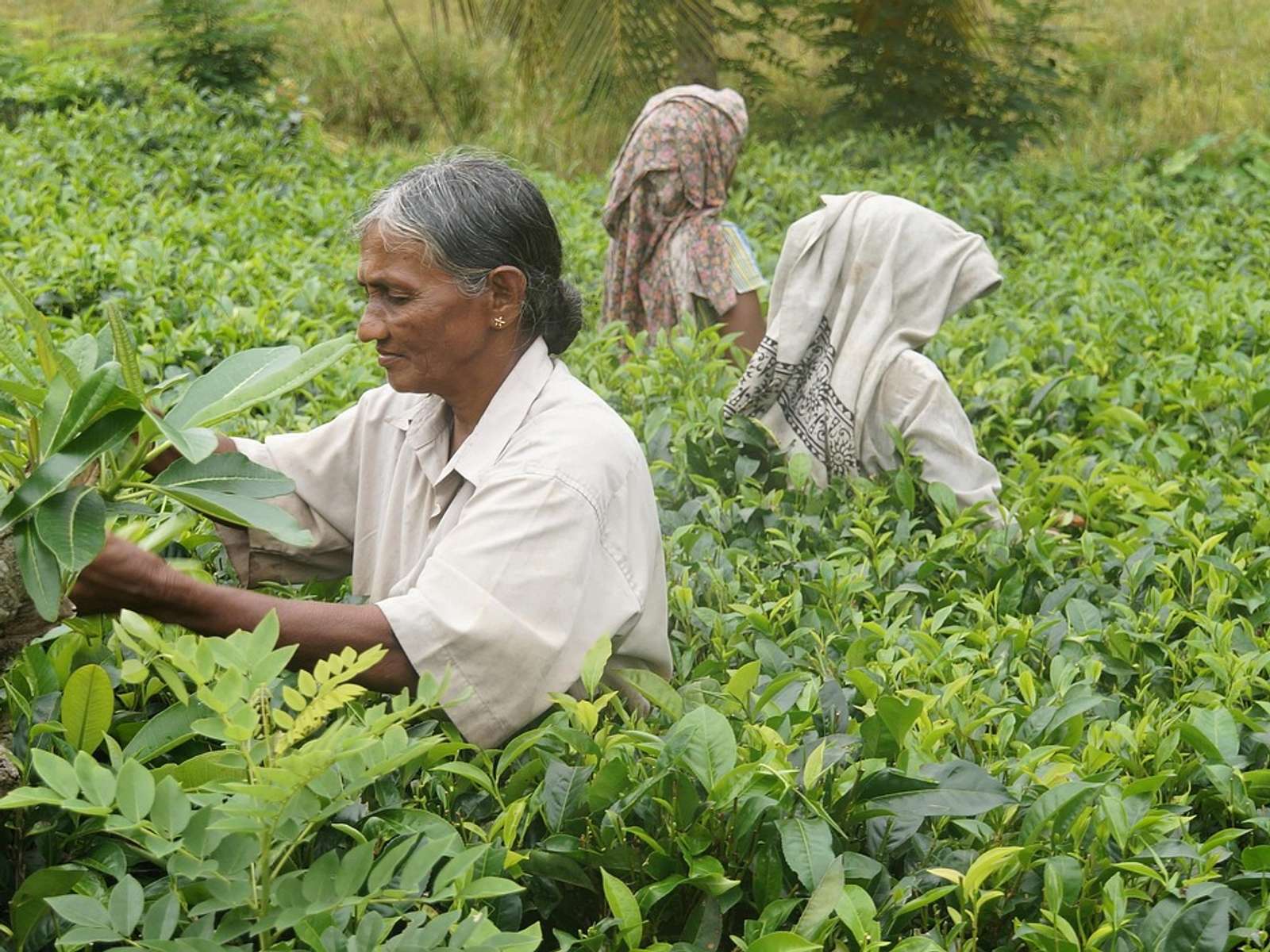
Bin Maya Gurung, 73, started after a wool spinning workshop run by the National Trust for Nature Conservation in the early 2000s, and has run the business for about two decades. Members spin wool yarn on spinning wheels, weave rugs and offer spinning training to others. Gurung mentored Buddhimaya Ghale, who now heads the business.
Members earn roughly 8,000 to 40,000 Nepalese rupees a month, about $52 to $263, depending on how much time they can give. The enterprise also drew support from the UN Development Programme's Micro Enterprise Development Programme. In a separate survey of women in Parbat district, 96% said they felt confident supporting their families with their earnings, Mongabay reported.
Less firewood, fewer risks
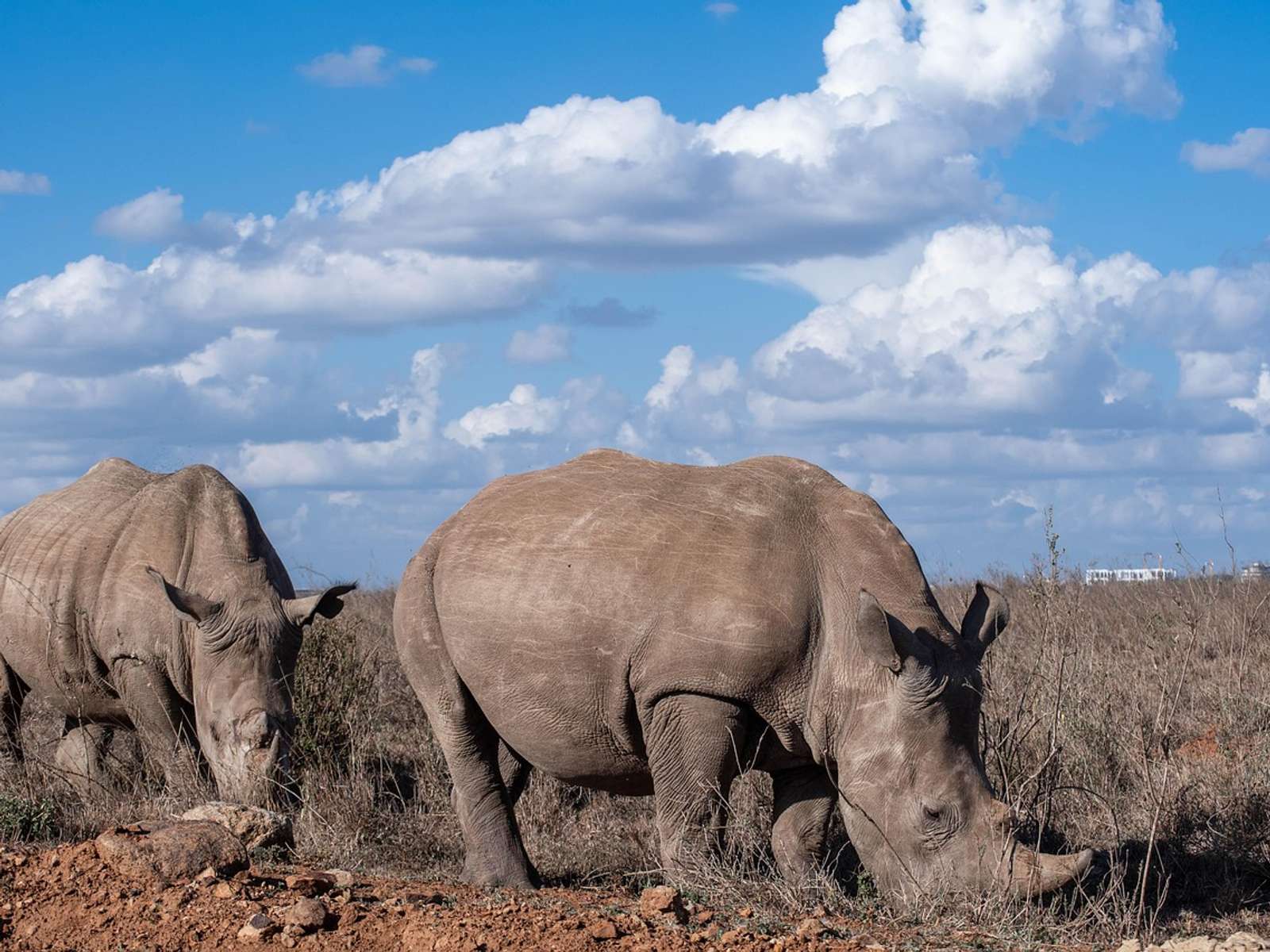
Before the business, Gurung gathered firewood in the forest, where she risked encounters with rhinos and tigers. Today her firewood collection has greatly diminished, she rarely goes into the forest, and her family's livelihood no longer depends on forest products. That is the conservation link: income from spinning reduces the need to take wood and other resources from the protected area.
“They're more empowered, and they started challenging so many social norms.” — Sanjay Chaudhary, co-founder, Tharu Community Women's Hand
Barriers that remain
Women-led businesses in Nepal still face obstacles. Only about 20% of rural Nepali women own land, and a 2026 Climate Policy Initiative study found 88% of surveyed women used personal savings to start their businesses, while 56% accessed formal finance. New microenterprise registrations fell nearly 75% in five years, according to Nepal's Department of Industry, and a 2026 World Bank report found formalization costs outweigh benefits for about 78% of informal microenterprises.
Even where women run forest-linked businesses, control can stay with men. “The people just keep only their name here, but again, the control is with the man,” said Arjun Chapagain of the Federation of Community Forestry Users Nepal. Nepal's 1993 Forest Act allowed community groups to manage state forests, and some of those groups have built their own businesses: a case study by the Climate and Development Knowledge Network found that planting bamboo, coffee and broom grass on fallow land has supported soil conservation. More stories on earning a living are collected under livelihoods.
Sources
- Mongabay · news.mongabay.com
How we choose and verify sources: editorial policy.