A sea turtle with a brain injury recovered after oxygen chamber therapy, a first documented success
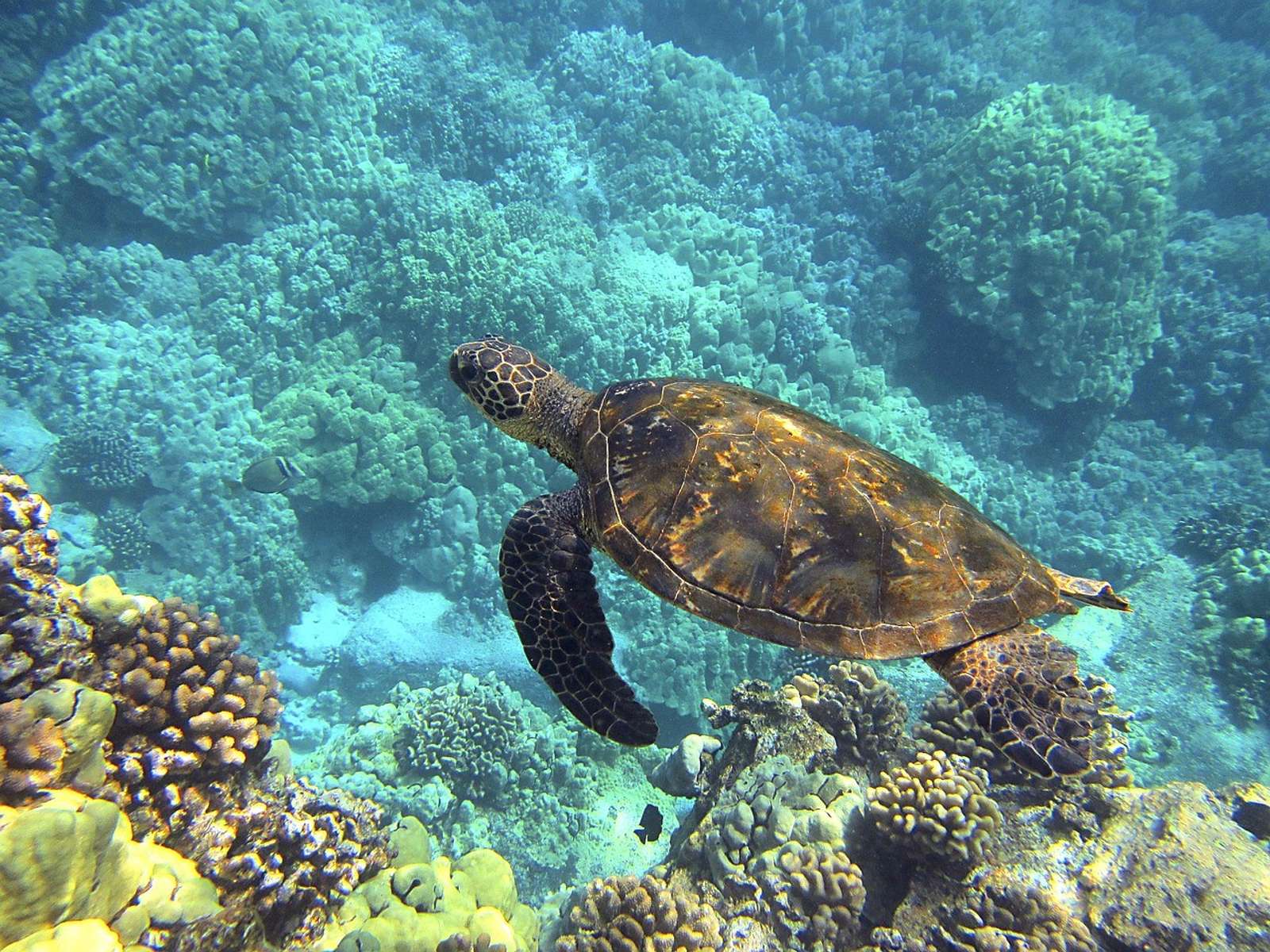
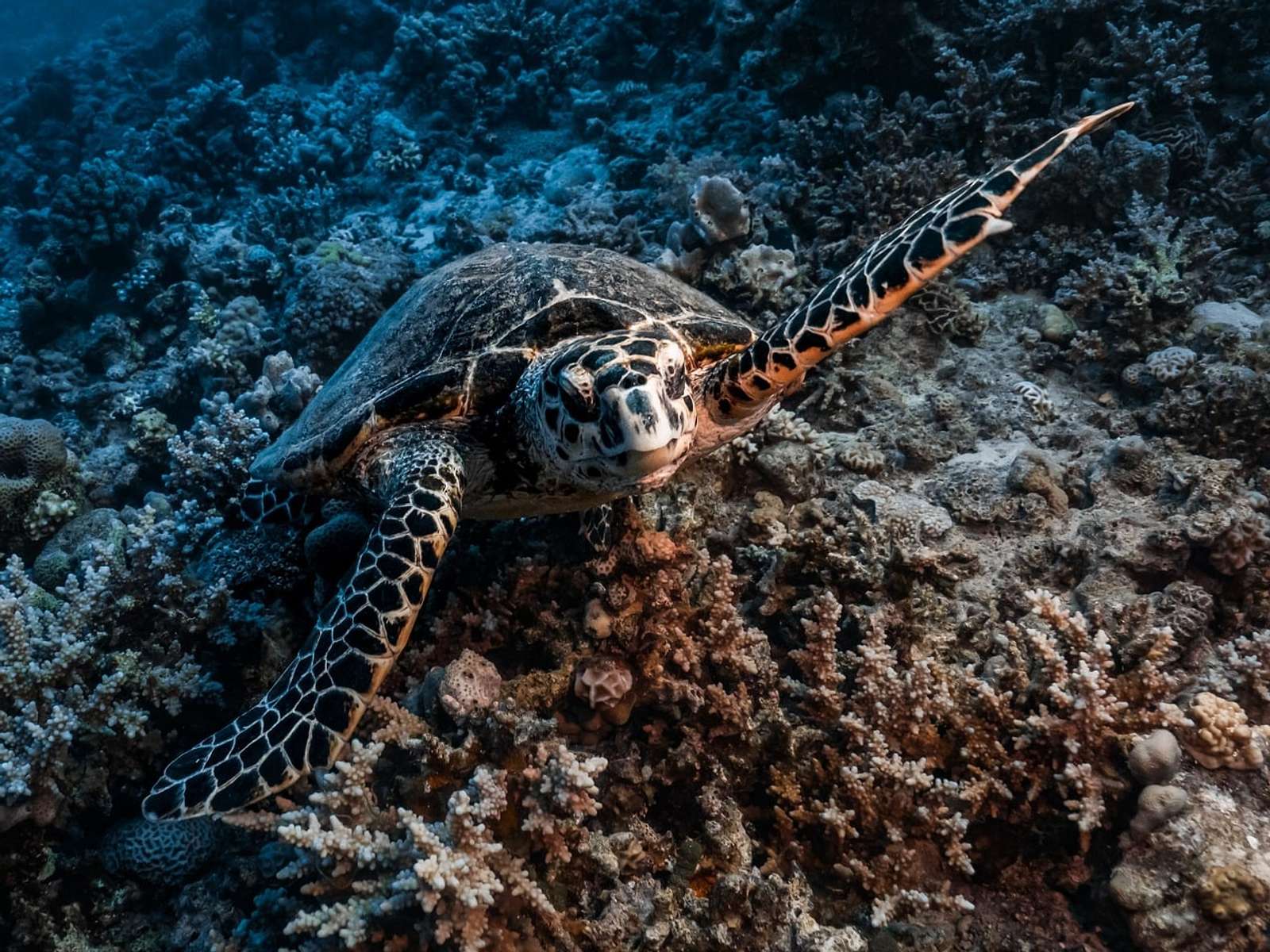
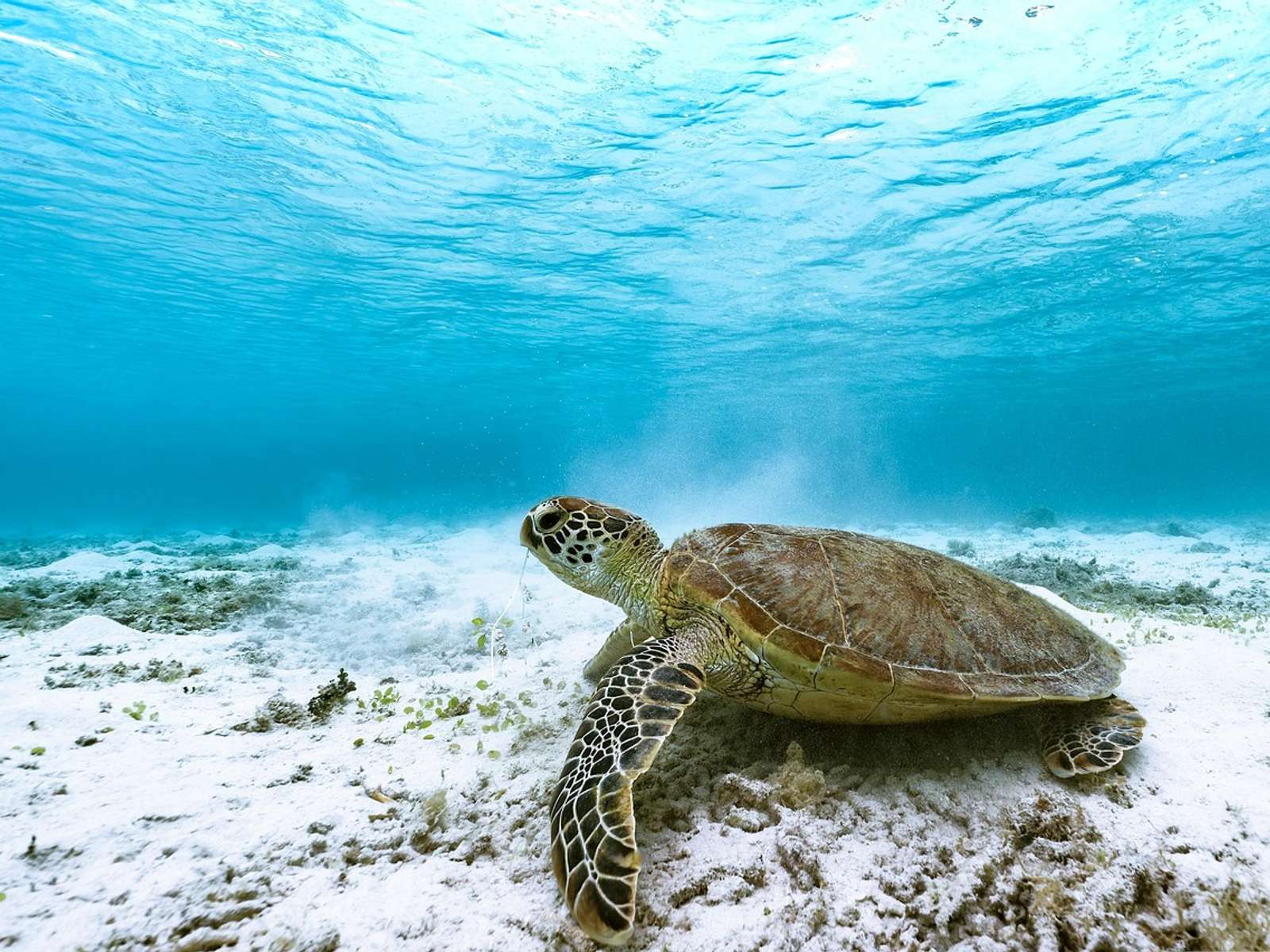
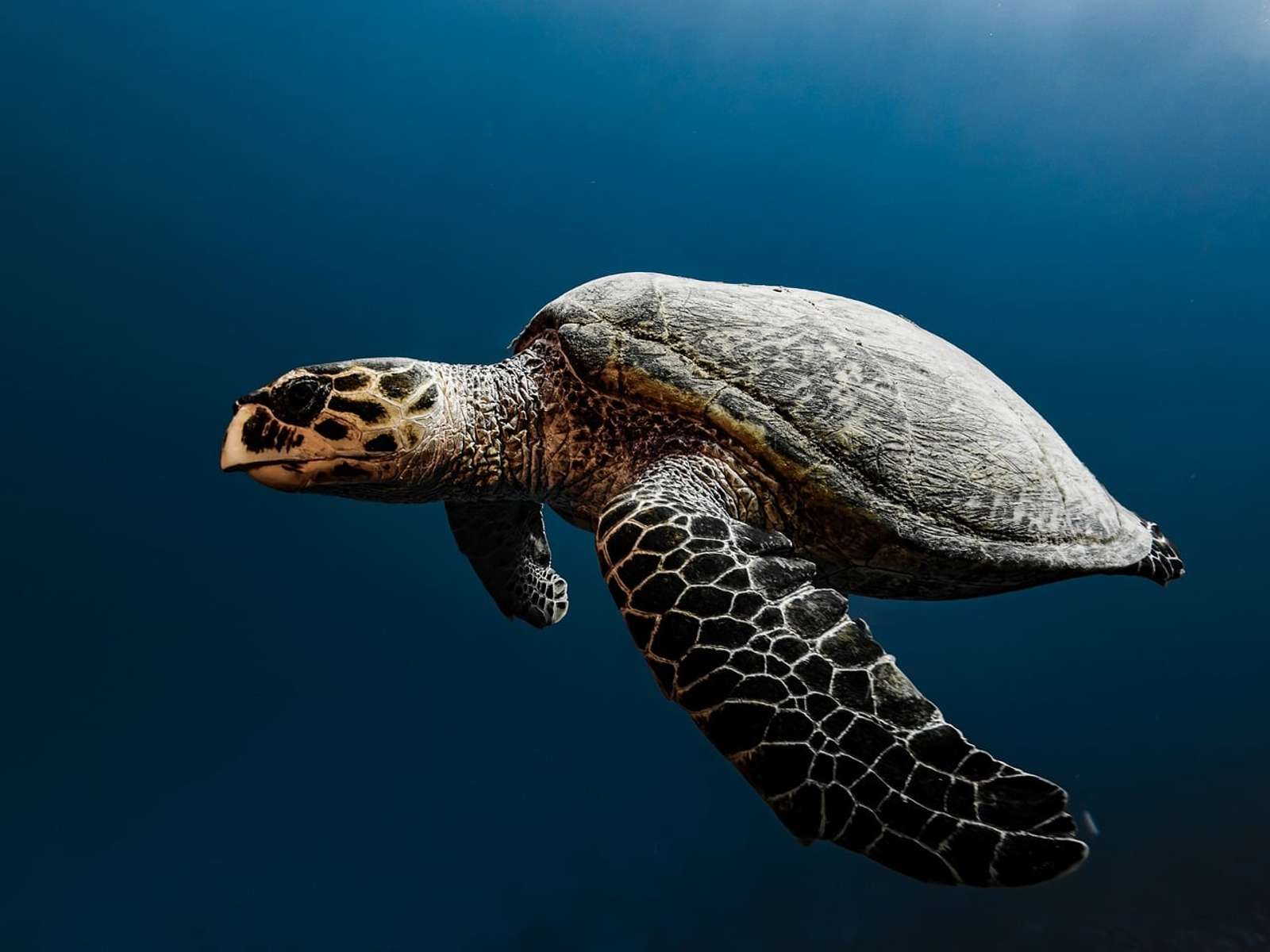
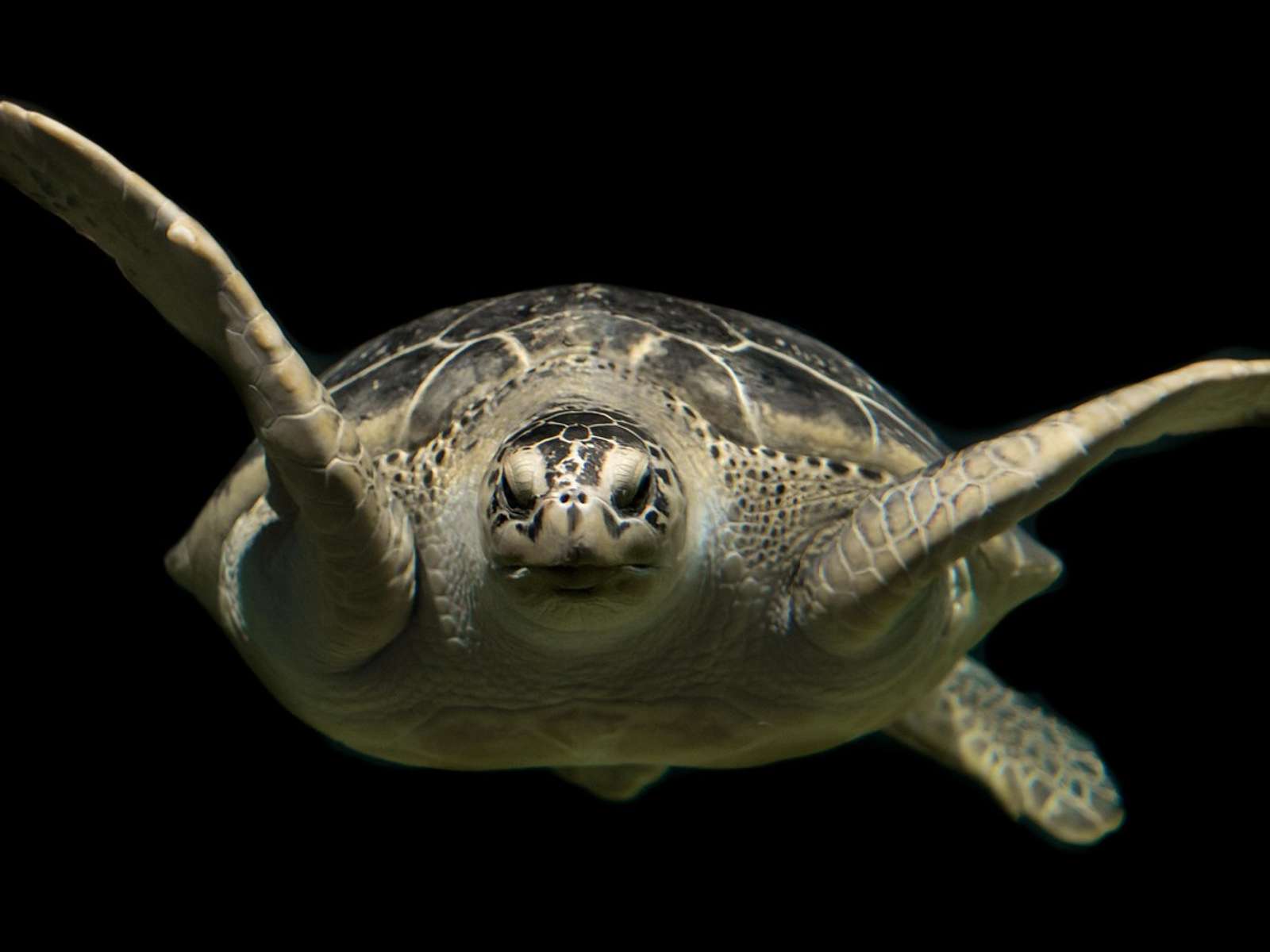
A cold-stunned Kemp's ridley sea turtle with a hypoxic brain injury improved after hyperbaric oxygen sessions and was released on Cape Cod, the New England Aquarium says, the first documented success of its kind.

An endangered sea turtle with a brain injury recovered after treatment in a hyperbaric oxygen chamber and has been released back into the ocean, the New England Aquarium said on 29 October. The aquarium calls it the first documented success in treating a sea turtle with a hypoxic brain injury, damage caused when the brain is starved of oxygen.
Barely breathing when it arrived
The Kemp's ridley turtle, nicknamed “Young Frankenstein,” was cold-stunned, a life-threatening form of hypothermia, and stranded on Cape Cod. When it arrived at the aquarium's Sea Turtle Hospital in December 2025, it had severe lung changes, was barely breathing and had to be intubated. Months of steroids, antibiotics, nutritional and fluid support and hundreds of hours of rehabilitation left it “stable, but not improved.”
“Brain damage was our biggest concern.” — Dr. Melissa Joblon, Director of Animal Health, New England Aquarium
A neurologist suggests oxygen under pressure
In July, the team tried something new. Dr. Stephanie Kube, a veterinary neurologist who owns the Advanced Veterinary Specialty Center in Walpole, Massachusetts, and sits on the aquarium's board, suggested hyperbaric oxygen therapy, in which the patient breathes oxygen in a chamber at two to three times normal air pressure. The therapy had been used in sea turtles for decompression sickness and joint disease, but never documented for a brain injury.
The turtle went into the chamber twice a week. By the second treatment it showed marked improvement, foraging and eating on its own and navigating better. About two weeks later it was medically cleared for release. “It was remarkable to see the drastic improvement in Young Frank's ability to navigate and forage for food,” Joblon said.
Back in the sea off Cape Cod
The turtle was released in early September on a beach in Dennis, Massachusetts, in front of a crowd, the last sea turtle release of the season. The aquarium has worked with Mass Audubon's Wellfleet Bay Wildlife Sanctuary for more than 25 years to rescue endangered sea turtles that strand on Cape Cod. “Watching a patient recover and return home is exactly why we do what we do,” Kube said. More rescues are collected under wildlife rescue.
Sources
- New England Aquarium · neaq.org
How we choose and verify sources: editorial policy.