49 verified stories from the United States, newest first. Each one links to the official source it is based on.
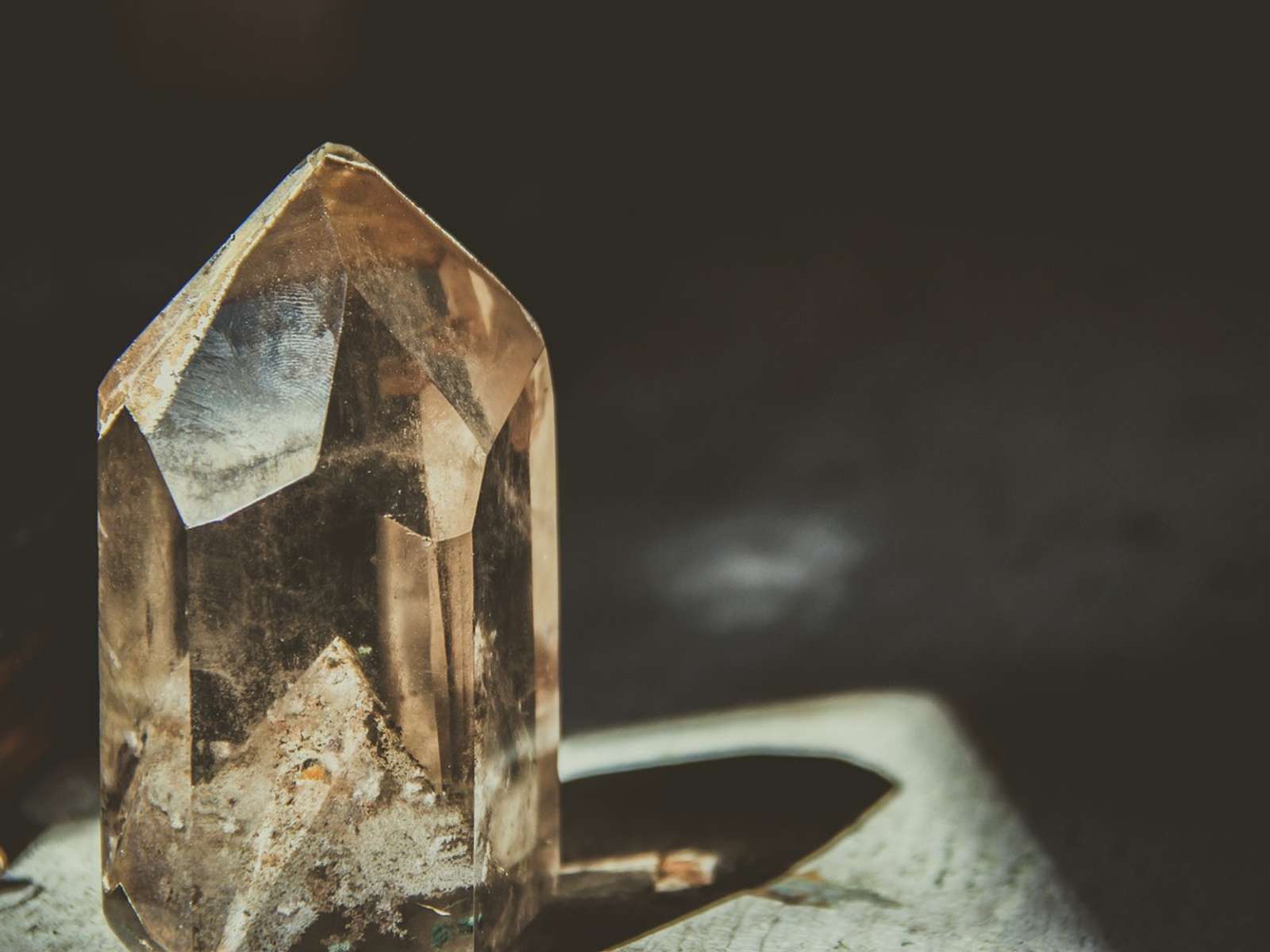
MIT researchers built an AI model that links 3D crystal structures with written descriptions of their properties. Asked for solid-state battery electrolytes, it surfaced materials already identified as promising candidates.
San Diego Zoo Wildlife Alliance has established a third reintroduced population of Pacific pocket mice, a thumb-sized rodent rediscovered in 1993. More than 500 have been released since 2006.
In a 60-patient phase 1b trial led by MD Anderson, firmonertinib shrank tumors in 68% of previously untreated patients with EGFR PACC-mutated lung cancer at the higher dose, with a median of 16 months before the disease worsened.
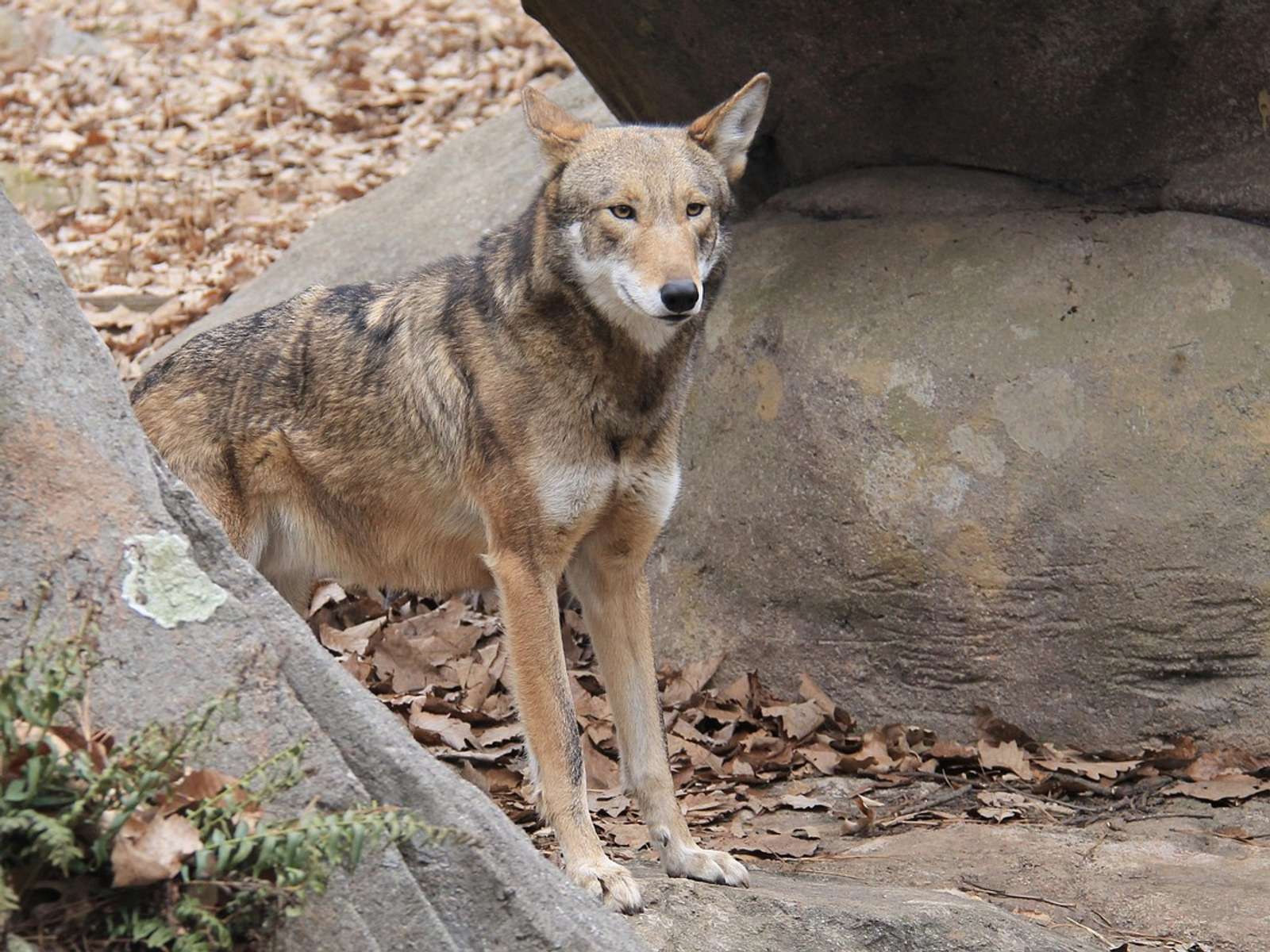
Red wolves Carolina and Jacques and their five pups moved from Durham's Museum of Life and Science to the Wolf Conservation Center in New York, in an exchange meant to keep the species' small captive population genetically healthy.
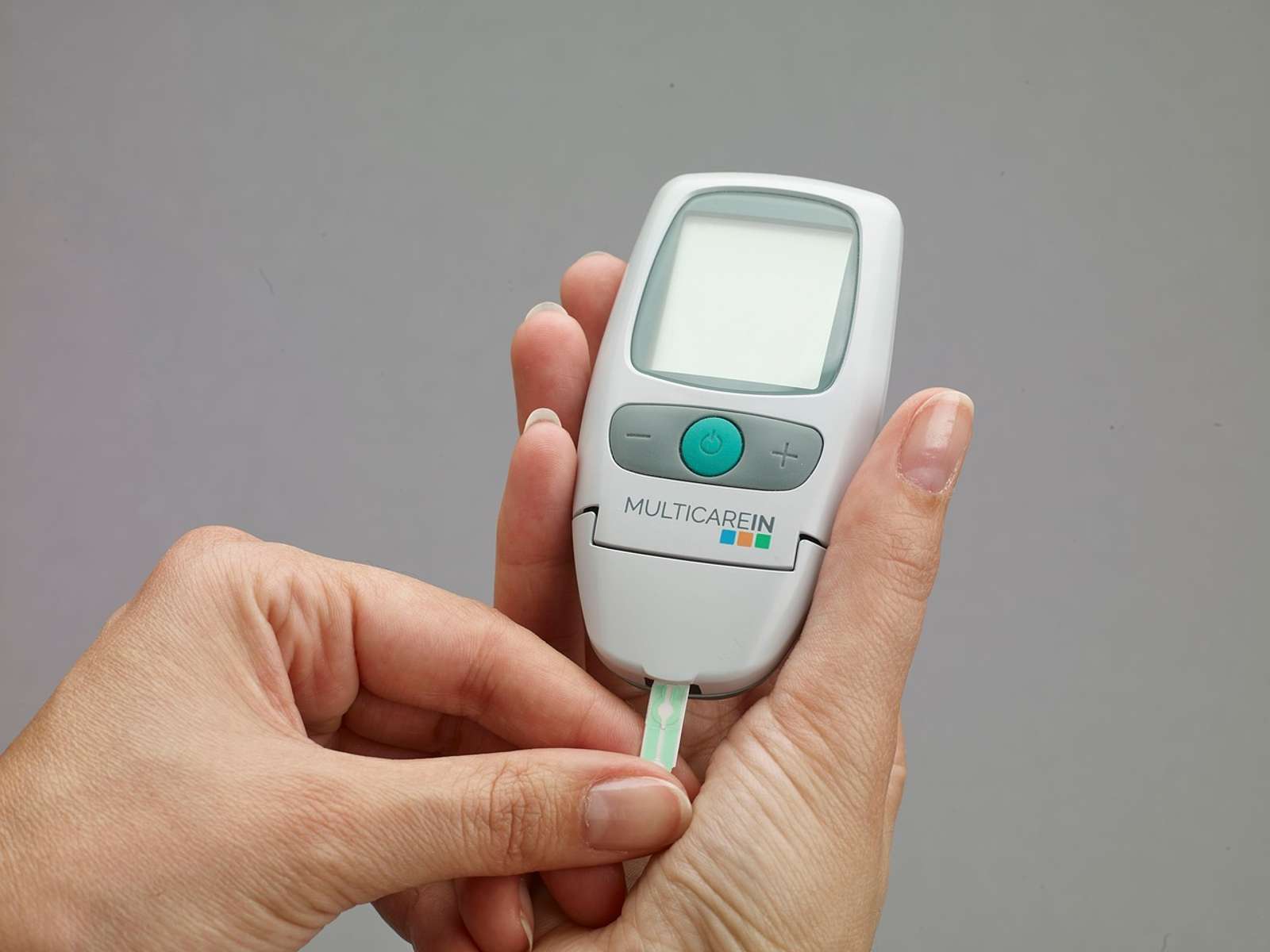
In a 26-week trial of 283 adults with type 2 diabetes who don't use insulin, those given continuous glucose monitors spent about five more hours a day in their target range and lowered their A1c by 0.9 points more than with routine care.
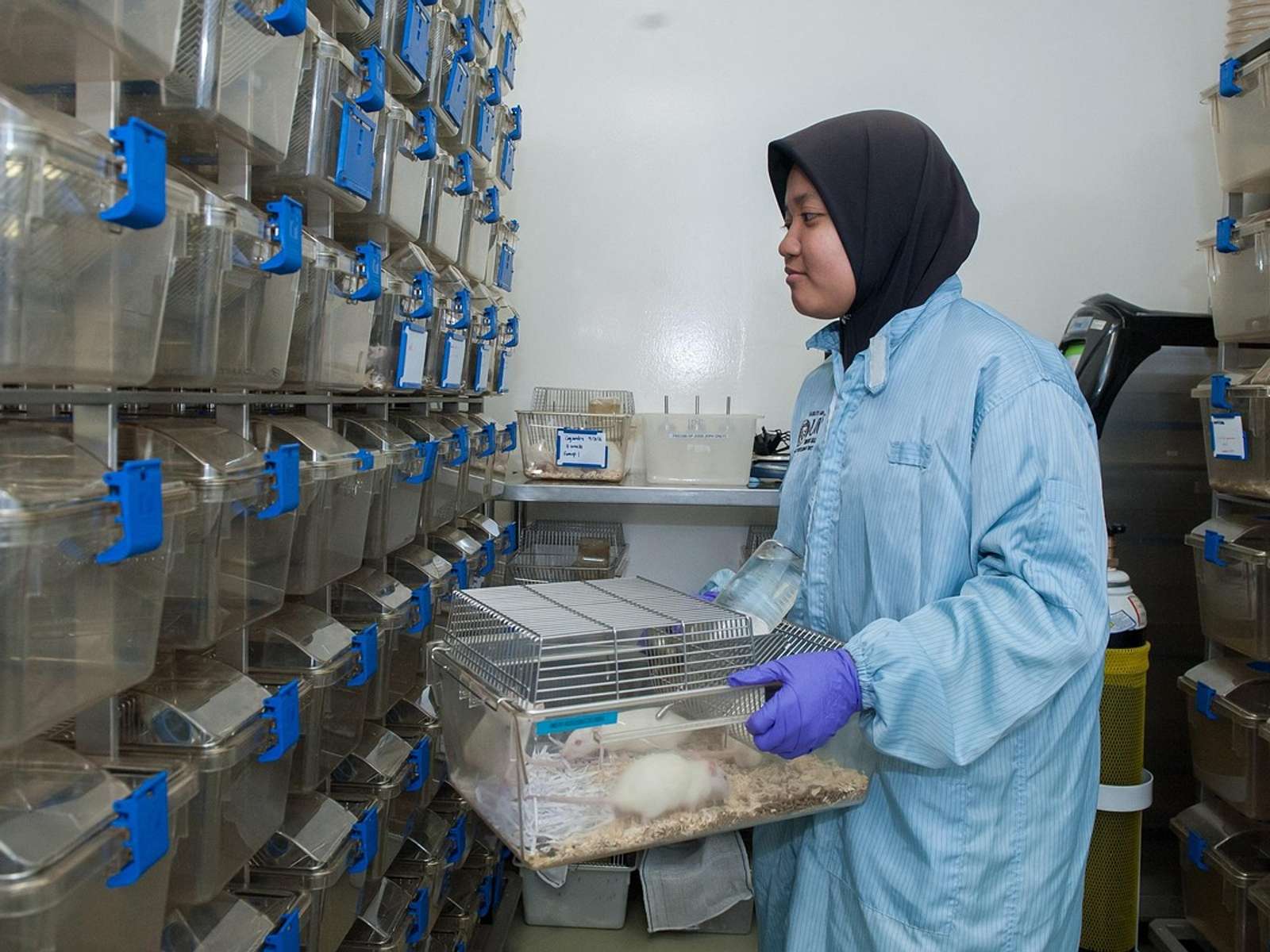
University of Cincinnati researchers used a viral gene therapy to remove the cells that make cerebrospinal fluid in mice with hydrocephalus. Treated animals had much less fluid in their brain tissue. The work is early-stage animal research.

A three-year Cornell study found that light sheep grazing at a New York solar farm raised bee and lady beetle numbers by 38% compared with mowing, while a second study gives farmers a tool to plan flocks for solar sites.

Adding zinc bromide and methylammonium chloride while perovskite crystals form cut defects, so the material held energy from sunlight about 10 times longer, a team from Princeton, UC San Diego and South Korea reported in Science.
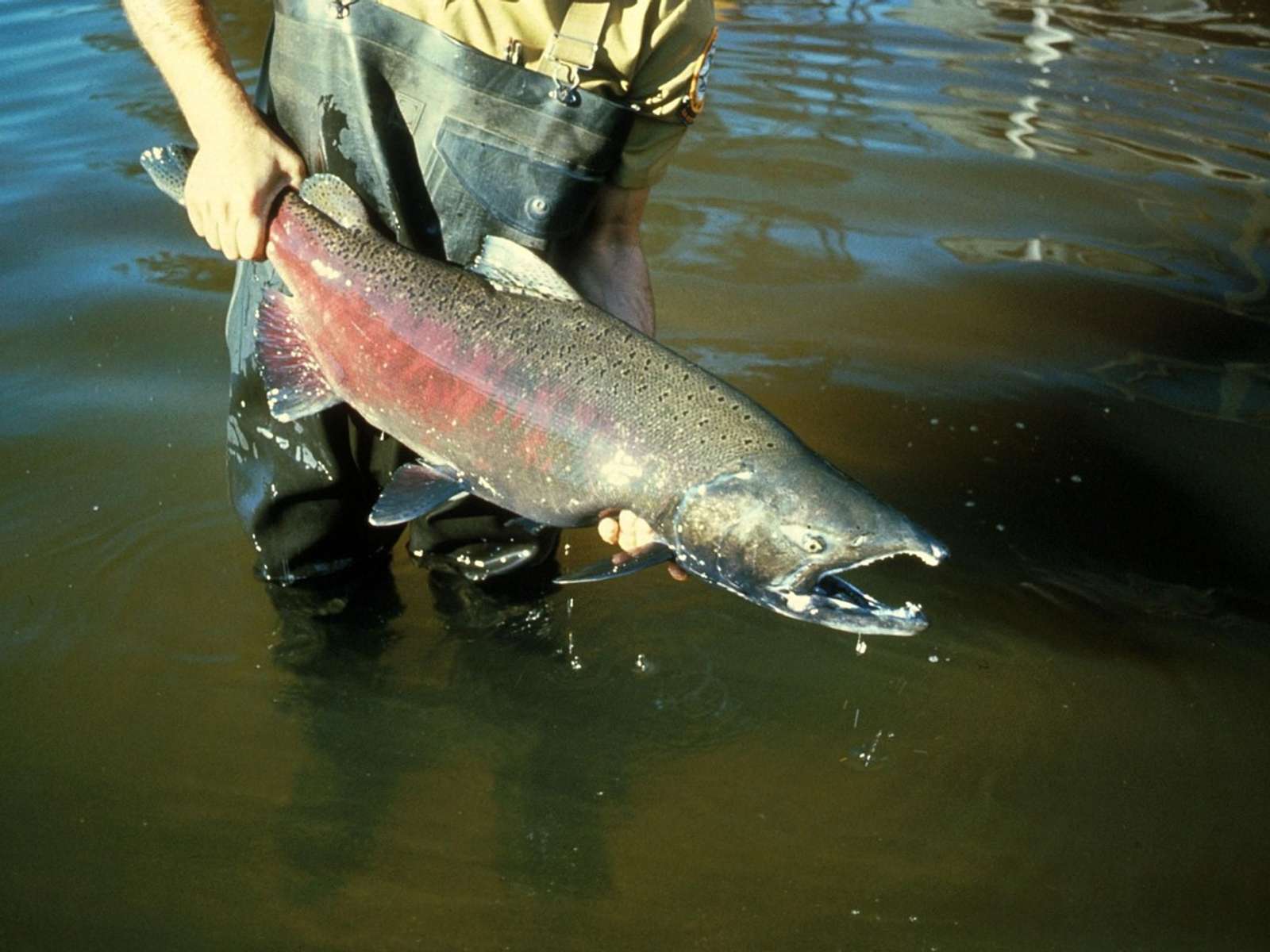
After four dams were removed from the Klamath River in 2024, sonar counted 7,742 Chinook swimming upstream that fall and 13,310 in 2025. The fish now reach 88% of their historical range above the old dams.
MIT engineers built a soft silicone sheet with light-carrying rubber fibers that rebuilds its own shape on screen almost in real time. They hope it could one day help physical therapists track patients' movement.
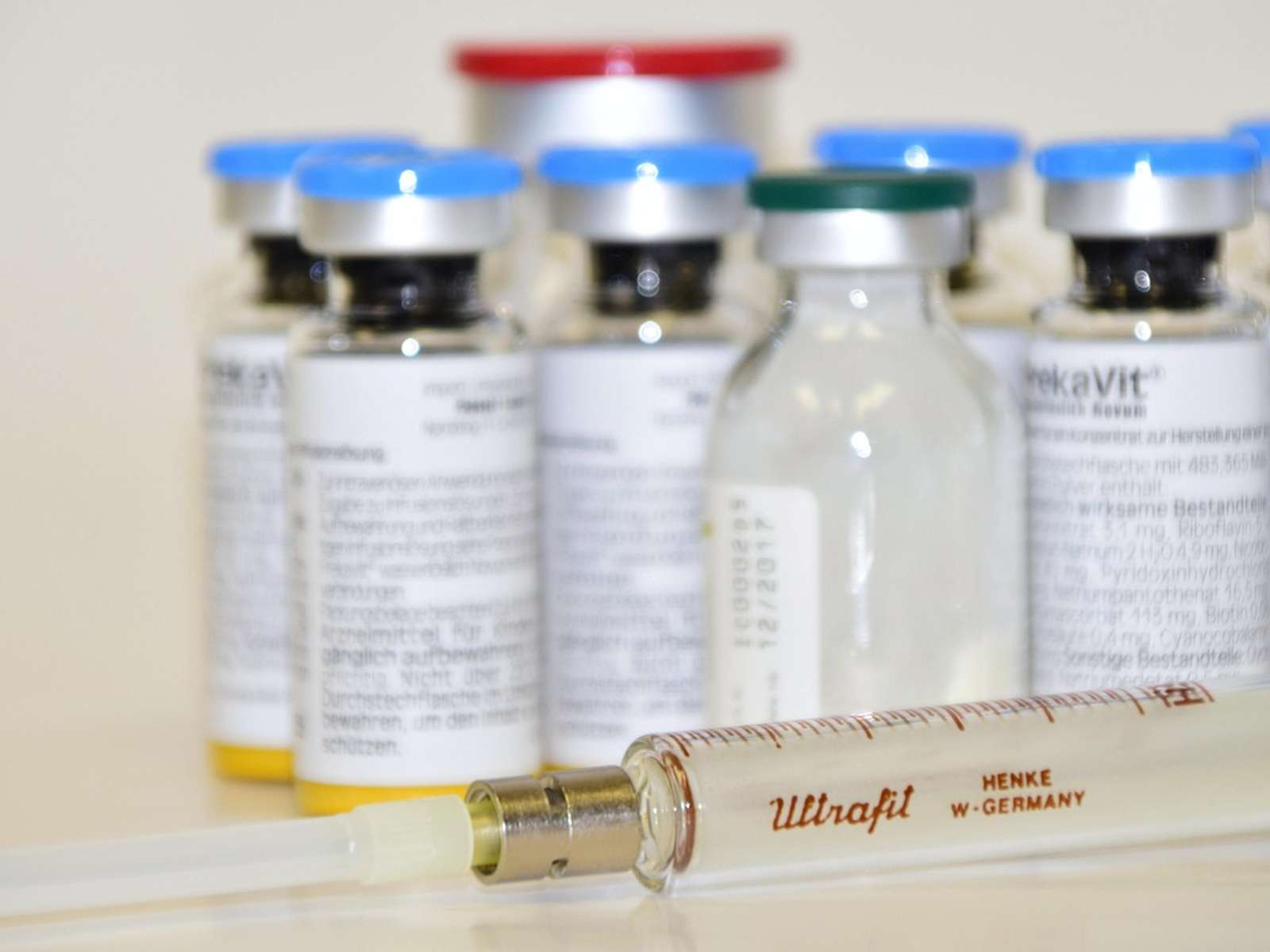
An AI-guided recipe kept mRNA vaccine particles stable for up to a year at room temperature and two months near body heat. The results so far come from cell and mouse studies.
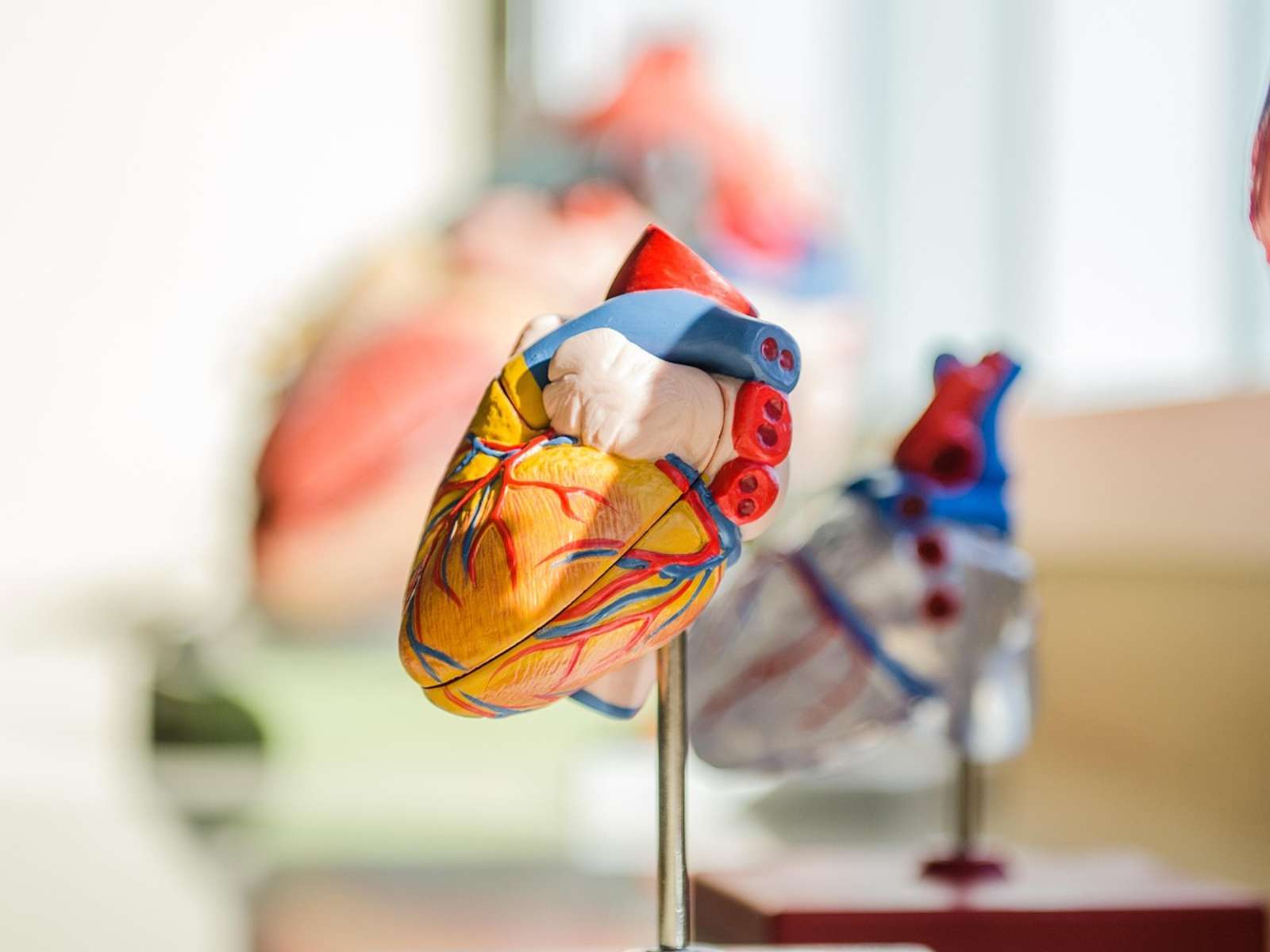
A University of South Florida lab is using umbilical cord cells and tissue-like materials to build heart valves the body could rebuild over time, so a child born with a heart defect might need one valve surgery instead of several. The work is still preclinical.
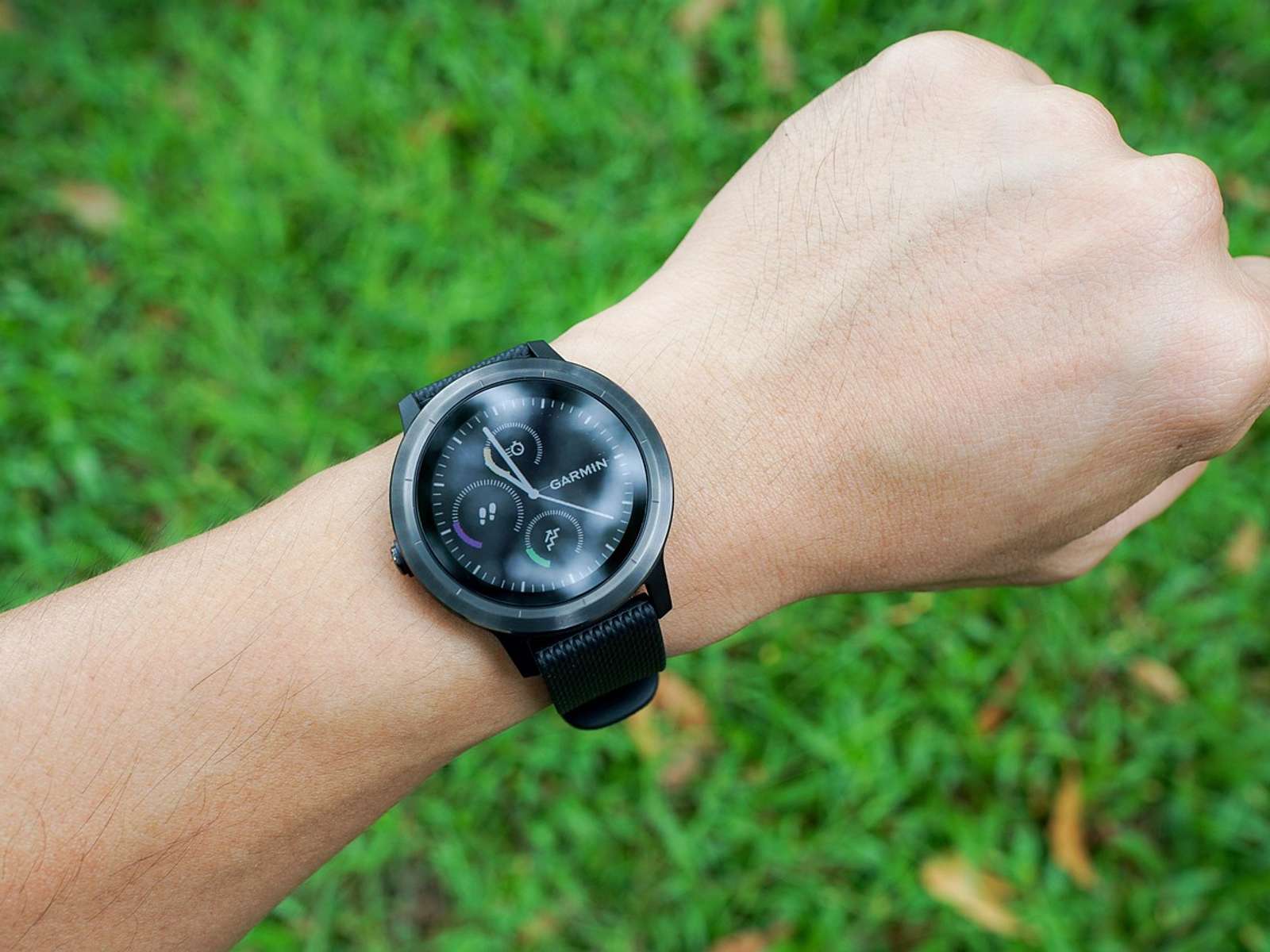
A vibrating wristband first built as a foamcore prototype in MIT's product-design class is now FDA-cleared for adults with essential tremor. In two trials, more than 70% of patients improved. Insurance coverage is the next hurdle.
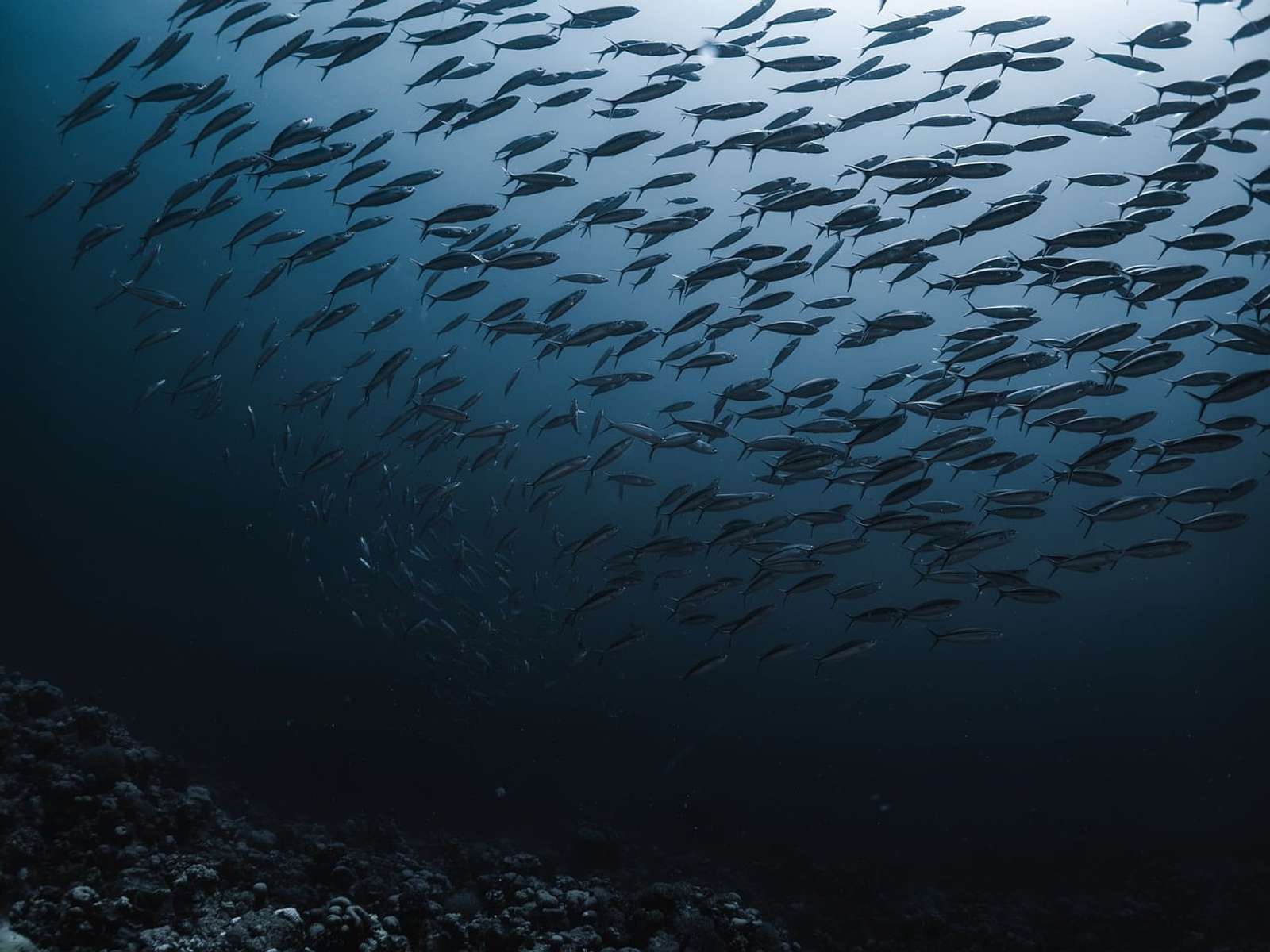
Field studies in Hawaii led by Scripps Institution of Oceanography found that broadcasting healthy reef sounds increased coral settlement near the speaker and drew 4 to 14 times more fish larvae.
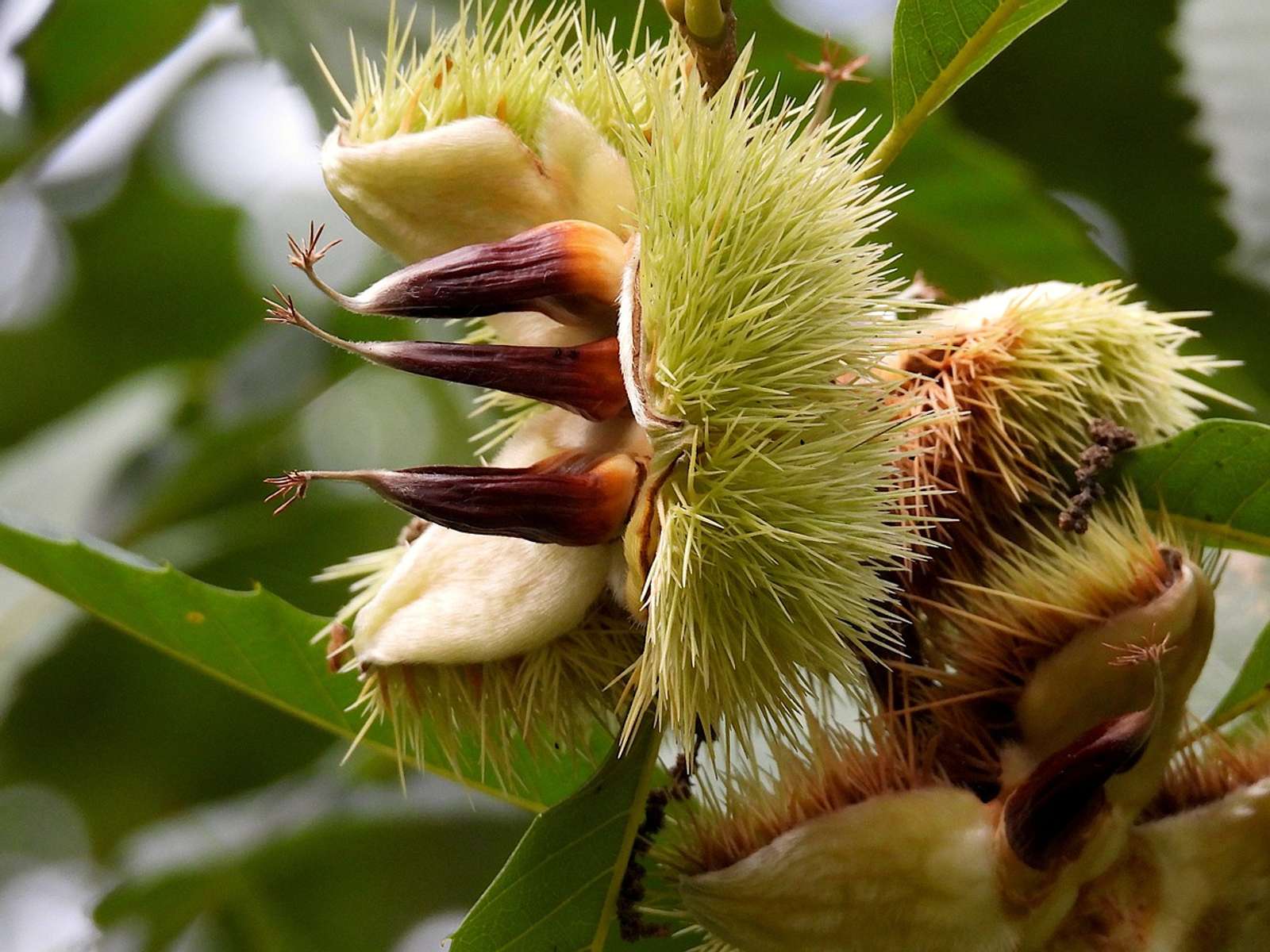
Twenty blight-resistant hybrid American chestnut trees were planted at the Bronx Zoo, where the zoo's chief forester first documented the disease that killed nearly 4 billion of the trees.

Teedee, a poodle mix taken from an Idaho hoarding case, had a dangerous heart defect fixed at Washington State University. The WSU veterinarian who fostered him through a month of enforced rest has now adopted him.
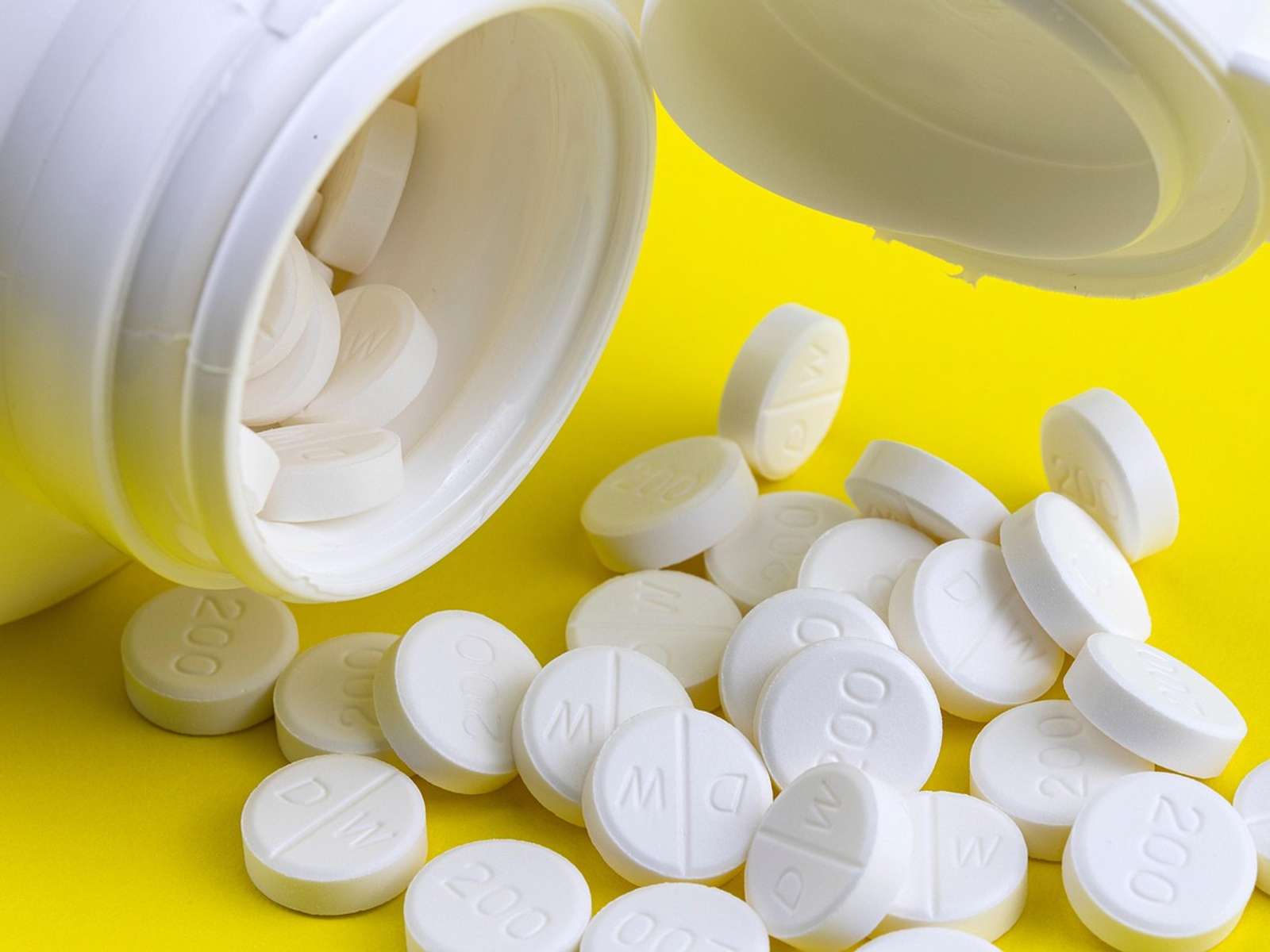
In a Vanderbilt pilot study of 16 women with obesity and prediabetes, empagliflozin reduced blood cell clumps linked to heart disease within two weeks. Women on a low-calorie diet did not show the drop. A larger placebo-controlled trial is now enrolling.
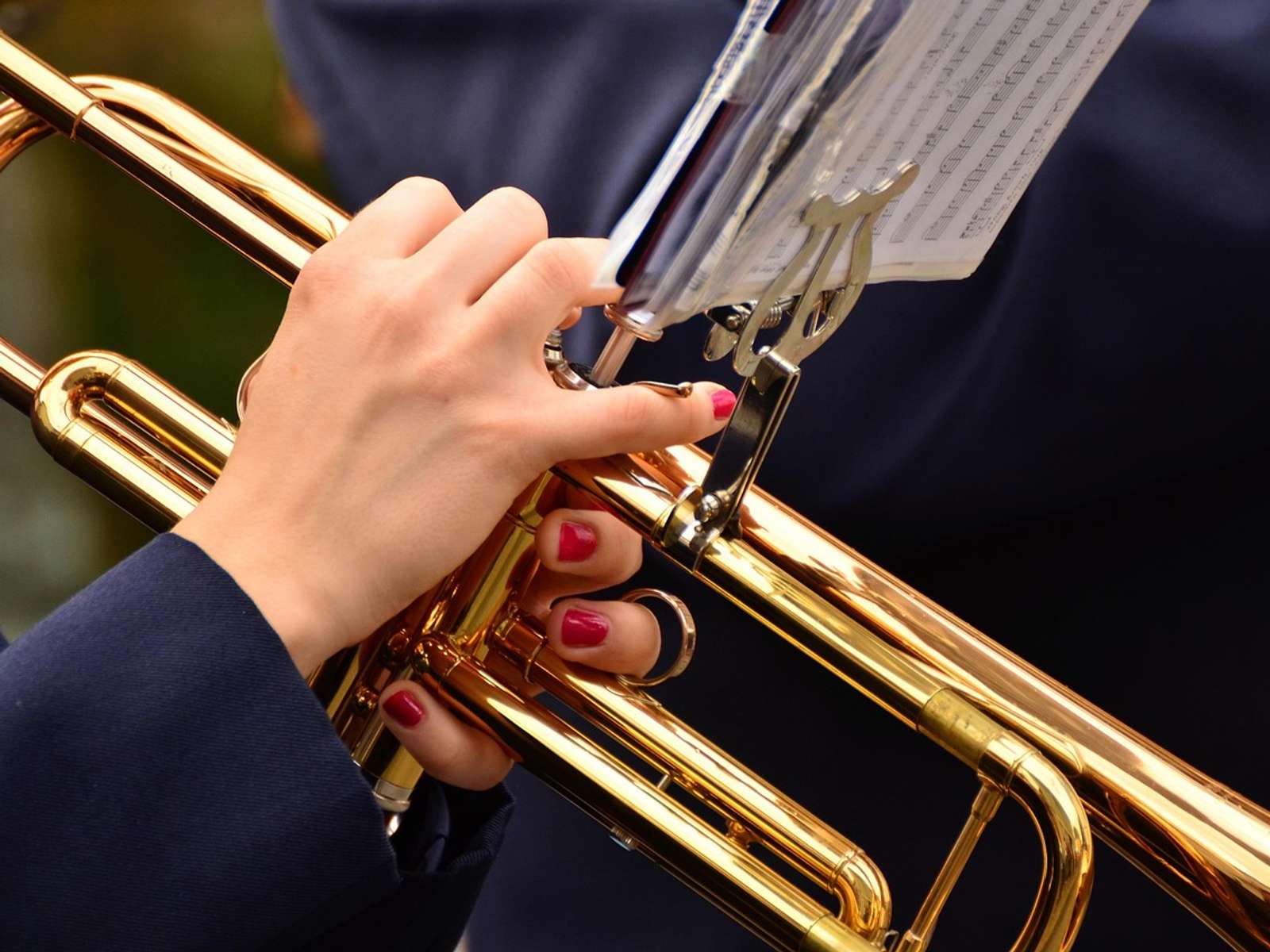
Young Musicians Unite runs free in-school and after-school music classes in 131 Miami-Dade public schools and counts 21,166 students this school year, more than double the 9,000 it served in 2024-25.
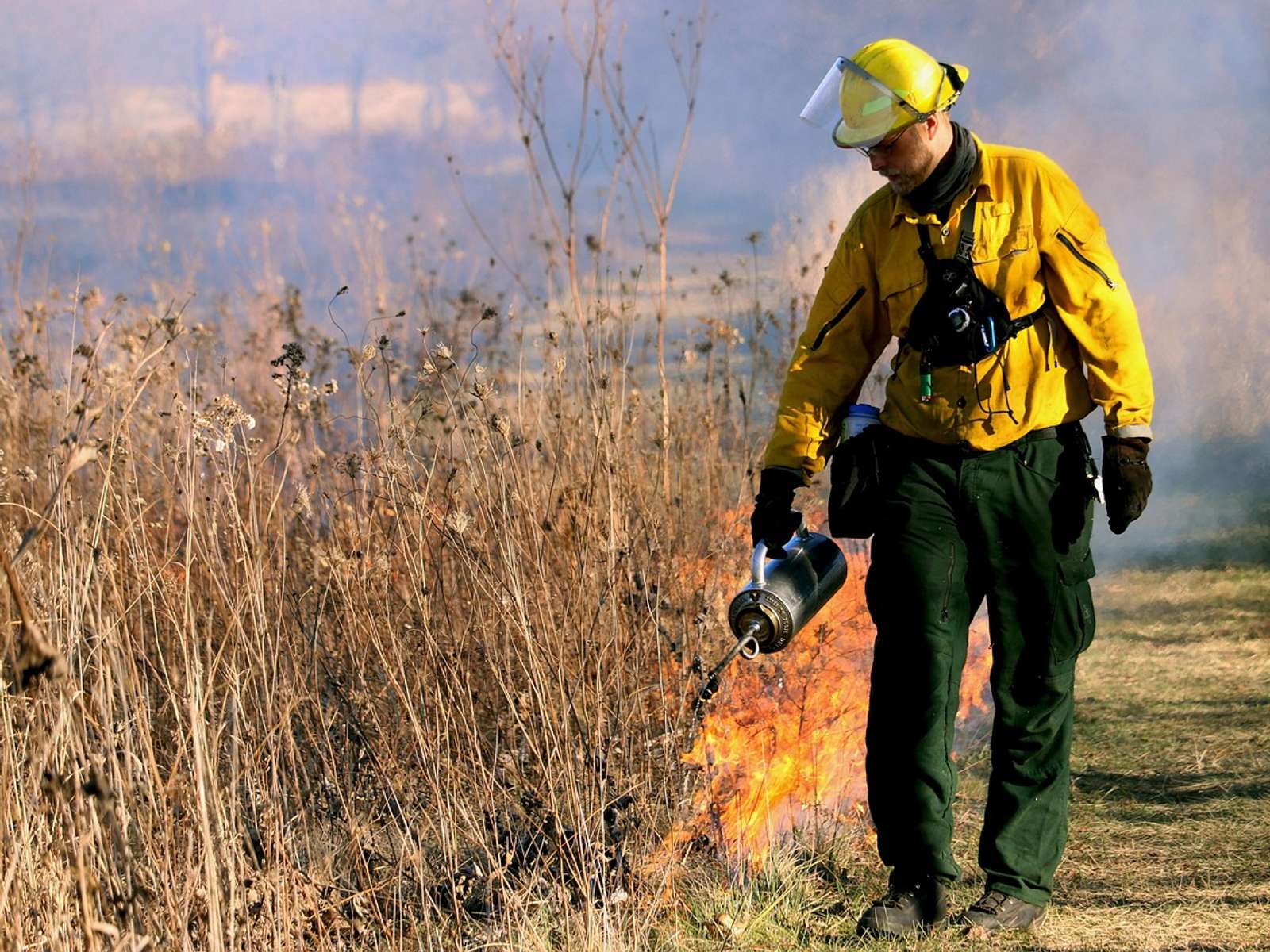
Governor Gavin Newsom signed AB 2483 on 28 September. It standardizes the credentials earned in California's prison fire camps and gives formerly incarcerated firefighters hiring priority for some entry-level Cal Fire jobs, without guaranteeing a job.
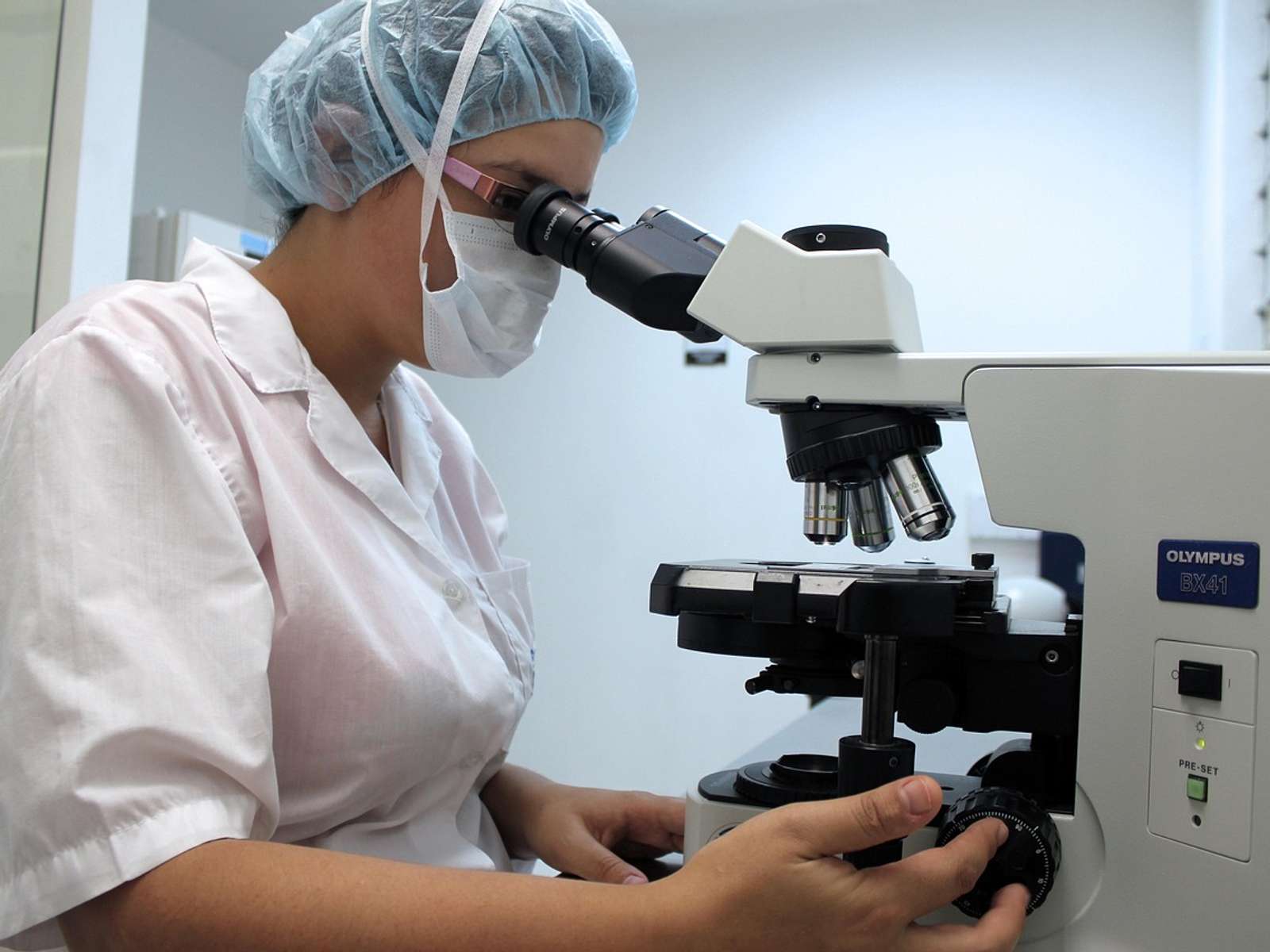
Memorial Sloan Kettering researchers found that the signaling molecule MEK drives T cells into exhaustion by making them overspend energy. Blocking it helped the cells persist in lab and animal models. MEK inhibitors are already approved drugs, but no patient has been tested yet.
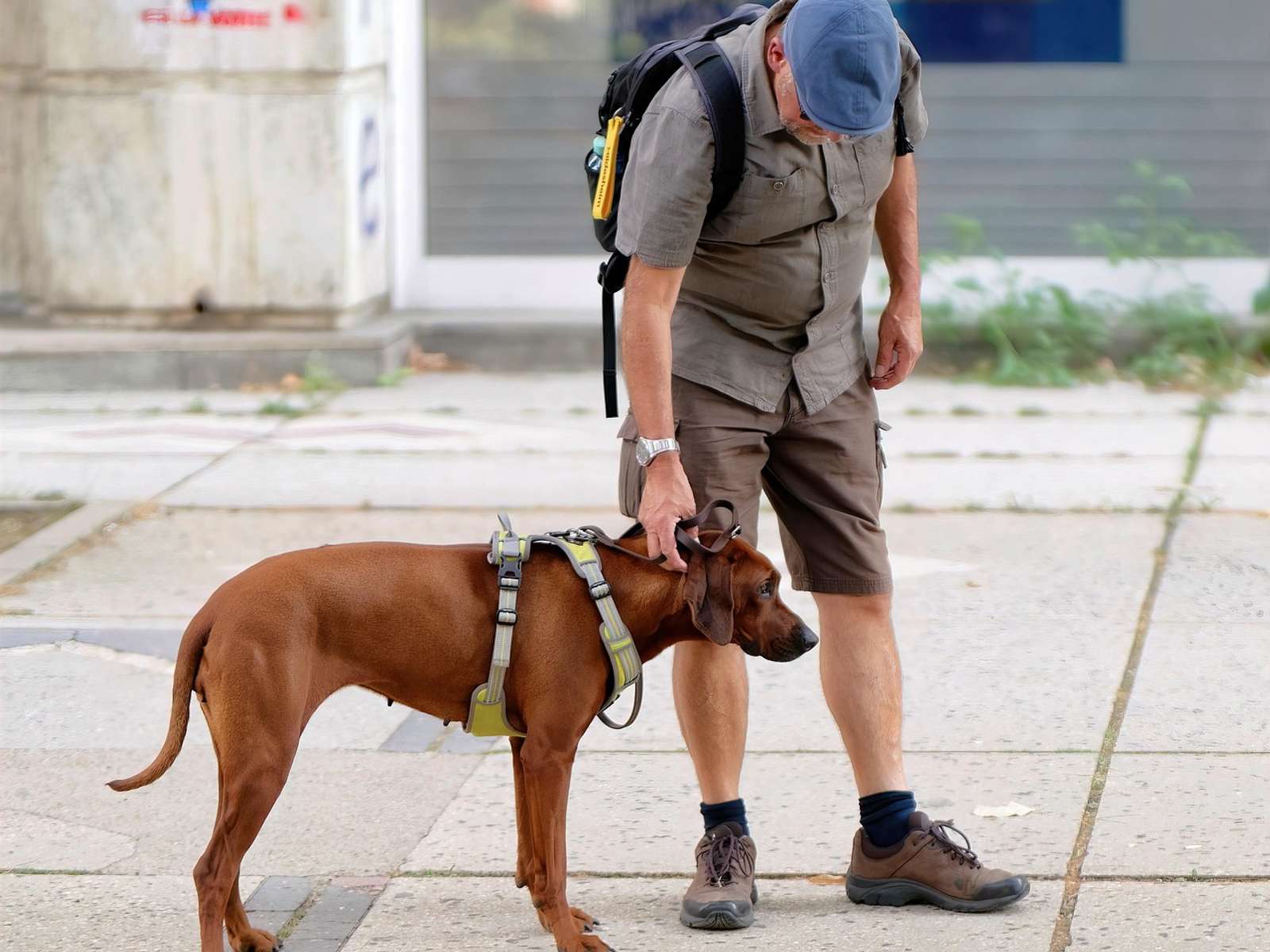
Since 1 October, landlords in Washington DC may not refuse a tenant's dog, or charge more for it, because of its breed, size or weight. It is the last part of "Roscoe's Law," which already caps pet deposits and pet rent.
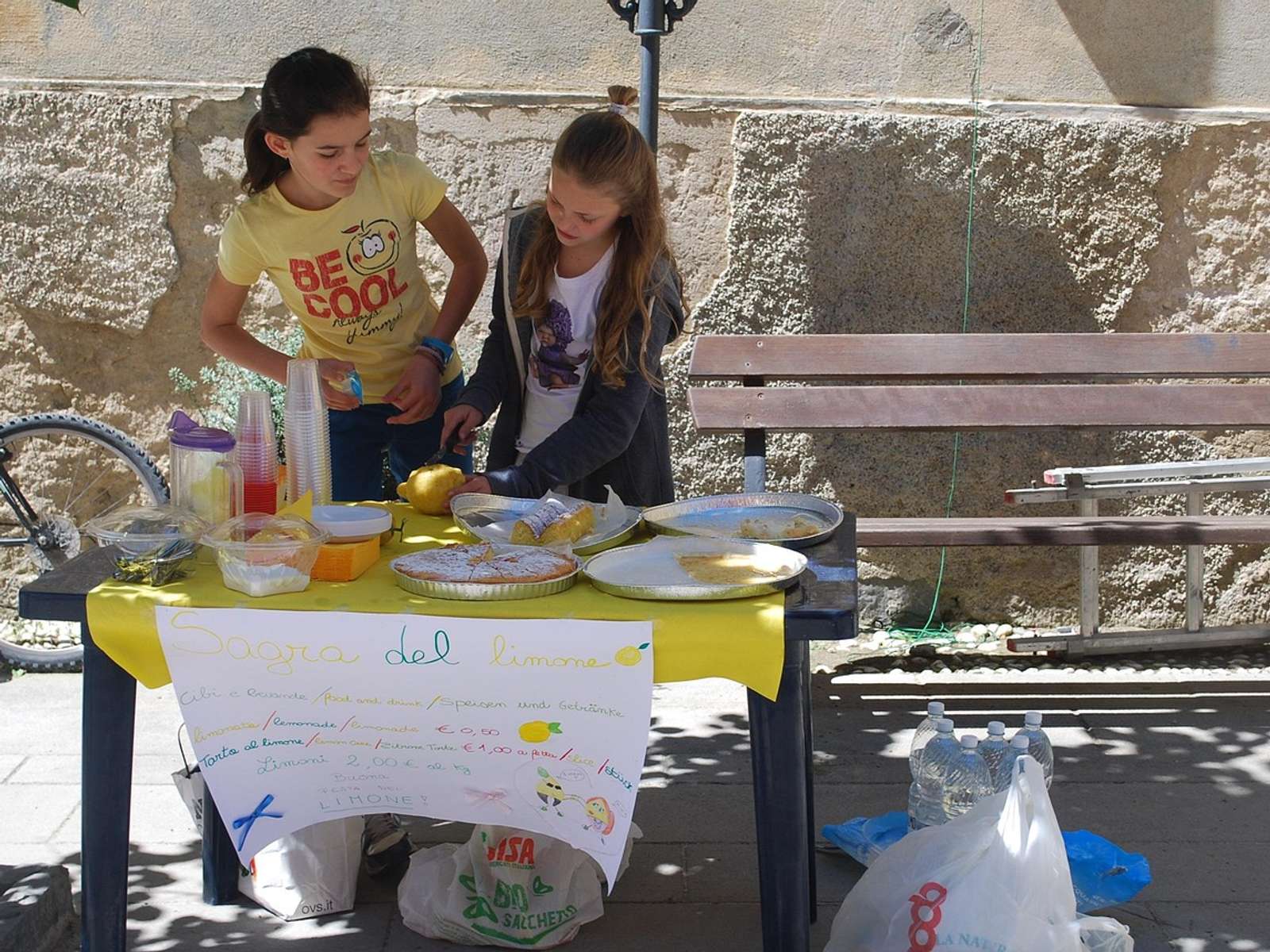
In 2018, Payton Obert raised $768 at a lemonade stand to buy toys for hospital patients. Eight years later, Payton’s Lemonade Stand has raised more than $5 million in cash and donated goods for children in Greater Cincinnati.
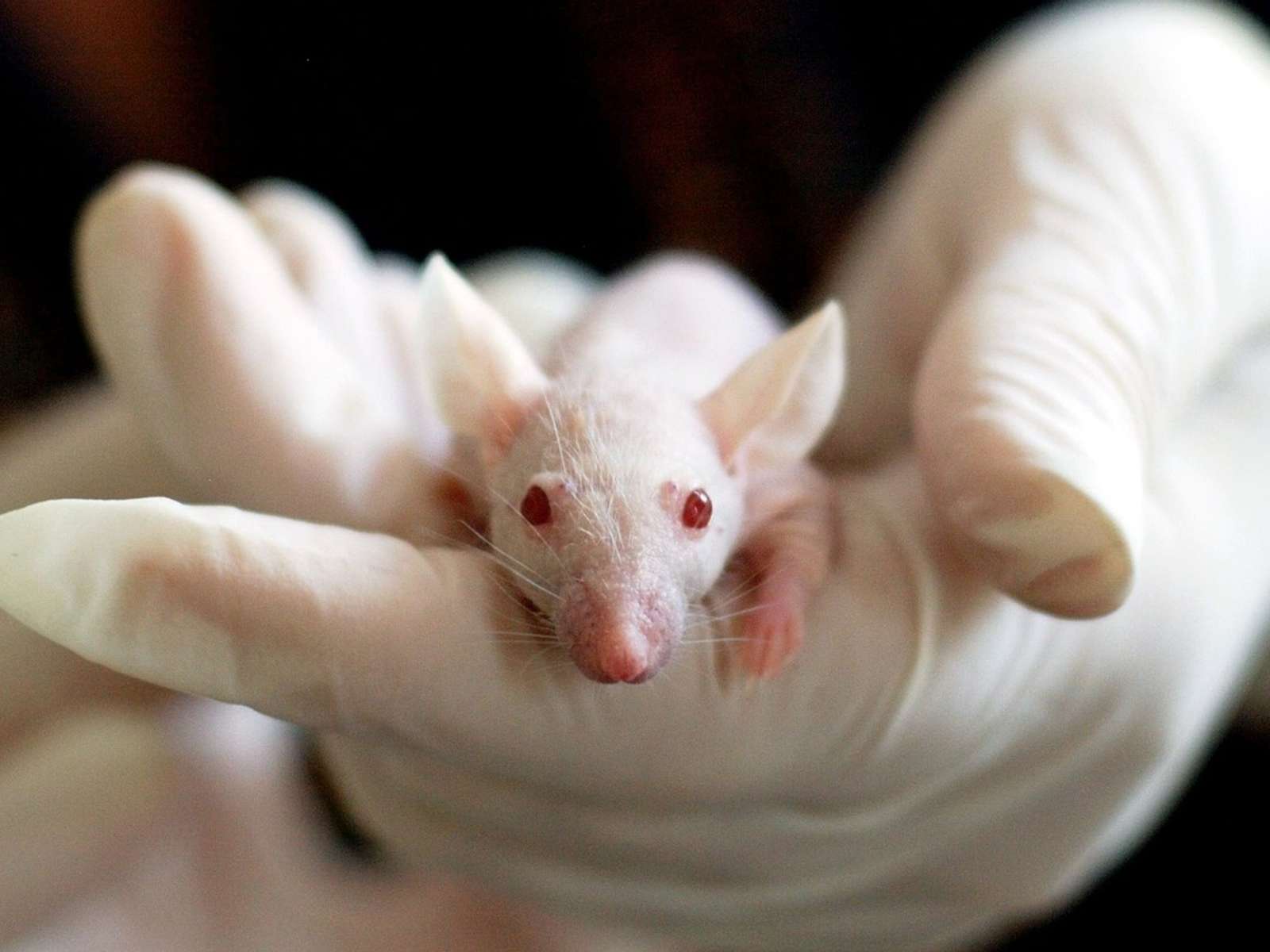
A Cedars-Sinai-led team found that the enzyme UBE2N drops in liver cells as fatty liver disease turns into MASH, and that bringing it back to normal levels in mice reduced fat buildup, inflammation and scarring. The work is preclinical.
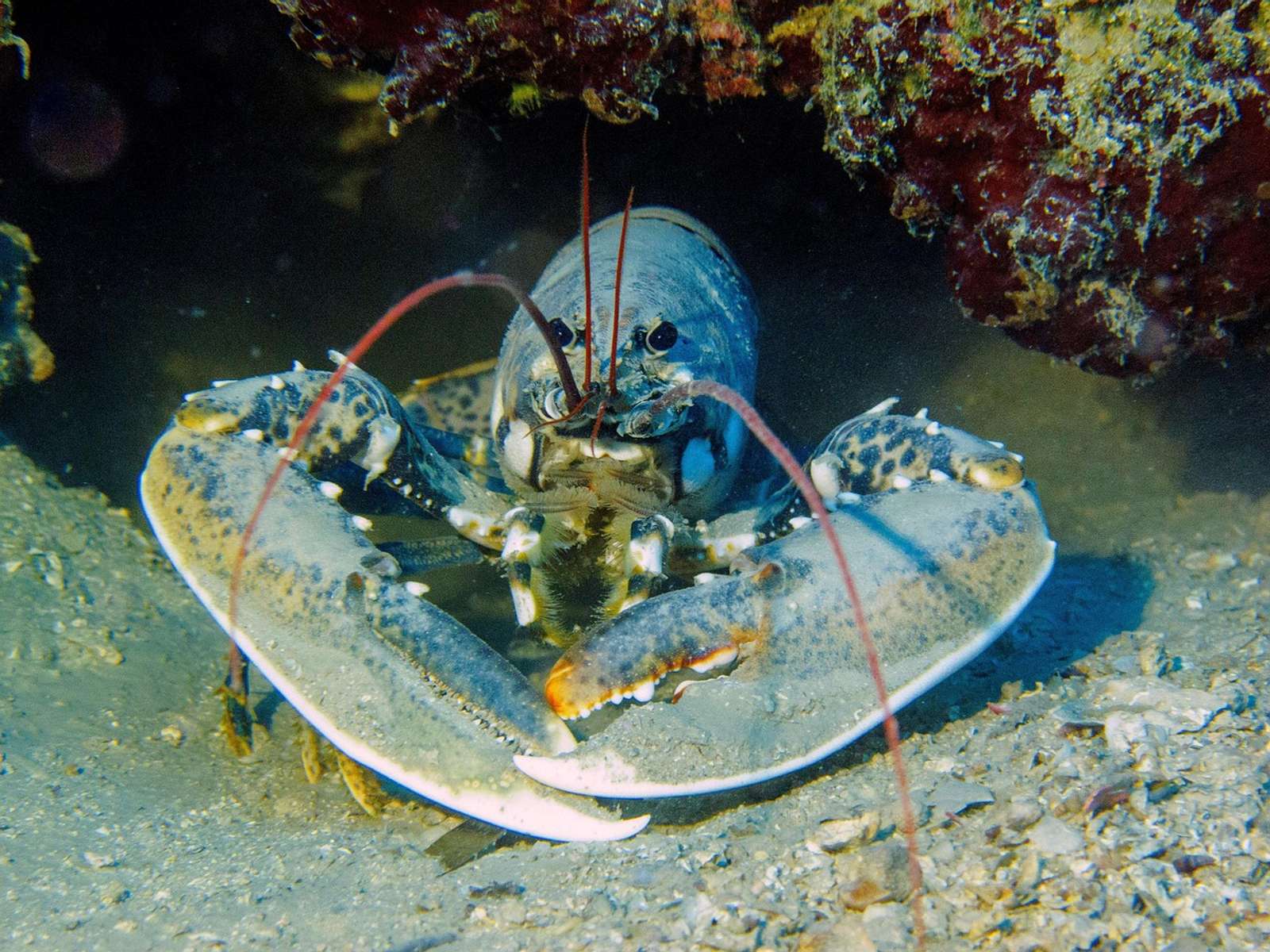
A rare white “ghost” lobster named Casper has moved from the Maine State Aquarium to the University of New England, where scientists are working out which genes give some lobsters unusual shell colors.

Days after the Nashville Symphony suspended its season over a $10 million budget gap, Oracle pledged $10 million so the orchestra can reinstate its 2026-27 season and recall the musicians and staff who faced furlough.
Oregon State University chemists report a light-driven material that produces hydrogen from water using sulfur-containing organic parts instead of an added expensive metal catalyst, a design they say could help lower the cost of green hydrogen.
Stanford researchers' urine test, uRARE-seq, detected localized bladder cancer with 95% sensitivity at 90% specificity in 683 samples and flagged which patients were more likely to respond to BCG immunotherapy.

Kentucky's $2.5 million investment in Undue Medical Debt has already wiped out $103 million owed by 46,000 residents, and the program aims to reach more than 130,000 people and $250 million. No application is needed.
The FDA has approved pirtobrutinib (Jaypirca) for adults with previously untreated chronic lymphocytic leukemia, after a 282-patient trial found it cut the risk of progression or death by 80% compared with chemoimmunotherapy.
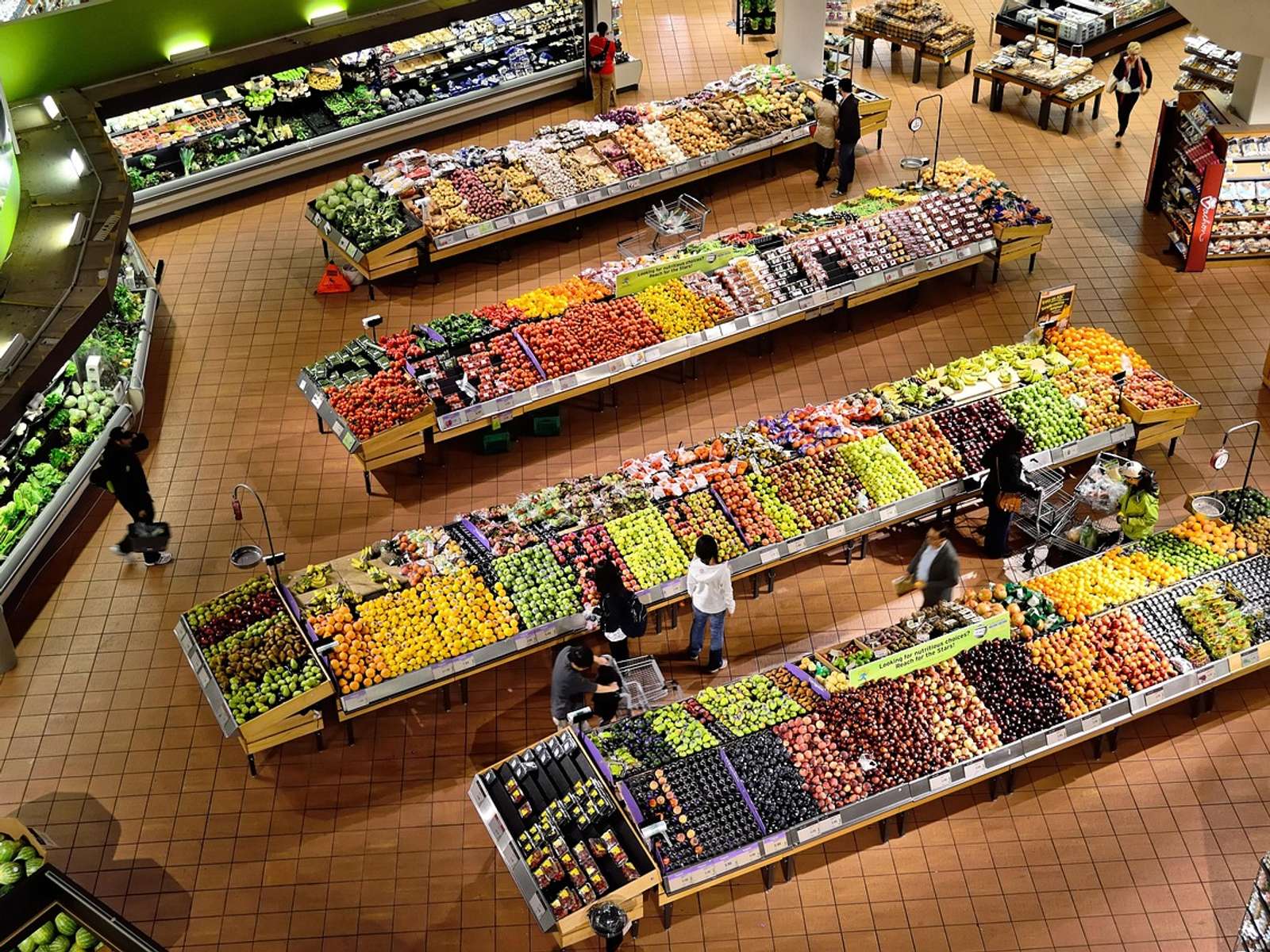
Patients who got free plant-based grocery packages from a clinic food pantry for an average of 2.7 years saw diastolic blood pressure, weight and BMI fall in step with how many packages they received. The study had no control group.

Three children, one 9 and two 6 years old, wandered a mile and a half from their Colorado campsite. A sheriff's K9 named Arch picked up their scent and showed searchers the way, and volunteers spotted them, unharmed.
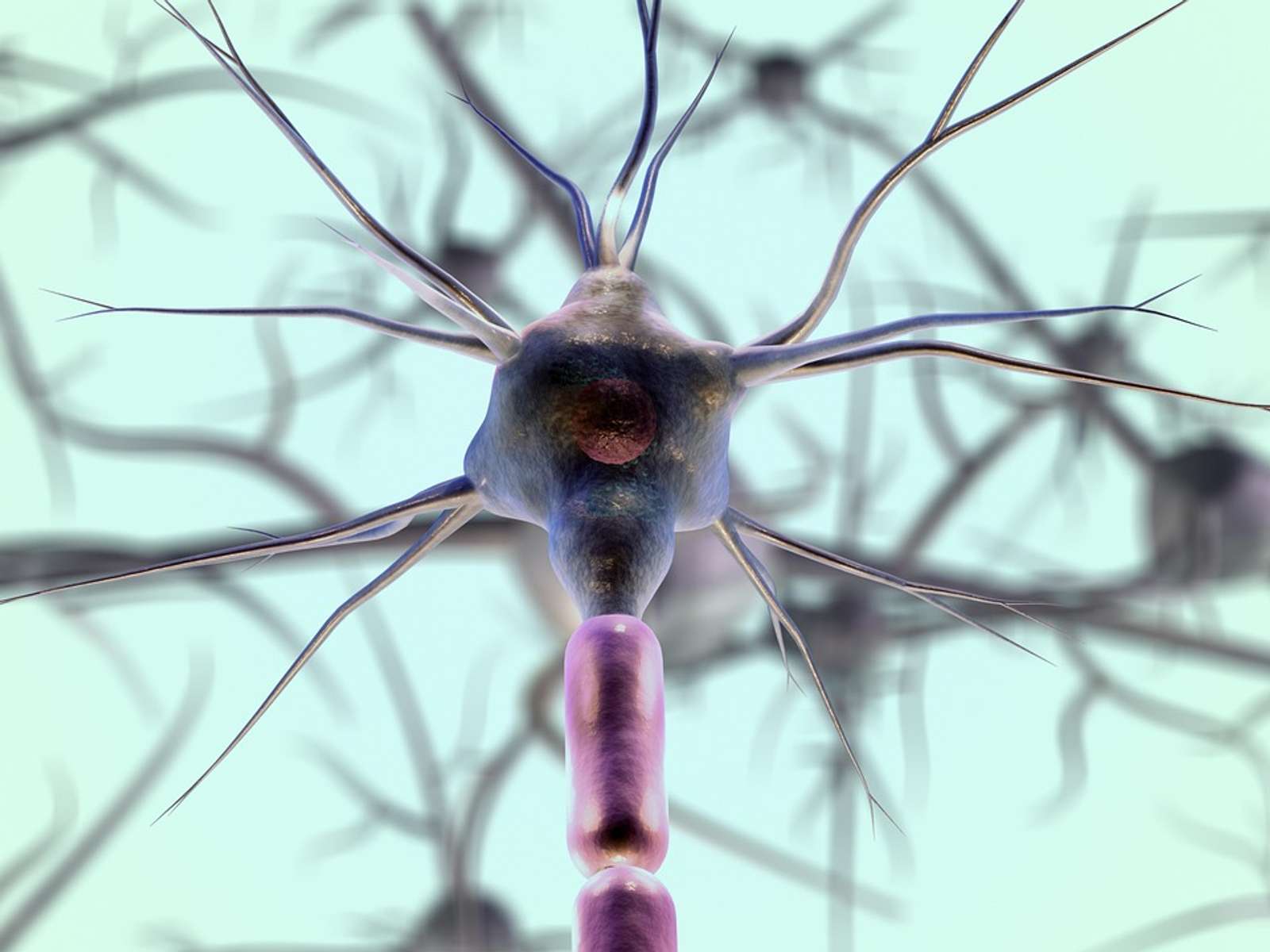
Northwestern chemists built self-assembling threads with precisely placed electric charges. In cell cultures, neurons treated with them grew longer branches, showed four times more calcium activity and formed more synapses.
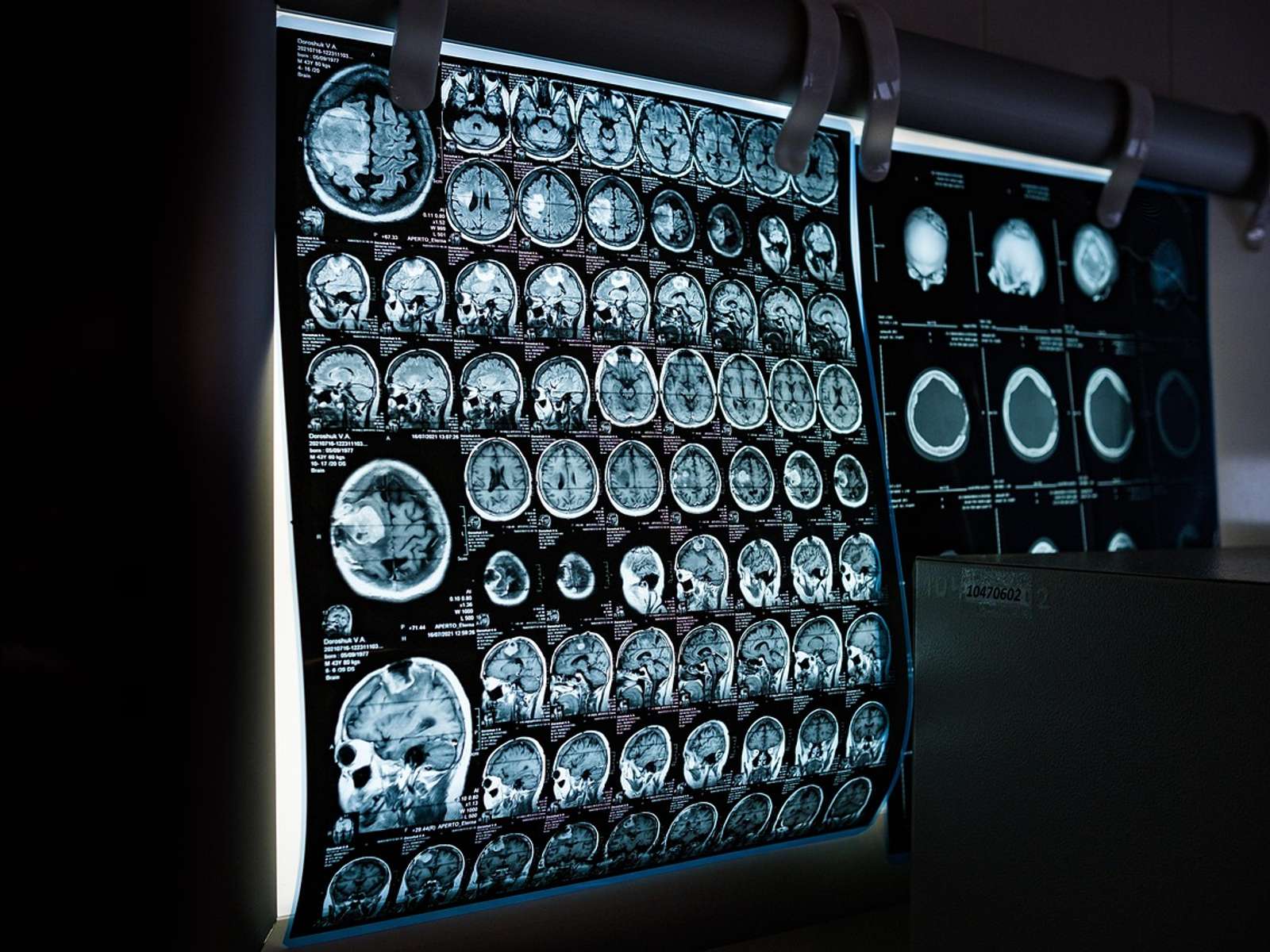
UC San Diego Health says it is the first West Coast health system to use a new coil that blocks the artery feeding chronic brain bleeds, a condition that is becoming more common as people age and take blood thinners.
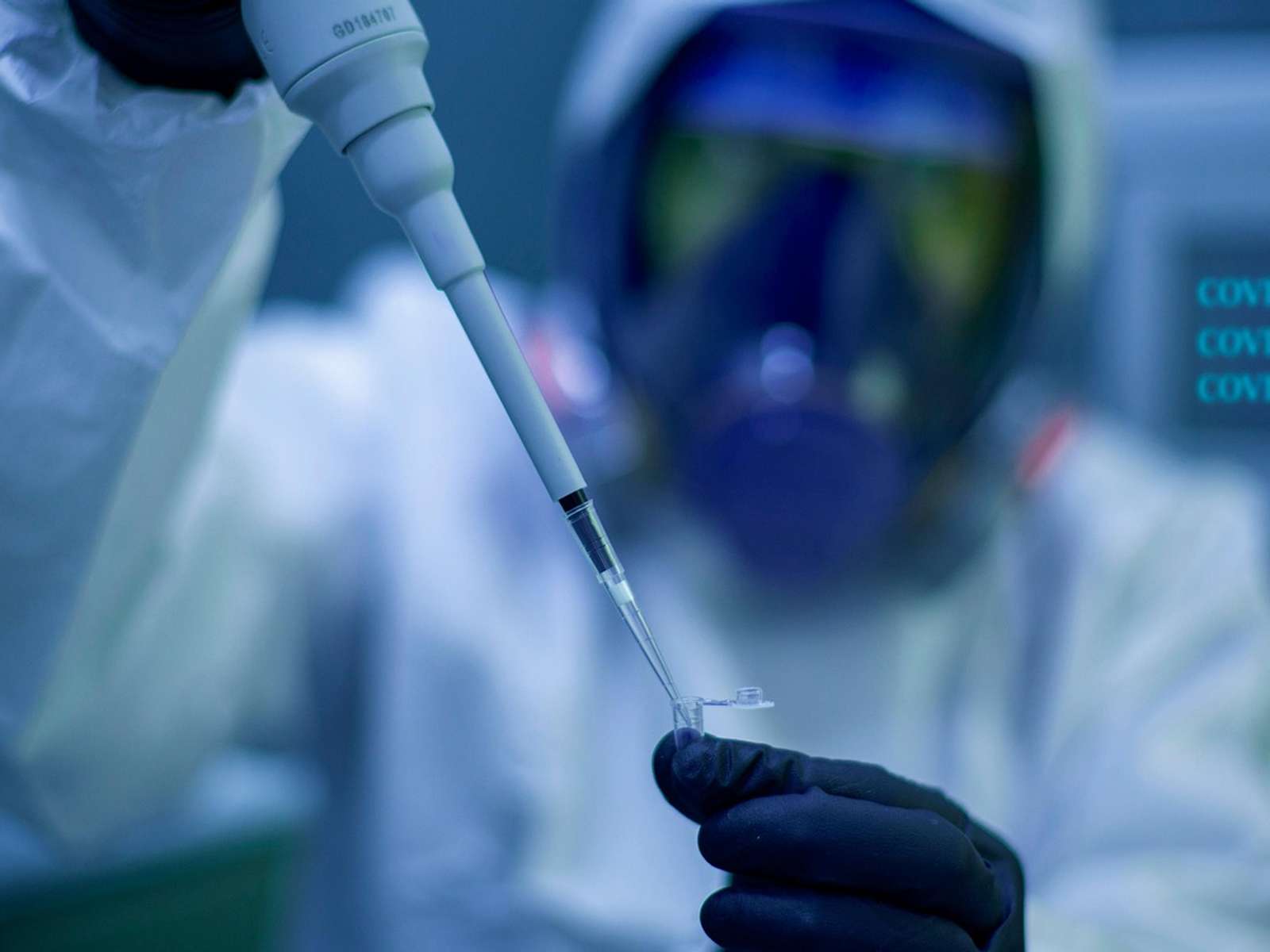
University at Buffalo researchers grew tiny salivary glands from human stem cells. Transplanted into mice, they survived more than 40 days and formed saliva-making cells, an early step toward treating severe dry mouth after cancer radiation.
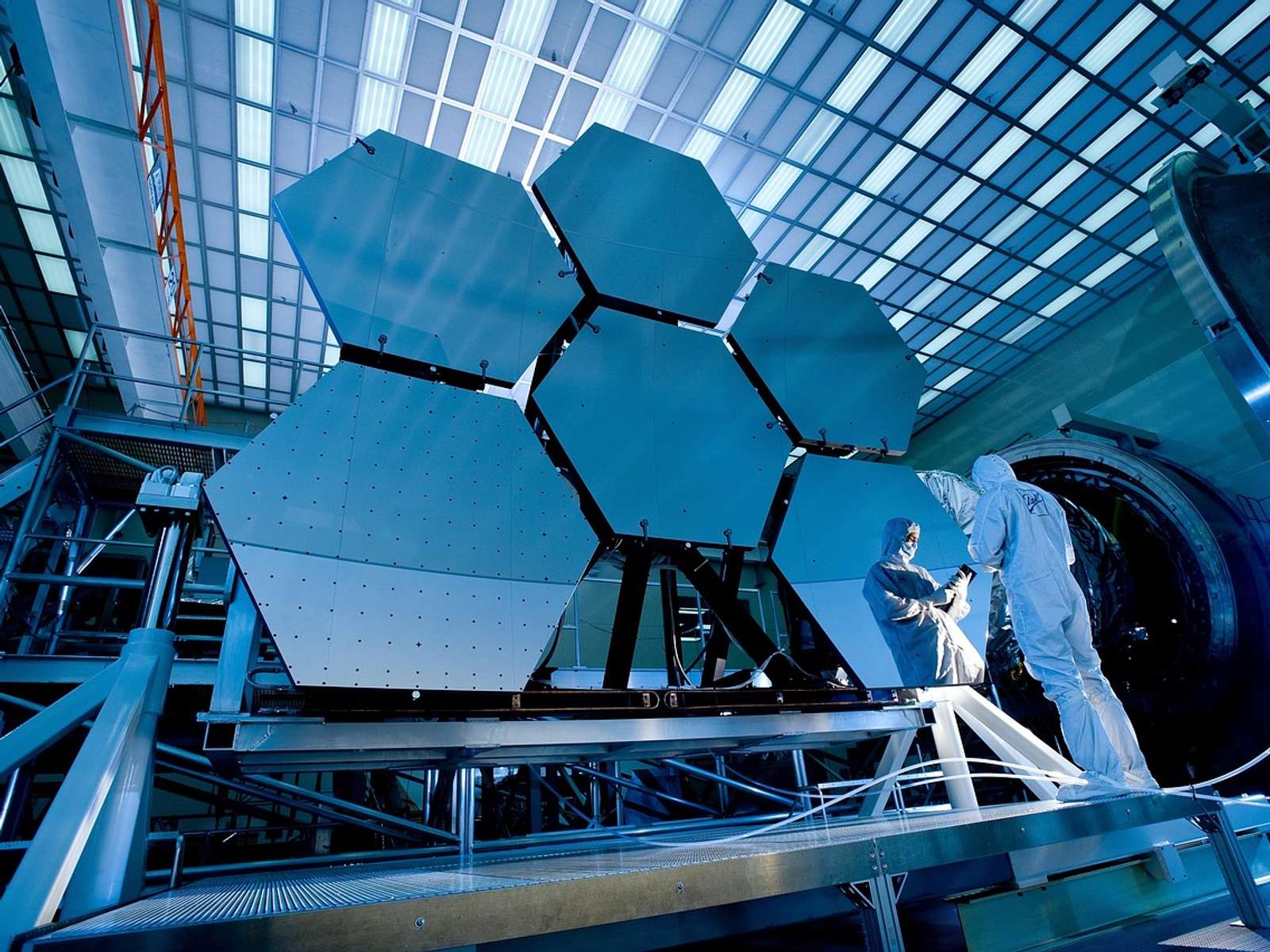
On 22 September, the Roman Space Telescope's Coronagraph Instrument photographed a faint star in a neighboring galaxy. It was an engineering test for technology meant to photograph planets around other stars directly.
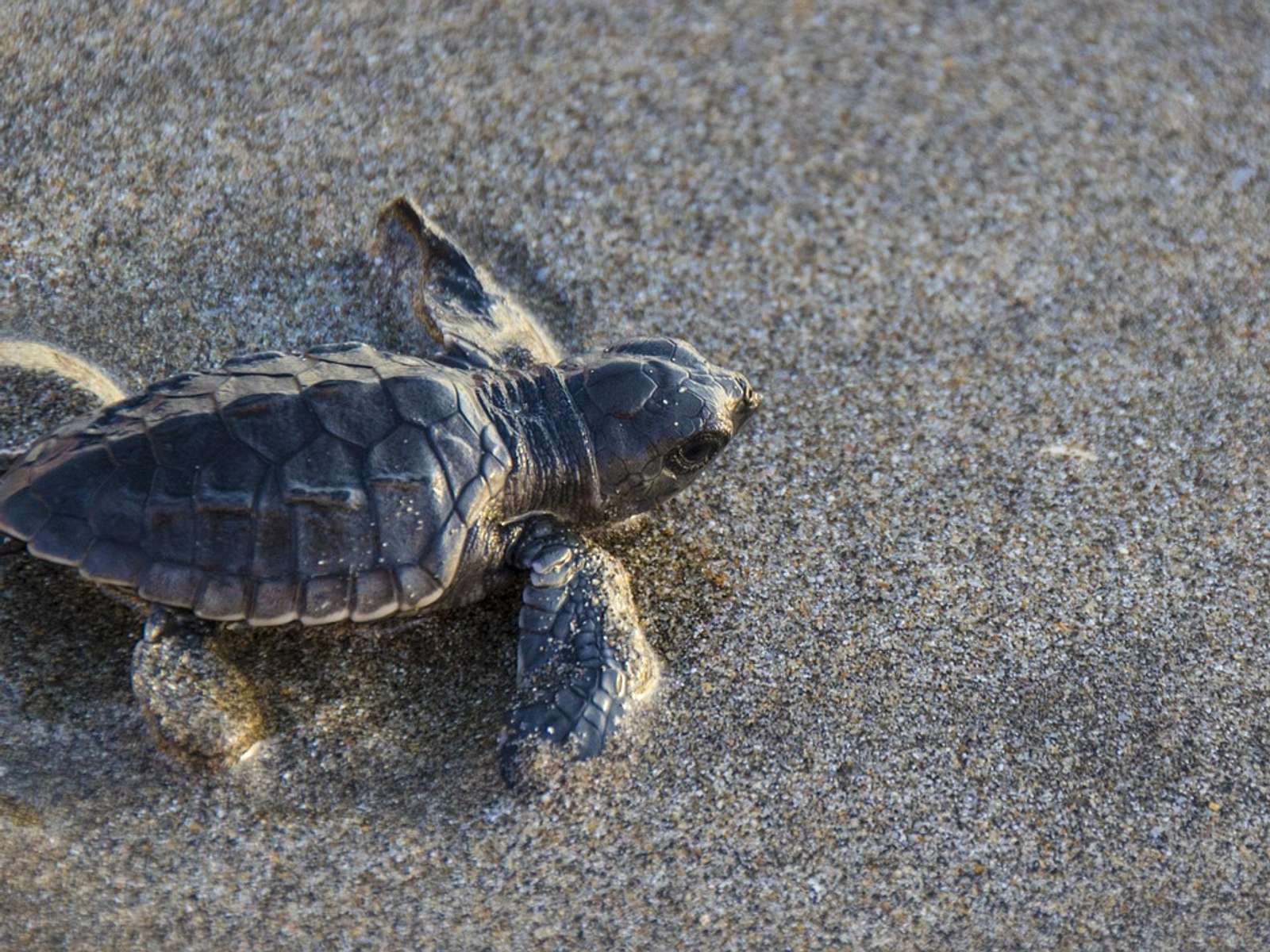
Two olive ridley sea turtles nested on Orange County beaches in September, a first for any sea turtle on the US West Coast. Their 204 eggs are now incubating at the Aquarium of the Pacific.

A Binghamton University team built paper wallpaper that generates a small current from room humidity. An array of 1,596 units powered a wireless keyboard and lowered the room's humidity in lab tests.
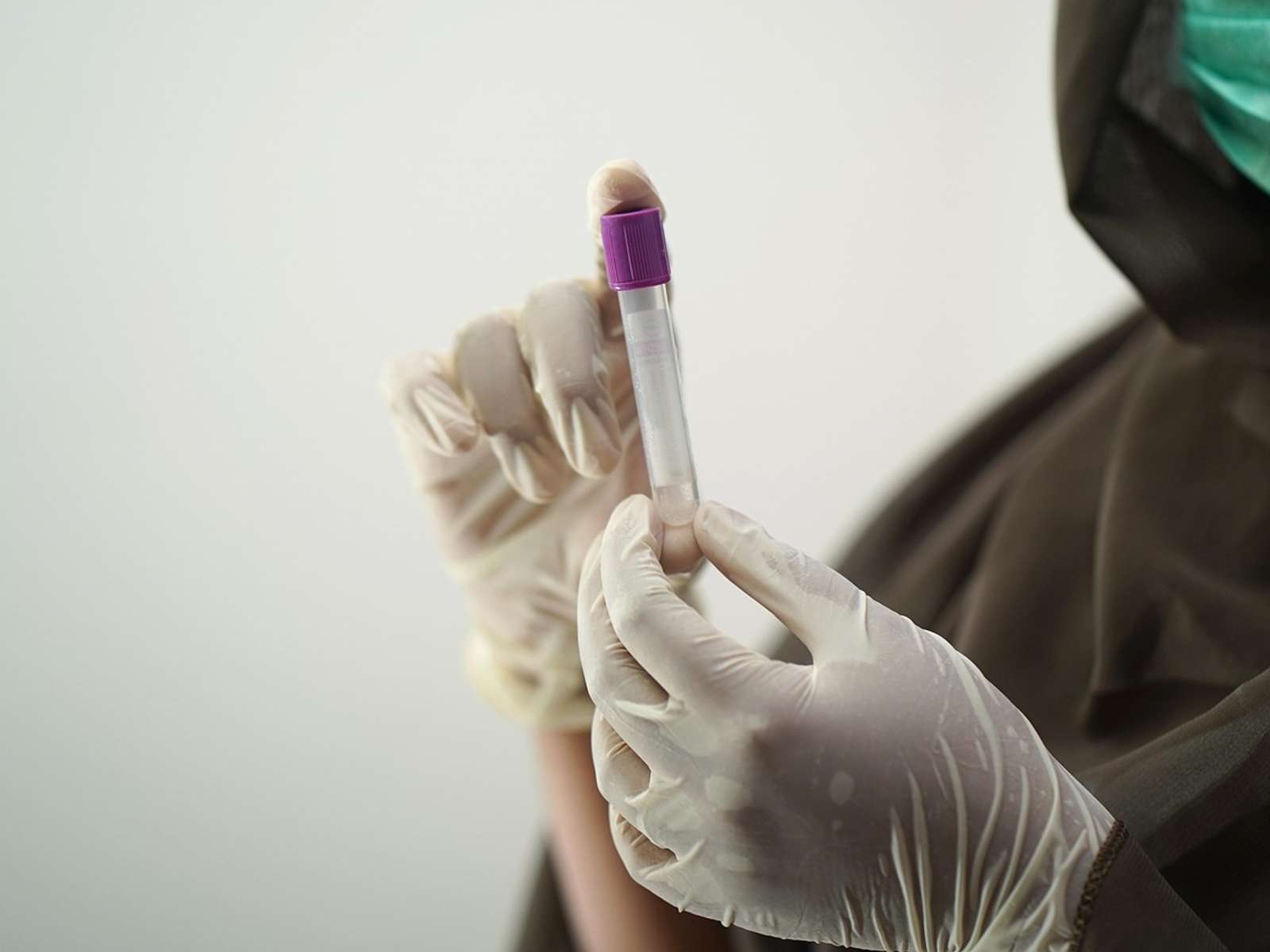
University of Hawaiʻi researchers found 31 small RNA molecules in stored blood samples that were linked to lung cancer up to a decade before diagnosis. The study covered 202 smokers and still needs testing in other groups.
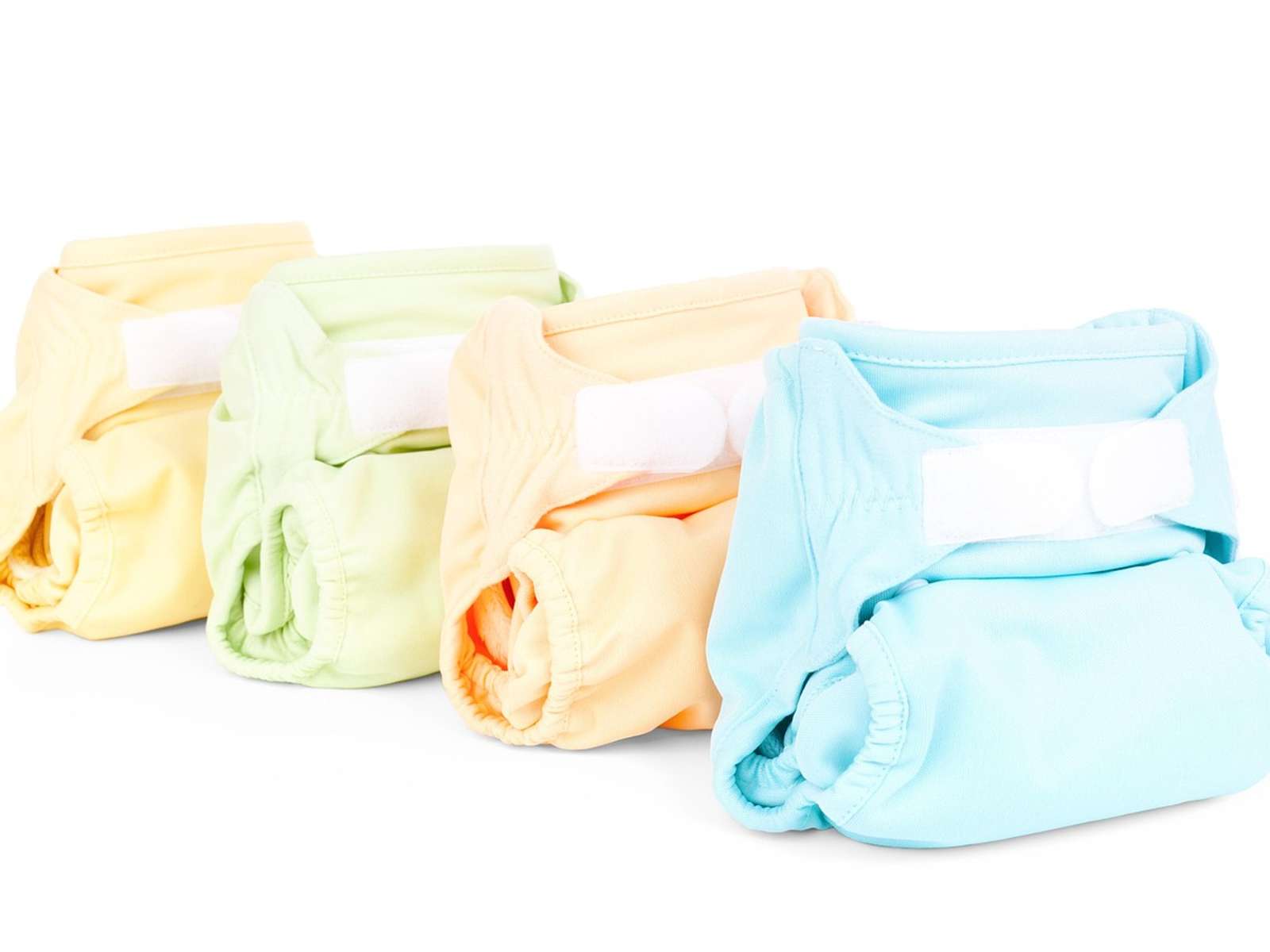
Sloan Petty, 12, set a goal of 22,500 diapers for her fifth annual drive and collected 30,326, enough to fill a U-Haul for Nourish Phoenix. Diapers are among the most requested items there, and SNAP and WIC don't cover them.

New York City reached a $131.5 million settlement with DoorDash over unpaid, late and underpaid wages. More than $115 million goes to workers, who do not need to file a claim, and DoorDash will be monitored for three years.
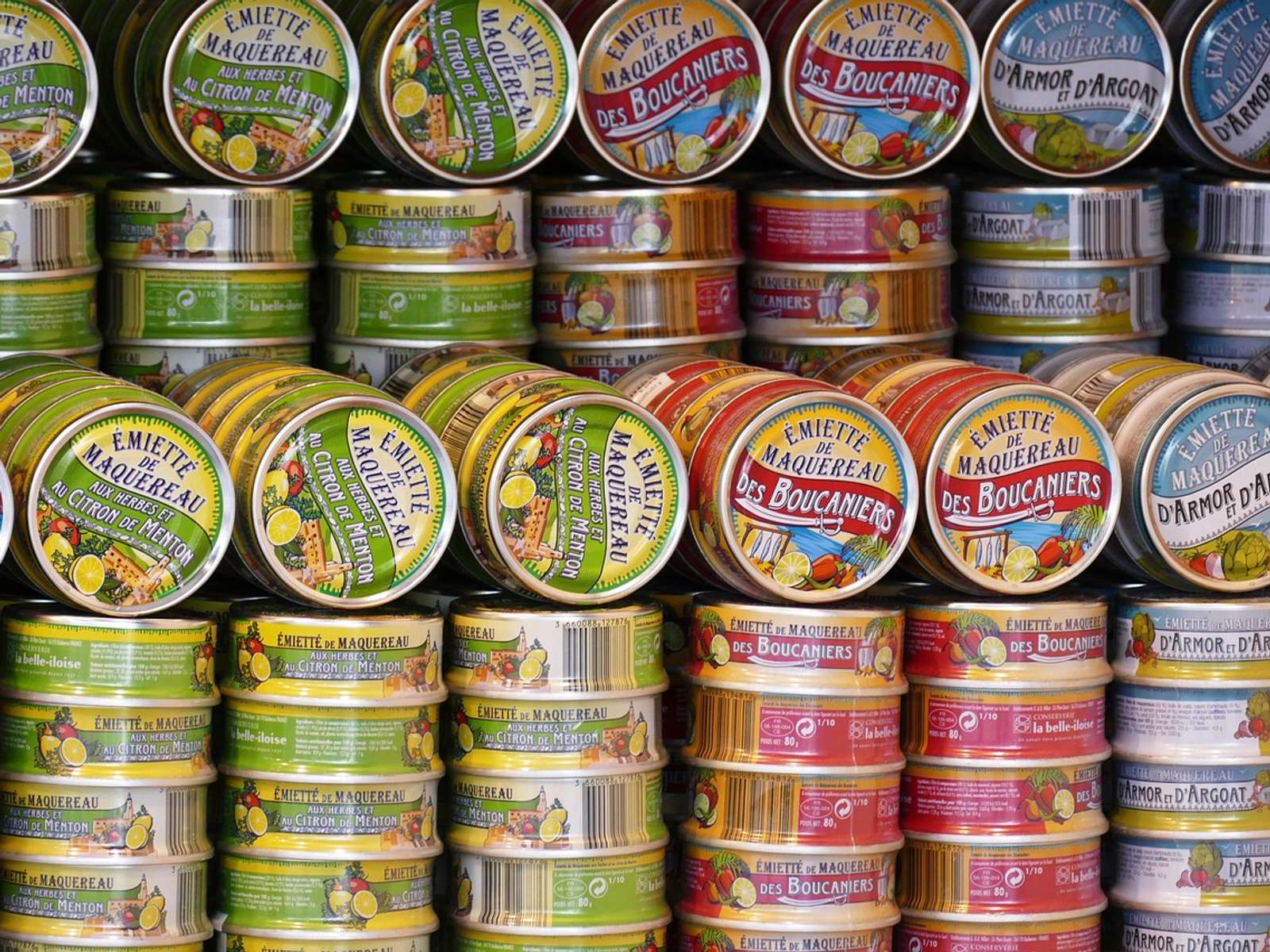
The Buffalo Bills Foundation and Wegmans collected 70,626 pounds of food during Huddle for Hunger week, beating last year's record, and will give $205,859 to 20 hunger-relief charities in Western New York.
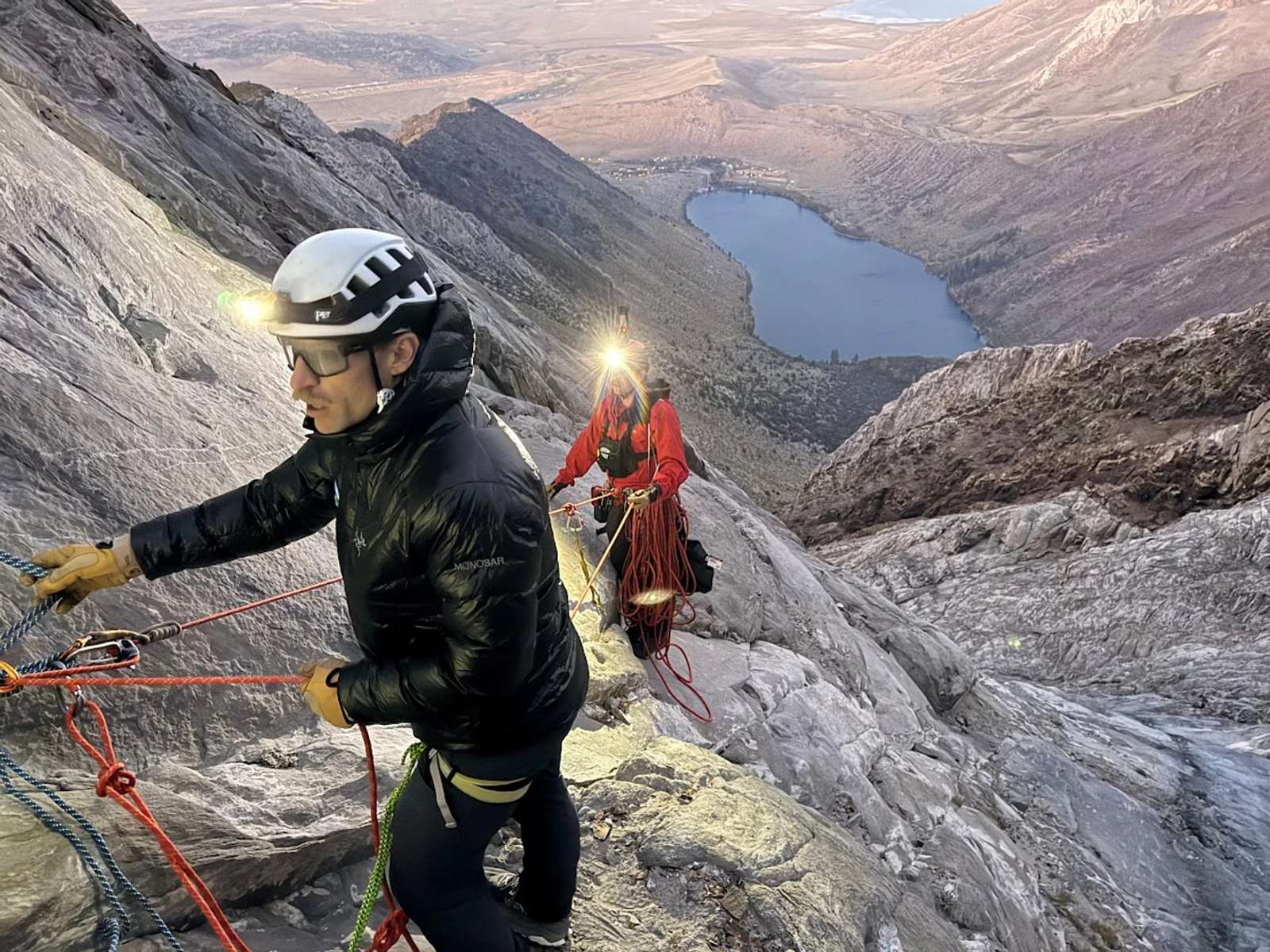
An all-volunteer search and rescue team spent 15 hours reaching climber Rob Martin, stranded on a six-inch ledge 10,000 feet up California's Laurel Mountain, and brought him down safely overnight.

The Jade Apartments, 40 affordable homes in Portland's Jade District, are the seventh and final project this year funded by a regional housing bond that has delivered well over 5,300 homes, beating its original target of 3,900.
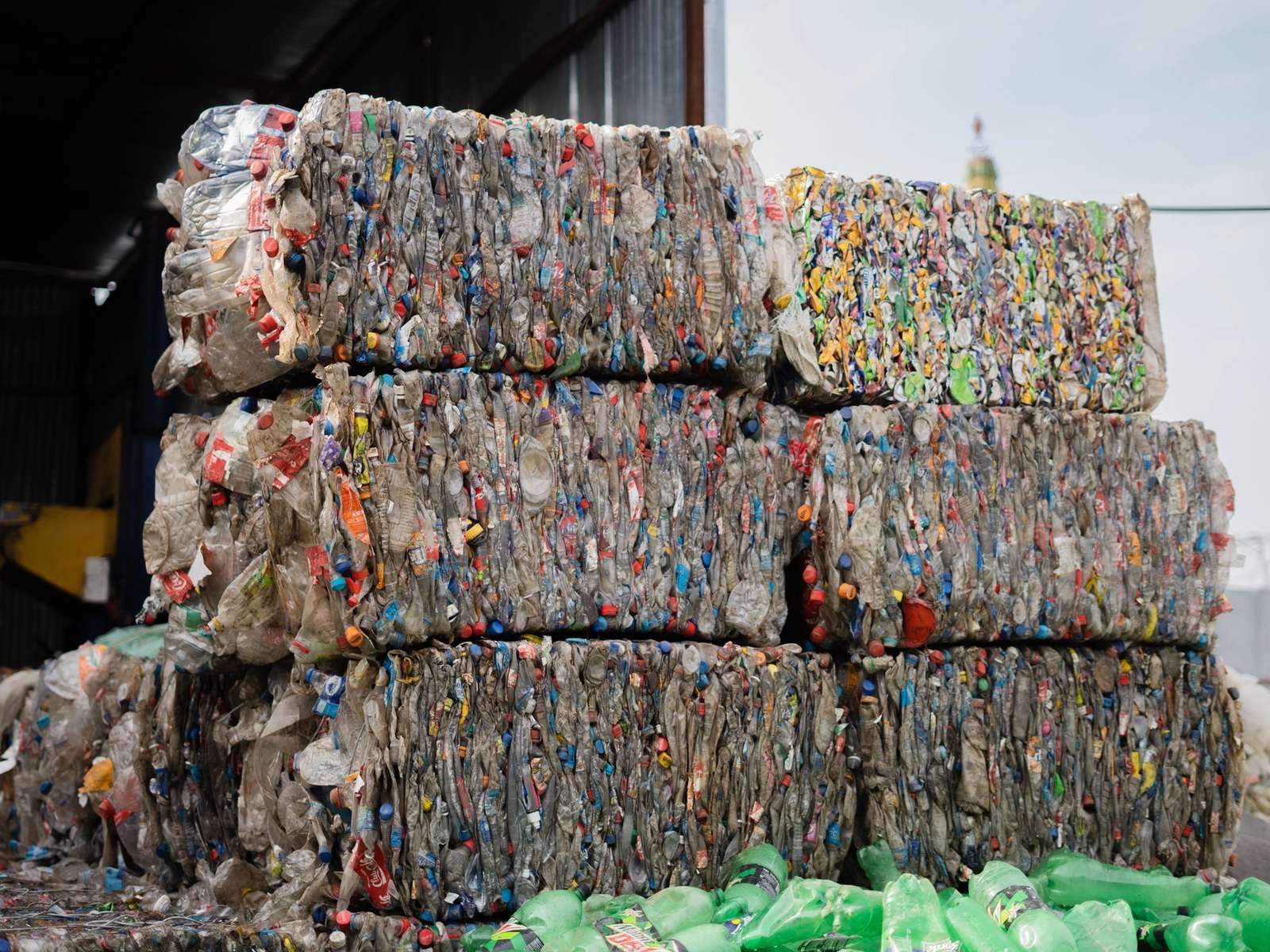
A University at Buffalo team led by Amit Goyal has built a sensor that measures recycled plastic content directly, without relying on paperwork, earning two 2026 R&D 100 Awards and a patent application.
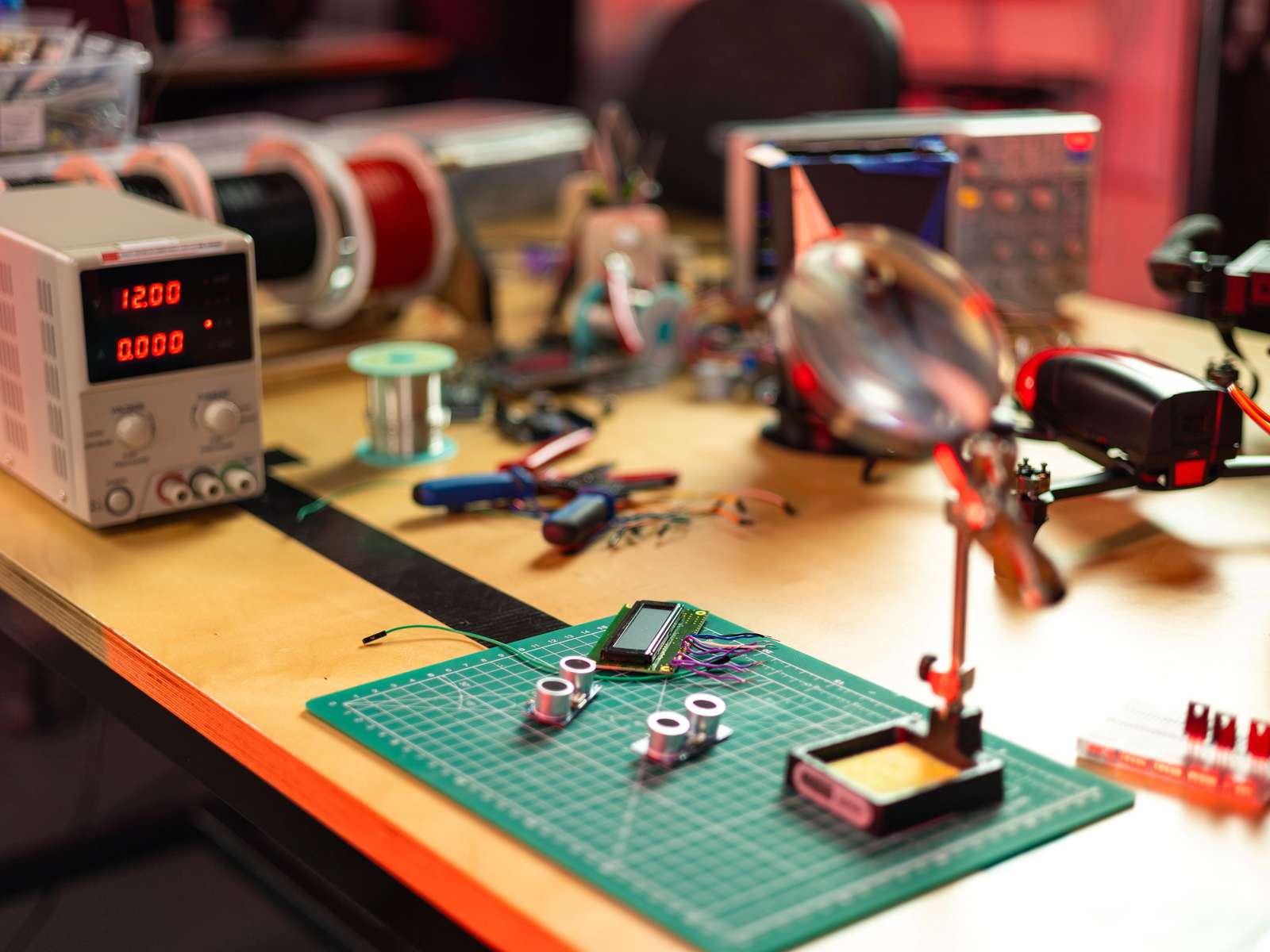
MIT researchers have built 3D-printed "bifur-circuit" blocks that reconfigure into a huge range of stable shapes while keeping their electrical connections fully intact, a step toward furniture and gadgets that can physically transform.
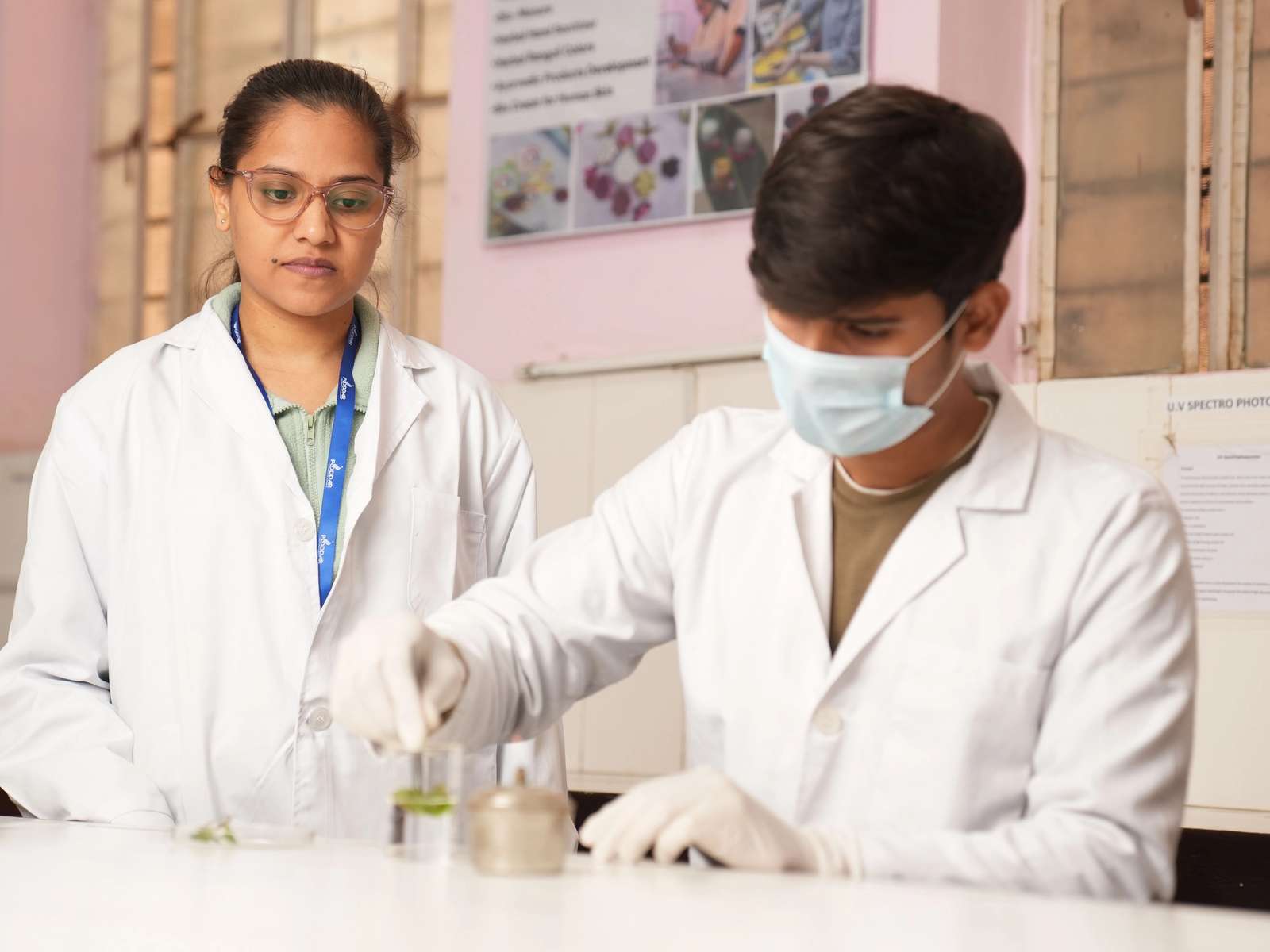
Harvard and Stanford scientists engineered marine bacteria that speed up natural rock weathering, a process that traps atmospheric carbon dioxide in seawater, achieving a 2.6-fold increase in mineral dissolution in early pilot tests.
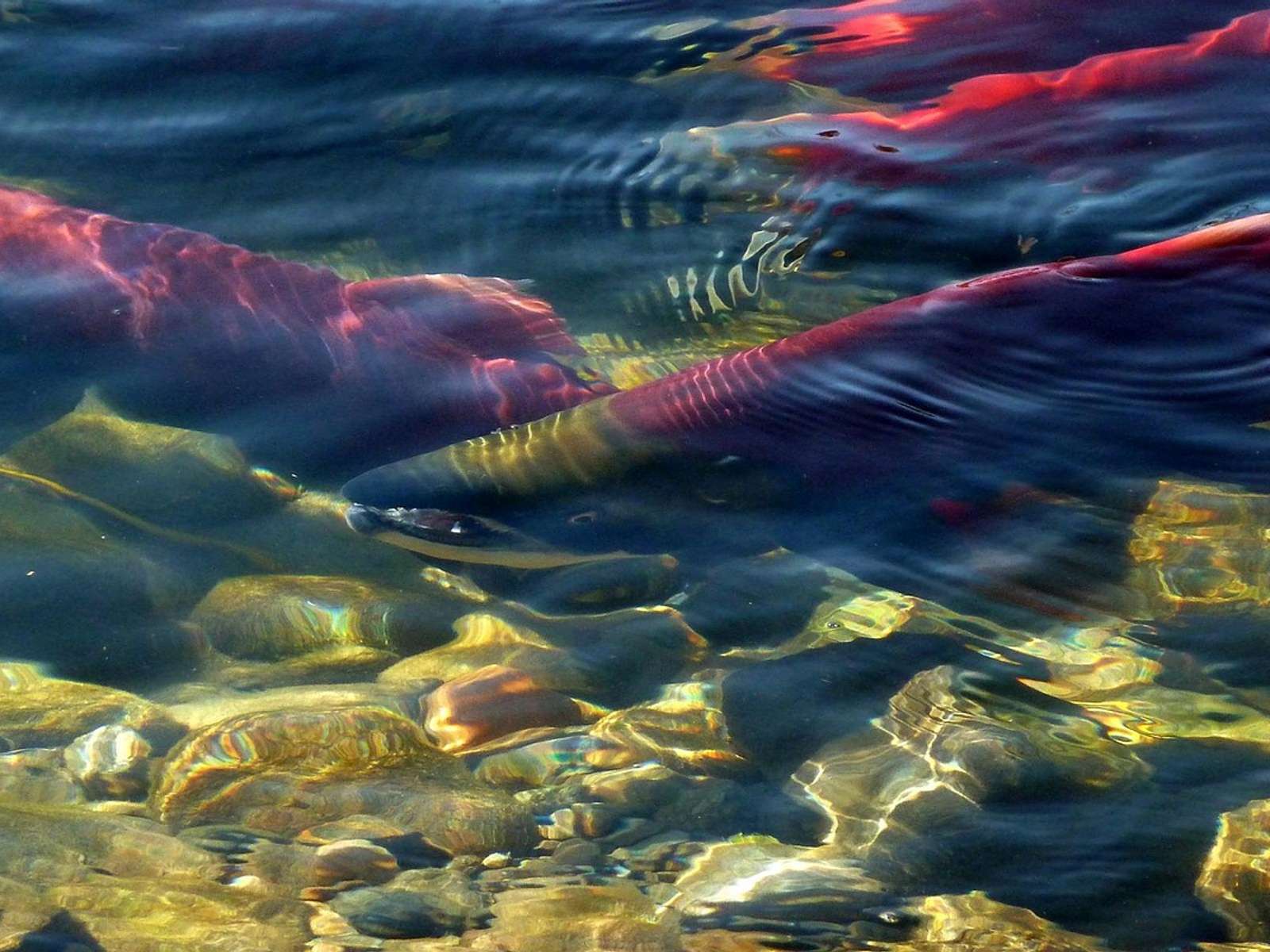
Threatened Hood Canal summer-run chum salmon are making a remarkable comeback in Washington, with average annual returns nearly tripling in recent years as major river restoration work gives the population an even stronger chance to recover.
The FDA has approved a first-in-class targeted treatment for metastatic pancreatic cancer after a major trial showed substantially longer median survival than standard chemotherapy.
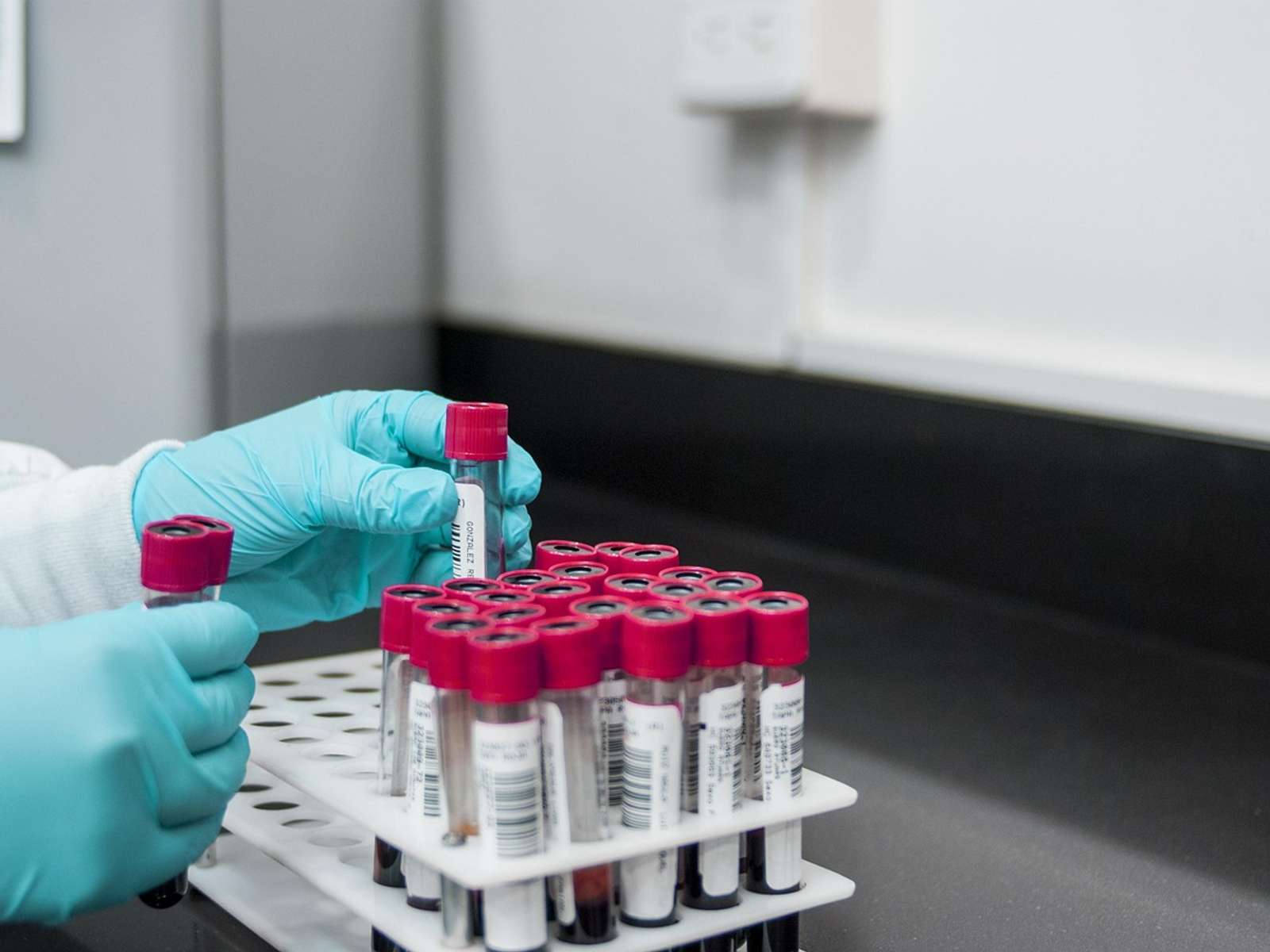
A quick urine test could help doctors identify healthy donor kidneys that might otherwise go unused, potentially making hundreds more organs available for transplantation each year.