NASA's Roman Telescope Just Took Its First Step Toward Photographing Alien Worlds
NASA's Nancy Grace Roman Space Telescope opened its coronagraph instrument to space for the first time, testing technology designed to block starlight and directly image planets around other stars.
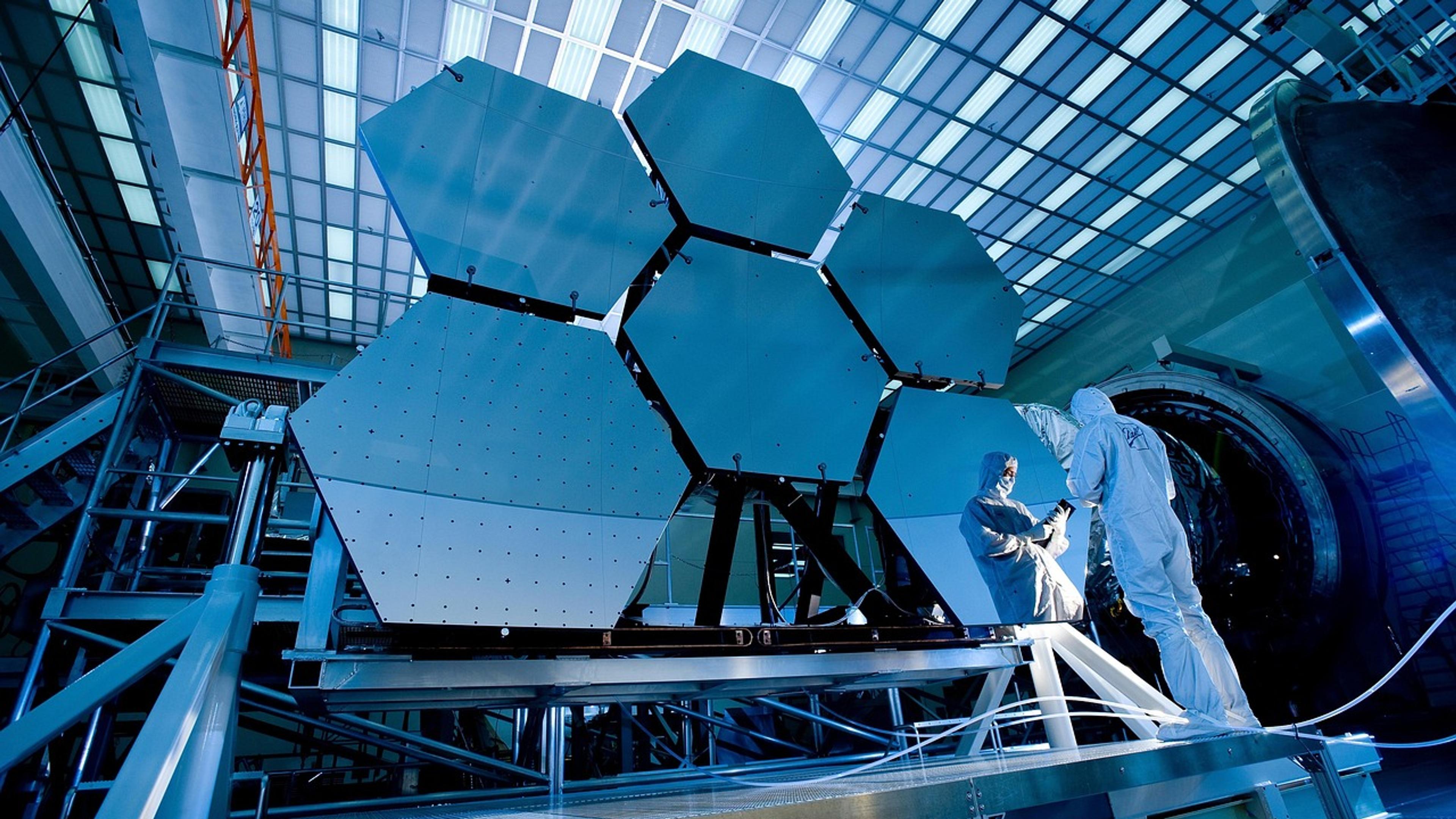
NASA's Nancy Grace Roman Space Telescope has taken its first real step toward photographing planets outside our solar system. On September 22, 2026, its Coronagraph Instrument made its first observation from space, according to Caltech.
Blocking starlight to reveal hidden planets
Stars are so much brighter than the planets orbiting them that direct images are usually impossible — the glare simply drowns everything else out. The Coronagraph Instrument, built at NASA's Jet Propulsion Laboratory, is designed to block that starlight and reveal the faint planets and dusty disks hiding near it.
'Digging a dark hole' in the sky
IPAC's Alexandra Greenbaum, who leads the coronagraph's data management system, described the goal as 'digging a dark hole on the sky' around a star to expose what's hidden close to it. JPL scientist Vanessa Bailey confirmed the instrument could already 'produce a focused image' during this first test.
What comes next
The instrument powered on September 1 and completed system checks before this month's first observation. Both the Coronagraph Instrument and the telescope's Wide Field Instrument now enter a three-month commissioning period of calibration and testing, with NASA expecting to release the first public images in early 2027.
Like what you're reading?