New planets, telescopes, launches and the people who make them happen, reported from the space agencies and research teams themselves.
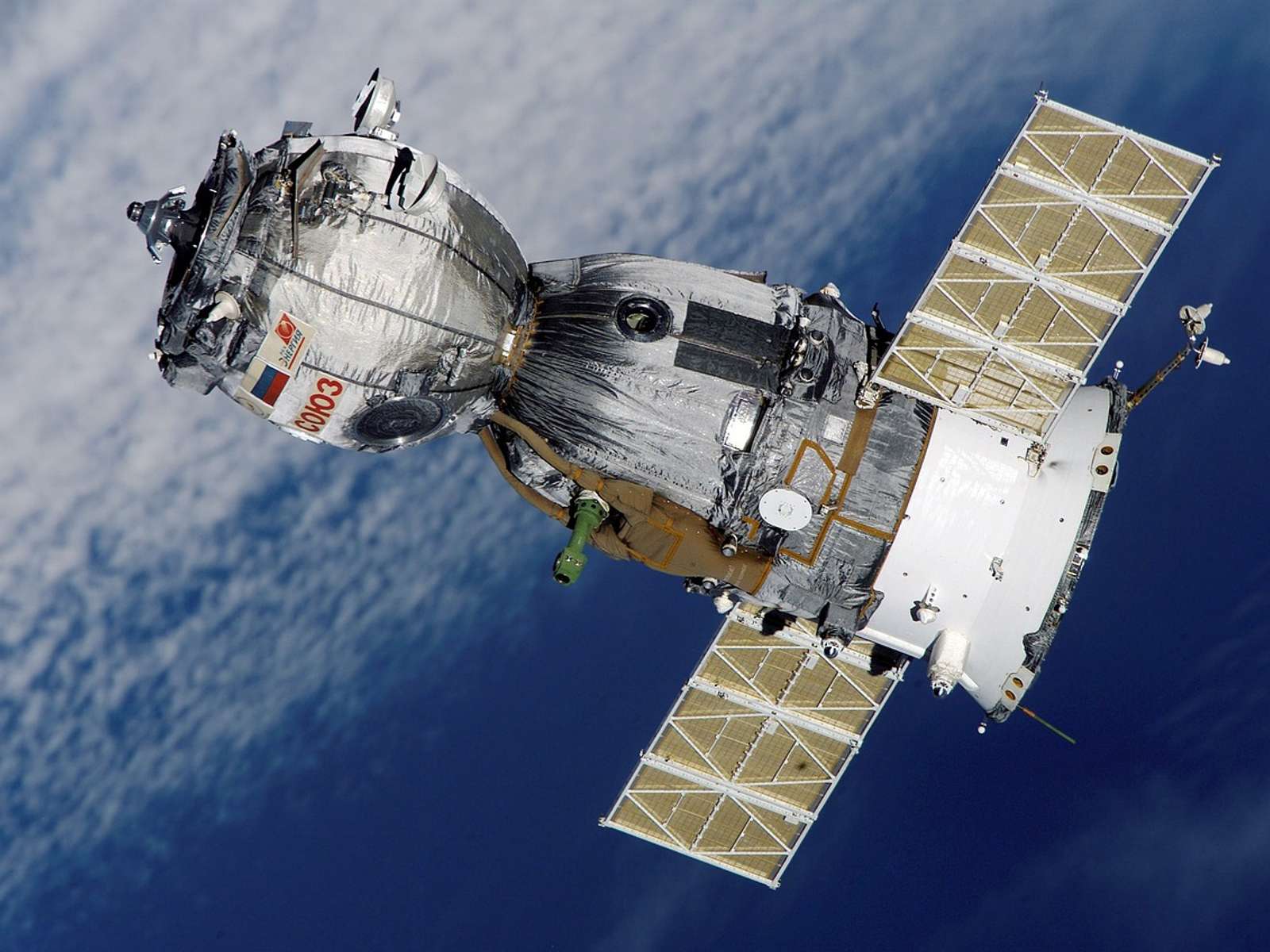
A robot arm on Caltech's ASTRA payload assembled one truss bay in low-Earth orbit on its own. Team leader Sergio Pellegrino called it the first structure built autonomously in space. The full 11-bay design was not finished.
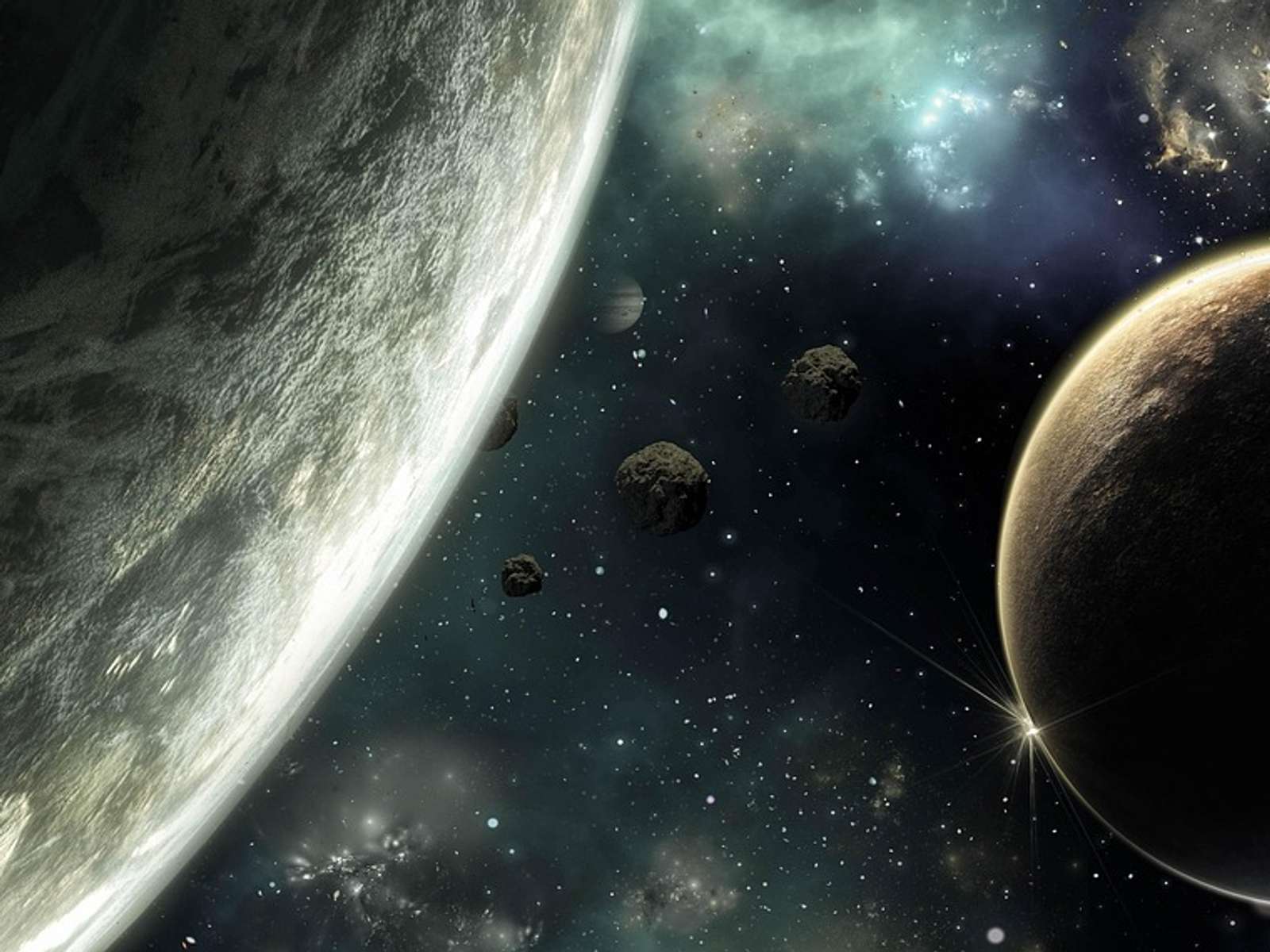
Five years after launch, NASA's Lucy has reached the swarm of Trojan asteroids that leads Jupiter around the Sun, the first spacecraft to enter the region. Its first asteroid flyby, of Eurybates, is set for 11 August 2027.
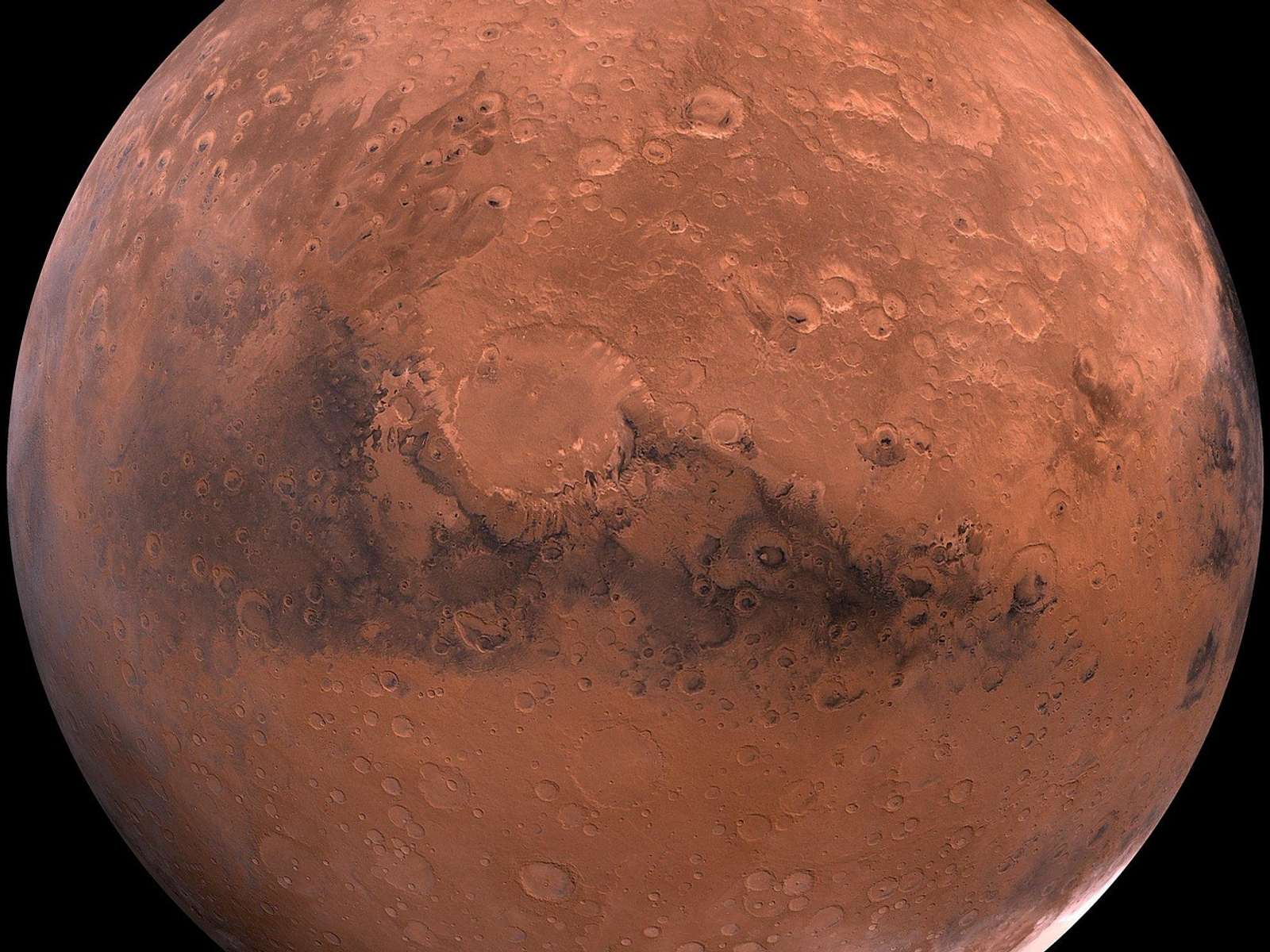
Teghaza 001, an 800-gram Martian meteorite found in the Sahara in 2022, formed more than 4.1 billion years ago and may come from a part of the Martian crust never sampled before, a NASA-funded study found.
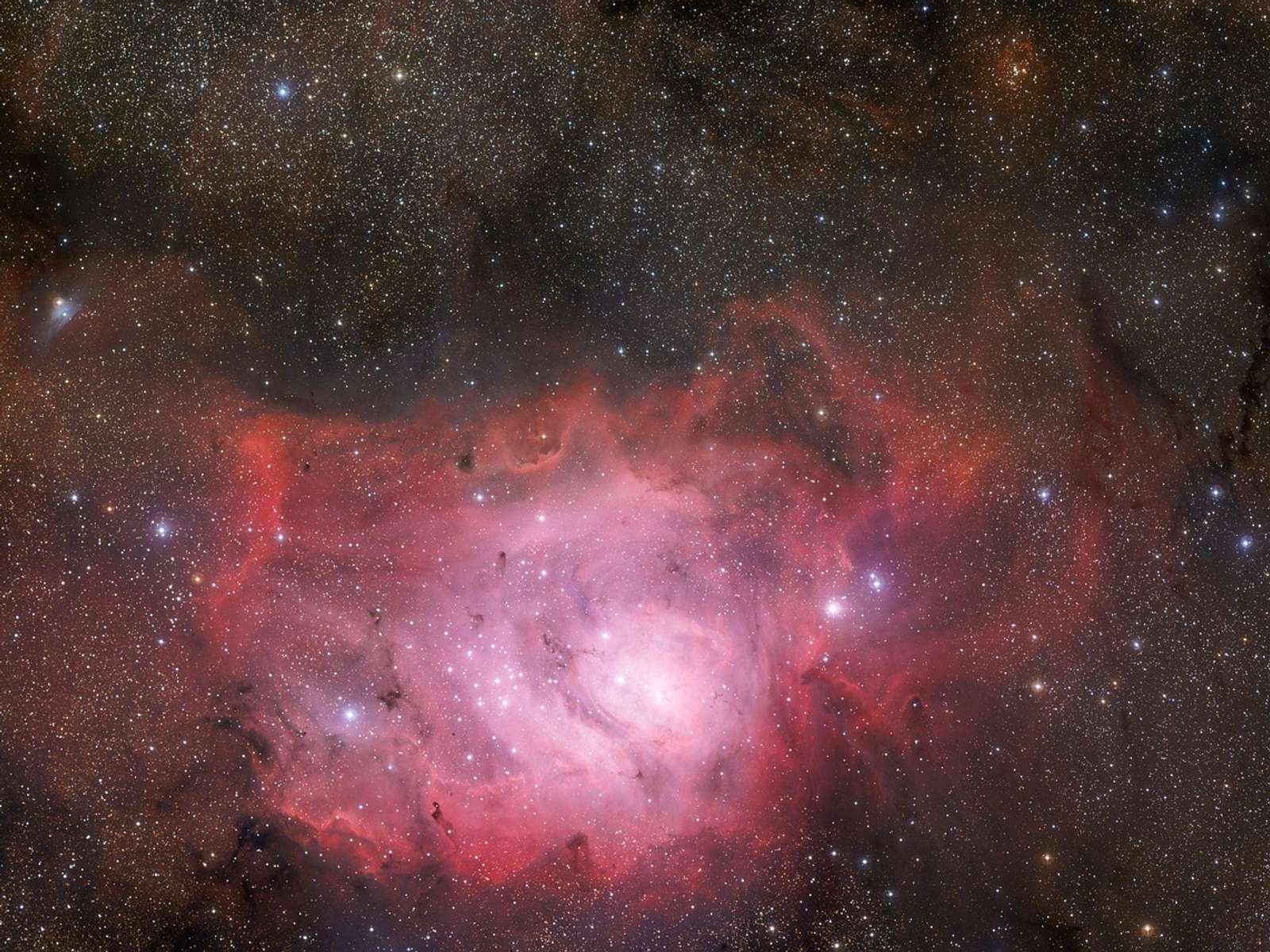
NASA released Hubble and Webb images of the Cat's Head, a dusty filament in the Carina Nebula about 7,500 light-years away that looks like a cat seen from behind. Its glowing 'eye' may be a young star still wrapped in dust.
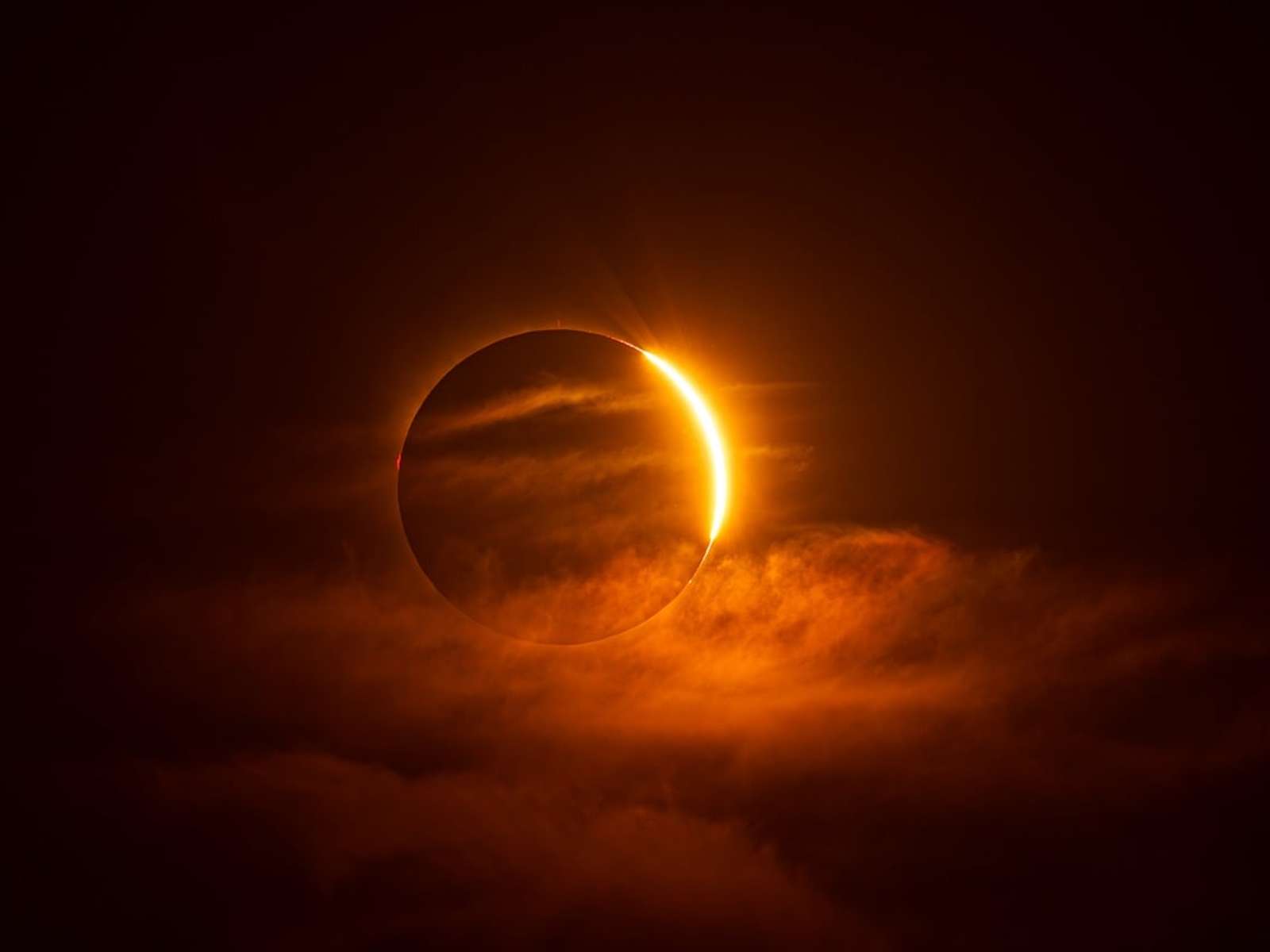
Using data from the Mauna Loa Solar Observatory, NSF NCAR and NSF NSO scientists made the first global 3D estimates of the Sun's coronal magnetic field. Better measurements could improve forecasts of solar eruptions.
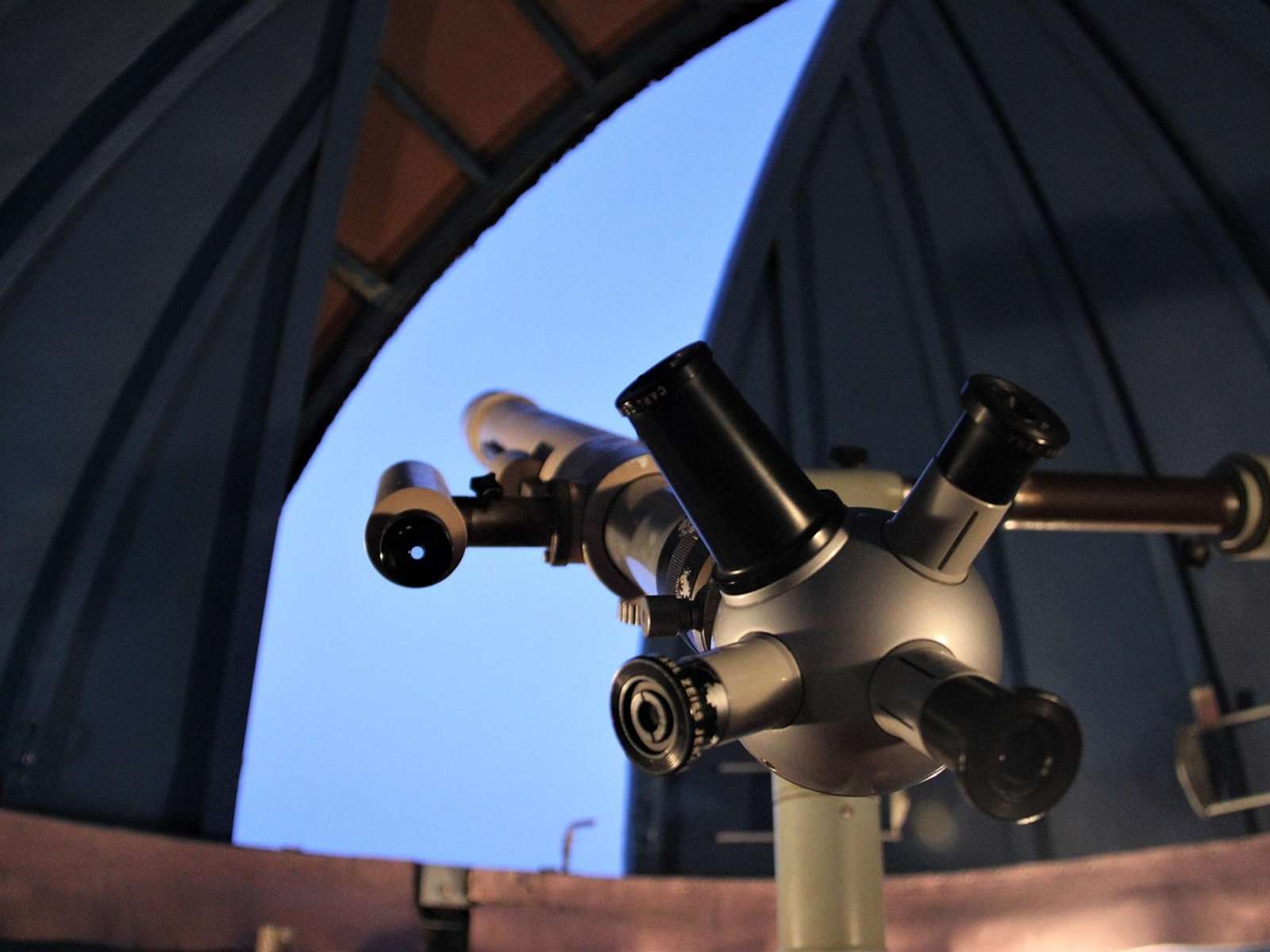
The Vera C. Rubin Observatory has found its first dwarf planet candidate, 2026 ED138, about 46 times Earth's distance from the Sun. It may measure 600 to 1,500 km across; infrared observations are needed to confirm it.
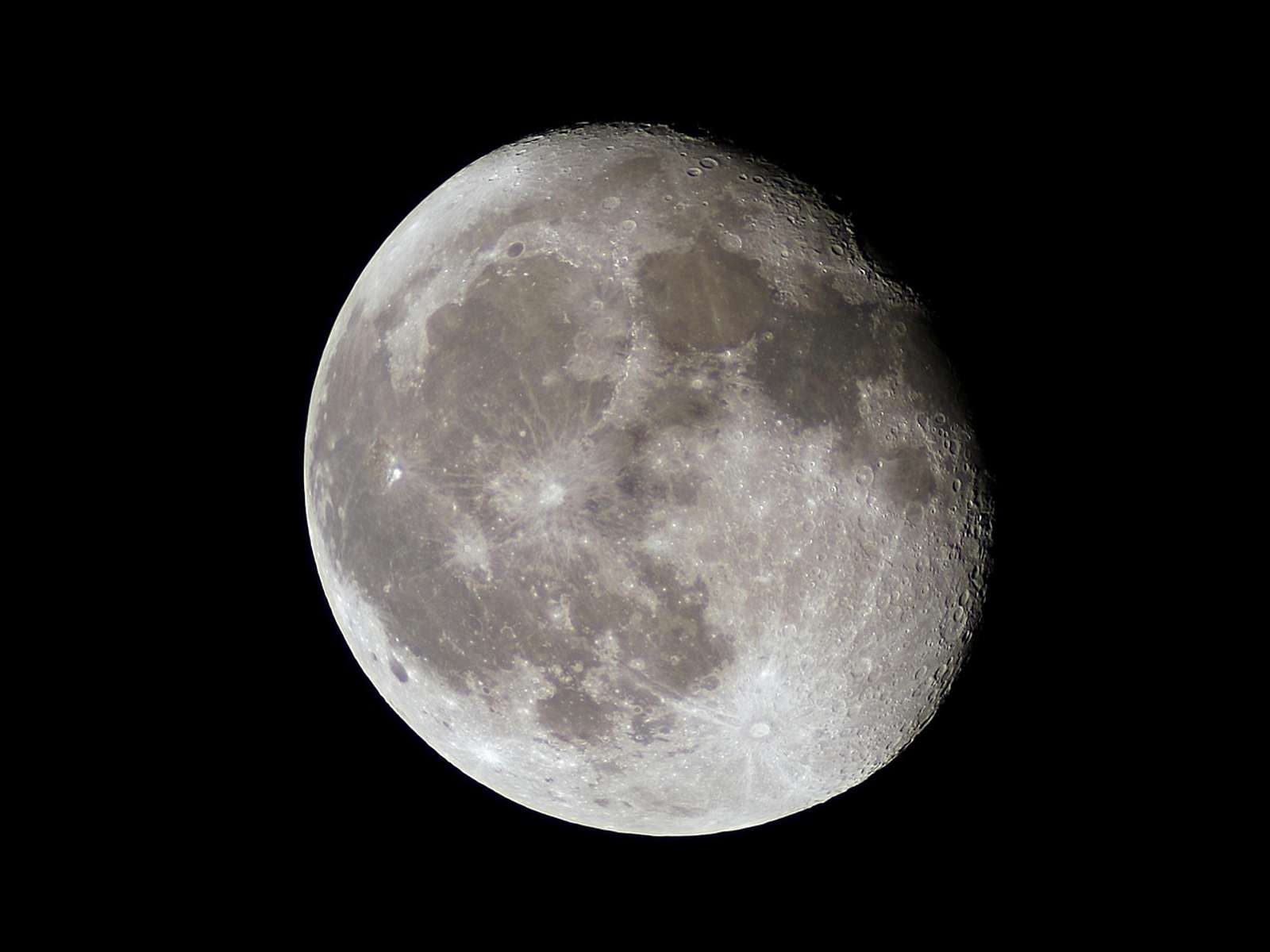
MIT's CERBERUZ team won NASA's LunaRecycle Challenge with a machine that grinds mixed plastics and aerospace foam into powder and molds it into new parts, with no water or chemicals. The team won $925,000 over the competition.
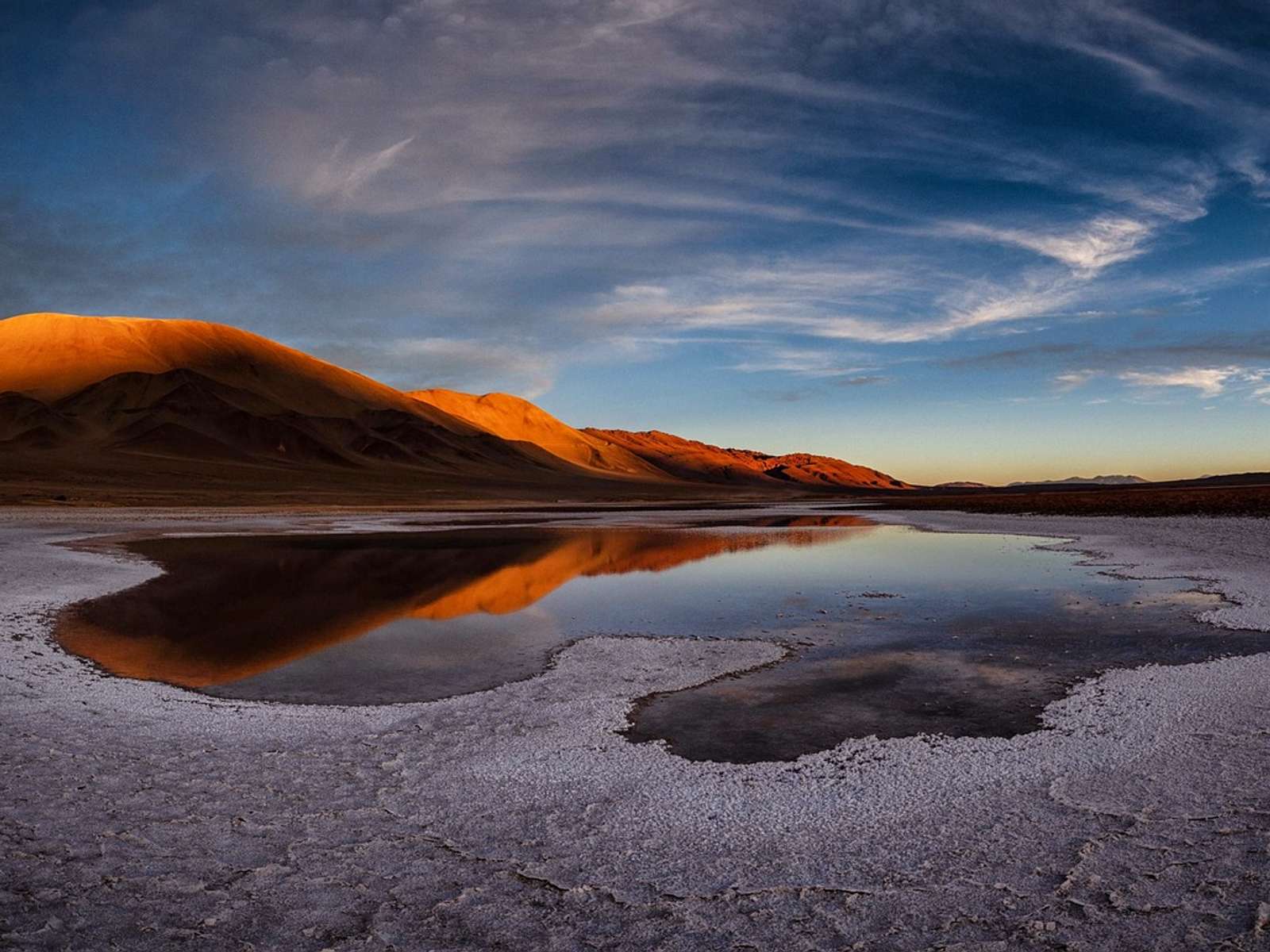
The Fred Young Submillimeter Telescope on Cerro Chajnantor in Chile is finished and preparing its first observations. Its Prime-Cam, with tens of thousands of detectors, is the largest submillimeter instrument ever built, Cornell says.
Astronomers led by Cornell used James Webb Space Telescope data to map the uneven outline of WASP-17b, a hot gas giant about 1,300 light-years away. Its hotter evening side bulges out more than its cooler morning side.
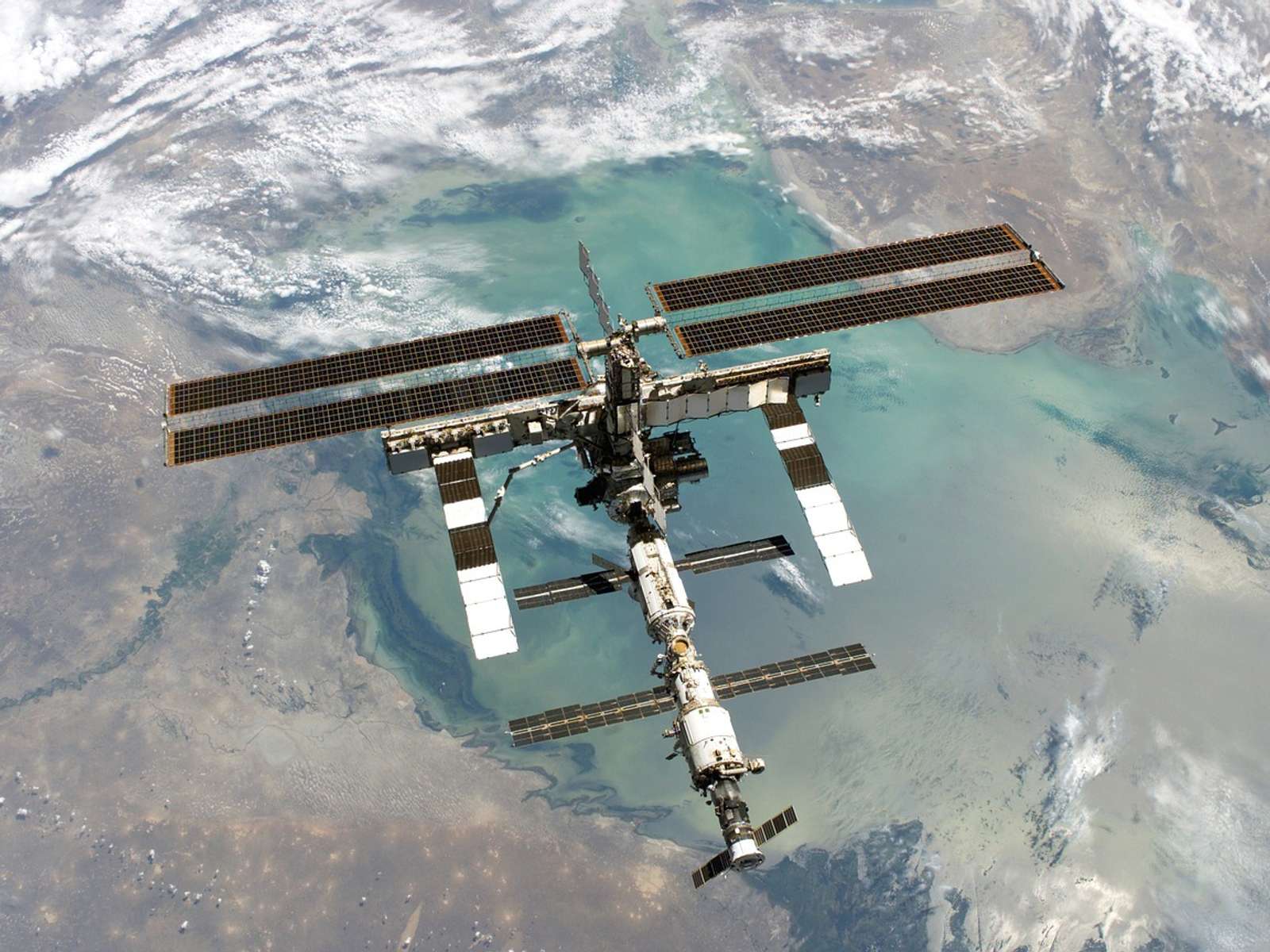
SCAMPI, a sealed aquarium of shrimp, algae and microbes designed by 51 students from Europe and the US, launched to the International Space Station on 13 October to show how a whole ecosystem copes with microgravity.
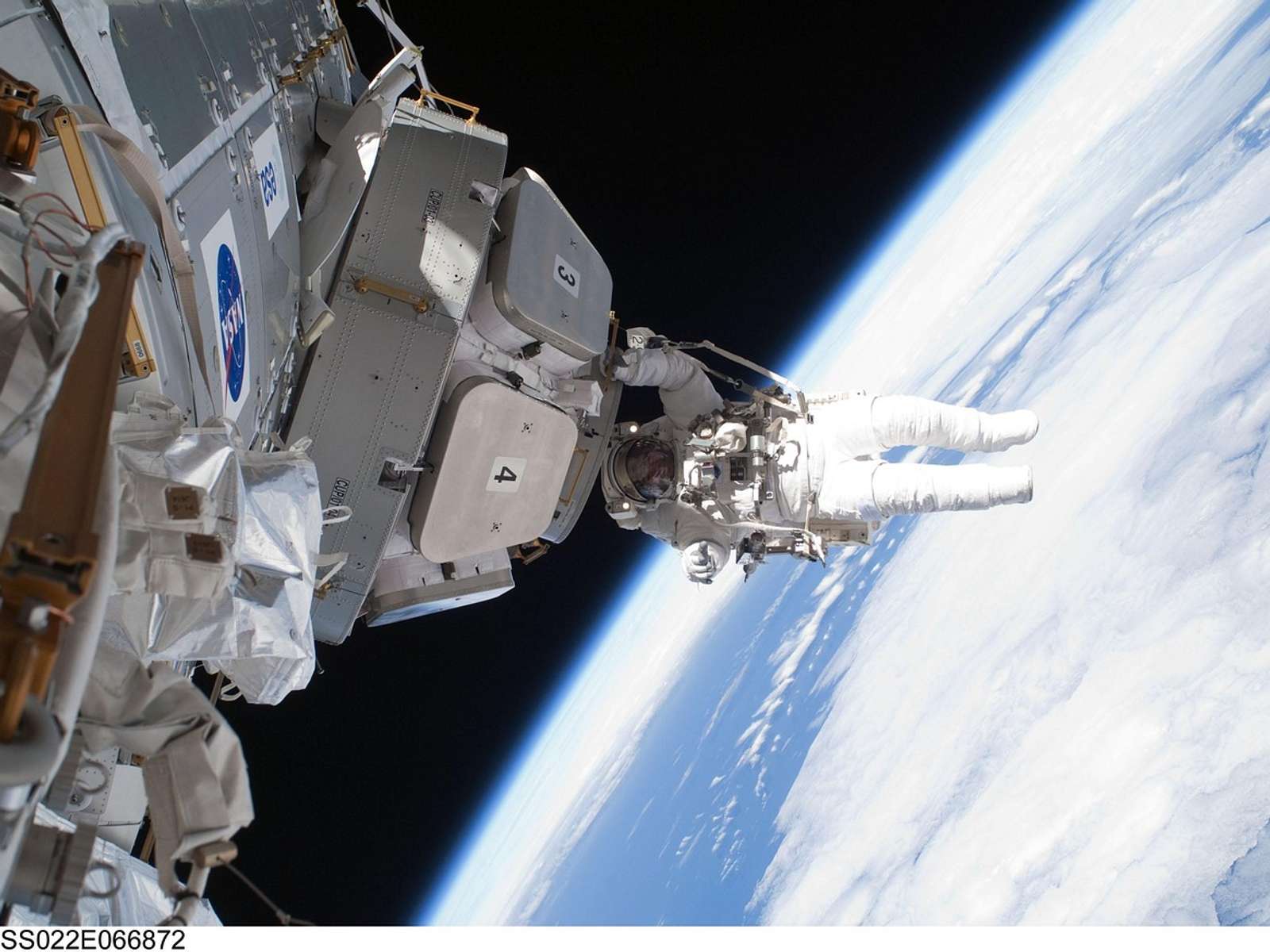
French ESA astronaut Sophie Adenot has returned from her first mission, εpsilon, after 237 days in space: the longest single spaceflight by a European astronaut, with three spacewalks and 35 European experiments.
Using the James Webb Space Telescope, astronomers watched water clouds grow thicker and thinner on WISE 0855, the coldest known brown dwarf, the first direct confirmation of changing water clouds beyond the solar system.
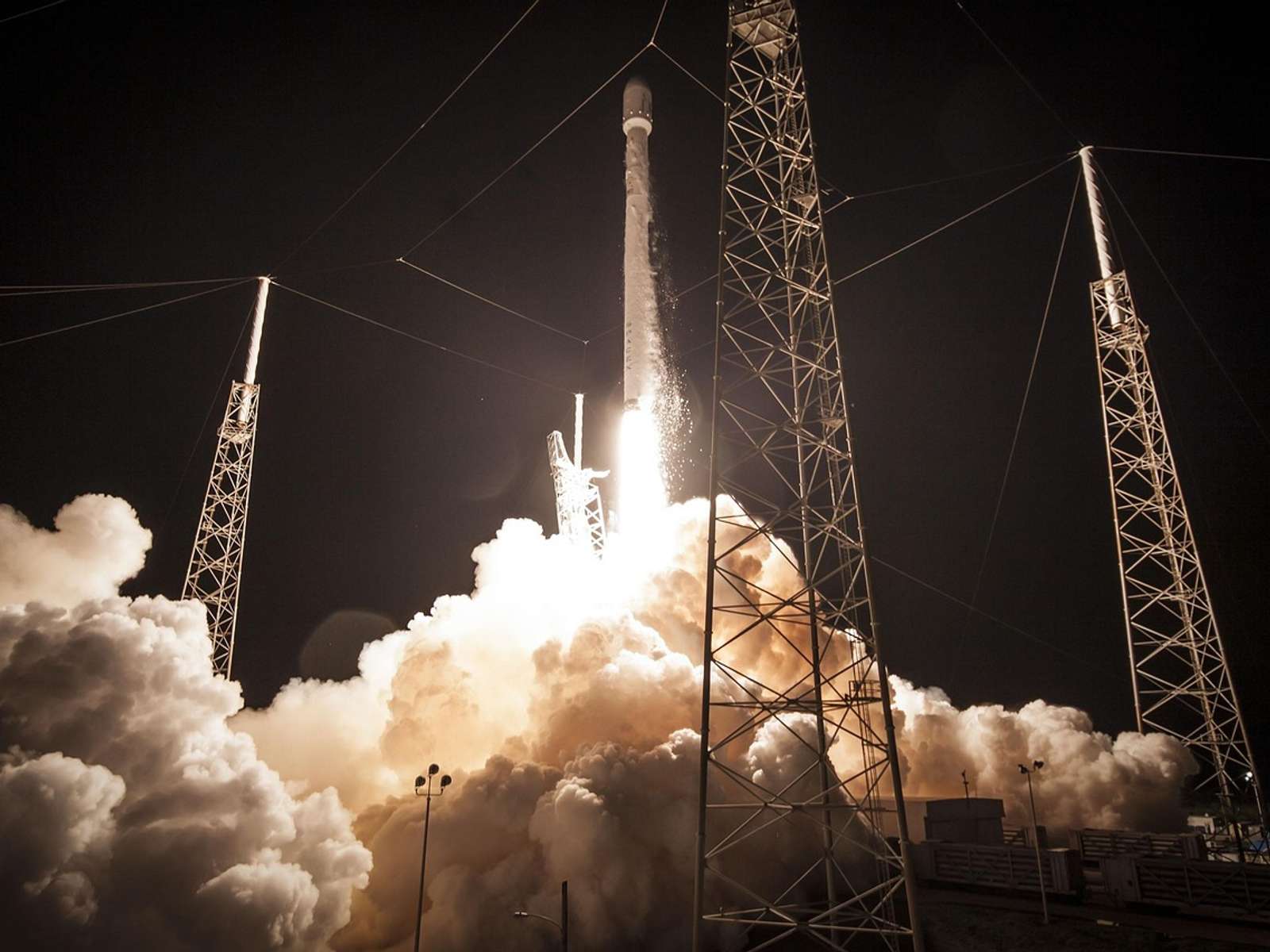
South Korea's Nuri rocket, built entirely with domestic technology, delivered all five of its main satellites and nine of ten small CubeSats to orbit on 7 October, its fourth success in a row.
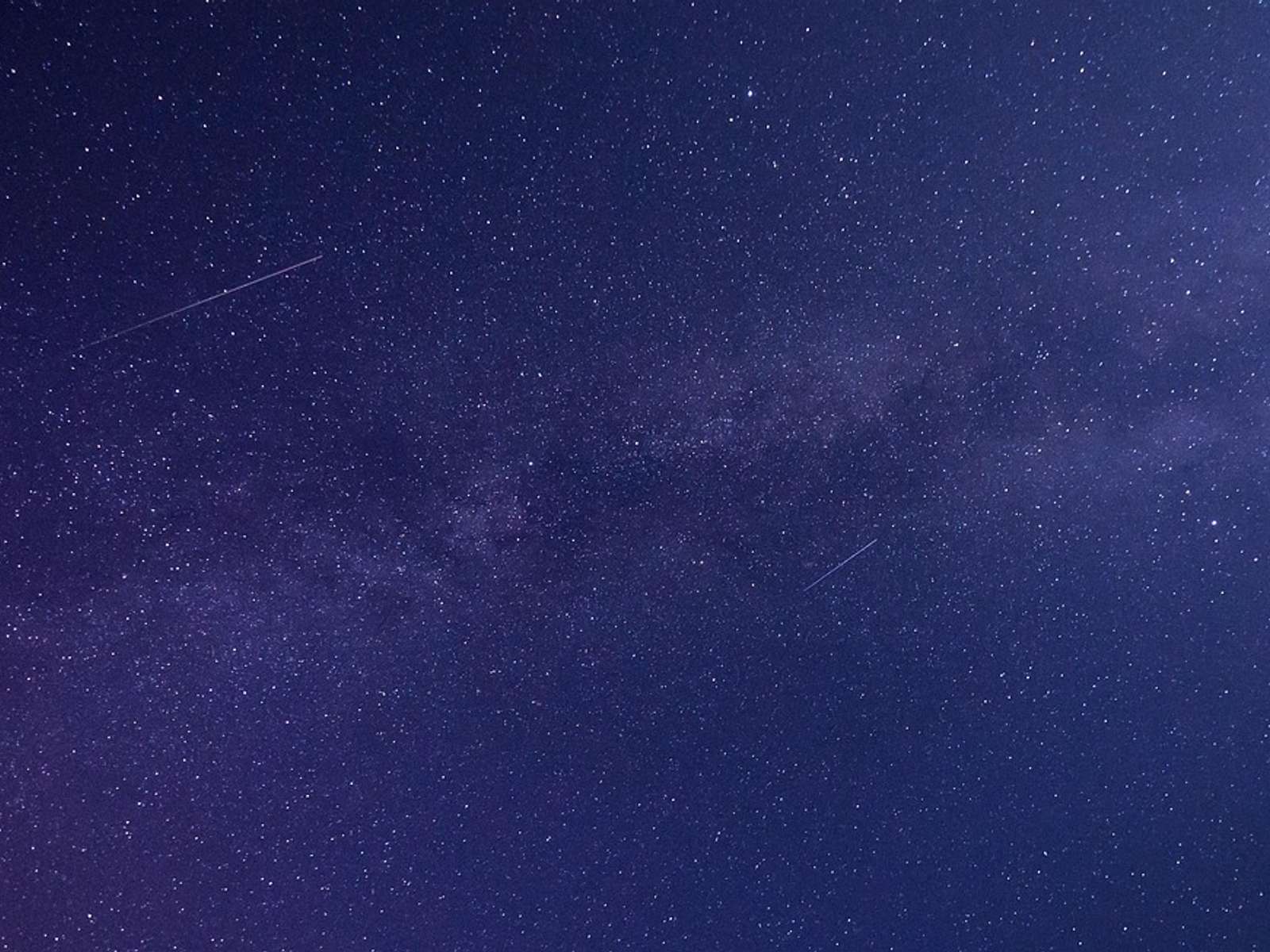
NASA's Transiting Exoplanet Survey Satellite has now found more than 1,000 confirmed planets, a milestone reached as 70 new planets were added to the NASA Exoplanet Archive in a single weekly update.
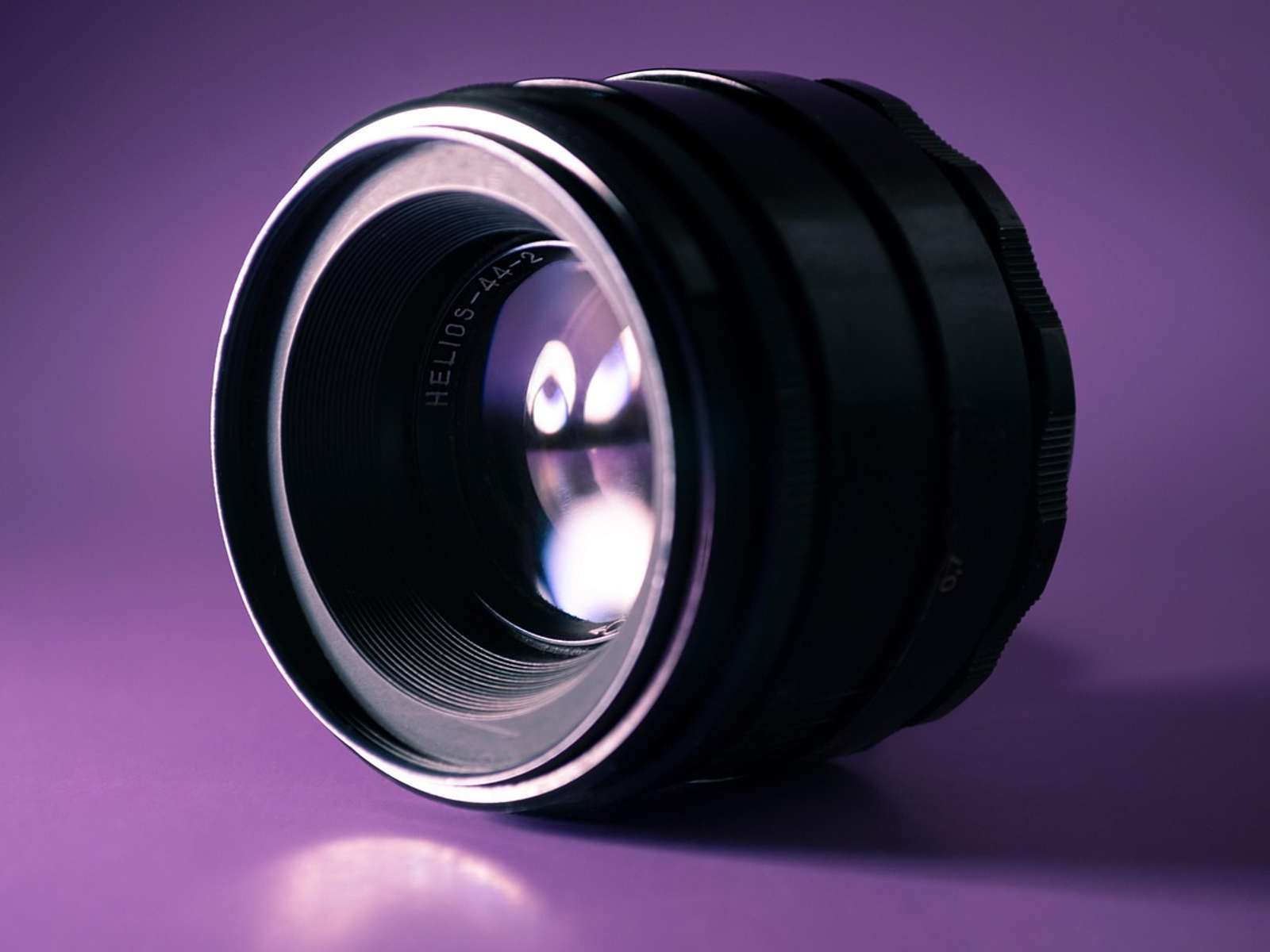
Researchers at the Australian National University spent three years making two specialized beamsplitters for LIGO, coated to within a nanometre or two across almost half a meter, for an upgrade that will make the detectors more sensitive.
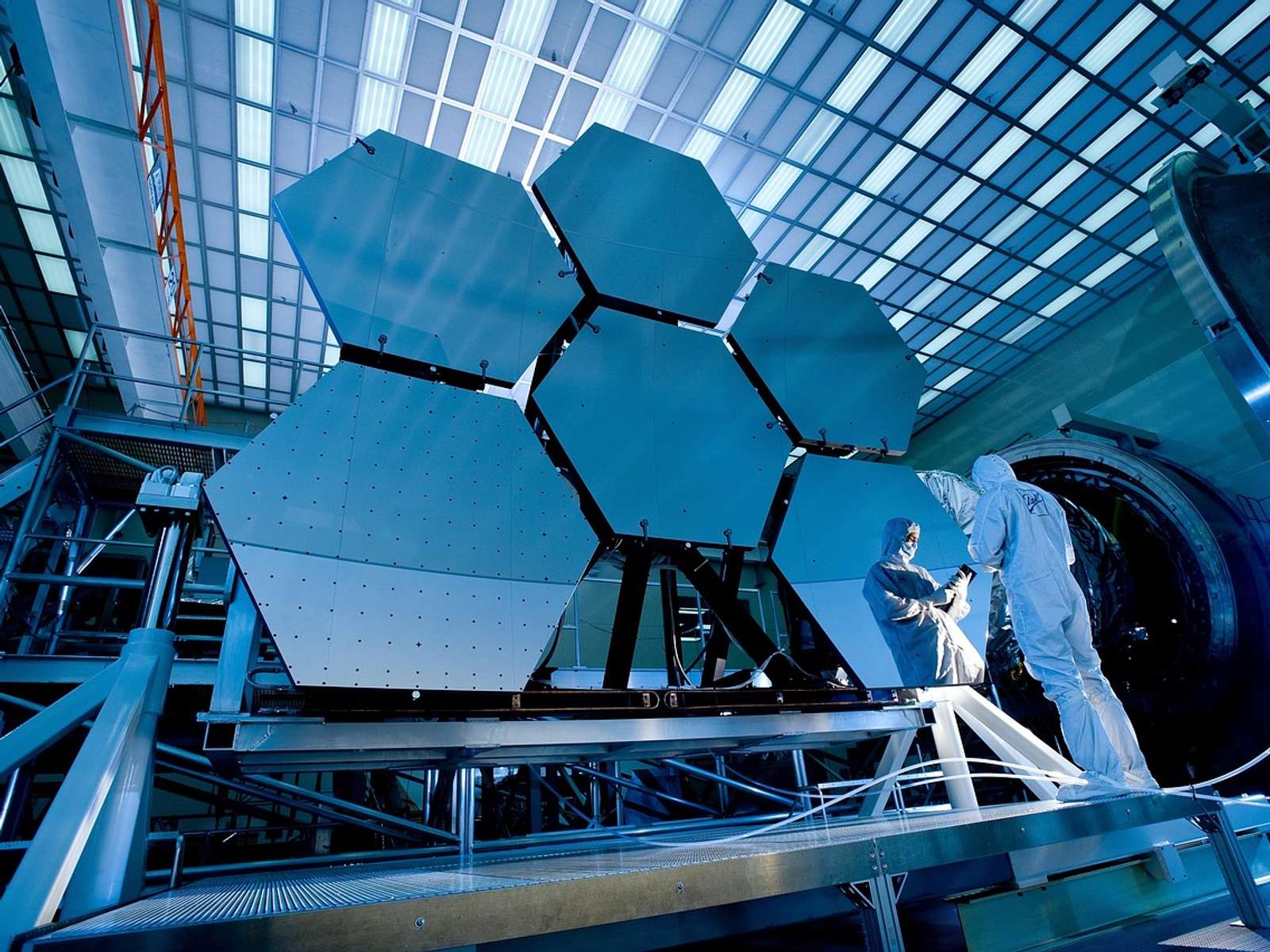
On 22 September, the Roman Space Telescope's Coronagraph Instrument photographed a faint star in a neighboring galaxy. It was an engineering test for technology meant to photograph planets around other stars directly.
About this topic
NASA's official count of planets outside our solar system reached 6,000 in September 2025, with more than 8,000 further candidates awaiting confirmation, according to the NASA Exoplanet Science Institute at Caltech's IPAC. That milestone came 30 years after the first exoplanet was found around a star like the Sun, in 1995.
The stories on this page follow that work from launch pad to discovery. They include NASA's TESS mission passing 1,000 confirmed planets, the first look at the sky by the planet-imaging coronagraph on NASA's Roman Space Telescope, the James Webb Space Telescope watching water clouds change on a cold brown dwarf 7.5 light-years away, South Korea's homegrown Nuri rocket placing 14 satellites in orbit, and Australian optics built to help gravitational-wave detectors pick up fainter signals.
We report from the agencies, observatories and university teams that did the work, and we keep the language precise: a candidate planet is not a confirmed one, a first image is not yet a scientific result, and a launch is a success only for the parts of the mission that worked.
Where a mission's next milestone is scheduled, such as a launch window or the first full science data, we include it so readers know what to look out for.