A Caltech robot arm builds part of a truss in orbit, in what its team calls a first for autonomous construction in space
A robot arm on Caltech's ASTRA payload assembled one truss bay in low-Earth orbit on its own. Team leader Sergio Pellegrino called it the first structure built autonomously in space. The full 11-bay design was not finished.
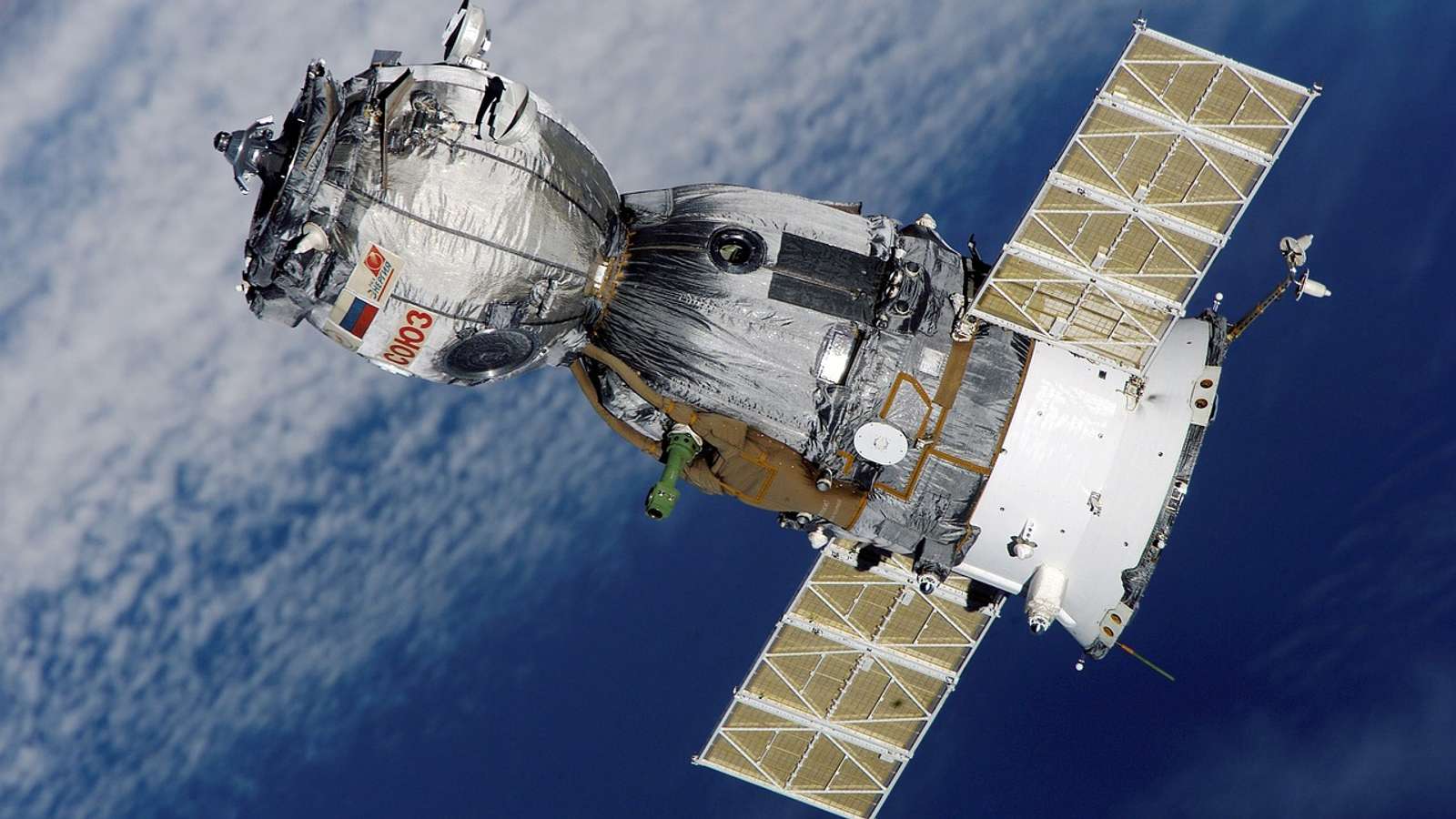
A robot arm has built part of a structure in orbit with no astronauts involved, Caltech said. The Autonomous In-Space Tensioned Reflector Assembly (ASTRA), funded under DARPA's NOM4D program, launched on 30 March 2026 from Vandenberg Space Force Base aboard Momentus's Vigoride 7 vehicle, on SpaceX's Transporter-16 mission.
“This is the first time that a structure has been autonomously constructed in space.” — Sergio Pellegrino, team leader, Caltech
Struts, joints and one new bay
The arm picks struts and joints from motorized dispensers and assembles a perimeter truss one bay at a time. The design is a 1.4-meter reflector antenna made of composite fiber tubes, aluminum joints and a reflective Kapton surface. The payload went up with two prebuilt bays and parts for the rest. In orbit, the robot built a third bay. The full design calls for 11, and time constraints meant the team did not finish it.
Fixing problems from the ground, 15 minutes at a time
The team ran into many unexpected problems in the space environment. Ground crews had only about seven or eight contact windows a day, each about 15 minutes, so they tried fixes on a flight spare in the lab before sending commands. Caltech researchers Charles Sommer, Alan Truong and Tara Venkatadri helped send the build commands, and Igor Bargatin of the University of Pennsylvania led collaborators on the reflective material.
Far from the size that would matter
The team says the demonstration shows the assembly concept works and could scale to very large trusses, with possible uses in astronomy, communications and space solar power. Andrew Detor, DARPA's program manager, said “very large” means hundreds of meters or kilometers, and that “nothing approaching that scale can be achieved today.” The mission is scheduled to end in December, and the team plans to simplify and refine the design. A different approach to big antennas in orbit is a foldable satellite antenna from Science Tokyo.
Sources
- California Institute of Technology · caltech.edu
How we choose and verify sources: editorial policy.