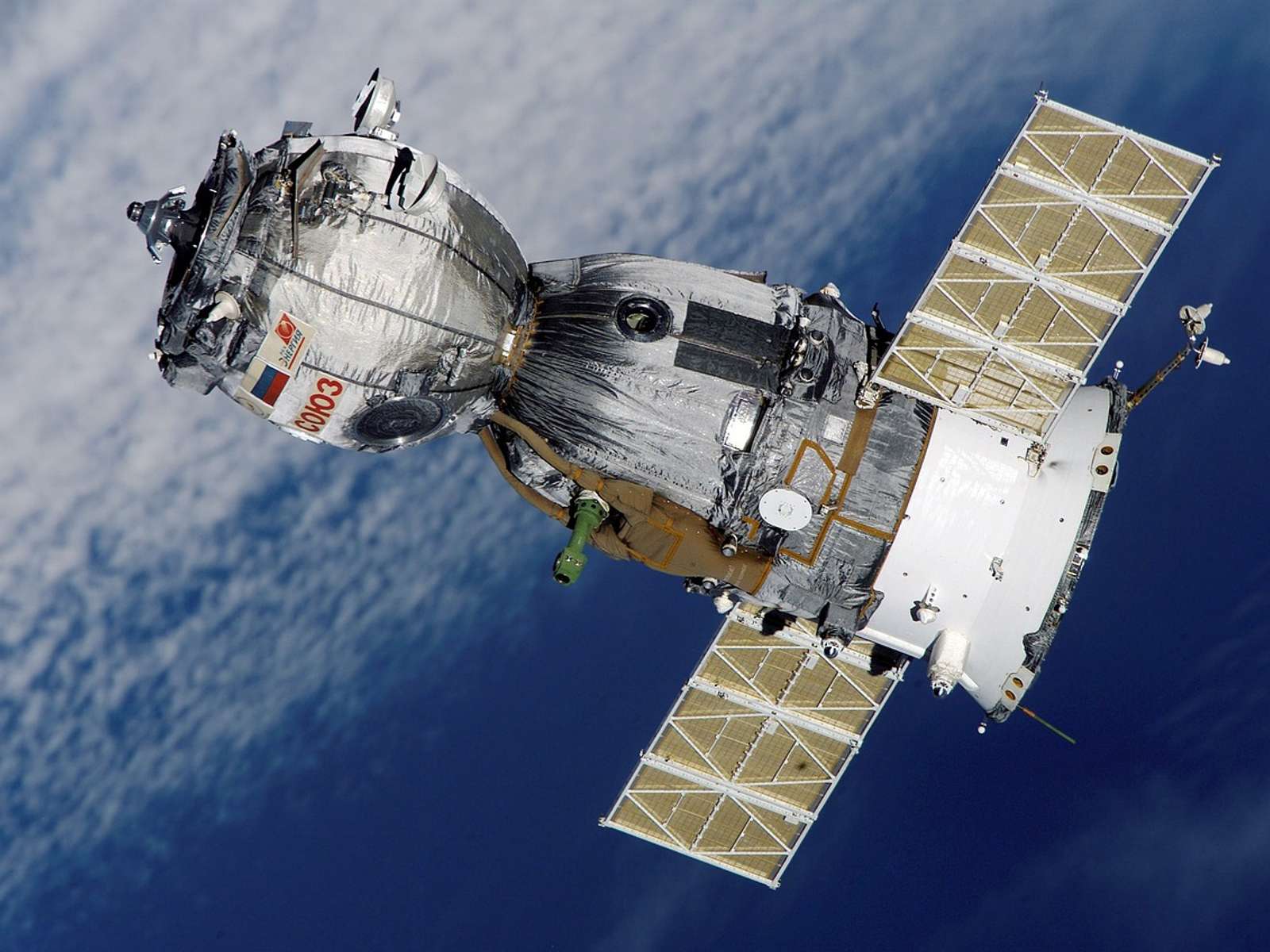
A robot arm on Caltech's ASTRA payload assembled one truss bay in low-Earth orbit on its own. Team leader Sergio Pellegrino called it the first structure built autonomously in space. The full 11-bay design was not finished.
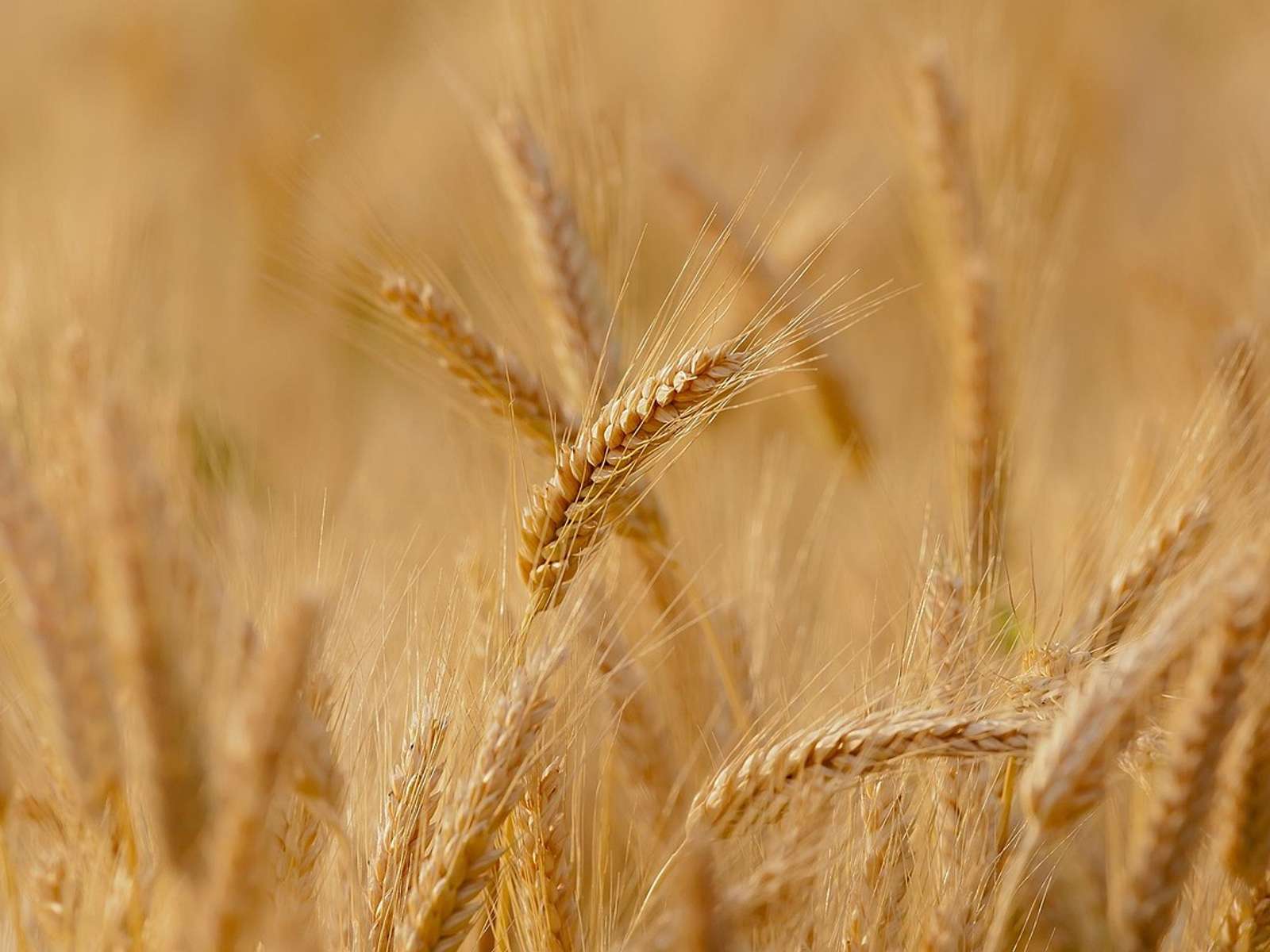
University of Queensland researchers used a robot called the RootBot and drones to track how 36 wheat varieties take up soil water at Gatton. Varieties differed in how much water they used, when, and from what depth, which could help breed drought-tolerant crops.
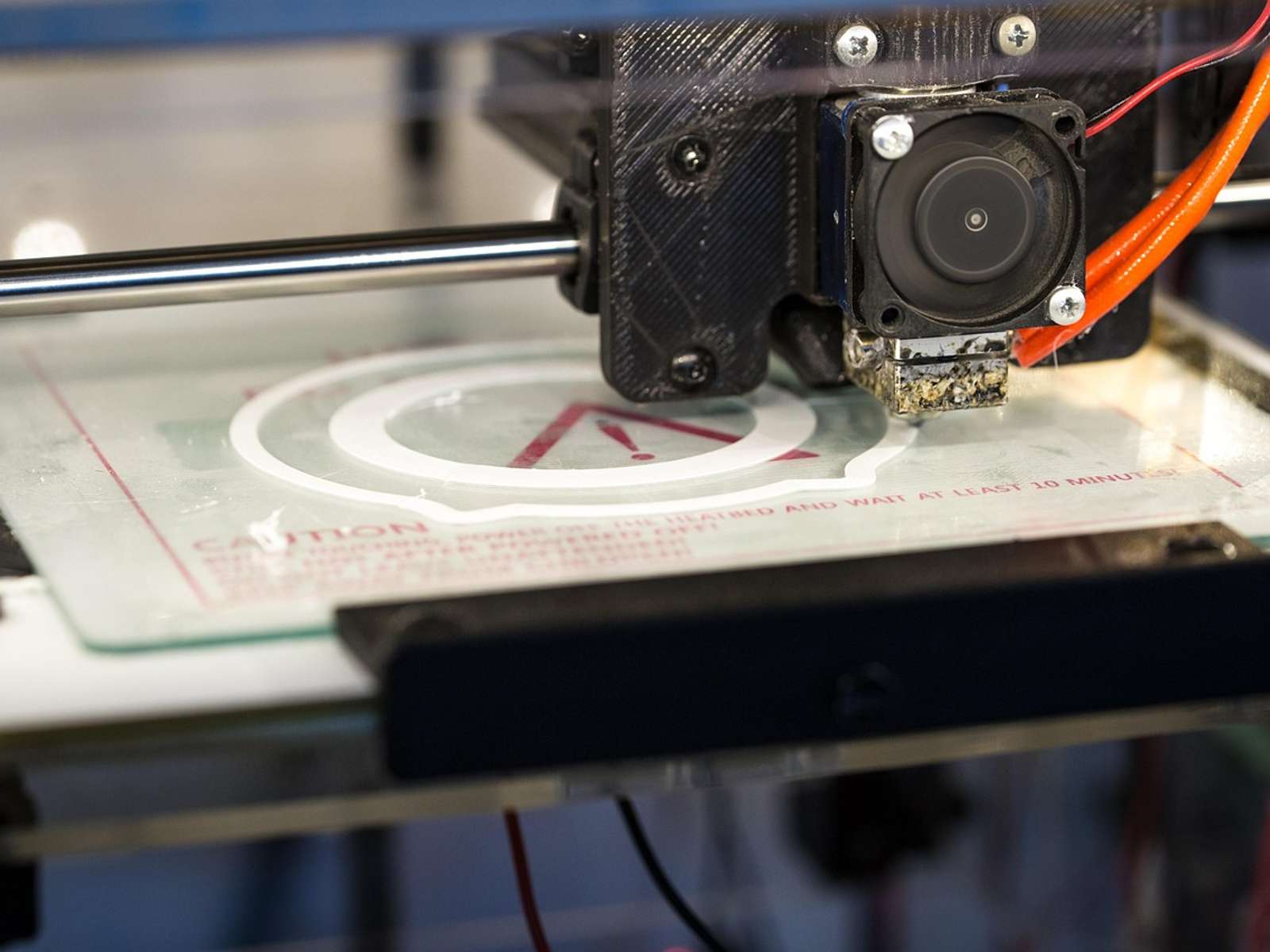
MIT CSAIL and Tianjin University's X-Hinges software embeds two different conductive materials in 3D-printed objects, so a lamp can sense a pinch and a glove can teach a robot hand to grasp. It senses motion along up to three axes.
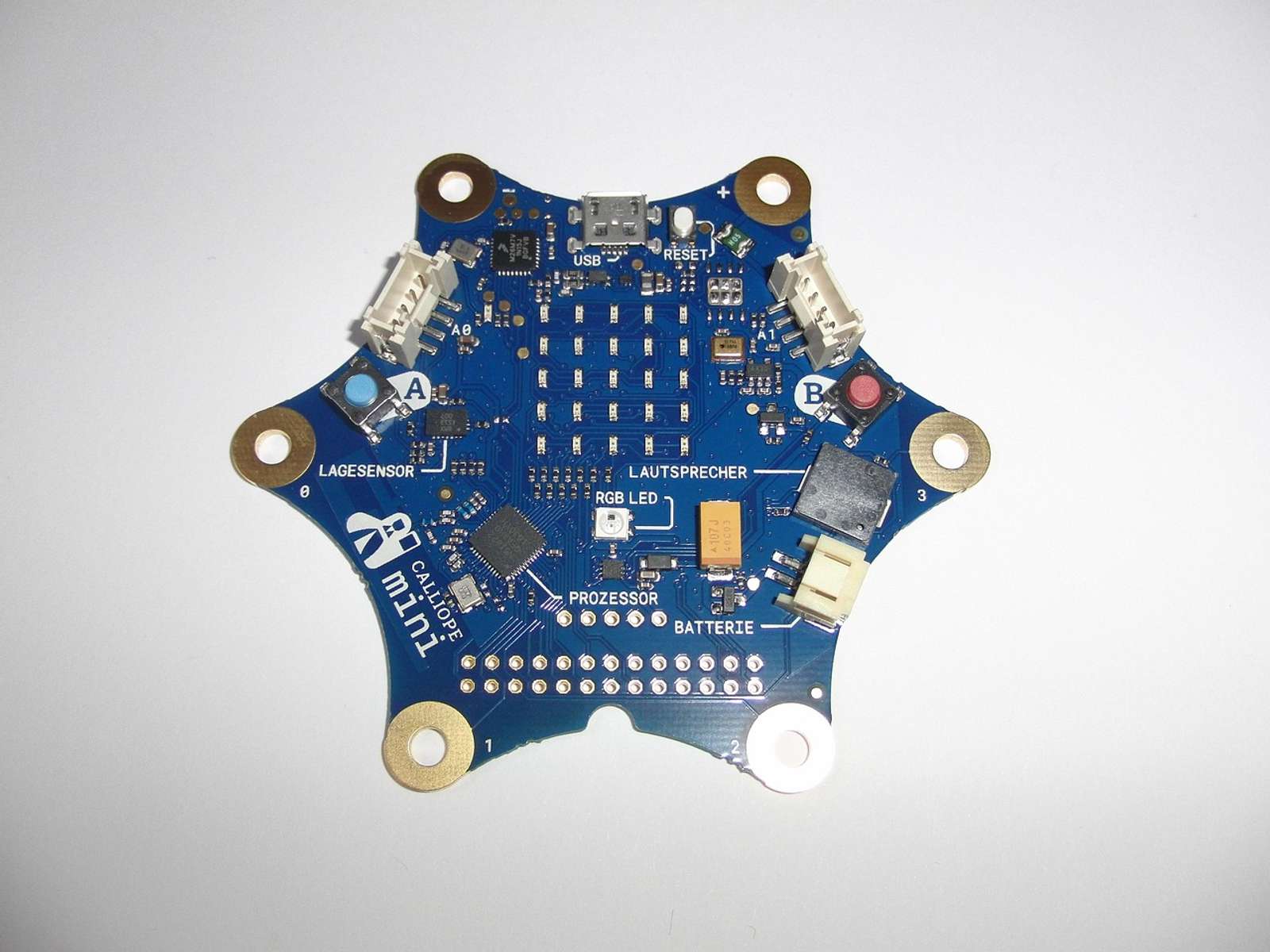
Physicists built metamaterials from dozens of linked sensors and motors that start vibrating chaotically and then settle into one slow, synchronized rhythm, a state called a time crystal. The work, led from Amsterdam and Birmingham, is in Nature.
MIT researchers have built 3D-printed "bifur-circuit" blocks that reconfigure into a huge range of stable shapes while keeping their electrical connections fully intact, a step toward furniture and gadgets that can physically transform.