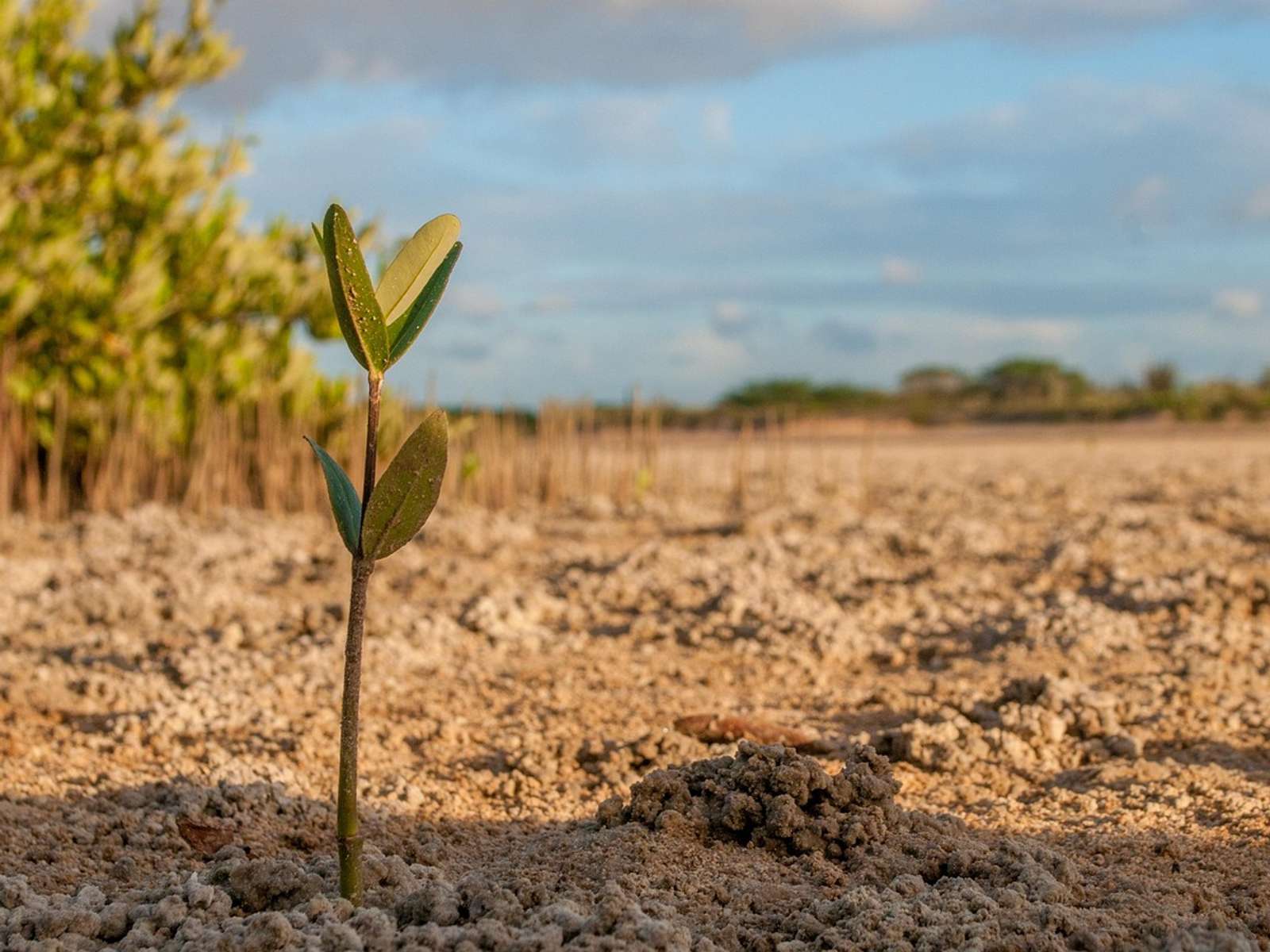
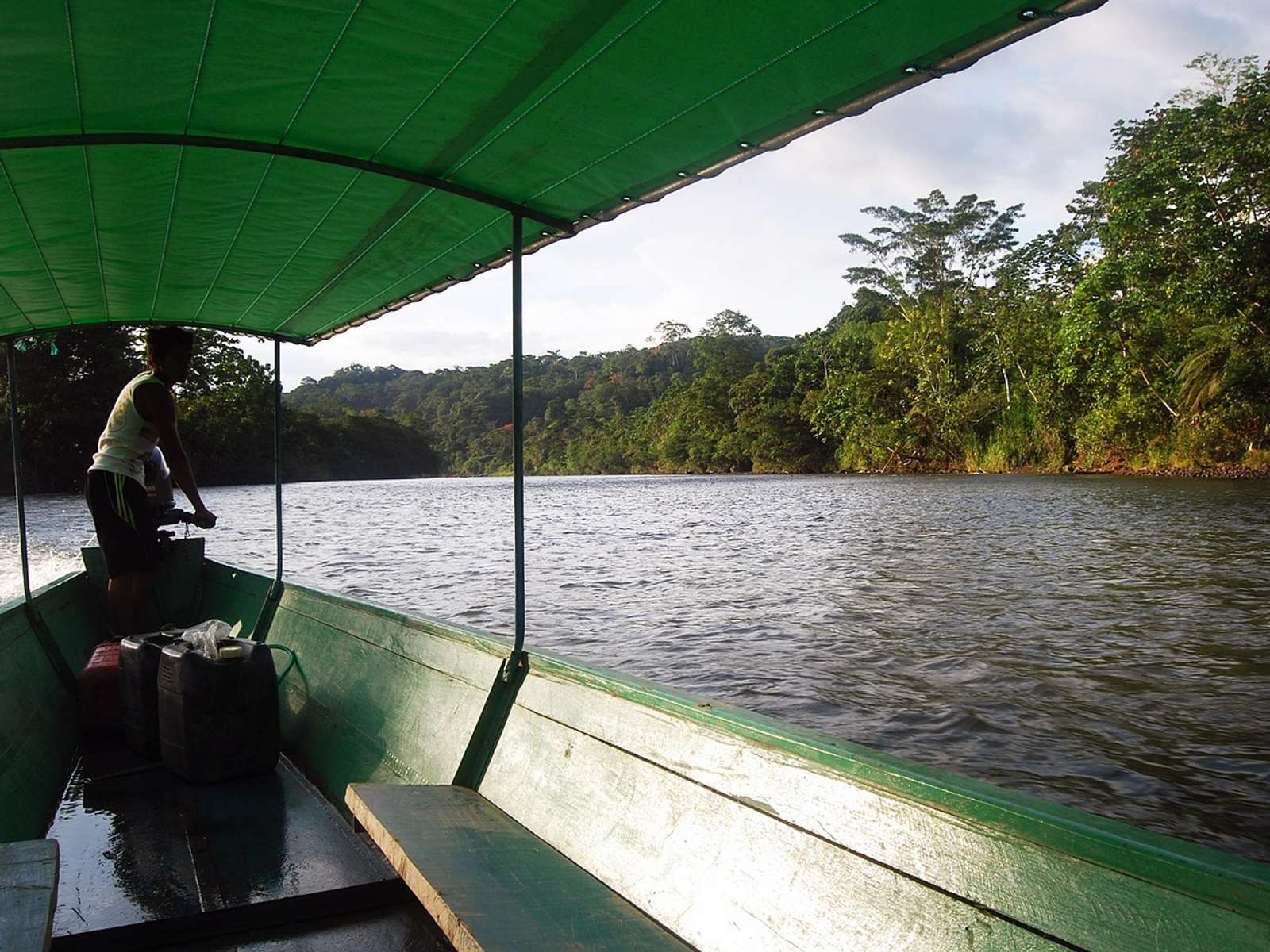
A youth-led network and local fishers have restored more than 15 hectares of degraded mangroves at Nyumba Sita in Kenya's Kwale County. They now aim for 200 hectares by 2030.
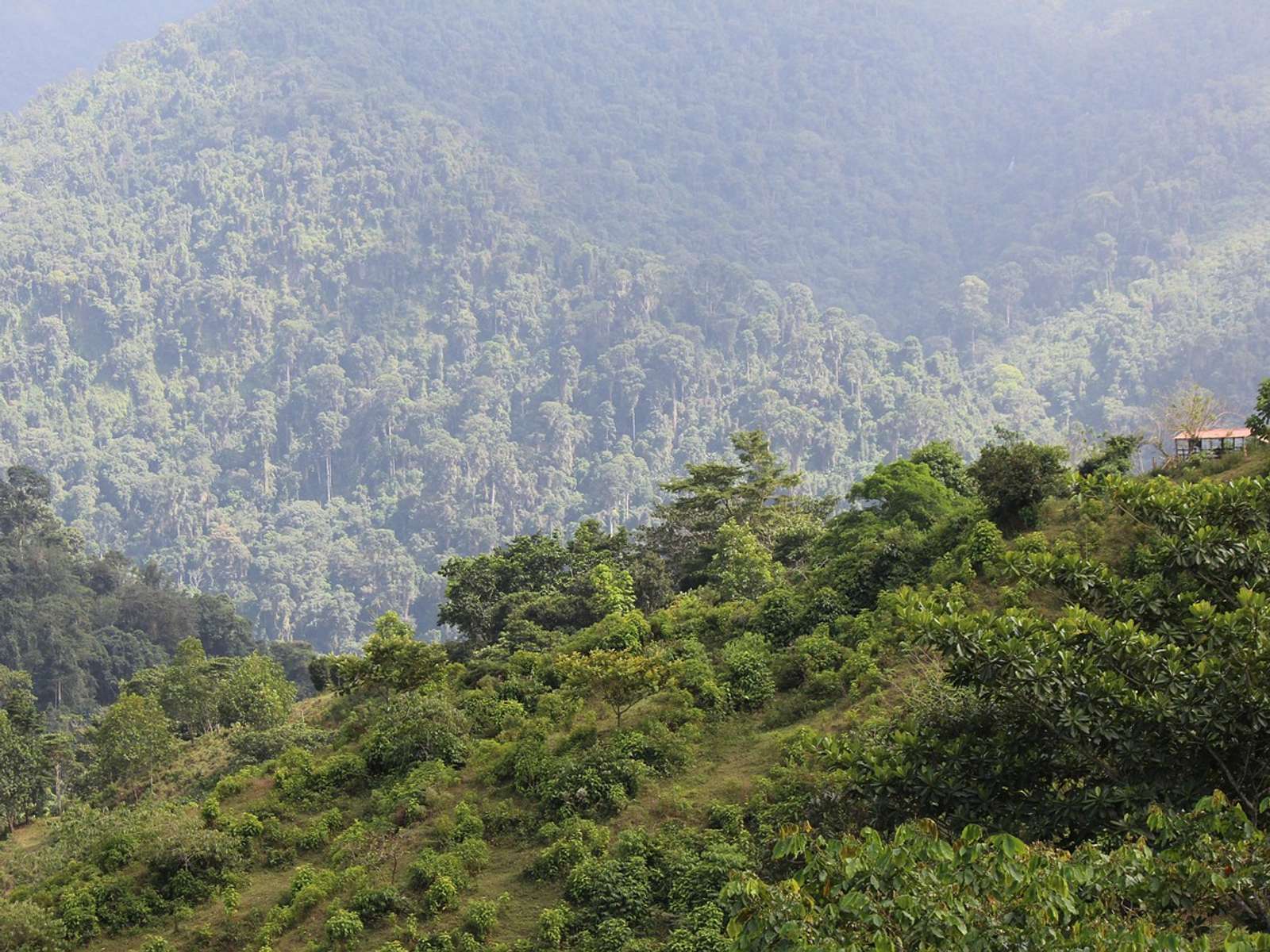
The HALO Trust will clear landmines from almost 18,000 hectares in Colombia's Meta region so two Indigenous communities can return to and guard their land. The three-year project costs about $1 million.
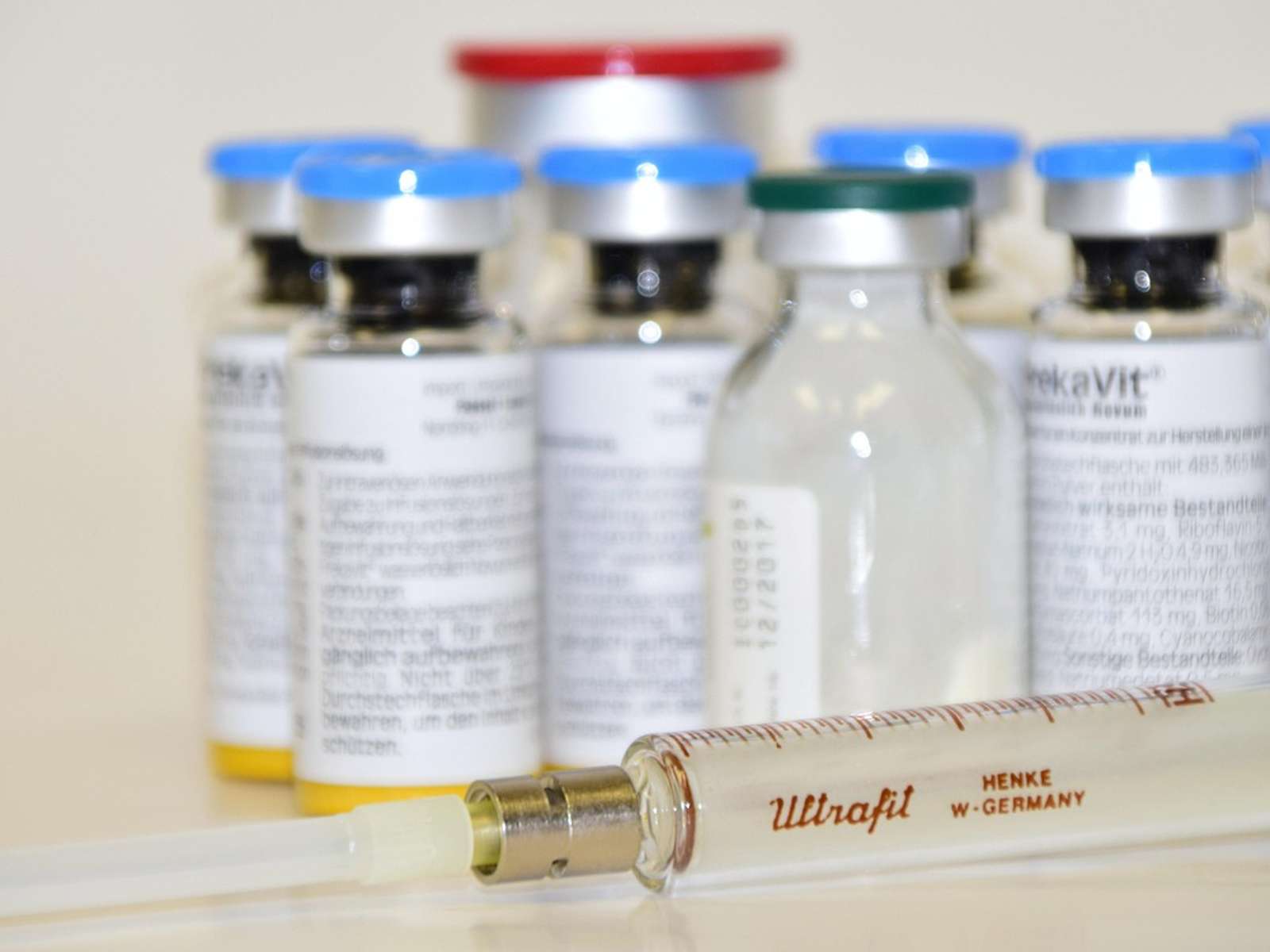
An AI-guided recipe kept mRNA vaccine particles stable for up to a year at room temperature and two months near body heat. The results so far come from cell and mouse studies.
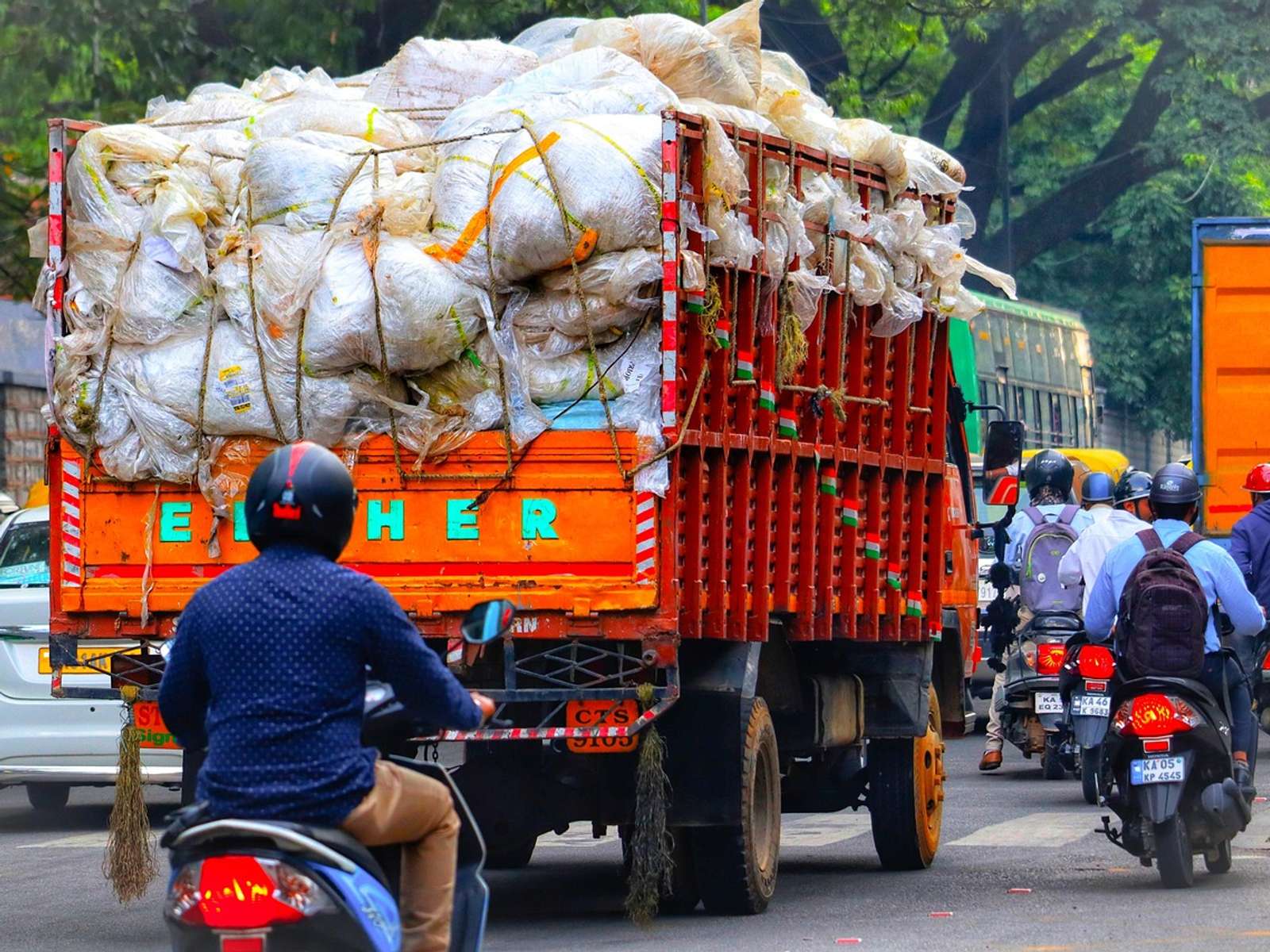
Mekala Nancharamma, a former waste picker in Guntur, India, now earns about ₹18,000 a month instead of ₹8,000 after a government scheme helped her group buy a tractor-mounted drain cleaner.
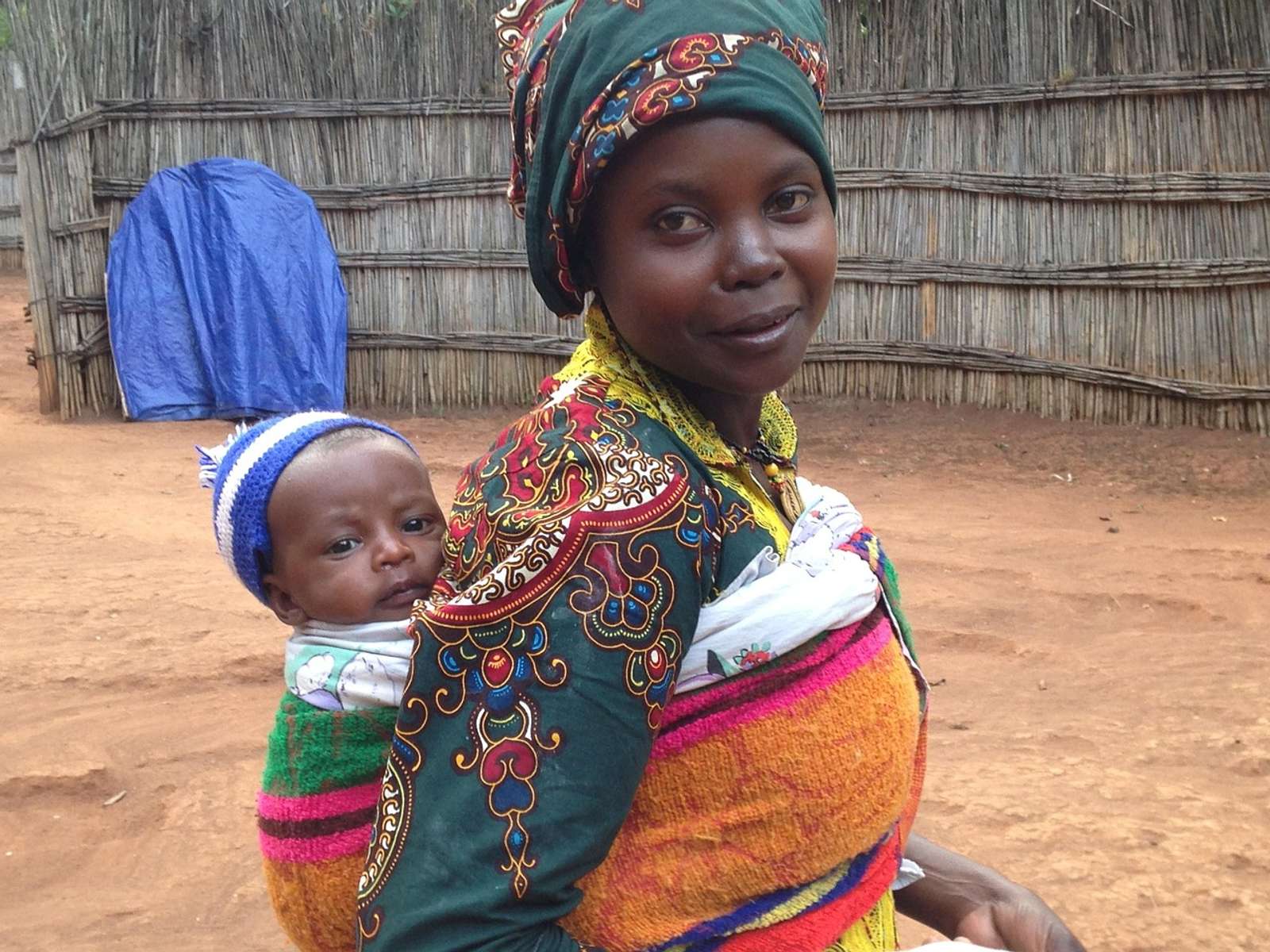
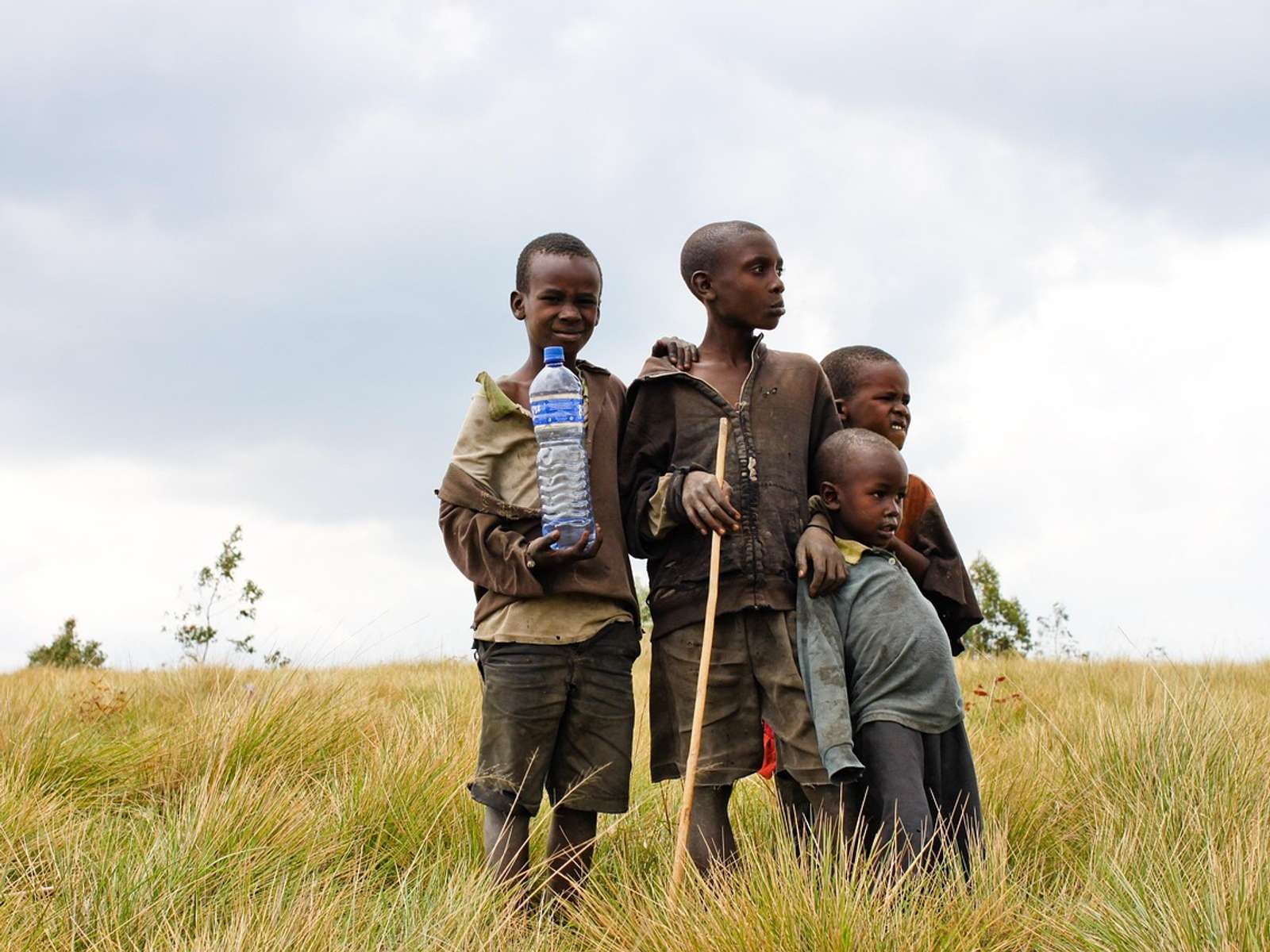
In Jowhar, Somalia, community health worker Nafiso Ibrahim Ali visits homes every day to screen children for malnutrition and refer those who need it to treatment, UNICEF reports.
Young Kichwa, A'i Cofán, Shuar and Sapara artists in Ecuador's Amazon are rapping in their own languages about oil and mining threats, and one track has passed 400,000 views on TikTok in a month.
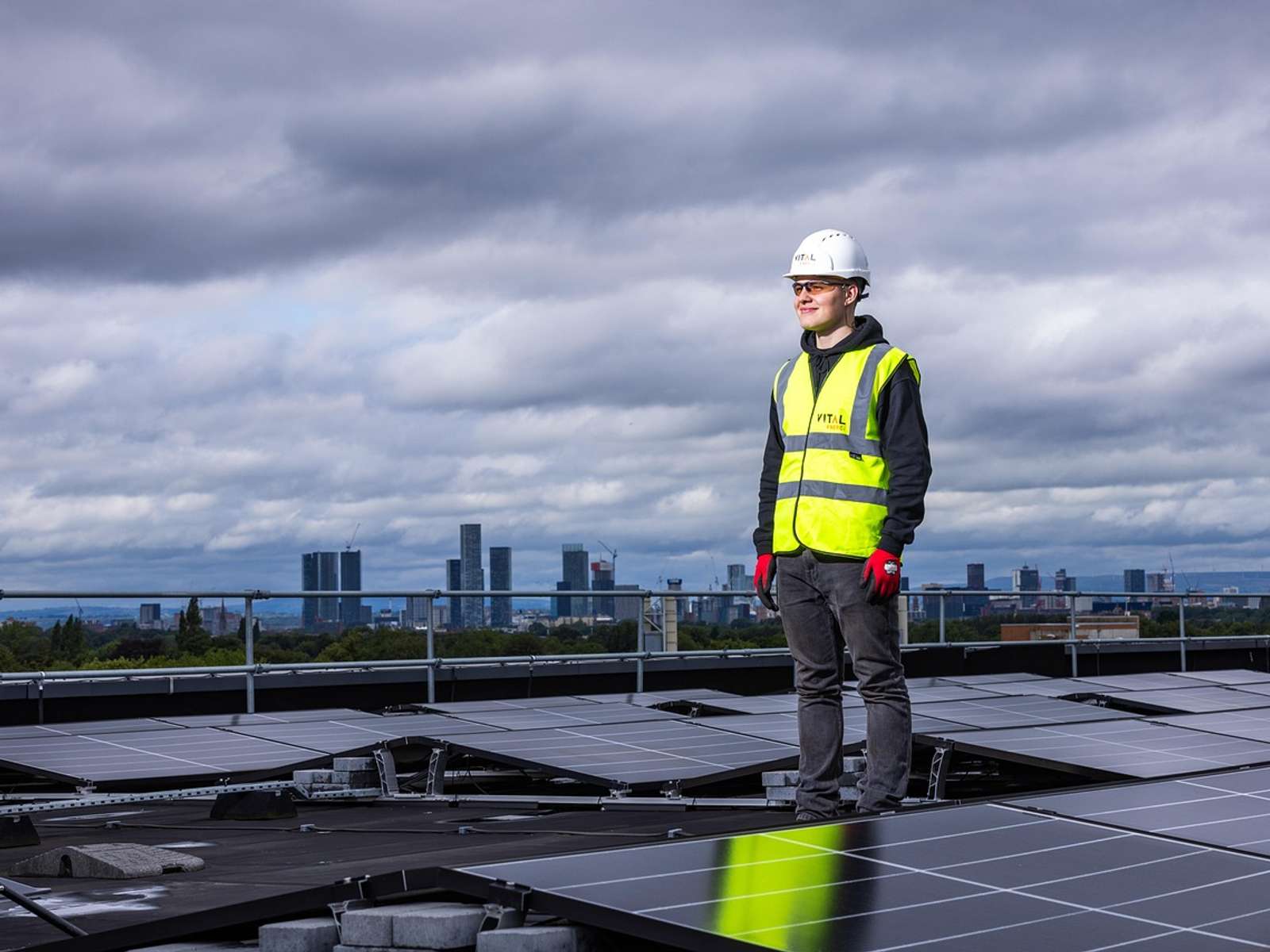
Australia's REnew Pacific programme announced three solar projects for remote schools and communities in Fiji and Papua New Guinea that will give more than 75,000 people clean, reliable electricity.
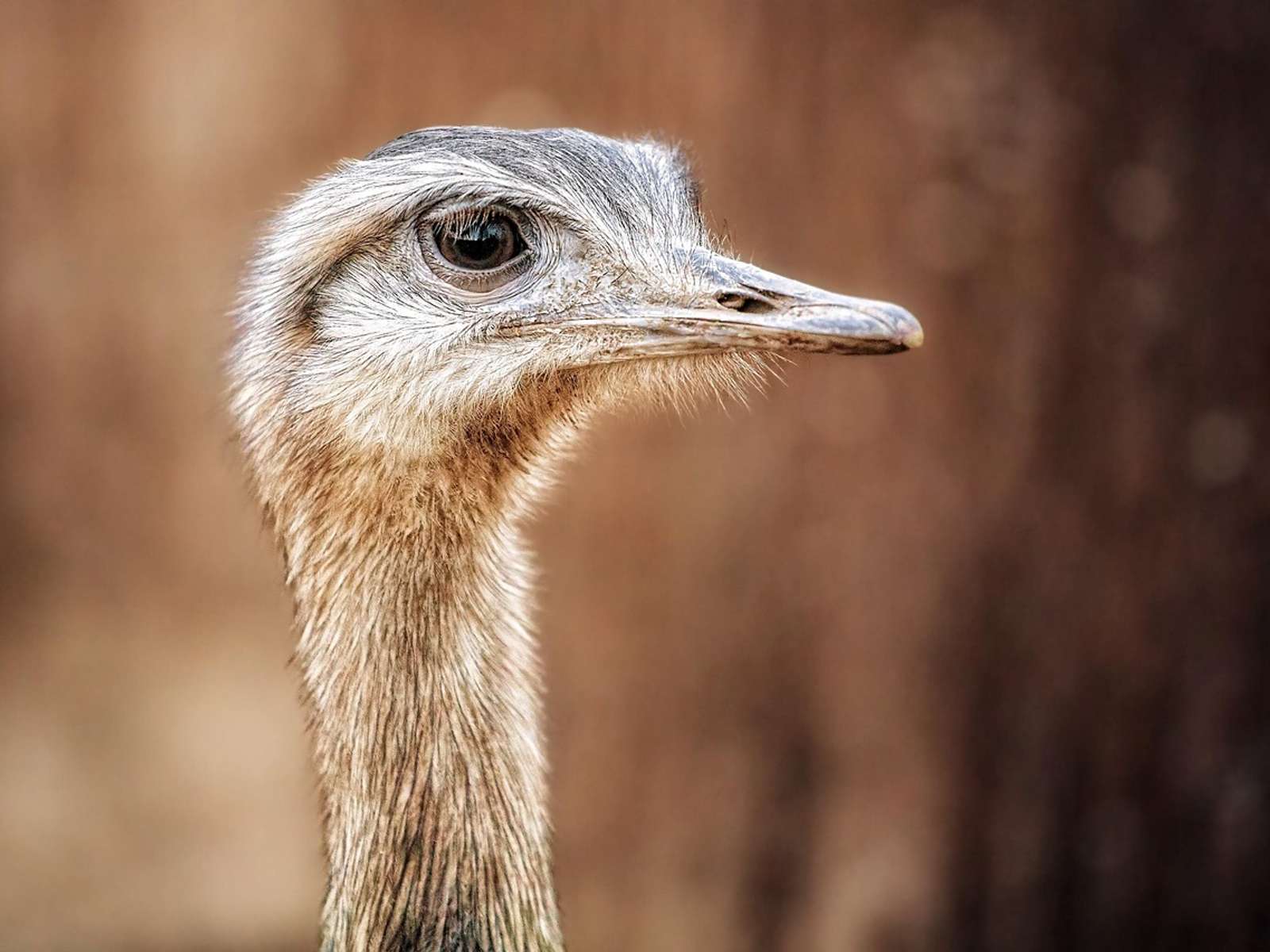
Rewilding Chile and its partners released 39 young Darwin's rheas into Patagonia National Park in March and April, part of a recovery programme that began in 2014 for this endangered flightless bird.
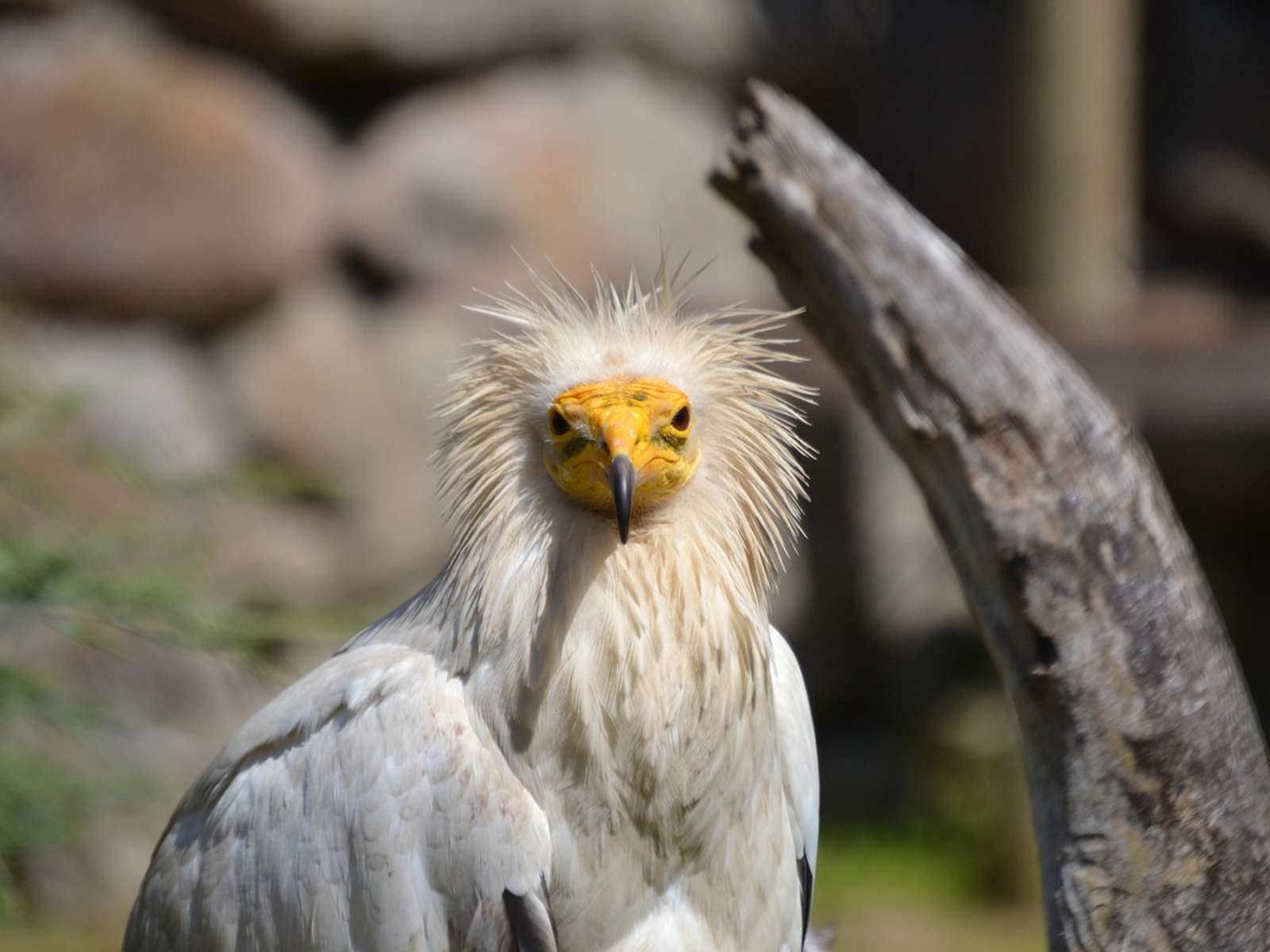
LIFE EV Safe Return, led by BirdLife Bulgaria with 15 partners, plans to release at least 40 Egyptian vultures in Bulgaria and Greece and tackle poisoning, poaching and electrocution along their 5,000 km migration.
Using the James Webb Space Telescope, astronomers watched water clouds grow thicker and thinner on WISE 0855, the coldest known brown dwarf, the first direct confirmation of changing water clouds beyond the solar system.
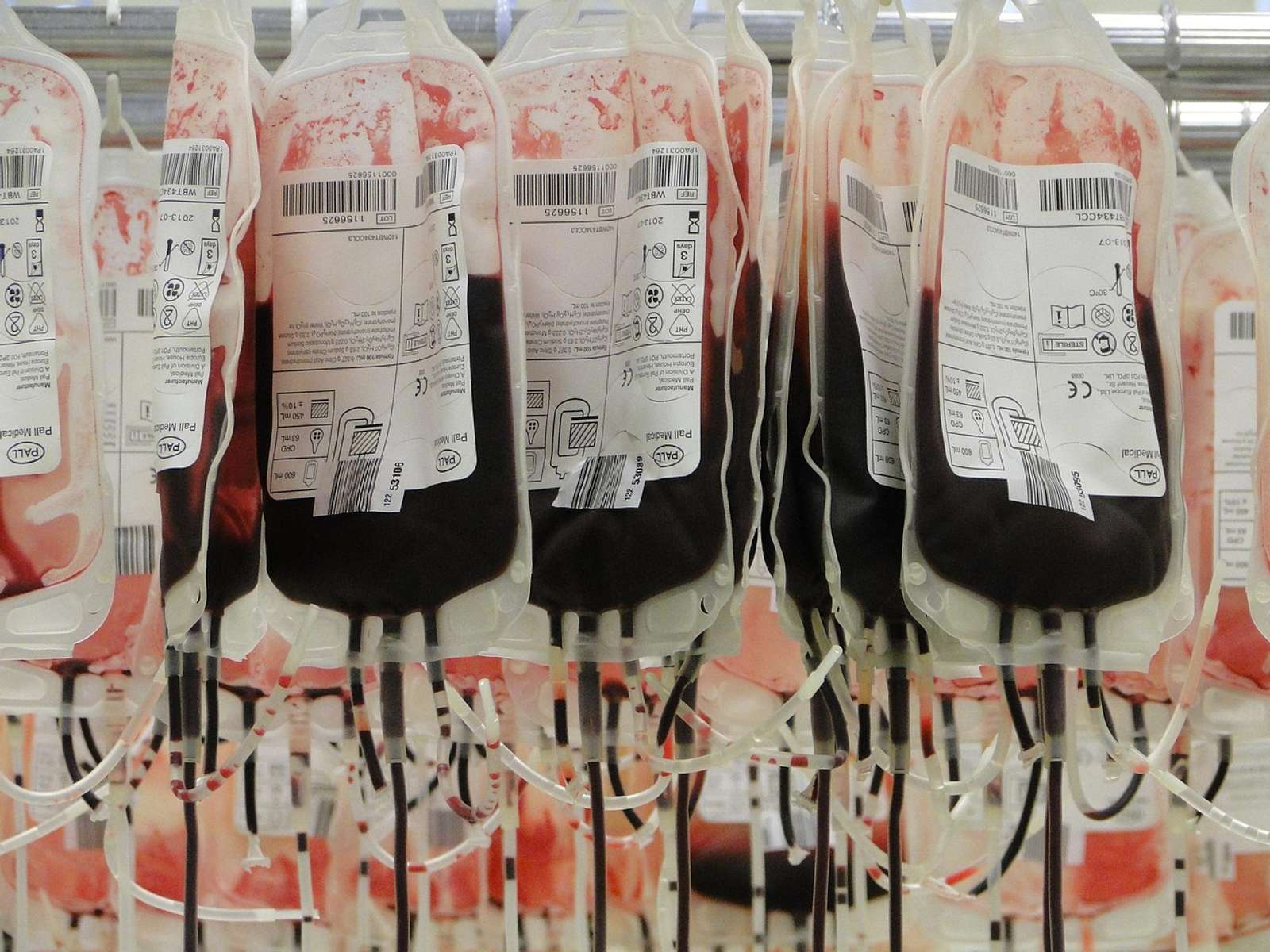
University of Bonn researchers converted blood cells directly into neural stem cells and found their epigenetic clocks reset, so cells from an 80-year-old ended up with a molecular age below 20.
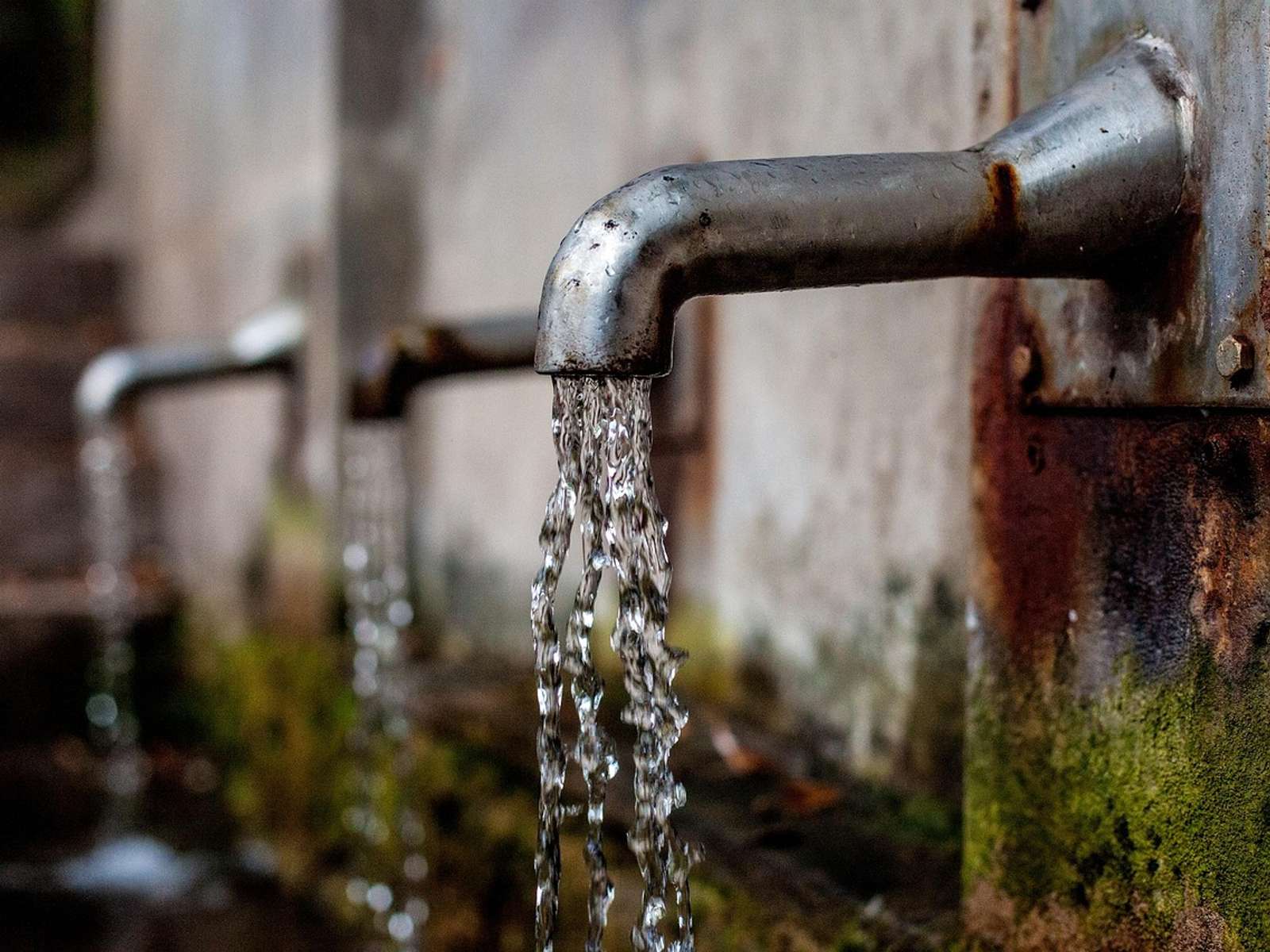
Six of eight planned solar-powered community water points are complete in Garissa County, Kenya, bringing water closer to homes and livestock in Yumbis, Labisigale, Hagadera and Welher.
In Mzogole, Tanzania, a solar-powered water treatment system now supplies community taps, the health clinic and the local school, so Salome no longer walks a kilometre each day to collect water.
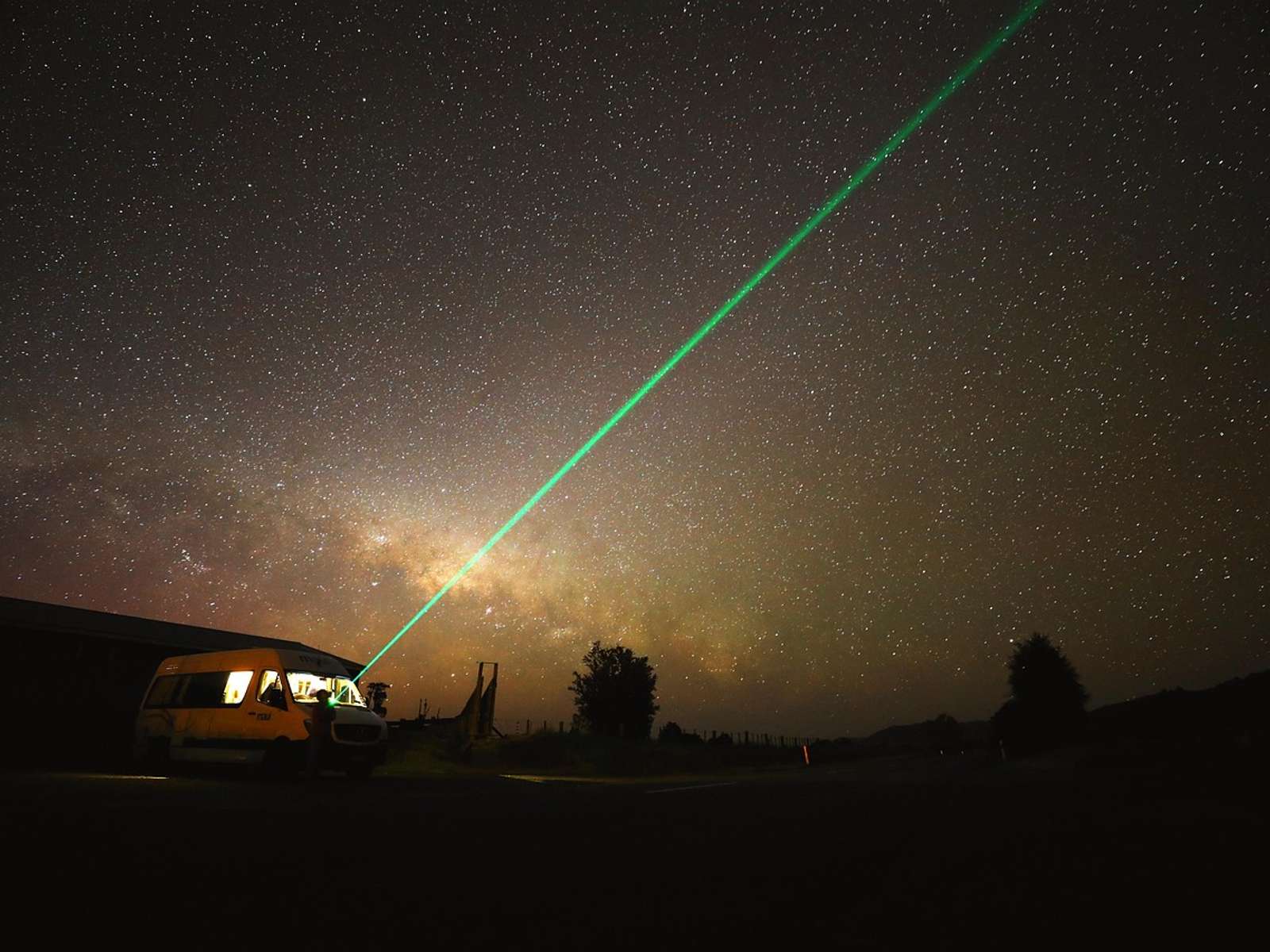
A 16-element Ka-band transmitter mounted on a foldable membrane aboard Japan's RAISE-4 satellite measured how the membrane bent after unfolding and corrected for it, Institute of Science Tokyo said. The team sees it as groundwork for 6G satellite networks.
South Korea's Nuri rocket, built entirely with domestic technology, delivered all five of its main satellites and nine of ten small CubeSats to orbit on 7 October, its fourth success in a row.
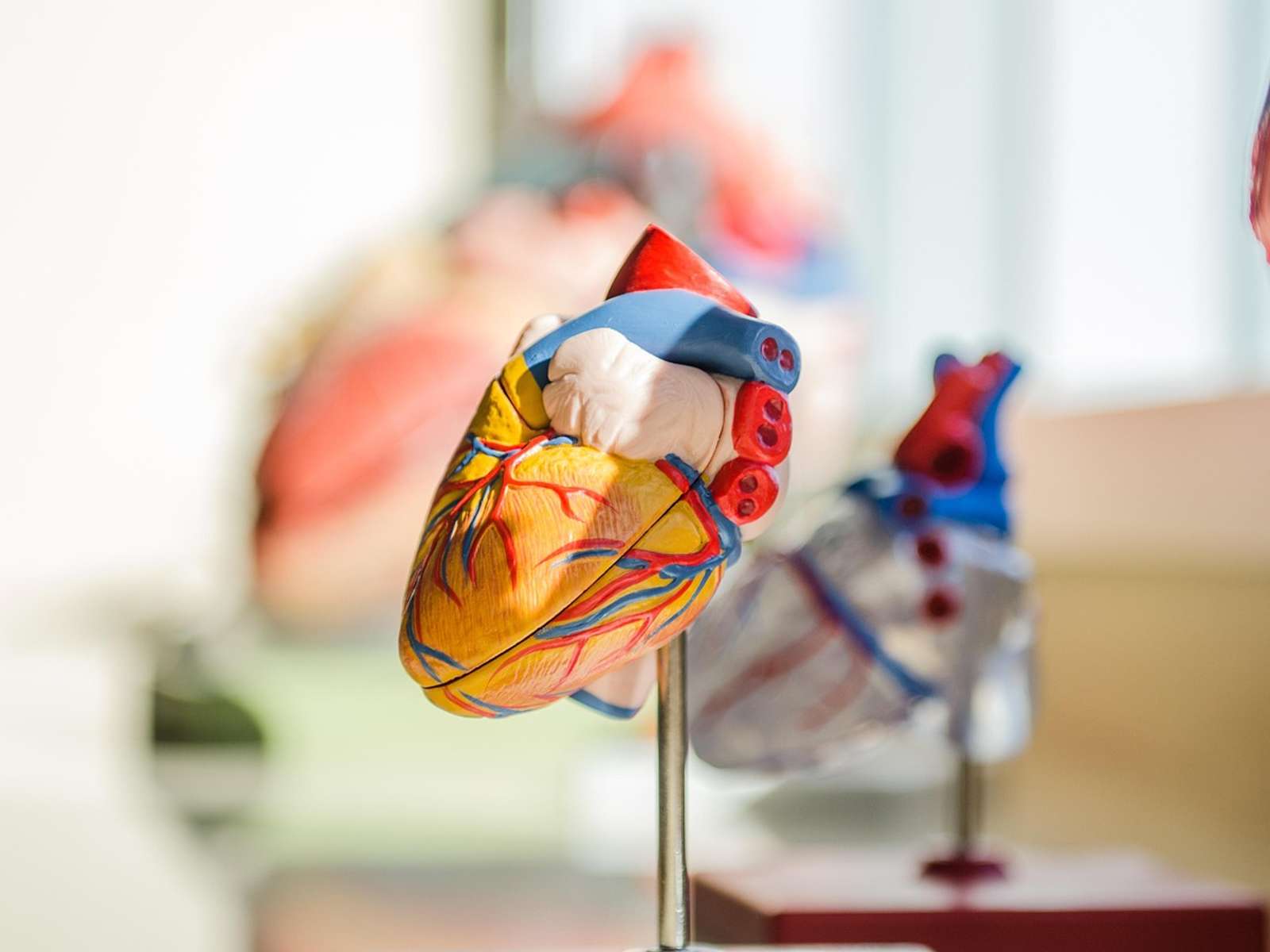
A University of South Florida lab is using umbilical cord cells and tissue-like materials to build heart valves the body could rebuild over time, so a child born with a heart defect might need one valve surgery instead of several. The work is still preclinical.
Ywy Ipuranguete, a $9 million project funded by the Global Biodiversity Framework Fund, supports Indigenous communities in managing 15 Indigenous lands covering about 6 million hectares across five Brazilian biomes.
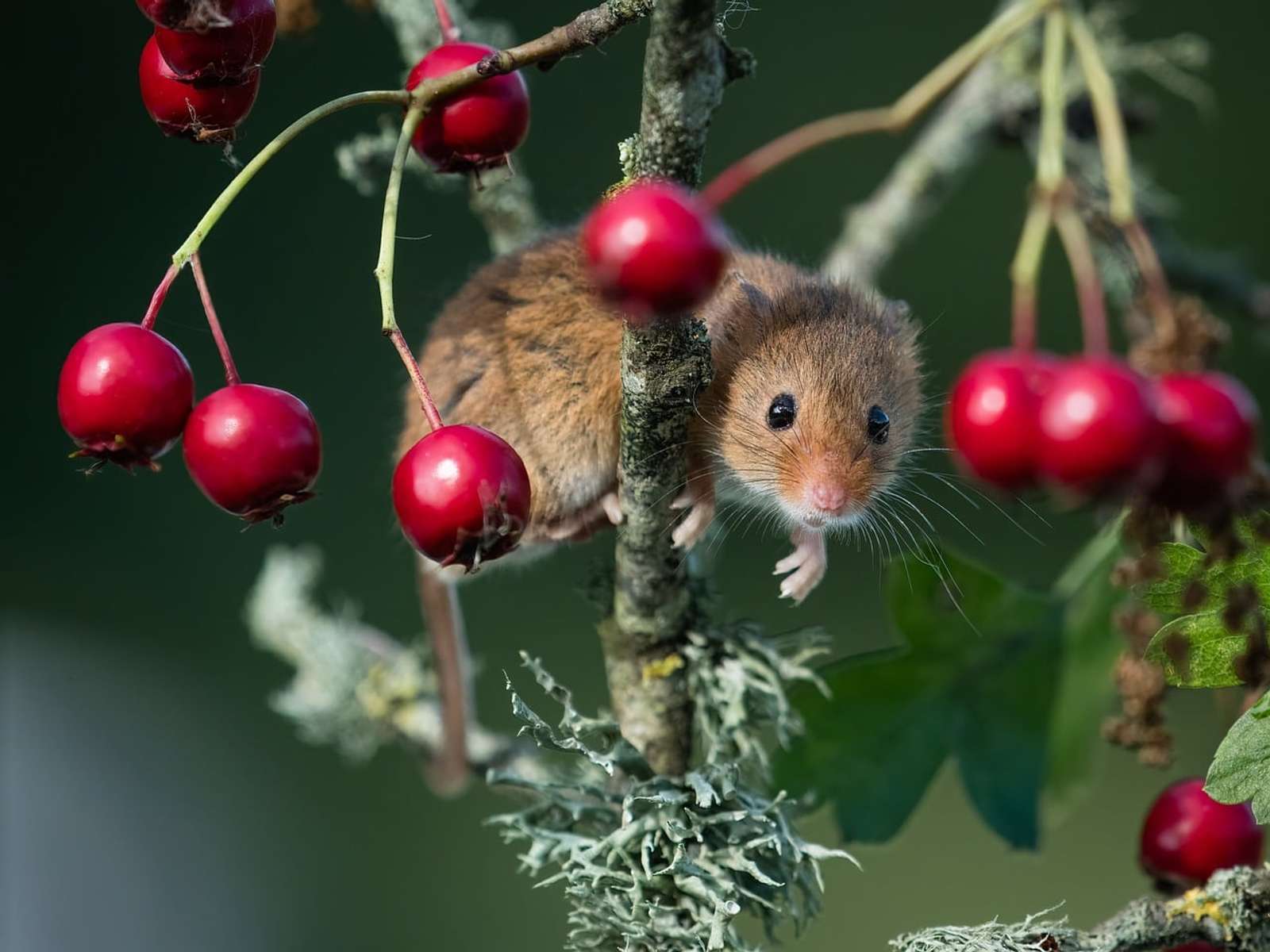
Devon teenagers Eva and Emily, both 14, are looking for 20 children aged 8 to 13 to breed 250 harvest mice at home, guided by ecologists, for release into the wild in September 2027.
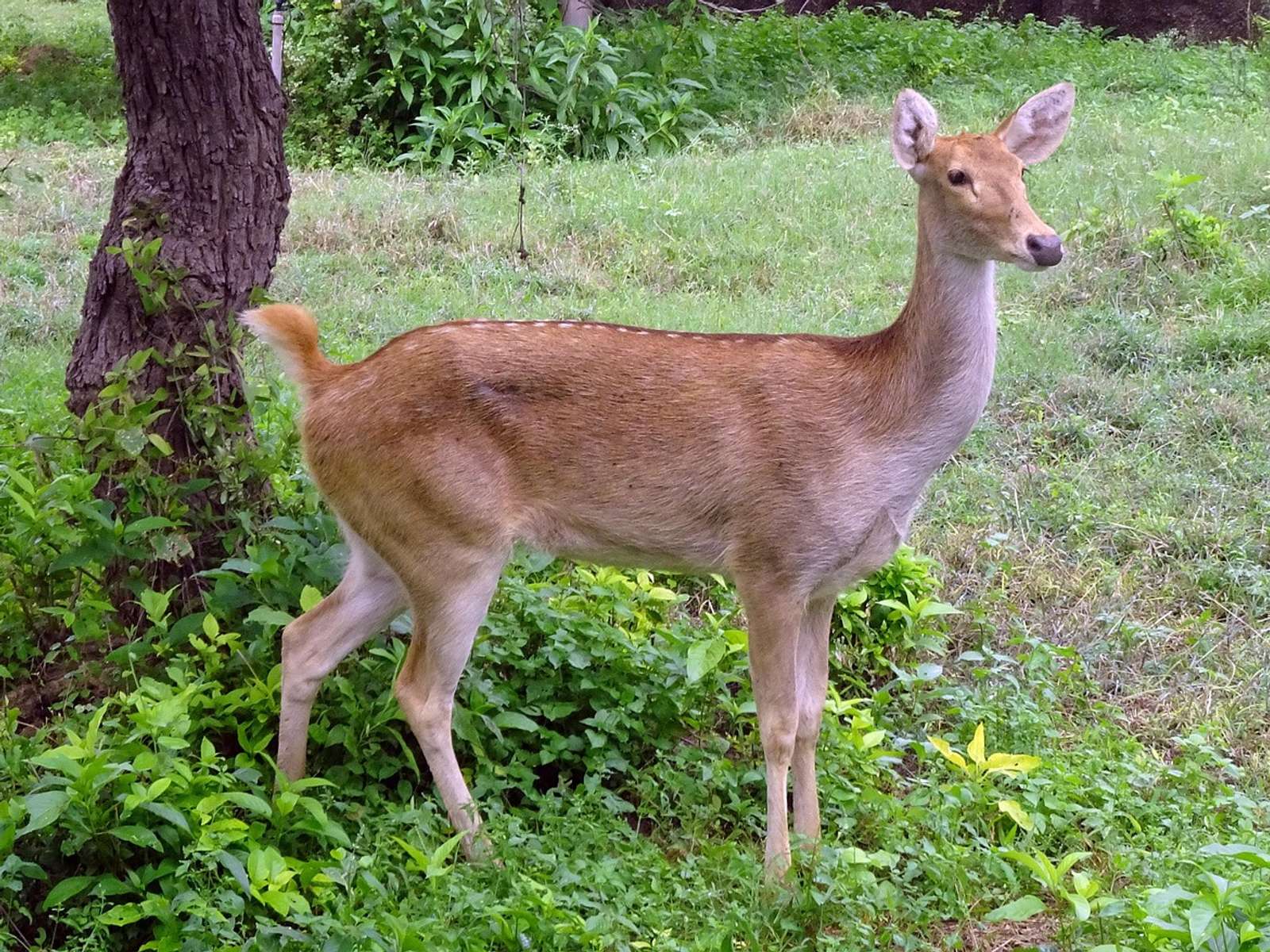
Ten years after Madhya Pradesh began moving hard-ground barasingha from Kanha to Satpura Tiger Reserve, where the deer had died out, the population has grown to about 303, with corridors now planned.
UK charity Hope Spring Water has completed a borehole in Angwan Kyauta, Nasarawa State, so more than 500 residents no longer need to walk to distant streams, and children can get to school on time.
Lao health and agriculture ministries marked World Rabies Day in Vientiane with free pet vaccinations and a renewed goal of ending human deaths from dog-transmitted rabies by 2030.
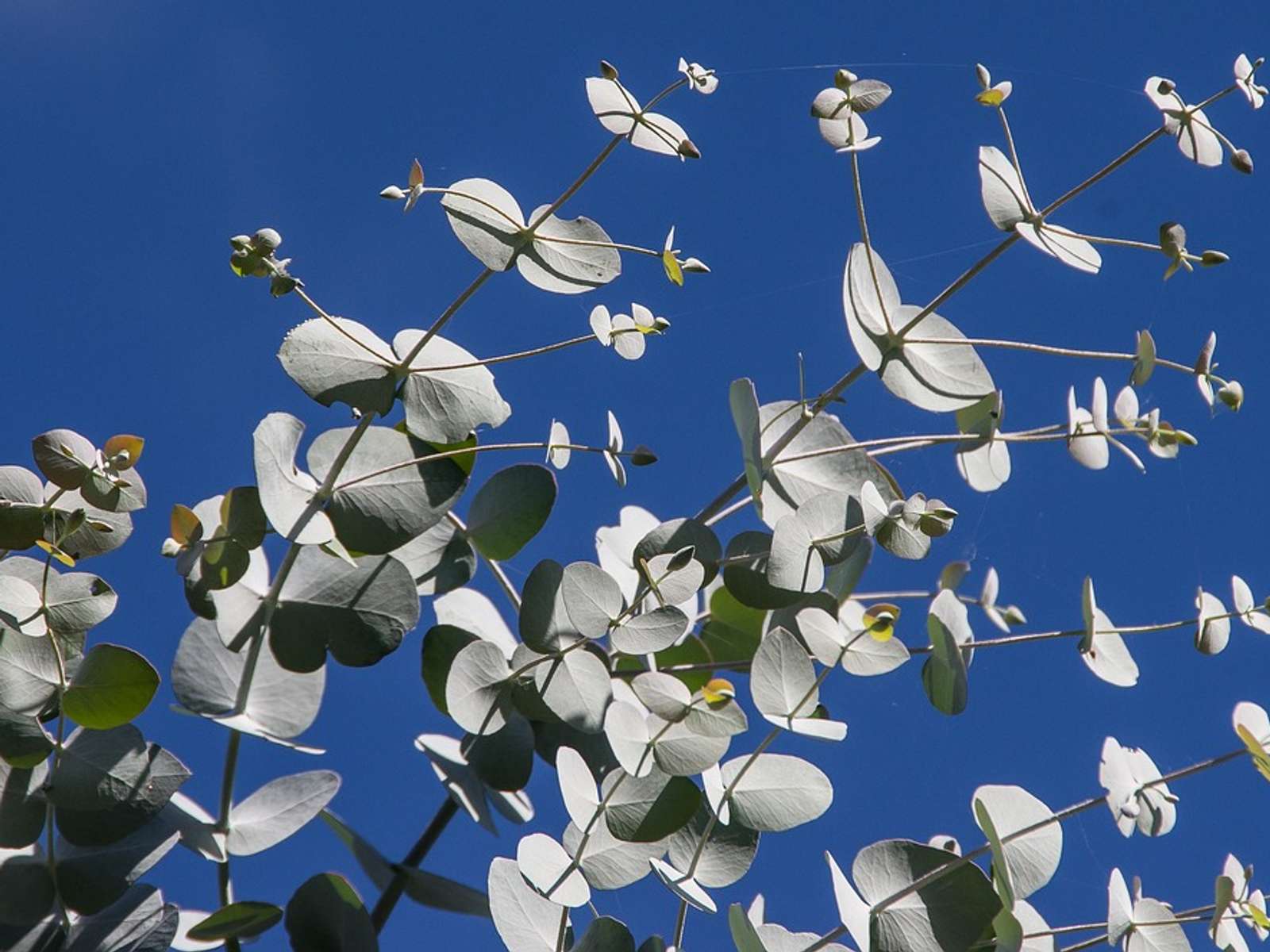
University of the Sunshine Coast researchers used DNA from greater glider droppings to identify 17 plant species in their diet, including non-eucalypts such as acacia and casuarina.
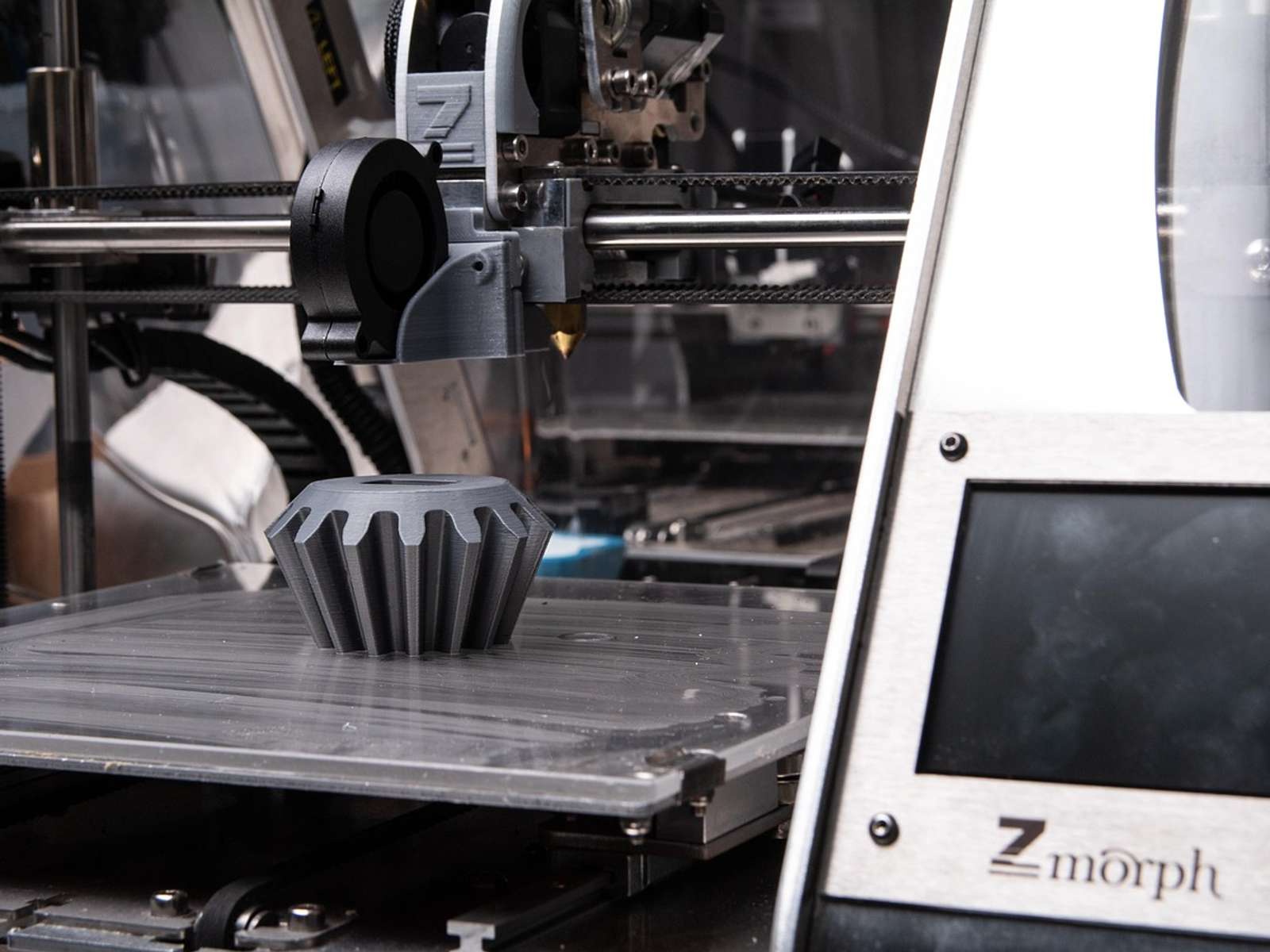
Cape Recife High School, a special needs school in the Eastern Cape, won South Africa's 2026 Samsung Solve for Tomorrow competition with a device that turns plastic bottles into 3D-printer filament for sports gear.
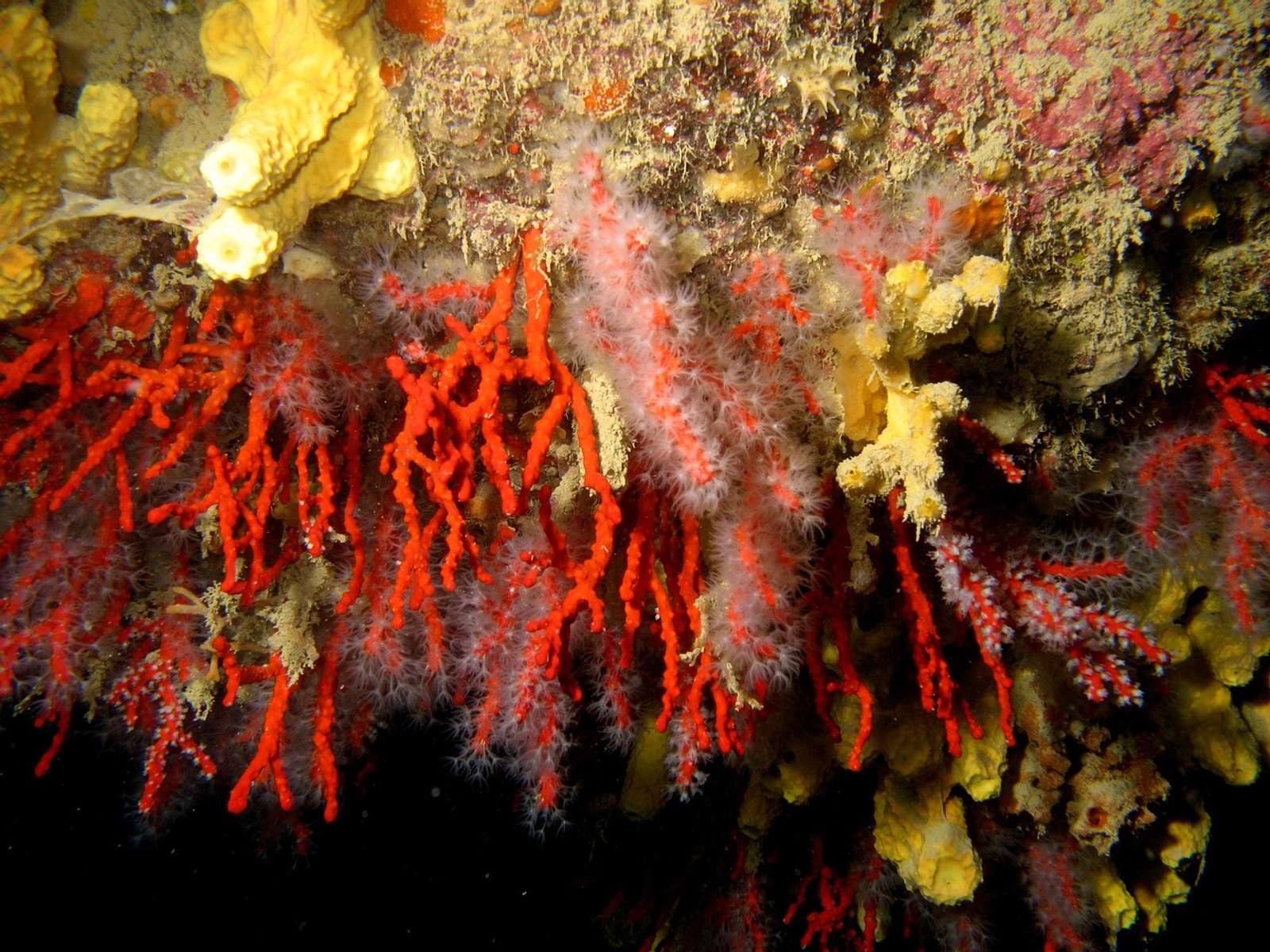
Scientists have described Laurinque elenya, a bright yellow deep-sea coral from seamounts off Costa Rica, and placed it in a new family, Laurinqueidae, named with an Elvish word from The Lord of the Rings.