Every story we have published, newest first. 380 stories so far.
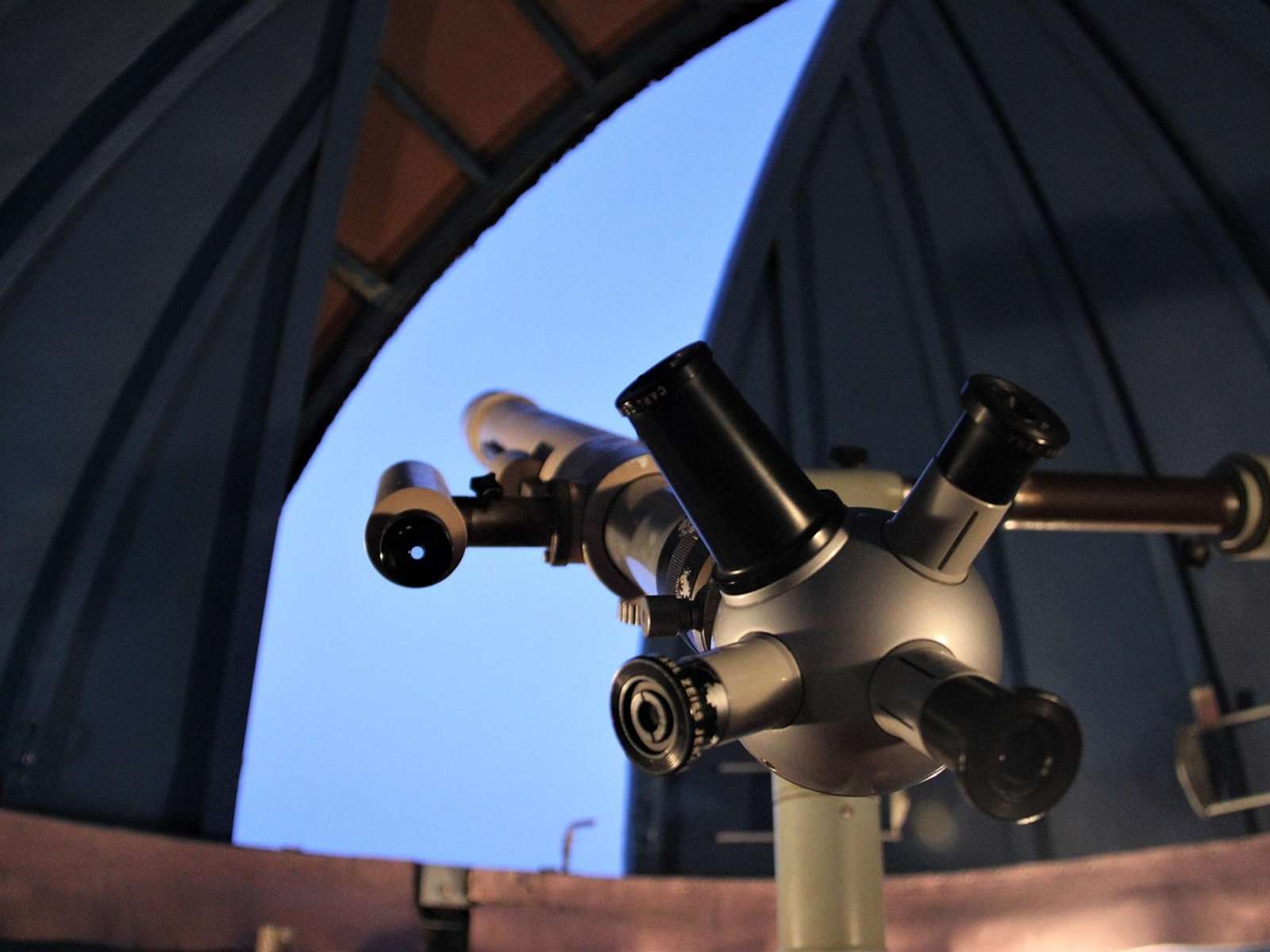
The Vera C. Rubin Observatory has found its first dwarf planet candidate, 2026 ED138, about 46 times Earth's distance from the Sun. It may measure 600 to 1,500 km across; infrared observations are needed to confirm it.
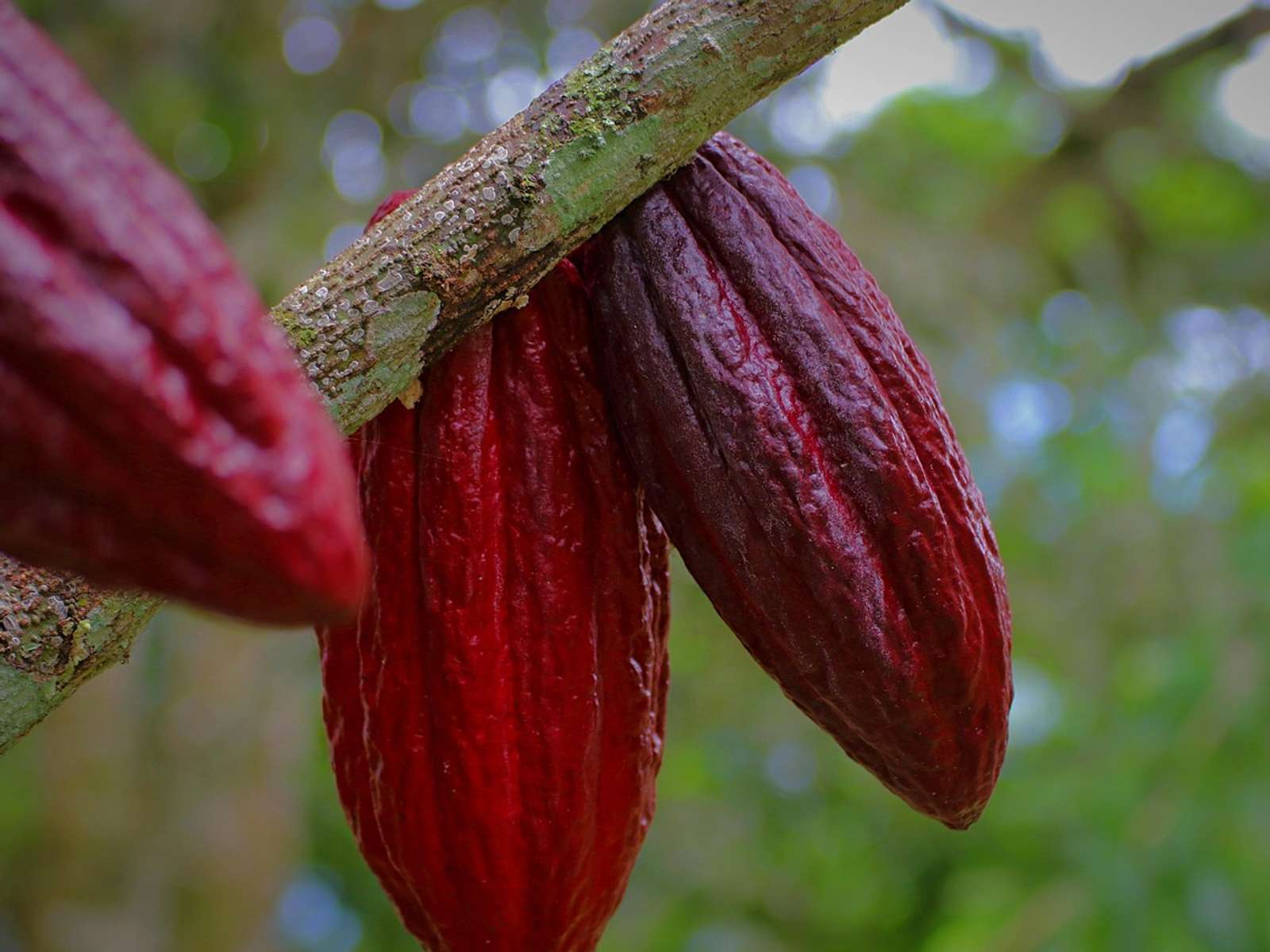
Penn State researchers edited two letters of a cacao immune gene, TcNPR3, and the plants showed about 42% less black pod disease in the lab. Breeding removed all foreign DNA, and field trials with the USDA are underway.
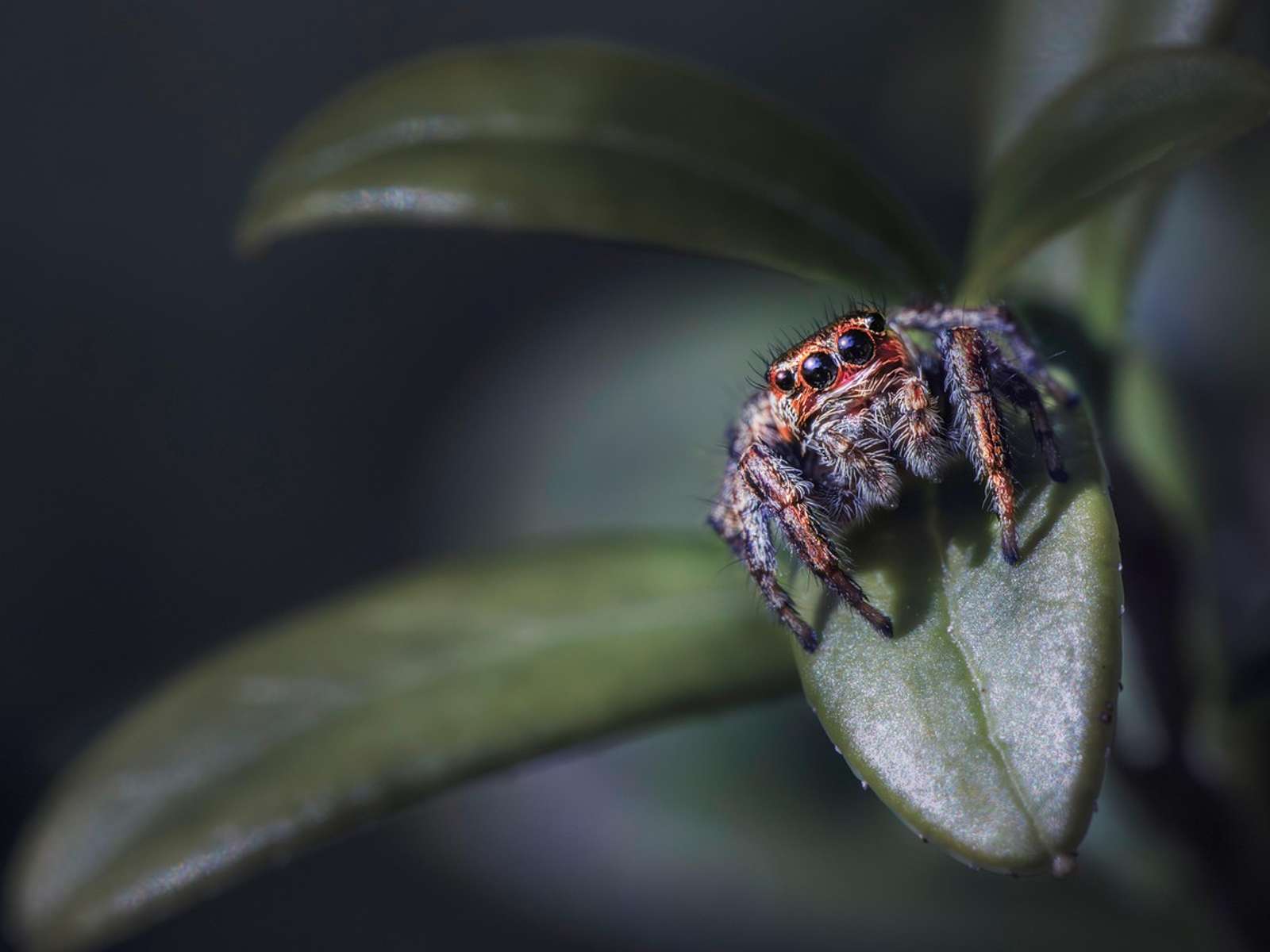
University of Bonn researchers found that the Australian jumping spider Portia fimbriata sleeps in two stages, one of them REM-like with eye movements and twitches. The study in PNAS confirms sleep in a spider by behavior alone.
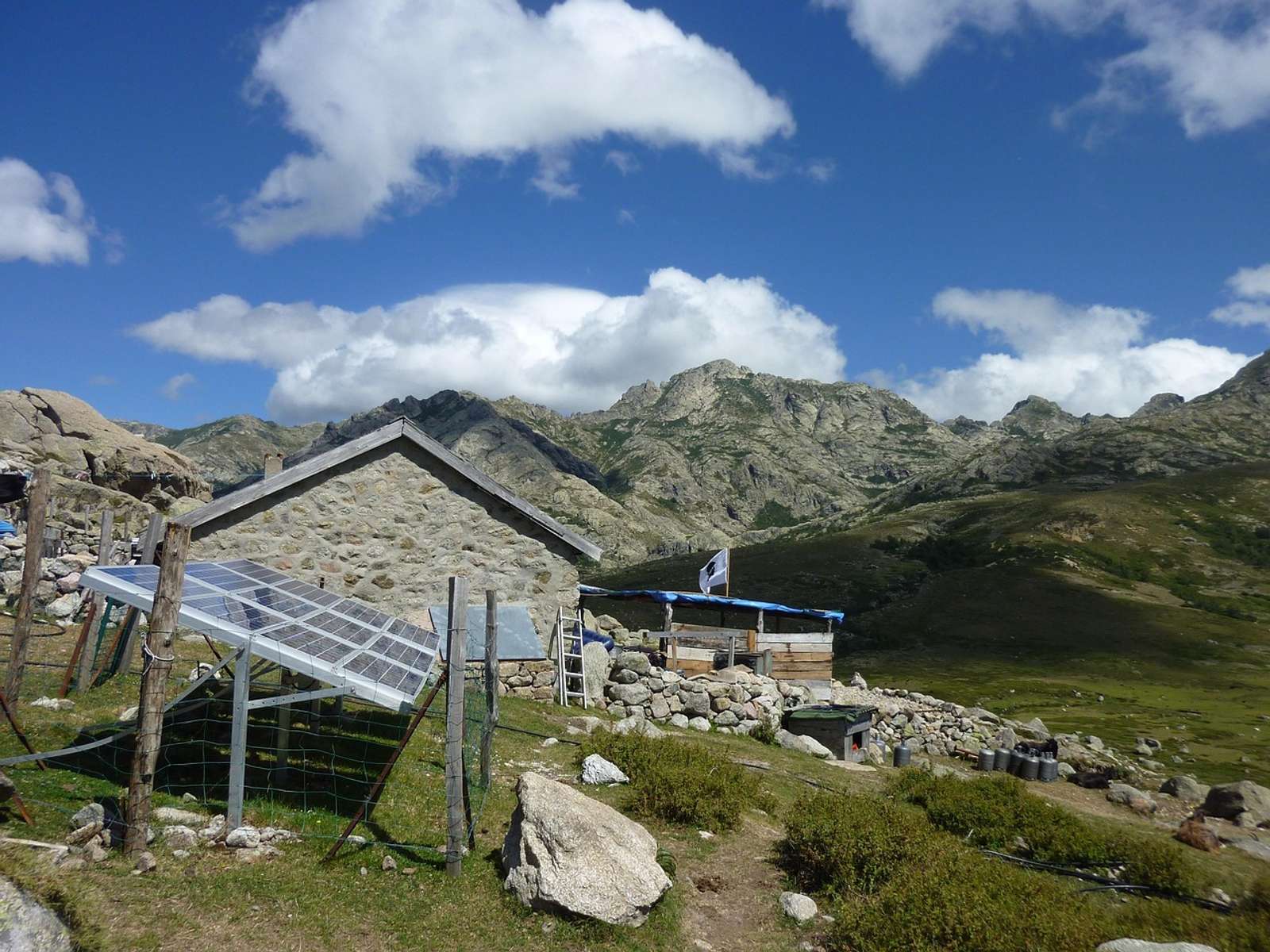
The number of people using off-grid solar rose 26% to 149 million between 2023 and 2025, according to a report by the World Bank's ESMAP and GOGLA. The sector employs 219,000 people, and 655 million still lack electricity.

The Cantabrian group Red Cambera has removed the Valverde weir on the Bullón River in Liébana, a 1.7-meter barrier salmon could hardly pass. The work frees about 24 km of river upstream and was funded by the Open Rivers Programme.
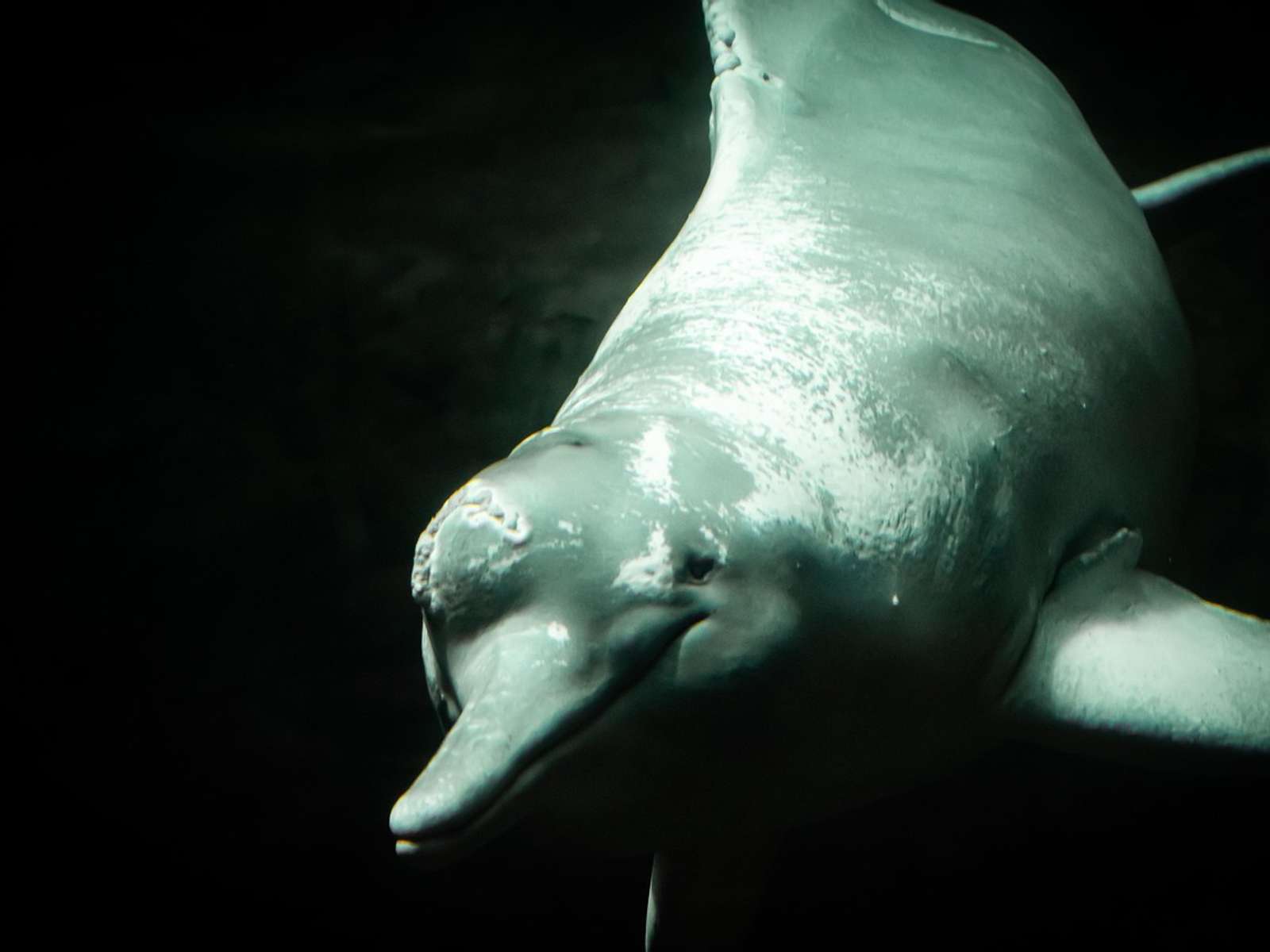
A photo taken during Cobija's first City Nature Challenge led to Bolivia's first documented records of the Amazon river dolphin, Inia geoffrensis, in the Acre River. Fishers supplied two more records, WCS said.

Ten scarlet macaws were released in the Cangrejal River basin near La Ceiba, Honduras, on 26 October, bringing this year's total to 26. Wild scarlet macaws had not been recorded in the area since the 1960s.
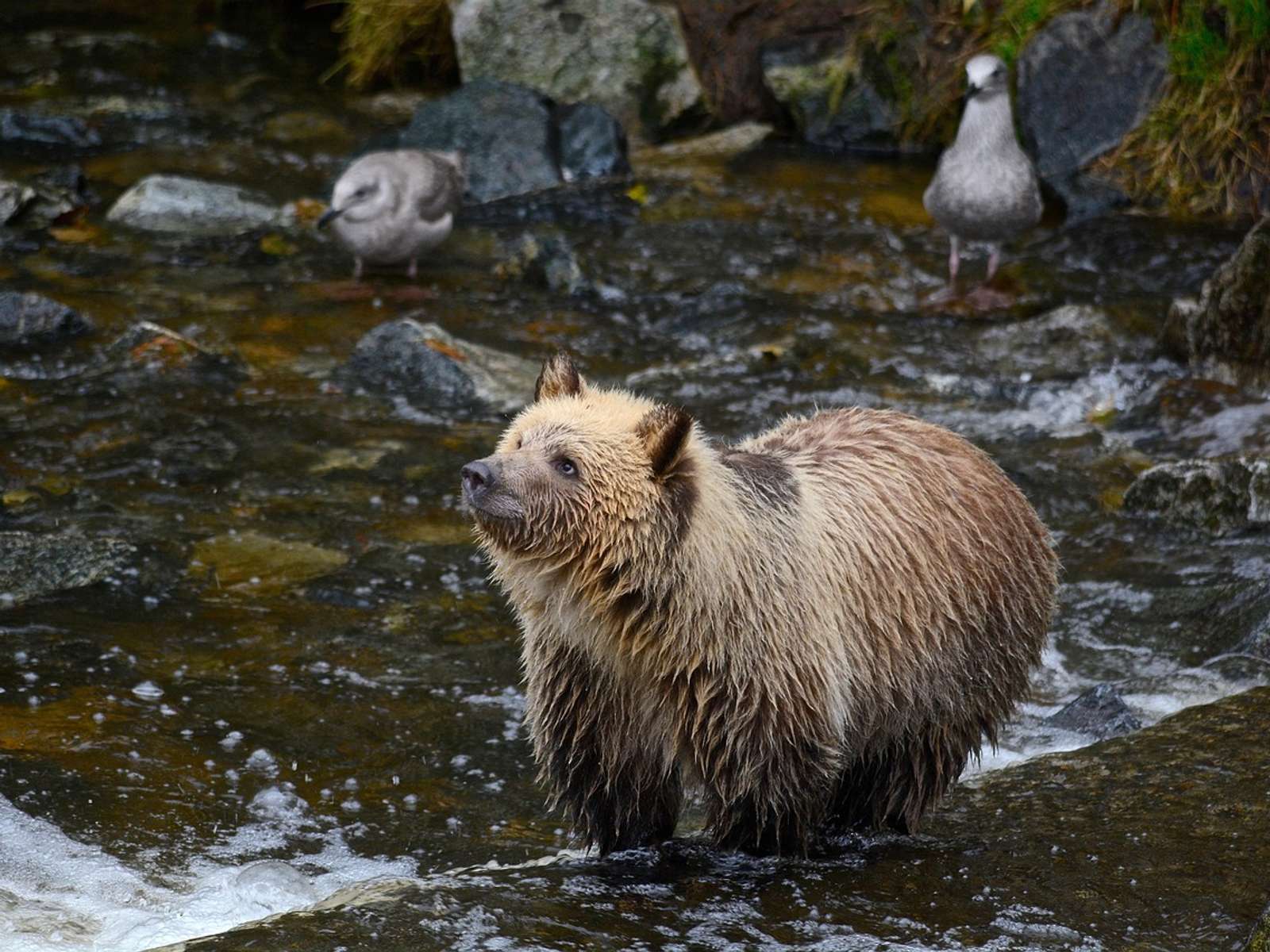
Three brown bear cubs found without their mother near King Salmon, Alaska, have moved to the Minnesota Zoo after rescue by the Alaska Department of Fish and Game. Brooks, Dillingham and Bristol will make their public debut next spring.

Tel Aviv University researchers scanned a lizard tail in 99-million-year-old amber from Myanmar and found a clean break framed by a ring of muscle, the first direct soft-tissue fossil evidence that lizards were already shedding their tails to escape.

MIT researchers built LUCID, a flexible implant as thin as cardstock that releases drugs in the brain and uses 24 tiny ultrasound transducers to spread them farther. It has been tested in a tissue model and in mice.
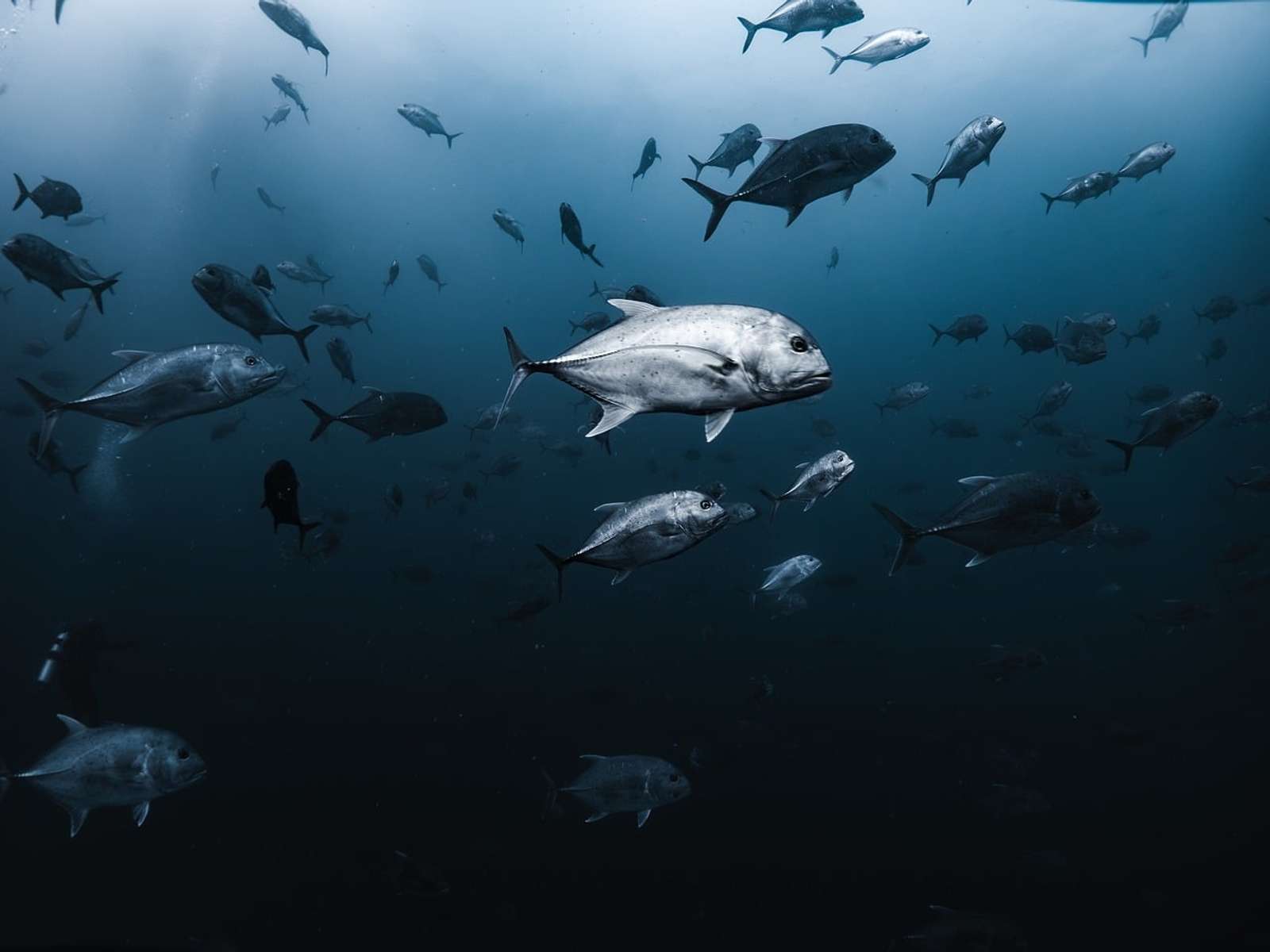
Researchers at OIST analyzed 2,672 seawater samples from 316 sites around Japan for fish DNA and found 126 species farther north than previously recorded, including Japanese scad and blacktip grouper.
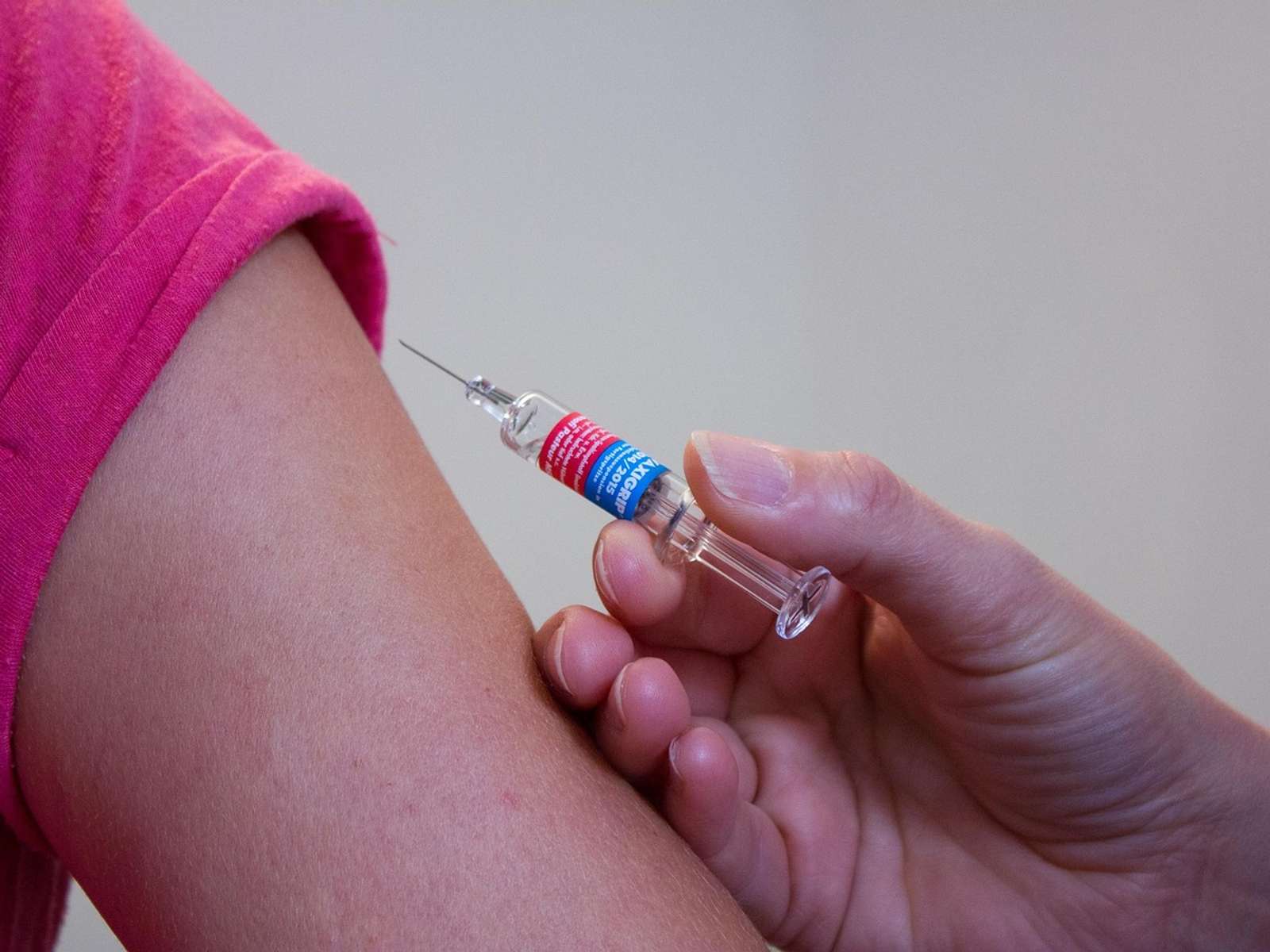
Tajikistan's health ministry, with UNICEF and Gavi, is vaccinating about 836,000 children aged 6 months to 5 years against measles and rubella in 53 cities and districts, after 570 confirmed measles cases this year.
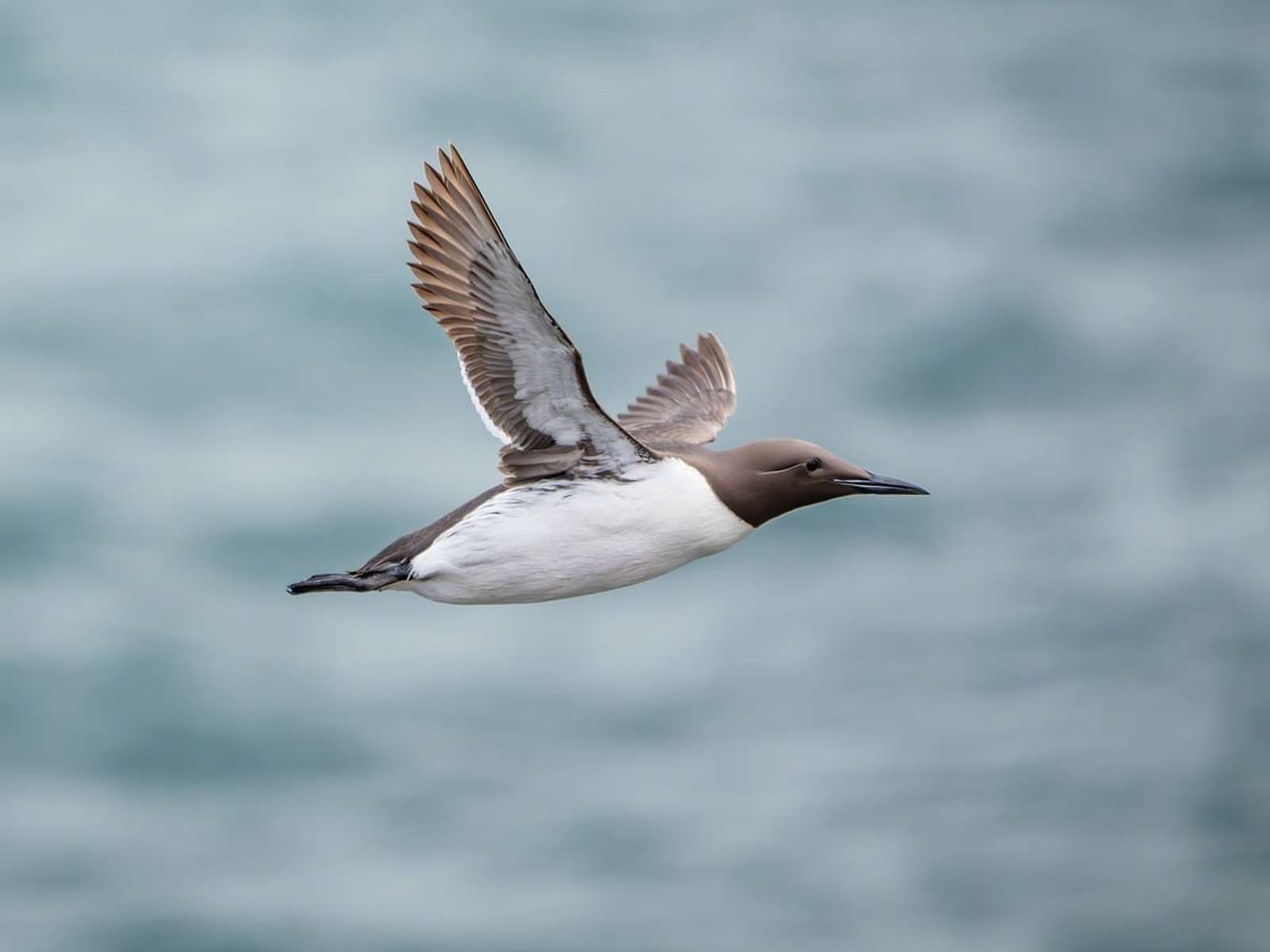
In a trial with 10 Cornish fishers, nets with bird-of-prey kites had 71% lower odds of catching guillemots and razorbills, and nets with spinning 'looming-eye' buoys 59% lower, a study in Conservation Letters found.

Camera traps in DR Congo's Luki Biosphere Reserve photographed grey-necked picathartes, a near-threatened bird never recorded in the country, nearly 400 km beyond its known southern limit. The find adds weight to a stalled cross-border park.
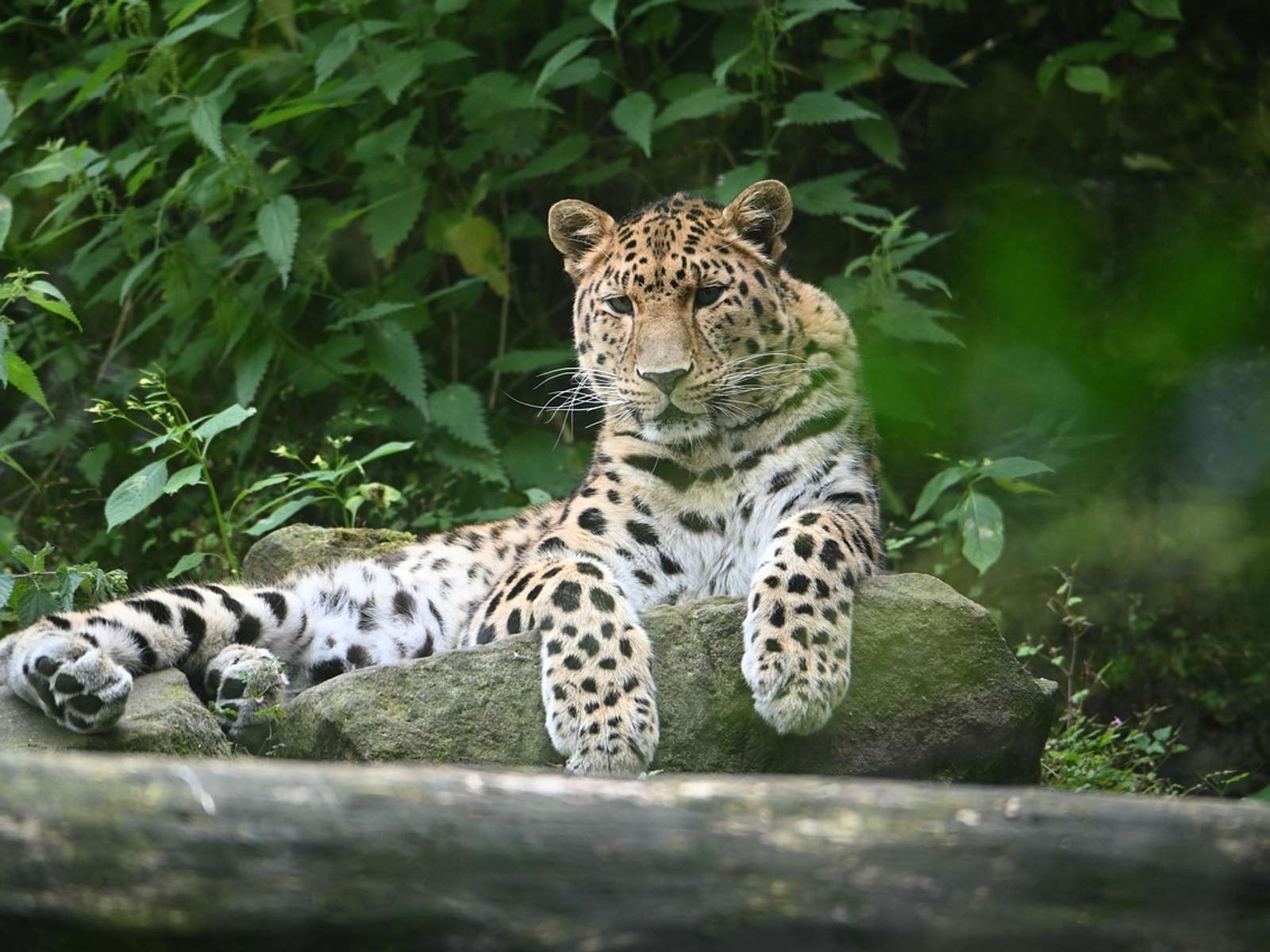
A male Amur leopard cub born on 8 September at Potawatomi Zoo in Indiana is doing well after keepers hand-reared him around the clock when his first-time mother did not feed him. About 100 Amur leopards remain in the wild, the zoo says.
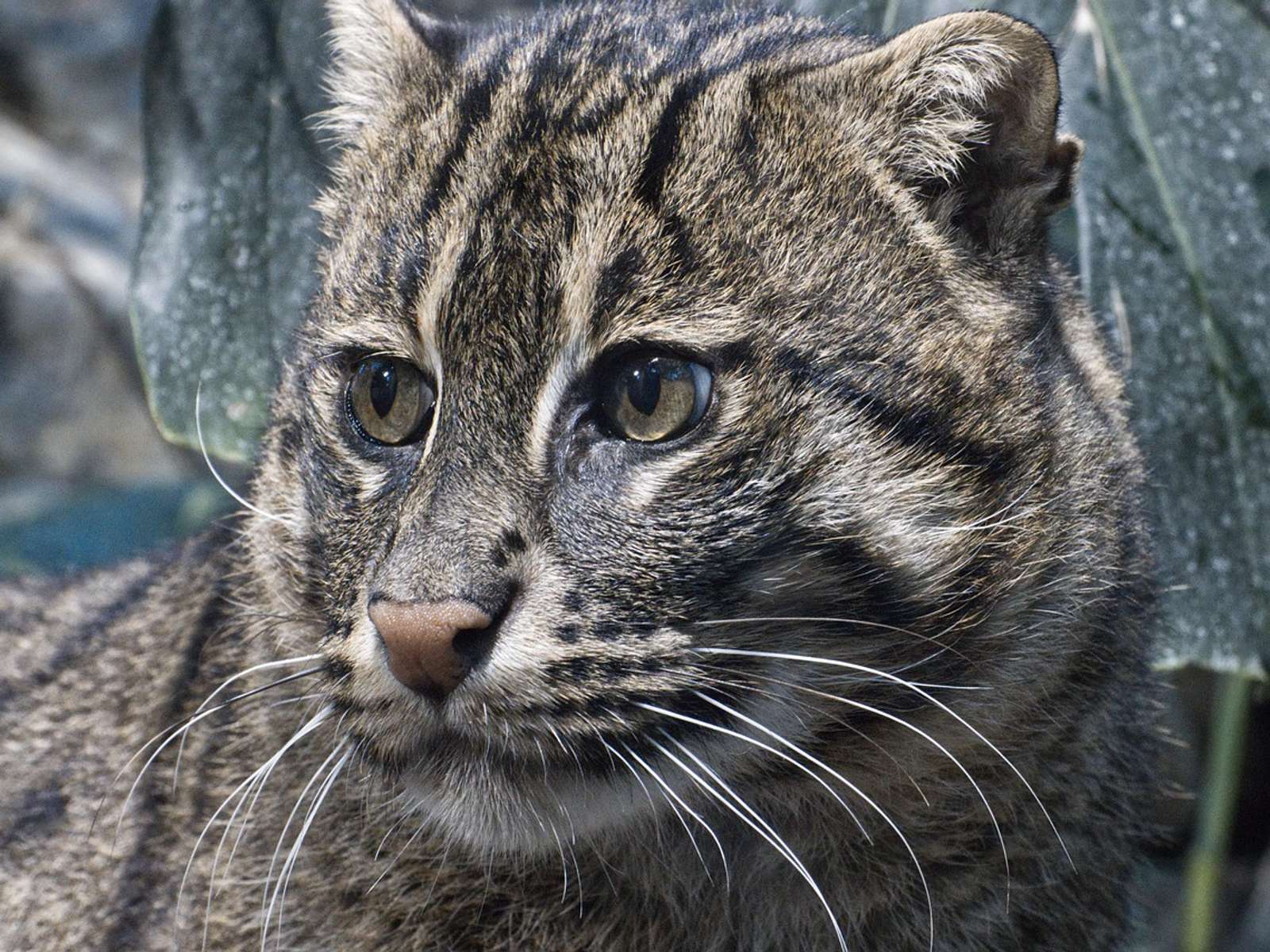
A male fishing cat rescued in northern Bangladesh with a jaw injury that stopped him eating has been released after rehabilitation, wearing a satellite collar. He went from 5 kg to more than 12 kg in care.
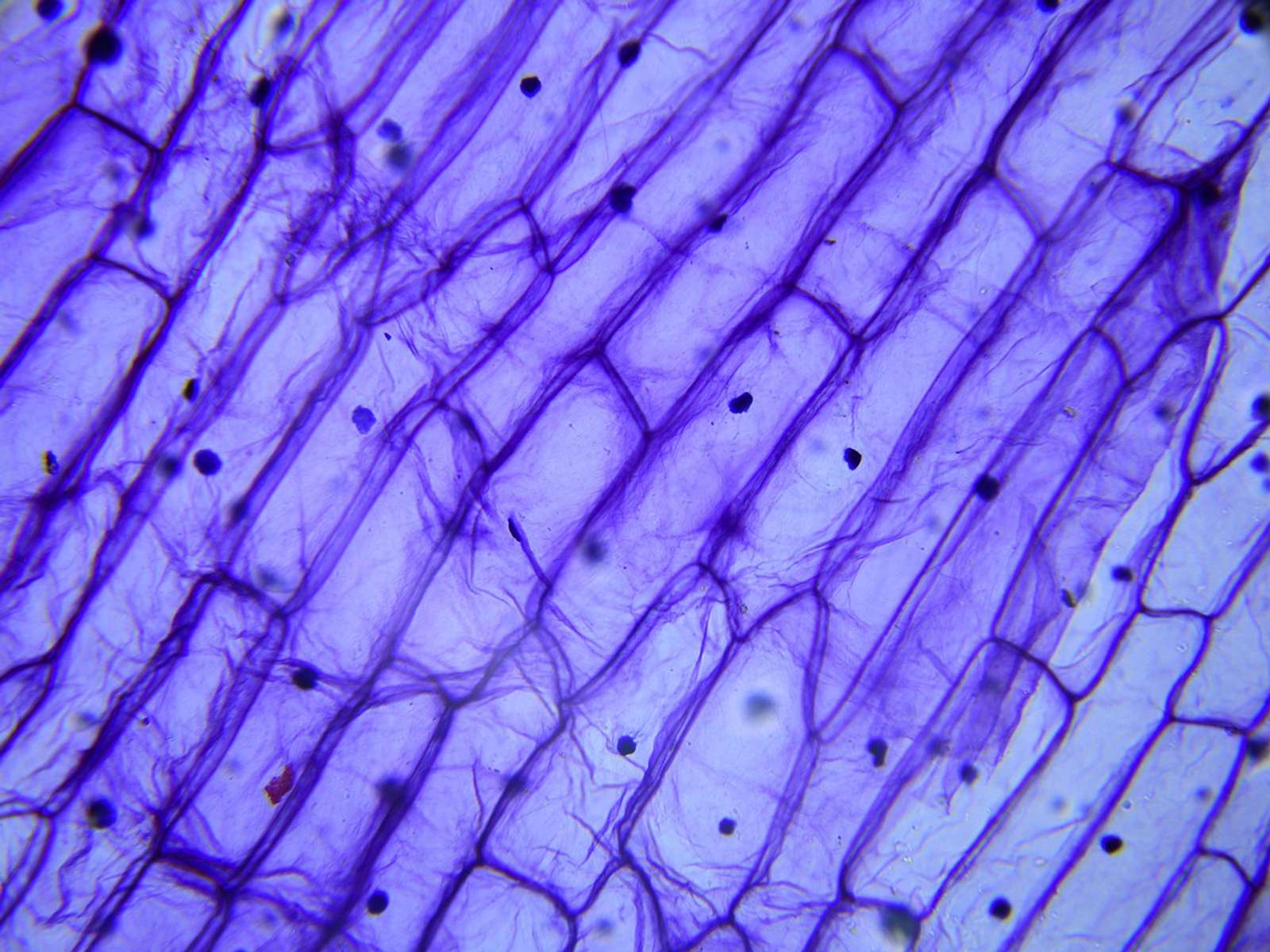
ETH Zurich researchers engineered human cells to archive RNA, the transcripts of active genes, in a protected film around their mitochondria, preserving several thousand molecules that show what the cell was doing days before.

An NIH-funded study used the 1972 rise in the UK school-leaving age as a natural experiment. Among more than 100,000 UK Biobank participants, the extra year of school lowered dementia diagnoses, most among those at high genetic risk.
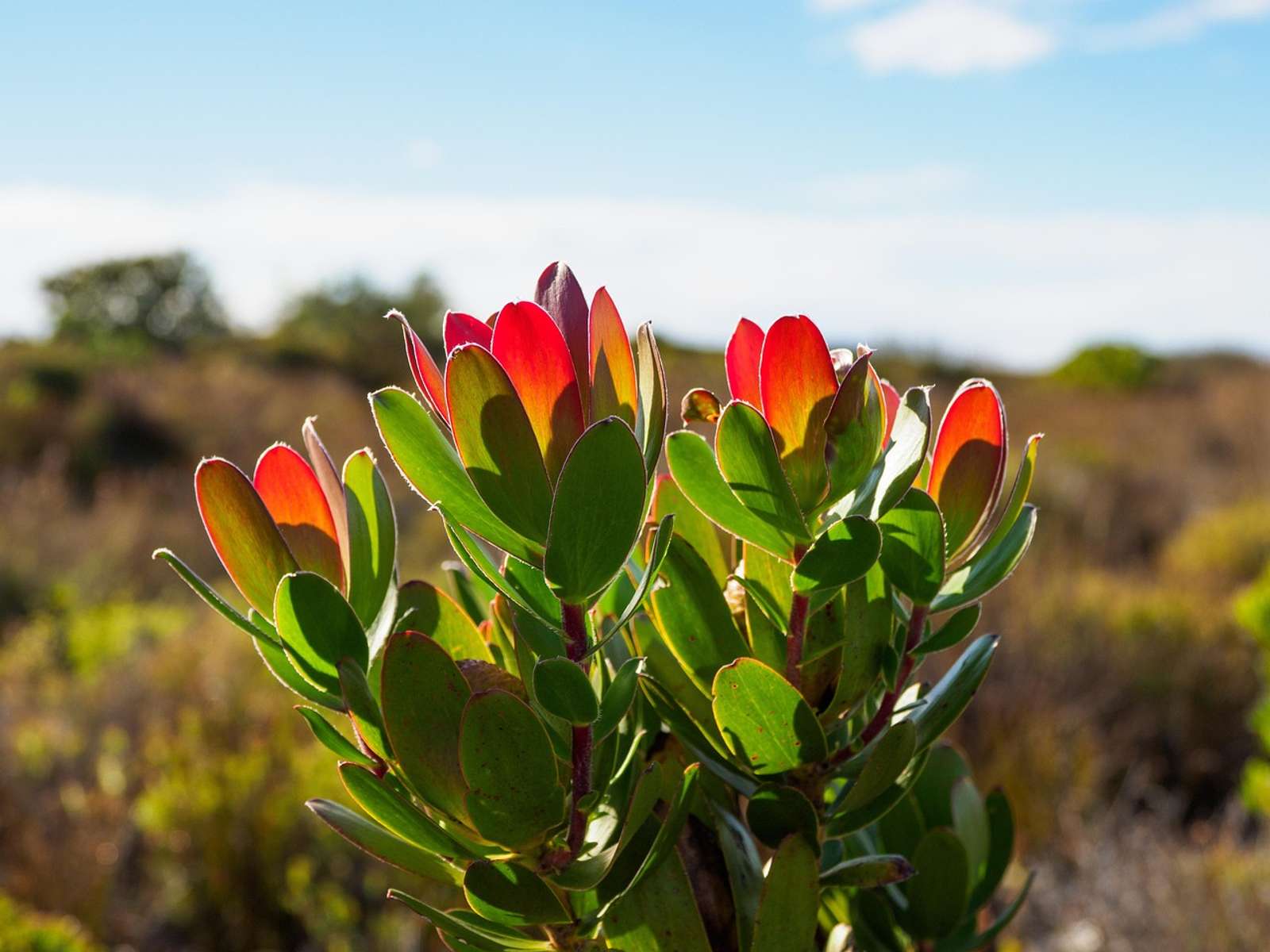
A man who poached 104 indigenous plants from Cape Town's Bracken Nature Reserve has been convicted, fined R80,000 (suspended) and barred from entering reserves for three years. The plants were returned and replanted.
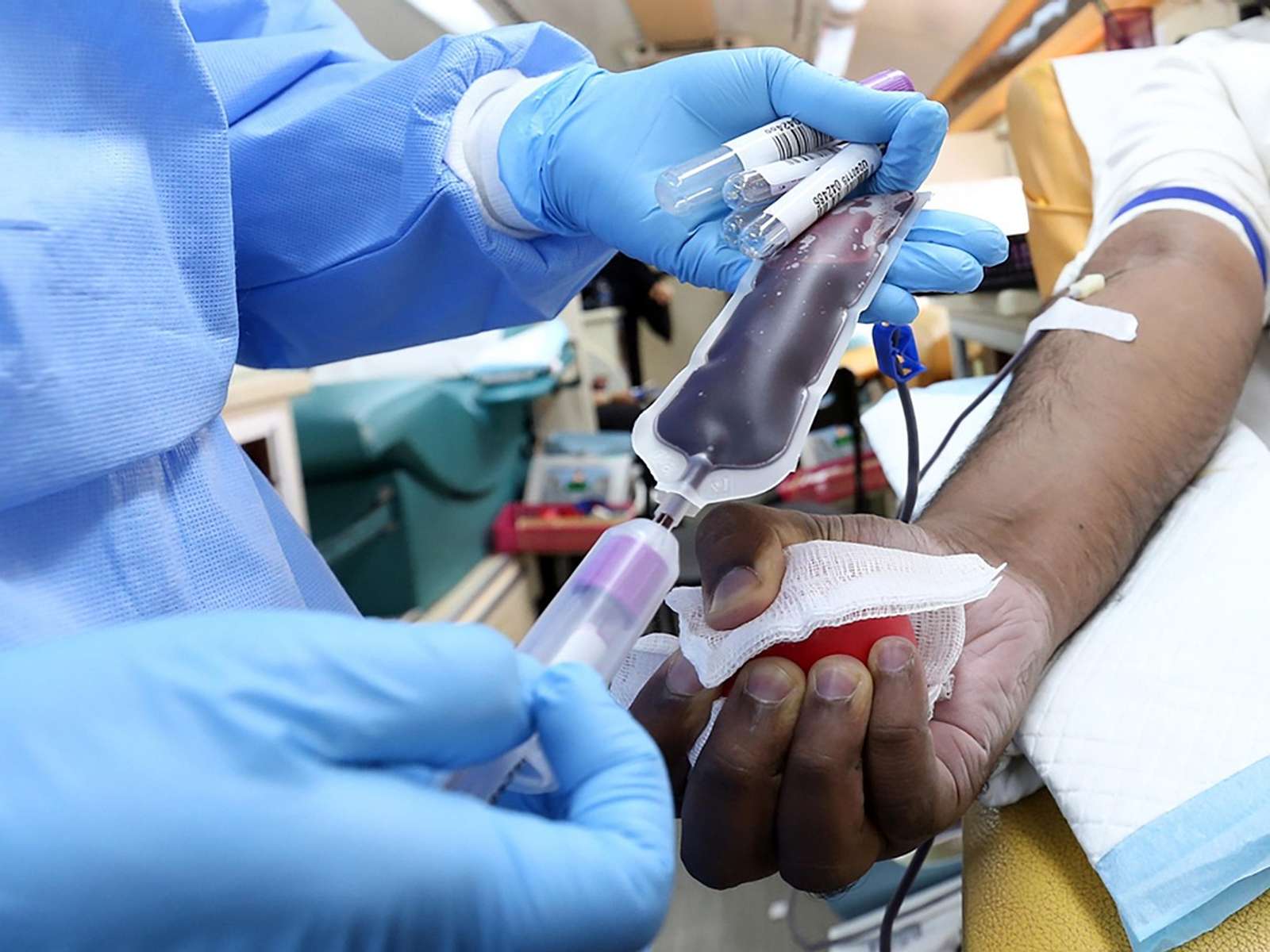
A report in the journal Transfusion describes how Ukraine met a roughly 40% rise in demand for blood products during the war without importing them, through mobile donation centers, an online donor platform and a central command.
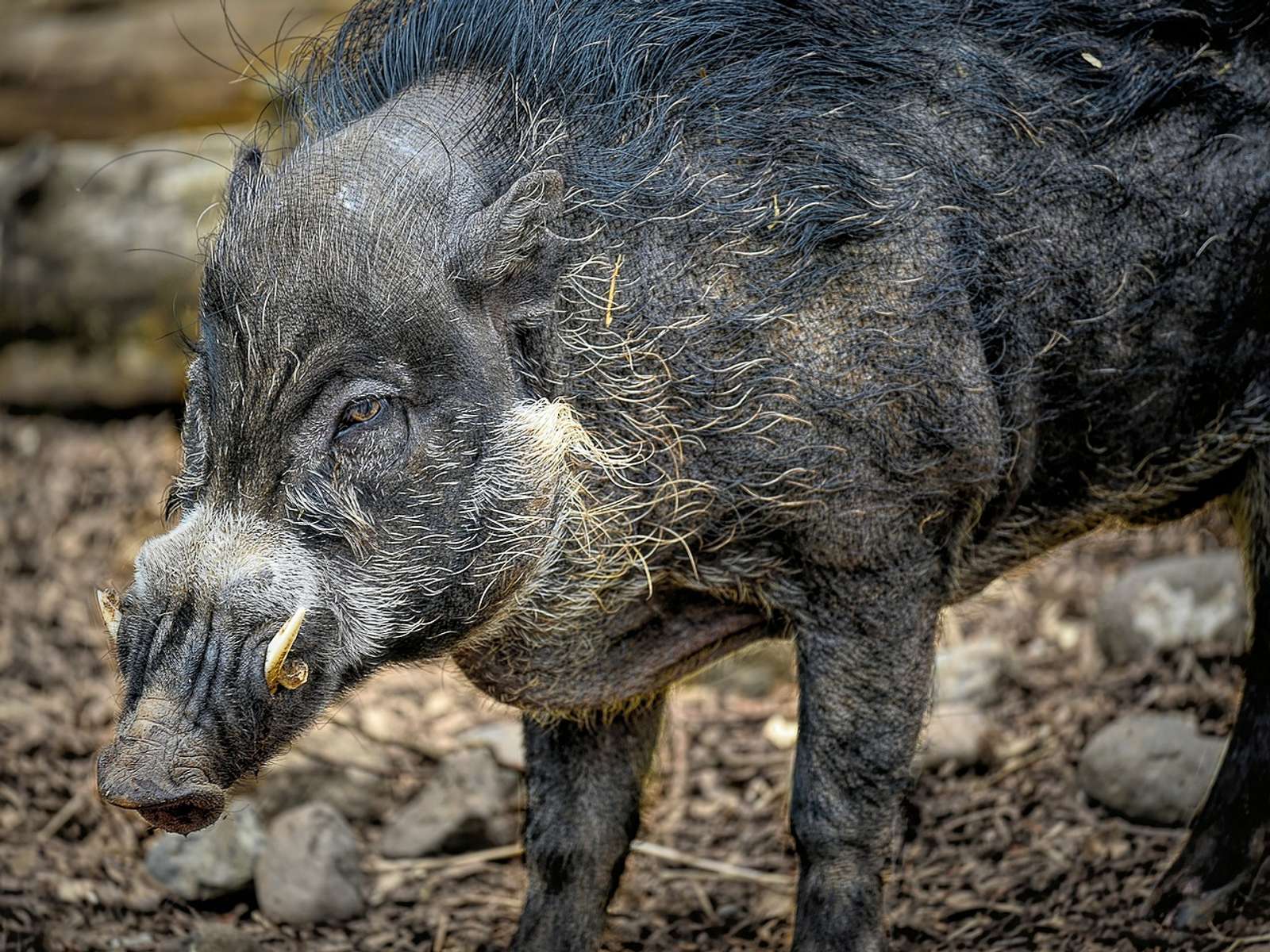
Six critically endangered Visayan warty piglets were born at the North Carolina Zoo in two litters. One litter of four is the largest on record in the species' Species Survival Plan and the first born in the US since 2022.
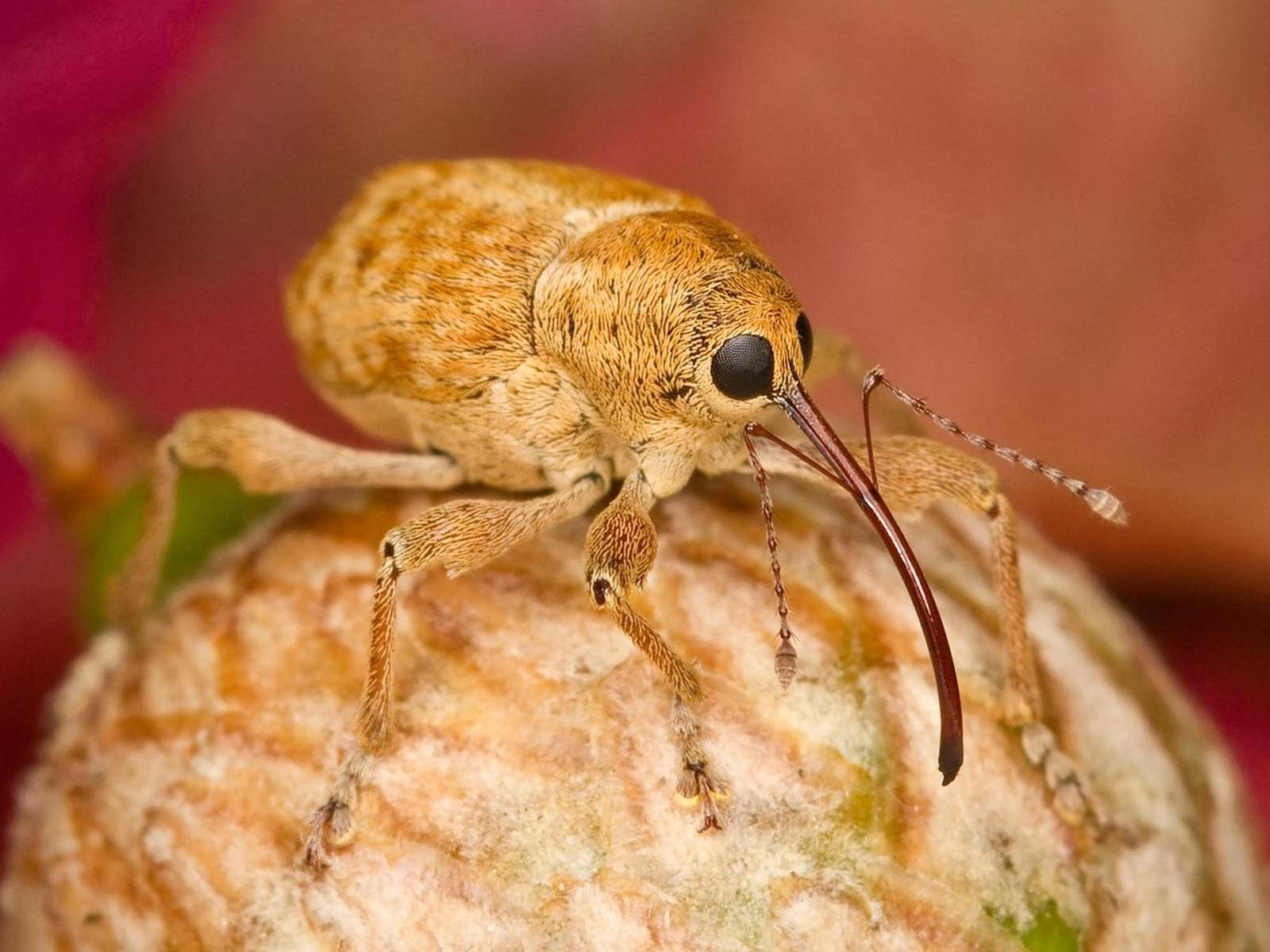
New Zealand's Department of Conservation has released captive-bred Canterbury knobbled weevils near the Ashburton Lakes. The colony grew from six beetles to more than 200; the species was thought extinct until 2004.
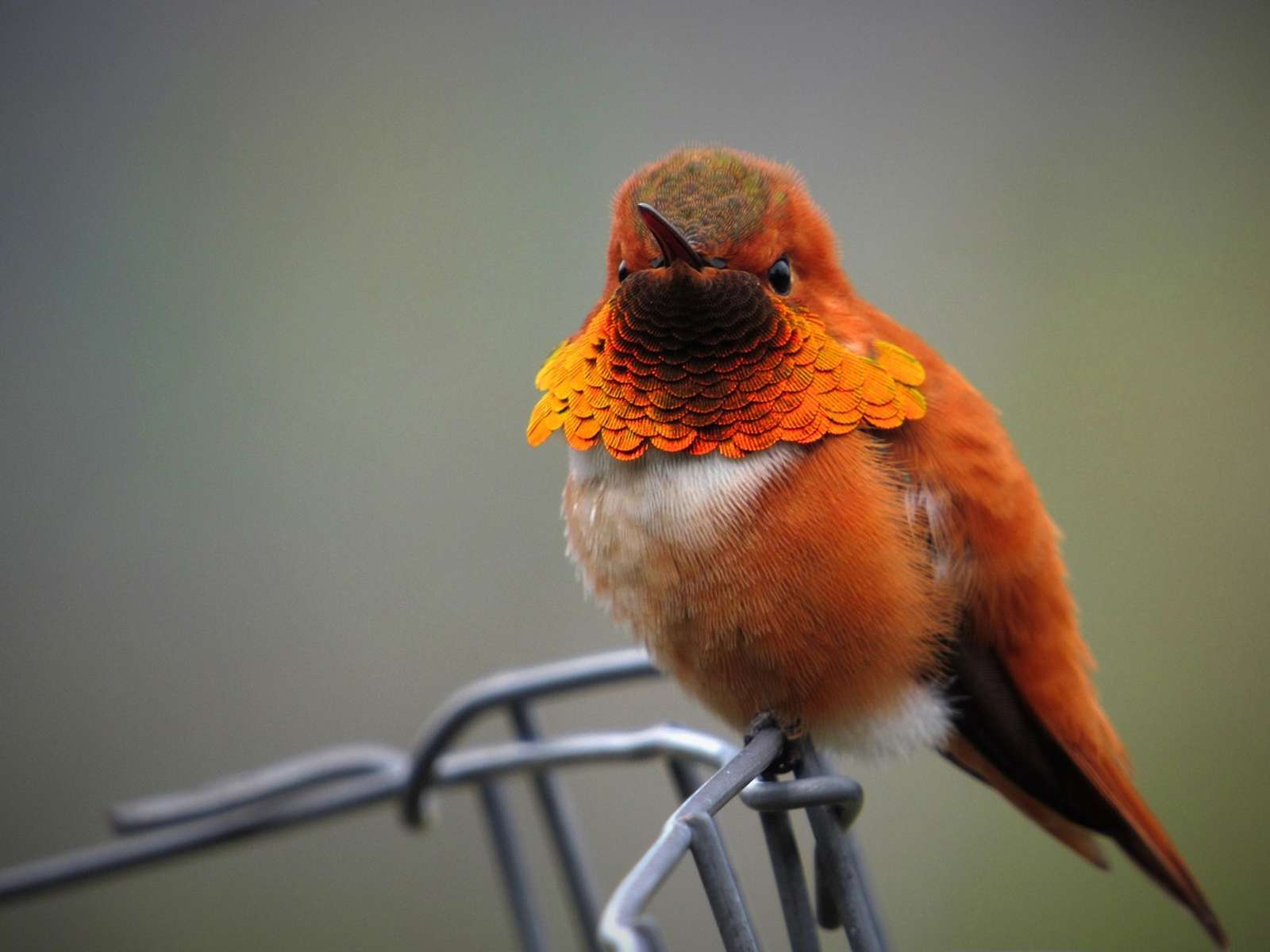
Three rufous hummingbirds fitted with tiny tracking devices at the Alaska Wildlife Conservation Center flew more than 5,500 km south, one reaching Guadalajara, Mexico. The longest flight, 5,821 km, beats a record set in 2010.
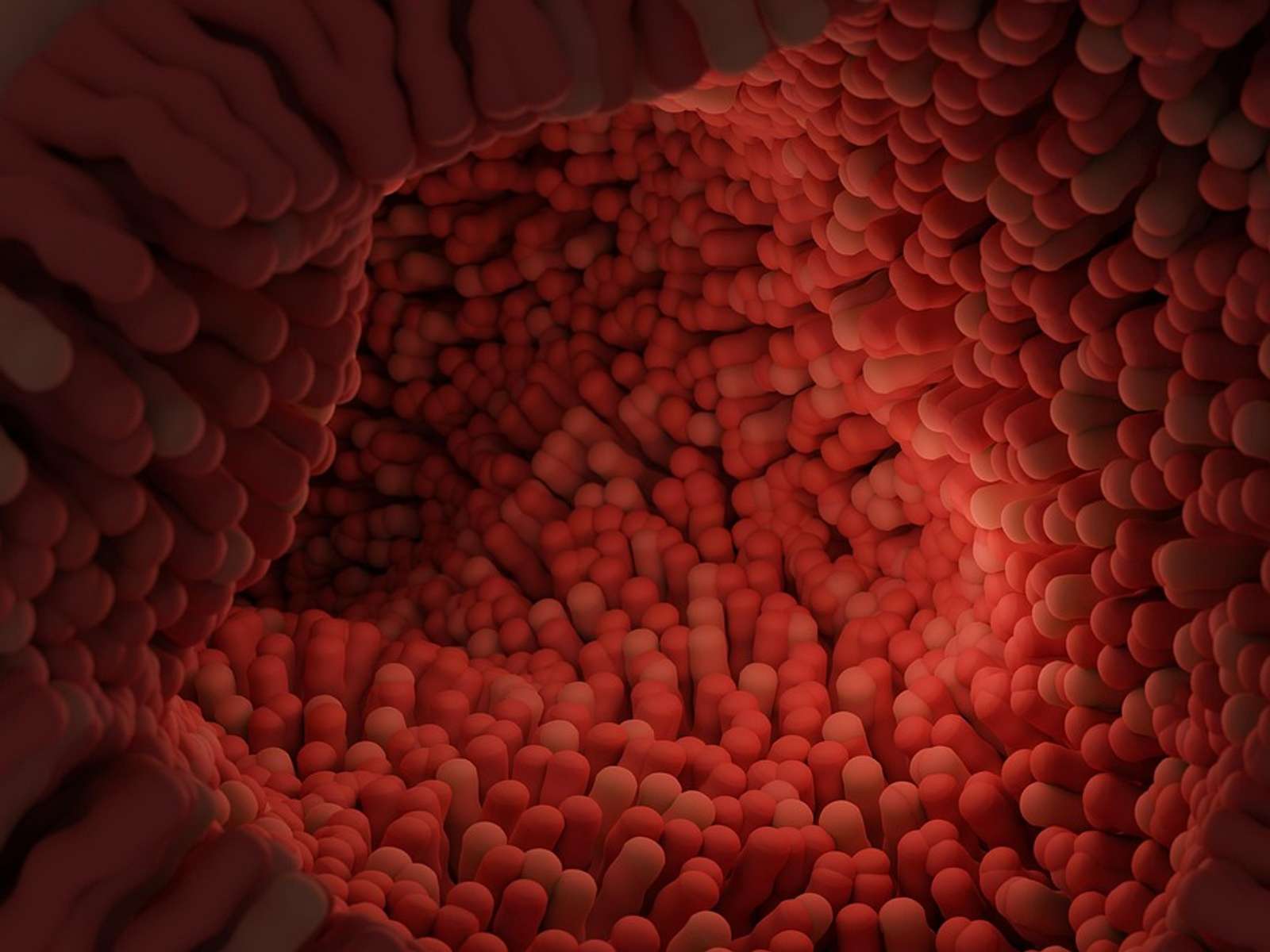
A study presented at UEG Week 2026 profiled antibodies in 2,000 blood samples and found differences up to 10 years before people were diagnosed with Crohn's disease or ulcerative colitis. It is a proof of principle, not yet a test.