Every story we have published, newest first. 380 stories so far.
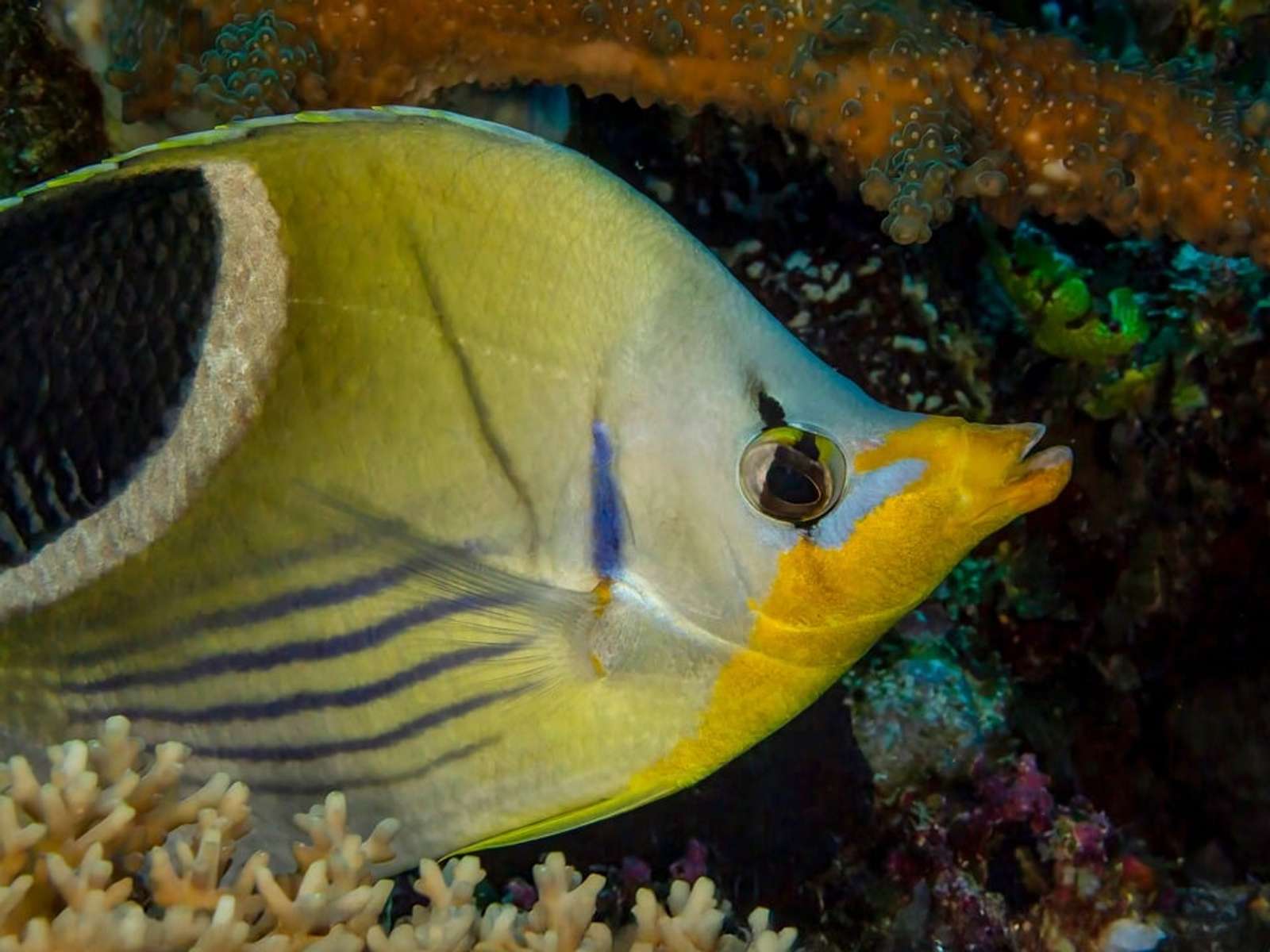
Fiji has launched a National Action Plan for Coral Reef Conservation, drawing on University of Queensland research that identified reefs less exposed to climate stress.
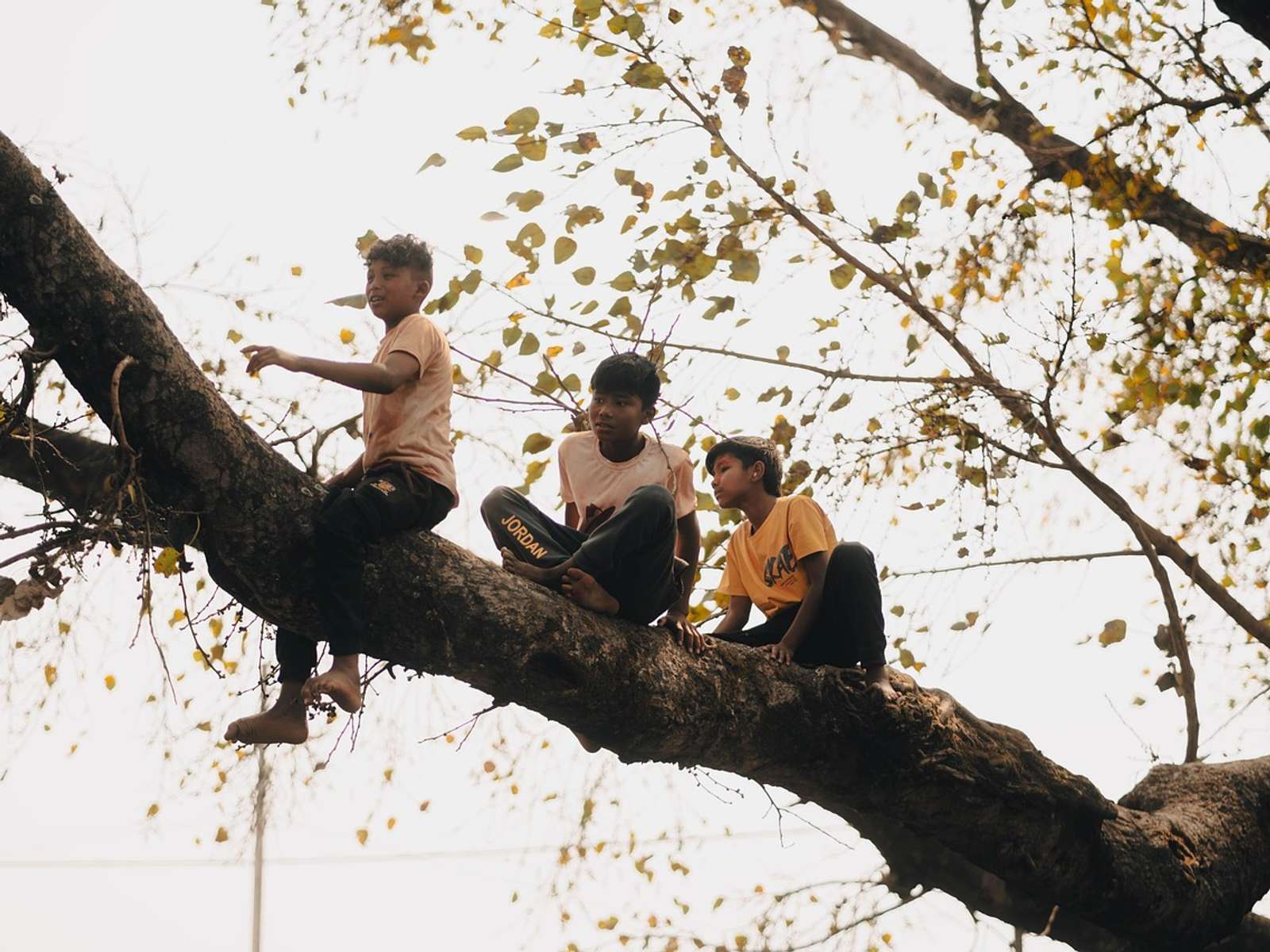
The share of young women in Nepal who married before 18 fell from 37% in 2014 to 28% in 2024-25, and marriage before 15 halved, but girls from the poorest homes are being left behind.
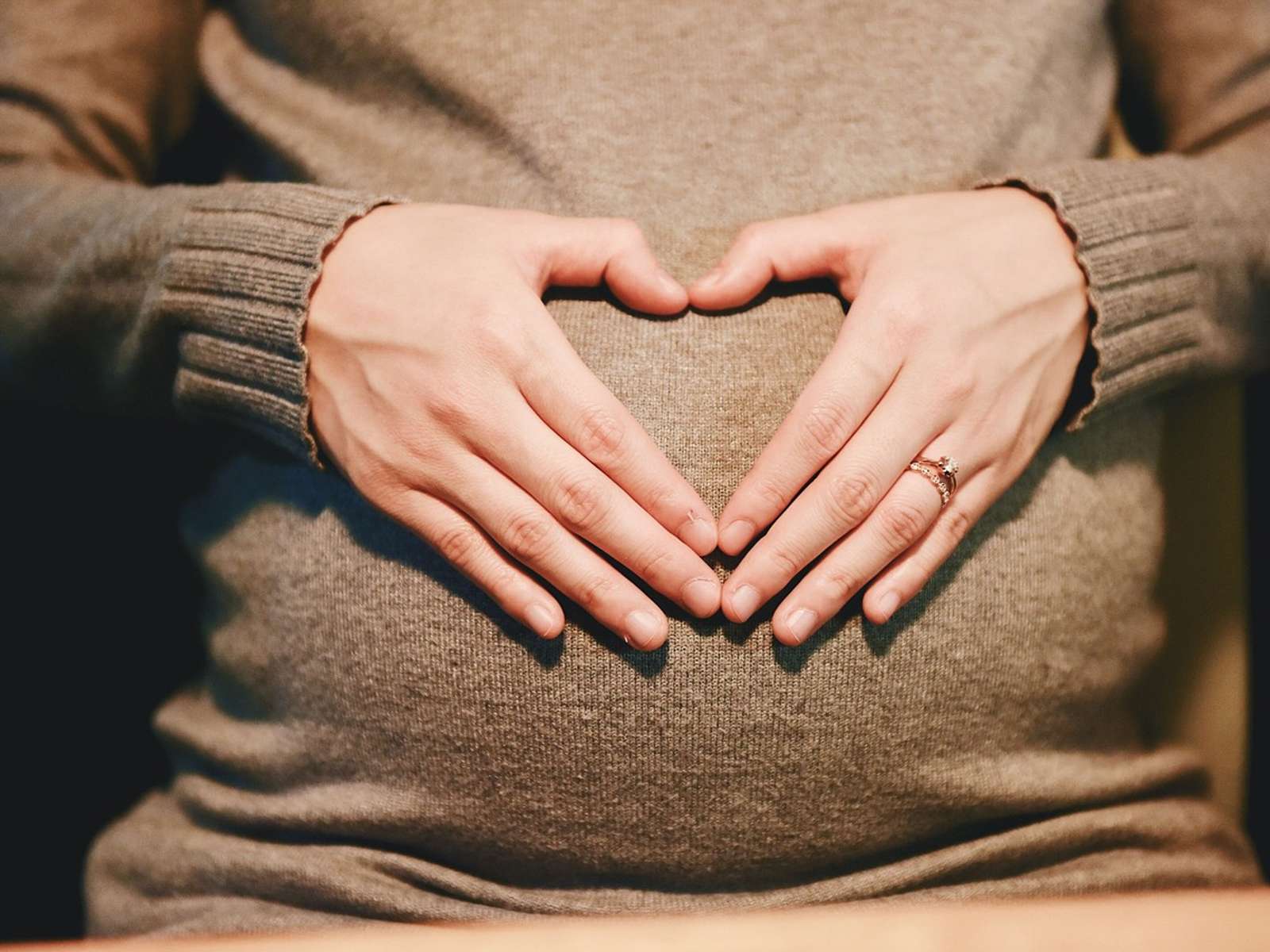
WHO and partners have launched a roadmap to 2035 to cut deaths from pre-eclampsia and other high blood pressure disorders in pregnancy, which kill an estimated 42,000 women a year.
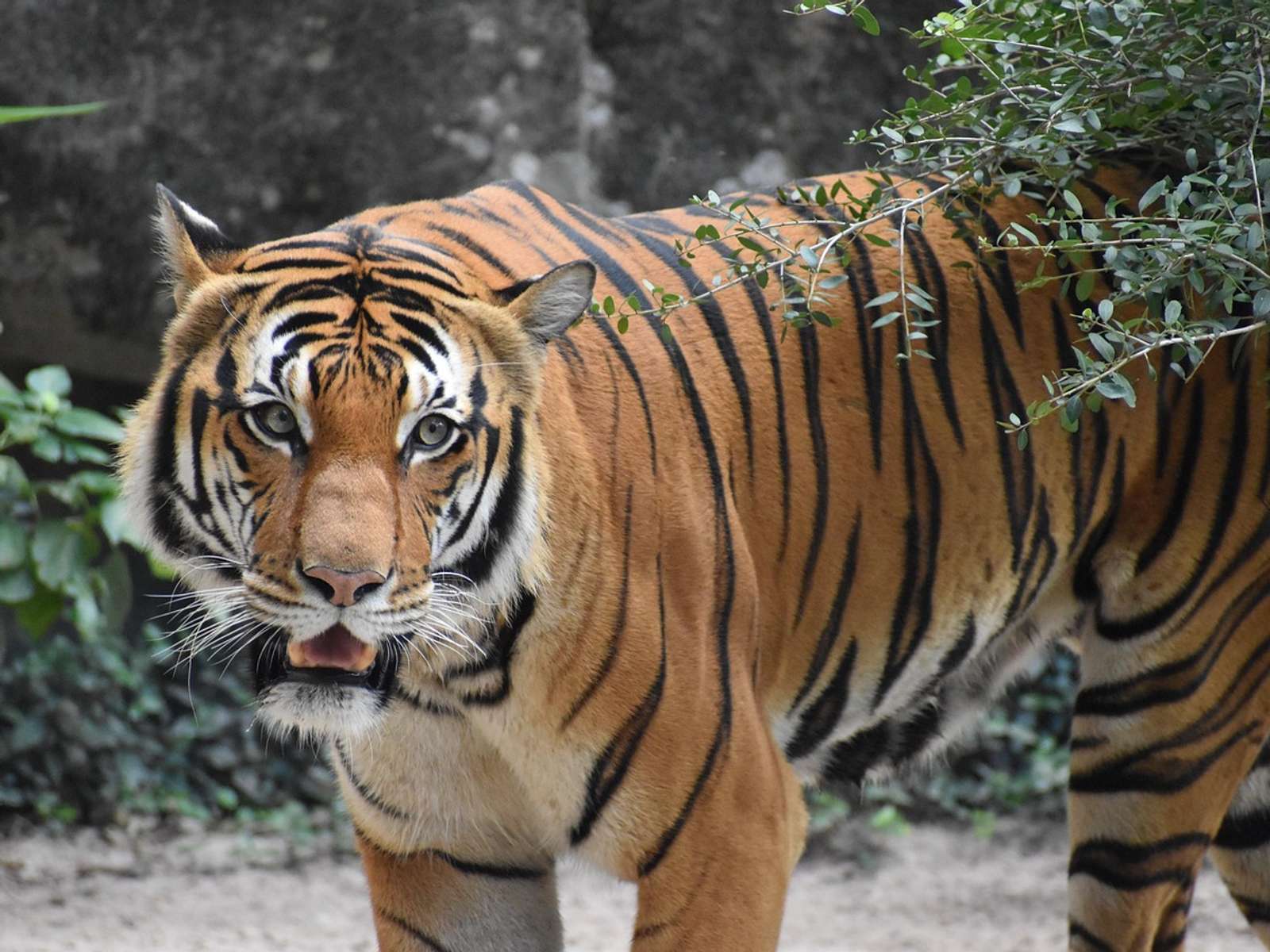
Camera traps in Thailand's Western Forest Complex show a wild tigress named Mae Kaew has raised three litters, nine cubs in all, and one of her daughters has now had two cubs of her own.

A new UNDP and Generali Central challenge will give up to three insurance solutions grants of up to $40,000 each to help protect India's more than 73 million small businesses from climate, health and financial shocks.

A University of Auckland engineer is trialling a smartphone tool that reads tiny pulse movements in the skin of the neck, one of eight heart projects sharing NZ$2.32 million from New Zealand's Heart Foundation.
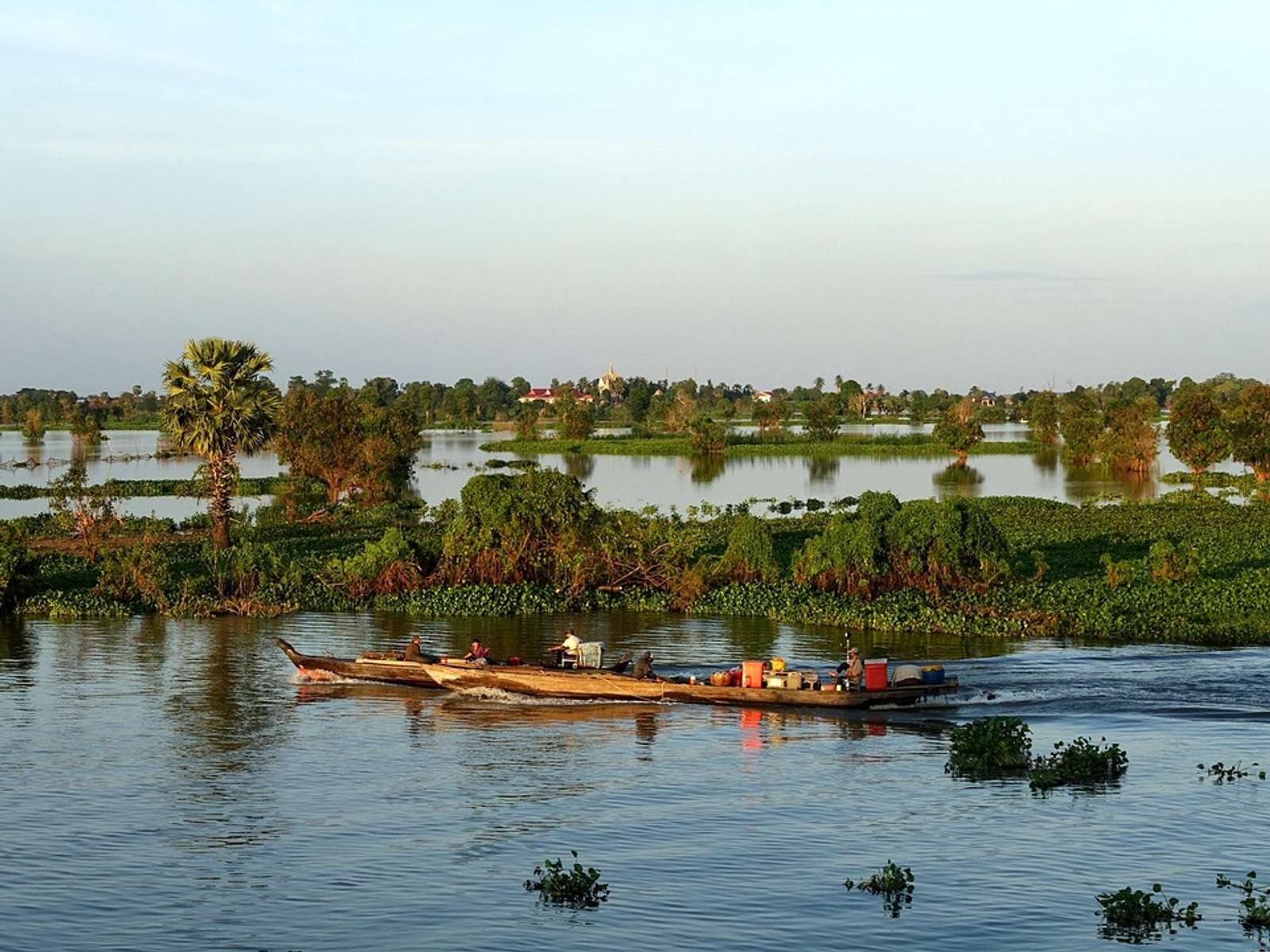
An ADB-backed project built landfills, wastewater plants, drains and latrines in two Cambodian towns on the Tonle Sap, improving services for more than 114,000 residents of Southeast Asia's largest lake basin.
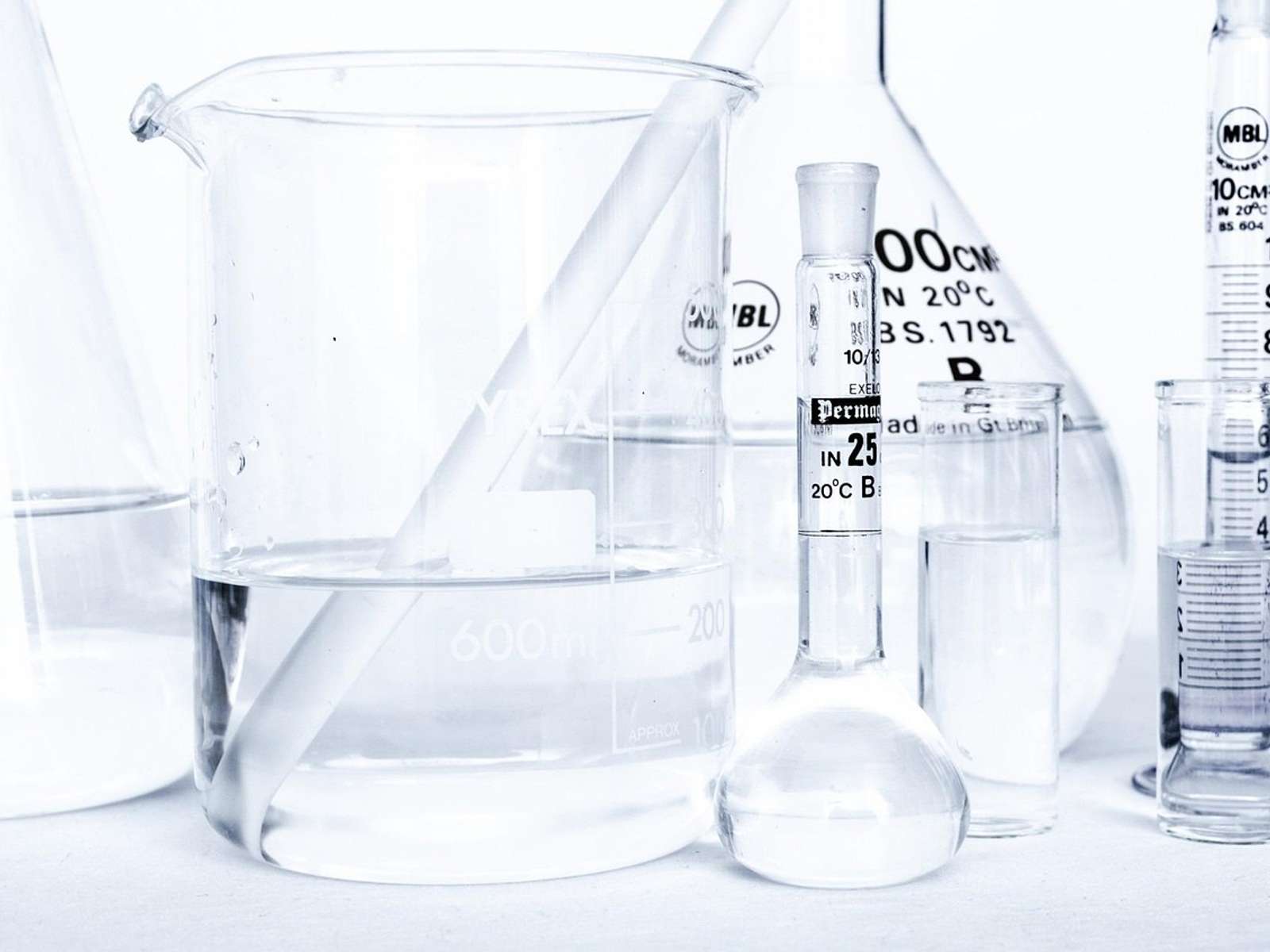
President Cyril Ramaphosa opened the CSIR's FuturePharma facility in Pretoria on 7 October. The open-access site helps researchers and young companies scale up medicine ingredients, part of a push to cut South Africa's reliance on imported drugs.
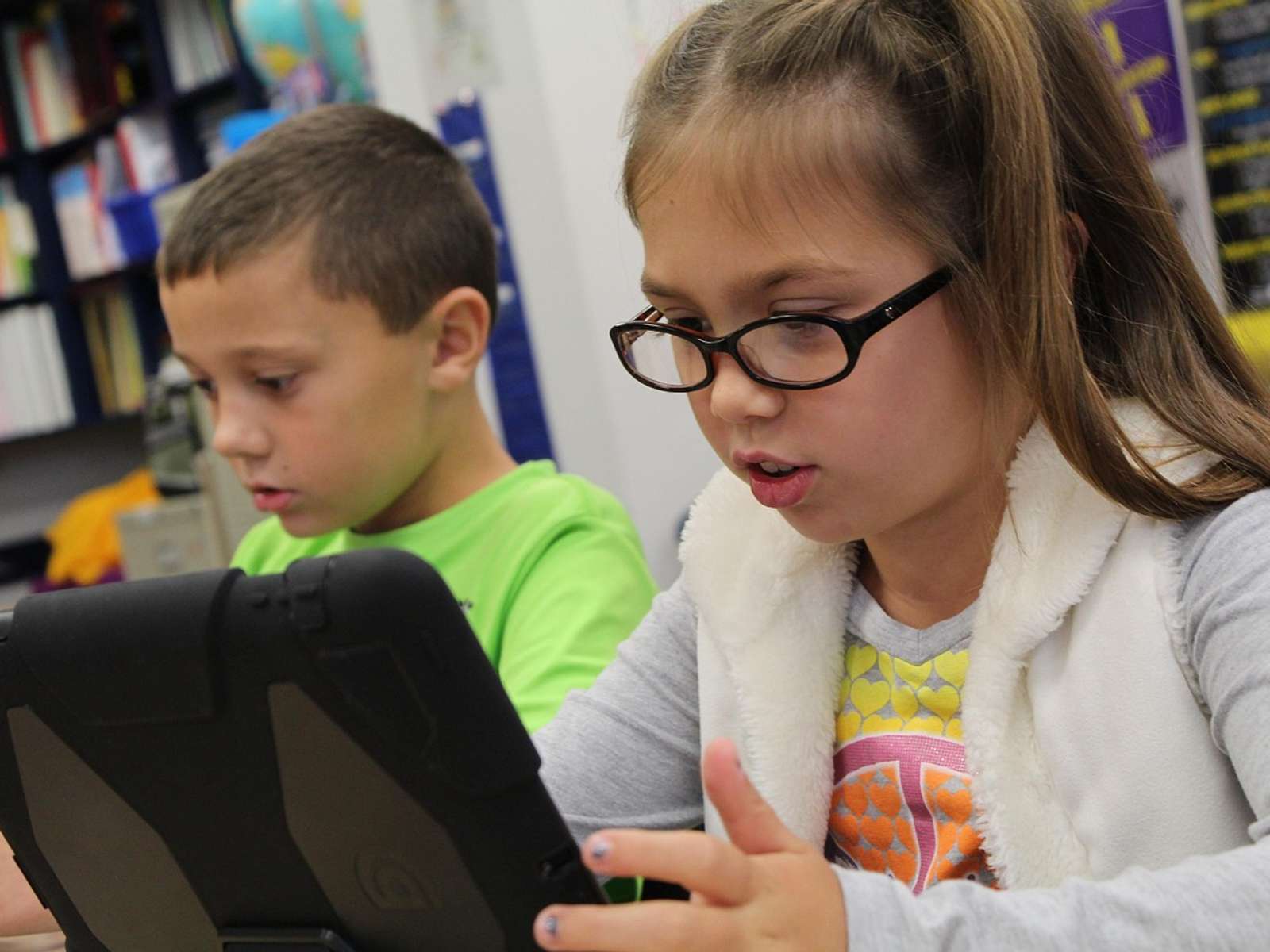
Moldova's new EduResurse platform gathers textbooks, lesson plans, videos, exercises and exam materials for every school level in one free website, built by UNICEF and the education ministry with EU support.
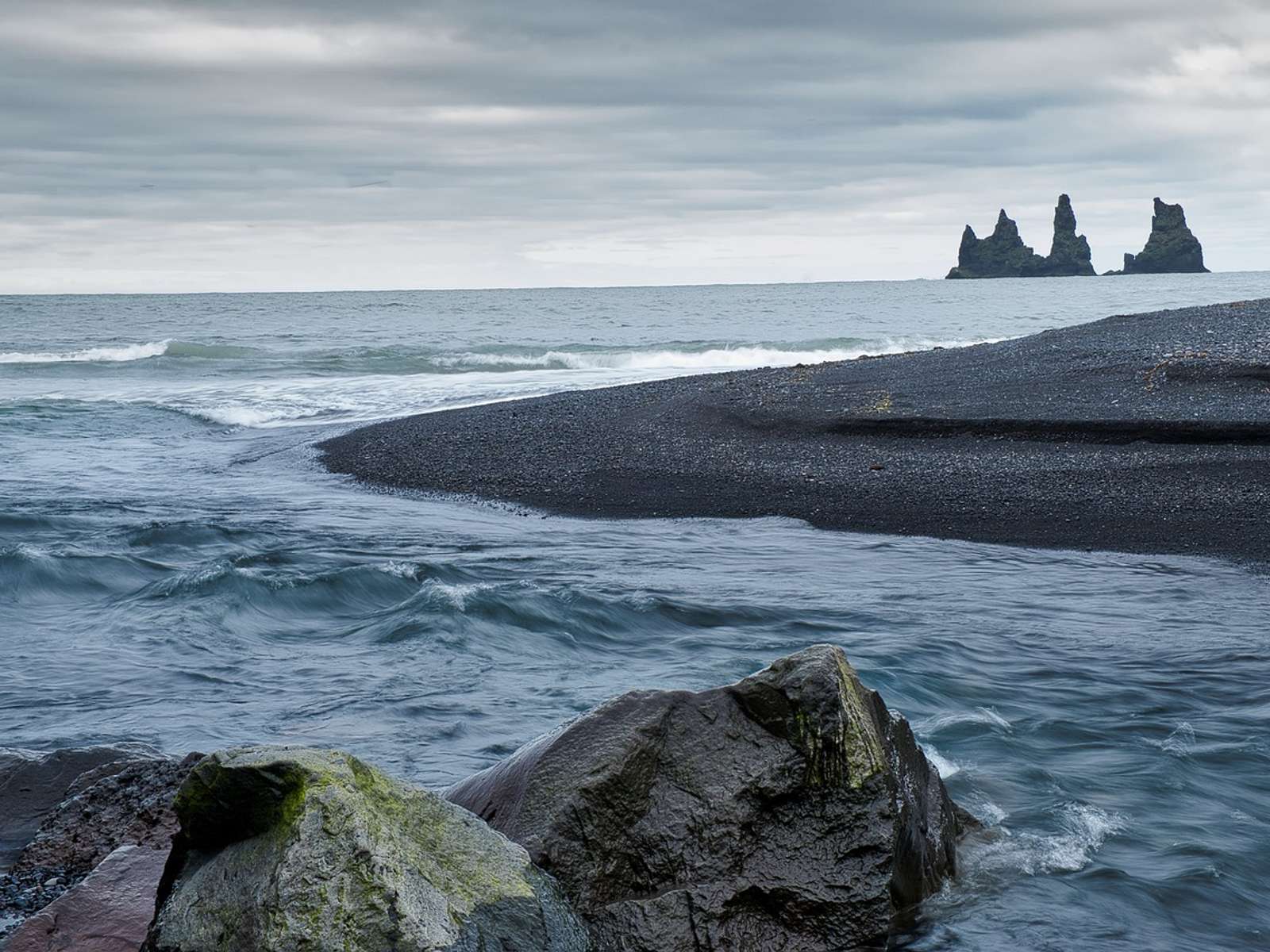
Using an AI method called equation discovery, Oxford physicists derived three readable equations that capture how North Atlantic ocean temperatures, air pressure and rainfall interact over decades.

A white-crowned mangabey, a West African monkey that signals with its white eyelids, has been born at BIOPARC Valencia, the 10th birth there for the European breeding program.
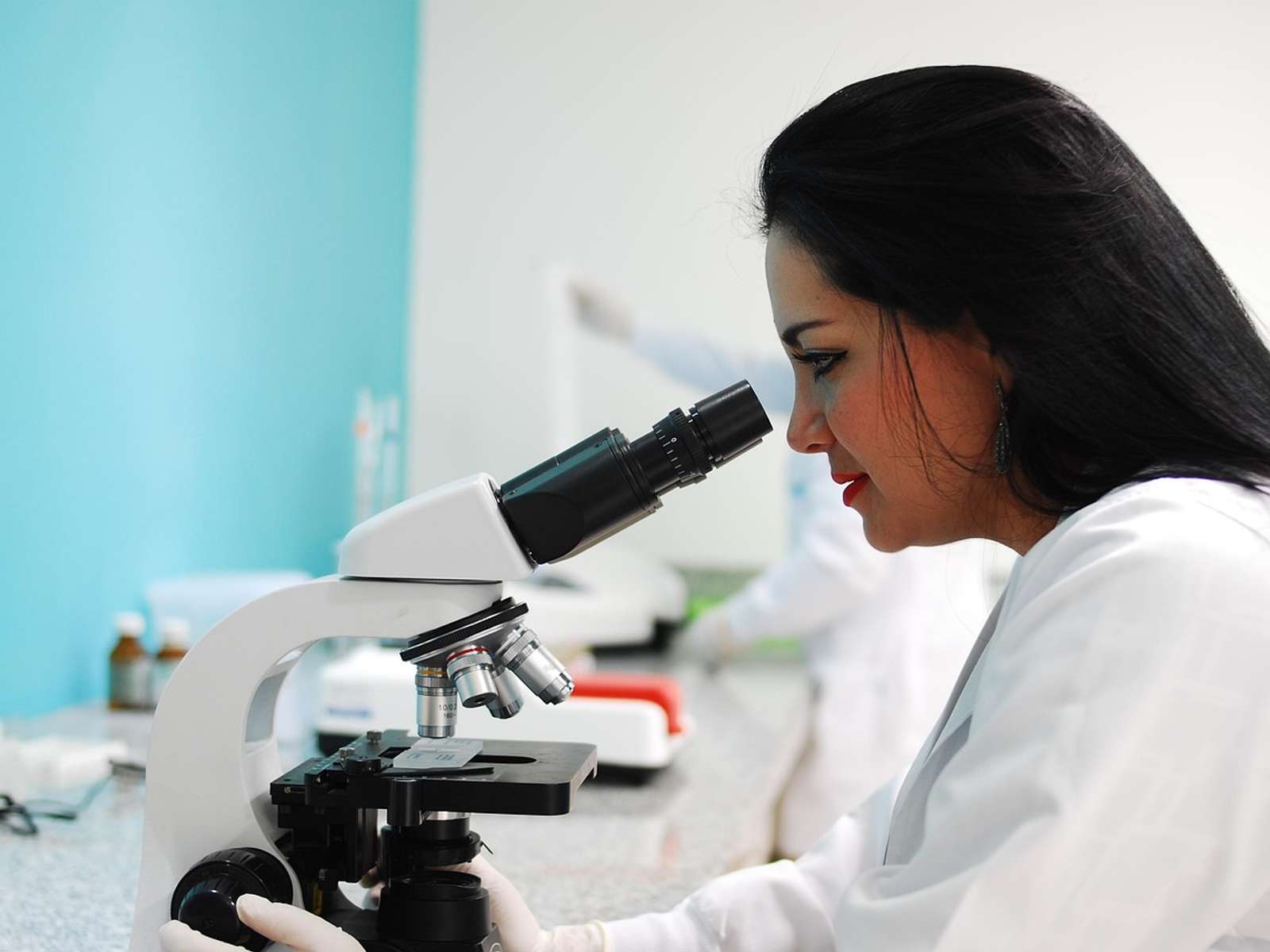
Scientists sequenced mitochondrial DNA in individual brainstem neurons from people with Parkinson's for the first time, finding heavy damage but also a protective response that was stronger in people who lived longer.
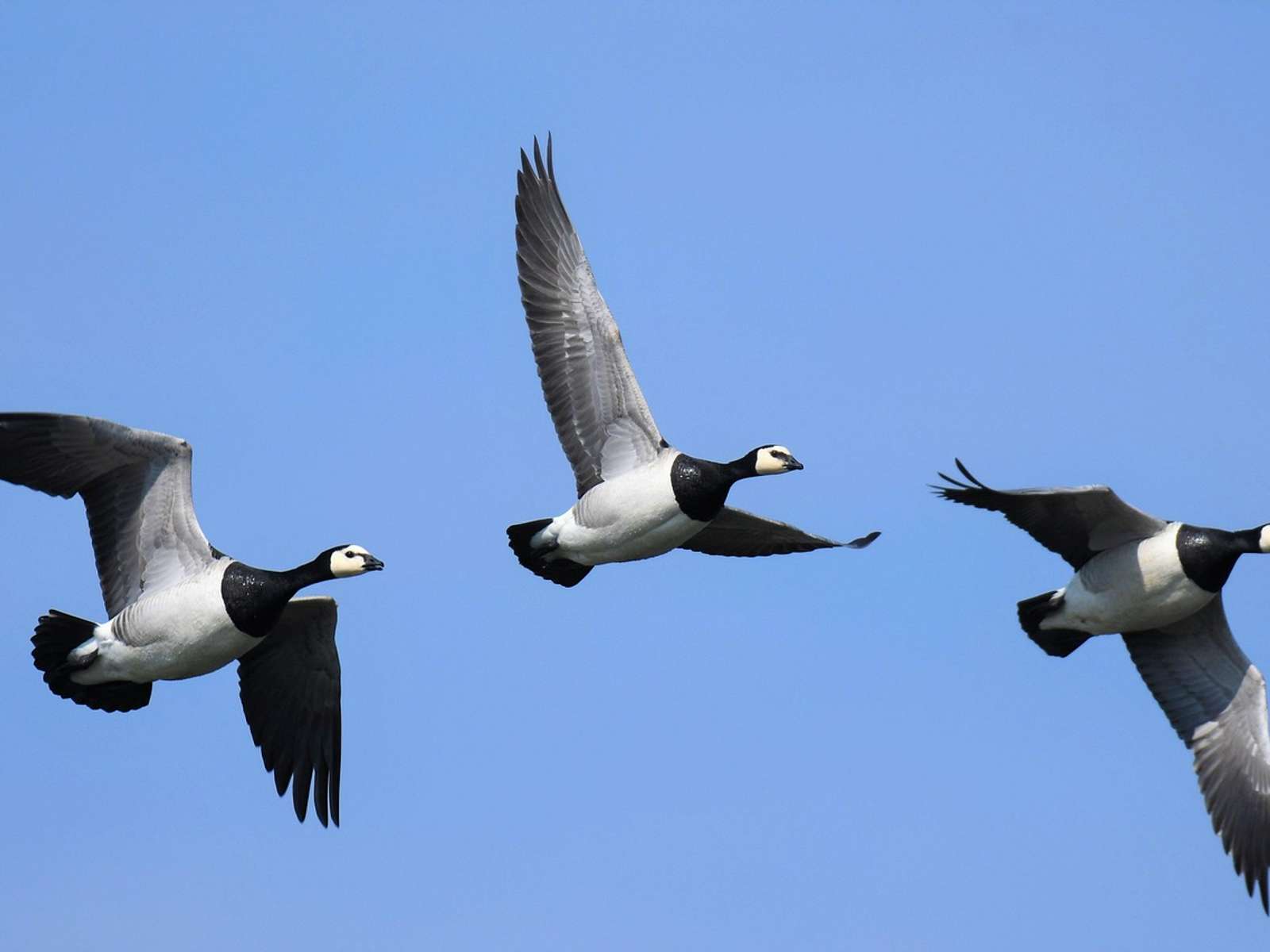
Over one October weekend, more than 23,000 people at 927 events across Europe and Central Asia counted 4.8 million birds on autumn migration, with barnacle geese the most counted species.

Researchers in New Zealand and the US have shown a chip-based optical frequency comb, built from two lasers, that performs the key jobs needed for portable atomic clocks and GPS-free navigation.
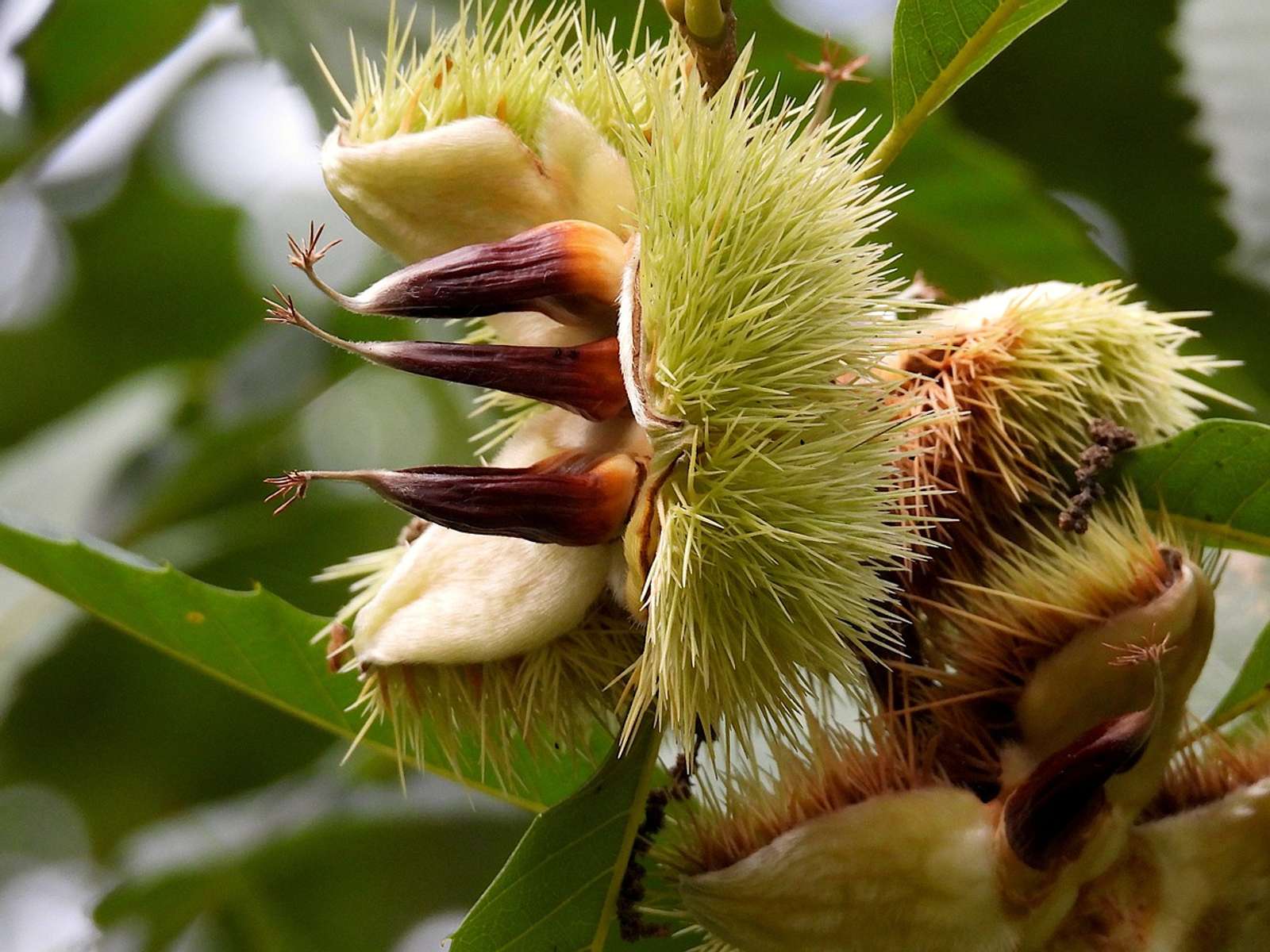
Twenty blight-resistant hybrid American chestnut trees were planted at the Bronx Zoo, where the zoo's chief forester first documented the disease that killed nearly 4 billion of the trees.
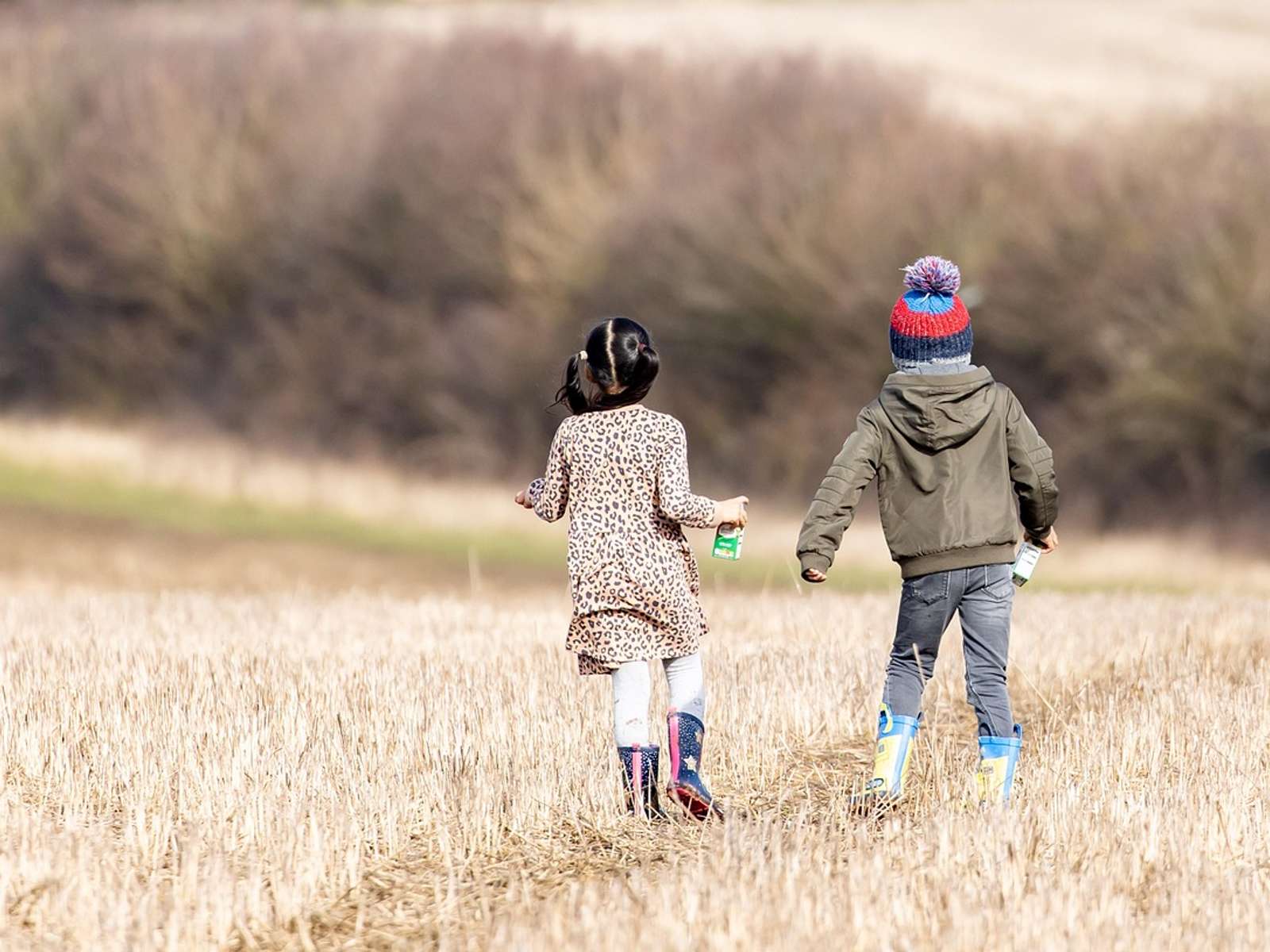
The World Health Organization has issued its first guidelines on treating obesity in children and adolescents, putting diet, activity and behavior support first and limiting medicines and surgery to teenagers.
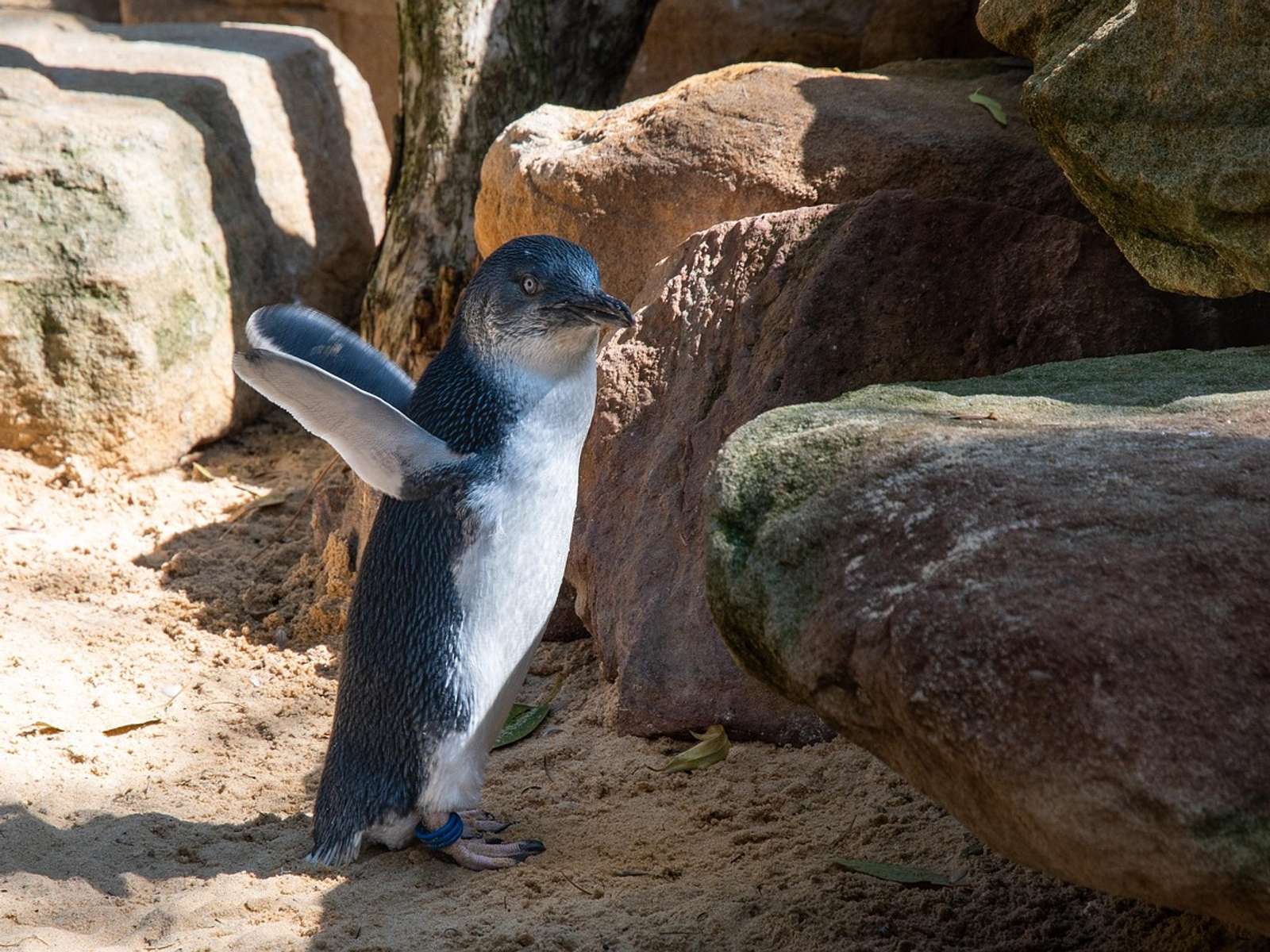
After almost 60 little penguins on Barunguba Montague Island got their first dose, NSW teams have started vaccinating birds on Big Island and Bowen Island against H5 bird flu, with two more islands to follow.
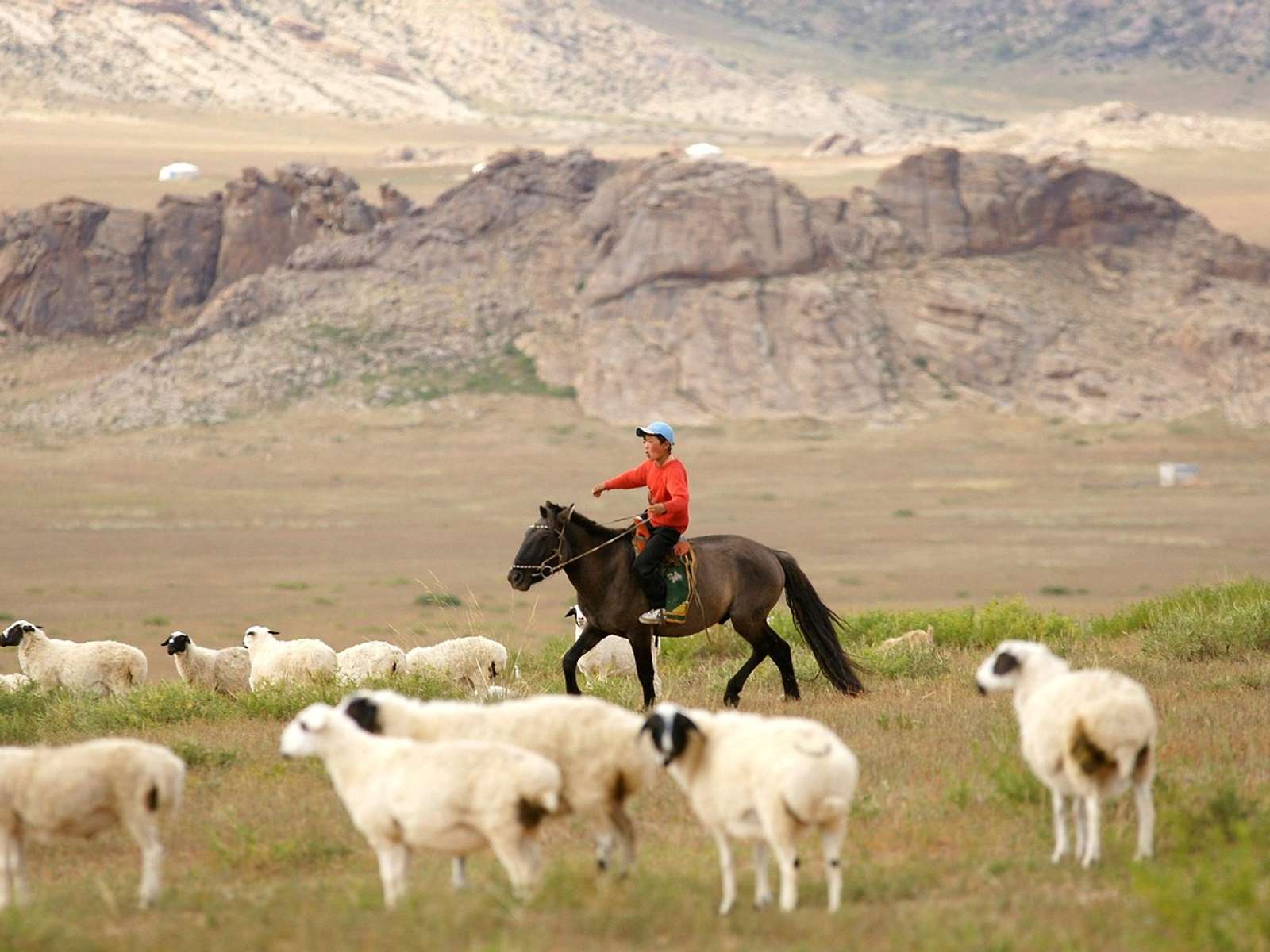
A $2 million Adaptation Fund project managed by IFAD will help at least 4,000 herding families in Mongolia's Bayankhongor and Dundgobi provinces cope with severe winters and droughts through water points, early warnings and processing centers.
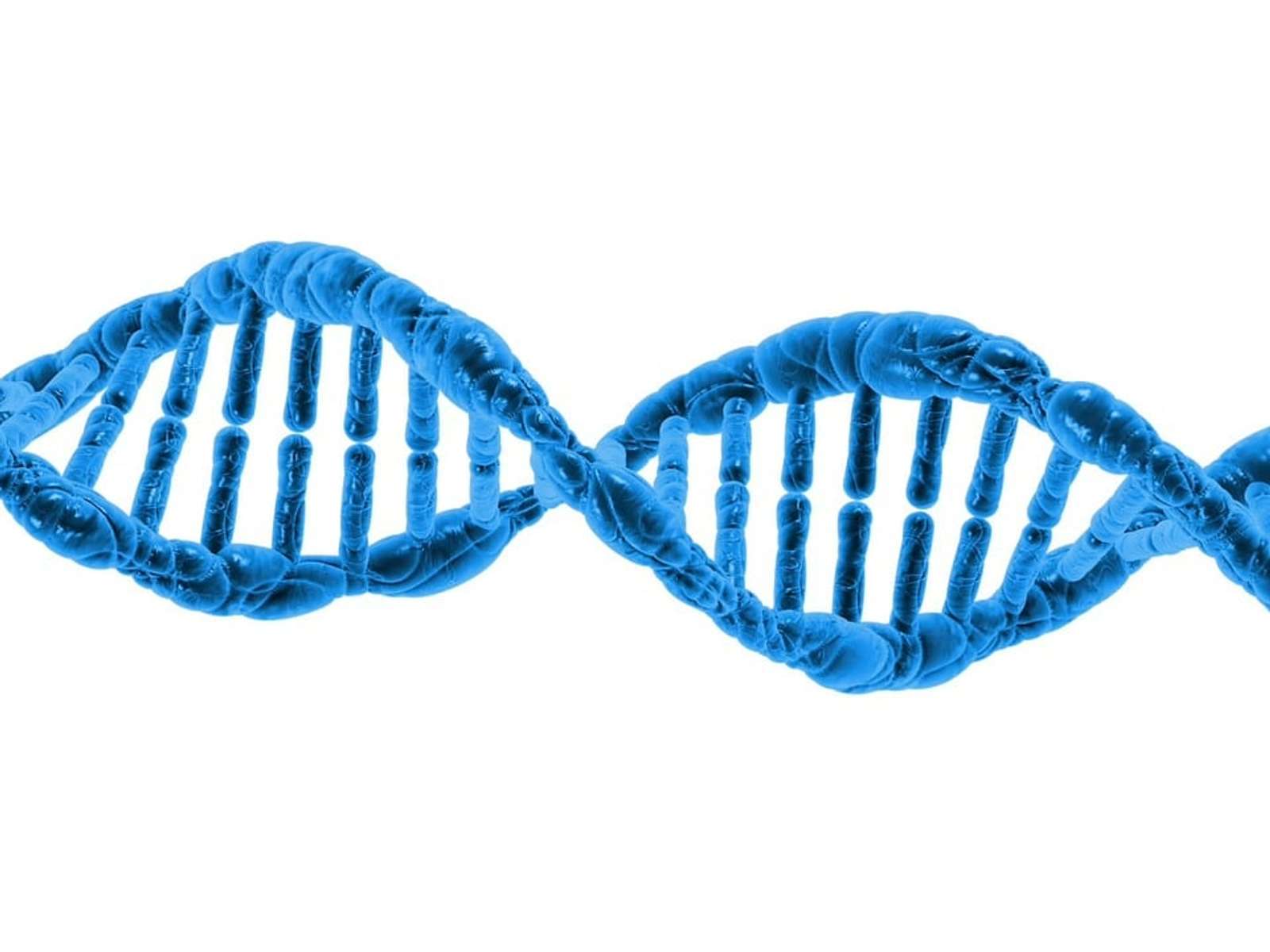
Researchers at Institute of Science Tokyo and Kyoto University grew long DNA strands on protein tubes and used motor proteins to move them, forming networks within minutes, a step toward materials that can build and reshape themselves.
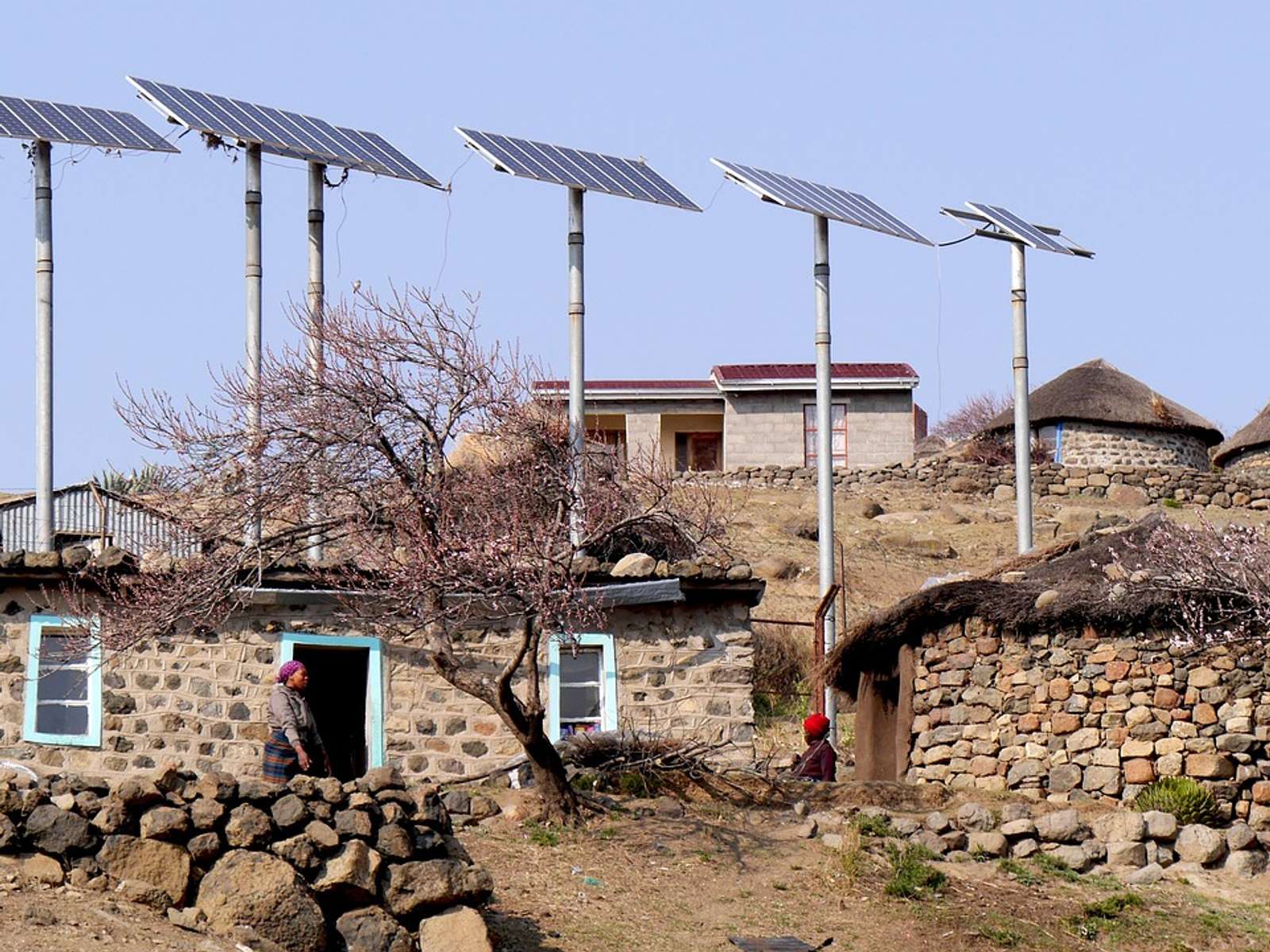
Since St Martins High School in Lesotho’s Mokhotlong district was connected to solar power, its 170 students can study early in the morning and after sunset, and teachers can use laptops and online resources.
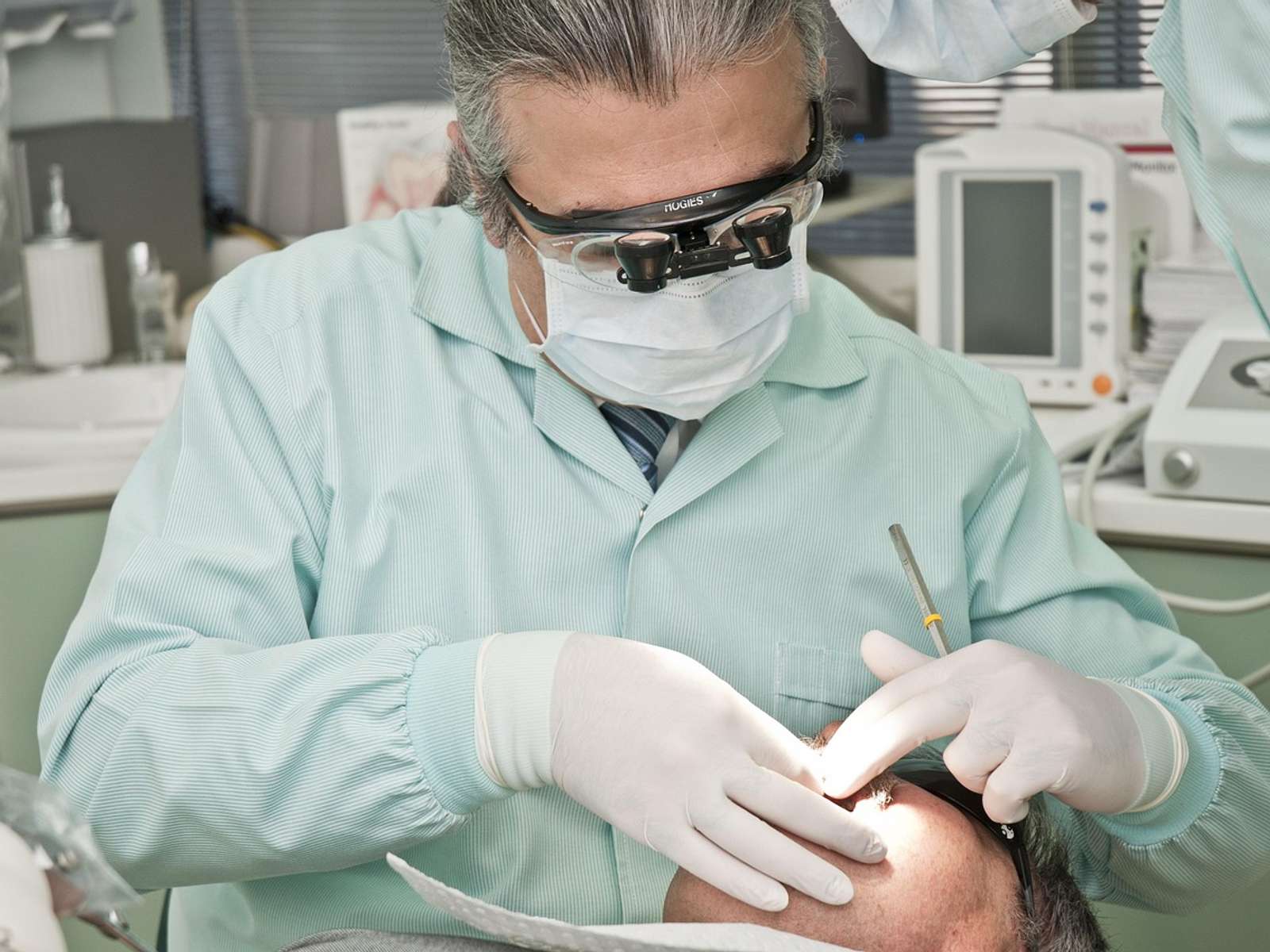
Oral health leaders from 20 Asian countries met in Malaysia at the midpoint of a WHO "100-Day Sprint" to build essential dental care into their universal health coverage plans.
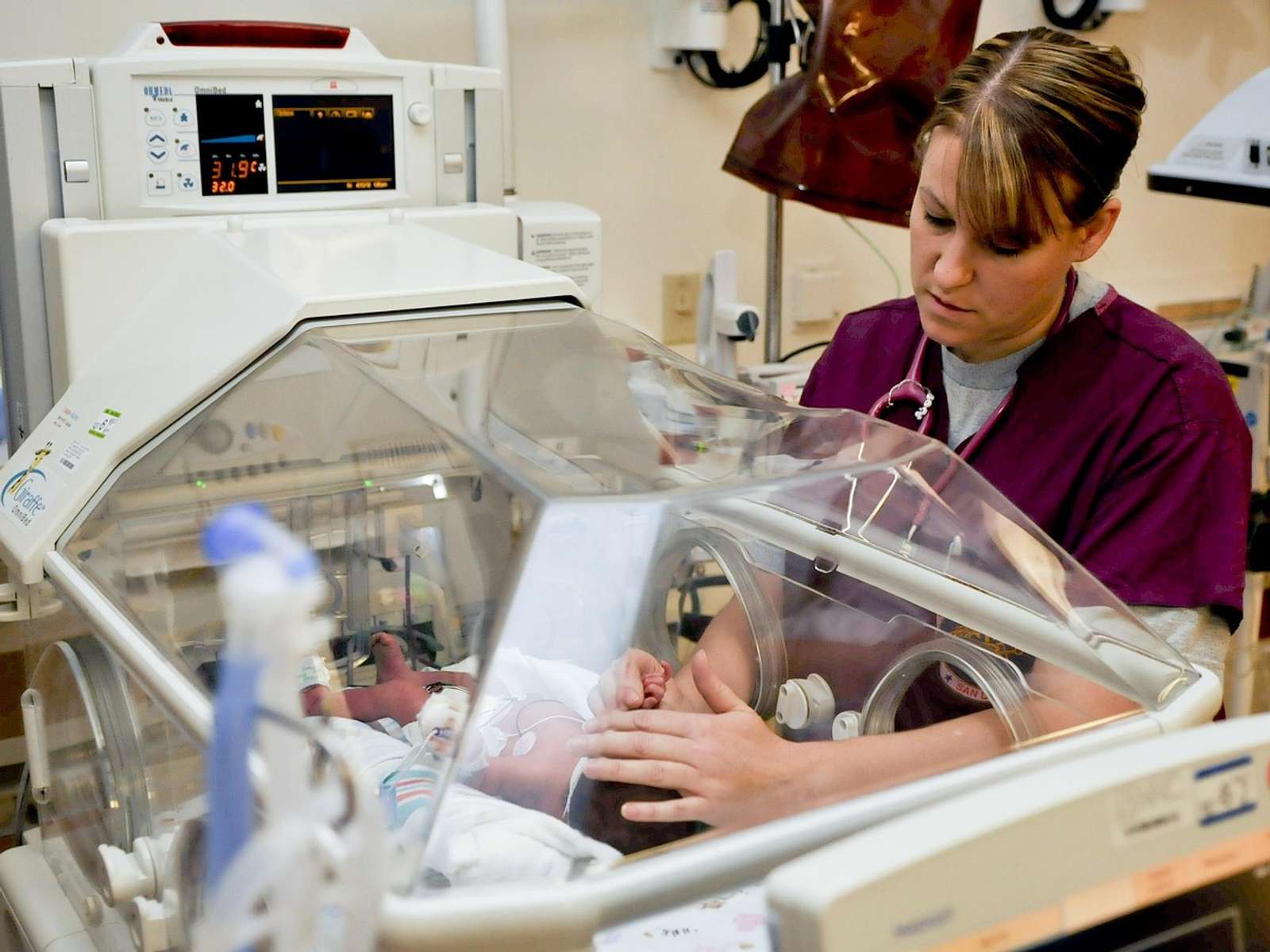
The neonatology center in Kragujevac, Serbia, has received a mobile X-ray machine, funded by UNICEF donors and OTP Bank, that images preterm and sick babies beside their incubators so they do not have to be moved.
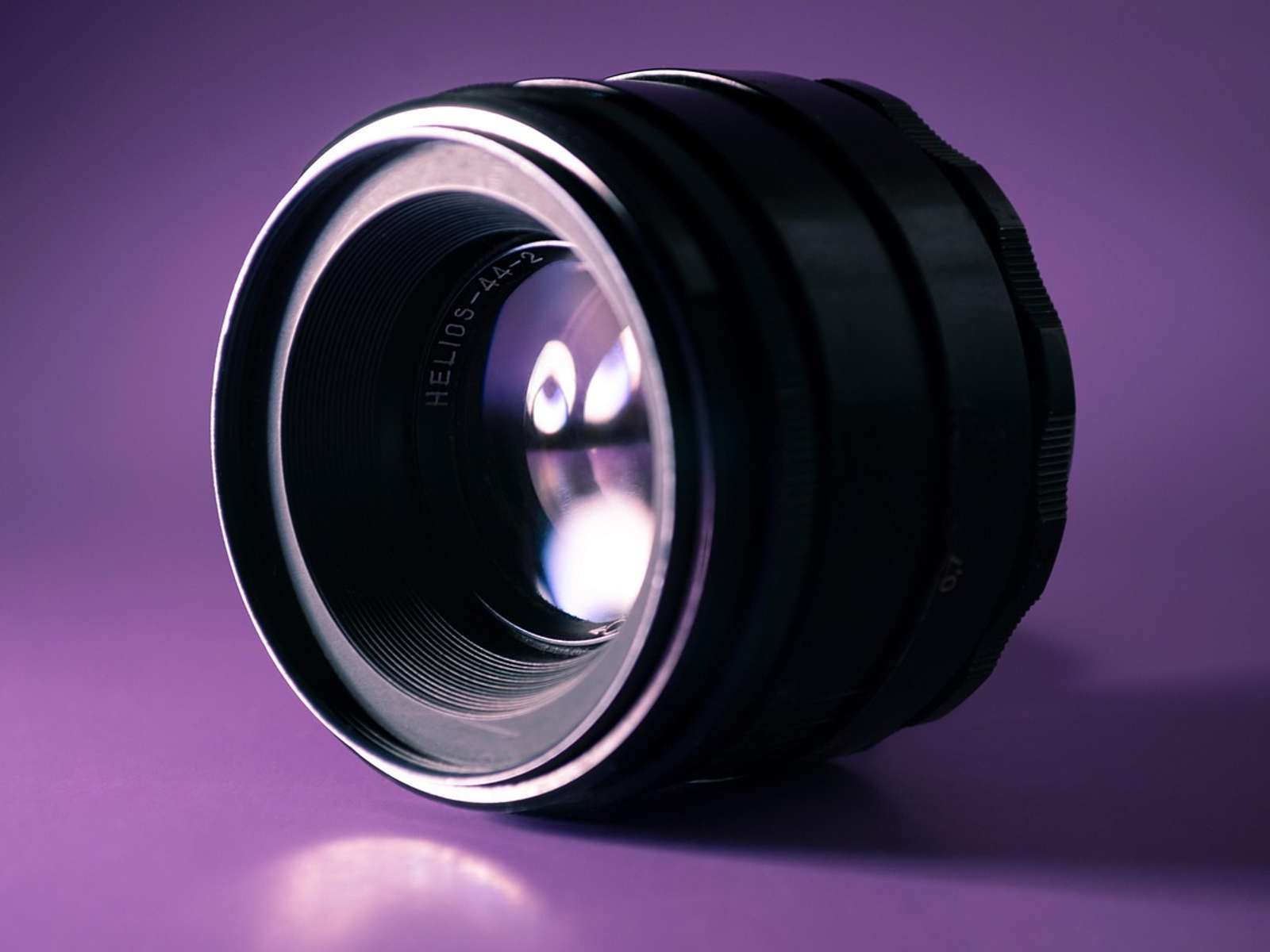
Researchers at the Australian National University spent three years making two specialized beamsplitters for LIGO, coated to within a nanometre or two across almost half a meter, for an upgrade that will make the detectors more sensitive.
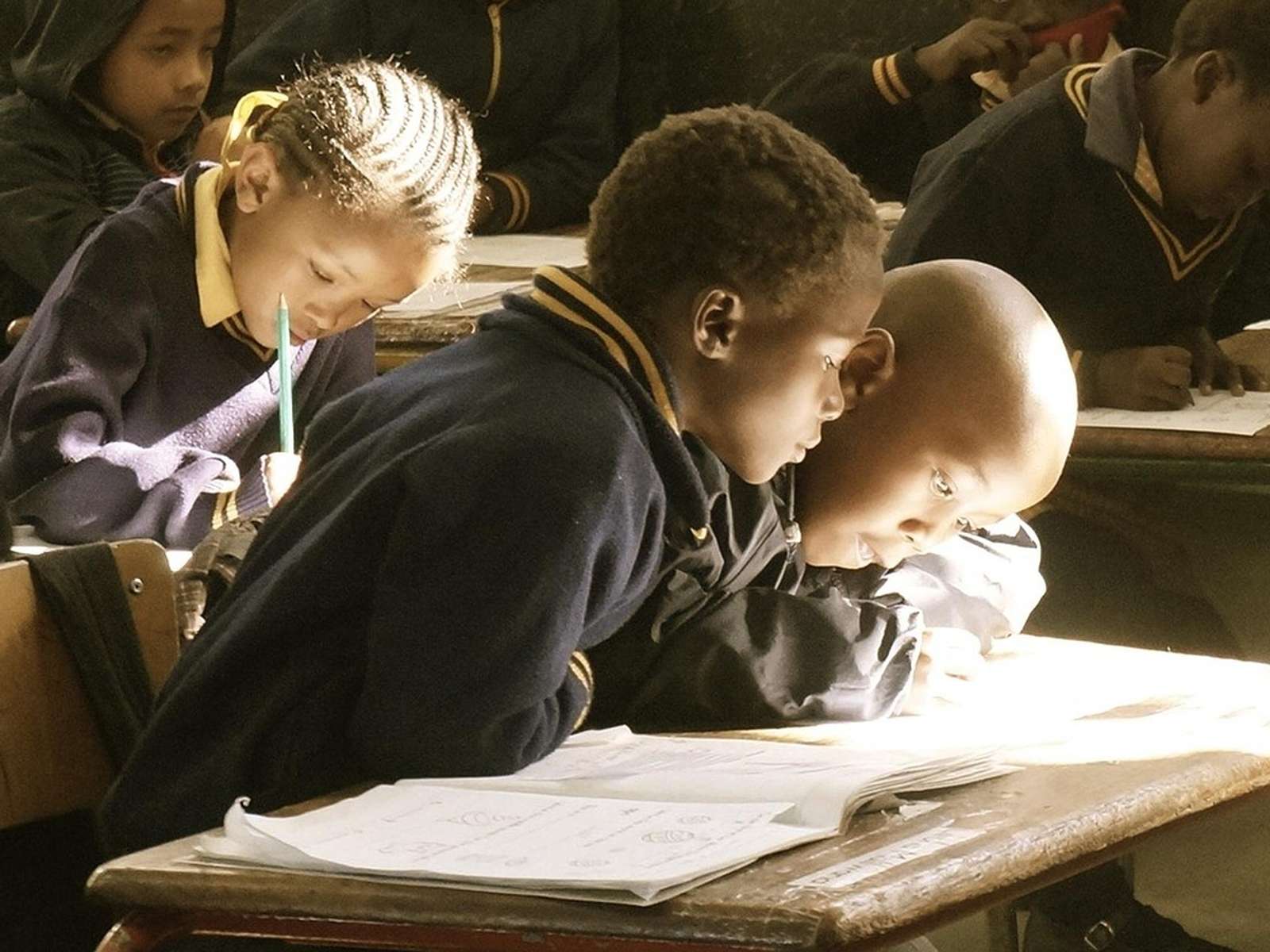
Pushed out of school by pregnancy at 13, Amina is now a 17-year-old secondary student in Uganda’s West Nile region thanks to cash support and mentoring from an EU-funded program, and she plans to become a nurse.