Every story we have published, newest first. 380 stories so far.

A large Danish study found that people who started statins within a year of a type 2 diabetes diagnosis had a 15 percent lower relative risk of dementia over the next decade than those who never started treatment.

Three fox cubs pulled from a narrow gap between two Leicester houses by firefighters have been released into the countryside after four months of rehabilitation, following a rescue that initially left one cub's survival in doubt.

Bhutan has commissioned the Sephu Solar Power Project, the country's first utility-scale solar plant designed and built entirely by Bhutanese engineers, with the government already approving an expansion to 22.38 megawatts.
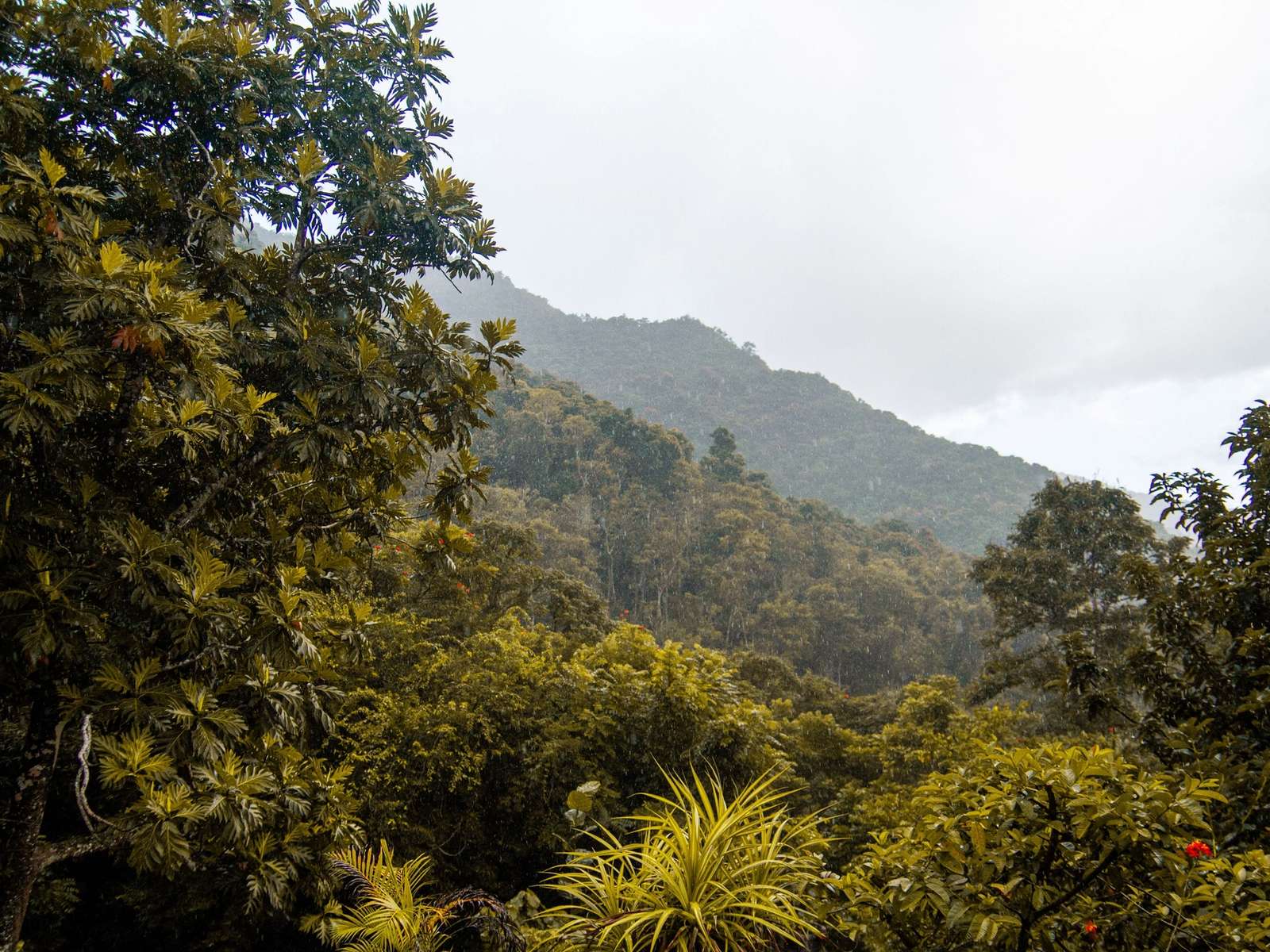
Laos has designated a 217,400-hectare national park in the Annamite Mountains, protecting habitat for the critically endangered saola and several other species found almost nowhere else on Earth.

Ho Chi Minh City forest rangers released 84 rescued animals from 13 species into the Dong Nai Nature and Culture Reserve, part of an ongoing program that has returned over 1,400 animals to protected habitats since 2022.
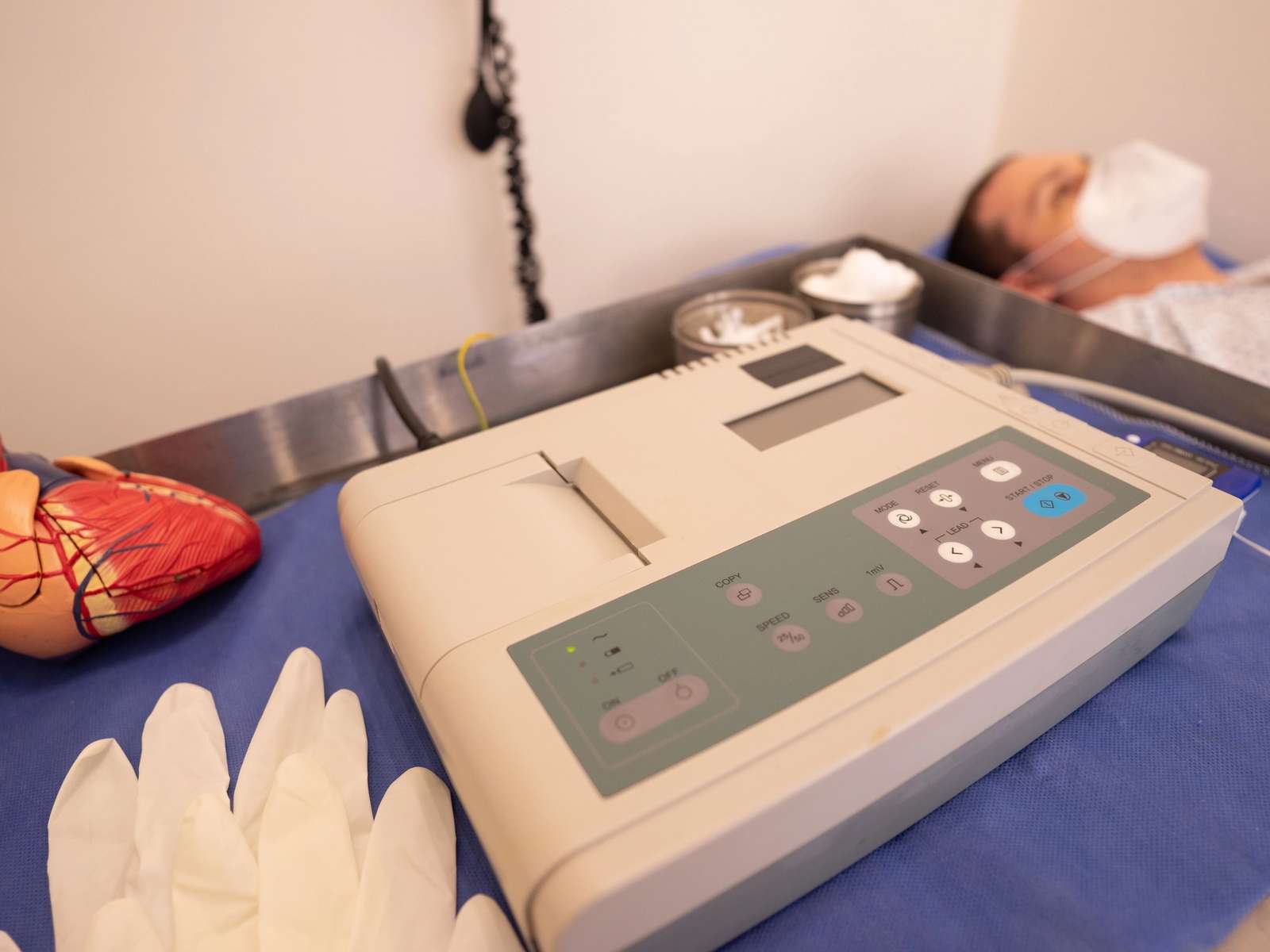
A German trial found that a minimally invasive tricuspid valve repair cut the risk of death or heart failure hospitalization by roughly 60 percent over three years in high-risk patients, resolving a question that had lingered since earlier trials.

Polish scientists have published the first complete lab protocol for mass-producing Groenlandia densa, a critically endangered aquatic plant, turning a handful of tissue fragments into thousands of new plants for river restoration.
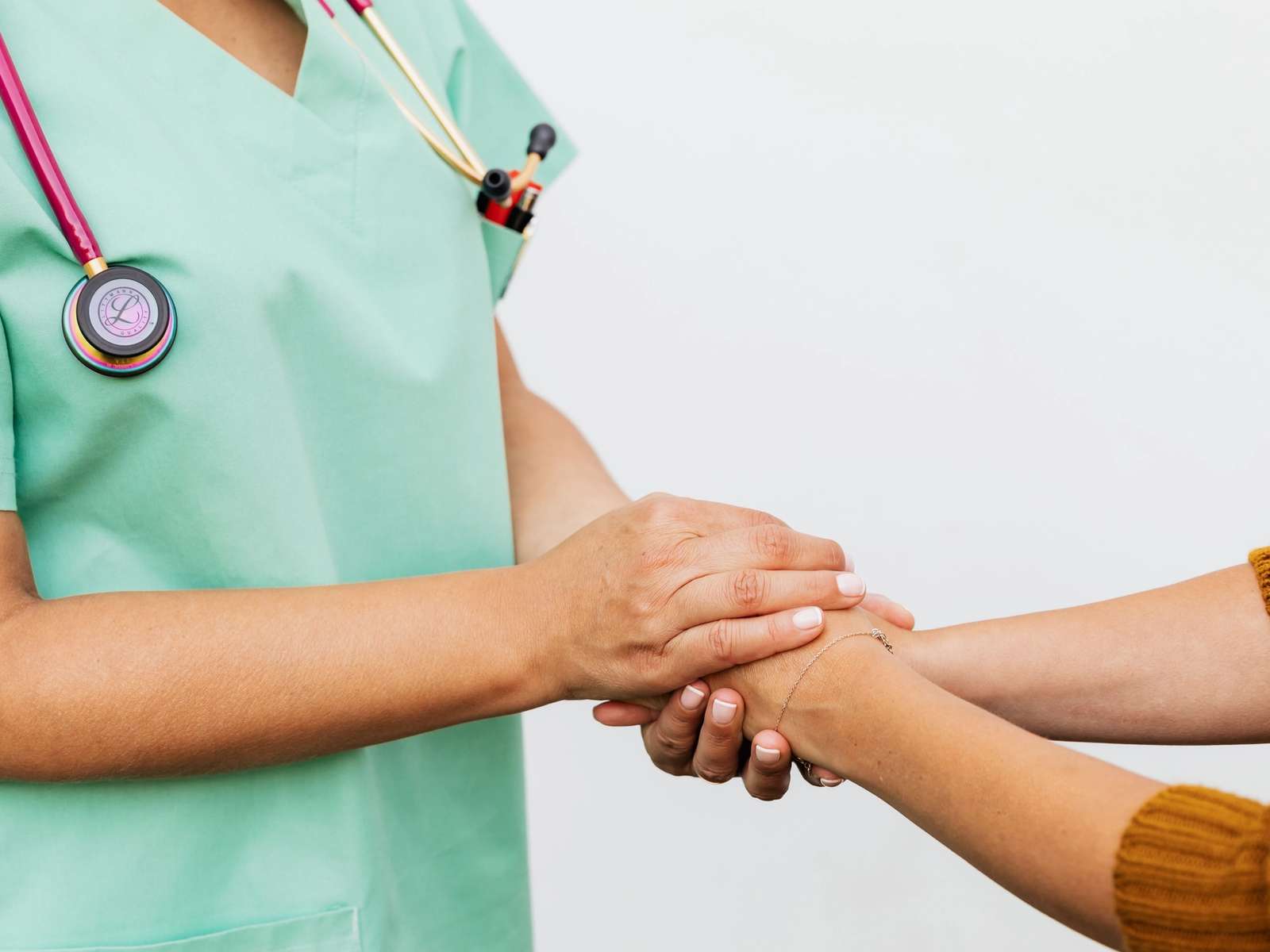
A nurse-coordinated care model tested in 1,507 patients across 22 Indian hospitals cut heart failure deaths by 22 percent over two years, addressing one of cardiology's most persistent gaps: patients not receiving medications proven to save lives.

Six children and seven women held captive after a deadly gang attack on Kenscoff, Haiti, have been released. UNICEF called it "a rare moment of hope" while renewing calls to free everyone still being held.
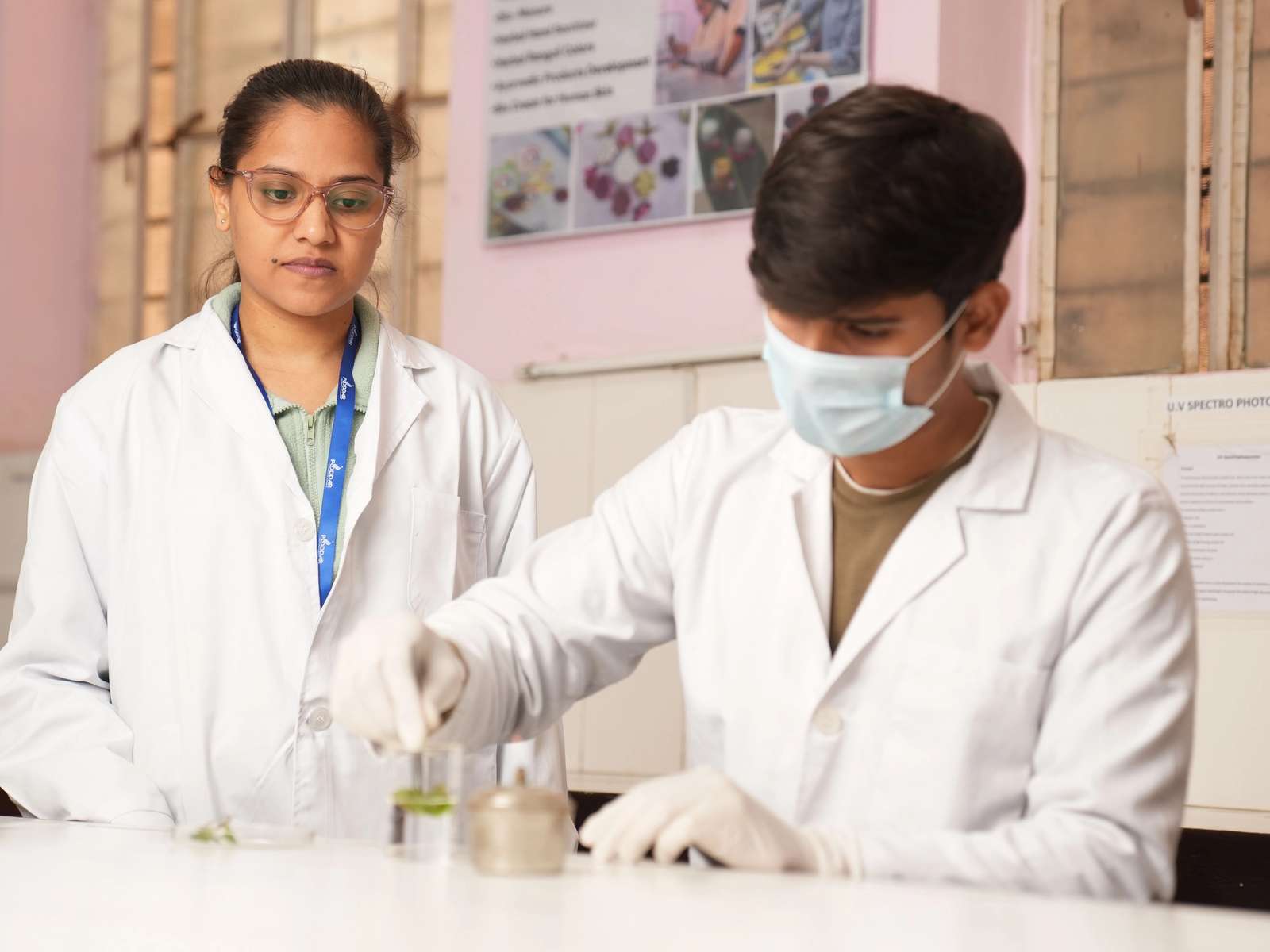
Harvard and Stanford scientists engineered marine bacteria that speed up natural rock weathering, a process that traps atmospheric carbon dioxide in seawater, achieving a 2.6-fold increase in mineral dissolution in early pilot tests.

More than 100 restaurants across 13 countries joined a global Pay What You Can Day, serving their regular menus while allowing diners to decide what they could afford to pay.

A major international study involving more than 55,000 families found that children receiving free monthly books through Dolly Parton’s Imagination Library were more likely to be read to regularly and have more books at home.
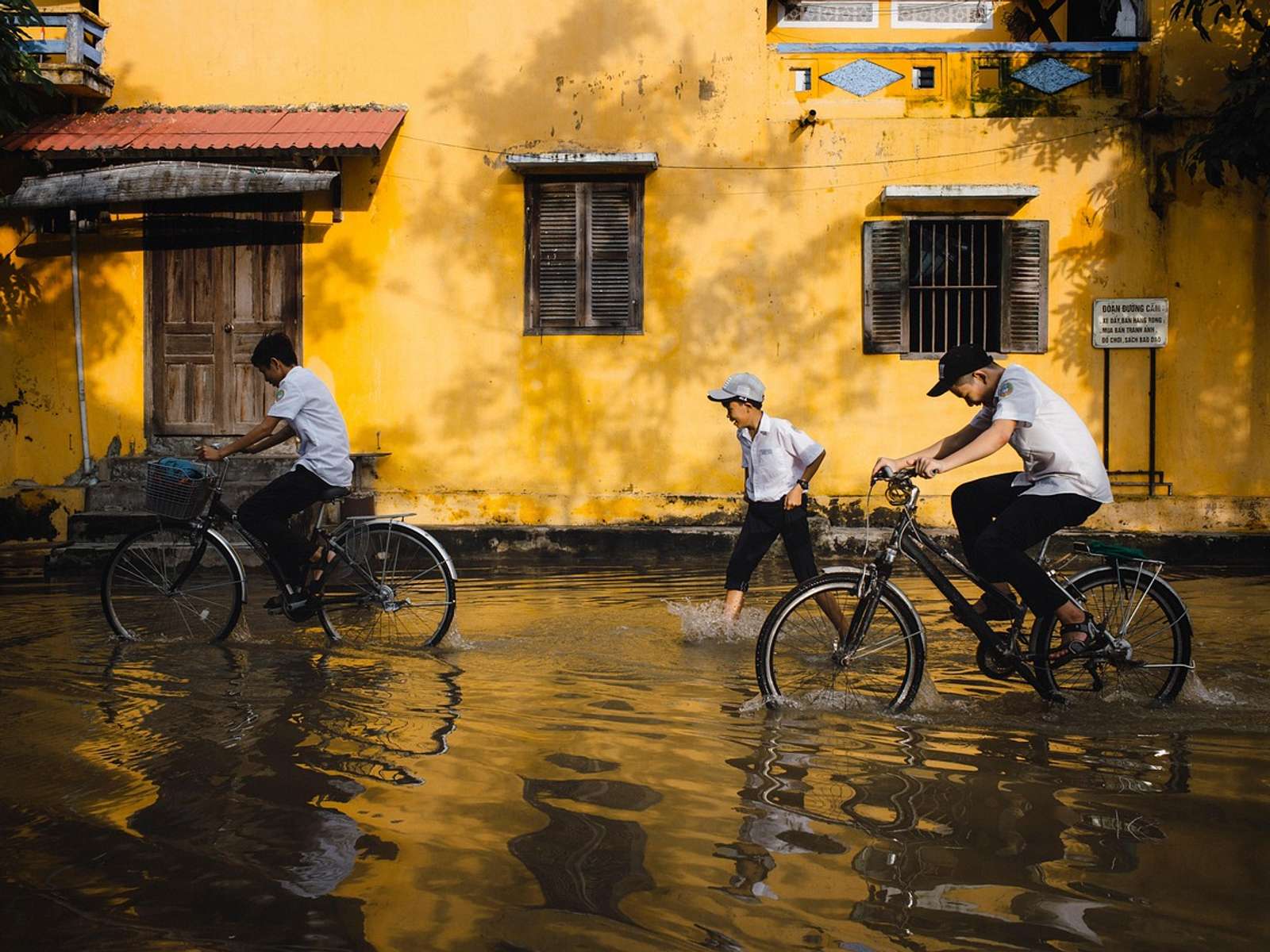
Nine schoolchildren who were stranded for two days by devastating flash floods in Nepal have safely found their families again with support from emergency responders.
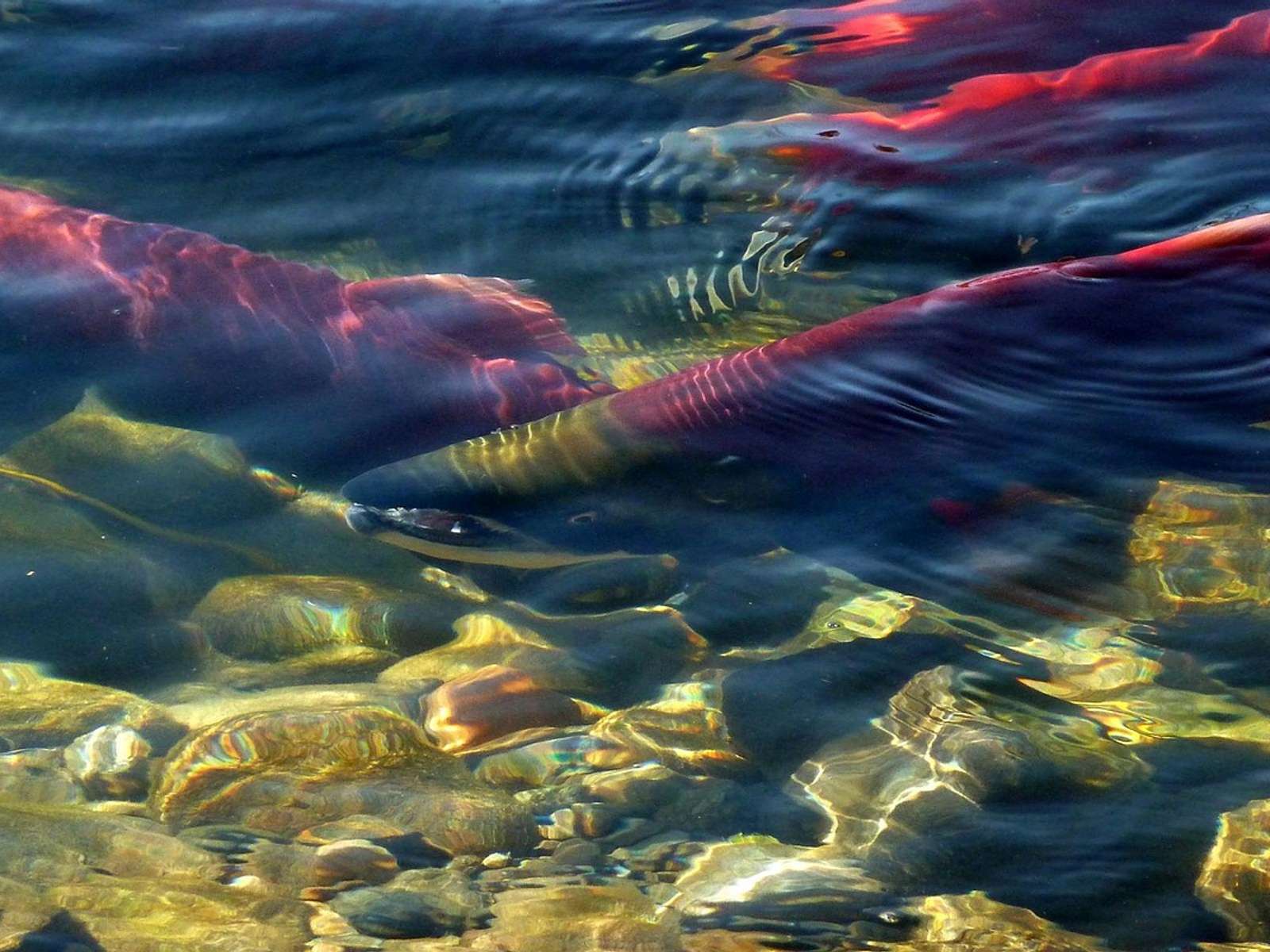
Threatened Hood Canal summer-run chum salmon are making a remarkable comeback in Washington, with average annual returns nearly tripling in recent years as major river restoration work gives the population an even stronger chance to recover.
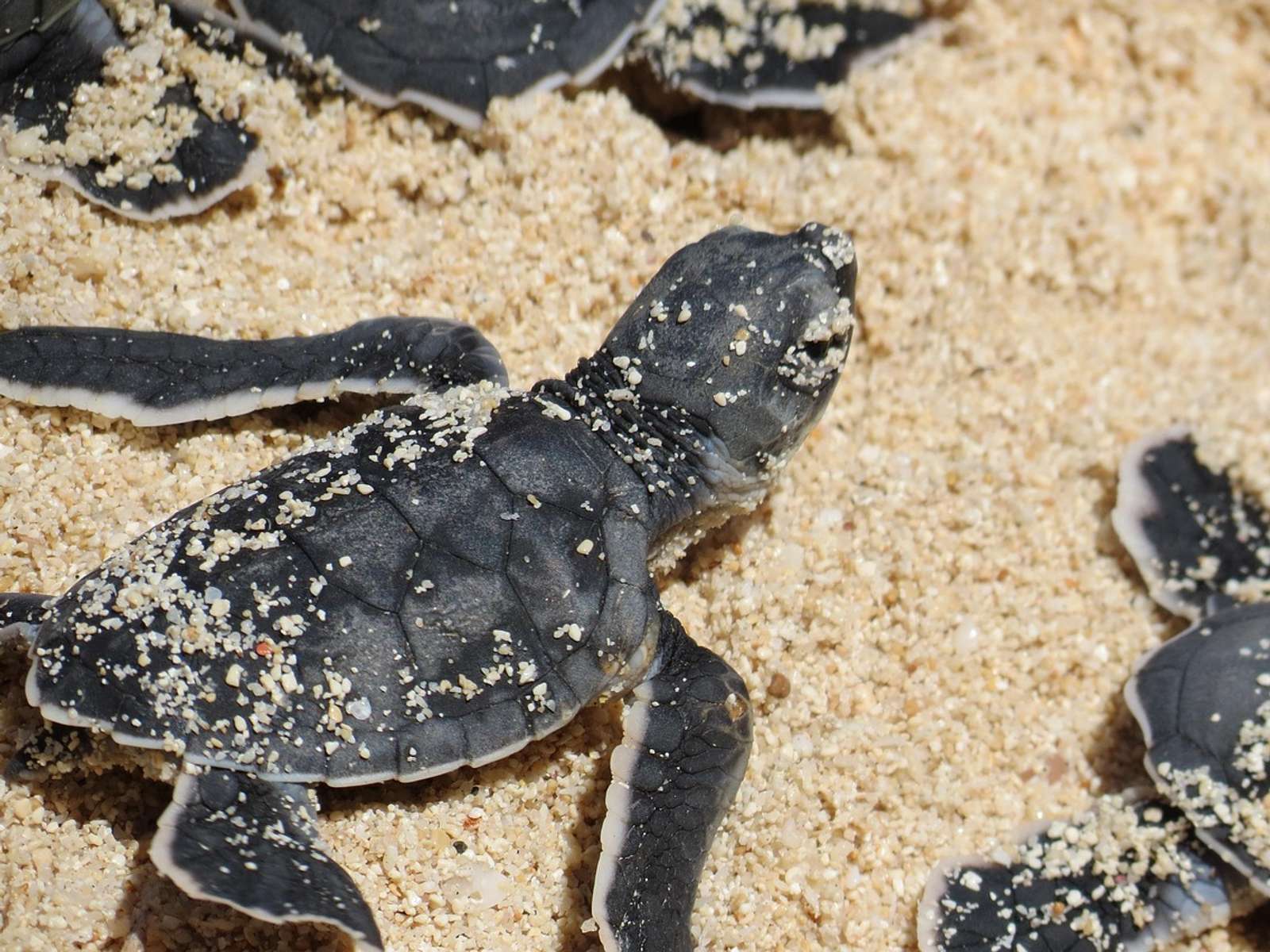
More than 22,000 baby sea turtles have been recorded from protected nesting areas in Playa del Carmen this season, as conservation teams monitor thousands of nests along the Mexican Caribbean coast.
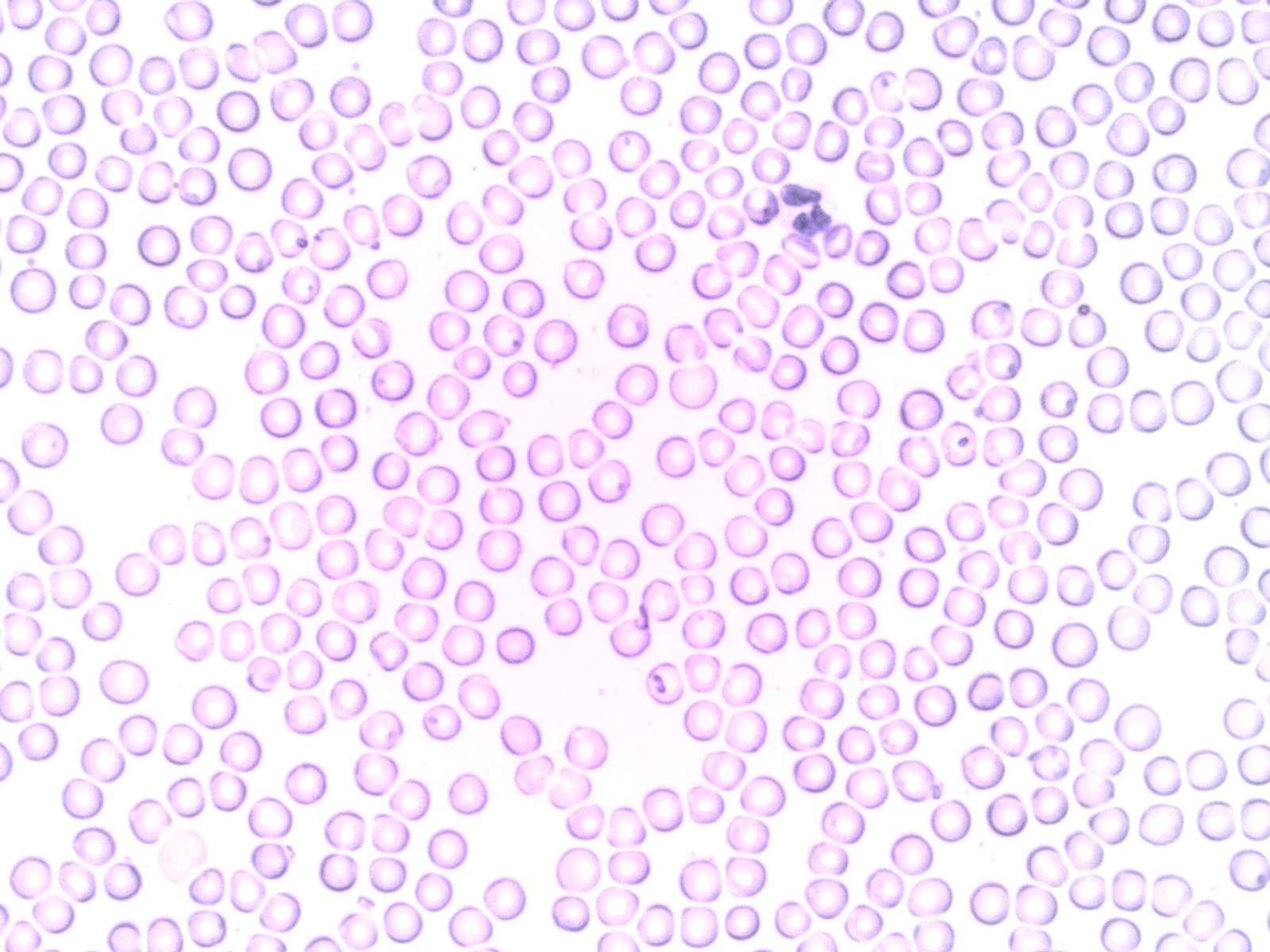
A world-first clinical trial has found that CAR T-cell therapy sharply reduced disease activity in all six patients with severe rheumatoid arthritis, with three remaining in remission without arthritis medication.
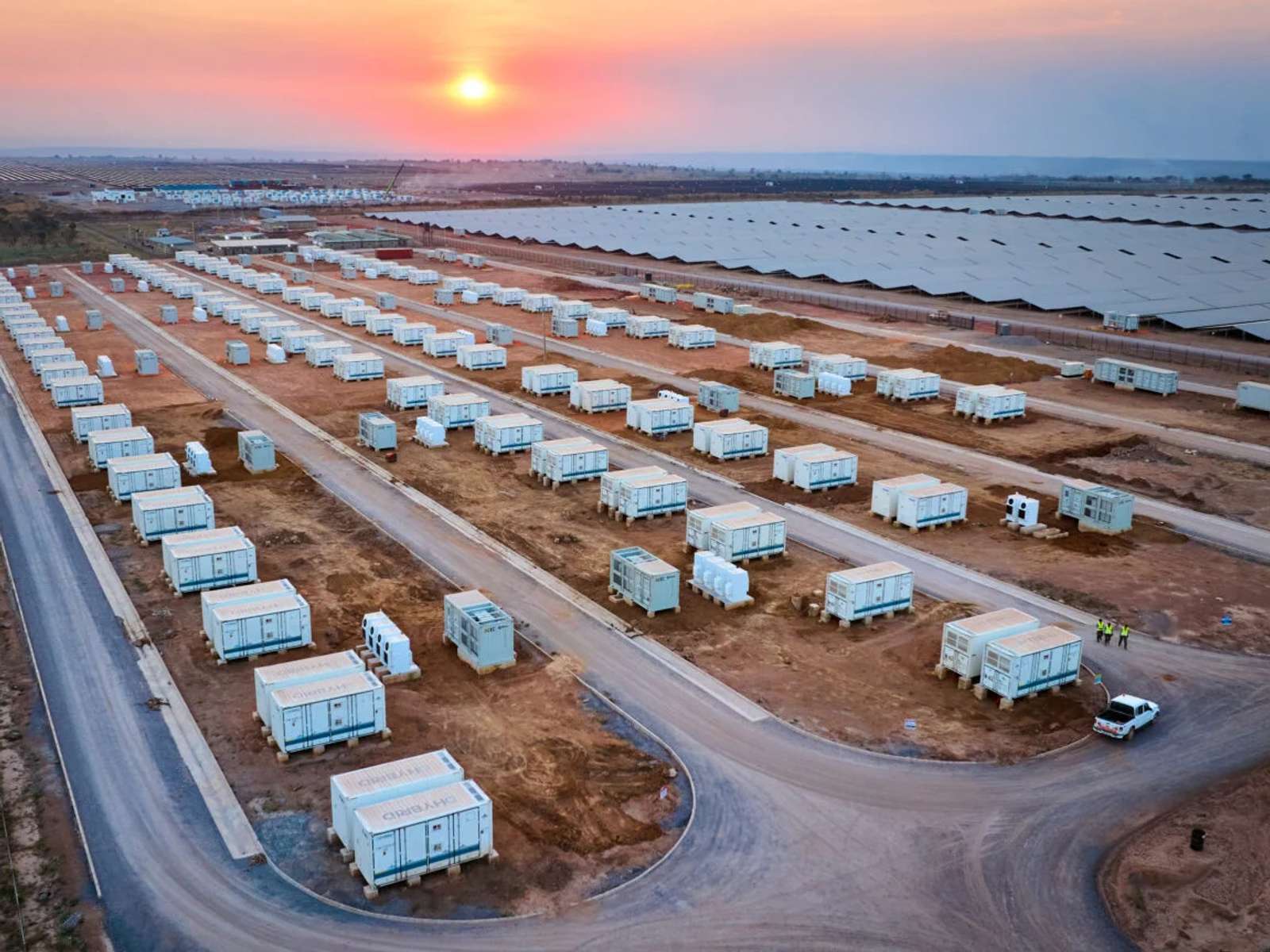
A massive solar and battery facility in the Democratic Republic of the Congo is now delivering reliable renewable power around the clock to one of Africa’s largest copper mining complexes.
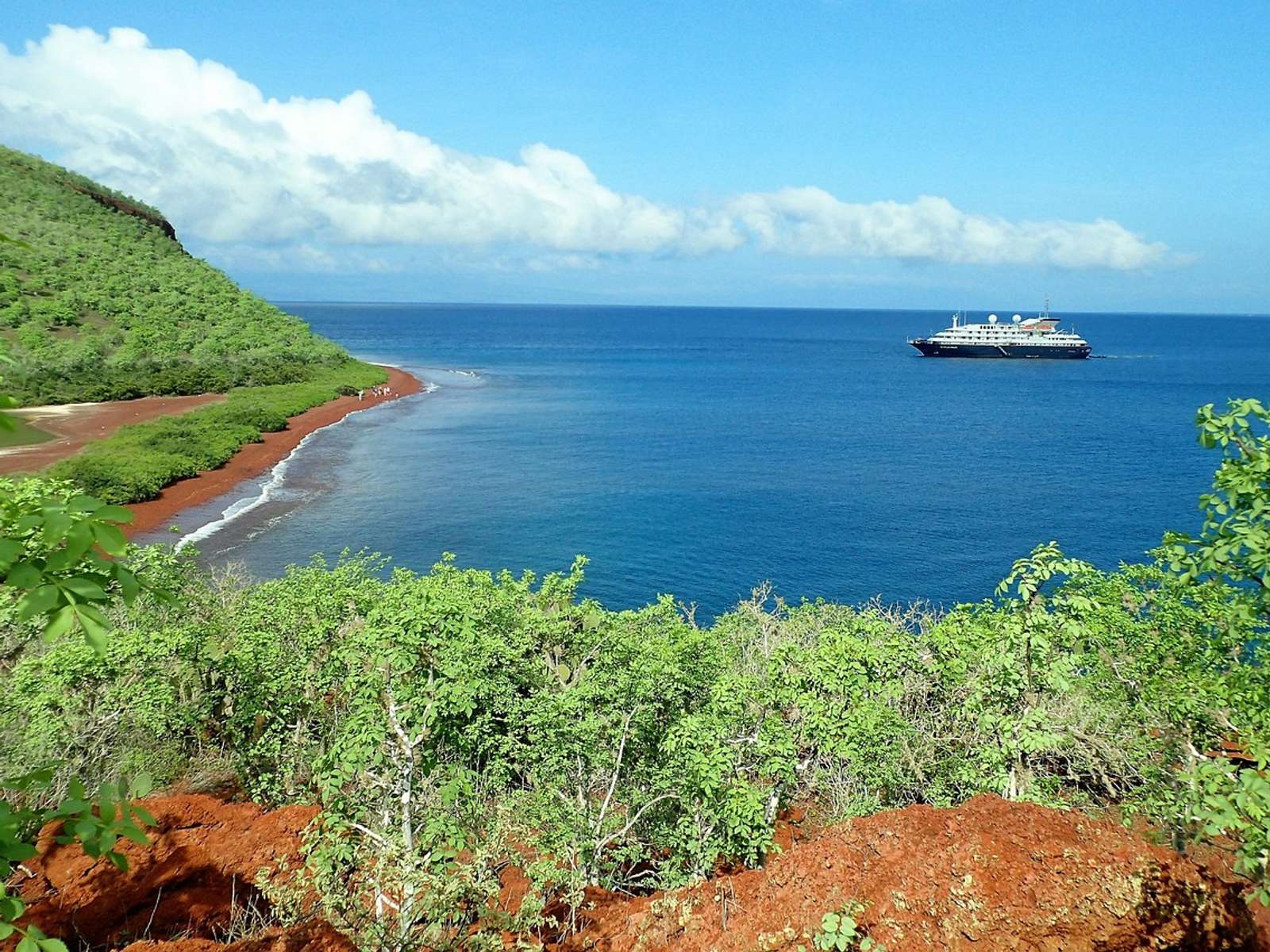
A critically endangered Galápagos plant has made a remarkable comeback, growing from just six known survivors into a recovering wild population after decades of dedicated conservation work.
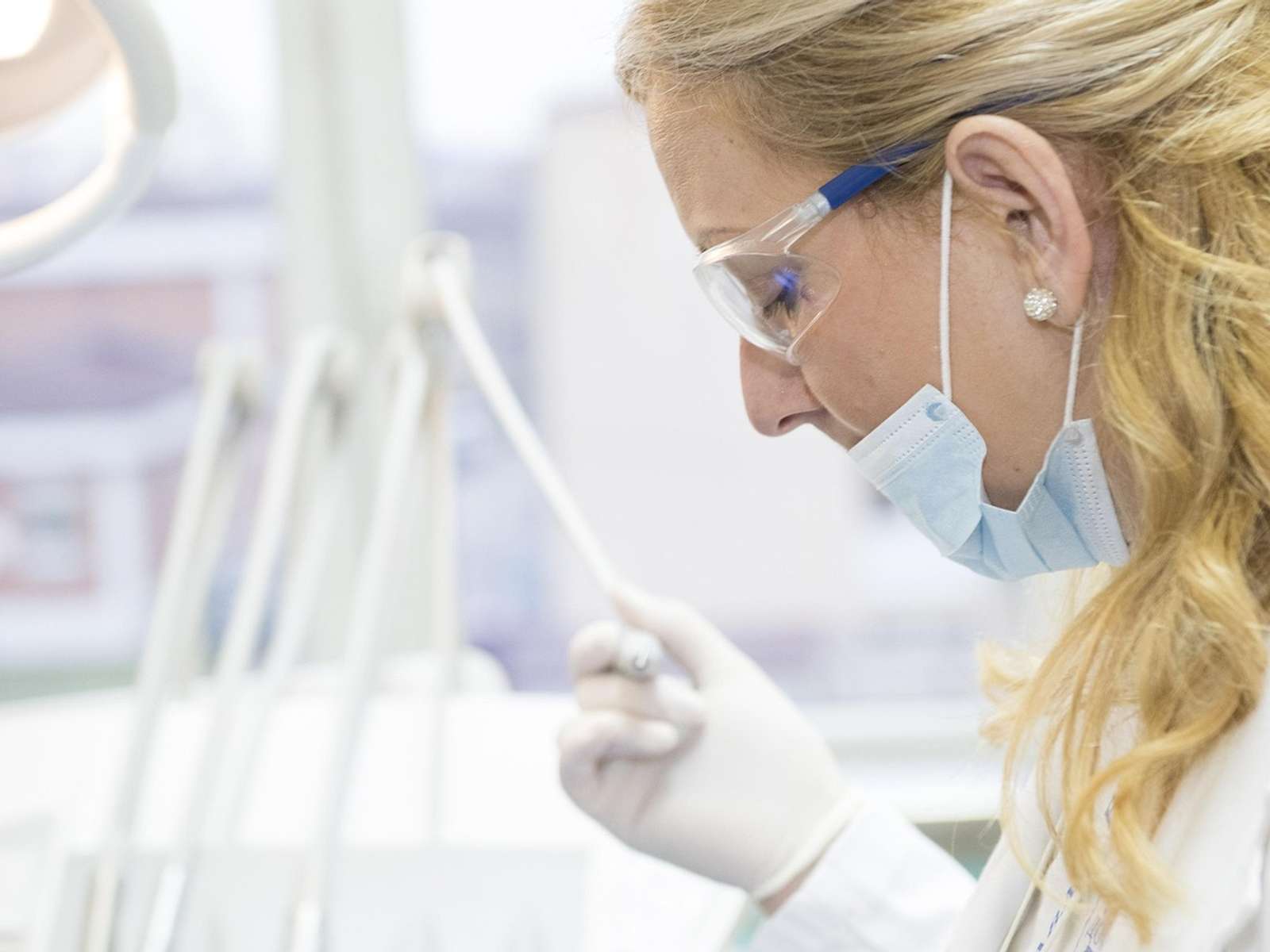
The FDA has approved a first-in-class targeted treatment for metastatic pancreatic cancer after a major trial showed substantially longer median survival than standard chemotherapy.
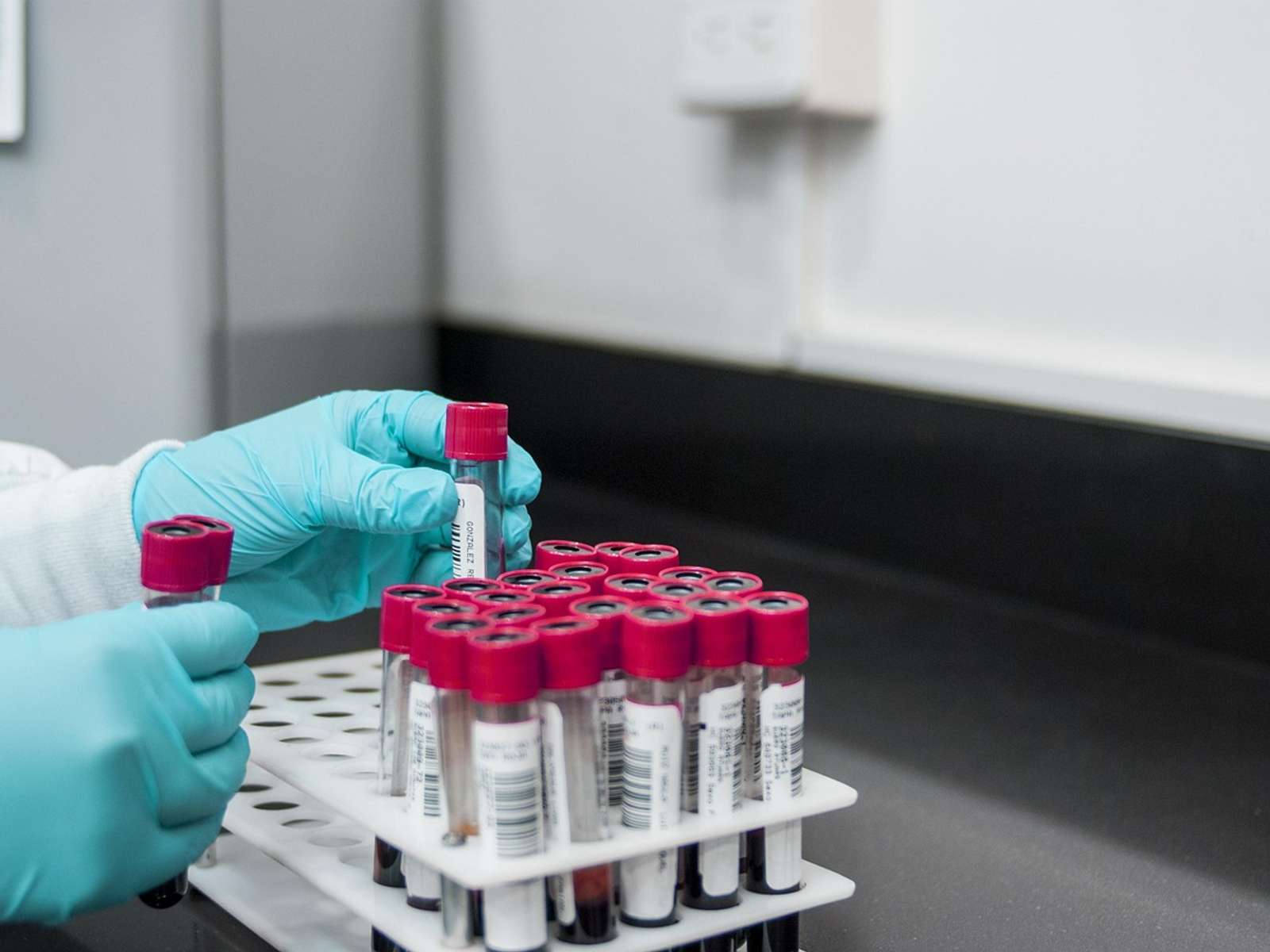
A quick urine test could help doctors identify healthy donor kidneys that might otherwise go unused, potentially making hundreds more organs available for transplantation each year.