Every story we have published, newest first. 380 stories so far.
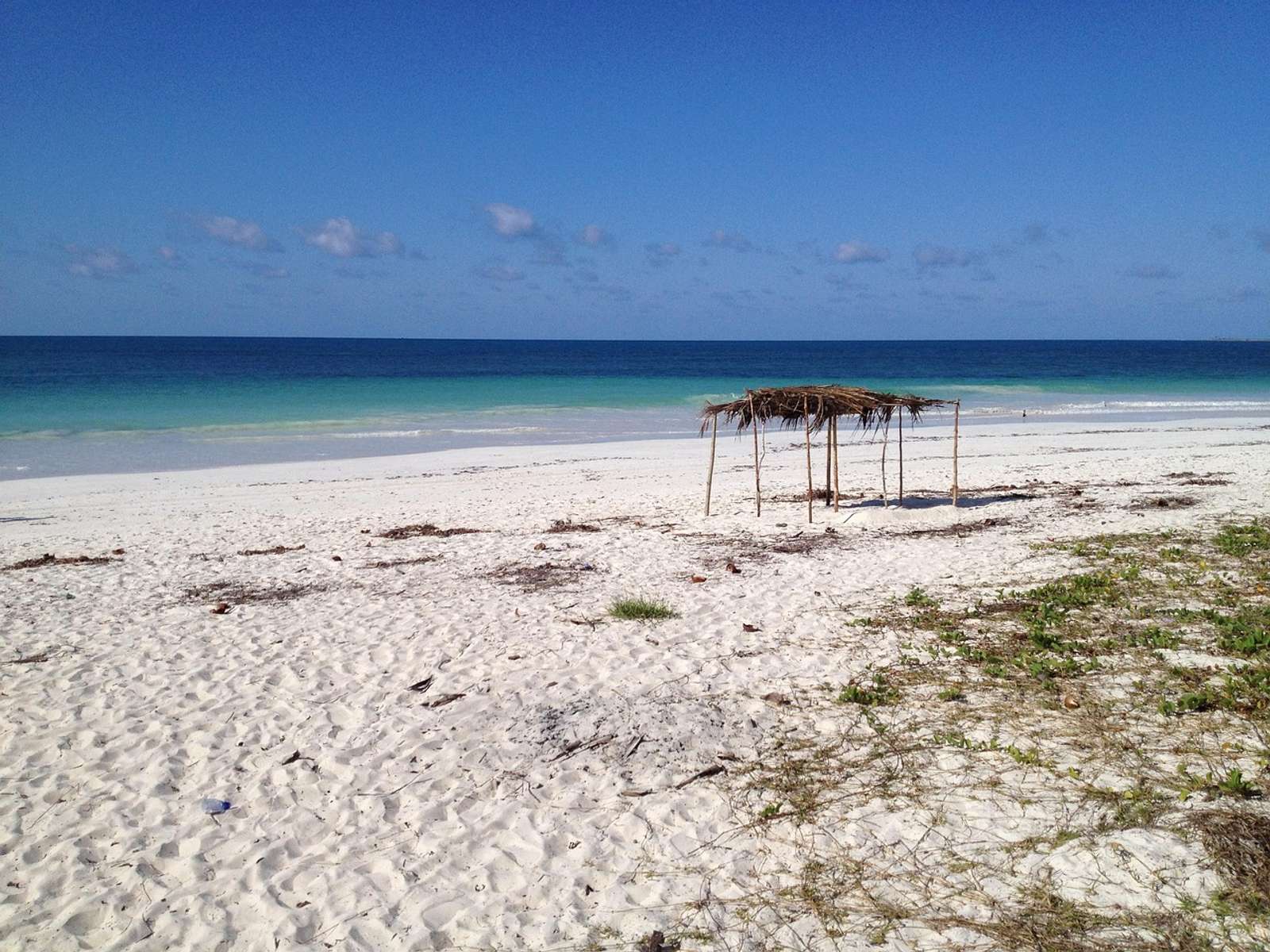
Scientists in Mozambique's Bazaruto Archipelago have described shallow reefs made of peat from coastal forests that drowned 300 to 5,000 years ago. With no living coral, they host seagrass, lobsters and 26 to 36 small fish species each.
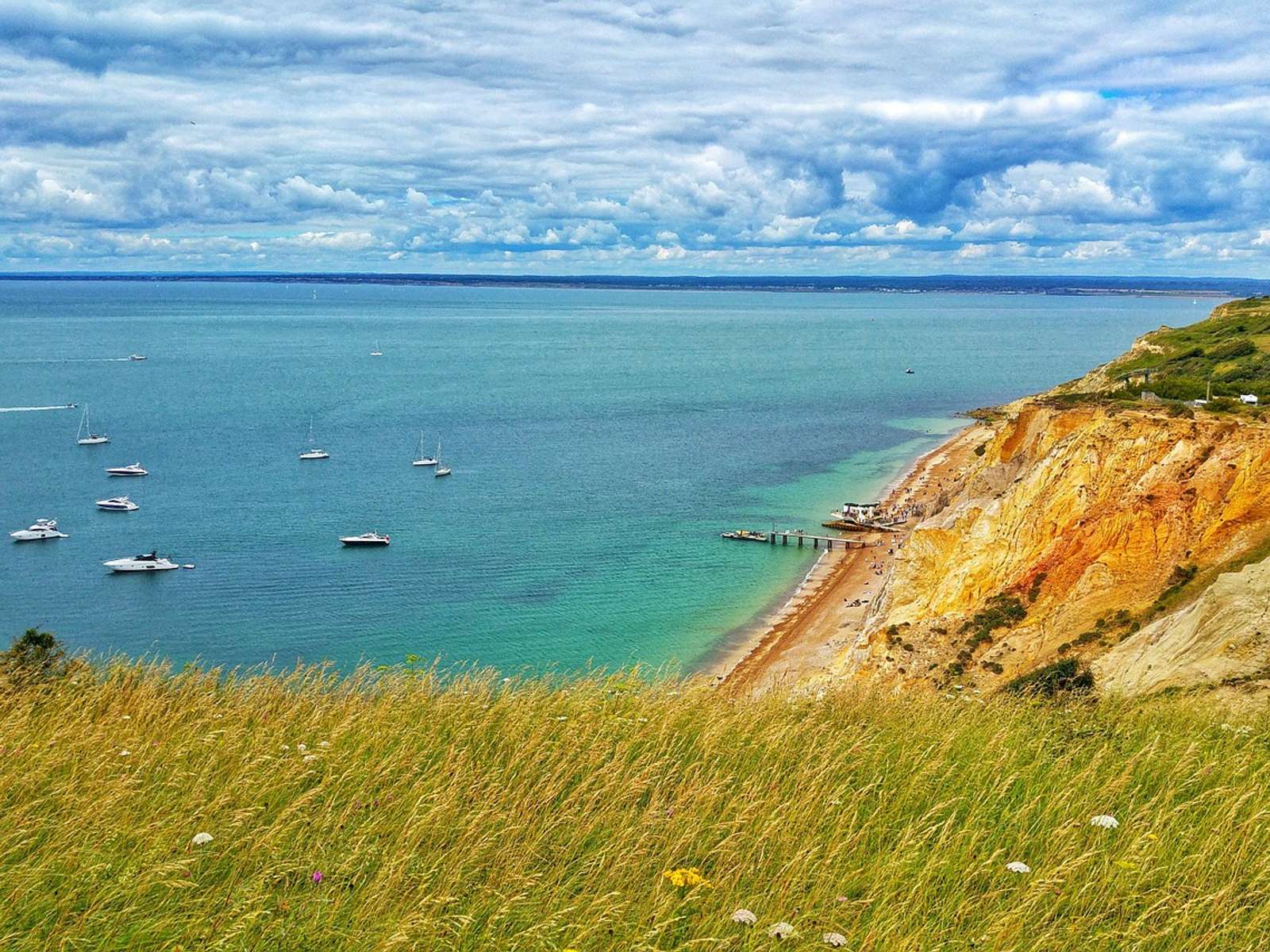
A fossil the Natural History Museum acquired in 1924 belongs to a new dinosaur, Invictibellatrix amberina, the first megaraptoran found in Europe. The 3-4 meter predator lived on the Isle of Wight about 120 million years ago.

The Rockefeller Foundation and the OpenAI Foundation are committing $50 million to Cities Deliver, which will fund groups that work with city governments on AI for health, jobs, climate resilience and public services. Proposals are due 29 November.
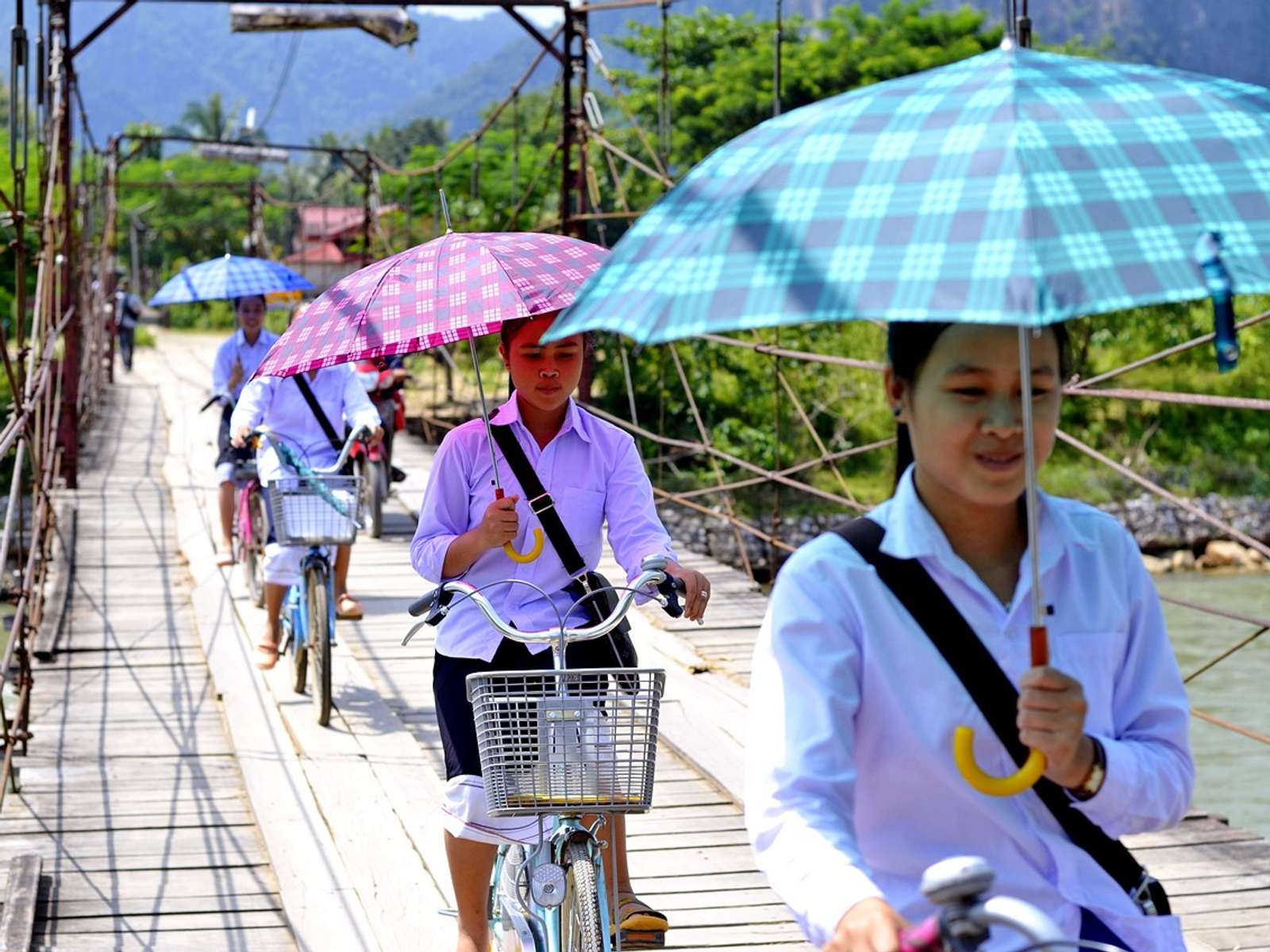
Project Sinxay, run by the Lao Youth Union with UNICEF, has now reached more than 7,000 young people in seven provinces, up from just over 1,000 a year ago. Its youth-led projects range from rice-straw products to campaigns against child marriage.
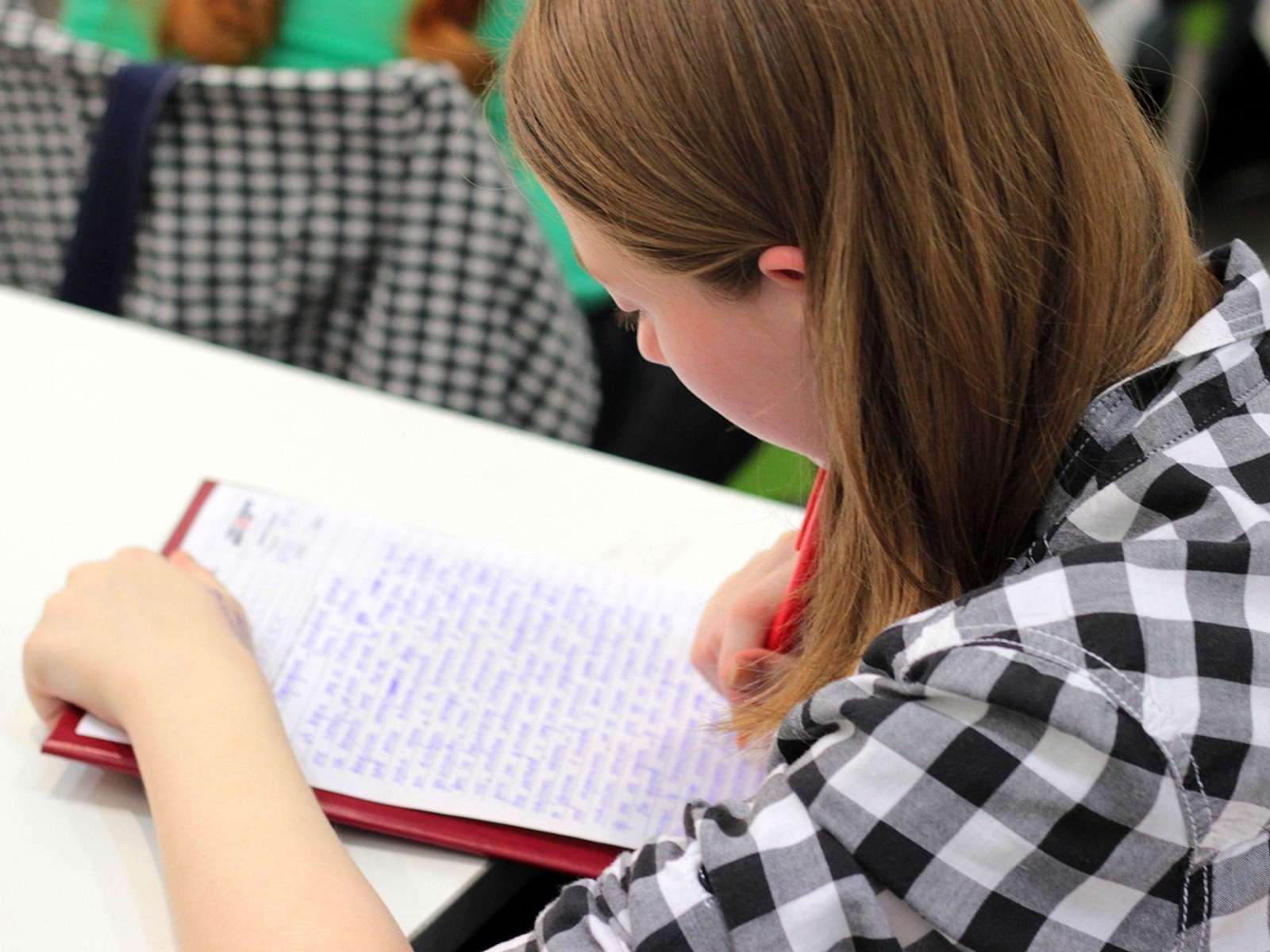
Suhaib, 13, returned to school in Ramadi through Iraq's Back-to-Learning campaign, and his sisters Malak, 14, and Tiba, 18, followed. The campaign helped 92,843 children back into learning in 2025, UNICEF said.

On the edge of Huai Kha Khaeng Wildlife Sanctuary in western Thailand, a women-led herbal network has grown from 21 to 88 households in about six years, earning more from less land and easing pressure on the forest, UNDP said.
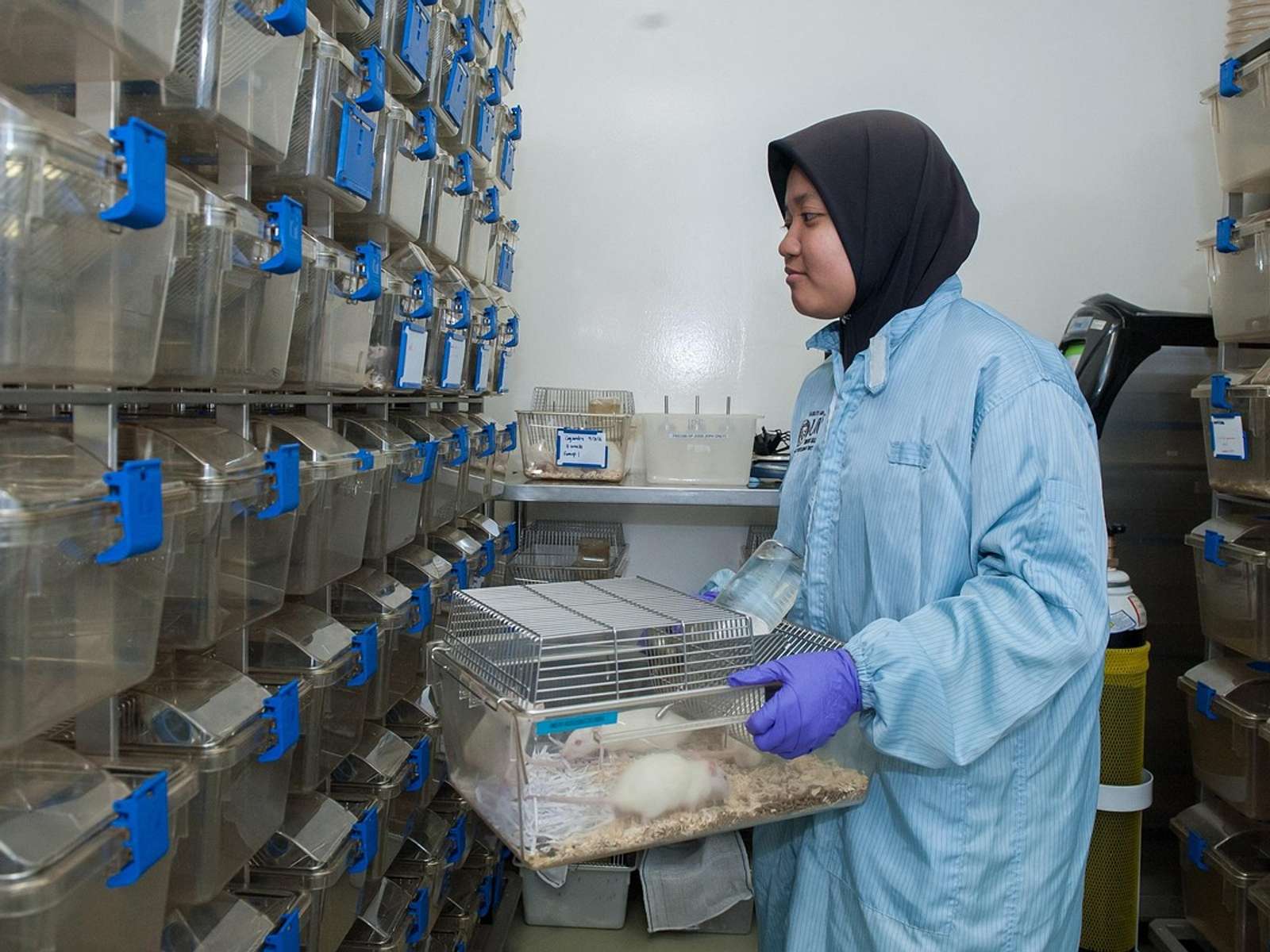
University of Cincinnati researchers used a viral gene therapy to remove the cells that make cerebrospinal fluid in mice with hydrocephalus. Treated animals had much less fluid in their brain tissue. The work is early-stage animal research.
Physicists built metamaterials from dozens of linked sensors and motors that start vibrating chaotically and then settle into one slow, synchronized rhythm, a state called a time crystal. The work, led from Amsterdam and Birmingham, is in Nature.
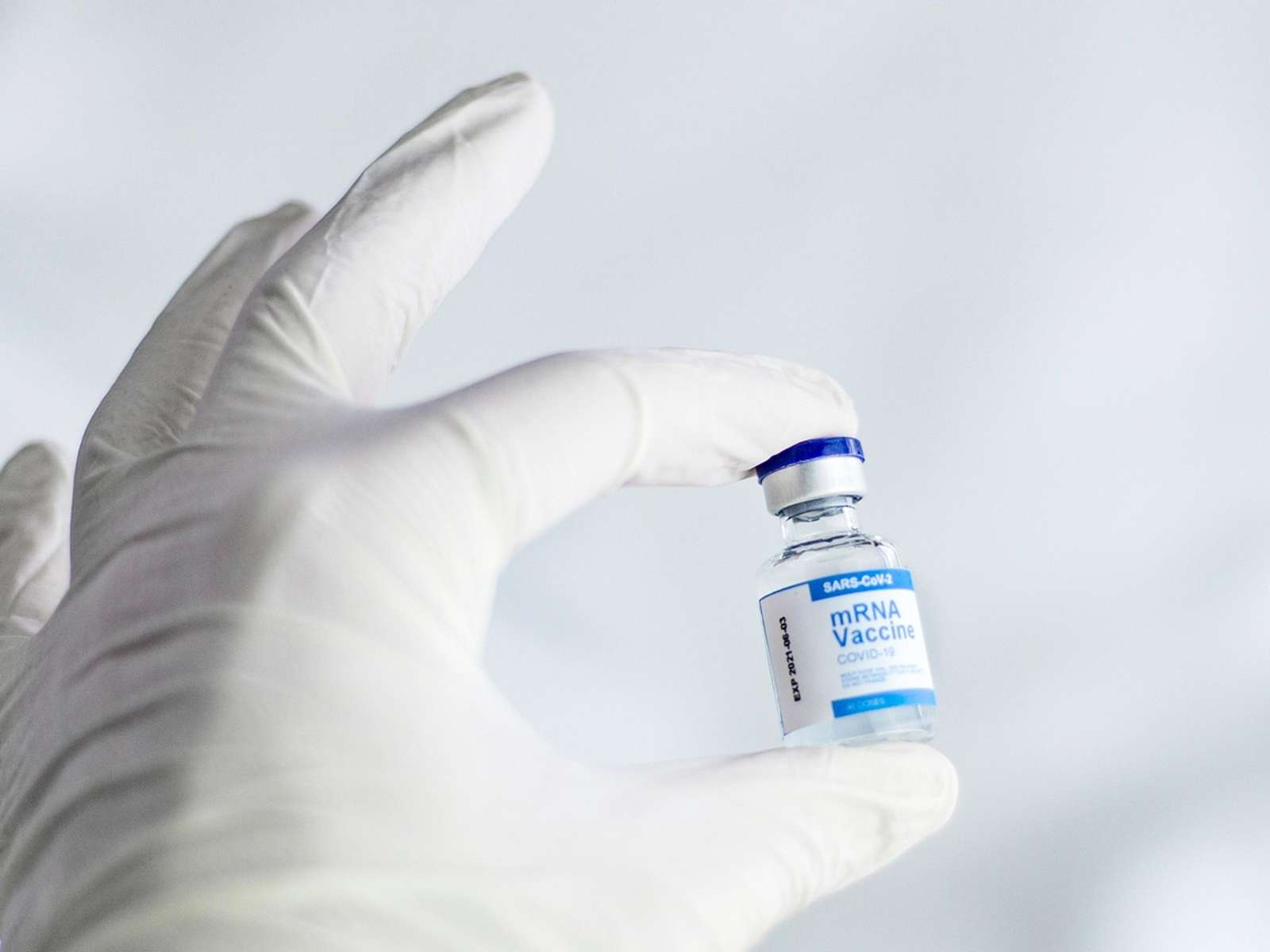
Solar systems installed at 296 health facilities in Zambia now power maternity wards, labs and 200 vaccine fridges for about 1.5 million people, UNICEF said. At one rural health post, nurses no longer deliver babies by phone light.
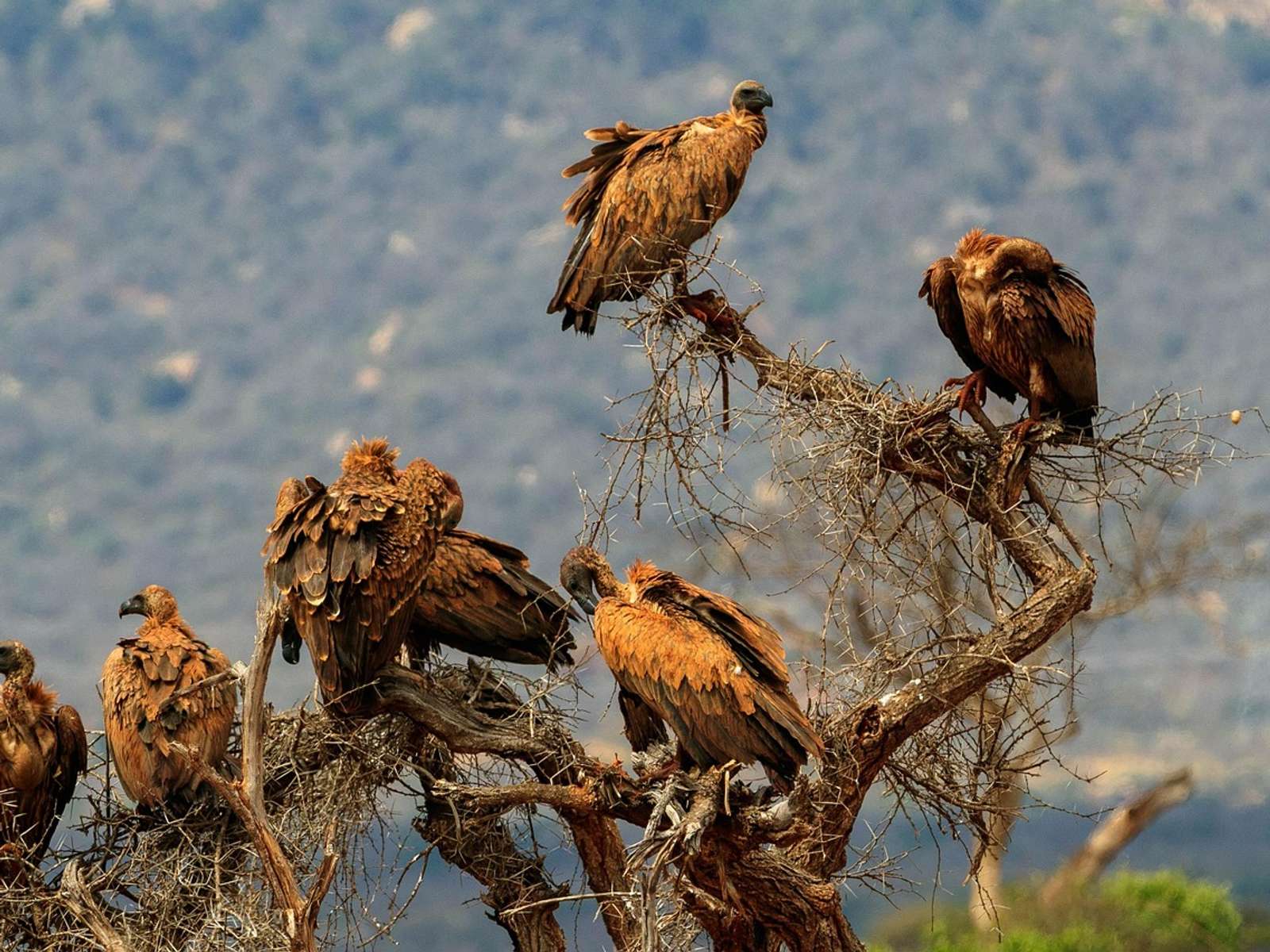
Since 1996, the African Bird Club has given £755,241 in small grants to 383 bird conservation projects in 53 countries and territories, from protecting coastal forest in Kenya to surveying waterbird colonies in Zambia.
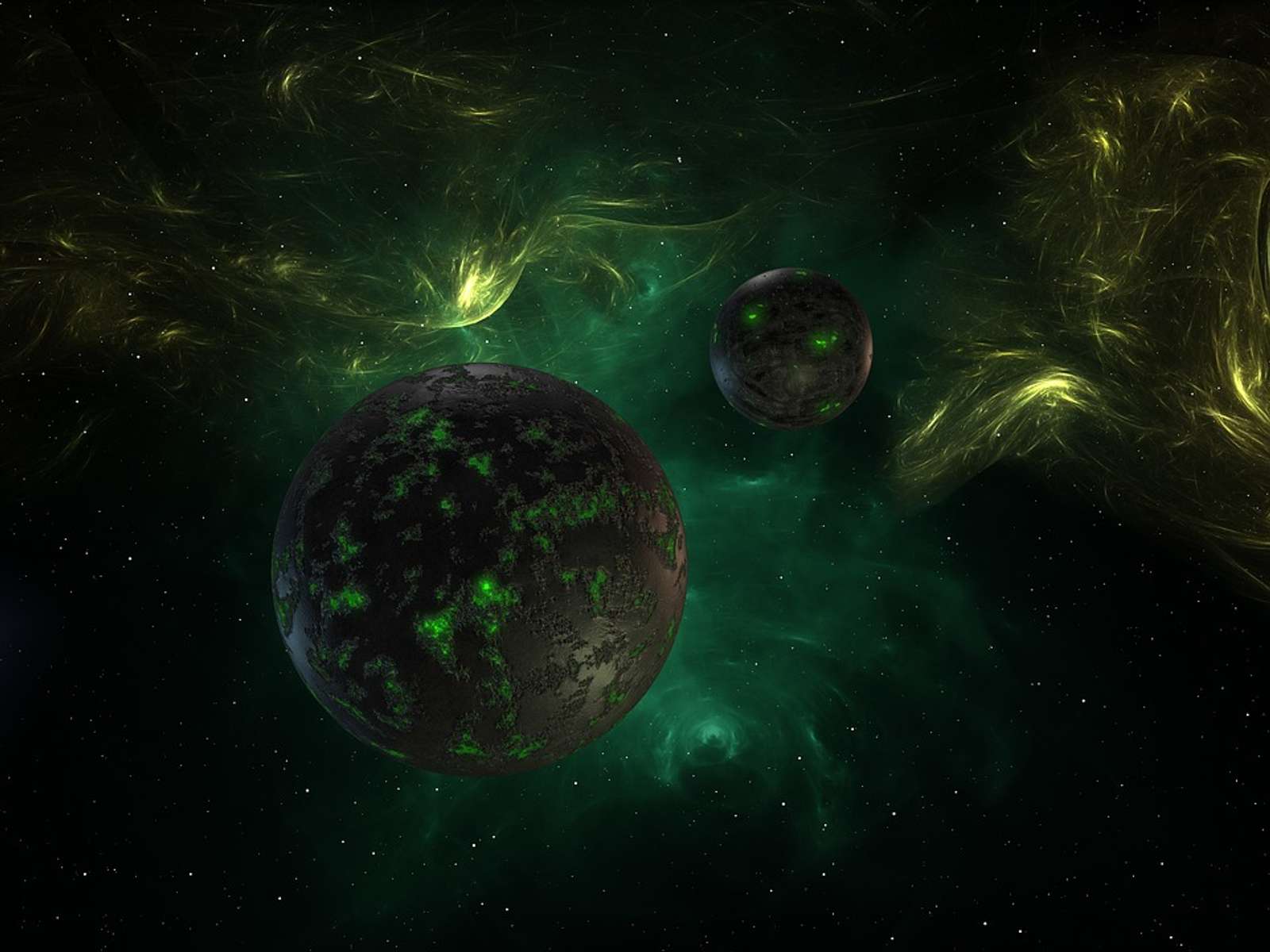
Astronomers led by Cornell used James Webb Space Telescope data to map the uneven outline of WASP-17b, a hot gas giant about 1,300 light-years away. Its hotter evening side bulges out more than its cooler morning side.
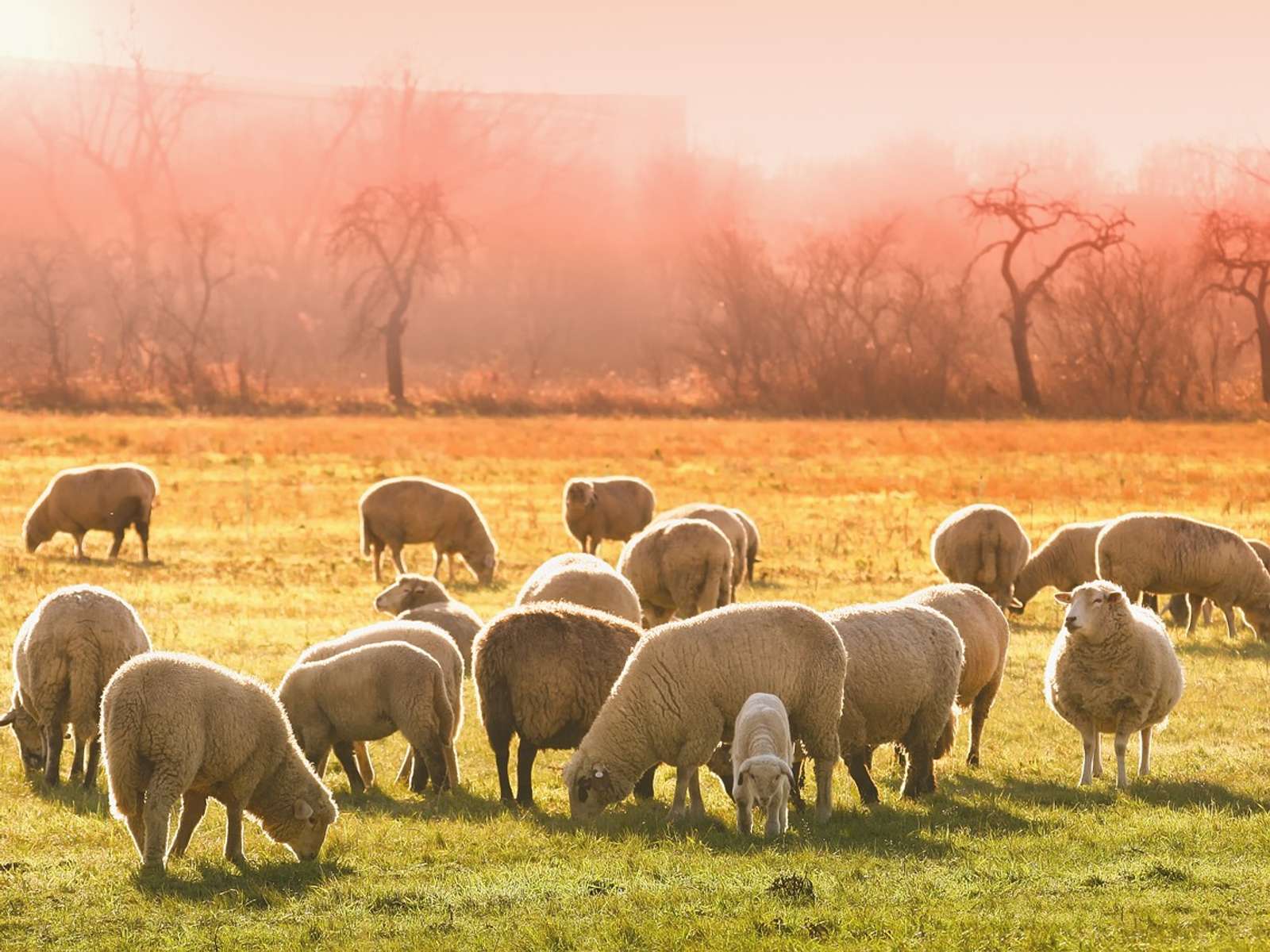
A three-year Cornell study found that light sheep grazing at a New York solar farm raised bee and lady beetle numbers by 38% compared with mowing, while a second study gives farmers a tool to plan flocks for solar sites.
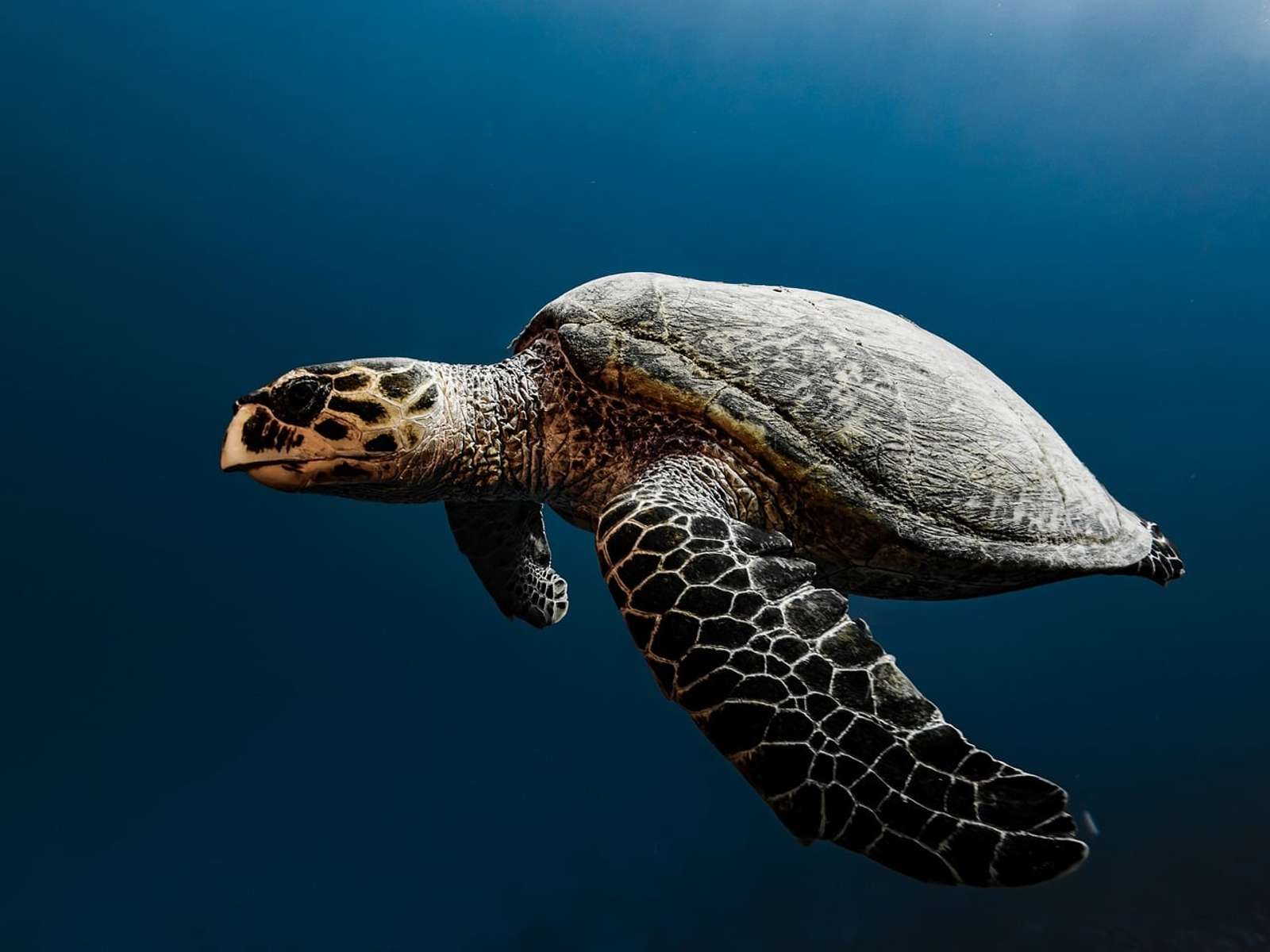
Habanero, an adult male loggerhead rescued in South Africa in February 2025, lost a front flipper to a bone infection. Scans now show him free of infection, and he is training at the Two Oceans Aquarium for his return to the sea.
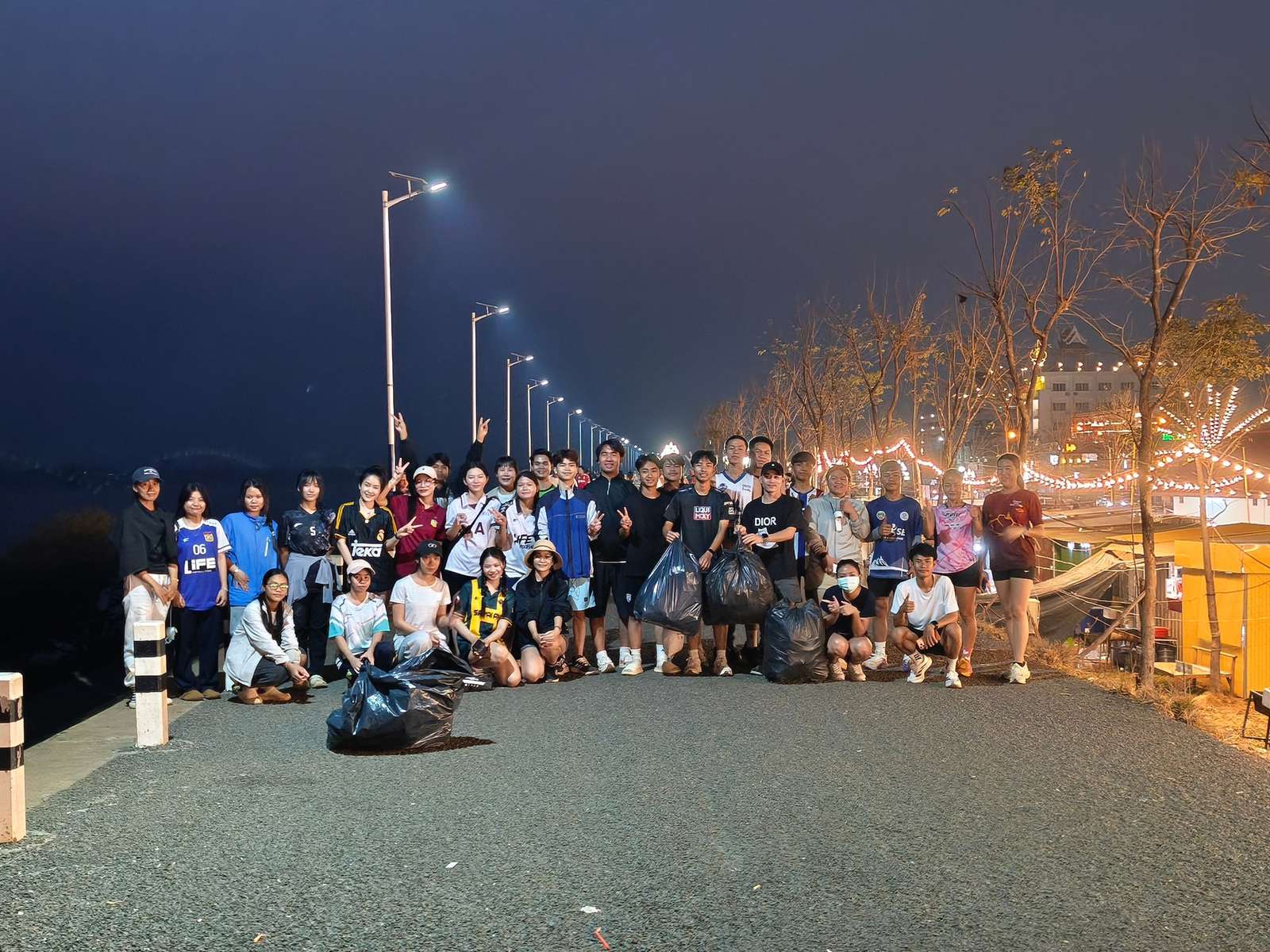
In February, 27-year-old Bounpanh Chaleunsin started picking up one bag of trash a day on the Mekong riverbank in Pakse. One Bag A Day now has about 400 members and groups in 13 provinces of Laos.
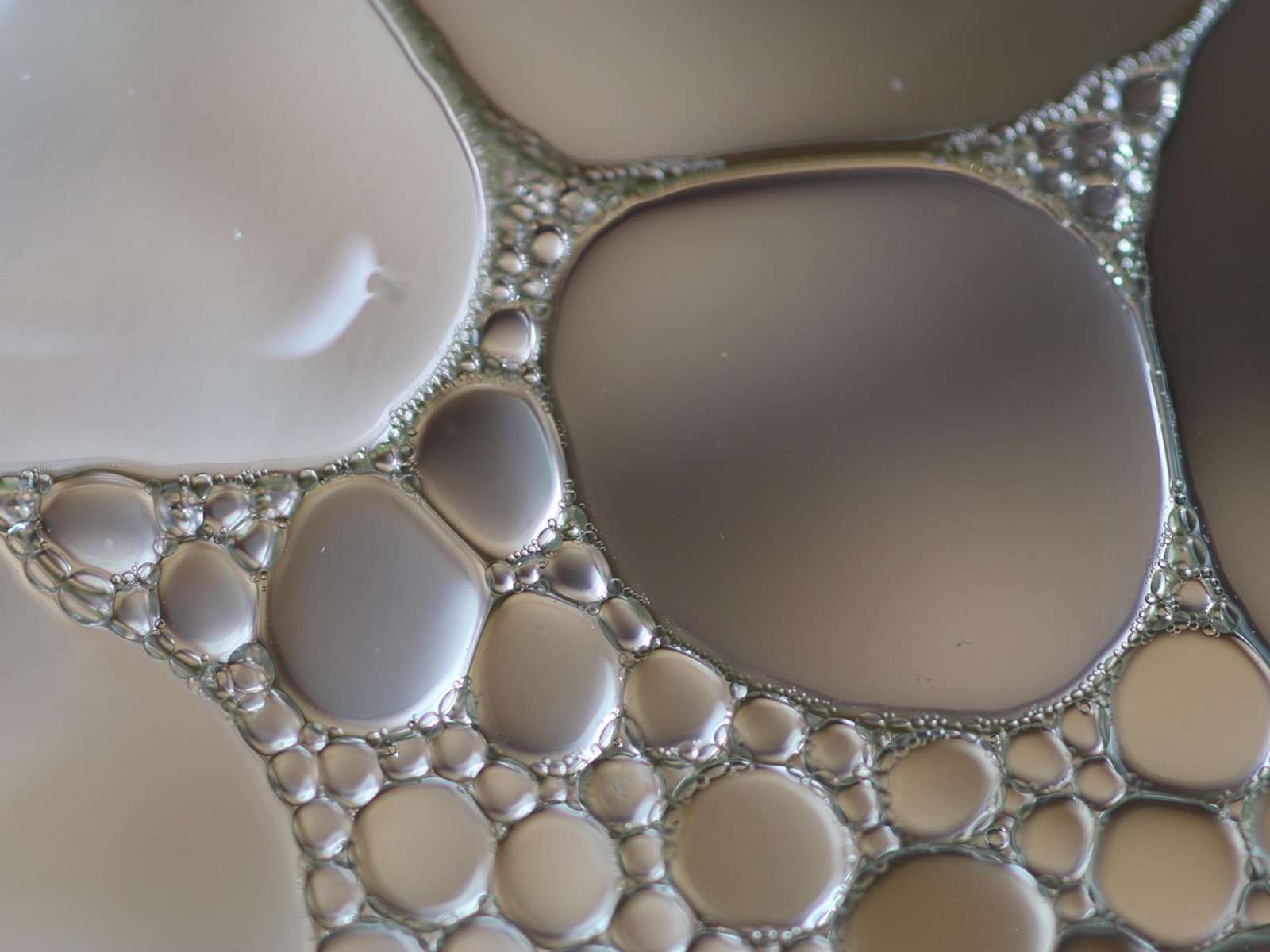
Synthetic RNA droplets that carry their own DNA template formed long-lived vacuoles, moved and stored cargo after a mutation rate of about 3%, a Heidelberg University team reported in Nature Chemical Engineering.
Researchers at the Indian Institute of Science combined quantum calculations and machine learning to map 9,389 reaction steps for turning CO₂ into methanol on copper. A smaller 152-step model had predicted the wrong main product.
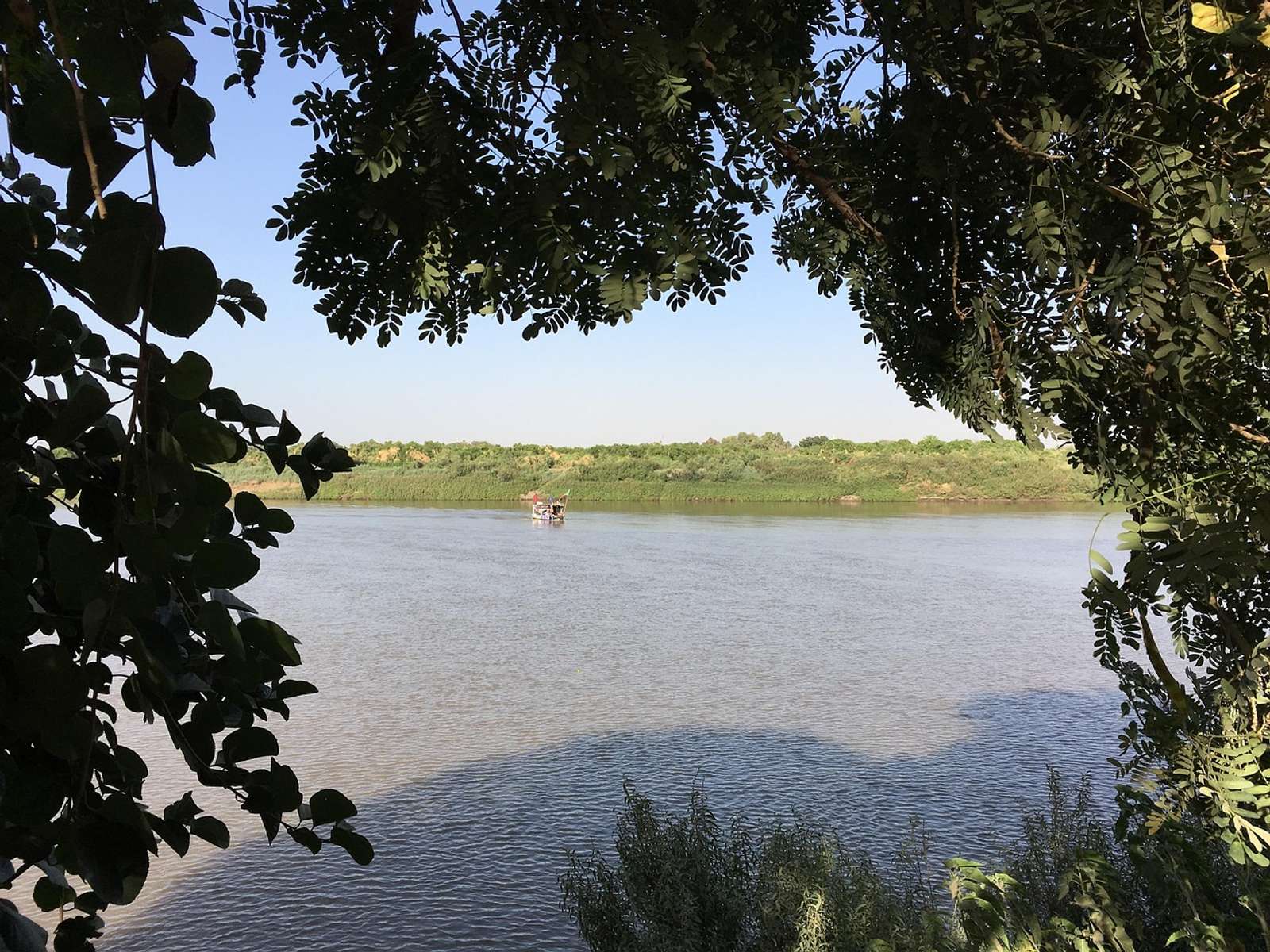
Five-year-old Aisha lost a limb when an explosion hit her family's compound in North Omdurman, killing her father and two siblings. Fitted with an artificial limb at the Karrari Centre for Prosthetics, she has taken her first steps, UNICEF said.
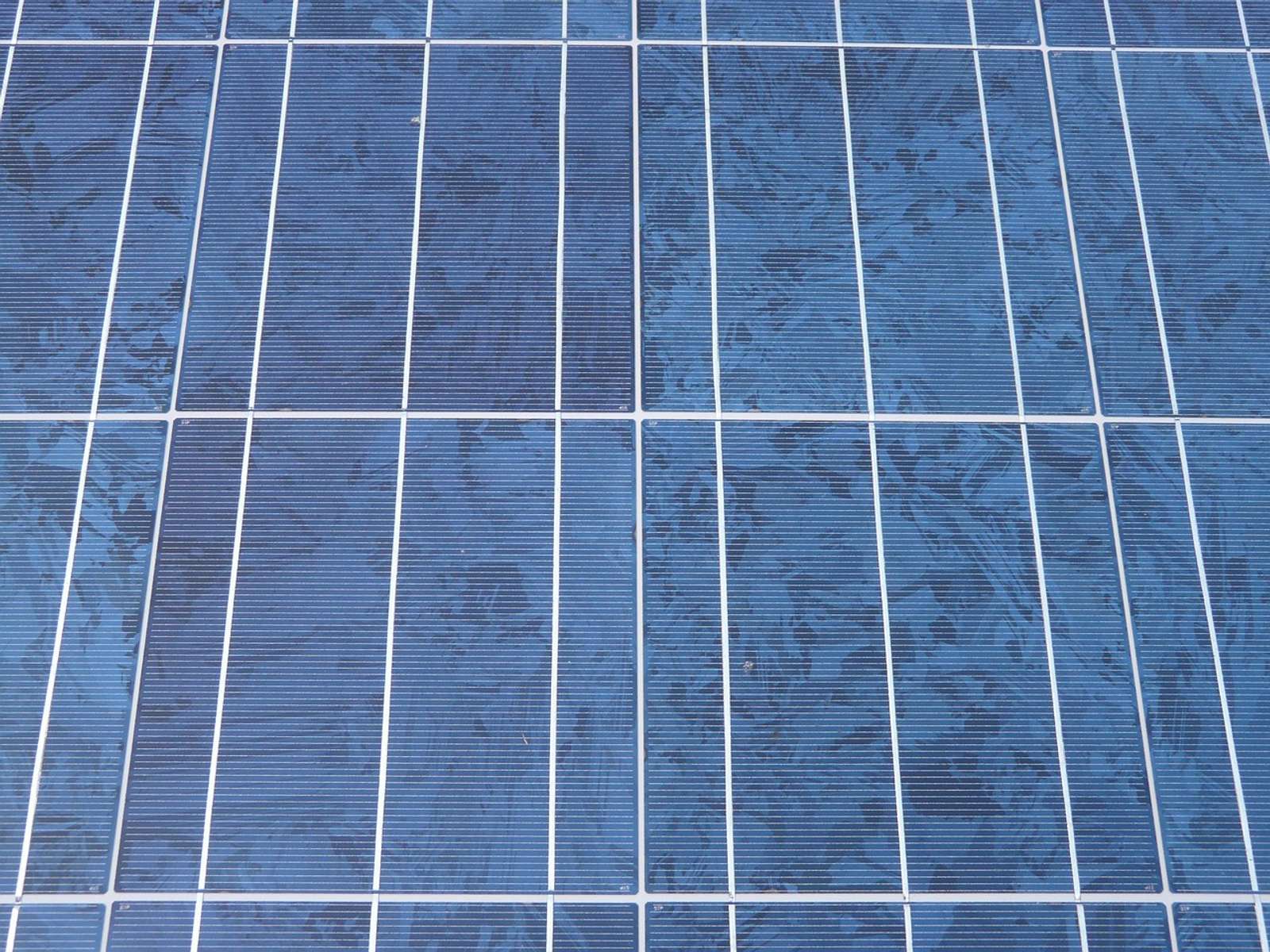
Adding zinc bromide and methylammonium chloride while perovskite crystals form cut defects, so the material held energy from sunlight about 10 times longer, a team from Princeton, UC San Diego and South Korea reported in Science.
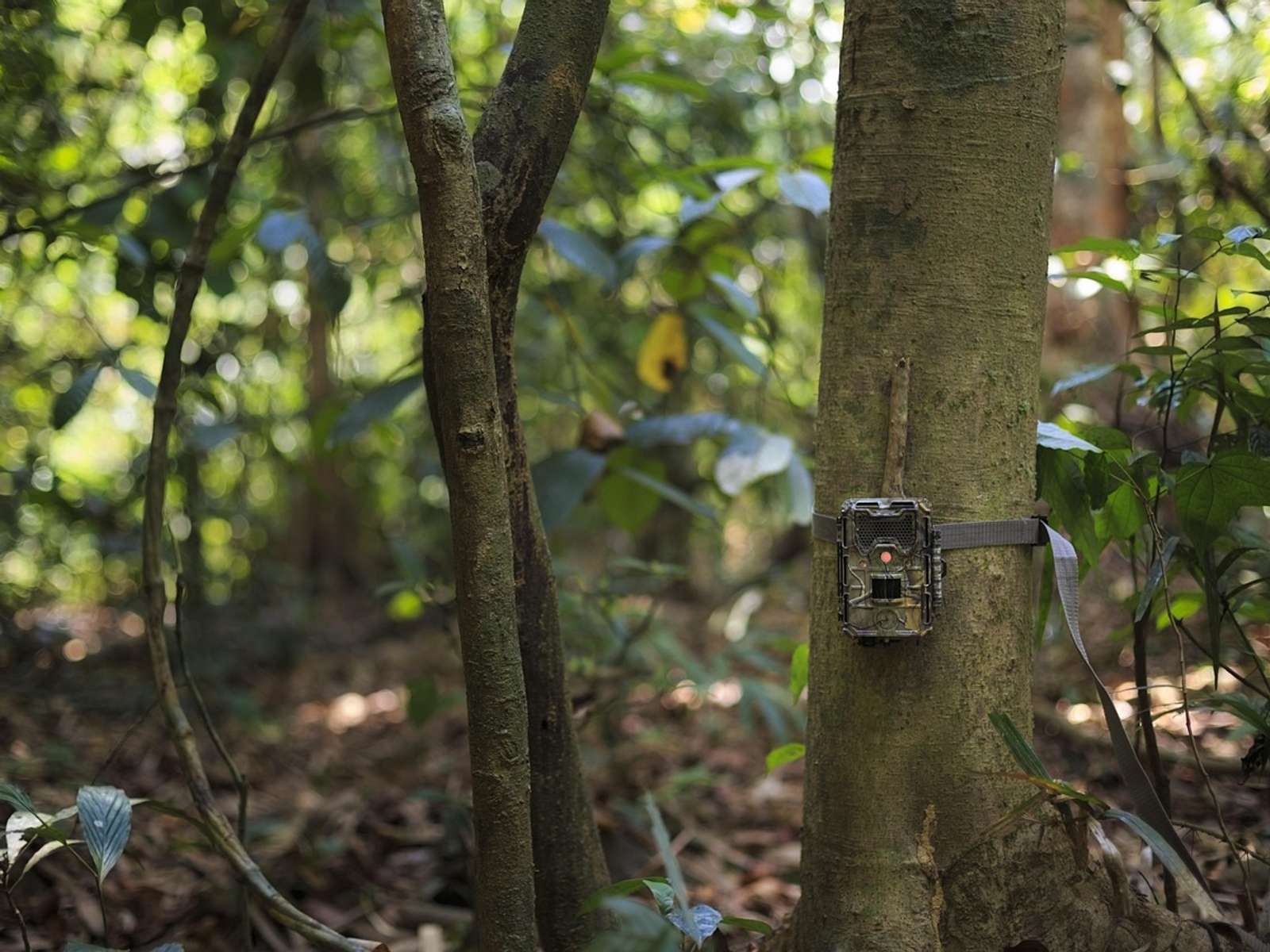
Rangers in the Warddeken Indigenous Protected Area used the open AI model MegaDetector to filter empty camera-trap photos, cutting the images they had to check from 925,088 to 172,290 and processing time from six months to two.
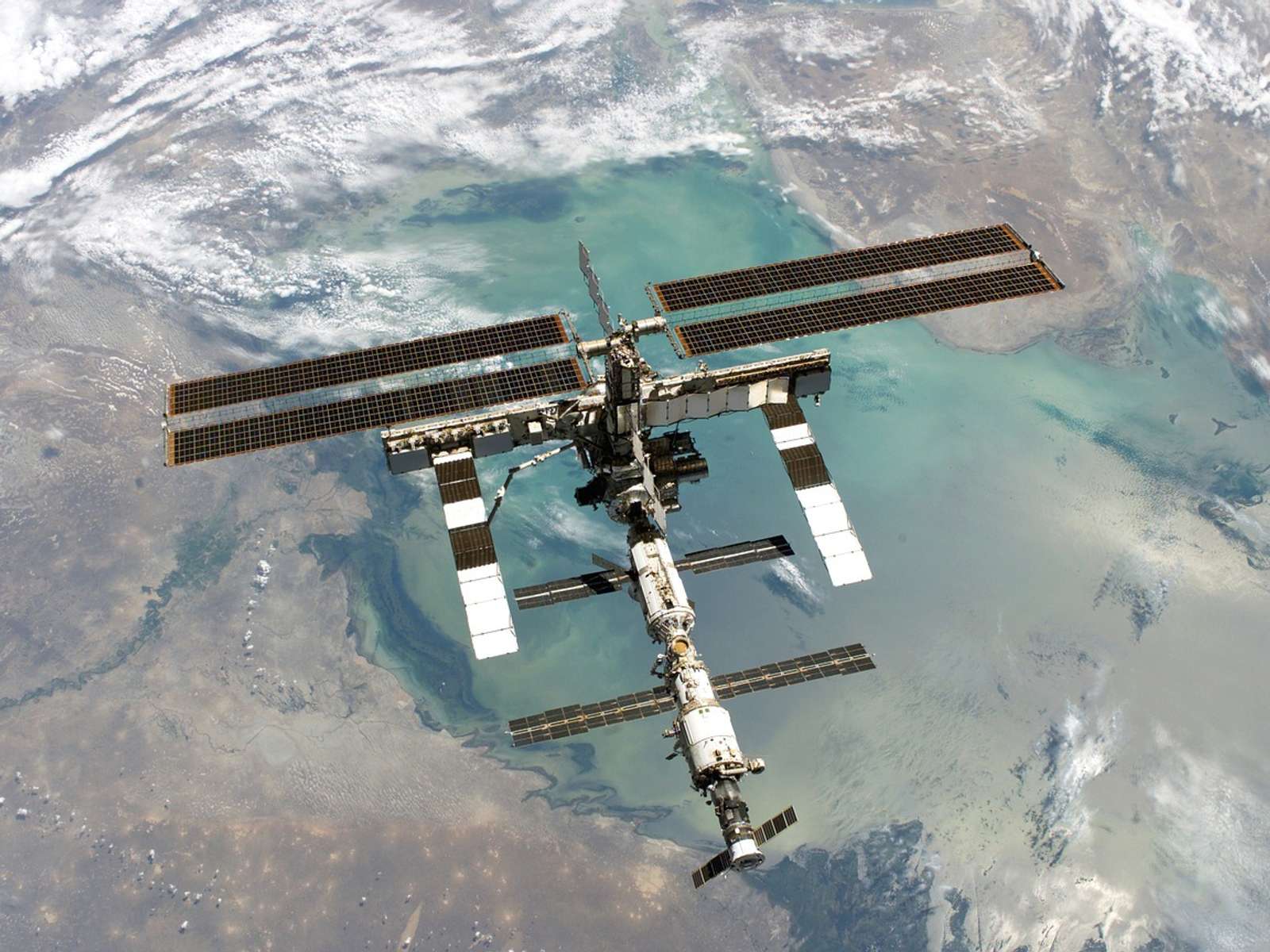
SCAMPI, a sealed aquarium of shrimp, algae and microbes designed by 51 students from Europe and the US, launched to the International Space Station on 13 October to show how a whole ecosystem copes with microgravity.
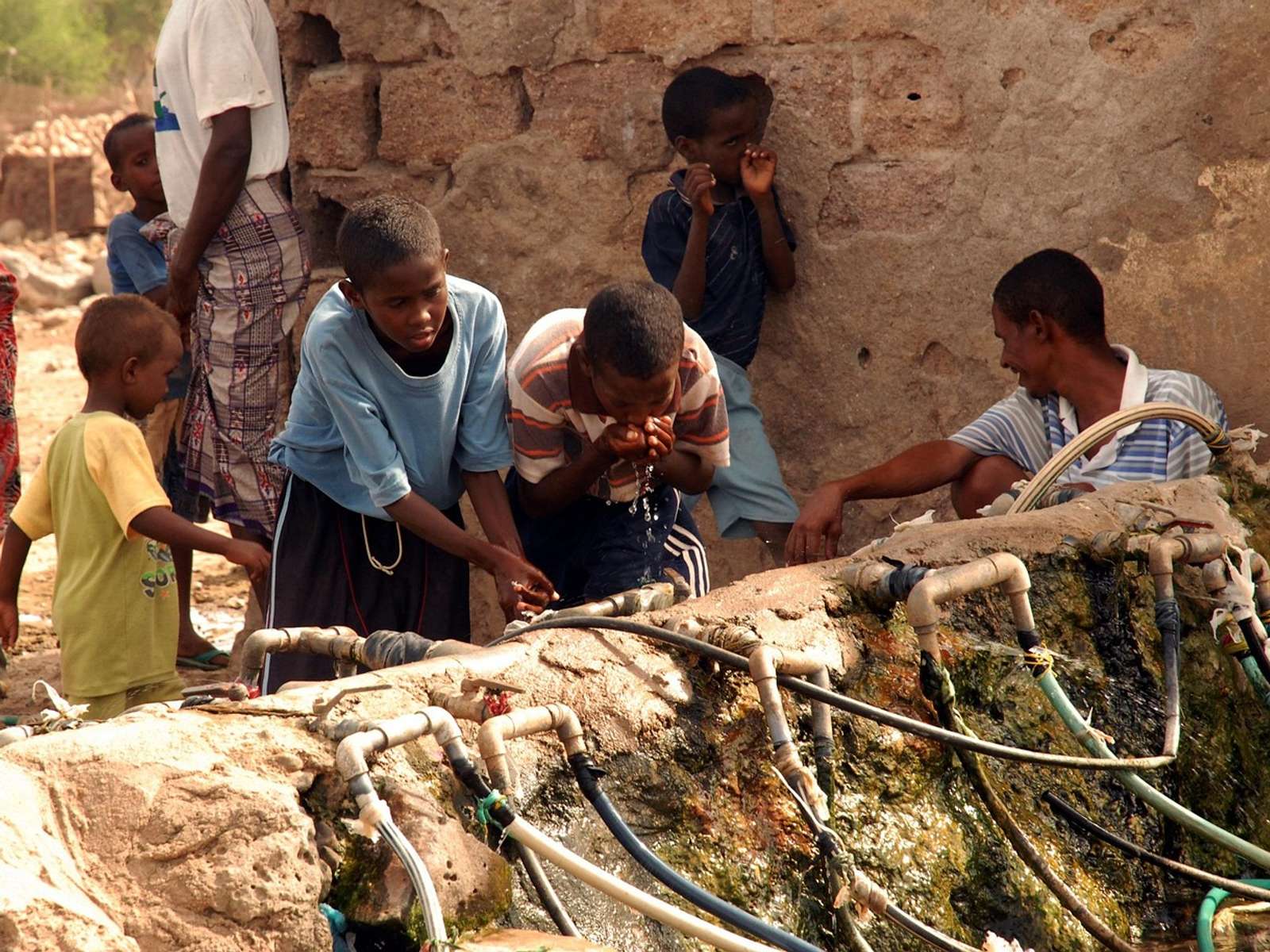
In Berehale, a town in Ethiopia's Afar region, 900 families now have water connected to their homes through a solar-pumped network for refugees and host communities, supported by UNICEF under the Dutch-funded PROSPECTS partnership.
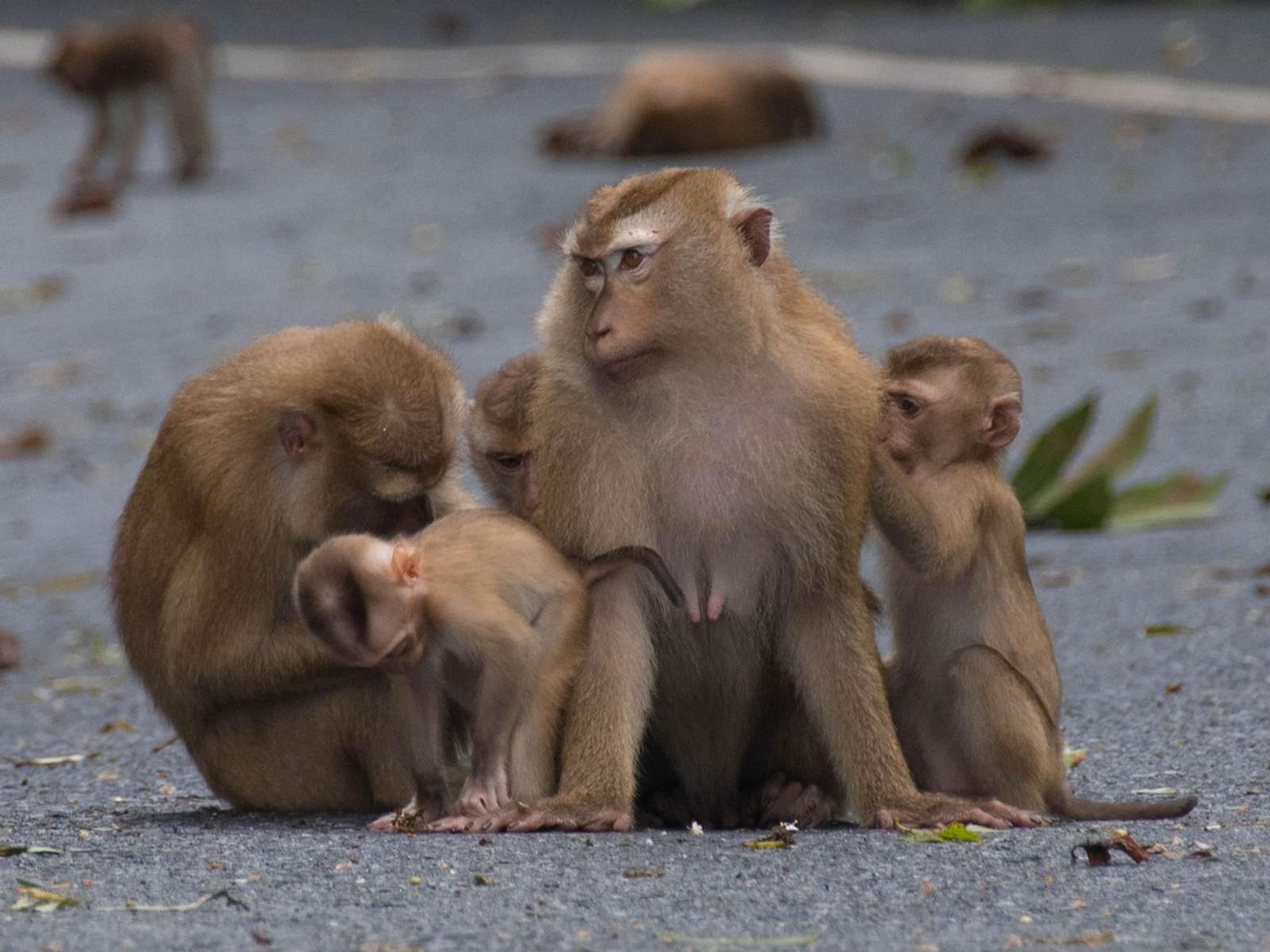
Phong Nha-Ke Bang National Park released 17 rescued animals from seven species, including a Sunda pangolin and three pygmy slow lorises, on 8 October. It was the park's fifth release of 2026, bringing the year's total to 220.

Students and staff at Curtin University's Perth, Singapore and Malaysia campuses sampled air, water and surfaces for environmental DNA and identified 572 species, from a small-clawed otter to an escaped pet iguana.
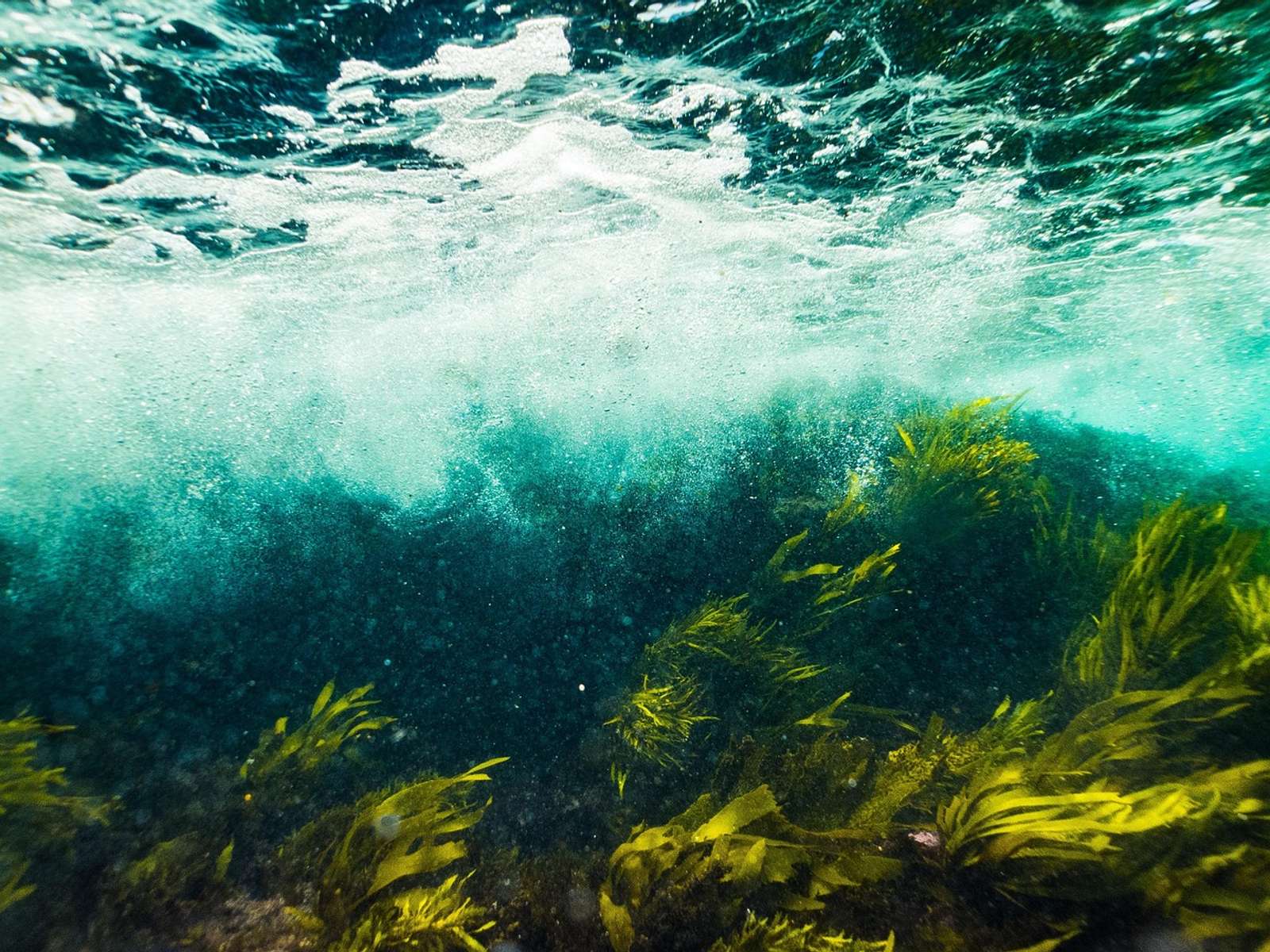
The Tla-o-qui-aht First Nation, Redd Fish Restoration Society and West Coast Kelp have restored about 4,200 square meters of kelp in Clayoquot Sound since early 2026, using floating nurseries out of reach of sea urchins.