A gene therapy that shuts down brain-fluid production cut swelling in mice with hydrocephalus
University of Cincinnati researchers used a viral gene therapy to remove the cells that make cerebrospinal fluid in mice with hydrocephalus. Treated animals had much less fluid in their brain tissue. The work is early-stage animal research.

An experimental gene therapy that removes the cells producing cerebrospinal fluid reduced fluid buildup in the brain tissue of mice with hydrocephalus, the University of Cincinnati said. The study, led by Agnes (Yu) Luo with UC Davis colleagues, appears in the journal Fluids and Barriers of the CNS.
Too much fluid in and around the brain
Hydrocephalus is a buildup of cerebrospinal fluid that puts pressure on the brain. About 1 in 770 babies in the United States develops it each year, and more than 1 million Americans live with the condition, according to the Hydrocephalus Association. There is no known cure or way to prevent it.
The standard treatment is a shunt, a tube surgically placed to drain fluid, which the university describes as invasive and prone to failure. Another option for young children burns away part of the choroid plexus, the tissue that makes the fluid. It can ease symptoms but does not substantially reduce fluid volume.
A virus delivers a switch that removes fluid-making cells
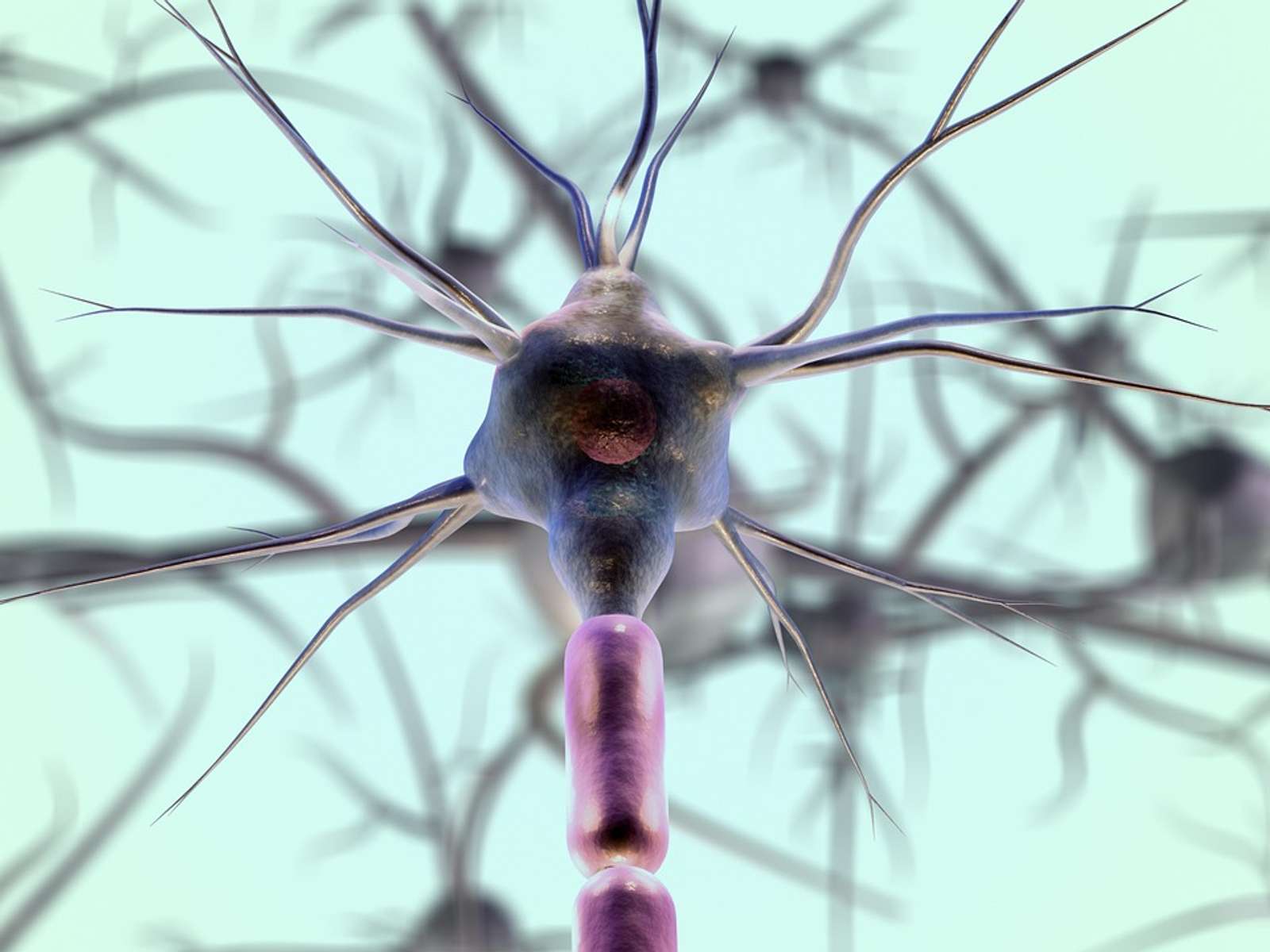
The team built a gene therapy using an adeno-associated virus, AAV5, that homes in on the choroid plexus and makes those cells susceptible to removal. In newborn mice it produced a marked drop in fluid in the brain's ventricles. In adult mice with hydrocephalus, treatment started within 10 hours profoundly reduced swelling in the surrounding brain tissue without collapsing the ventricles, the paper reports.
“It efficiently targets the correct cells and reduces CSF production.” — Aleksandr Taranov, PhD, lead author, now a postdoctoral fellow at the University of Pennsylvania
The authors note that the brain scans of treated mice resembled the changes doctors see in children after choroid plexus cauterization, which suggests the model is relevant to patients.
What it means for patients: years away and with a trade-off
This is preclinical work, and nothing is available to patients. The next steps are tests in larger animals and in human tissue, ideally followed by clinical trials, the university said. Luo and Taranov are inventors on a pending patent.
There is also a trade-off to study. Reducing fluid production moderately reduced the formation of new neurons in the hippocampus, a brain region involved in memory, so the researchers want a careful risk-benefit analysis before moving forward. The work was funded by the U.S. National Institutes of Health.
Less invasive brain procedures are advancing in other areas as well; at UC San Diego, surgeons have used a less invasive approach to treat a brain bleed.
Not medical advice. This article reports on research and health programs for general information. Results from early studies often change in larger trials. Talk to a doctor before making decisions about your own health or treatment.
Sources
How we choose and verify sources: editorial policy.
Your weekly dose of good news
The 5 biggest positive stories of the week, straight to your inbox. Free, no noise.
Like what you're reading?