Doctors Are Treating Dangerous Brain Bleeds Without Open Surgery, Using New Minimally Invasive Tools
UC San Diego Health is the first West Coast health system to use new coil and liquid embolization technology that treats chronic brain bleeds through blood vessels instead of open surgery.
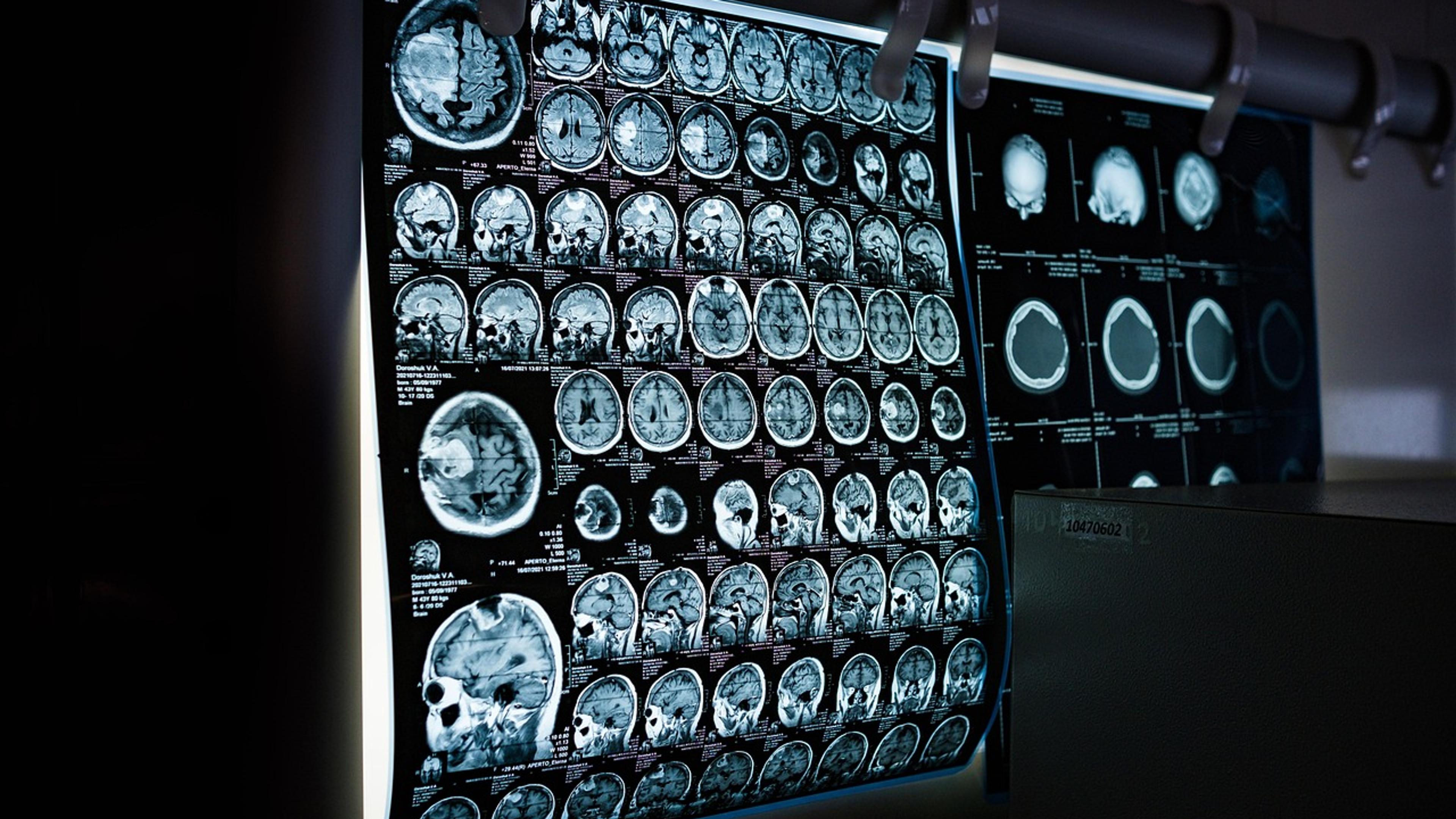
UC San Diego Health has become the first health system on the West Coast to use a new generation of minimally invasive tools for treating chronic subdural hematoma — a dangerous buildup of blood between the brain and its outer covering that's becoming more common among older adults on blood thinners, according to UC San Diego Health.
Reaching the bleed through blood vessels, not an incision
Instead of relying on open surgery, doctors guide a thin catheter through the blood vessels to the middle meningeal artery and block it, cutting off the blood supply that lets the bleed keep reforming. A newly approved flexible coil can now treat a longer section of that artery than older coils could reach, while a separate liquid embolization agent can seal off smaller branches further from the main treatment site.
A fast-growing problem in older patients
Chronic subdural hematoma often follows a minor head injury that might otherwise go unnoticed, and it's increasingly common as more people take blood-thinning medication. Neurosurgeons David Santiago-Dieppa and J. Scott Pannell, who lead the hospital's neurointerventional program, say experts project it could become the most common cranial neurosurgical condition by 2030.
An early patient is recovering well
One patient treated with the new coil technology at UC San Diego Health is 'recovering well,' according to the hospital. As more health systems adopt these tools, doctors hope minimally invasive options like this one become the default for a condition that's traditionally meant a trip to the operating room.
Like what you're reading?