A UC Davis catheter that reads both the structure and chemistry of artery plaque has been tested in patients for the first time
UC Davis Health has finished imaging the last of 10 patients in the first human study of a catheter that combines two optical techniques to show the makeup of plaque in heart arteries. Results have not yet been reported.
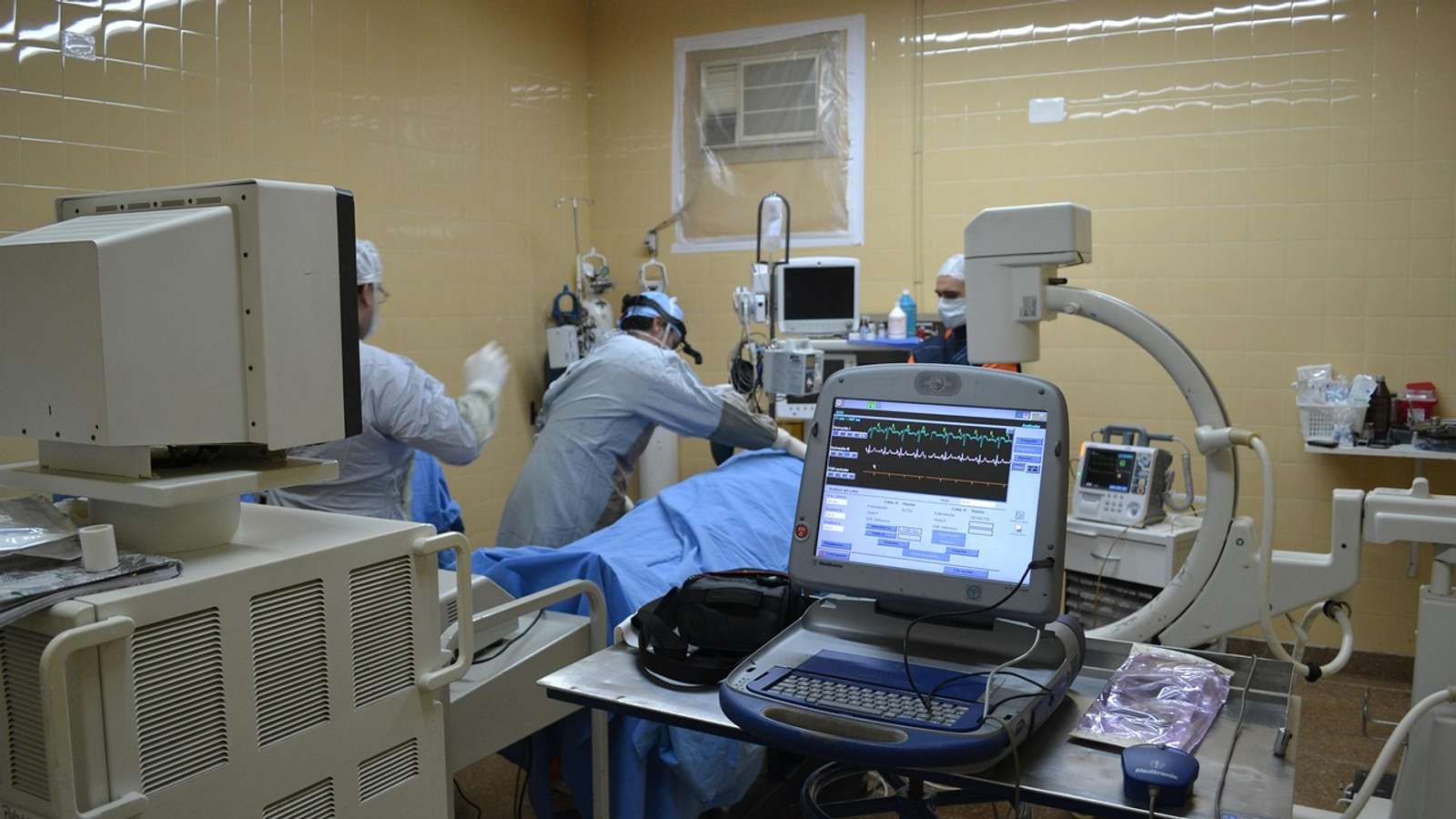
A catheter developed at UC Davis that shows both the structure and the chemical makeup of plaque inside heart arteries has been used in patients for the first time, UC Davis Health said on 20 October. Imaging of the tenth and final patient in the first-in-human study was completed in August.
Two kinds of light in one pass
The flexible catheter combines two optical techniques. Fluorescence lifetime imaging (FLIm) measures the biochemical composition of the artery wall, while polarization-sensitive optical coherence tomography (PS-OCT) maps its microstructure. Both are captured in a single pullback through the artery, imaging an 80-millimeter segment of coronary artery in two seconds.
The aim is to show plaque building up before it develops into a narrowing of the artery, known as stenosis, and to reveal what that plaque is made of, according to UC Davis.
“Plaque can rupture suddenly and create blood clots that could lead to a heart attack.” — Dr. Jeffrey Southard, interventional cardiologist, UC Davis Health
The device was built at the UC Davis National Center for Interventional Biophotonic Technologies, led by Laura Marcu. Julien Bec designed and built the catheter and its imaging console; developing such a device “is typically done by big companies,” he said.
The scale of the problem
Heart disease is the leading cause of death in the United States. About 805,000 Americans have a heart attack each year, someone every 40 seconds, and coronary heart disease, the most common type, killed 371,506 people in 2022, according to the US Centers for Disease Control and Prevention.
What it means for patients now
The catheter is not available outside research. The FDA approved it earlier this year as an investigational device for evaluation in 10 patients, and UC Davis has not yet reported results, including safety data. The team plans to expand the study to more patients. Marcu said she hopes the technology will eventually be used in catheterization labs to assess plaque and guide decisions such as stent placement and drug choice, but that depends on larger studies.
Other recent advances in heart care include a valve repair that cut death and hospitalization risk by 60% in high-risk patients.
Not medical advice. This article reports on research and health programs for general information. Results from early studies often change in larger trials. Talk to a doctor before making decisions about your own health or treatment.
Sources
- UC Davis Health · health.ucdavis.edu
- cdc.gov
How we choose and verify sources: editorial policy.