New drugs, vaccines and devices tested in people, from first safety studies to large phase 3 trials, with the stage and limits of each result stated plainly.

In the RESET for Remission trial in Canada and the UK, 54% of adults aged 18 to 45 with type 2 diabetes reached remission after a low-calorie diet and supervised exercise, against 4% with usual care.
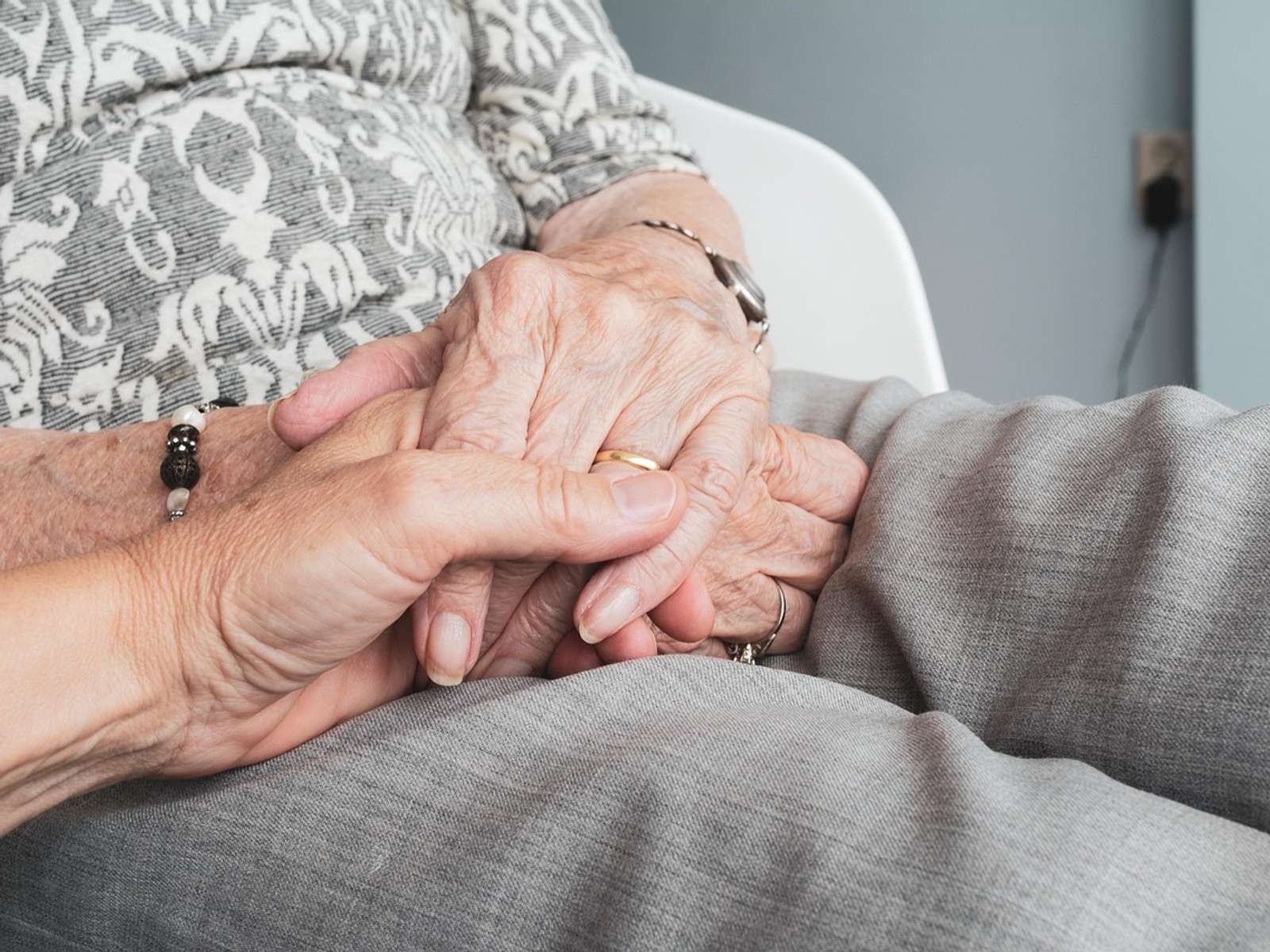
The UK's AD-SMART trial tests several Alzheimer's drugs against one placebo group, starting with metformin and atomoxetine. Its design could more than halve the time to evaluate treatments. It aims to recruit 1,200 people.
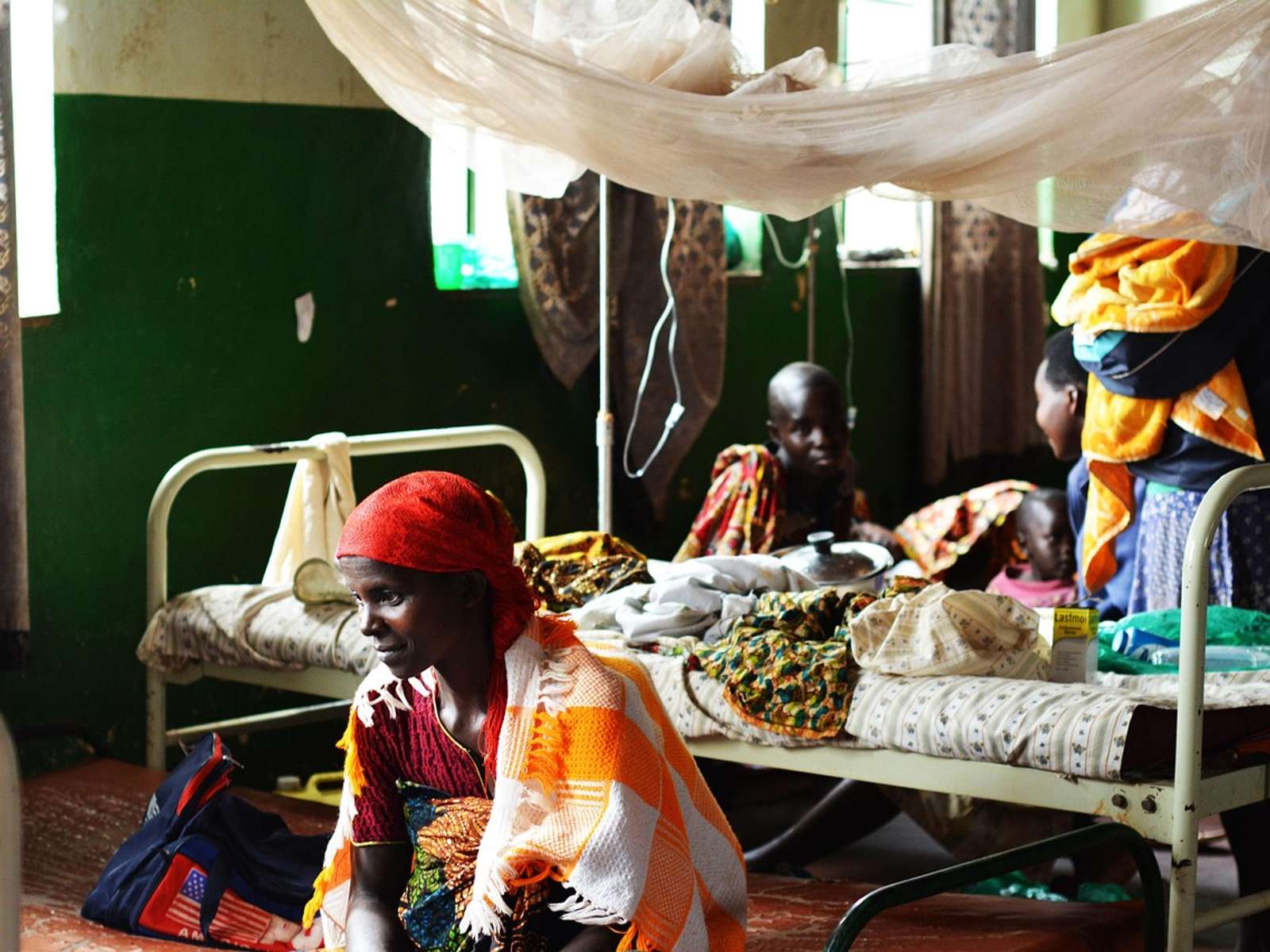
In the SEVUSMAART trial in Kenya and Zambia, sevuparin given with artesunate was safe and well tolerated in 23 children with severe malaria, and researchers found the dose to test next. Efficacy trials across Africa come next.
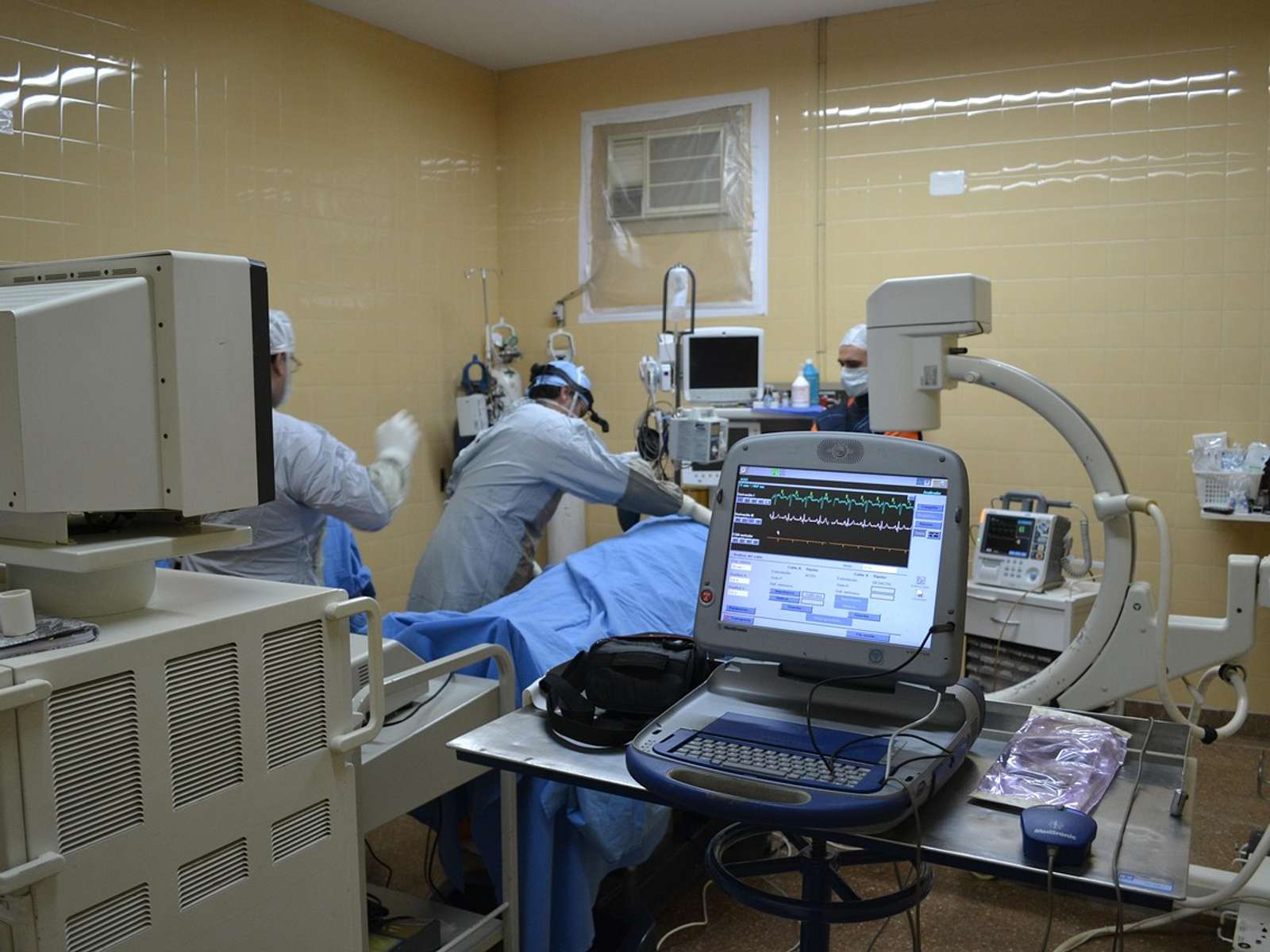
UC Davis Health has finished imaging the last of 10 patients in the first human study of a catheter that combines two optical techniques to show the makeup of plaque in heart arteries. Results have not yet been reported.
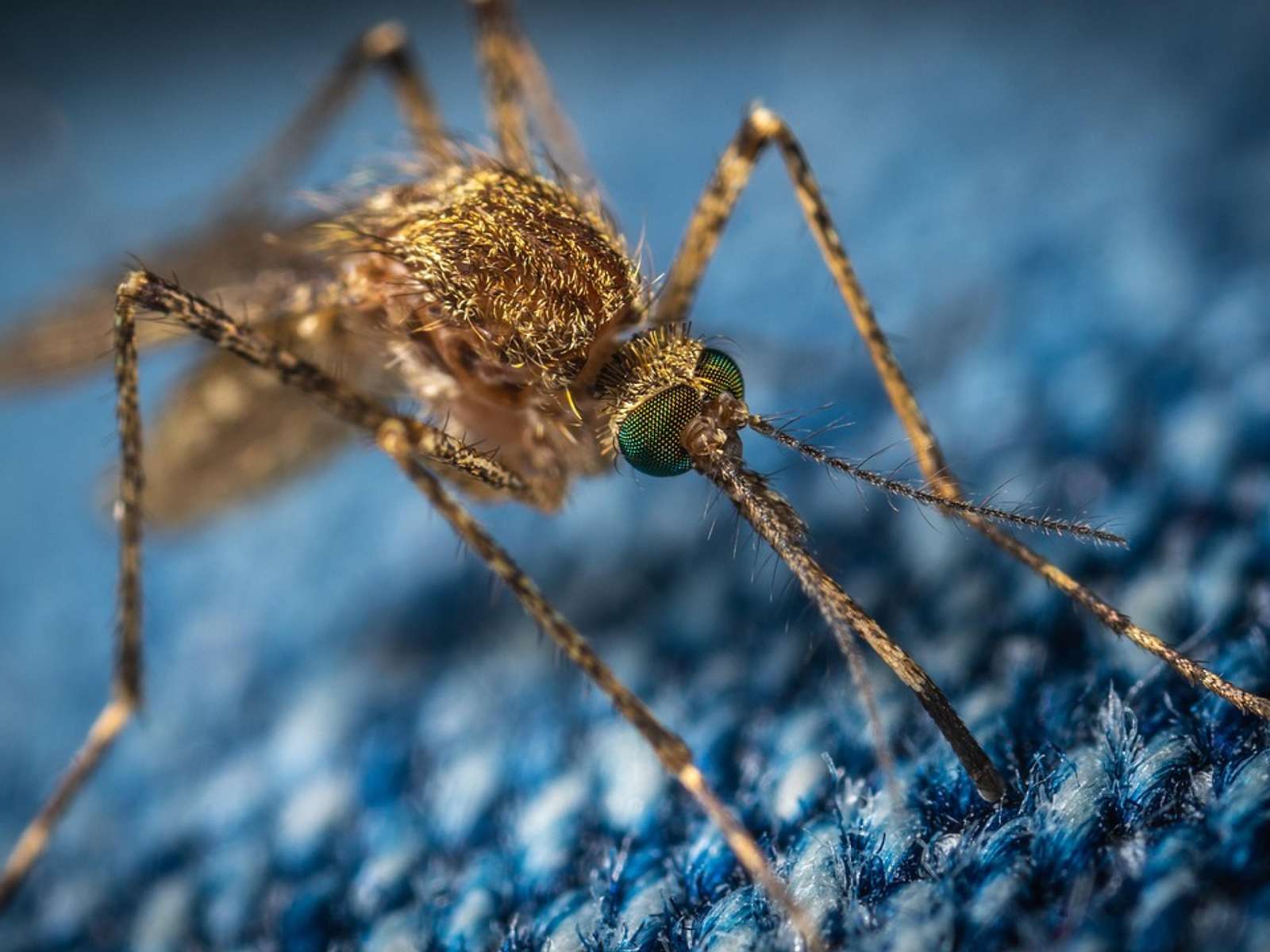
Brazil's health regulator Anvisa has approved a phase 1 trial of Vivaxin, a vaccine against Plasmodium vivax malaria developed by USP and UFMG. Recruitment of 48 healthy adults is due to start in January 2027.
In a 60-patient phase 1b trial led by MD Anderson, firmonertinib shrank tumors in 68% of previously untreated patients with EGFR PACC-mutated lung cancer at the higher dose, with a median of 16 months before the disease worsened.
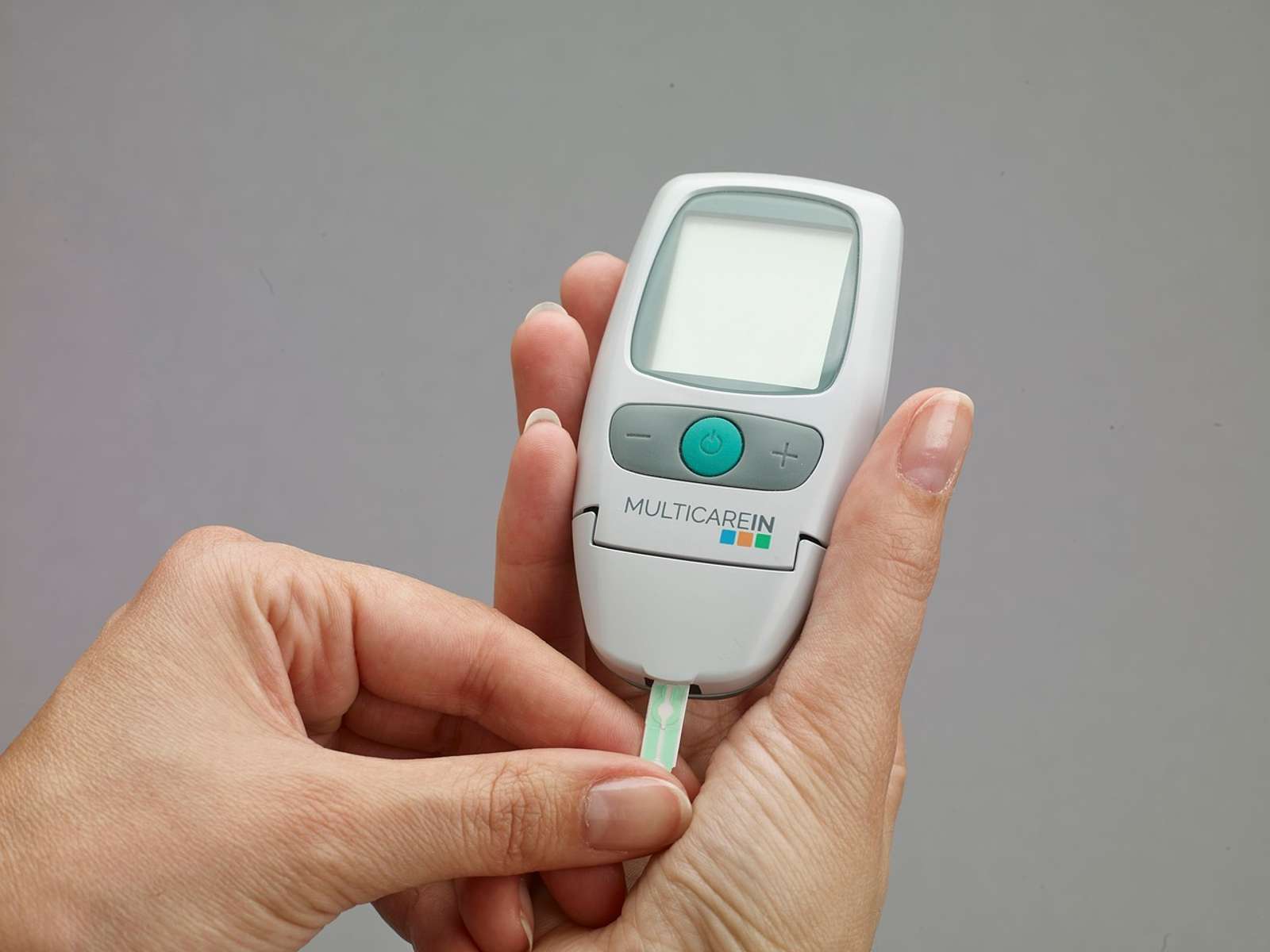
In a 26-week trial of 283 adults with type 2 diabetes who don't use insulin, those given continuous glucose monitors spent about five more hours a day in their target range and lowered their A1c by 0.9 points more than with routine care.
In the first group of blind patients treated with optogenetic therapy, the treatment was safe in all 10 and six gained clinically meaningful light sensitivity. It did not restore normal sight.
Cerevance's experimental drug solengepras reduced the daily time people with Parkinson's spend with poorly controlled symptoms in a 341-person phase 3 trial, without adding troublesome involuntary movements.
Volunteers in Masaka, Uganda, have received the first doses of ChAdOx1 BDBV, an Oxford-developed vaccine against Bundibugyo virus disease, a severe form of Ebola that has no licensed vaccine. The phase I trial will test safety and immune response.
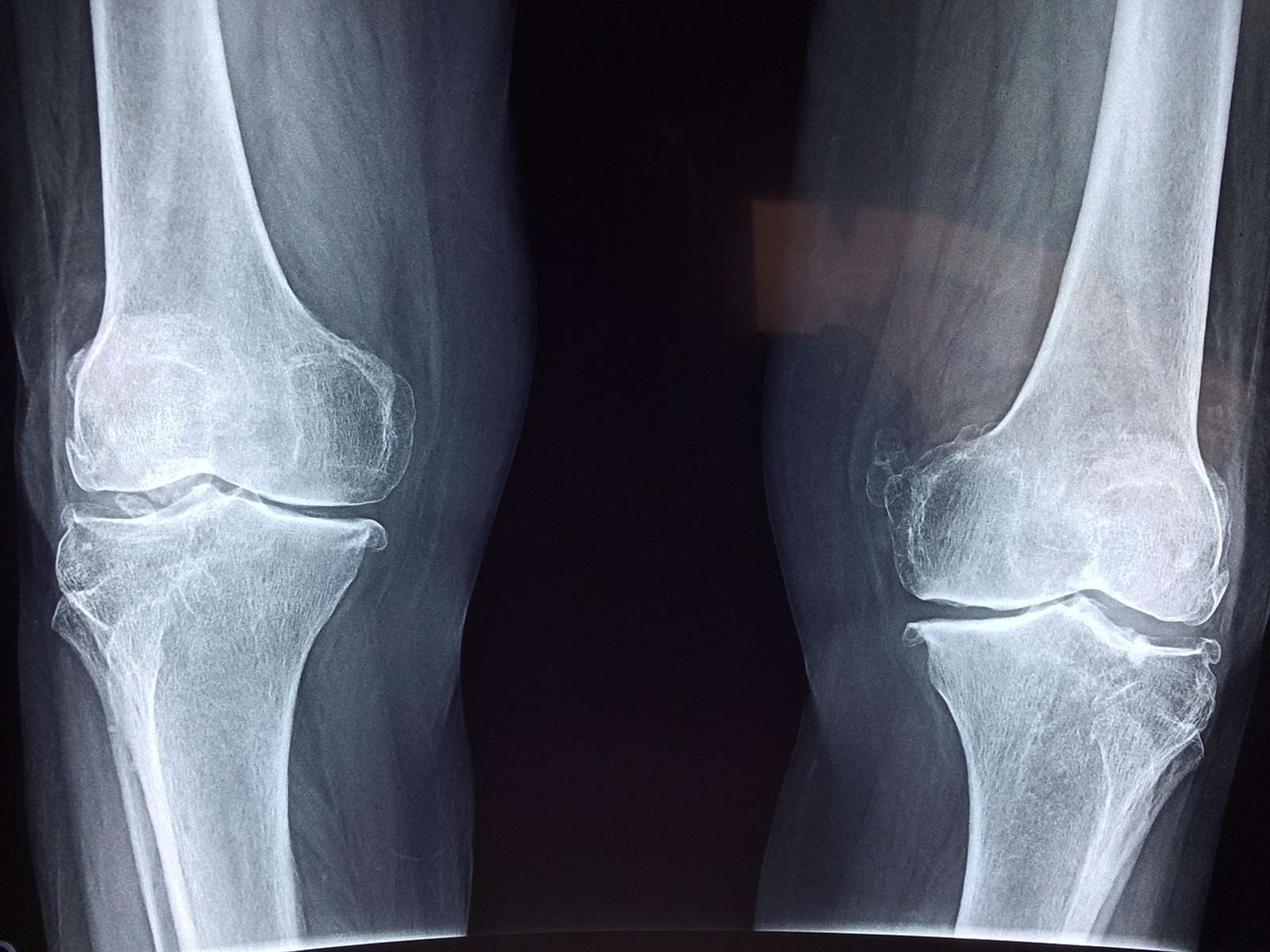
In a first-in-human trial in Murcia, Spain, 10 women with advanced osteoporosis received their own stem cells with a sugar tag that steers them to bone marrow. No serious side effects occurred and fractures fell sharply, but the study had no control group.
In a University of Calgary trial, 82% of 24 glioblastoma patients given high-dose niacin with standard treatment had no cancer progression after six months, against about 54% in earlier studies. The trial is small and has no control group.

In a randomized trial of adults under 45, 54% of those on a low-calorie diet with supervised exercise reached type 2 diabetes remission at 24 weeks, versus 4% receiving usual care, researchers at McGill and Leicester report.
The FDA has approved pirtobrutinib (Jaypirca) for adults with previously untreated chronic lymphocytic leukemia, after a 282-patient trial found it cut the risk of progression or death by 80% compared with chemoimmunotherapy.
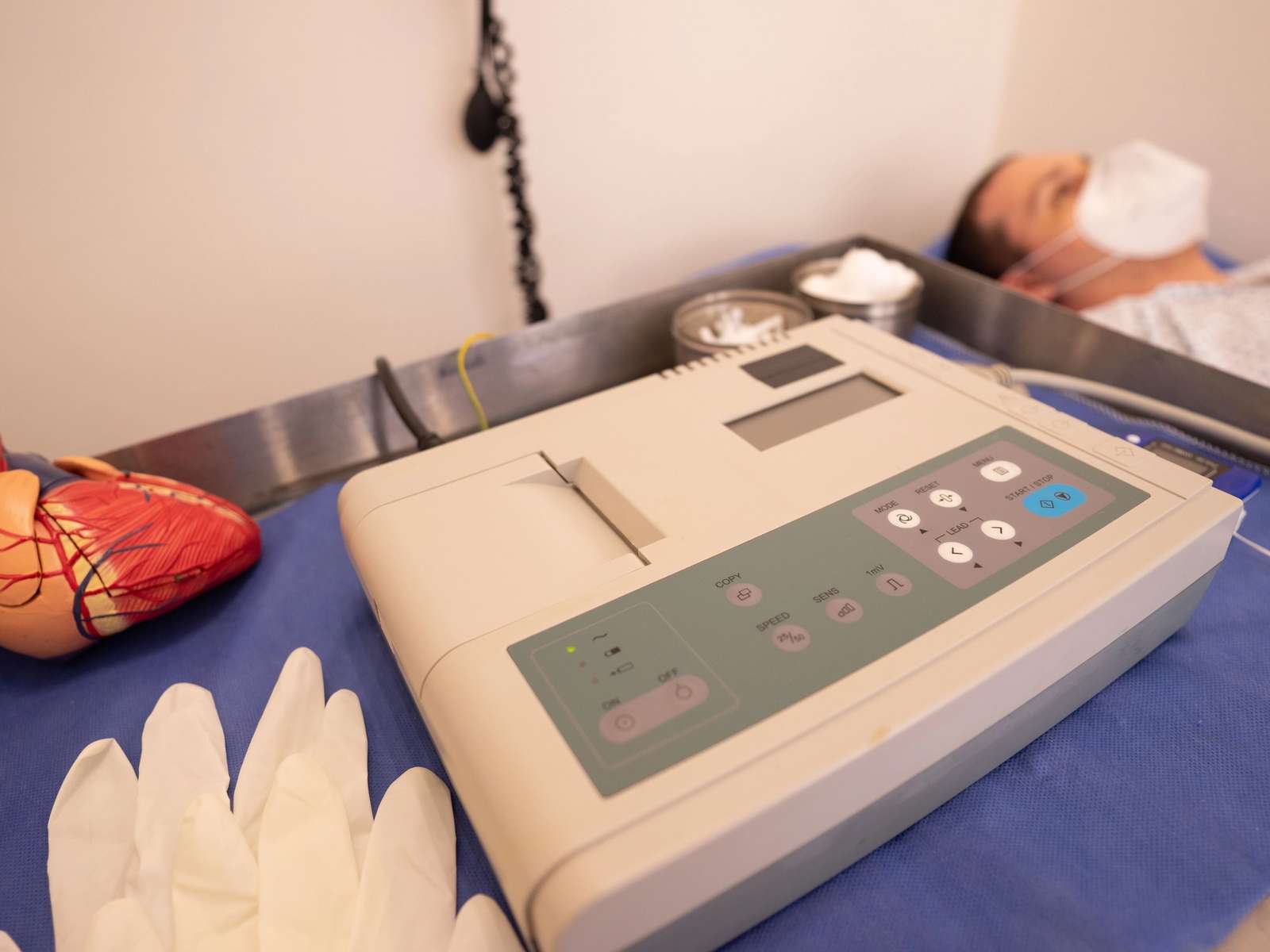
A German trial found that a minimally invasive tricuspid valve repair cut the risk of death or heart failure hospitalization by roughly 60 percent over three years in high-risk patients, resolving a question that had lingered since earlier trials.
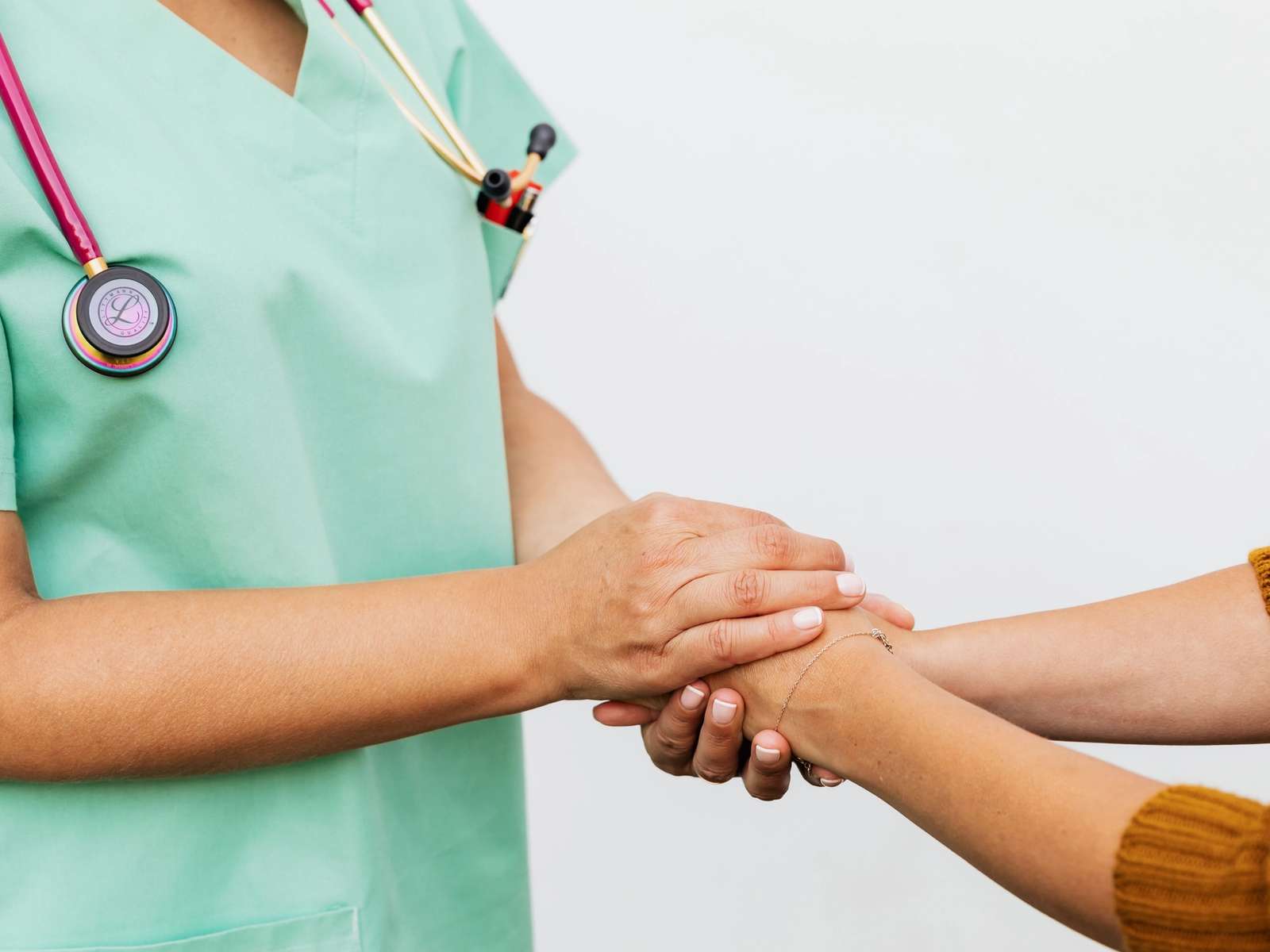
A nurse-coordinated care model tested in 1,507 patients across 22 Indian hospitals cut heart failure deaths by 22 percent over two years, addressing one of cardiology's most persistent gaps: patients not receiving medications proven to save lives.
About this topic
Every new medicine has to pass through clinical trials before it can be approved. Phase 1 studies test safety and dose in 20 to 100 people, phase 2 looks at effect and side effects in up to several hundred, and phase 3 tests real benefit in 300 to 3,000, according to the US Food and Drug Administration. Most drugs drop out along the way: the FDA estimates that about 70% move on from phase 1, about 33% from phase 2 and 25% to 30% from phase 3.
The stories on this page cover trials at every stage. Brazil approved the first human trial of Vivaxin, a vivax malaria vaccine, in 48 healthy adults; a phase 1b trial in Kenya and Zambia found the dose of sevuparin to test in children with severe malaria; an experimental lung cancer drug shrank tumors in 68% of untreated patients in a 60-person phase 1b study; and the UK's AD-SMART trial is testing several Alzheimer's drugs at once against a shared placebo group.
Early results are not proof that a treatment works. In every story we give the trial phase, the number of participants, what was measured and whether the treatment is available anywhere yet, and health stories carry a section on what the news means for patients now.
Each story links to the hospital, university or company behind the trial, and to the paper or trial registry where one exists.