Uganda Gives First Doses of an Experimental Vaccine Against the Bundibugyo Ebola Virus
Volunteers in Masaka, Uganda, have received the first doses of ChAdOx1 BDBV, an Oxford-developed vaccine against Bundibugyo virus disease, a severe form of Ebola that has no licensed vaccine. The phase I trial will test safety and immune response.
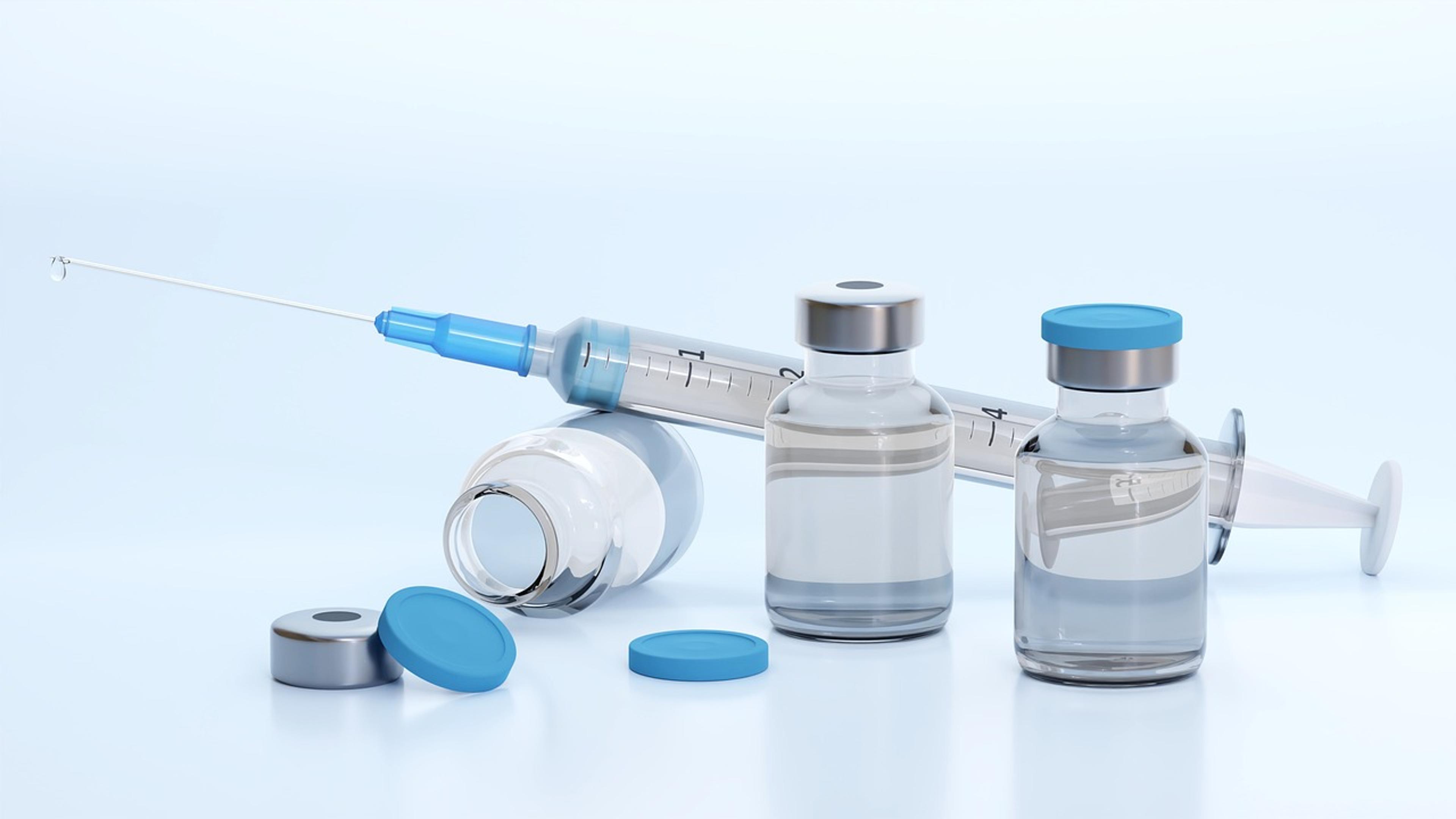
Researchers in Uganda have given the first doses of an experimental vaccine against Bundibugyo virus disease, a severe form of Ebola for which no licensed vaccine exists, The Eastleigh Voice reported. The first volunteers were vaccinated in Masaka City on October 6 in a trial run by the MRC/UVRI and LSHTM Uganda Research Unit.
The phase I trial checks safety and immune response first
The study is testing ChAdOx1 BDBV, developed at the University of Oxford’s Oxford Vaccine Group and Pandemic Sciences Institute. This first stage will look at whether the vaccine is safe and whether it triggers an immune response in healthy adults. It will not yet show whether the vaccine prevents infection or illness, which requires larger, later-stage trials.
The vaccine uses the same ChAdOx viral-vector platform as the Oxford/AstraZeneca COVID-19 vaccine: a modified chimpanzee adenovirus carries genetic information from the target virus to train the immune system. The world’s first human trial of the vaccine began in the UK on July 24, according to Digital Journal.
Doses are already stockpiled
The Serum Institute of India has manufactured and stockpiled about 620,000 doses, produced within two weeks, Oxford and the institute said. About 3,000 doses have been supplied for the Ugandan study.
An outbreak gave the work new urgency
Vaccines exist for Ebola disease caused by the Zaire ebolavirus, but not for Bundibugyo. Interest grew after the World Health Organization was alerted on May 5 to a high-mortality outbreak in the Democratic Republic of the Congo, later confirmed as Bundibugyo virus disease. The WHO puts Ebola’s average fatality rate at about 50%, though it varies widely between outbreaks.
If later trials show it works, a vaccine would add to existing tools such as surveillance, contact tracing, medical care and infection control.
Like what you're reading?
Related stories
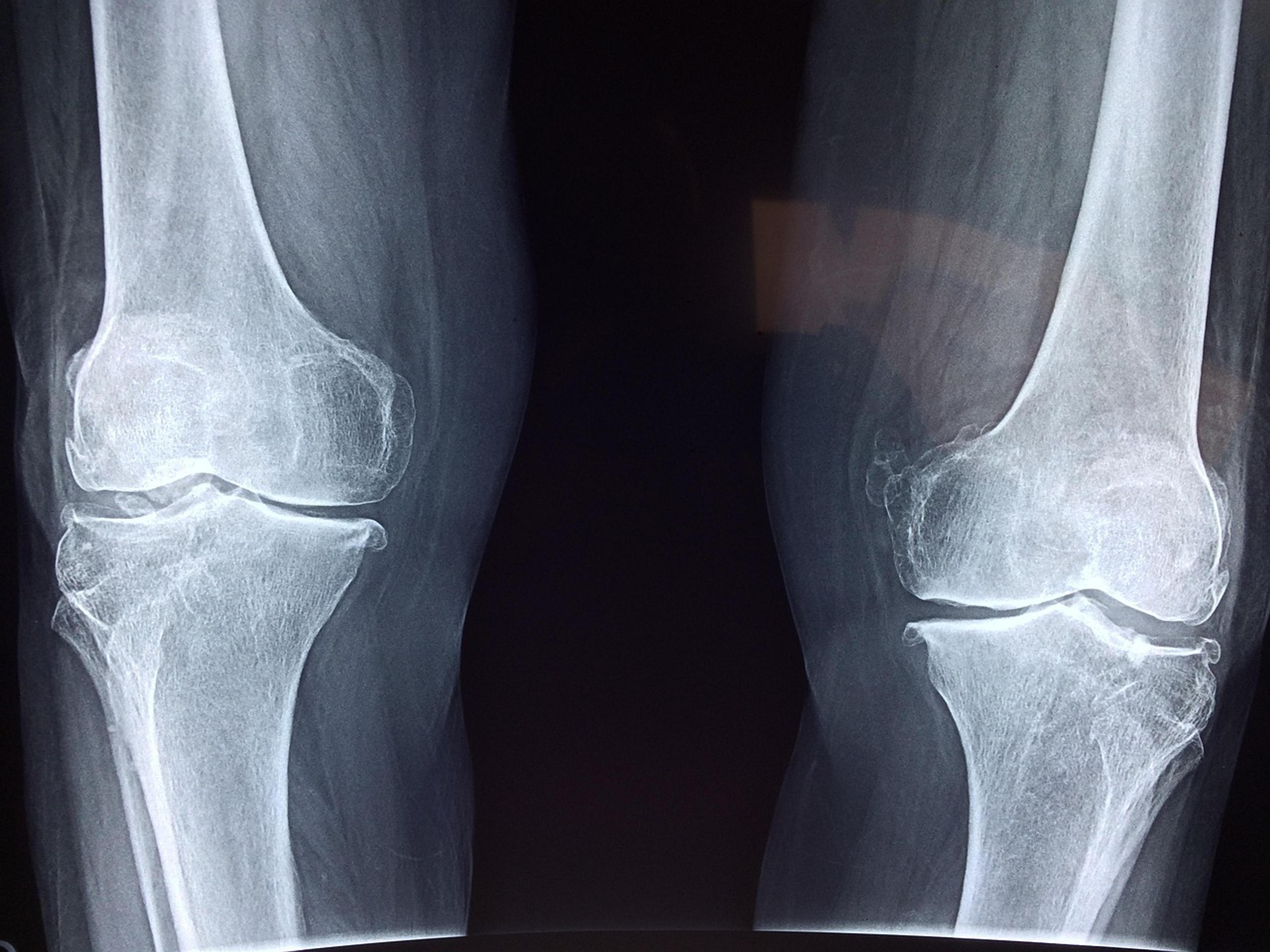
Sugar-Tagged Stem Cells Sent to Bone Marrow Show Early Promise Against Osteoporosis
In a small first-in-human trial, 10 women with advanced osteoporosis received their own stem cells modified with a sugar-based homing tag. The treatment appeared safe, and fractures dropped, though experts warn efficacy is unproven.
High-Dose Vitamin B3 Shows Early Promise Against Glioblastoma in Small Calgary Trial
In an interim analysis of a University of Calgary trial, 82% of 24 glioblastoma patients given controlled-release niacin alongside standard treatment had no cancer progression after six months. The researchers stress the results are preliminary.

More Than Half of Young Adults With Early Type 2 Diabetes Reached Remission in a 24-Week Diet and Exercise Trial
In a randomized trial of adults under 45, 54% of those on a low-calorie diet with supervised exercise reached type 2 diabetes remission at 24 weeks, versus 4% receiving usual care, researchers at McGill and Leicester report.